REVIEW · CHIANG MAI
Full Day Experience at Ran-Tong Save & Rescue Elephant Centre
Book on Viator →Operated by Ran-Tong Save & Rescue Elephant Centre · Bookable on Viator
Rescued elephants, no circus tricks. This full-day program at Ran-Tong Save & Rescue Elephant Centre is built around respectful observation and real caretaking, not entertainment.
I like that you’re taught how to help in small, safe ways like making vitamins/medicine and feeding. I also like the day’s calm pace: walk, watch, learn, then head back to your Chiang Mai hotel feeling like you actually understood something.
One thing to consider: you’ll be near elephants in their working space, so you should plan for muddy, wet-foot conditions and the warm, bug-prone outdoors for much of the day.
In This Review
- Key highlights worth planning for
- What You’re Really Signing Up For: Observation, Not a Show
- From Chiang Mai City to Mae Taeng: The Ride That Sets the Mood
- Karen Mahout-Style Clothes and Elephant School Time
- Making Vitamins and Medicine: Hands-On Care Without the Chaos
- Meet the Elephants: Observation That Feels Like Learning Their Language
- Walk With Elephants in Their Natural Habitat (Plus Wet, Dirty Reality)
- Lunch in the Middle of the Day: Thai Food, Fruits, and Water
- Comfort Checklist: What to Pack for a Bugs-and-Mud Day
- Group Size and Timing: Why a Max of 15 People Feels Better
- Price and Value: Is $90.86 Worth It?
- Who This Elephant Observation Day Fits Best
- Should You Book This Ran-Tong Elephant Observation Tour?
- FAQ
- What’s included in the full-day experience at Ran-Tong Save & Rescue Elephant Centre?
- Do you ride the elephants?
- How long is the tour?
- What group size should I expect?
- What should I bring?
- Can I cancel for a refund?
Key highlights worth planning for
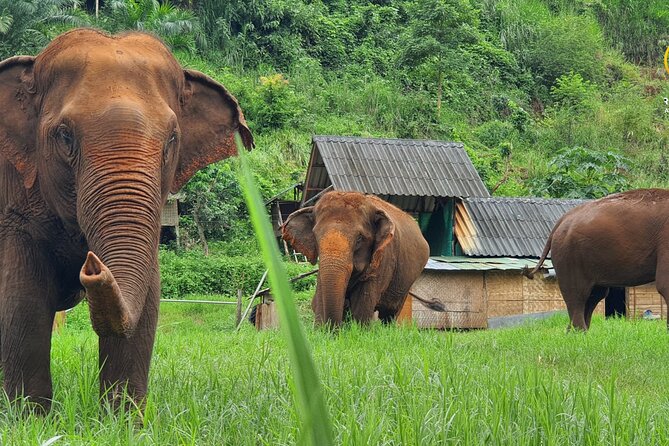
- Hands-off elephant time (no riding, not a show) that focuses on welfare and observation
- Small group size (max 15) for more personal attention and quieter elephant moments
- Mahout-style Karen clothes + an elephant school intro before you get close
- Care steps like making vitamins/medicine for elephants including pregnant, injured, and old individuals
- Thai lunch with seasonal fruit and drinking water, and the program can handle vegan diets
- Habitat walking with realistic comfort prep (wet, dirty sandals and insect repellent)
What You’re Really Signing Up For: Observation, Not a Show
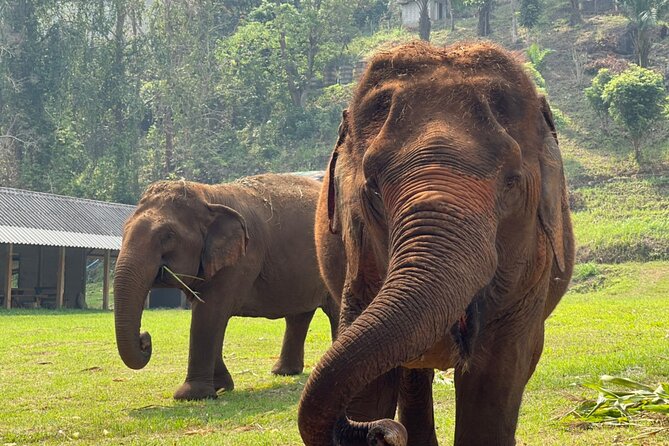
This is an elephant observation day built around rescued animals, and that difference matters. You’re not there to watch a performance. You’re there to learn how elephants live when they’re safe, and what rescue care looks like day-to-day. The center’s approach is hands-off, meaning the goal is respectful proximity and education—rather than forcing elephant behavior for photos or tricks.
In practice, it feels more like a conservation-focused lesson than a typical tourist outing. You get structured time with staff, clear guidance on what to do, and an emphasis on watching how elephants move, rest, and interact. That makes the experience both calmer and more meaningful.
The vibe is also practical. You’ll be doing care-related activities and walking in the elephants’ environment. This is not a sit-and-smile event where you stay dry and untouched.
You can also read our reviews of more tours and experiences in Chiang Mai



From Chiang Mai City to Mae Taeng: The Ride That Sets the Mood
The day starts with pickup from your hotel/accommodation in Chiang Mai city. Then it’s about an hour drive out to the Mae Taeng District, where the center is located. That travel time matters because it gets you away from the loud, crowded parts of Chiang Mai and into a more rural rhythm.
Once you arrive, you don’t just wander. You shift into the program immediately. Expect a transition from city routine to elephant-day routine—change time, briefing time, and then learning time.
A small logistics tip: if your phone battery is your lifeline for photos, charge it before pickup. Out here, you’ll be outside most of the day, and you’ll want your camera ready for close observation moments.
Karen Mahout-Style Clothes and Elephant School Time
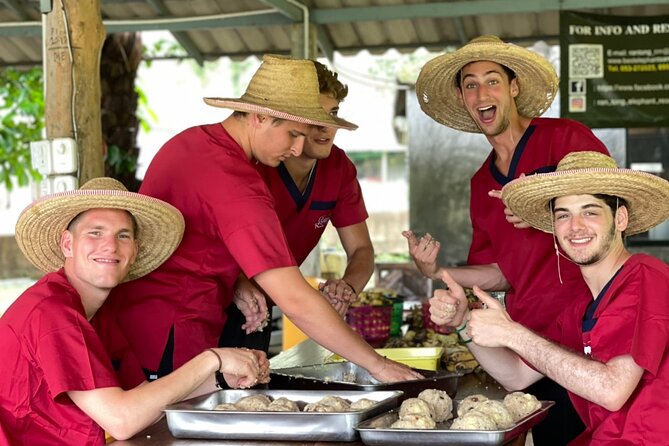
One of the most memorable parts of the day is the clothing change on arrival. You’ll switch into Mahout-style Karen clothes and start what feels like an elephant school introduction.
This is where you learn the center’s approach and get context on what rescue means for elephants with different needs—especially since the program later includes help with vitamins for elephants such as pregnant, injured, and older individuals. Even if you already know general elephant facts, this kind of orientation helps you watch with better eyes.
What I like about this segment is that it doesn’t waste time. It’s not a long lecture. It’s short, practical, and connected to what you’ll do next. You’ll also be reminded about respectful behavior around the elephants, which matters for both safety and welfare.
Making Vitamins and Medicine: Hands-On Care Without the Chaos
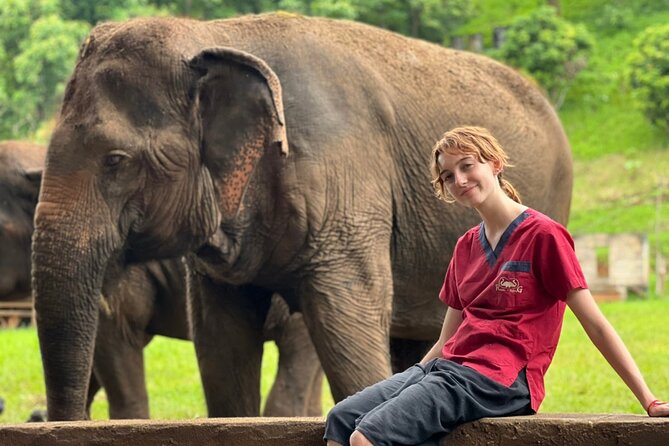
After the introduction, you move into the care portion of the day. You’ll learn to make vitamins for the elephants, including care support for pregnant, injured, and older elephants. This is real work-style activity, guided by the staff and centered on welfare.
The value here is more than the novelty of getting your hands involved. It helps you understand that rescue centers operate with routine, responsibility, and ongoing health support. Watching elephants is powerful, but knowing what’s needed to keep them thriving makes the day stick in your mind.
A second bonus from this type of program: it can include guided care activities beyond feeding, and some people have reported comfort-care moments such as giving a massage as part of the instruction. The key point for you is this: you’re not “doing whatever you want.” You’re participating in guided care, with rules that keep both elephants and people safe.
Meet the Elephants: Observation That Feels Like Learning Their Language
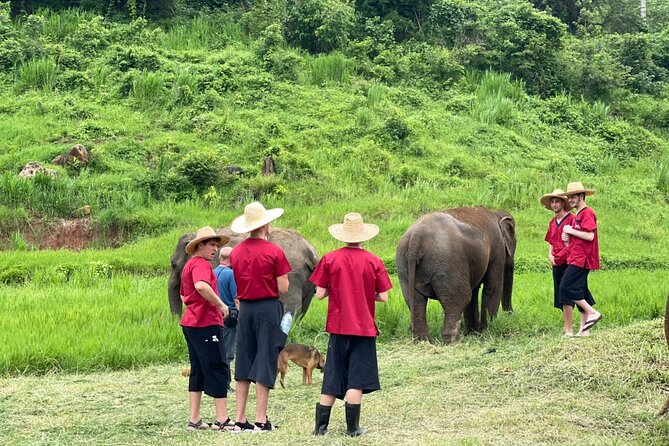
Once you meet the elephants, the emphasis stays on watching. You’ll observe them and see their natural behaviors in a setting built for their wellbeing. This is where the “walk beside” portion starts to feel real.
Instead of rushing for an Instagram shot, you’re encouraged to pay attention. Watch body language. Notice how they use space. Look at how they move when they choose to move. In a good program like this, you’re not just seeing elephants—you’re learning what to notice.
A practical note: elephants are huge, and you’ll be close. Your job is simple—follow staff instructions, stay calm, and give them space when they need it. If you treat the day like a gentle observation session, you get far more out of it.



Walk With Elephants in Their Natural Habitat (Plus Wet, Dirty Reality)
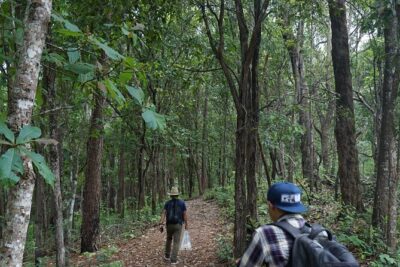
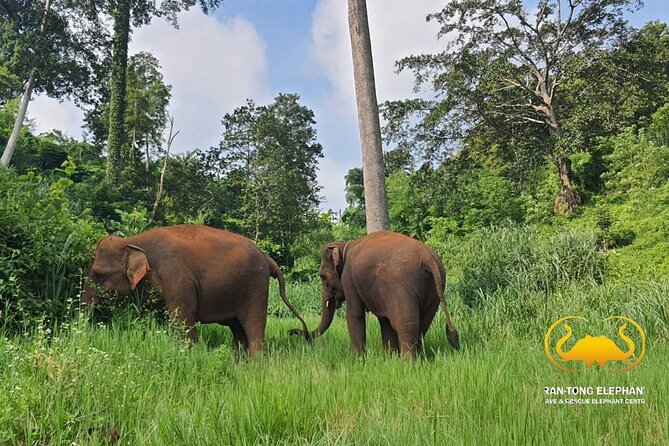
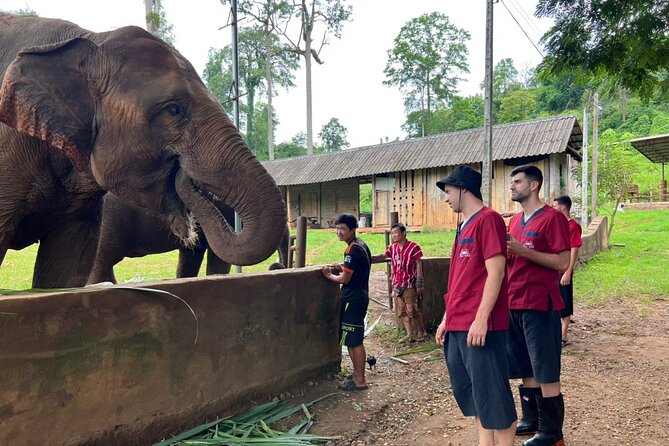
The day includes walking with elephants and observing them in their natural habitat. That part is one of the big reasons people book this experience. It’s not just viewing from a distance. It’s time spent near enough to understand how environment, routine, and behavior connect.
Now the reality check. You should bring spare clothes and comfortable shoes. The center also recommends sandals that you do not mind getting wet and dirty. Plan for some mud and dampness, because you’re working in a real outdoor environment, not a staged walkway.
If you want a comfortable photo setup, bring a camera strap instead of holding the camera in your hands all day. Your attention will be split between watching elephants and staying steady on uneven ground.
Lunch in the Middle of the Day: Thai Food, Fruits, and Water
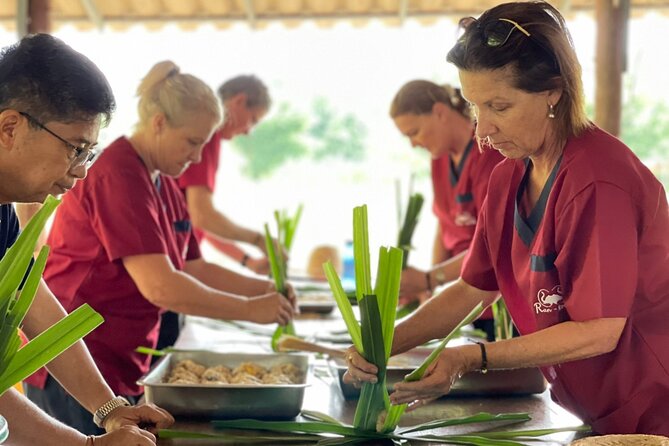
Lunch is Thai food, plus seasonal fruits and drinking water. This matters because the day is long—about 8 hours—and you’re moving and standing outside. You’ll want real fuel, not just a snack.
There’s also a useful dietary note from real experiences: the program can accommodate vegan diets. If you have a food restriction, it’s worth confirming it at booking.
For you, the best approach is simple: eat normally, drink water, and don’t over-plan snacks. The center provides water at lunch, and you’ll get other refreshment time as part of the day.
Comfort Checklist: What to Pack for a Bugs-and-Mud Day
This is the kind of outing where your packing choices change your whole experience. The basics they suggest are smart:
- Spare clothes (so you can change back comfortably later)
- Comfortable shoes for walking
- Sandals you do not mind getting wet and dirty
- Shampoo and soap (you’ll likely appreciate a reset after the day)
- Camera
- Mosquito spray or insect repellent
One funny-but-true thought: if you forget repellent, you’ll remember it the hard way while you’re trying to watch elephants. Bring it.
Also, bring a small towel or baby wipes if you’re the type who hates feeling sticky. The itinerary doesn’t mention it, but it fits the reality of the day.
Group Size and Timing: Why a Max of 15 People Feels Better
This program caps at 15 travelers. That small group size makes a difference. You’re more likely to get guidance when you need it, and it’s easier to manage spacing around animals.
The day is structured, too: pickup in the morning, drive out to the center, orientation and care steps, lunch, then the observation and habitat walking portion. After that, you’ll say goodbye to the elephants, change clothes, and head back to your Chiang Mai hotel.
If you’re thinking about scheduling the rest of your trip, don’t book something demanding right after. Your legs may feel it. Even if the pace isn’t a hike, it’s a long outdoor day.
Price and Value: Is $90.86 Worth It?
At $90.86 per person for about 8 hours, it’s not a budget activity—but it also isn’t a sky-high, luxury-fee elephant outing. The value comes from what you’re actually doing:
- No riding and no show-style exploitation
- Hands-on, guided support like making vitamins/medicine
- A longer, structured experience (not a quick photo stop)
- Small group size (max 15), with pickup included
There’s also a planning reality: this kind of ethical program tends to fill faster. You’ll often see it booked about a month in advance on average, so if you’re traveling in peak season, book early rather than hoping for a last-minute slot.
If you want the cheapest possible elephant day, this may not be it. If you want a day that respects elephants and teaches you what rescue care looks like, the price feels more justified.
Who This Elephant Observation Day Fits Best
I’d send this experience to you if you:
- Want ethical elephant time (observation and hands-off interaction) rather than a ride
- Like structured days with education built in
- Enjoy animal care activities like preparing vitamins/medicine and learning routines
- Don’t mind a long outdoor day with mud, warmth, and insects
I’d think twice if you:
- Hate getting dirty or being outside for hours
- Want a fully comfortable, indoor-style tour with minimal walking
- Are looking for a short, low-effort “elephants in an hour” option
The upside is that the program fits many people. They say most people can participate, but you should still consider your comfort with uneven outdoor ground and warm weather.
Should You Book This Ran-Tong Elephant Observation Tour?
Yes, you should book it if your priority is learning and observing rescued elephants in a conservation-focused setting. The center’s approach—no show, no riding, and guided care steps—turns your visit into something more useful than a quick photo.
Book sooner than later if you want your preferred date, and pack like you’re spending a day in working elephant country. If you show up with patience and follow instructions closely, you’ll get the kind of calm, real animal day that’s hard to find in the cookie-cutter tourist circuit.
If you want, tell me your travel dates and whether you prefer a smaller, quieter day. I can help you plan the rest of your Chiang Mai schedule around an 8-hour elephant day.
FAQ
What’s included in the full-day experience at Ran-Tong Save & Rescue Elephant Centre?
You’ll get hotel pickup from Chiang Mai city, the drive to the center, a clothing change into Mahout-style Karen attire, an elephant school introduction, time to make vitamins for elephants, lunch with Thai food plus seasonal fruit and drinking water, and elephant observation and walking in their natural habitat. The day ends with changing clothes and returning to your hotel.
Do you ride the elephants?
No. The program is described as an elephant observation experience with hands-off interaction. It specifically notes there is no riding or circus-style exploitation.
How long is the tour?
It runs for about 8 hours.
What group size should I expect?
The maximum group size is 15 travelers.
What should I bring?
Bring spare clothes and comfortable shoes. The center also recommends sandals you do not mind getting wet and dirty, plus shampoo and soap. A camera and mosquito or insect repellent are also recommended.
Can I cancel for a refund?
Yes. You can cancel for a full refund up to 24 hours in advance of the experience start time. If you cancel within 24 hours, the amount paid is not refunded.