REVIEW · CHIANG MAI
Chiang Mai: Tuk-Tuk Evening Tour with Temples & Street Foods
Book on GetYourGuide →Operated by TripGuru Thailand · Bookable on GetYourGuide
Night in Chiang Mai turns the city into a different planet. This tuk-tuk ride after dark plus temple visits to Wat Suan Dok and Wat Lok Moli is a great way to see the real rhythm of Lanna life. One catch: temple sites and markets mean you’ll want comfortable shoes and clothes that cover your shoulders and knees.
I like how the tour keeps things moving without feeling rushed. You get a guided look at big-name temple highlights, but the best moments are often the small ones: the shapes of chedis in moonlight, and the way a guide helps you order and choose street snacks with less guesswork.
Because you’re out at night (and on uneven surfaces), this is not the tour for everyone. If you have mobility limits, heart or respiratory issues, or you’re pregnant, skip this one and look for a slower option.
In This Review
- Key Points at a Glance
- Chiang Mai After Dark: Why This Tuk-Tuk Night Loop Works
- Getting In and Out Smoothly: Pickup, Private Ride, and Group Size
- Tuk-Tuk Through the Old City Walls and Moat
- Wat Suan Dok: White Chedis and a 48-Meter Golden Pagoda
- Wat Lok Moli: Lanna-Style Details and Resting Place of Mengrai Kings
- Chang Phuak Gate Night Market: Where the Food Time Becomes the Night
- Warorot and Ton Lam Yai: More Night Atmosphere in One Ride
- Food, Costs, and the Street-Food Reality Check
- Sustainability That Doesn’t Feel Like a Lecture
- Who This Tour Fits Best (and Who Should Skip It)
- A Note on Dress Code and Comfort
- Value and Sustainability: Is It Worth $64?
- Should You Book This Chiang Mai Tuk-Tuk Night Tour?
- FAQ
- How long is the Chiang Mai tuk-tuk night tour?
- What does the $64 price include?
- Is street food included?
- How many people are in the group?
- What temples are visited, and are entry fees included?
- What time of day is the tour?
- What should I bring for temple and market visits?
- Is the tour suitable for everyone?
Key Points at a Glance
- Private tuk-tuk with a small group (up to 4), so you can actually hear your guide instead of guessing.
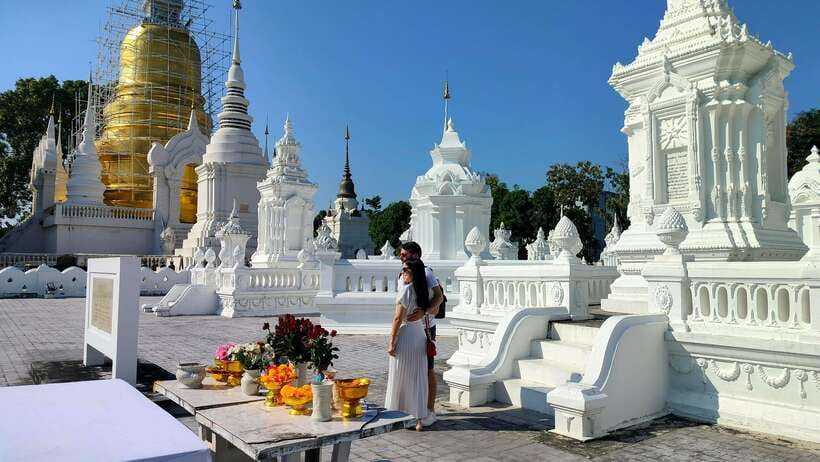
- Wat Suan Dok includes the temple entrance, with its famous white chedis and the 48-meter golden pagoda.
- Wat Lok Moli is quieter and older, with a restored chedi and Lanna touches like the teak wood pavilion.
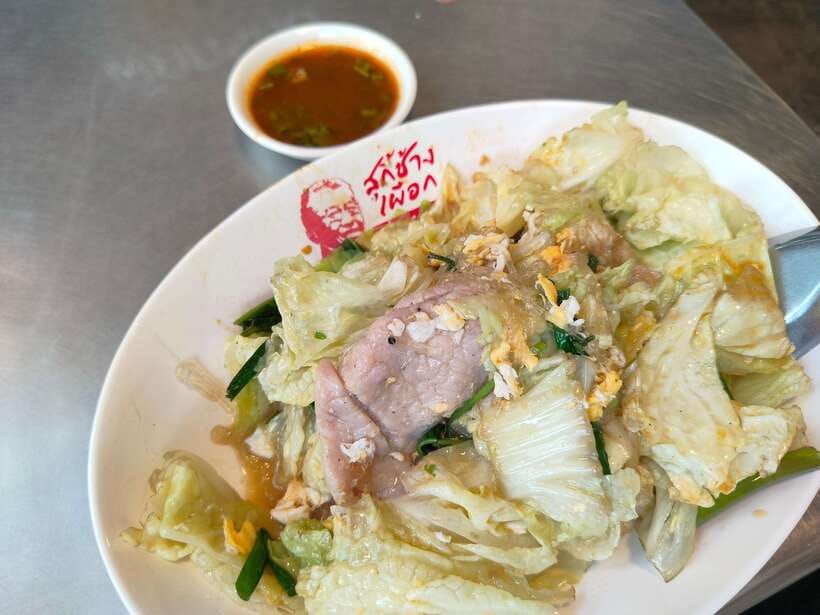
- Chang Phuak Gate Night Market is the main food stop, with help from your driver for what to try.
- Warorot Market and Ton Lam Yai Flower Market add extra night atmosphere without making the night feel too long.
- GSTC-certified responsible touring, plus water in glass bottles and carbon offset credits.
Chiang Mai After Dark: Why This Tuk-Tuk Night Loop Works
Chiang Mai looks good in daylight. At night, it looks personal. This tour uses that idea well: you start with a tuk-tuk spin through the Old City area, then shift into temples, then finish in markets where the city’s energy is easy to feel.
I particularly like the balance. You get cultural stops that aren’t just photo ops, and you get time for food without turning the night into a nonstop eating contest. And yes, riding a tuk-tuk at night really does feel like you’re watching Chiang Mai in motion, not just visiting it.
The one thing to keep in mind is the pace. Four hours sounds tidy on paper, but you’ll still be walking, climbing temple paths, and standing around while food gets prepared. If your feet are easily wrecked, plan for it.
You can also read our reviews of more evening experiences in Chiang Mai

Getting In and Out Smoothly: Pickup, Private Ride, and Group Size
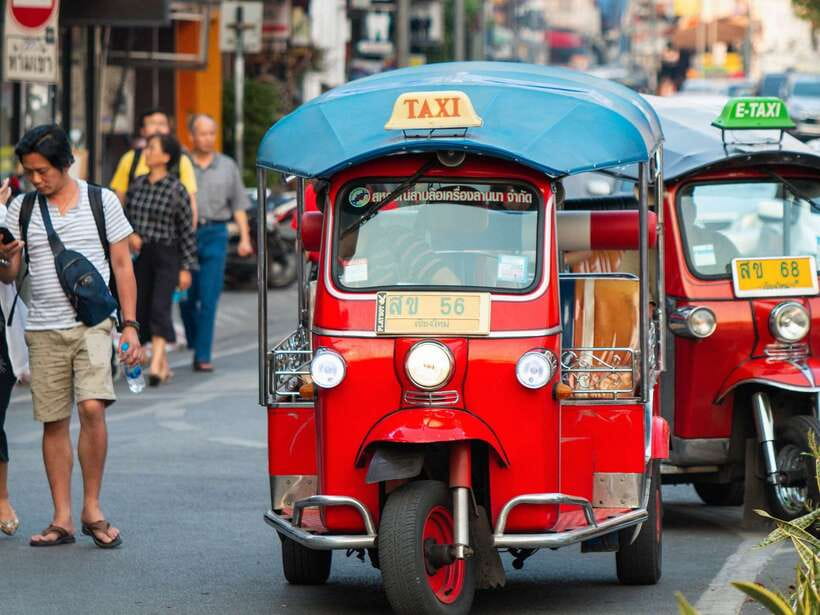
Logistics can make or break a night tour. This one is built to reduce stress.
Pickup runs from select hotels and registered accommodations, mainly within a 2 km radius of the Thapae Gate and around the Old City Wall zones, including the Night Bazaar, Ton Lam Yai area, and Kad Luang. If your hotel falls outside the free pickup area, you’ll meet at Tha Phae Gate in front of McDonald’s, and your guide will be holding a TripGuru sign.
The group size is small—up to 4 participants—and you’re in a private tuk-tuk, which helps a lot in a city where roads can get chaotic. Your guide stays with you and moves you between stops at a sensible tempo.
Before you go, the team emails your pickup time the evening before. That matters because the meeting point on a busy night can be the difference between relaxing and sprinting.
Tuk-Tuk Through the Old City Walls and Moat
Before temples and markets, you start with motion. The tuk-tuk ride is long enough to get your bearings and short enough to keep the night from feeling like a bus tour.
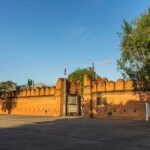
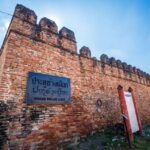
You pass the historic walls and the moat—those physical boundaries that shaped how Chiang Mai grew. This part works because it connects the sites you’ll see later with the geography of the city. In practice, it means you arrive at the temples already oriented, instead of feeling dropped into a random neighborhood.
At night, roads get bright and loud. So keep one practical expectation: you’ll likely want to hold your phone/camera steady and accept that some shots won’t be perfect. Still, the ride gives you that first taste of Chiang Mai’s nighttime rhythm.
Wat Suan Dok: White Chedis and a 48-Meter Golden Pagoda
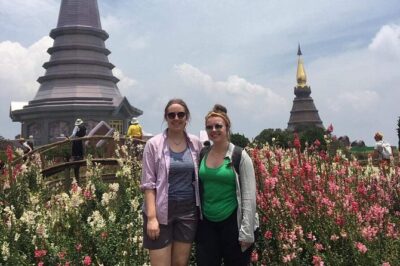
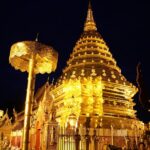
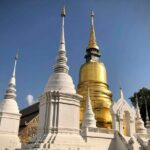
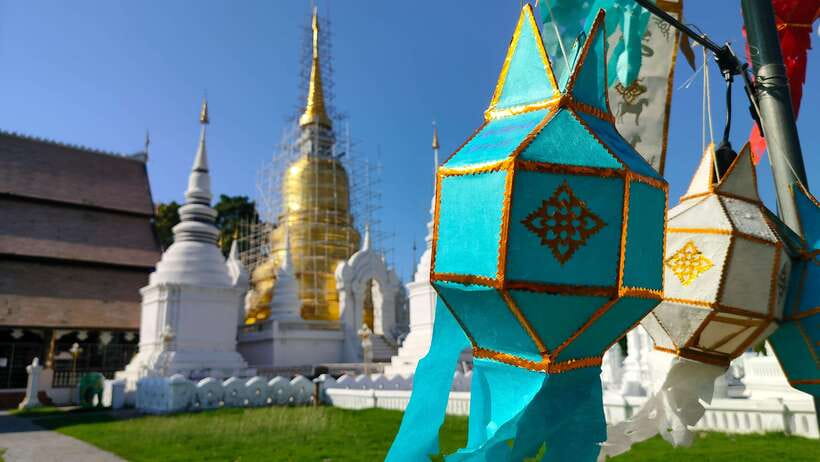
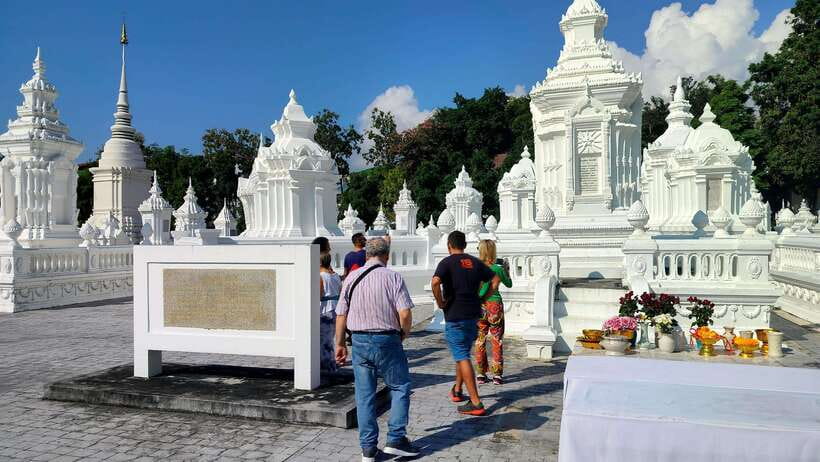
Wat Suan Dok is the kind of temple stop that can reset your eyes. It’s known for numerous white chedis, and it has a golden pagoda that reaches 48 meters, described in the Sri Lankan style. Even if you’re not a temple person, these shapes make it hard not to slow down.
The name Suan Dok connects to a flower garden idea—built where royal flower gardens once existed. That context matters, because it turns the place from a visual landmark into a location with a story.
One of the most specific and interesting details here is the temple’s association with a sacred Buddha relic—believed to be the shoulder bone of Buddha himself. Your guide can explain what that means in local religious terms, and you’ll usually see visitors treating the area with quiet care.
Time-wise, you’re there about 30 minutes. That’s enough to appreciate the chedis and golden structure without feeling like you’re cramming. The drawback: because it’s evening, lighting is mixed. Bring a camera plan—try for steady shots and accept that some areas will look better with your eyes than your lens.
Dress code is a real factor at this stop. Plan to cover shoulders and knees, and expect strictness about exposed underarms and backs too. I always carry a light scarf or cover-up for this exact reason.
Wat Lok Moli: Lanna-Style Details and Resting Place of Mengrai Kings
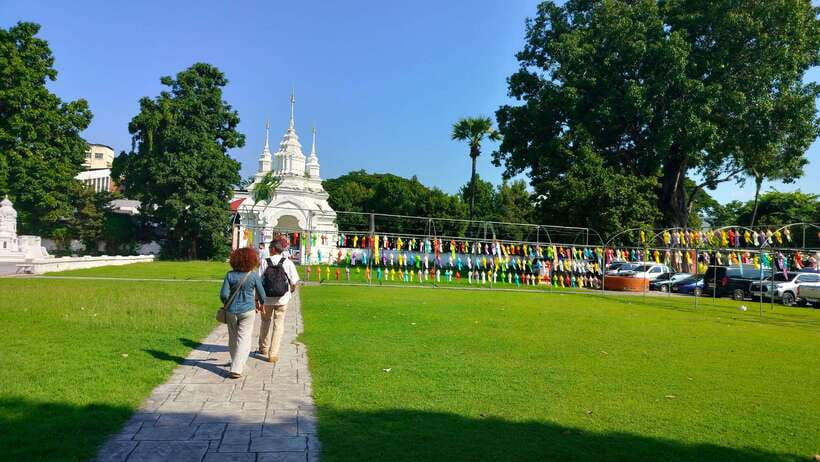
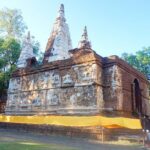
If Wat Suan Dok is the showpiece, Wat Lok Moli is the calmer, older-feeling option. It’s described as a 14th-century temple, and it’s known as one of the older temples in the city.
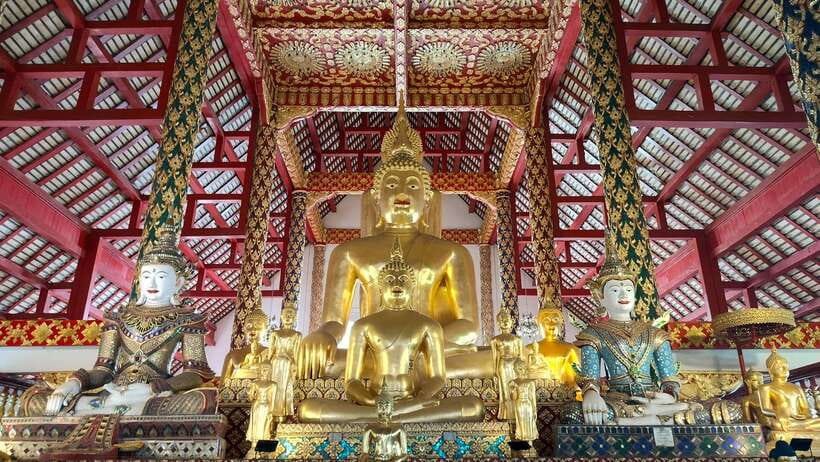
Here, the highlight is a massive restored chedi featuring a Buddha image, and it’s also connected to the Mengrai dynasty. The chedi contains ashes of several kings, which gives the place a stronger sense of lineage and continuity than many quick stops.
You’ll also spend time around the teak wood pavilion and the Lanna-style Buddhist monastery. Those are the details I look for because they show you how Thai religious architecture isn’t just about big stone shapes—it’s also about materials, layout, and craftsmanship.
Your visit is about 20 minutes, so you won’t have time to wander off into long side paths. The benefit is that you get guided focus where it counts most. The tradeoff is you’ll want to be mentally ready to move when your guide signals.
On the safety side, evening temple grounds can be uneven. Comfortable shoes matter more here than you’d think.



Chang Phuak Gate Night Market: Where the Food Time Becomes the Night
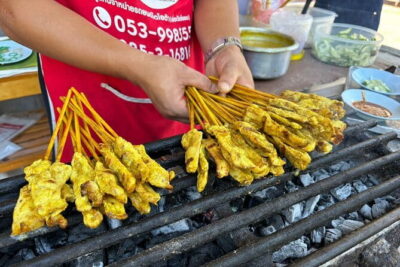
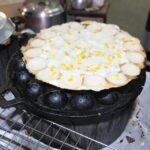
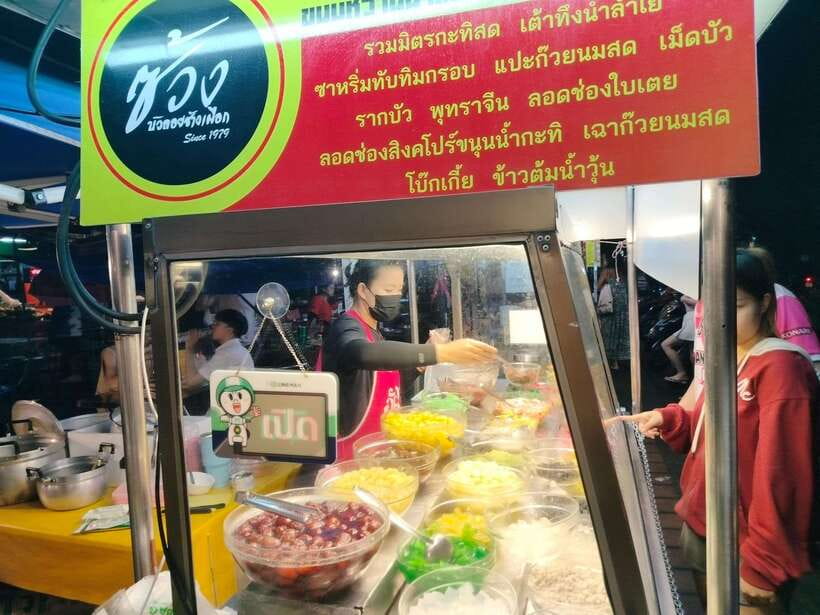
Chang Phuak Gate Night Market is the main street-food stretch. This is where the tour shifts from temple calm to city noise and cooking smells.
You’ll walk through the open-air market area and see vendors cooking food to order. The biggest practical help is that your guide and your driver can point you toward dishes that match what you like—spicy, mild, crunchy, grilled, or sweet. That small bit of guidance can save you from ordering something you regret.
Time on this stop is about 30 minutes. That sounds short, but it’s realistic for market browsing with Thai food prep times. You can do a couple of tastings rather than trying to conquer the entire menu.
Also, remember street food isn’t included. The tour gives you a plan and access, but you’ll pay for snacks and additional drinks on your own. I like having that separation because it lets you control your budget.
One small tip that makes markets easier: keep some cash ready. Cards are fine in many places, but having cash avoids delays when you’re ready to buy right now.
Warorot and Ton Lam Yai: More Night Atmosphere in One Ride
After Chang Phuak Gate, you continue the night with additional market stops. Warorot Market and Ton Lam Yai Flower Market are listed as part of the evening loop, with time to soak up the local atmosphere.
Warorot Market adds another layer to the food-and-shopping feel. Ton Lam Yai Flower Market brings in a different mood—still a market scene, but tied to the flower rhythm of the area. Even if you don’t buy much, just walking through helps you understand that Chiang Mai’s night life isn’t one-size-fits-all.
Time-wise, you have about 30 minutes at each of these stops. That’s enough to browse, look, and snack if you want, but it’s not long enough to do a deep shopping marathon. If you like shopping, plan to return later with daylight or a separate trip.
The night stays manageable because the tuk-tuk transportation keeps you from losing half the evening in transit.
Food, Costs, and the Street-Food Reality Check
Here’s the value conversation that matters: the tour price is $64 per person for about four hours, with hotel pickup/drop-off (from select areas), a guide, private tuk-tuk transport, temple entrance fees for Wat Suan Dok and Wat Lok Moli, water, and carbon offset credits.
Street food is not included, so your total spend will depend on what and how much you eat. That’s a fair setup. It gives you freedom to pick just a few dishes instead of being funneled into a set meal you might not want.
Water is provided. That’s useful at night, when you can forget to buy water until you’re already a sweaty mess from walking between stalls.
One practical thing: bring a little cash for both temples-related needs (like small offerings or incidental costs, if you choose) and for market snacks. The tour data doesn’t list temple extra purchases, but markets definitely mean cash is handy.
Sustainability That Doesn’t Feel Like a Lecture
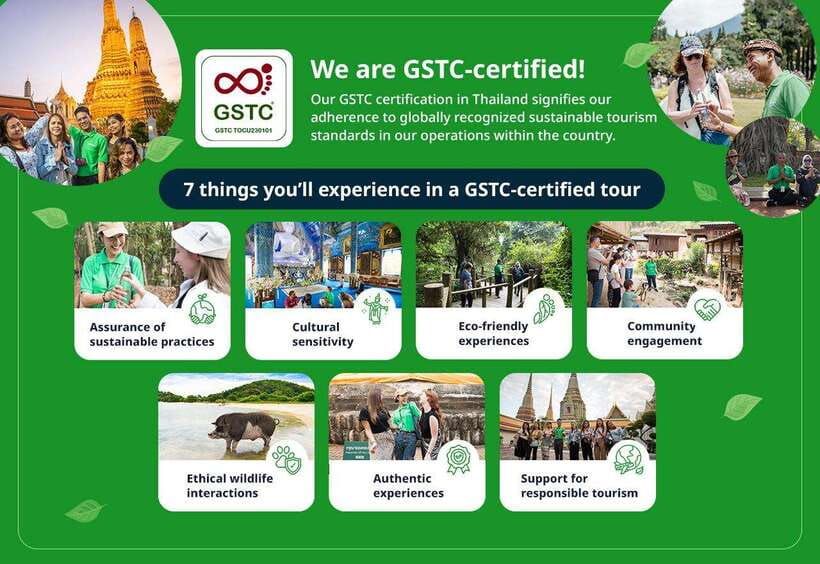
This tour is described as GSTC-certified, and the sustainability details are concrete rather than vague. You get water in glass bottles, and the tour includes carbon emissions offset credits.
In plain terms, that means your evening has less guilt attached. It doesn’t turn tourism into a free pass, but it’s a sign the operator takes responsibility seriously—especially since you’re doing an evening activity in a way that’s designed to reduce waste.
If you’re the kind of traveler who wants meaningful travel choices without slowing your day down, this is the right kind of “green.”
Who This Tour Fits Best (and Who Should Skip It)
This is a strong fit if you:
- Want a night plan that includes major temple highlights and market time
- Like guided help ordering street food without having to figure everything out yourself
- Prefer a small group and a private tuk-tuk instead of a big group van scenario
It’s not a good match if you:
- Need wheelchair-friendly access or have mobility impairments (not suitable)
- Have heart problems or respiratory issues (not suitable)
- Are pregnant (not suitable)
If you’re in the moderate fitness range, you should be fine. You’ll be on your feet walking in temples and markets. Nothing extreme is listed, but the combination of stairs/paths and night wandering is still real.
A Note on Dress Code and Comfort
Temple rules can be strict. Plan on clothing that covers shoulders, underarms, back, and knees. If you don’t have that on hand, bring a scarf or cover-up.
Wear comfortable shoes. Evening temple areas can be uneven, and markets can mean quick detours and extra steps.
Also pack insect repellent. Nights in Thailand can bring mosquitoes, and repellent is an easy win.
If you want an easy camera plan: charge everything, use a steady grip, and expect some low-light shots to be less sharp than you hoped.
Value and Sustainability: Is It Worth $64?
For $64, you’re paying for more than transport. You’re paying for reduced friction: pickup logistics, a guide who can explain what you’re seeing, temple entrances included, and the private tuk-tuk ride that links everything without wasting your night.
The best part of the value is the combination of paid access and guidance. Many cheap tours drop the temple fees onto your bill later or give you a guide who can’t help at food stops. Here, you’re covered for two major temples plus guided time at markets where ordering can be confusing.
Your only big add-on cost is food and drinks. Since street food is optional by dish, you can keep your spending under control.
So if you want a structured night that still feels local, this price is reasonable.
Should You Book This Chiang Mai Tuk-Tuk Night Tour?
Book it if you want an evening that mixes temple architecture with real market energy, all in a small group and a private tuk-tuk. The temple pair is a smart one—Wat Suan Dok for the white chedis and golden pagoda, and Wat Lok Moli for older Lanna feel and dynasty connections—then you end where Chiang Mai gets loud and tasty.
Skip it if you dislike walking at night, need high accessibility accommodations, or you’re sensitive to crowded market conditions. Also, don’t underestimate the dress code. If you show up underdressed, the tour won’t be fun.
If you do book, come ready with covered clothing, cash, comfortable shoes, and a light scarf. That’s how you turn a 4-hour night tour into a genuinely memorable Chiang Mai evening.
FAQ
How long is the Chiang Mai tuk-tuk night tour?
It runs for 4 hours.
What does the $64 price include?
You get hotel pickup and drop-off (from select areas), a guide, private tuk-tuk transportation, Wat Suan Dok entry, Wat Lok Moli entry, water, and carbon emissions offset credits.
Is street food included?
No. Street food and additional drinks are not included, so you’ll want to budget for snacks during the market stops.
How many people are in the group?
The tour is described as a small group limited to 4 participants.
What temples are visited, and are entry fees included?
You visit Wat Suan Dok and Wat Lok Moli, and the entrance fees for both are included.
What time of day is the tour?
It’s an evening tour, and it includes night market time.
What should I bring for temple and market visits?
Bring comfortable shoes, a camera, insect repellent, long pants, a scarf (useful for coverage), and cash.
Is the tour suitable for everyone?
No. It is not suitable for pregnant women, people with mobility impairments, people with heart problems, or people with respiratory issues.