REVIEW · CHIANG MAI
Best seller!! Amazing Night tour, Doi Suthep + Wat umong – Top Must visit!
Book on Viator →Operated by joinusthai · Bookable on Viator
Two temples at night beat daytime crowds. I love how this tour hits Wat Umong’s forest tunnels and then delivers the big Doi Suthep night view with hotel pickup so you’re not figuring out dark streets. It’s built for cooler temperatures and lighter crowds, and you stay in a small group for a more personal pace.
One thing to plan for: the drive is curvy and the Doi Suthep climb can be intense. If you get motion sick or you hate stairs, you’ll want to think ahead about the funicular option and how you handle steps.
Here’s the good news. Once night falls, Chiang Mai feels different fast—like the city turns the volume down, lights up, and lets you see temples in a new mood.
In This Review
- Key Highlights You’ll Actually Feel
- Why Chiang Mai Feels Different After Sunset
- Hotel Pickup, Small-Group Reality, and What to Expect in Transit
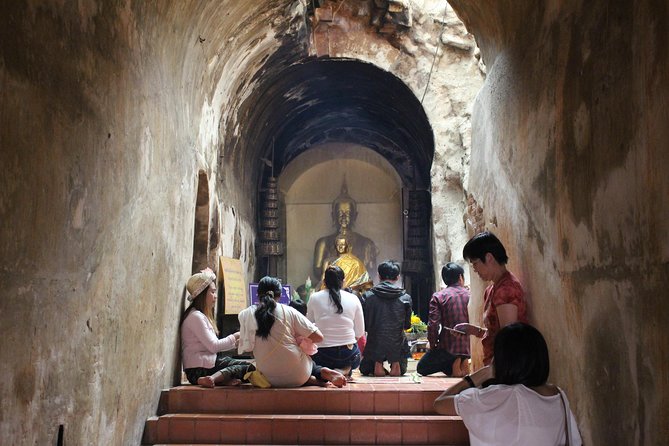
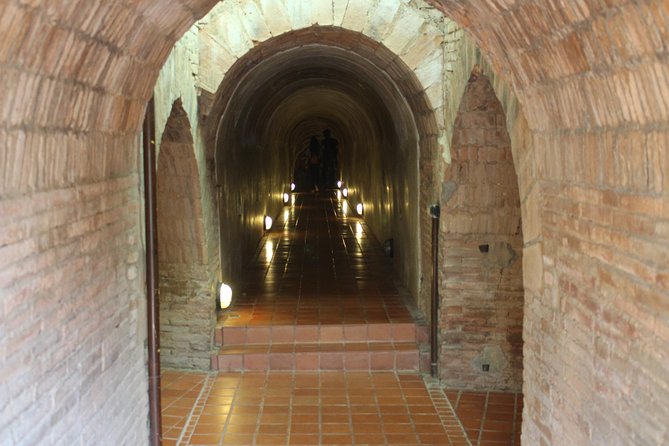
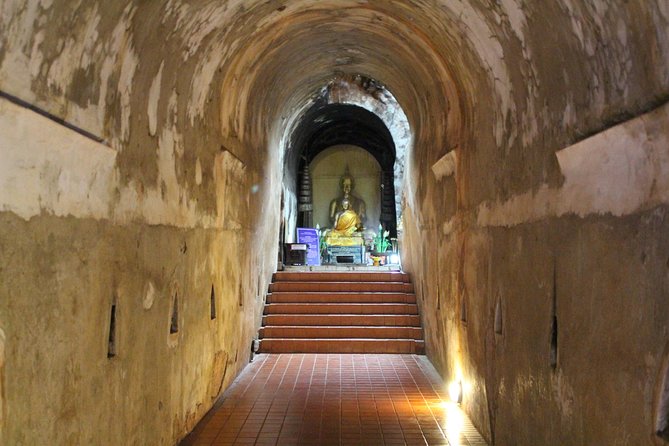
- Wat Umong: The Forest Tunnels and Buddha Images That Feel Unusual
- Doi Suthep at Night: 306 Steps, Naga Stairway, and the Golden Pagoda Glow
- The climb: steps plus the Naga staircase
- The reward: city lights and the lit-up pagoda
- Timing, Sunset, and Why You Should Plan Your Expectations
- What to Wear, What to Bring, and How to Avoid Evening Frustration
- Price and Value: What $20.09 Buys You (and What It Doesn’t)
- Guide Style: What You’ll Get From Good Ones (Including Specific Names)
- Who This Night Tour Is Best For (And Who Might Skip It)
- Should You Book This Doi Suthep + Wat Umong Night Tour?
- FAQ
- What’s the duration of this tour?
- Are admission fees included for the temples?
- Do I have to pay extra for the funicular/cable car on Doi Suthep?
- What time will you pick me up?
- Do I need to bring rain gear?
- What should I wear to the temples?
- How big is the group?
- What’s the cancellation window?
Key Highlights You’ll Actually Feel
- Wat Umong’s tunnel-temple vibe: a forest setting with Buddha images inside tunnels that feels strange in a good way.
- Doi Suthep’s 306-step approach (or funicular): you can climb the Naga-lined stairs or save your legs with the cable car.
- Night city views from the mountain: the whole old-gold pagoda scene is lit up, with Chiang Mai spread out below.
- Small-group attention: limited group size helps you stay together and get photo help when it counts.
- Easy logistics after dark: round-trip hotel transfer within downtown means you don’t wrestle with transport at night.
Why Chiang Mai Feels Different After Sunset
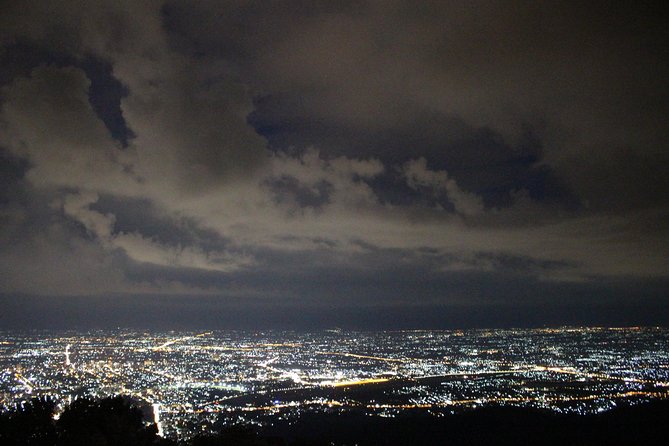
Daytime Chiang Mai is all hustle. Nighttime is more your pace—cooler air, fewer crowds, and temples that look like they’re part of a movie set. This tour is designed for that switch.
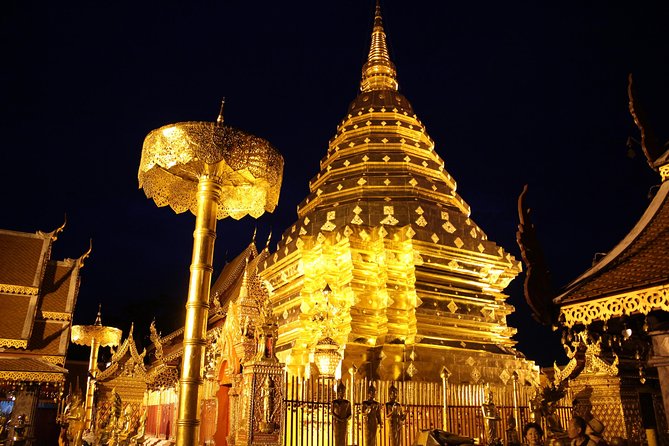
You’ll see two of the city’s most famous temple stops, but the magic comes from the timing. Wat Umong at night feels quieter and more mysterious in the forest. Doi Suthep at night turns into a viewpoint experience, with the golden pagoda glowing and the city lights stretching out below.
If your goal is photos, this is a strong pick. If your goal is peace and a “slow down” feeling, it also works well. It’s the kind of evening that gives you a clear memory: tunnels at one end, a hilltop lit-up panorama at the other.
You can also read our reviews of more evening experiences in Chiang Mai



Hotel Pickup, Small-Group Reality, and What to Expect in Transit
This is a join-in style tour with multiple pickup points, so the exact time can vary. Depending on where you’re staying, pickup is either 5:00–5:30 PM or 5:40–6:10 PM (with pickup shifting 30 minutes earlier starting December 1, 2024). Some schedules also list 4:30–5:00 PM or 5:10–5:40 PM depending on accommodation area.
Practical tip: if your pickup window starts at 5:00, don’t show up at 5:25 and hope. The van won’t wait. You can end up later if other stops get delayed, so treat the start time as “when you should already be ready.”
You’re traveling in an air-conditioned vehicle, and you’ll have a licensed English-speaking guide. The drive time can feel long at times because the route up to Doi Suthep uses winding roads. If you’ve got a sensitive stomach, plan for it—curves plus evening traffic can trigger motion sickness for some people.
Also note the luggage rule. Carry-ons or large bags don’t fit in the van. You can bring only what can sit on your lap.
Wat Umong: The Forest Tunnels and Buddha Images That Feel Unusual
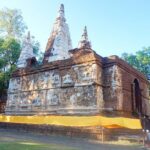
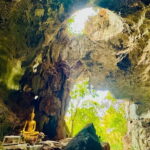
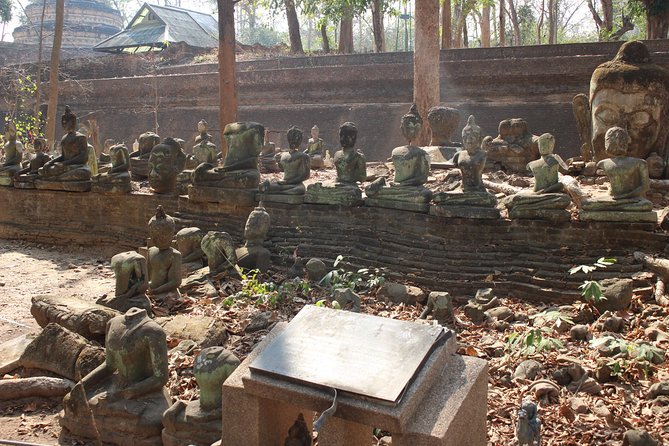
Wat Umong is the kind of stop that breaks the “same temple, different name” pattern. It’s in a wooded area and famous for being built in tunnels, not just open halls and courtyards. You’ll walk into those tunnel spaces and see Buddha imagery inside.
This place is great if you want atmosphere over crowds. It’s not the loud, postcard-everywhere kind of temple. Night makes it even more atmospheric.
A few real-world details that matter once you’re there:
- You should dress respectfully (shoulders and knees covered). Sandals or flip-flops are allowed, which is helpful because you’ll be walking on temple grounds.
- You’ll likely encounter wildlife in the temple area. Some visitors mention bats and chickens, and there’s a simple rule: be mindful and don’t do anything that wakes sleeping bats.
- The guide context matters here. Even if you’re not deeply religious, the tunnel layout and the way Buddha images are placed inside make you want to look around slowly.
You’ll have about 30 minutes at Wat Umong, which is enough for the tunnel walk, a few photos, and absorbing the mood. If you like “hang out longer” temples, you might feel the timing is short. But for a night program, it keeps things efficient before the hilltop climb.
Doi Suthep at Night: 306 Steps, Naga Stairway, and the Golden Pagoda Glow
Then you head up toward Doi Suthep, and this is where the tour becomes a true evening event.
The climb: steps plus the Naga staircase
The traditional approach is 306 steps lined with the mythical Naga serpent—dragon-headed shapes running down the stairway. It’s scenic, it’s iconic, and it’s also… a workout. If your legs are not thrilled by stairs, you can use the funicular railway instead. Cable car tickets cost about 20 THB and aren’t included.
Even if you take the train, you’ll still spend time at the top walking around temple areas and viewpoint spots. So the “effort” is lower, but you won’t be totally hands-off.





The reward: city lights and the lit-up pagoda
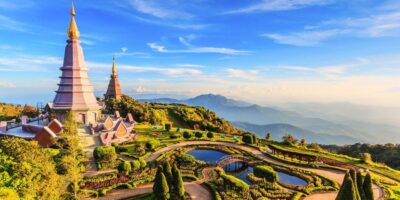
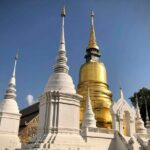
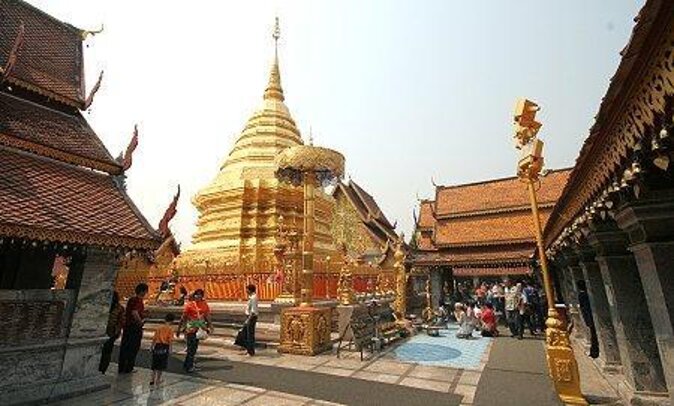
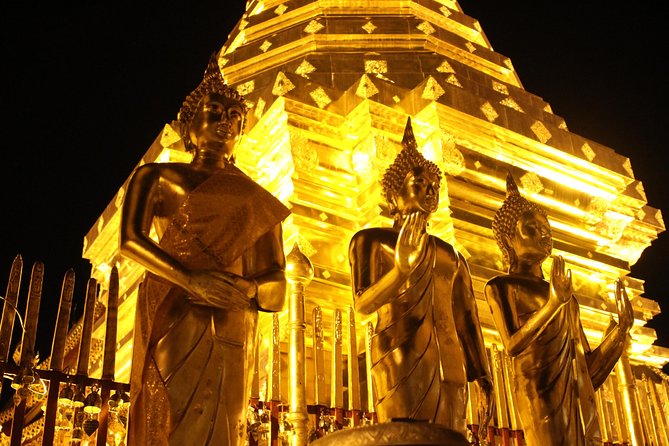
At the top, you’ll see the Lanna-style golden pagoda covered with engraved gold plates, with four ornamental umbrellas flanking it. The big win is the nighttime view: Chiang Mai’s lights spread out below, and the temple feels dramatic under evening lighting.
A couple of bonuses that can happen depending on the evening:
- Some visitors mention seeing monks praying or chanting during the experience.
- If you’re open to it, you might also hear about blessings or small ceremonies—again, not guaranteed every night, but it’s part of the atmosphere people remember.
Your time up here is about 1 hour. That usually means: walk, photos, lookouts, and a decent chance to enjoy the illumination before heading back down.
Timing, Sunset, and Why You Should Plan Your Expectations
This is billed as a night tour, but timing can shift based on day length and conditions. One key point: if you’re arriving near sunset, you might only get a short “fully night” window at Doi Suthep before the tour moves on.
Because the climb and traffic take time, sunset may land right around your arrival. That’s not a deal-breaker—golden pagoda glow still looks great—but it can explain why some people feel they got more “evening” than deep night.
Also, this tour runs even on rainy days during May–October, so plan for weather swings. If rain hits, the schedule can change. Bring an umbrella or raincoat.
If you want the best chance at that crisp night-view feeling, aim to be mentally ready for a bit of driving and a steady walking pace. This tour is more about “see it all in one evening” than about lingering at one perfect moment.
What to Wear, What to Bring, and How to Avoid Evening Frustration
You’ll do two temple visits, so clothing rules matter. Keep it simple:
- Shoulders and knees covered
- Sandals/flip-flops are allowed
- Have something you can move in—this matters because you’re walking stairs and temple paths
What to bring:
- An umbrella or raincoat in rainy season (tour runs anyway)
- Small meds if you’re prone to motion sickness. Some people specifically mention feeling nauseous on the curvy road when it’s dark outside the windows.
- A phone with enough battery for Doi Suthep photos
What not to bring:
- Large bags or luggage that won’t fit on your lap inside the van.
Another practical thing: because this is a join-in tour, pickup delays can happen. If you’re the kind of traveler who hates waiting, treat the first 20–30 minutes before departure as part of the deal.
Price and Value: What $20.09 Buys You (and What It Doesn’t)
This costs $20.09 per person, and the value is strong because several things are handled for you.
Included:
- Hotel pickup and drop-off within downtown
- Air-conditioned transport
- Licensed English-speaking guide
- Admission fees
- Travel accident insurance
Not included:
- Cable car/funicular (about 20 THB)
So you’re not just paying for views. You’re paying for logistics: transport after dark, entrance fees, and a guide to connect the dots between tunnels, stairways, and temple symbolism. And you’re doing it in a tight time window (about 3 hours 30 minutes).
Where value can feel uneven:
- If you want a long, slow, deeply guided experience with lots of extra storytelling time, you might find the schedule moves at a brisk pace.
- If your guide’s English is hard to follow (or they stick to a set explanation), the tour can feel lighter on context than you hoped.
Still, for the money, it’s one of the easier ways to see these two highlights without hiring separate transport.
Guide Style: What You’ll Get From Good Ones (Including Specific Names)
Tour guides can make or break the vibe. In the feedback pool for this experience, several guide names show up often: Chris, Matt, Yoyo, Goy, Tara, and Paul.
Here’s what tends to separate the best guiding from the merely okay guiding:
- clear explanations of what you’re seeing (like the Naga stairway meaning and why Wat Umong is special)
- help with photos and keeping the group together
- giving just enough context so you’re not walking through temple spaces like you’re speed-running
When the guiding is strong, it turns into more than sightseeing. People mention moments like getting photo support, hearing cultural context at both sites, and even small interactions such as monk chanting.
If your main priority is lots of detailed backstory, I’d go into this with the mindset that you’ll get a solid overview, not a multi-hour lecture. The time is limited by design.
Who This Night Tour Is Best For (And Who Might Skip It)
This tour fits well if you:
- want a night temples experience without the hassle of self-guided transport
- like structured evenings with pickup and drop-off
- want both an atmospheric temple stop (Wat Umong) and a big viewpoint moment (Doi Suthep)
- enjoy photos and want the pagoda lit up
It might not be the best fit if:
- you hate stairs and don’t want to use the funicular option
- you want long, unhurried time at each temple
- you’re expecting a super deep, conversation-heavy guide style every minute
- you’re very sensitive to curvy roads at night (motion sickness can be an issue)
If you’re older or have mobility limits, the funicular can help you focus on the temple and viewpoint part instead of the climb. Just remember you’ll still do some walking and temple-path movement.
Should You Book This Doi Suthep + Wat Umong Night Tour?
I think it’s a smart booking if you want maximum temple impact in one evening, with hotel pickup, admission fees covered, and a real nighttime viewpoint payoff. The combination of Wat Umong’s tunnel atmosphere and Doi Suthep’s lit-up golden pagoda is exactly the kind of “this is why I came” night memory Chiang Mai can deliver.
Book it if:
- you’re okay with a set schedule and a bit of walking
- you want less crowd pressure than daytime temple hopping
- you want the easiest route to both sites after dark
Skip or adjust expectations if:
- you’re ultra sensitive to motion sickness
- you need lots of extra explanation and slow pacing
- you’re hoping for a long, fully night-lit time at the mountaintop (timing can shift)
If you do book, come dressed for temples, keep bags light, and be ready for the curvy drive. Do that, and you’ll likely leave with two very different temple moods—one mysterious, one glowing—both tied to Chiang Mai at night.
FAQ
What’s the duration of this tour?
It runs about 3 hours 30 minutes (approx.).
Are admission fees included for the temples?
Yes. Admission fees are included for both temple stops.
Do I have to pay extra for the funicular/cable car on Doi Suthep?
The cable car is not included. It’s listed as 20 THB.
What time will you pick me up?
Pickup depends on where you’re staying. You’re typically picked up between 5:00 and 5:30 PM, or between 5:40 and 6:10 PM (with pickup moved 30 minutes earlier starting December 1, 2024). Other schedules list 4:30–5:00 PM or 5:10–5:40 PM depending on accommodation.
Do I need to bring rain gear?
Yes, especially May to October. The tour runs even in rainy days, so bring an umbrella or raincoat.
What should I wear to the temples?
You should wear polite clothing such as trousers or a long skirt, with shoulders and knees covered. Sandals or flip-flops are allowed.
How big is the group?
The tour is described as a small group limited to 13 travelers for personalized attention, and it also notes a maximum of 100 travelers for the activity overall.
What’s the cancellation window?
You can cancel up to 24 hours in advance for a full refund. If you cancel less than 24 hours before the start time, the amount paid is not refunded.