REVIEW · CHIANG MAI
Chiang Mai : Traditional Northern Cooking Class
Book on GetYourGuide →Operated by Baannoi Nornmuan · Bookable on GetYourGuide
Northern Thai food teaches you fast. It comes from a hands-on class in Chiang Mai Province where you cook iconic dishes side by side with an English/Thai-speaking instructor. I really like the fresh ingredients and the small-group, family-style vibe that makes it easy to ask questions and actually learn techniques, not just copy recipes. One thing to consider: it’s a focused 3-hour menu, so you’re not getting a huge variety of dishes or a long sit-down tasting tour.
Expect a down-to-earth setup and a practical lesson rhythm: you work, you taste, you adjust, and you leave with real skills for sticky rice, Northern curry, and khao soi. The class also includes a fun natural-food technique, cooking eggs on banana leaf, and you’ll make a homemade chili sauce that teaches you balance, not only heat. If you’re sensitive to spice, plan to tell your instructor early so you can adjust as you go.
In This Review
- Key Highlights Worth Your Time
- Baannoi Nornmuan, Chiang Mai: Small-Group Cooking With Real Attention
- The 3-Hour Menu: What You’ll Actually Learn to Make
- Sticky Rice Mastery: Texture and Flavor in One Practical Lesson
- Northern Curry With Pork: Spices, Techniques, and How to Build Depth
- Khao Soi Creation: The Noodle Soup That Teaches Texture Contrast
- Homemade Chili Sauce: Learn Balance, Not Just Spicy Flavor
- Grilled Egg on Banana Leaf: A Smoky Northern Trick With Natural Flavor
- How the Lesson Works: Questions Welcome and Everything Stays Practical
- Price and Value at $38: Why This Costs Less Than It Should
- Who This Cooking Class Is Best For
- Should You Book Baannoi Nornmuan’s Northern Cooking Class?
- FAQ
- Where is the Traditional Northern Cooking Class located?
- How long is the cooking class?
- What is the price per person?
- What dishes are included in the class?
- Is the class taught in English?
- How big is the group?
- Is the class wheelchair accessible?
Key Highlights Worth Your Time
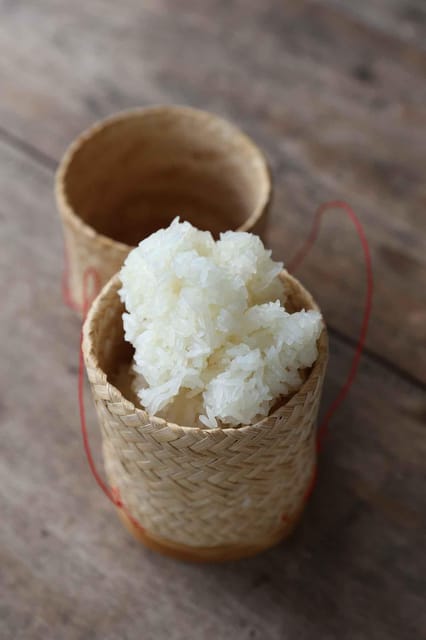
- Sticky rice mastery: learn how Northern sticky rice should feel and taste
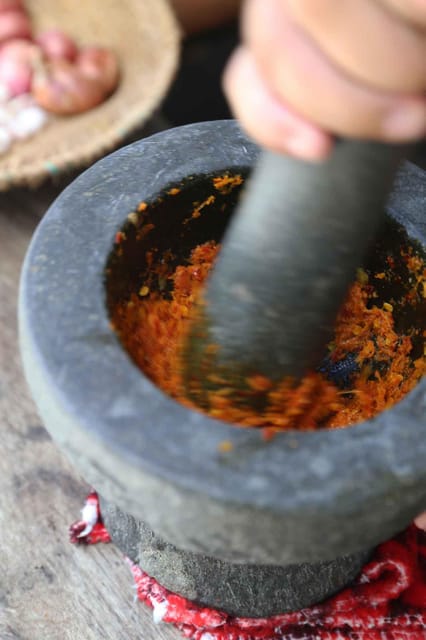
- Northern curry with pork: build aromatic flavor using spice techniques
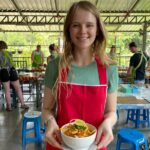
- Chicken khao soi: craft the classic noodle soup with layered textures
- Homemade chili sauce: learn the flavor balance behind a proper spicy kick
- Grilled eggs on banana leaf: smoky aroma using natural cooking materials
Baannoi Nornmuan, Chiang Mai: Small-Group Cooking With Real Attention
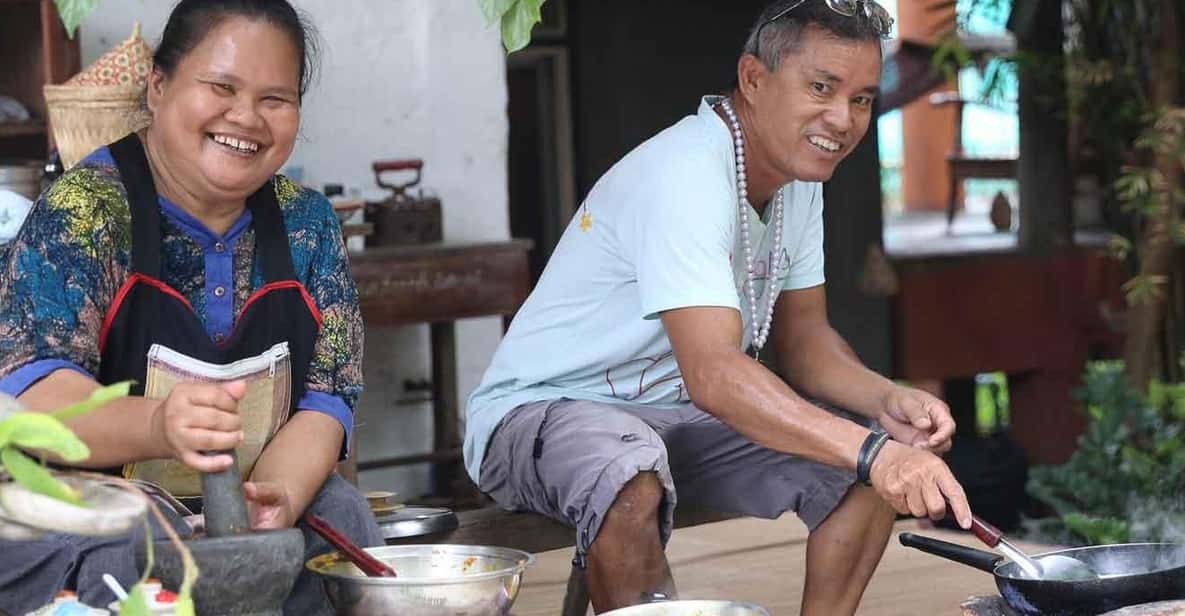
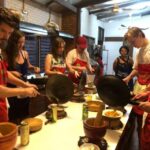
This class runs through Baannoi Nornmuan, a provider centered on straightforward, home-cooking-style instruction. The big practical win is the size: it’s limited to 10 participants, which means you’re not lost in a crowd. With a staff that’s described as friendly and professional, and with an experience that feels family-run, the whole thing stays relaxed. You’re there to work with your hands, so having space and attention matters.
The instruction is in English and Thai, which is helpful if you want to understand not only what you’re doing, but why you’re doing it. And since the class is wheelchair accessible, it’s one of those activities that doesn’t automatically assume everyone can maneuver around a kitchen setup.
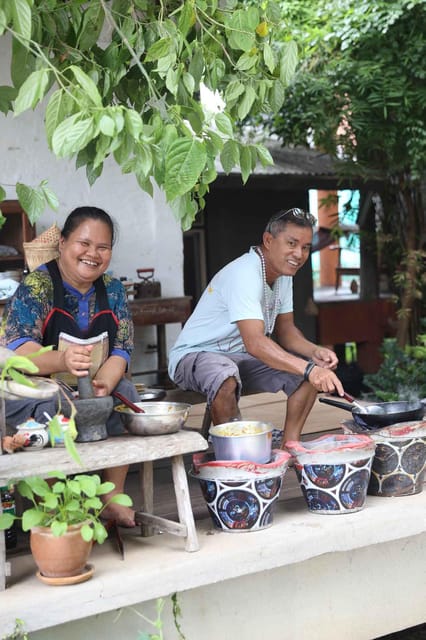
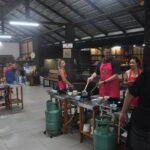
You’ll likely notice the “real life” vibe right away. One review highlighted cooking on a porch with charcoal fire. Even if your particular session varies slightly, the overall feel is the same: you’re cooking in a setting that feels lived-in, not staged for photos.
You can also read our reviews of more cooking classes in Chiang Mai


The 3-Hour Menu: What You’ll Actually Learn to Make
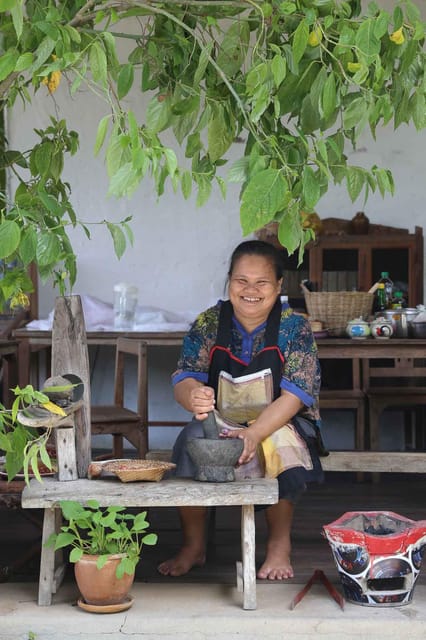
For $38 per person, you get a full Northern mini-course. You’re not just tasting dishes and watching someone else cook. You’ll work through the menu and end up with knowledge you can repeat later.
Here’s what’s included:
- Sticky rice
- Northern curry with pork
- Khao soi with chicken (the traditional noodle soup)
- Chili sauce with pork
- Grilled chicken egg on banana leaf
Why this menu is such good value: Northern Thai food is built on a few core skills—sticky rice technique, spice layering, and balancing richness with tangy/spicy elements. By cooking these dishes in sequence, you learn a set of fundamentals that show up again and again across the region.
Also, you get a mix of textures: sticky rice (chewy and comforting), curry (saucy and aromatic), khao soi (noodles plus sauce complexity), chili sauce (bold and sharp), and banana-leaf eggs (smoky aroma). That range is part of why this class works so well as a first introduction to Northern cooking.
Sticky Rice Mastery: Texture and Flavor in One Practical Lesson
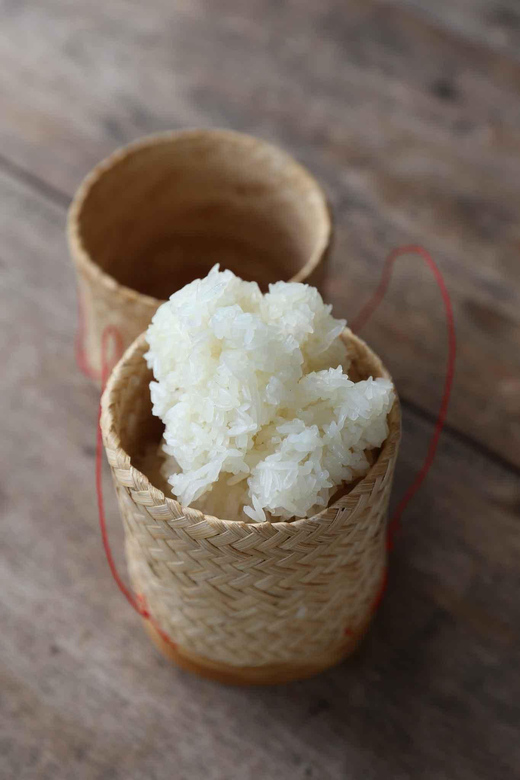
Sticky rice isn’t just a side dish in Northern Thailand. It’s the base that everything else clings to—curry, sauces, and bites that need something soft but not mushy. The class is designed around this, with a dedicated sticky rice mastery segment.
What you’re learning here is the texture target. In Northern cuisine, “sticky” should be sticky in a pleasant way, not watery or clumpy. You’ll practice until you understand the feel, and you’ll connect that texture to flavor—because the rice becomes the carrier for the rest of the meal.
I like this part of the class because it’s teachable. If you’ve ever struggled at home with sticky rice, the fix usually isn’t fancy ingredients—it’s method and timing. Even without a long lecture, a good hands-on lesson can make the difference between rice that’s edible and rice that tastes right with curry and chili sauce.
Northern Curry With Pork: Spices, Techniques, and How to Build Depth
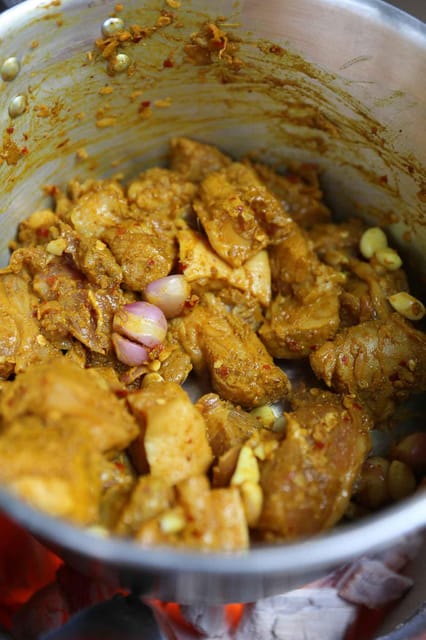
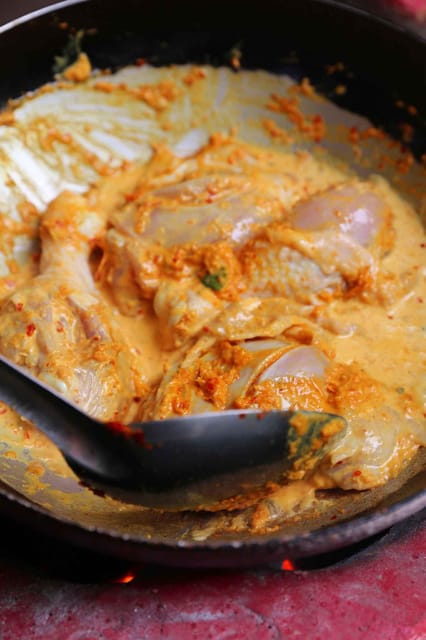
Next comes Northern curry with pork, where the focus is on aromatic spices and technique. Northern curry often feels richer and more grounded than you might expect from a quick “Thai curry” shortcut. The class doesn’t treat it as one spice blend and done. You’ll work through the process of creating a curry that has warmth, depth, and that satisfying, savory finish.
The lesson highlight here is “Northern curry expertise,” which points to two valuable things for you:
- you learn the flavor logic behind Northern-style curry
- you understand how spice choices and handling create richness
Even if you never measure anything at home, this kind of instruction helps you cook by cues: aroma first, then taste adjustments. And because pork is included, you’ll also see how the curry interacts with that kind of protein—so you get a more complete Northern meal picture.
Khao Soi Creation: The Noodle Soup That Teaches Texture Contrast
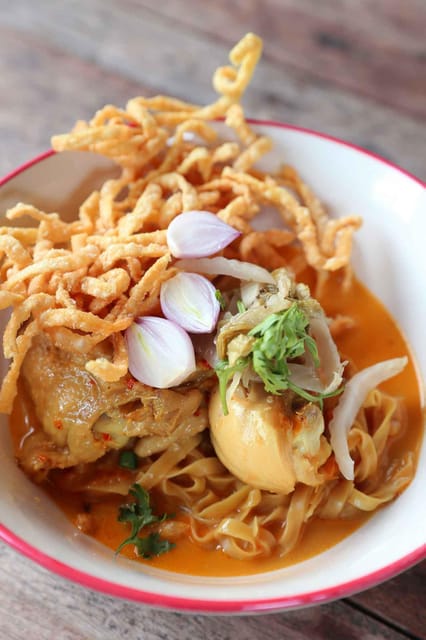
Khao soi is one of the dishes that signals Northern Thailand right away. It’s a traditional noodle soup with silky noodles and a blend of spices that creates layered flavor. The class has you crafting it, and that matters, because khao soi is partly about technique and partly about texture management.
You’ll work toward a bowl where:
- the noodles feel smooth, not heavy
- the soup has spice depth, not just heat
- the final result has balance between components
This is also where the small-group setup pays off. When you’re working through a complex dish, you want a chance to ask questions and get quick corrections. A number of comments about the experience being welcoming and supportive line up with that. You’re not stuck guessing during the hardest steps.
If you love learning through cooking rather than reading, khao soi is a strong payoff. It’s also one of the best dishes to bring home in memory because you can taste the technique difference immediately.
You can also read our reviews of more tours and experiences in Chiang Mai



Homemade Chili Sauce: Learn Balance, Not Just Spicy Flavor
A lot of people think chili sauce is simply “make it hot.” This class frames it differently. You make homemade chili sauce, with pork included in the menu, and the emphasis is on understanding the balance of flavors crucial in Northern cuisine.
That balance is what makes chili sauce useful beyond just eating straight off a spoon. When you get the right mix, it becomes:
- a condiment that brightens curry bites
- a sauce that adds heat without covering everything else
- a component that brings out the flavor of sticky rice and noodles
The practical value for you is big. When you understand balance, you can recreate it at home even if your chili peppers aren’t identical. The class approach helps you move from copying a taste to reproducing a flavor principle.
And yes, you’ll get a spicy kick. Just remember: if you’re not used to heat, tell your instructor early so you can adjust as you work through the chili sauce stage.
Grilled Egg on Banana Leaf: A Smoky Northern Trick With Natural Flavor
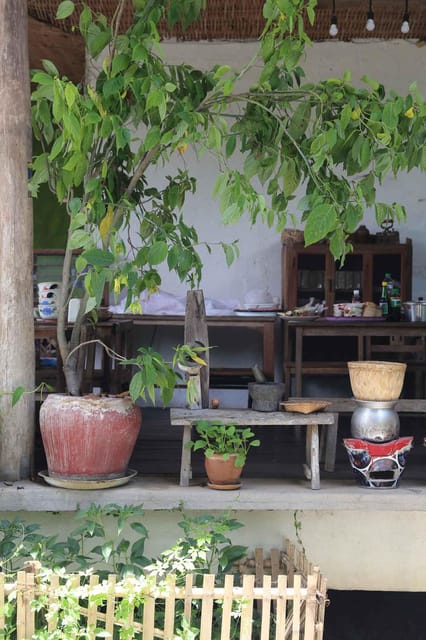
This is the memorable “how did they do that?” part of the class. You’ll learn the technique of grilling eggs on banana leaves, which infuses the eggs with a smoky essence. It’s also a nod to how Northern cooking uses natural materials, not just modern kitchen gear.
Banana leaves aren’t new to Thai cooking, but this specific method adds a different kind of aroma. You’re not only learning an ingredient trick—you’re learning how cooking surface and natural packaging affect flavor.
One review specifically mentioned cooking on charcoal fire, and that fits the idea of smoky aroma. If your session uses that style, you’ll taste the difference right away. Even if the exact setup varies, the technique goal is the same: make eggs that taste like they’ve been cooked with intention, not just fried.
This course segment also tends to be fun because eggs are forgiving. It’s a good moment to relax, taste, and see what your spice knowledge feels like when it meets smoky flavor.
How the Lesson Works: Questions Welcome and Everything Stays Practical
What makes this class work for me as a reader looking to decide: it’s not presented as complicated or fancy. It’s framed as authentic and down-to-earth, and the details from reviews match that.
A few patterns you should expect:
- You’ll prepare food together as a group
- Ingredients are fresh and ready for you to use
- You can ask questions during cooking
- Staff are friendly and professional
- The experience feels genuine rather than staged
That last point matters more than people think. When a cooking class feels commercial, you end up doing small steps while the instructor takes over. Here, the emphasis is on you crafting iconic dishes yourself—sticky rice, curry, khao soi, chili sauce, and banana-leaf eggs.
Also, the pacing helps. With a 3-hour duration, you’re guided enough to keep moving, but not so compressed that you’re constantly rushing. The small group makes that manageable, especially when you’re learning several dishes in one sitting.
Price and Value at $38: Why This Costs Less Than It Should
$38 for a 3-hour cooking class with five included dishes (sticky rice, Northern curry with pork, chicken khao soi, chili sauce with pork, and banana-leaf grilled eggs) is strong value in Chiang Mai. The money isn’t just paying for a meal. You’re paying for structured teaching and hands-on practice.
The key value points for you:
- You cook multiple dishes, not just one
- You learn repeatable techniques (rice texture, spice approach, sauce balance)
- Small-group format keeps the experience personal
- You get fresh ingredients and an instructor who speaks English and Thai
Compared with many “food tour” meals where you only sample, this class gives you an outcome. You can recreate the flavors later, and that’s usually the difference between a fun afternoon and a lasting memory.
If you’re budgeting, this is also one of the better ways to spend time in Chiang Mai Province. You get culture through food technique, not just location photos.
Who This Cooking Class Is Best For
This class is a good match if you:
- want a hands-on Northern food experience, not a passive one
- enjoy learning how spice and texture work together
- like cooking with others in a small group setting
- want a clear menu that covers the most recognizable Northern staples
It’s also a solid choice for visitors who want something authentic without needing hours of market wandering first. The class focuses on cooking skills and practical instruction.
One possible mismatch: if you’re strictly vegetarian or avoiding pork and chicken, the included menu may be a problem. The information we have clearly lists pork and chicken dishes in the standard offering. If that affects you, ask in advance about any substitutions, since that detail isn’t specified here.
Should You Book Baannoi Nornmuan’s Northern Cooking Class?
Yes, if you want a compact, satisfying way to learn Northern Thai cooking. The combination of sticky rice technique, Northern curry with pork, chicken khao soi, homemade chili sauce, and banana-leaf grilled eggs gives you real range in only 3 hours. And because it’s limited to 10 participants, you get enough attention to make the learning stick.
Book it especially if your priority is skills you can reuse later. If your priority is purely sightseeing or a long, slow meal with lots of options, this might feel too structured. But for food-focused travelers, this is exactly the kind of Chiang Mai experience that turns into dinner back at home.
FAQ
Where is the Traditional Northern Cooking Class located?
It takes place in Chiang Mai Province, Thailand.
How long is the cooking class?
The class lasts 3 hours.
What is the price per person?
The price is $38 per person.
What dishes are included in the class?
The menu includes sticky rice, Northern curry with pork, khao soi with chicken, chili sauce with pork, and grilled chicken egg on banana leaf.
Is the class taught in English?
Yes. The instructor speaks English and Thai.
How big is the group?
It’s a small group, limited to 10 participants.
Is the class wheelchair accessible?
Yes, the activity is wheelchair accessible.