REVIEW · CHIANG MAI
Private Tour: 2-Day Authentic Hill Tribe Villages and Karen Hill Tribe Homestay
Book on Viator →Operated by Thailand Hilltribe Holidays · Bookable on Viator
A village morning in the north can feel like you stepped out of a brochure. This private Chiang Mai hill-tribe tour brings you to Karen and Hmong communities with a local guide and a stay in a bamboo stilt home, following the natural rhythm of village life.
What I like most is the focus on meeting people respectfully, not just checking boxes. You also get the kind of flexibility that matters when you’re dealing with mountain weather and everyday schedules, so your day can actually breathe.
Two things I really like: you get a private group (just your people) with a guide who opens doors in a respectful way, and you spend the night where the food, daily life, and hospitality are part of the experience. One key consideration: the homestay is basic—no electricity, no hot shower—and you’ll need cash for multiple on-the-ground expenses.
In This Review
- Key highlights to know before you go
- Karen and Hmong Villages Near Chiang Mai: What You’re Booking
- Your Private Group and a Custom Plan That Actually Flexes
- Day 1 in a Karen Village: Bamboo Stilt Living and Host-Style Dinner
- Day 2: Touring a Hmong Village and Building Connections
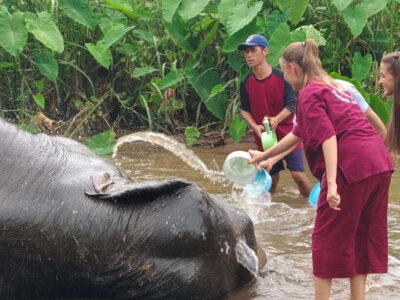
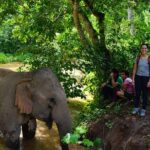
- Add-On Options: Elephant Camp, Bamboo Raft, and Village Guide Time
- Price and Logistics: Where the Real Budget Comes From
- What the Homestay Feels Like: Comfort Trade-Offs (and a Smart Backup)
- Getting There: Timing, Pickup, and How the Day Starts
- Who Should Book This Hill-Tribe Homestay Tour in Chiang Mai?
- Should You Book This Tour?
- FAQ
- What does the homestay include, and how much is it?
- Is this tour really private?
- What extra costs should I expect to pay in cash?
- Are meals included?
- Can I customize the experience?
- What options can I add for activities?
- What happens if I cancel?
Key highlights to know before you go
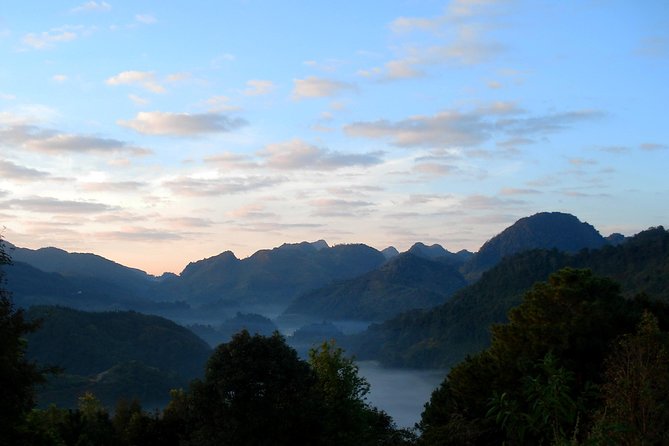
- Karen village bamboo stilt homestay with mosquito nets and simple bedding on the floor
- Hmong village visit guided by someone from a hill-tribe community
- 100% customizable plan with order that may change based on real-life village timing
- Private vehicle + local guide, so you’re not stuck with a busload of strangers
- Cash-only extras (homestay, petrol, and many entrance fees), plan ahead
- Optional add-ons for different interests, like an elephant camp or a bamboo raft
Karen and Hmong Villages Near Chiang Mai: What You’re Booking
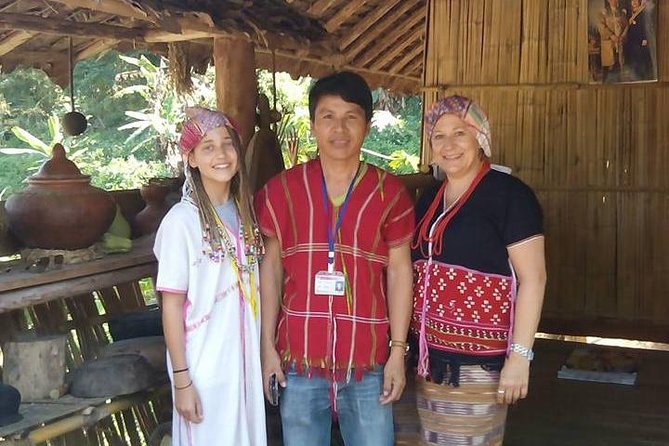
This is one of those tours where the promise is simple: you’ll see authentic Karen and Hmong lifestyles through the eyes of a hill-tribe guide. That matters, because hill-tribe culture isn’t a museum exhibit. It’s work, weather, family routines, and local knowledge—so your experience isn’t meant to feel like a scripted show.
The tour also leans into respect. You’ll meet villagers, often with time to be invited into homes, and you’ll see everyday life up close. The provider is upfront that they can’t guarantee exactly what you’ll see or do, because the program follows the natural rhythm of the village. That’s not a cop-out; it’s a reality check worth listening to. If you want guaranteed set pieces, you’ll be happier on a more fixed itinerary.
For me, the biggest value is that this doesn’t pitch itself as “one tribe, one stereotype.” Instead, it connects more than one community—Karen plus Hmong—under the umbrella of northern Thailand’s hill-tribe world.
You can also read our reviews of more private tours in Chiang Mai
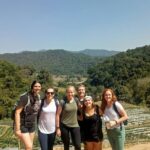

Your Private Group and a Custom Plan That Actually Flexes
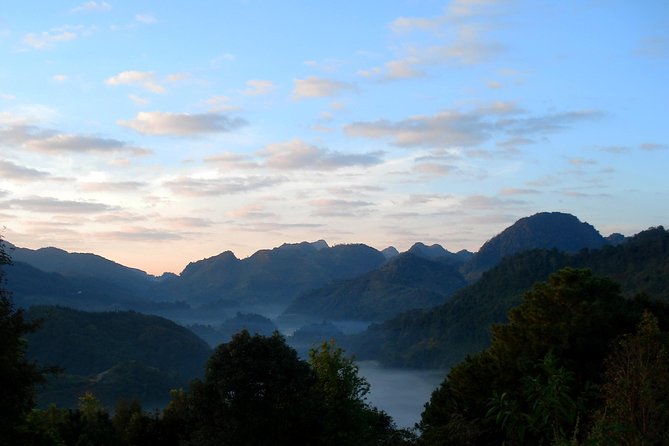
This is a private tour, meaning only your group participates. That’s more than a comfort perk. It gives your guide room to adjust the day based on what’s happening locally—like community events, travel timing, or weather—and still keep the flow gentle.
Your schedule is also described as customizable. In practice, that means you can nudge the tour toward the parts you care about. If you’re more interested in village life, you’ll likely spend more time with people and daily routines. If you want activities, there are options to add in, but you choose what fits you.
One more real-world detail: the itinerary order can change. That can sound vague on paper, but in mountain areas, it often keeps the trip smoother. You’ll spend time in places that make sense that day, not just places that sound good on a map.
Day 1 in a Karen Village: Bamboo Stilt Living and Host-Style Dinner
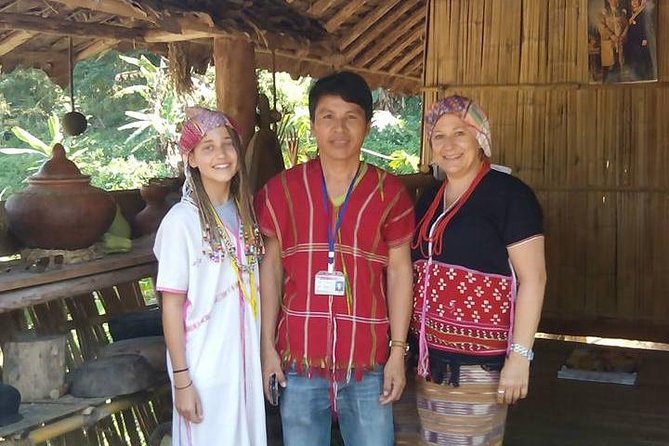
Your overnight is the centerpiece. You’ll stay in a bamboo stilt home in a Karen village. That’s not “glamping.” Expect basic conditions: no electricity, no hot shower, and bedding on the floor. Mosquito nets are provided, and there are generally no strenuous long walks—only gentle light walking is required.
If you’re thinking, Okay, do I really want to do this? here’s the honest answer: many people love it because the constraints make the experience feel real. No hot shower means you’ll slow down. No electricity means evening time isn’t about screens—it’s about conversation, cooking, and the simple rhythm of the household.
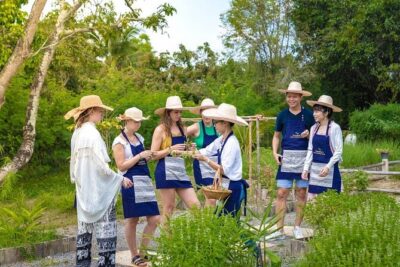
Dinner is another highlight. You’ll have the chance to cook dinner with your hosts, but the tour notes that this is own expense. Also, the homestay fee includes meals at the homestay, so your “what does it cost me” equation is part lodging, part food, and part optional choices depending on how you do dinner. Either way, plan for this as a hands-on cultural evening, not a quick meal stop.
This is also a tour where the host relationship matters. You pay the homestay directly to the host, so the money goes straight to the family welcoming you. If you like travel that feels like a fair exchange—your curiosity in, their hospitality out—this approach is a big plus.
Day 2: Touring a Hmong Village and Building Connections
After the first day’s Karen village stay, you’ll tour a Hmong village. The goal is similar: meet villagers, see how they live, and get cultural context from a guide who understands the community from the inside.
Because the tour follows the natural rhythm of village life, you should expect a flexible pace. You might find time inside homes. You might see routine tasks underway. You might also adjust plans if local factors change. The provider is clear that the tour is not a guarantee machine, and I agree with that honesty.
This second day is often where people start to feel the difference between a packaged performance and a real visit. In places like this, conversation can be the real “activity.” If you’re the type who enjoys quiet observation—how people move through the day, how families organize space, how work and home life overlap—this format tends to land well.
Also, because the tour is private and customizable, you can often shape what “more” means for you. The options listed can add activity time if you want it, while still keeping the village focus.
Add-On Options: Elephant Camp, Bamboo Raft, and Village Guide Time
One of the smartest parts of this tour is that it’s not all-or-nothing. You can pick experiences that match your interest level, budget, and comfort.
Here are the optional add-ons explicitly listed:
- Elephant Camp: 1,500 THB per adult
- Bamboo raft: 1,500 THB for 2 persons
- Village guide option: 600 THB for 2 persons
If you’re traveling with kids, there are kid-friendly options listed too:
- Siam Insect Zoo: 200 THB per adult, 150 THB per child
- Poo Poo Park: 150 THB per person (with 0–4 years free noted for the tour’s options)
One practical note: options cost extra and may not be available depending on local schedules and weather. The tour also states activities can change based on conditions, so treat these as addable ideas, not guaranteed extras.
You can also read our reviews of more tours and experiences in Chiang Mai


Price and Logistics: Where the Real Budget Comes From
The posted price is $228.12 per person, and you’ll have a private vehicle plus a professional local guide and driver. Drinking water and trip insurance are included, which helps you avoid small “gotcha” add-ons.
But the tour also clearly says: accommodation, meals, fuel, and entrance fees are payable in cash during the tour. That’s a big deal for budgeting, so don’t just look at the headline price.
Here are the cash items you should plan for:
- Petrol/fuel: pay at the pump, approx. 2,200 THB
- Homestay: 500 THB per adult; 300 THB per child (3–8 years); under 3 free
- The homestay fee includes meals at the homestay
- Food outside the homestay: customary to pay 50 THB per head, typically when eating together with your guide and driver
- Entrance fees and exclusions: payable in cash (the tour notes most places accept cash)
The value angle: you’re paying for a private, relationship-based experience—private transport, a local guide, and a direct-pay homestay structure. That’s not cheap, but it’s also not the kind of cost breakdown that usually shows up on mass-market tours.
My practical tip: bring enough cash for the on-the-ground items and assume you’ll use it. The tour specifically warns that cash preparation matters because many places only accept cash.
What the Homestay Feels Like: Comfort Trade-Offs (and a Smart Backup)
The homestay conditions are laid out plainly: basic rooms, no hot shower, and no electricity. Bedding is provided, and mosquito nets are included. This is an outdoor-life sleep setup more than a hotel bed.
If that sounds like a deal-breaker, there’s an option mentioned: you can request overnight at a local guesthouse instead. That can be a good compromise if you want the village connection but need better sleeping comfort.
Also, the tour suggests packing items that point to what the night and the village time may feel like:
- insect repellent
- sunscreen
- towels
- thin long tops and bottoms for insect protection
- swimsuit and a change of clothes (there’s a note about waterfall play)
The “waterfall play” wording doesn’t mean you’ll definitely go, but it’s a strong hint that you might. If you pack for it, you’ll be ready without stressing about it.
Getting There: Timing, Pickup, and How the Day Starts
The start time is 9:00 am, and pickup is offered. You’ll travel in a private vehicle with your guide and driver.
You’ll also receive a mobile ticket, and confirmation is stated as typically within 48 hours of booking (subject to availability). That’s useful if your Chiang Mai schedule is tight.
One more logistics point: because your activities can change based on weather, events, and local factors, build this into your trip as the main event. Don’t plan too many rigid hour-by-hour things on the same day.
Who Should Book This Hill-Tribe Homestay Tour in Chiang Mai?
This tour fits best if you:
- want a cultural village experience rather than a checklist tour
- like learning from a local guide and being flexible
- can handle basic accommodations for one night
- appreciate the idea of paying homestay costs directly to the family hosting you
It’s also noted as suitable for most travelers and service animals are allowed. The walking requirement is gentle and light.
Who might struggle? If you need daily hotel-style comfort—hot showers, reliable power, and a private bathroom setup—this may feel rough. Even with mosquito nets and bedding, you’re trading comfort for authenticity.
Also, because village visits follow natural routines and the tour can’t guarantee what you’ll see or do, it’s not ideal for travelers who get frustrated with open-ended outcomes.
Should You Book This Tour?
I think you should book it if your goal in Chiang Mai is to understand northern life beyond temples and night markets. The combination of Karen bamboo stilt living, a Hmong village visit, and a private, customizable format is exactly the kind of travel that feels human and grounded.
But book with clear eyes: it’s not a hotel stay. You’re paying real cash extras on the ground, and you’re signing up for a schedule that can shift to match village life and mountain weather.
If you want the best odds of a great experience, prepare cash, pack for insects and heat, and go in with patience. You’ll spend less time rushing from one photo spot to another, and more time having the kind of moments that don’t translate well into a postcard.
FAQ
What does the homestay include, and how much is it?
The homestay is basic: no electricity and no hot shower, with simple bedding on the floor and mosquito nets provided. The listed homestay fee is 500 THB per adult and 300 THB for children ages 3–8; children under 3 are free. Meals at the homestay are included in that homestay fee.
Is this tour really private?
Yes. It’s a private tour/activity, and only your group will participate.
What extra costs should I expect to pay in cash?
The tour notes that accommodation, meals, fuel, and any entrance fees are payable in cash during the tour. Fuel is listed as about 2,200 THB (paid at the pump). The homestay has its own fee, and for meals outside the homestay there’s a customary 50 THB per head for the guide and driver when eating together.
Are meals included?
Meals at the homestay are included with the homestay fee. Food outside of the homestay is not included, and there’s a customary cost mentioned when eating together with your guide and driver.
Can I customize the experience?
Yes. The tour is described as 100% customizable, and you can discuss the plan with your guide. The order of activities may change to explore the local way of life.
What options can I add for activities?
The tour lists options such as an elephant camp (1,500 THB per adult), a bamboo raft (1,500 THB for 2 persons), and an extra village guide option (600 THB for 2 persons). For kids, options include Siam Insect Zoo and Poo Poo Park with listed per-person costs.
What happens if I cancel?
This experience is non-refundable and cannot be changed for any reason. If you cancel or ask for an amendment, the amount you paid will not be refunded.