REVIEW · CHIANG MAI
Chiang Mai: Asia Scenic Thai Cooking School
Book on GetYourGuide →Operated by Oh-Hoo · Bookable on GetYourGuide
Market to pan in six hours works every time. The Asia Scenic Thai Cooking School in Chiang Mai is a fun, hands-on way to learn Thai cooking without getting lost in jargon, because you start with your own market tour shopping and then cook alongside a small team. I also like the small-group format (limited to 10), plus an English/Thai live guide to keep things moving and answers coming, with instructors such as Thai, Tommy, Nan, and Olive showing up in different class runs.
The schedule is packed, and that’s the one trade-off. You’ll spend time traveling between the market area and the organic farm, so if you love wandering, tasting, and comparing spices for a long stretch, you might wish the market portion ran a bit longer.
In This Review
- Key points to notice before you go
- From Chiang Mai market stalls to your cutting board
- The small group setup: why max 10 makes a difference
- Choosing your dishes: the class menu and how you should pick
- The open-air cooking session: what you’ll do at your station
- What this meal teaches you about Thai flavor balance
- The recipe book: how you actually keep learning after the class
- Price and logistics: where the $41 value really comes from
- Who should book this cooking class in Chiang Mai
- Should you book Asia Scenic Thai Cooking School?
- FAQ
- How long is the Chiang Mai Thai cooking class?
- What’s the group size?
- Is pickup from downtown Chiang Mai included?
- What dishes can I choose?
- Do I cook or only watch?
- Are dietary needs accommodated?
- What languages are used by the guide?
- Is it suitable for young children?
Key points to notice before you go
- You pick 5 dishes from a menu ranging from Pad Thai to Massaman and Panang
- Market shopping is part of the lesson, not just a quick photo stop
- Organic farm and herb time means you see what goes into Thai flavors before the cooking starts
- Open-air kitchen + individual stations make it practical, not just watch-and-wait
- Sticky rice gets a cooking moment, so you understand the texture before you even serve
- You leave with a cookbook so your curry paste theory can survive your next grocery run
From Chiang Mai market stalls to your cutting board
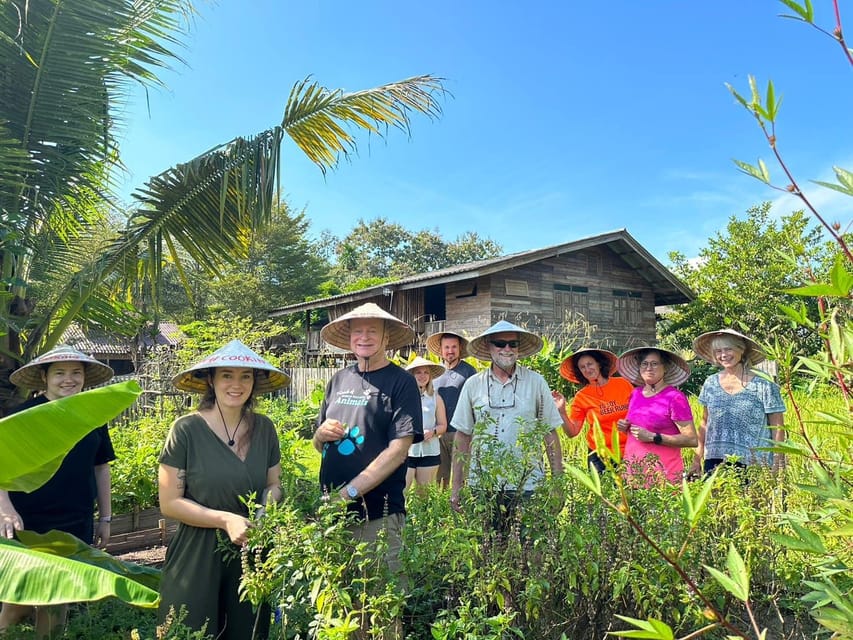
Thai cooking classes can be a mixed bag. Some are mostly watching. Others are cooking, but you never learn how the ingredients shape the final taste. This one keeps both halves in balance, and that’s why it works so well.
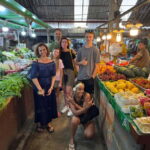
You’ll begin in Chiang Mai Province with a local market visit where you select ingredients for your chosen dishes. That matters more than you might expect. Thai food has layers—sweet, sour, salty, spicy—and those layers start with what you buy: herbs, aromatics, and the balance between them. Seeing the ingredients up close helps you cook with intention later, not just follow steps.
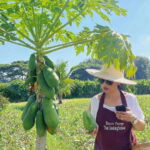
Next comes the organic side of the day. You’ll visit an organic kitchen garden or organic farm area, where you’ll taste herbs and learn what they contribute. One reason this is such a good setup is that herbs in Thai cooking aren’t treated like garnish. They’re flavor engines, and the class links them directly to the dishes you’ll make.
You’ll also get a welcome snack or seasonal fruit, plus fresh coffee and herbal tea. It sounds small, but it helps the day feel like a slow-food experience instead of a race to the wok.
You can also read our reviews of more cooking classes in Chiang Mai
The small group setup: why max 10 makes a difference
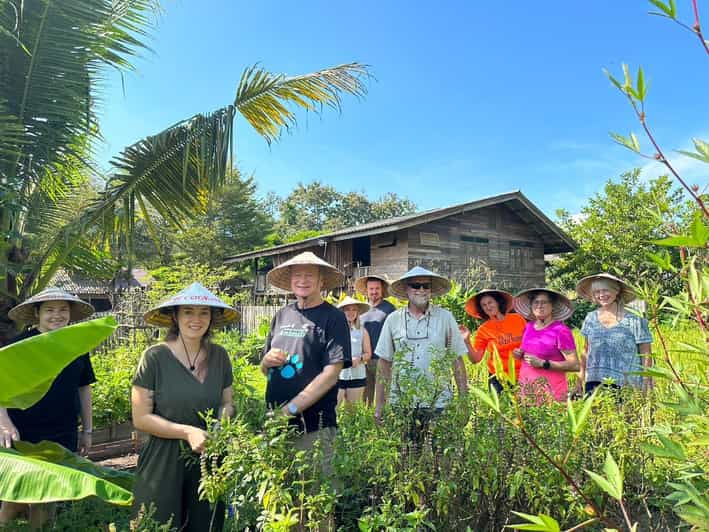
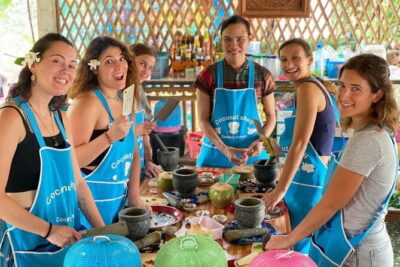
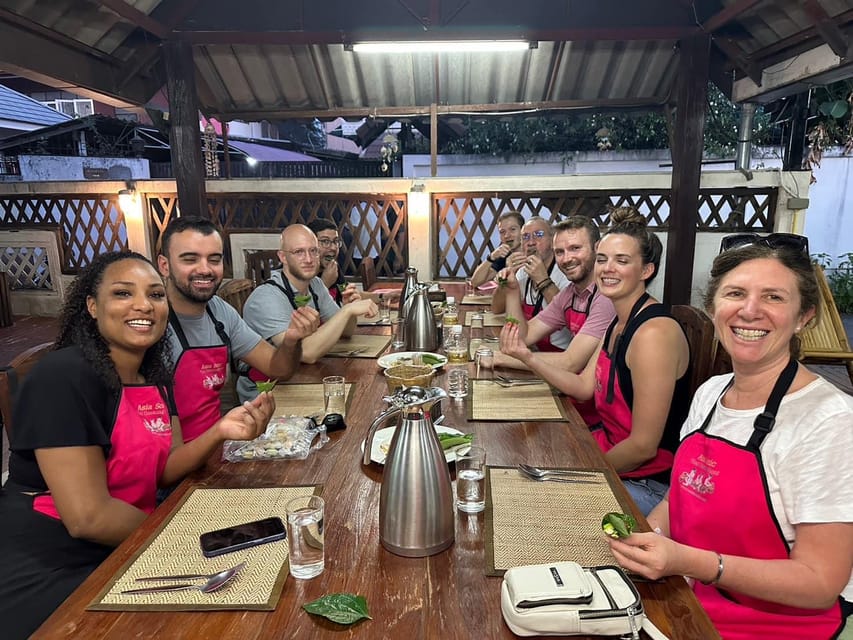
This is capped at 10 participants, which is a sweet spot for learning. You get a more personal rhythm than big group tours, but it still feels social. You’re also working from an individual cooking station, which means you’re not waiting for space or tools.
Your guide is live and English-speaking (with Thai support). In the classes I’m basing this on, different instructors are mentioned by name—Tommy, Nan, Dev, Sue, Sue, and Thai among them. The common thread is clear: the guide role isn’t just translation. It’s coaching, correcting, and checking that your dish is on track.
Dietary needs are handled too. The class can adapt recipes for things like vegan and vegetarian eating. That’s a big deal because Thai cooking isn’t just one flavor profile. It’s a system. When the staff can adjust it responsibly, you still learn the logic behind the flavor.
Choosing your dishes: the class menu and how you should pick
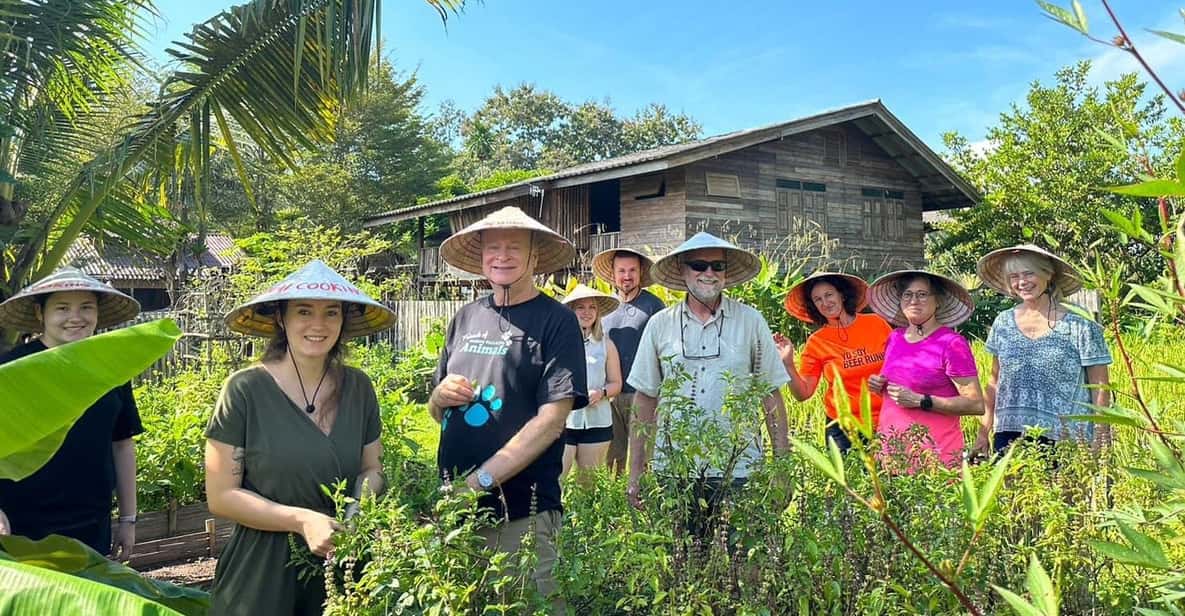
One of the smartest features here is the “choose your dishes” approach. You can select 5 dishes from the options list, and the day still includes additional cooking so you get a full Thai meal experience. In other words, you steer the menu, but you don’t end up with a half-day result.
Here are the dish categories you can choose from:
- Stir-Fried: Pad Thai, Pad See Uw, Hot Basil Stir Fried, Cashewnut With Chicken
- Soup: Coconut Milk Soup, Tom Yum, Tom Sab
- Curry Paste: Red, Green, Massaman, Panang, Khaw Soi
- Curry: Red Curry, Green Curry, Massaman Curry, Panang Curry, Khaw Soi
- Spring Rolls: Spring Rolls
So how should you choose? I’d aim for variety. Pick one dish that represents spice heat (like Tom Yum or green curry), one dish that gives you a creamy element (like coconut milk soup or Massaman curry), and one that teaches you a stir-fry or noodle technique (Pad Thai or Pad See Uw). That way you leave with more than repetition—you leave with transferable skills.
Also, keep in mind there’s a sticky rice component where you watch it being cooked. Even if you don’t choose a sticky rice dish, this is one of those Thai kitchen realities that’s hard to replicate from memory. Watching the process once helps you understand texture and timing.
The open-air cooking session: what you’ll do at your station
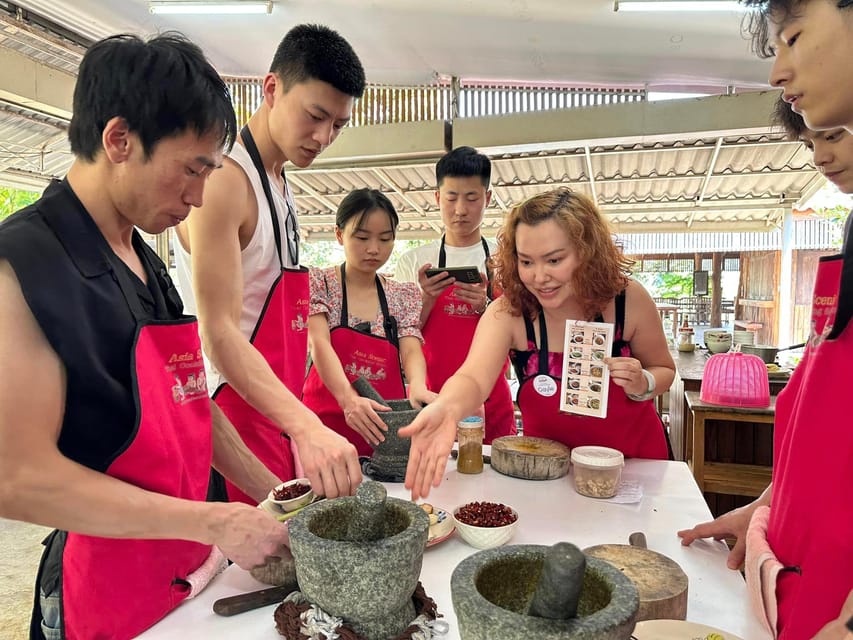
After the market and farm time, you move into the open-air kitchen. The cooking part is structured enough to keep you on track, but interactive enough that you don’t feel like you’re stuck behind a wall of steam.
You’ll cook using an individual station and all necessary ingredients are provided. That’s huge for value. If you’ve ever tried to recreate Thai dishes at home, you know how quickly it gets annoying. Specific herb mixes, the right curry paste, and correct measuring all matter. This class gives you the ingredients and the method in a way that feels realistic.
Cooking in Thailand also means learning pacing. Thai dishes often require fast steps and timing coordination. Even though you’re not cooking for a restaurant, you still get trained on sequencing: prep what you need, then move efficiently through the steps so your sauce and aromatics don’t lose their moment.
In multiple instructor-led sessions, the focus is on ingredient purpose. That’s what you want. When your guide explains why a specific ingredient matters for balance, you stop cooking by autopilot and start cooking by cause-and-effect.
And yes—you’ll eat what you make. You’ll enjoy your handmade meals in a relaxing setting, with breaks built in. In one class experience, hammocks showed up as part of the chill vibe, which is a nice change from the usual chair-and-counter routine.
What this meal teaches you about Thai flavor balance
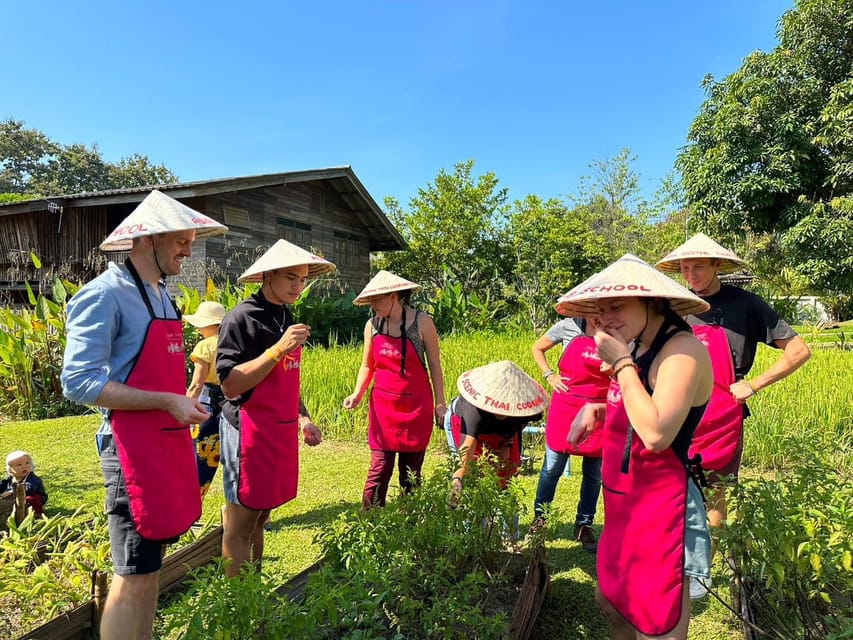
Thai cooking is all about balance, but the class makes it practical. You aren’t just told that everything should be balanced. You practice it across multiple dishes in the same day, using ingredients you picked and herbs you tasted earlier.
For example, if you choose something soup-based like Tom Yum, you learn how sour and spicy work together. If you choose a curry like Panang or Massaman, you learn that “curry” isn’t one flavor. It’s a spectrum based on curry paste type and how you build it. Stir-fried dishes like Pad Thai or Pad See Uw teach you heat control and timing, especially when noodles or sauces need quick handling.
Spring rolls (if you choose them) add a different skill set. You’ll get a taste of how texture is designed, not just how flavors are mixed. That matters for replicating the dish at home where fried items can go wrong fast.
The coconut milk soups and curry categories are also a strong teachable moment. They help you understand how creamy flavors mellow heat and how herb freshness changes the final result.




The recipe book: how you actually keep learning after the class
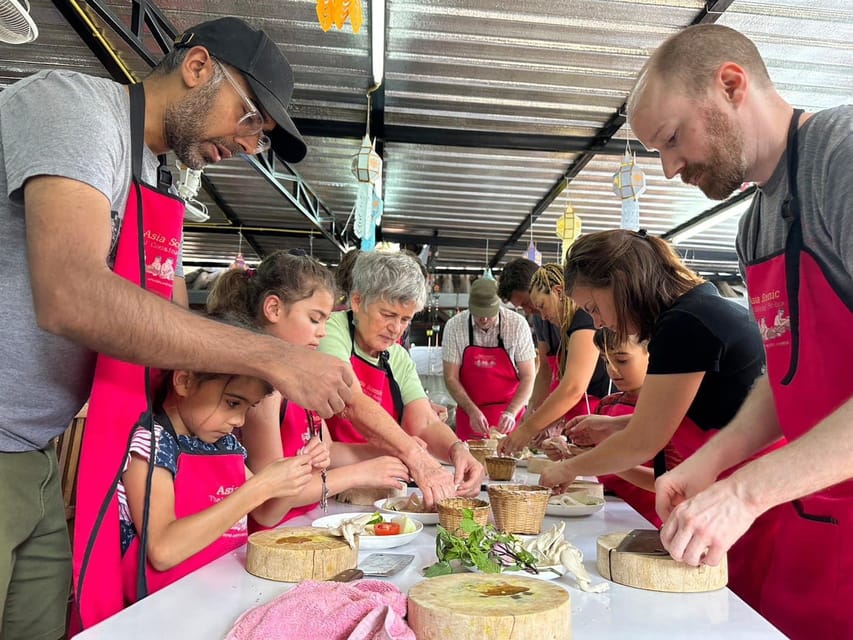
Here’s the part I care about: what you can repeat at home. This course includes a cookbook, and it’s not just a vague brochure. You get a recipe book covering the dishes you could pick and learn during the session.
That gives you a simple next step. You don’t have to remember what the guide said about texture or timing. You can check it while cooking. And since you selected your dishes, you’ll likely cook them again because they match your tastes.
If you’ve had the experience of buying a cookbook after a class but never using it, this one helps because it’s tied to what you made. That’s also why choosing your dishes is smart. It’s personal training, not generic instruction.
Price and logistics: where the $41 value really comes from
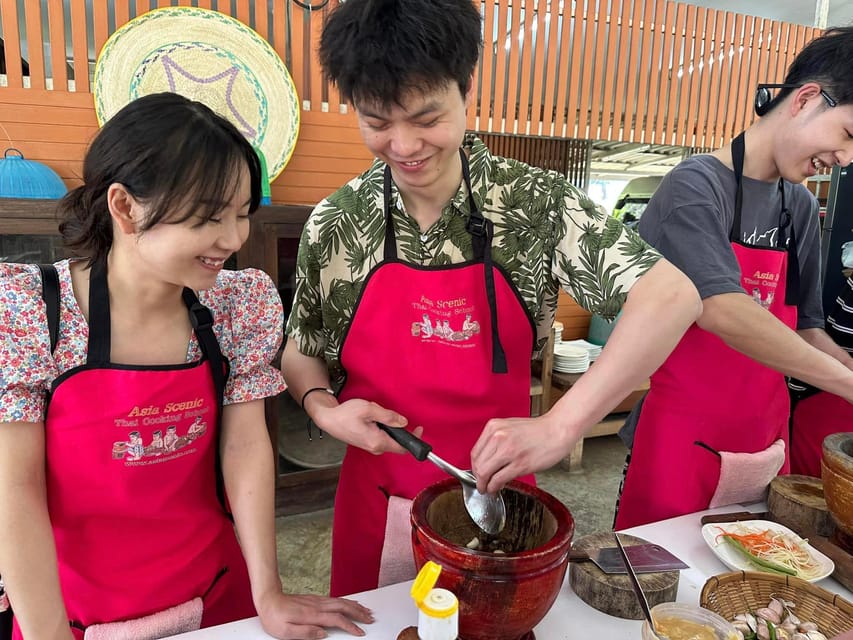
At around $41 per person for roughly 270 minutes (about 6 hours), the price is fair—mostly because so many costs are baked in. You’re not paying extra for the ingredients, the individual cooking station, the market tour component, or the farm/herb segment.
You’re also getting drinks included: fresh coffee and herbal tea, plus a welcome snack or seasonal fruit. Add transportation within a 3 km radius from downtown Chiang Mai, and it stops feeling like you’re funding a long taxi bill just to start cooking.
The small-group limit matters for value too. If the class were cheaper but overcrowded, you’d likely spend more time watching than learning. Here, you cook at your station and get real help from the guide.
One practical note: pickup time is confirmed by email. The guide will confirm the exact pickup window, and you should meet in the lobby at least 10 minutes early. If you’re late, you could be treated as a no-show.
Also, the class includes pickup and return transport back to your hotel (within the stated downtown radius). That’s a big comfort factor in Chiang Mai, where tuk-tuks and traffic can turn a simple day into a time puzzle.
Finally, there’s free cancellation up to 24 hours in advance for a full refund. And there’s a reserve now & pay later option, which is useful if your plans are still shifting.
Who should book this cooking class in Chiang Mai
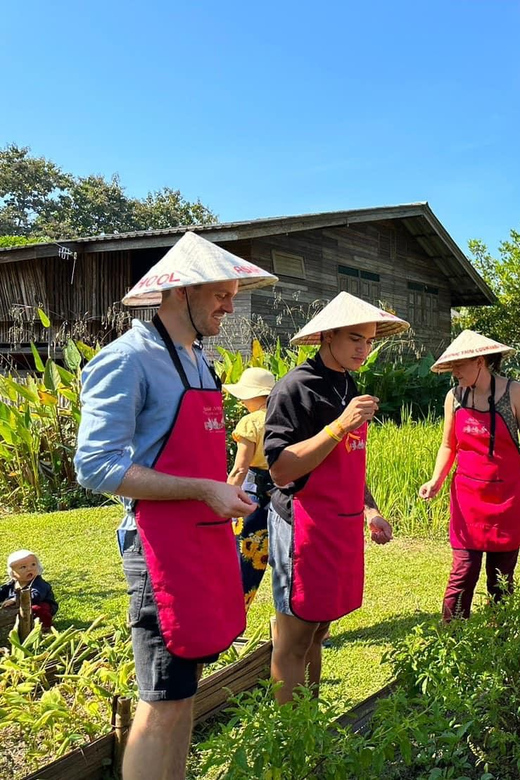
This is a strong fit for food lovers who want more than a show. You’ll learn by buying ingredients, tasting herbs, and cooking at your station. It’s also a good match for couples, solo travelers, and groups because the class size stays small and the structure keeps everyone included.
Families can consider it, but the class isn’t suitable for children under 4 years old. If you’re traveling with young kids, check with the operator before booking since age limits matter.
If you’re a serious cook, you’ll likely appreciate the focus on why ingredients matter. If you’re a beginner, you’ll appreciate that the ingredients are provided and you’re not required to source obscure items before you start.
If your main goal is to spend the longest time possible wandering the market, then you may want to plan a little extra market time on your own before or after. The day is designed to be balanced between learning, cooking, and eating.
Should you book Asia Scenic Thai Cooking School?
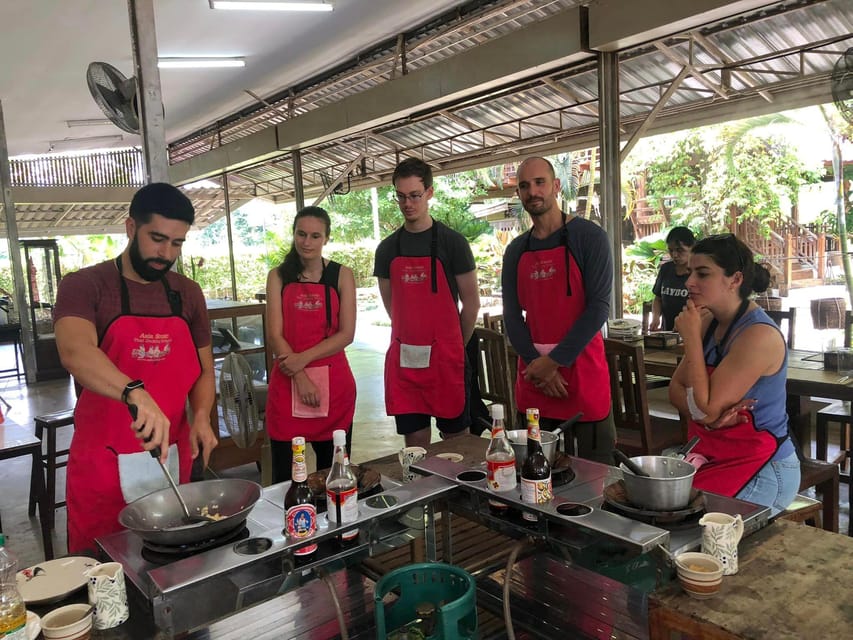
Book it if you want a Chiang Mai day that’s hands-on, practical, and actually repeatable at home. The combination of a market tour where you select ingredients, a visit to an organic farm or herb garden, and a guided open-air cooking session adds up to real value.
Skip it or adjust expectations if you hate structured schedules. The day runs about 6 hours and includes travel between stops. It’s not an all-day aimless wandering experience.
If you do book, pick dishes that give you variety. Choose one soup or curry for flavor balance, one stir-fry or noodle for technique, and one bonus dish for texture. You’ll leave with more than a full stomach. You’ll leave with a plan for cooking Thai food without guesswork.
FAQ
How long is the Chiang Mai Thai cooking class?
The experience runs about 270 minutes, or roughly 6 hours.
What’s the group size?
It’s a small group with a limit of 10 participants.
Is pickup from downtown Chiang Mai included?
Yes. Pickup is included for hotels within a 3 km radius from downtown Chiang Mai.
What dishes can I choose?
You can choose 5 dishes from options including Pad Thai, Pad See Uw, Hot Basil Stir Fried, Cashewnut With Chicken, Tom Yum, Tom Sab, coconut milk soup, several curry pastes and curries, and spring rolls.
Do I cook or only watch?
You cook at an individual station as part of the class, and you’ll also watch sticky rice being cooked.
Are dietary needs accommodated?
The class can adapt recipes for various dietary requirements, including vegan and vegetarian.
What languages are used by the guide?
The live tour guide works in English and Thai.
Is it suitable for young children?
It is not suitable for children under 4 years old.