REVIEW · ART IN PARADISE CHIANG MAI
Chiang Mai: Art in Paradise Illusion Museum Entry Ticket
Book on GetYourGuide →Operated by MY Holiday Centre · Bookable on GetYourGuide
3D paintings that trick your feet. This Chiang Mai illusion museum is a fun, hands-on way to see over 100 3D paintings turn into optical surprises, and the fast-track access helps you get moving instead of waiting. I like how easy it is to jump in and start taking photos right away, and I like that it works for mixed ages. The only real drawback is that some of the best photo moments can be awkward if you’re solo and you don’t have anyone to help you aim.
You can treat it like your own mini photo walk, because your visit is flexible within opening hours. Plan around the museum’s daily window of 9:00 am to 7:00 pm, and take your time switching between scenes as the lighting and angles change. It’s built for photo-friendly viewing, including the kind of perspective tricks that make you feel like you’re inside the artwork.
A few practical rules keep things smooth: you’ll want comfortable shoes and you’ll need your camera or charged smartphone. You can’t use flash, you can’t touch the exhibits, and food and drinks aren’t allowed inside, so come ready to wander and shoot without distractions.
In This Review
- Key things to know before you go
- What Art in Paradise Chiang Mai feels like inside
- Pricing and value: is $16 worth it?
- Getting in fast: how fast-track entry changes your day
- A walkthrough of the experience: how the rooms are built
- 1) The first impression zone: settling into the camera mindset
- 2) Underwater world scenes: when perspective feels real
- 3) The giant picture frame: the classic you-to-art shot
- 4) The rest of the gallery: keep cycling angles
- Photo rules you must follow (and how to work around them)
- Timing your visit in Chiang Mai: best way to avoid stress
- Who this ticket is best for (and who should think twice)
- What’s included, what’s not, and what to bring
- The small print that can trip you up
- Should you book this Chiang Mai illusion museum ticket?
- FAQ
- What time is the Chiang Mai Illusion Museum open?
- How long is the ticket valid?
- What is included with the entry ticket?
- Do I need to bring a camera?
- Are flash photos allowed?
- Can I bring food and drinks?
- Are pets allowed inside?
- Is this ticket suitable for people with mobility impairments?
Key things to know before you go
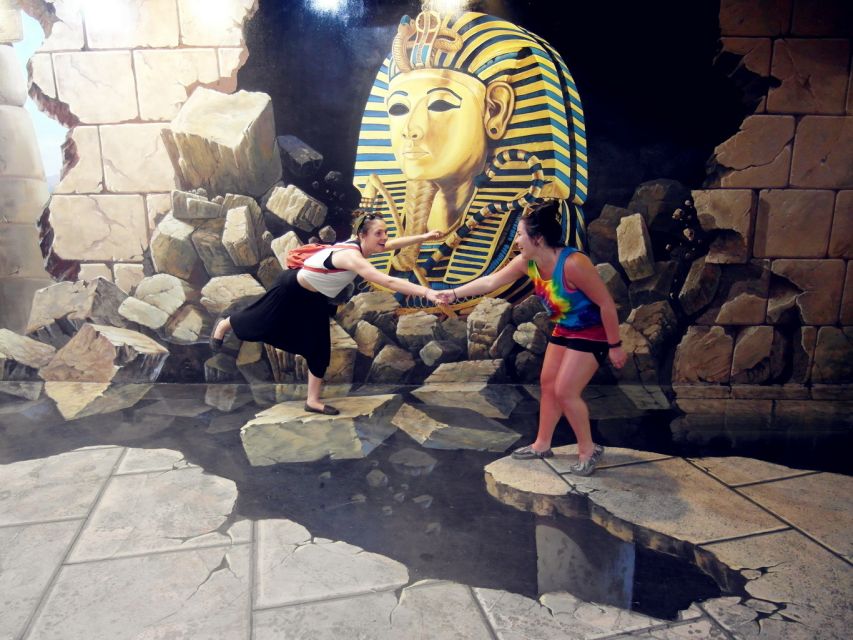
- Fast-track access to skip queues so you can start exploring right away.
- 100+ 3D paintings and optical illusions that reward you for changing your position and angle.
- Open daily 9:00–19:00 with flexible timing for an easy fit with other Chiang Mai plans.
- Major photo spots like an underwater world and a giant picture frame built for fun shots.
- Early entry can feel calm; one visitor specifically loved going at 9:00 am for a quieter start.
- Clear exhibit rules (no flash, no touching) that protect the experience for everyone.
What Art in Paradise Chiang Mai feels like inside
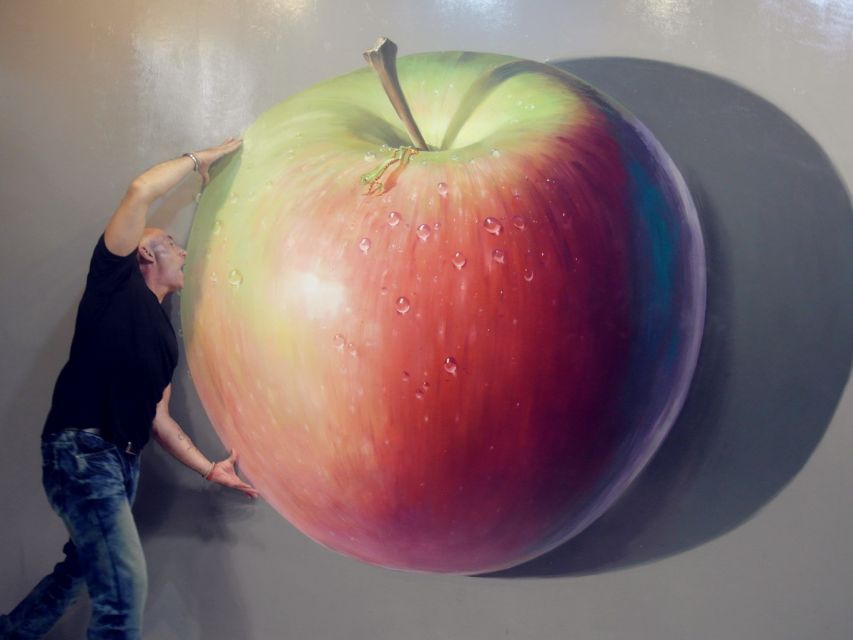
This museum is basically a full walk-through of optical illusions, built so you don’t just look—you interact with the scene using your body and your camera position. The main appeal is the way the paintings use perspective to trick your brain, turning flat walls into realistic-looking spaces.
What makes it a smart pick in Chiang Mai is that it’s low-stress fun. You don’t need to understand art theory or read a lot of text to enjoy it. You just walk up, choose your angle, and let the illusion do the work.
It’s also the kind of attraction where you can slow down without feeling like you’re falling behind. Since the itinerary is flexible, you can do a quick round first, then come back for another attempt at photos that didn’t turn out the first time.
Pricing and value: is $16 worth it?
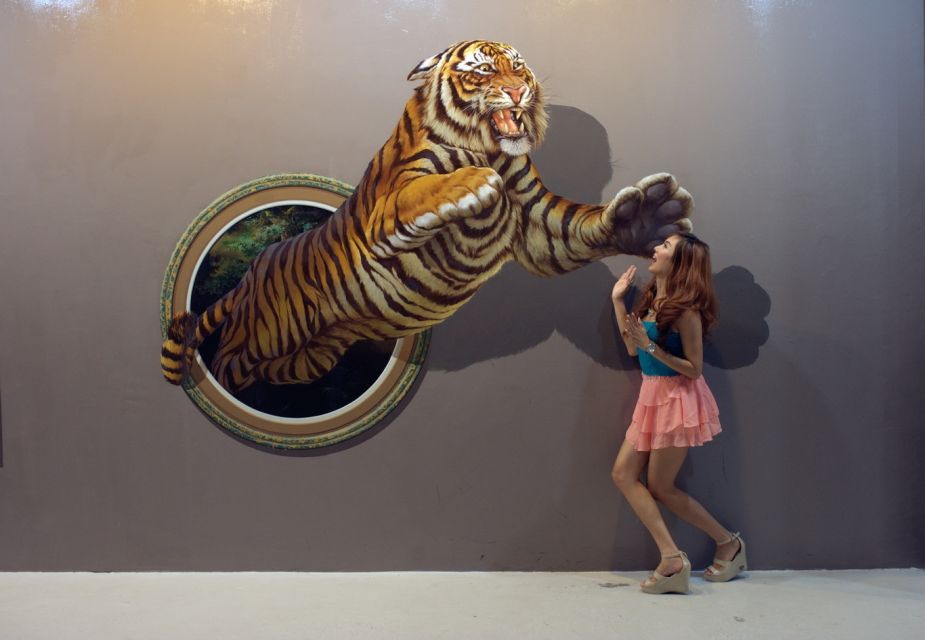
At about $16 per person, this is an affordable way to get a full day activity without committing to tours that require strict timing. You’re paying for a long-lasting, self-paced experience with 100+ scenes, not a short show.
Where the value really lands is the fast-track component. If you’ve ever arrived at a popular stop and ended up stuck in line with the rest of the crowd, you know how fast that drains your energy. Fast-track access is the difference between starting your first photo session quickly versus losing prime daylight hours to waiting.
Also, it’s priced to work as a family option. If you’re traveling with kids or a group with mixed interests, the museum’s visual style and photo setups tend to keep everyone engaged for longer than you might expect.
Getting in fast: how fast-track entry changes your day
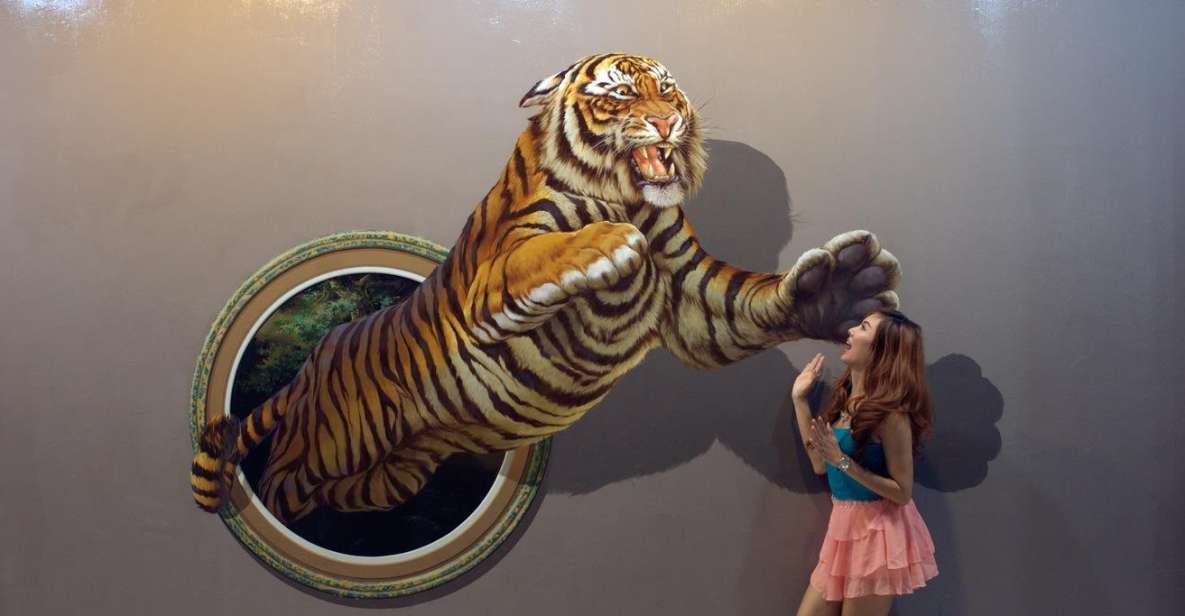
Fast-track access matters more than you think. With a daily opening window running from 9:00 am to 7:00 pm, you’ll likely feel more freedom choosing your moment to enter. Fast-track helps you use that freedom well—arrive when you want, not when the line lets you.
Here’s the practical side: you’ll show your ticket at the entrance. Both printed and mobile vouchers are accepted, but you do need to redeem your voucher for an entry ticket after booking. Plan for that step so you’re not rushing right before you reach the doors.
Once you’re in, you can move at your own pace. That’s where the 1-day format becomes useful: you’re not locked into a timed itinerary, so you can shape the visit around the rest of your Chiang Mai day.
A walkthrough of the experience: how the rooms are built
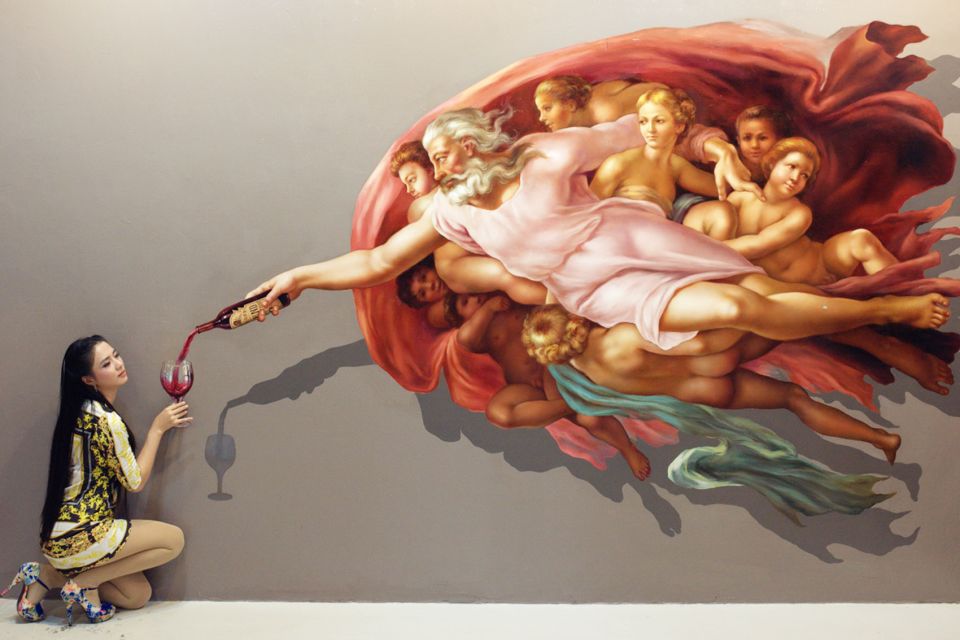
The museum centers on 3D illusions and optical tricks, with plenty of interactive-looking setups designed for photos. You’ll see more than 100 individual paintings and scenes, which means you’re not stuck doing the same shot over and over—you can keep switching what you’re trying.
While there isn’t a fixed sequence you have to follow, the experience naturally breaks into a few kinds of moments:
1) The first impression zone: settling into the camera mindset
When you start, give yourself a few minutes to get the trick right. Many of these scenes work best once you understand that small changes in angle can make the illusion snap into place.
You’ll probably want to do this with a quick mental workflow: walk up, frame, adjust position, then take a shot. If you’re the type who hates repeating photos, don’t worry—this is the place where retakes are part of the fun.
2) Underwater world scenes: when perspective feels real
One of the named highlights is an underwater world. This is the sort of scene that benefits from careful positioning, because the illusion depends on how the painted background meets your viewpoint.
Expect lots of photo opportunities here. The best approach is to try a wide shot first (so you capture the scene), then step slightly for a tighter composition where you’re more clearly part of the picture.
3) The giant picture frame: the classic you-to-art shot
Another specific highlight is a giant picture frame. This is where you’ll see the museum’s design language clearly: it’s built so your body becomes part of the illusion, like you’re stepping into a framed world.
If you like playful shots, this is one of your easiest wins. Even without a professional setup, a simple pose plus correct framing can look surprisingly convincing.
4) The rest of the gallery: keep cycling angles
After you get a few illusions working, you’ll likely fall into a rhythm—move, shoot, check, tweak. With 100+ works, you can afford to spend extra time on the scenes you enjoy most.
A helpful rule of thumb: avoid rushing. The museum’s payoff grows when you treat it like a guided photo practice where you try different angles and then return to the scenes that grabbed you first.
Photo rules you must follow (and how to work around them)

You’ll have to play by the museum rules to keep the experience enjoyable for everyone. Flash photography isn’t allowed, and you also can’t touch the exhibits.
That means you need a camera plan that doesn’t rely on speed-flash effects. Use natural indoor light, hold steady, and try your shots slowly. If your smartphone camera struggles in darker corners, switch to the best-lit angle rather than forcing it with a flash.
Also, the no-touch rule means you should focus on posing and positioning, not physical interaction. Keep your hands off the artwork and treat the scene like a stage you stand on.
If you’re traveling solo, there’s an extra challenge. One common downside is that some frames and perspective tricks are easier when someone else can aim for you. If that’s your situation, you’ll want to plan for quick self-timing shots or be ready to take fewer but better photos in the scenes you can nail alone.
Timing your visit in Chiang Mai: best way to avoid stress
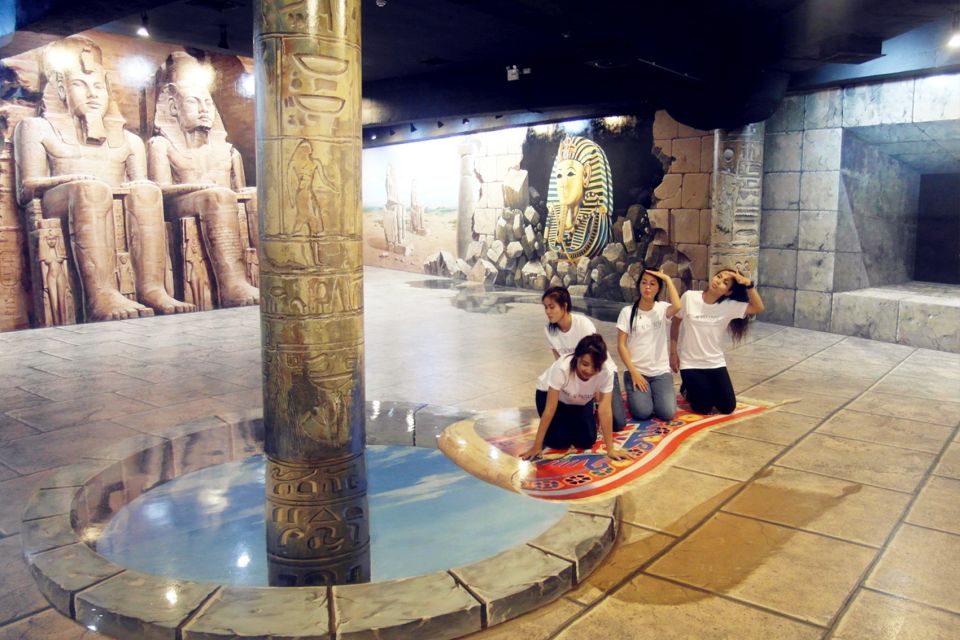
The museum runs daily from 9:00 am to 7:00 pm, which gives you flexibility. One visitor specifically highlighted going early at 9:00 am and feeling like they had more room to enjoy the exhibits and repeat photos.
So if you want a calmer experience, consider arriving near opening. You’ll likely feel less pressure to move fast, and repeating shots becomes easier when the space feels less crowded.
If you’re pairing this with other Chiang Mai activities, treat it like a “choose your pace” stop. You can fit it in as a morning activity, a midday reset, or an evening photo session—without worrying about a rigid timetable.
One more timing note: since the visit is flexible but you still have a real opening window, keep a little buffer. That way, if a few scenes take you longer than expected, you won’t feel rushed leaving.
Who this ticket is best for (and who should think twice)

This is a strong pick for families, couples, and groups who like fun visual experiences more than quiet, interpretive museum time. It’s also described as suitable for all ages, and the range of interactive photo setups gives you options when people have different comfort levels.
If you love photography—or simply like having a clean set of memorable vacation pictures—this is a good use of your day. The named highlights (underwater world and giant picture frame) are the kind of backdrops that consistently produce satisfying shots.
Here’s where you should be careful:
- It isn’t suitable for people with mobility impairments, based on the provided suitability info.
- If you’re coming mainly for photos and you’ll be alone, you may find some scenes harder without someone to help you frame the shot.
If you’re traveling with pets, note that pets aren’t allowed. And if you tend to snack during attractions, remember that food and drinks aren’t allowed inside the gallery.
What’s included, what’s not, and what to bring
Your ticket includes entry to the Chiang Mai Illusion Museum plus fast-track access. Transportation to the museum isn’t included, so you’ll need to plan how to get there on your own.
For what to bring, keep it simple:
- Comfortable shoes (you’ll be walking and repositioning)
- A camera (or use your charged smartphone)
- Your smartphone charged and ready for photos
Also plan around the rules: no flash, no touching, no food and drinks inside, and pets aren’t allowed. Having this in mind before you arrive makes the visit feel smoother.
If you’re doing the booking with a voucher, remember you’ll need to redeem it for an entry ticket. Your ticket is only valid on the date and time specified, so double-check that before you head out.
The small print that can trip you up

Most of the time, this kind of ticket is straightforward. Still, there’s one practical point to watch based on a reported issue: make sure your voucher works correctly at the entrance, because there can be cases where someone is forced to pay again if the voucher isn’t accepted the way they expect.
To avoid stress, keep your voucher ready in both forms if possible (mobile and a printed version), and redeem it for your entry ticket ahead of time. When you arrive, show it clearly and be ready to present the entry ticket your voucher becomes.
Another detail worth knowing: your ticket rules include height-based pricing for children. Children under two years old, who are less than 100 cm tall, enter free. Child tickets apply for children between 101 and 135 cm tall.
Also, Thai nationals don’t use this same pricing; local citizens must purchase the ticket directly at the counter.
Should you book this Chiang Mai illusion museum ticket?
I’d book it if you want a day that’s easy to fit into your schedule, heavy on photo ops, and light on rules. At around $16 with fast-track access, you’re paying for a self-paced gallery with 100+ scenes—exactly the kind of value that works well when your group has mixed interests.
Skip it or rethink it if you need accessibility accommodations, since it isn’t suitable for mobility impairments. Also think carefully if you’re traveling solo and you expect this to be mainly a selfie-friendly experience; some setups are easier with a helper, and you’ll want to plan for that.
If you do book, my best advice is simple: aim for an early start around 9:00 am if you can. You’ll likely have more room to repeat shots and enjoy the illusion work without feeling rushed.
FAQ
What time is the Chiang Mai Illusion Museum open?
The museum is open daily from 9:00 am to 7:00 pm.
How long is the ticket valid?
The ticket is valid for 1 day, and it works only on the date and time specified on your ticket.
What is included with the entry ticket?
The ticket includes entry to the Chiang Mai Illusion Museum and fast-track access to skip the queues.
Do I need to bring a camera?
A camera and/or a charged smartphone are recommended, since you’ll want to take photos of the 3D paintings and optical illusions.
Are flash photos allowed?
No, flash photography is not allowed inside the gallery.
Can I bring food and drinks?
No, food and beverages are not allowed inside the gallery.
Are pets allowed inside?
No, pets are not allowed.
Is this ticket suitable for people with mobility impairments?
No, it is not suitable for people with mobility impairments.