REVIEW · CHIANG MAI
Chiang Mai: Elephant Sanctuary, Monk Trail & Doi Suthep Tour
Book on GetYourGuide →Operated by PON ELEPHANT (THAILAND) CO., LTD. · Bookable on GetYourGuide
Two worlds, one Chiang Mai day. This tour pairs ethical elephant care at Pon Elephant Thailand with a guided visit to Wat Phra That Doi Suthep, plus a quieter forest hike at Wat Pha Lat. I like how the day has real learning built in, not just check-the-box sightseeing, and you get hands-on elephant time that focuses on the animals’ wellbeing. One thing to plan for: it’s a long day with walking, temple steps, and you’ll likely get wet or dirty if you join the river bathing.
If you’re serious about seeing Chiang Mai beyond the usual temple circuit, this mix makes sense. Wat Pha Lat slows you down with a monk trail feel in the trees, then Doi Suthep brings the big, iconic mountain temple payoff—complete with a guide who helps you understand what you’re looking at and how to participate respectfully. Guides can be a huge part of your day too; people often mention Sumit, Paul, Ronnie, Suriya, and Jakkie for storytelling and for taking good photos.
One practical note up front: the schedule is packed. You’ll have time to enjoy things, but you won’t have the kind of “wander all day” freedom that you might want on a fully independent temple day.
In This Review
- Key takeaways before you go
- Temples and elephants in one packed, well-paced day
- Pickup, transport, and how the timing actually feels
- Wat Pha Lat monk trail: forest temple calm with real footing
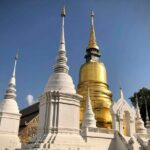
- Wat Phra That Doi Suthep: golden pagoda, shrine terraces, and proper prayer
- Pon Elephant Thailand: feeding, walking, river bathing, and medicine balls
- Thai lunch after elephants: what’s included and what to expect
- What to bring: your checklist for temples, hiking, and river bathing
- Choosing your guide: Sumit, Paul, Ronnie, Suriya, and Jakkie
- Is the $57 price fair for this kind of day?
- Should you book the Chiang Mai Temple, Nature, and Elephant day?
- FAQ
- How long is the Chiang Mai Temple, Nature & Elephant Sanctuary tour?
- Where do I meet the guide?
- Is elephant riding included?
- What food is included during the tour?
- Is there hiking or walking time?
- Do I need swimwear and a change of clothes?
- Are hotel transfers included everywhere in Chiang Mai?
Key takeaways before you go
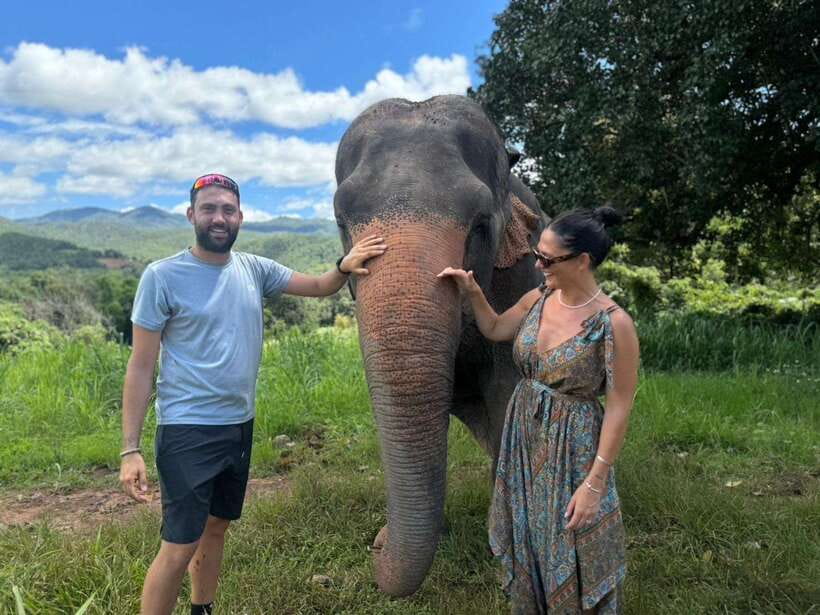
- Ethical elephant care without riding: feeding, walking, and bathing activities are designed around the elephants’ comfort, and elephant riding is prohibited.
- Wat Pha Lat’s monk trail atmosphere: expect a shaded jungle-temple walk with features like a wooden tunnel, ordained trees, and a calm stream.
- Doi Suthep with real context: your guide helps you make sense of the golden pagoda area and how to pray properly at the shrine sites.
- River bathing means plan to change clothes: you’ll want swimwear, a towel, and dry clothes ready. Shower rooms and toilets are provided.
- A full day that can be intimate: group sizes can be small, and some days feel more personal than you’d expect for a tour.
- Thai lunch included, plus fruit and local desserts: food is part of the experience, not an afterthought.
Temples and elephants in one packed, well-paced day
I like that this tour doesn’t treat elephants as a quick photo stop. The elephant portion is built around learning elephant behavior and Thai elephant history, plus straightforward, hands-on activities like feeding and walking alongside the animals. The ethical framing is also clear: elephants are not forced to do things they don’t want to do, and riding is prohibited.
Then you switch gears from river and forest time to temple time. Wat Pha Lat and Wat Phra That Doi Suthep give you two different kinds of Chiang Mai spirituality—one quieter and more nature-focused, the other famous and high on the mountain. That contrast matters. If you’ve got limited days in Chiang Mai, this kind of “two styles of temples” combo is a smart use of time.
As for your guide, you’ll get an English-speaking guide for the day. And based on the guide names that come up again and again—Sumit, Paul, Ronnie, Suriya, and Jakkie—you’re likely to get more than directions. Many people highlight stories and explanations, plus guides who are willing to answer questions without rushing you out the door.
You can also read our reviews of more tours and experiences in Chiang Mai.



Pickup, transport, and how the timing actually feels
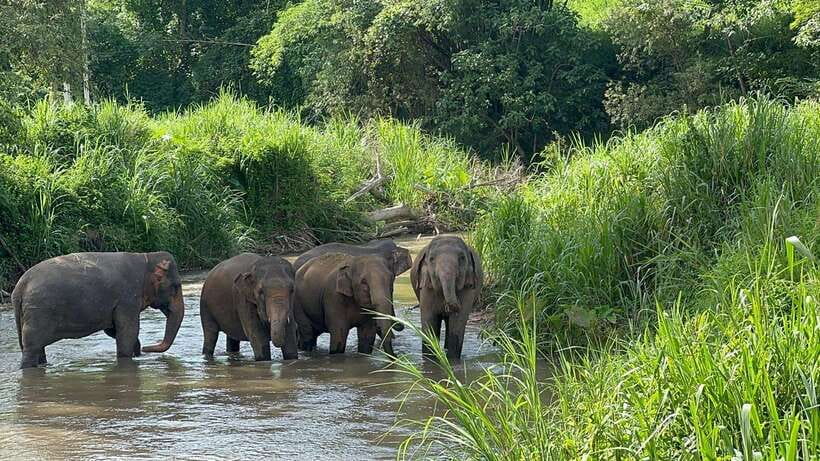
The tour runs as a full day, and it’s structured around van transfers between stops. Hotel transfers are included to and from Chiang Mai city center only, so if you’re staying farther out, you’ll want to confirm the exact pickup plan.
Your day typically starts in the morning and ends in the late afternoon or early evening range. One nice thing about the format is that you don’t have to stitch together separate rides for each site. You’ll get drinking water during the day, and the transport has been repeatedly praised for being comfortable.
Where timing can matter for you: Wat Pha Lat involves a hike (about 40 minutes). Doi Suthep involves a temple visit with mountain terrain. Then you go to Pon Elephant Thailand for about 3.5 hours of camp activities. It’s not a “sit and watch” tour. You’ll feel like you’ve done a day, not just a few highlights.
Wat Pha Lat monk trail: forest temple calm with real footing
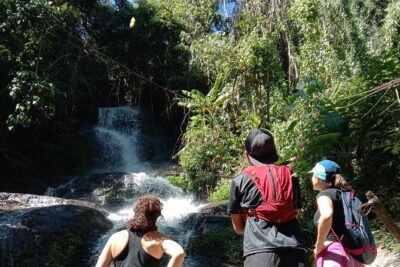
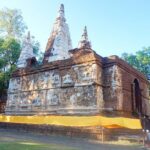
Wat Pha Lat is the part of the day that slows down the pace. The focus here is a lush nature trail leading to Wat Pha Lat, a forest temple setting that feels more tucked away than the big, central tourist temples. This is where you’ll get the monk trail style experience.
What makes it special is the environment and the smaller details:
- A wooden tunnel that gives you that sheltered, quiet change of mood.
- Ordained trees tied to the spiritual tradition of the area.
- A tranquil stream nearby, adding to the calm feel as you walk.
You’ll hike for around 40 minutes. The route can be slippery in rainy conditions, and you’ll want shoes that won’t turn into your enemy halfway through. If you hate uneven ground, pack lighter options: shoes with good grip, not shiny city sneakers.
Temple dress matters here. For any temple stop, keep your knees and shoulders covered. It’s not a suggestion—this is one of those “Thailand rules” that’s easier to follow before you arrive than after you get told to fix your outfit.
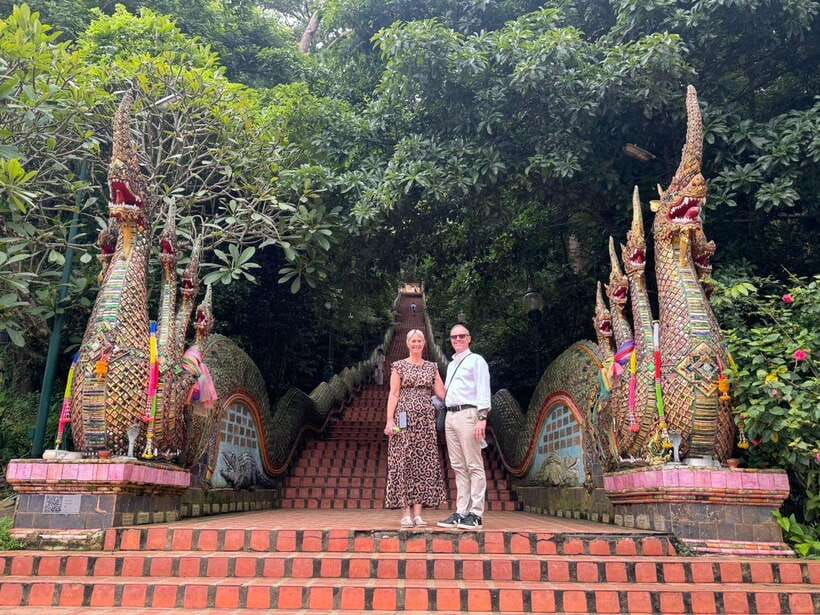
Wat Phra That Doi Suthep: golden pagoda, shrine terraces, and proper prayer
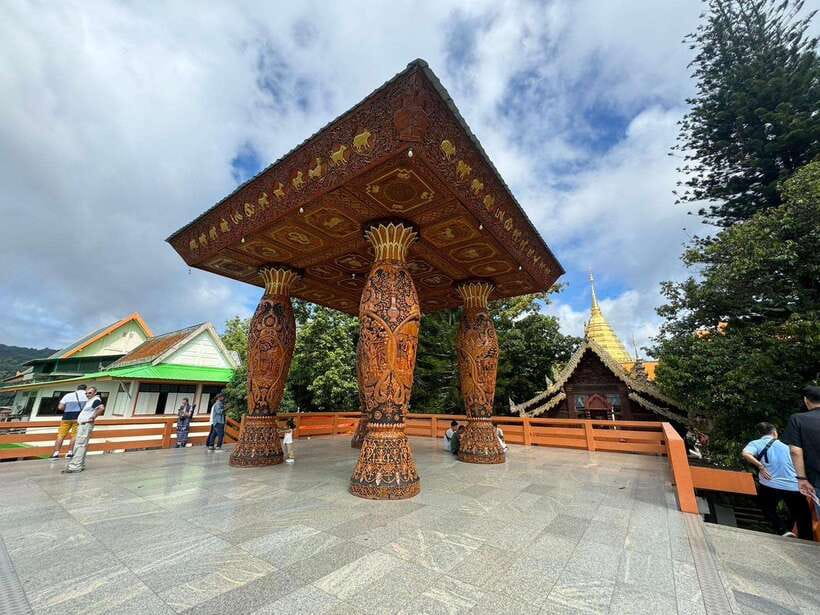
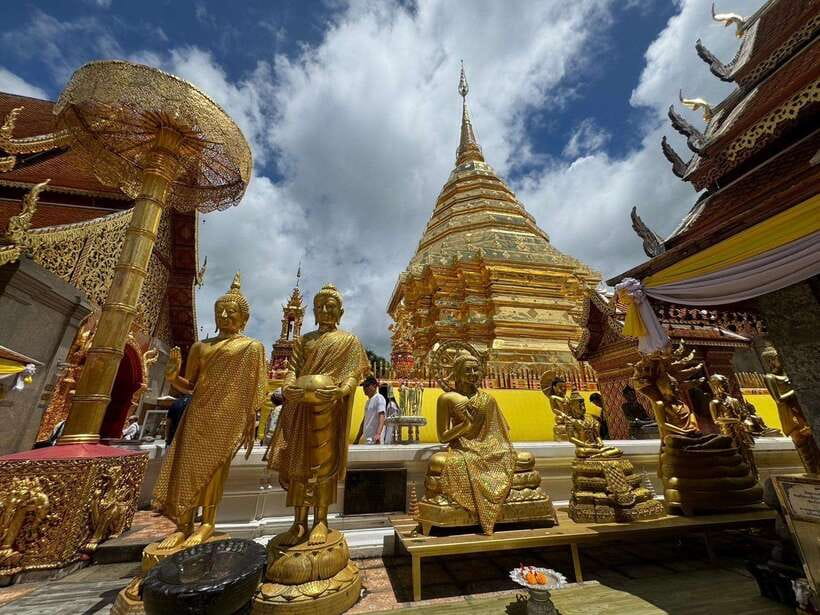
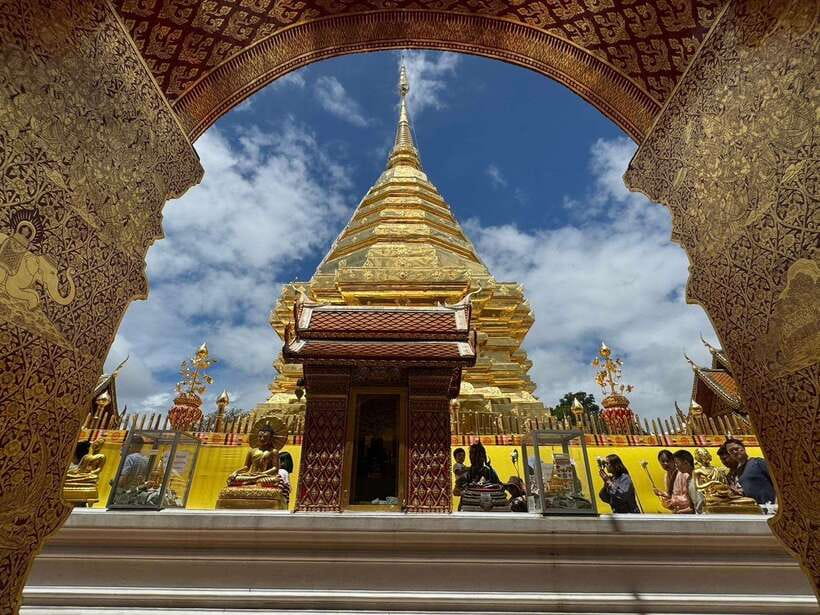
Doi Suthep is the iconic Chiang Mai temple, and you feel it the moment you arrive. Your visit is about 1.5 hours, and it’s designed so you’re not just wandering around trying to guess what to do next.
Here’s what you’ll see and do:
- The golden pagoda area and the temple halls with statues.
- A terrace with shrines, fruit trees, and rock gardens—so it’s not one long corridor of the same view.
- Time around the pilgrimage point tied to Phra Borommathat, a key stop for visitors.
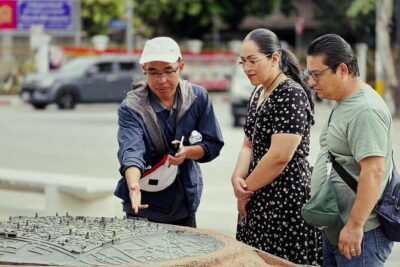
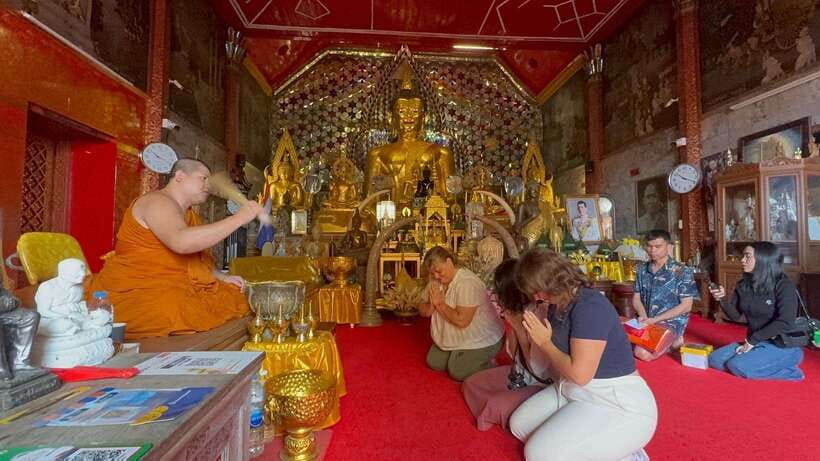
The best advice I can give is to let your guide set the rhythm for prayer and etiquette. People often mention that guides show you how to pray properly, so you don’t end up standing around unsure about what comes next. It also makes the experience feel more respectful and less like you’re just watching ritual from the side.
Mountain temples also come with physical considerations. If you’re afraid of heights, have mobility limitations, or you don’t enjoy stepping around uneven terrain, you may find parts of the area stressful. This tour specifically notes that it may not be suitable for people afraid of heights.
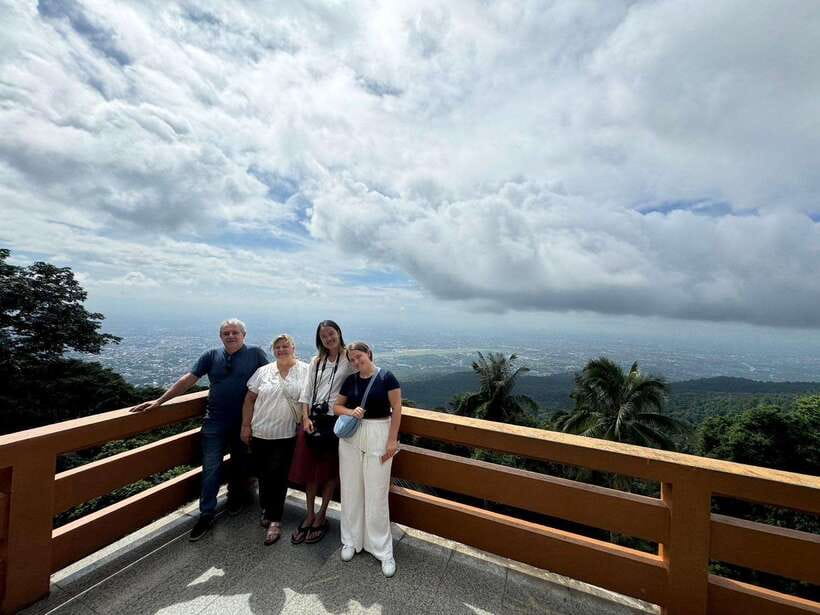
And yes, the view from Doi Suthep is a big part of why people make the trip. You’ll see Chiang Mai from up high and feel why this temple became such a defining landmark.
Pon Elephant Thailand: feeding, walking, river bathing, and medicine balls
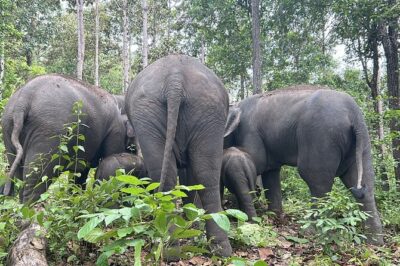
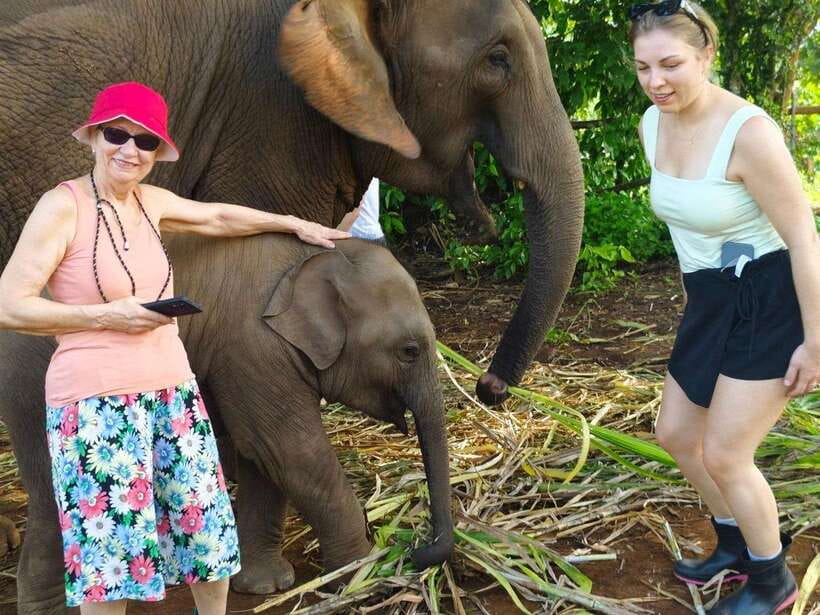
This is the emotional anchor of the day. Pon Elephant Thailand’s activities focus on ethical elephant tourism and enhanced welfare, and the rules reflect that: no riding, and elephants are not forced into performances.
Your elephant care time is around 3.5 hours, and it’s hands-on in a way that helps you connect the dots:
- Feeding the elephants with food prepared for the experience.
- Walking alongside the elephants through the forest area, which gives you more natural interaction than staging.
- Bathing in a river, which is where you’ll definitely want swimwear and a change of clothes.
You’ll also learn about Thai elephants—history and behavior—so you understand what you’re seeing in the moment. One detail I like: you’ll make medicine balls (food items) to nourish the elephants. That small creative step turns the experience into something you can actually participate in, not just watch.
Photo time tends to be part of the experience too. Many people mention guides taking great photos, and there are plenty of natural moments during feeding and walking. If you want less stress with pictures, plan to hold your phone carefully during wet moments—river bathing is part of the program.
Also, take advantage of the support facilities. Shower rooms and toilets are included, so you can freshen up after bathing. You’ll still get wet if you join the river activity, so treat your clothes like expendable supplies unless you pack properly.

Thai lunch after elephants: what’s included and what to expect
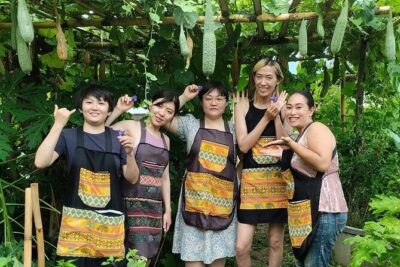
After the elephant camp, you’ll eat a Thai meal provided by a local family. Lunch is included, and the day also includes fresh seasonal fruits and local deserts as part of the food experience.
A practical tip: lunch quality can be influenced by timing and conditions. I’ve seen notes about lunch being less than perfect for some people, including comments that food could be served colder than expected. That doesn’t mean the meal is bad. It just means you should adjust your expectations: this is a homemade-style meal, not a white-tablecloth restaurant lunch.
The main win is that you’re eating local food right after working up an appetite. If you want to enjoy it more, keep snacks minimal and drink your water earlier in the day so you don’t crash between elephant time and temple time.
What to bring: your checklist for temples, hiking, and river bathing
This tour gives you what you need—entry tickets, drinking water, lunch, and shower facilities—but you still need to show up prepared. The most common “day saver” items are:
Bring:
- Comfortable shoes for the Wat Pha Lat hike.
- Swimwear, a towel, and a change of clothes for river bathing.
- Sunscreen and insect repellent (especially for forest time).
- Comfortable clothes that can get dirty.
- Shorts for trekking comfort (as long as you can keep temple dress rules in mind).
- Cash (useful for personal purchases).
- Passport or a copy.
You’ll also do better with:
- A small bag you don’t mind getting wet.
- Hiking shoes if you know you’re sensitive about traction.
Don’t count on:
- A towel or a spare outfit being available. Those aren’t included.
- Any time for a quick clothing store run during the day.
And keep a few “don’ts” in mind: drones aren’t allowed, alcohol and drugs aren’t allowed, and elephant riding is prohibited. You’ll also want to avoid temple-inappropriate clothing (knees and shoulders should be covered).
Choosing your guide: Sumit, Paul, Ronnie, Suriya, and Jakkie
In a day like this, the guide isn’t a minor detail. It changes the whole meaning of the temples and makes the elephant experience easier to understand.
Several guide names show up in people’s feedback:
- Sumit: often praised for patient explanations and for being a strong photo helper, plus jokes and stories that keep the day relaxed.
- Paul: repeatedly mentioned for friendly, clear explanations about Buddhism and elephants.
- Ronnie: described as funny and attentive, with a knack for storytelling.
- Suriya: mentioned for respectful, detailed cultural context.
- Jakkie: noted for guiding people with clear elephant-and-temple knowledge, often with a smooth, organized feel.
Here’s the best way to use this information: if your booking process lets you request a guide (or if you see options), choose one of these names when possible. If not, no stress—your guide’s job is to keep you moving and informed. You’ll get an English guide either way.
Also, don’t be shy about asking questions. At Doi Suthep, people mention guides teaching proper prayer steps. At the elephant camp, guides explain behavior and history so you don’t just wonder what you’re looking at.
Is the $57 price fair for this kind of day?
At $57 per person, this tour can feel like a solid value because so many moving parts are included. You’re paying for:
- English guide time across multiple stops
- Transport between Chiang Mai city center and the elephant camp area
- Entry tickets
- Lunch plus drinks
- Elephant feeding food and camp activity support
- Shower rooms and toilets at the camp
A lot of standalone pieces in Thailand add up fast. If you tried to piece together a half-day temple guide plus an elephant encounter plus a round-trip ride, your costs would likely rise quickly. Here, the price bundles those pieces into one organized day.
That said, the value depends on your comfort with the day’s pace. It’s a long, active day: hiking at Wat Pha Lat, mountain terrain at Doi Suthep, and river bathing at the elephant camp. If you want slow and flexible, you might find it a bit much.
And there’s one small cost you’ll need to cover yourself: towel and change of clothes aren’t included, so plan for those.
Should you book the Chiang Mai Temple, Nature, and Elephant day?
I think this is a great pick if you want one day that hits three goals:
- You want a meaningful elephant experience focused on ethical care, not riding.
- You want Chiang Mai’s temple side with context, especially at Doi Suthep.
- You enjoy a short hike in nature rather than only doing flat sightseeing.
Skip it (or at least think hard) if any of these apply:
- You struggle with heights, uneven ground, or strenuous walks.
- You don’t handle getting wet or dirty well.
- You want a more relaxed day with lots of downtime.
If you match the fit, this tour gives you a full day of Chiang Mai in a way that feels coherent: nature first, then temple, then elephants, then food again. It’s exactly the kind of structured day that makes the most of limited time.
FAQ
How long is the Chiang Mai Temple, Nature & Elephant Sanctuary tour?
It runs for one day.
Where do I meet the guide?
Meet your guide at the meeting point and look for the sign Pon Elephant Thailand.
Is elephant riding included?
No. Elephant riding is prohibited, and elephants are not forced to perform activities.
What food is included during the tour?
Lunch is included, and you’ll also have seasonal fruits and local deserts. Drinking water is provided too.
Is there hiking or walking time?
Yes. There’s a hiking portion at Wat Pha Lat (about 40 minutes).
Do I need swimwear and a change of clothes?
If you want to take part in bathing elephants in the river, you should bring swimwear and a change of clothes. Towel and a change of clothes are not included, but shower rooms and toilets are provided.
Are hotel transfers included everywhere in Chiang Mai?
Transfers are included only to and from Chiang Mai city center.