REVIEW · CHIANG MAI
Half-Day Thai Cooking Class on a Local Farm Near Chiang Mai
Book on GetYourGuide →Operated by Smile Organic Farm Cooking School · Bookable on GetYourGuide
A morning market and a hot wok are a winning combo. I love the hands-on Thai cooking workshop and the feel of a real organic farm outside Chiang Mai, where you’re not just eating—you’re learning. One thing to consider: since the class includes fruit picking, the exact fruit you get depends on the season.
If you want Thai food with context, this format works. You’ll start with fresh ingredients at a local market, then move through herb garden learning and cooking from scratch, finishing with downtime by the pool. The only practical drawback is that you’ll be on your feet for a few stretches—market walking, garden time, and then cooking—so plan comfortable shoes.
In This Review
- Key Highlights You’ll Care About
- Thai Flavor Starts at the Market, Not the Cutting Board
- The Organic Farm Side of Chiang Mai Countryside
- Herb Garden to Hot Wok: How the Class Teaches Thai Cooking
- Curry Paste Basics: The Flavor Engine of Many Thai Dishes
- Soup and Stir-Fry: Learning Heat, Timing, and Balance
- Spring Rolls: The Hands-On Dish That Makes You Pay Attention
- Picking Fruit from the Trees: The Fun Break That Feels Real
- Pool Chill Time: Rest Without Leaving the Moment
- What You Take Home: E-Book Recipes and Photo Sharing
- Price and Value: Why $28 Can Feel Like a Steal
- Getting the Most Out of Your Session
- Should You Book This Thai Farm Cooking Class?
- FAQ
- How long is the cooking class?
- What’s the price per person?
- Where does pickup happen, and when do you get picked up?
- What language is the instructor?
- Do I get to cook, or is it mostly a demonstration?
- What dishes will I make?
- Is fruit picking included?
- What’s included in the class besides the meal?
- What is the cancellation policy?
Key Highlights You’ll Care About
- Market first, then cooking so ingredient choices make sense right away
- Herb garden learning focused on what you’ll use in class
- Hands-on Thai dishes including curry paste, curry, stir-fry, soup, and spring rolls
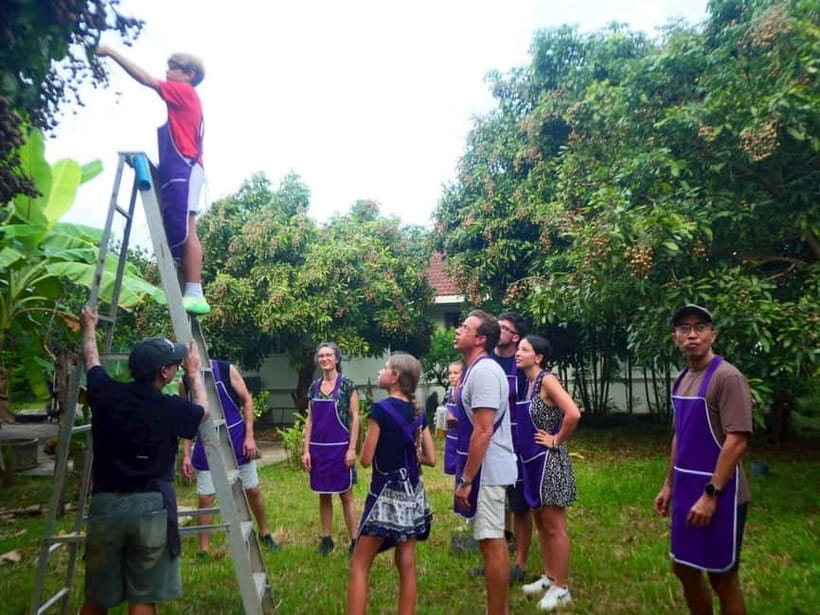
- Seasonal fruit picking from the trees, like longans or mangoes
- Relax time by the pool after the work of cooking
- English-speaking instructor and recipe e-book so you can recreate dishes later
Thai Flavor Starts at the Market, Not the Cutting Board
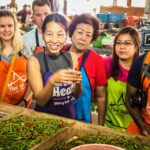
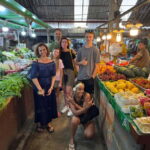
The day starts with pickup from your hotel or accommodation in the Old City area, usually between 8:00–8:30am for the morning session or 3:00–3:30pm for the afternoon session. From there, you head to a local market and spend time choosing ingredients the way Thai cooks do. This is one of the biggest reasons the class feels practical instead of touristy: you learn what to look for before you ever cook it.
Market time also sets the tone. Expect a calm, friendly pace where you can ask questions, and you’ll see how fresh produce shapes flavor. One strong detail from the experience: pickup is handled by an air-conditioned vehicle, and transport gets high marks for reliability.
You can also read our reviews of more cooking classes in Chiang Mai
The Organic Farm Side of Chiang Mai Countryside
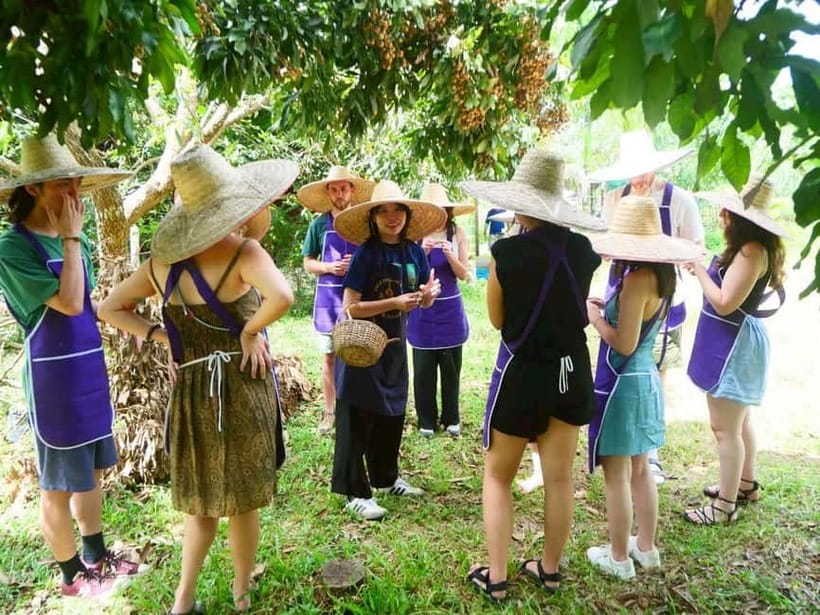
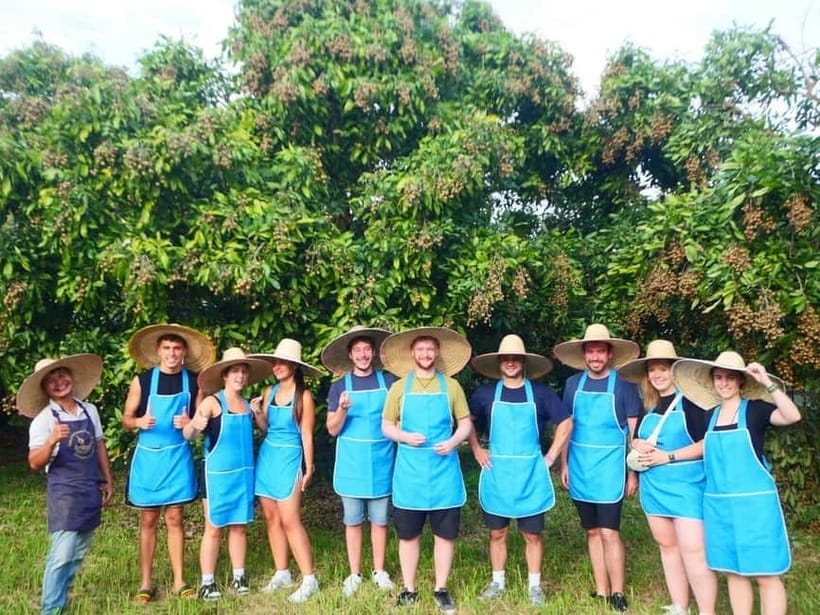
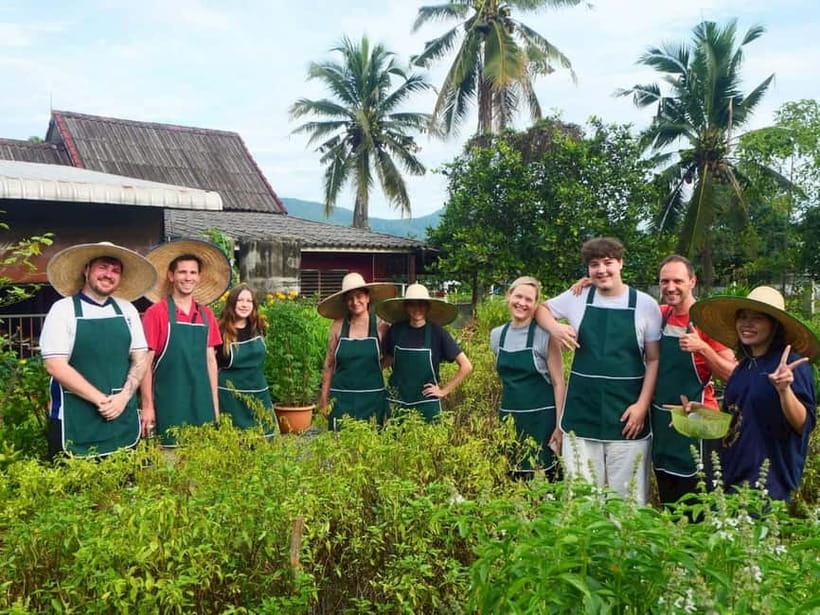
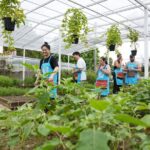
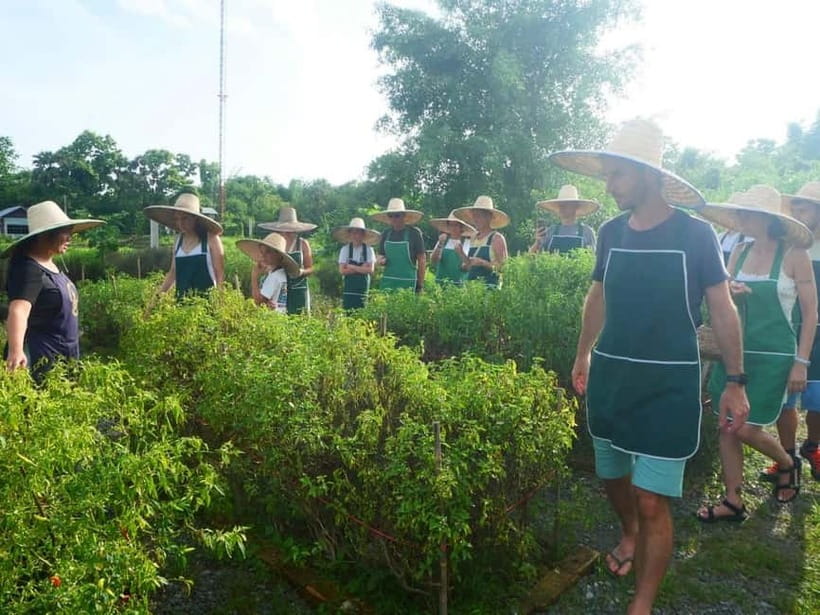
After the market, you move to the farm just outside Chiang Mai. This is where you get the real change of scenery—countryside air, space to wander, and an organic-focused setting that makes the food lesson feel grounded. You’ll walk through an herb garden and learn what grows there and how herbs and vegetables connect to the dishes you’ll make.
This part matters for two reasons. First, it helps you understand Thai cooking beyond taste—like how fragrance from herbs carries through curry paste and soups. Second, it gives you a break from city noise, and the farm layout makes that easy to feel without forcing you into an all-day hike.
If you’re the type who likes to see where food comes from, you’ll appreciate this. If you’re expecting a super-structured history tour, you won’t get that. It’s more about practical farming and ingredients you’ll actually use.
Herb Garden to Hot Wok: How the Class Teaches Thai Cooking
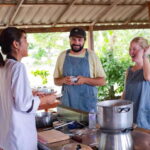
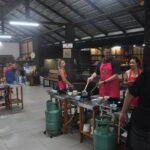
Once you’re back at the cooking space, you’ll do classic Thai dishes in a hands-on format, not just watch someone cook. The big idea is learning the building blocks—how flavors start, how they balance, and how the steps turn raw ingredients into finished food.
The dishes you can expect to make include curry paste, curry, stir-fry, soup, and spring rolls. That mix is smart. Curry paste teaches depth and seasoning, stir-fry shows quick heat control, and soup helps you understand how Thai flavors carry with broth.
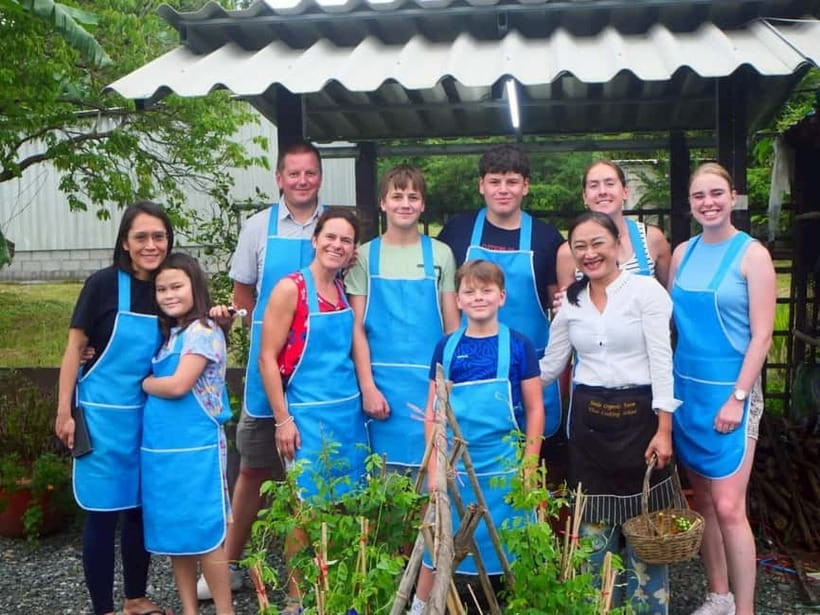
From the tone of past participants, the workshop setup feels friendly and supportive. One standout detail: the English-speaking guide Louna was described as always smiling and ready to help, and that kind of calm energy makes a difference when you’re chopping, pounding, or stirring with confidence you don’t yet have.
Curry Paste Basics: The Flavor Engine of Many Thai Dishes
If you take only one skill from this class, it should be curry paste logic. You’ll learn how to put together paste that becomes the heart of curry dishes. Even if you’ve cooked Thai food before, the value here is in understanding how the pieces work together—aromatics plus seasoning, and then how paste transforms with heat.
Why that matters for you later: once you know how curry paste is built, you can adjust it on future trips or at home. You’re less dependent on store-bought pastes, and you’ll recognize why some versions taste brighter or deeper.
And since all ingredients are included, you’re not scrambling to find correct items right before class. That’s part of the good value at this price point.
Soup and Stir-Fry: Learning Heat, Timing, and Balance
Thai cooking isn’t just about ingredients. It’s about timing and balance, and soup and stir-fry help you practice that fast. Tom Yum Goong, the spicy prawn soup mentioned for the experience, is a great example of flavor aiming. You get to see how sour, spicy, and aromatic notes work together instead of overpowering each other.
Stir-fry teaches a different lesson: you’ll learn how to keep ingredients tasting fresh rather than steamed or dull. It’s a practical skill that transfers well to home cooking, especially if you like quick meals.
Even if you consider yourself a beginner, this style of instruction is designed for you to participate, not just observe. Expect a structured pace where each step connects to the next dish.
You can also read our reviews of more tours and experiences in Chiang Mai
Spring Rolls: The Hands-On Dish That Makes You Pay Attention
Spring rolls can sound simple, but they’re where technique really shows. You’ll work with fillings and wrapping steps so the final result holds together. This is one of those dishes where the class format shines: you can correct small mistakes early rather than reaching a messy end product and blaming your kitchen tools at home.
If you enjoy tangible results—like seeing your food come out plate-ready—spring rolls are satisfying. They also make a nice contrast to curry and soup, giving you a broader Thai-food snapshot.
Picking Fruit from the Trees: The Fun Break That Feels Real
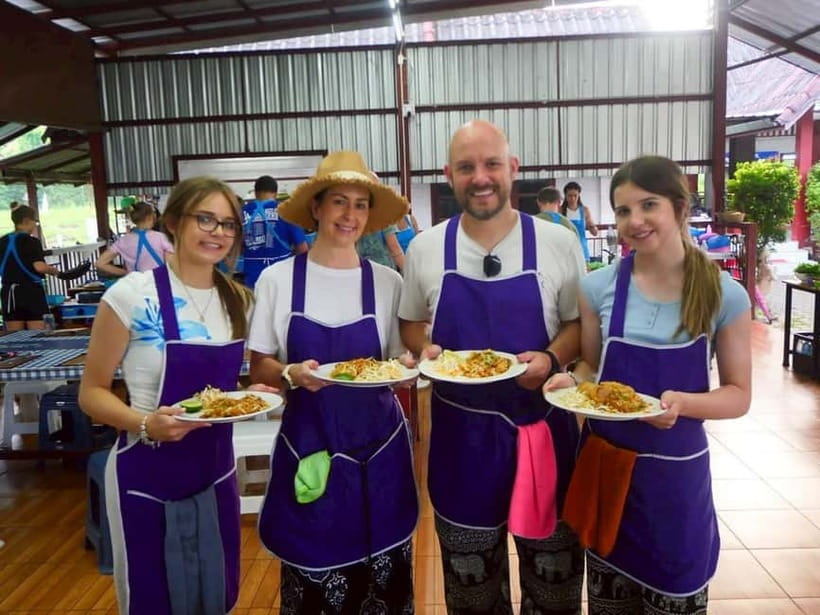
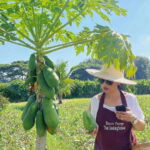
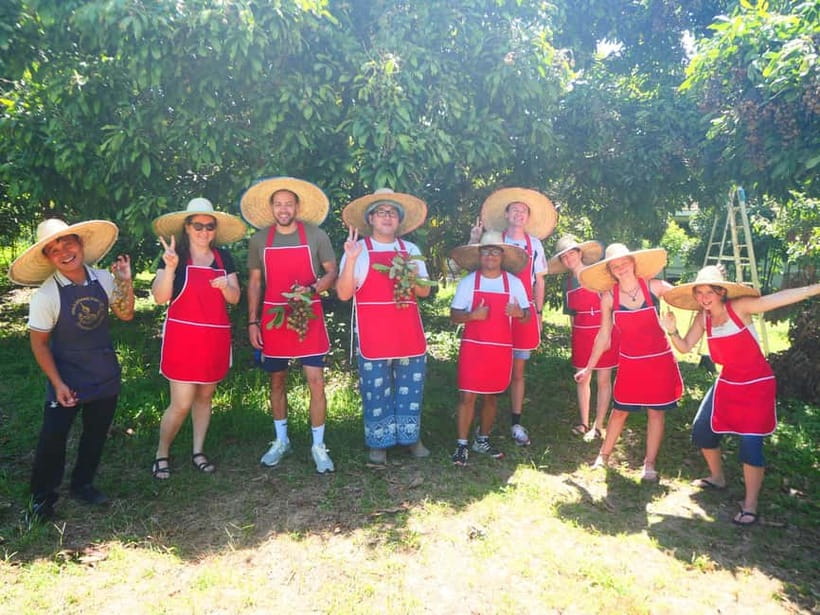
One of the most memorable parts is getting to pick seasonal fruit directly from the trees. The experience mentions longans in July–August and mangoes in March–May. That means your fruit won’t be the same year-round, but the whole point is to tie cooking to what’s actually growing.
This part is more than a photo moment. It’s a reminder that Thai flavors change with seasons—sweetness, ripeness, and even how you perceive acidity. When you then go back to cooking, your taste buds are in a more “ingredient-focused” mood.
Bring patience for the orchard part. Picking takes time, and it’s best enjoyed slowly, especially if you’re traveling with friends or family and want a low-pressure break.
Pool Chill Time: Rest Without Leaving the Moment
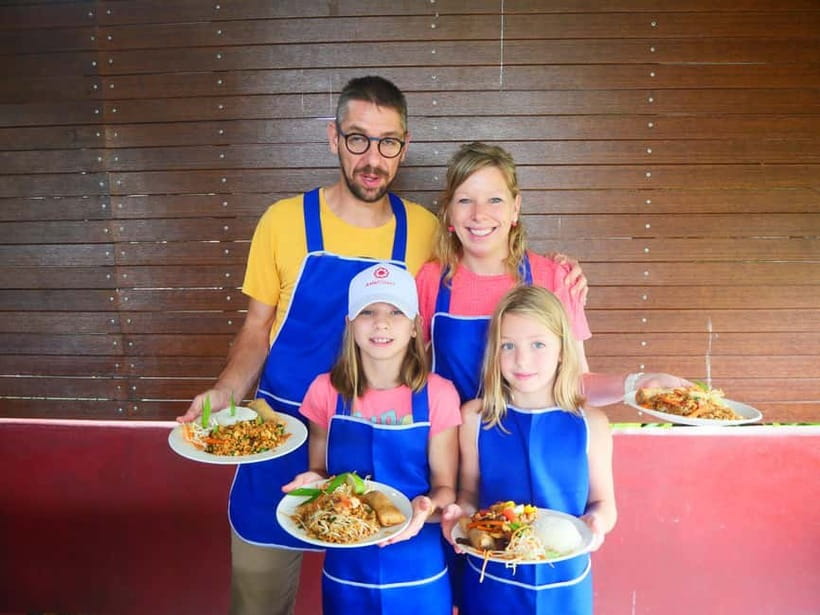
After cooking, the experience shifts gears. You can relax in the chill-out area by the swimming pool, or take a refreshing dip if you want. For many people, that’s the perfect end to a half-day: you’re fed, you’re warm from cooking, and you get an easy wind-down.
This is also where the farm setting pays off. You’re not packed back into a vehicle immediately, and you can settle your muscles and chat with your guide about what you just learned. It’s a gentle finish that helps the experience feel like more than a food stop.
What You Take Home: E-Book Recipes and Photo Sharing
You’ll get an e-book with all recipes, which is where the value becomes practical. Cooking classes can end with a great meal and then… nothing at home. Here, the recipe pack gives you a way to repeat what you made, and that’s what turns a fun morning into a skill.
There’s also a photo album on the provider’s Facebook page. That’s handy if you want pictures of dishes you cooked, especially if you’re not carrying a camera during the workshop.
Price and Value: Why $28 Can Feel Like a Steal
At $28 per person for about 6 hours, this class is priced like a budget-friendly way to learn real technique. The value isn’t just the food. It’s the combination: hotel pickup, market learning, herb garden context, ingredient-included cooking, plus recipe materials afterward.
If you’ve ever paid for a cooking class that was basically a demo, this one feels different because you do the work. And if you enjoy Thai markets, the ingredient walk is an extra layer you’d normally pay for separately with a market tour.
The best way to judge the value for yourself: think about what you’d spend if you tried to replicate it on your own—market transport, ingredients, and a cooking guide. Here, the package price makes sense.
Getting the Most Out of Your Session
You’ll get the best results if you come ready to participate. Wear comfortable shoes, because you’ll do walking for the market and garden, then active cooking at the station. It helps to go in with an open mind about learning flavors, not just chasing a specific dish.
Also, ask questions while you’re at the herb garden and during the cooking steps. That’s where you can get explanations that stick—like how herbs are used and how curry paste becomes the base for multiple dishes.
Finally, don’t rush the fruit picking and pool time. The day is designed to include a reset, and that balance is part of why people rate it so highly.
Should You Book This Thai Farm Cooking Class?
Book it if you want Thai food you can understand and recreate. The market start, herb garden learning, hands-on curry paste and dishes, and the seasonal fruit picking add up to more than a meal—you get a working knowledge of flavor and technique.
Skip it only if you want a high-energy show or you dislike any farm-style walking and outdoor time. If that sounds like you, you might find it less suited to your vibe.
For most people visiting Chiang Mai, this is a strong choice: practical skills, friendly English instruction (with guides like Louna standing out), and a relaxing farm finish by the pool.
FAQ
How long is the cooking class?
The experience runs for about 6 hours.
What’s the price per person?
It costs $28 per person.
Where does pickup happen, and when do you get picked up?
Pickup is included from your hotel or accommodation within 3 kilometers of Chiang Mai Old City. Pickup time is between 8:00–8:30am for the morning course and 3:00–3:30pm for the evening course.
What language is the instructor?
The instructor is English-speaking.
Do I get to cook, or is it mostly a demonstration?
It’s hands-on. You’ll cook dishes from scratch during the workshop.
What dishes will I make?
The experience includes curry paste, curry, stir-fry, soup, and spring rolls. Tom Yum Goong (spicy prawn soup) is also mentioned.
Is fruit picking included?
Yes. You can pick seasonal fruits from the trees, such as longans (July–August) and mangoes (March–May).
What’s included in the class besides the meal?
Included items are air-conditioned vehicle transport, all cooking ingredients, an e-book with recipes, and a photo album on the provider’s Facebook page.
What is the cancellation policy?
You can cancel up to 24 hours in advance for a full refund.