REVIEW · CHIANG MAI
Full Day Thai Cooking Class in Organic Farm and Market
Book on GetYourGuide →Operated by LocalCNXTours · Bookable on GetYourGuide
Thai cooking gets real on a farm.
I like that this day trip is built around food you can actually taste and repeat, starting with a local market and ending with you eating what you cooked. You also get a guided walk through an organic farm, then a hands-on class run in English with a small group limited to 10 people.
Two things I really liked: you cook 5–6 dishes instead of watching from the sidelines, and you leave with a recipe resource (a PDF recipe book online plus a recipe book and photo album) you can use later. One consideration: it runs a full day, starting at 9:00 am and returning around 3:30 pm, so it’s less ideal if you’re trying to pack in extra temples or night markets the same day.
In This Review
- Key takeaways from this Chiang Mai cooking day
- Why this farm-to-kitchen class feels practical
- The day timeline: 9 am start, 3:30 pm return
- Market morning in Chiang Mai: ingredients with names and purpose
- Organic farm tour: seeing what your flavors come from
- Cooking what you crave: 5–6 dishes you’ll master
- The menu range you can expect
- What you’re really learning from the variety
- You’ll likely remember the teaching by name
- Eating Thai style, right where you cooked
- What’s included, and why the $47 price makes sense
- Small-group setup: best for couples, friends, and food nerds
- Should you book this Chiang Mai Thai cooking class?
- FAQ
- FAQ
- What time does the cooking class start and end?
- How many dishes will I cook?
- Do I visit a market and an organic farm?
- Is the class taught in English?
- What’s included in the price?
- Does the tour offer pickup from my hotel?
- Can I cancel for a refund or pay later?
Key takeaways from this Chiang Mai cooking day
- Market visit first: you learn what to buy and why before the cooking starts
- Organic farm guidance: a farm tour that connects ingredients to flavor
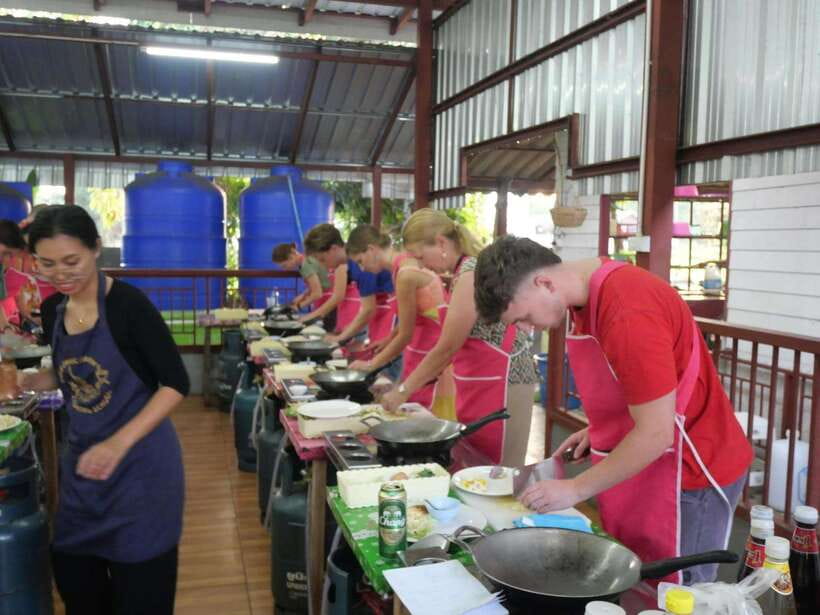
- Hands-on Thai cooking: cook and eat 5–6 dishes as a group
- Small-group feel: limited to 10 participants, taught in English
- You get the tools to cook later: ingredients, recipe materials, and a photo album
Why this farm-to-kitchen class feels practical
In Chiang Mai, it’s easy to book a cooking class that turns into a long show. This one is different because the day is structured like a process: ingredients first, then cooking, then eating. You also get hotel pickup and drop-off, which matters here because traffic and distance can turn an “easy” day into a hassle.
The best part for your future self is the materials. You’re not just taking memories; you’re getting a recipe book (with a PDF version provided) and a photo album. That’s exactly what you want if your goal is to cook Thai food at home without guessing.
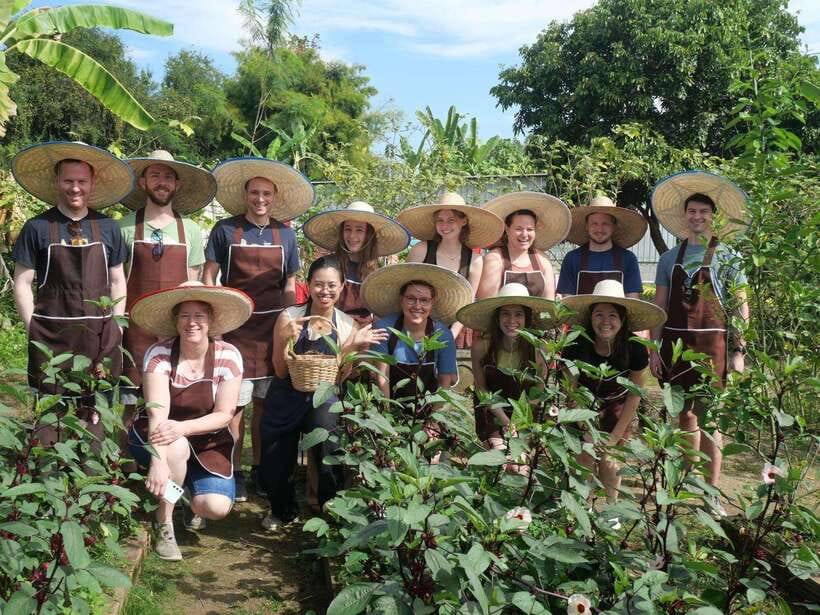
The farm setting also changes the tone. You’re cooking in a calmer environment than the usual classroom setup, and you get a clearer idea of where herbs and produce come from. That connection helps when you’re shopping later and trying to rebuild flavors outside Thailand.
You can also read our reviews of more shopping tours in Chiang Mai
The day timeline: 9 am start, 3:30 pm return
Plan on a full 8-hour block. The class starts at 9:00 am and you’re back in the city around 3:30 pm, which is early enough to still have a normal evening ahead, but long enough that this should be your main activity that day.
Pickup is offered from accommodations in Chiang Mai downtown and within a 3-kilometer radius of the old city. If you’re farther out, you’ll need to contact the provider directly as soon as possible so they can confirm options. After the cooking and meal, you’ll be taken back to your hotel.
If you’re juggling other plans, think of it like this: you’re trading a chunk of the day for a skill you can use again. For many people, that’s a great exchange.
Market morning in Chiang Mai: ingredients with names and purpose
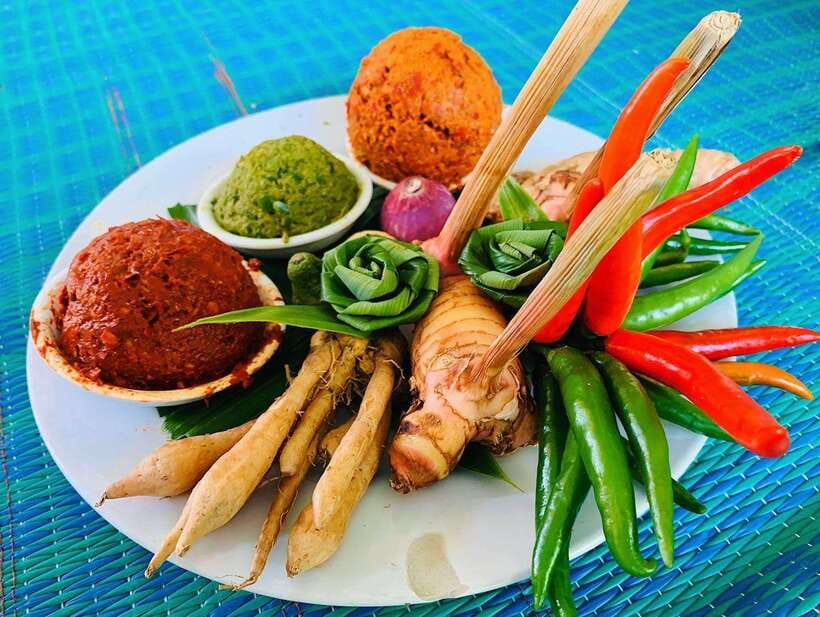
A big reason I like this tour is the local market visit comes before the stove. You’re not just learning recipes; you’re learning ingredients. Thai cooking is all about balance—sweet, sour, salty, spicy—and the market is where that logic starts.
In the market, you’ll focus on the building blocks you’ll use later in class. That usually means you get a better sense of what to look for when you shop: the types of herbs, aromatics, and sauces that create Thai flavor. Even if you don’t remember every detail, you’ll leave with stronger instincts the next time you cook Thai food.
And because this class is English-taught, the ingredient explanations are part of the experience, not an afterthought.
Organic farm tour: seeing what your flavors come from
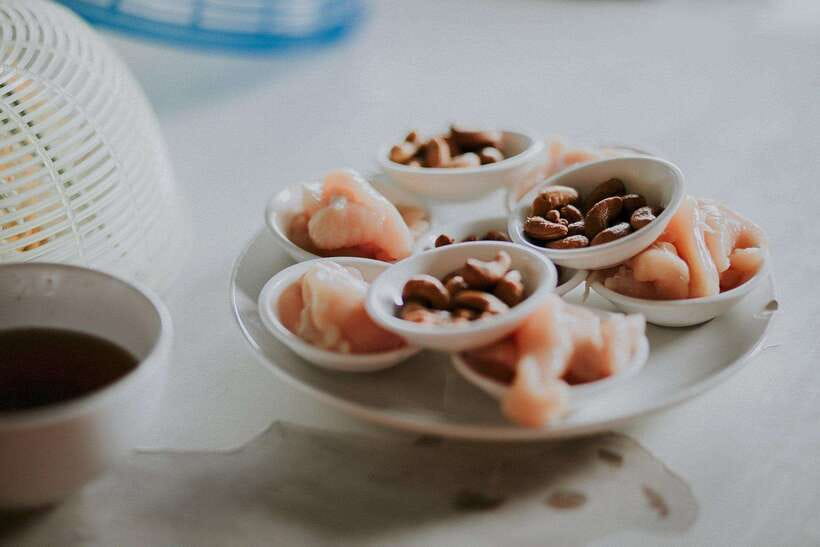
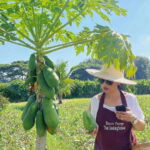
After the market, you head to the organic farm for a guided tour. This part matters more than it sounds. You’re not just getting a pleasant walk; you’re connecting the produce and herbs you saw in the market to the kind of kitchen ingredients you’ll be using.
The farm tour also supports a key theme of the day: learning Thai cooking in a serene environment. That tone can make a difference in a hands-on class. When you’re not rushed and not crammed into a noisy space, you pay attention better—and you’re more likely to remember techniques like paste-making, balancing sauces, and timing stir-fry or curry work.
Cooking what you crave: 5–6 dishes you’ll master
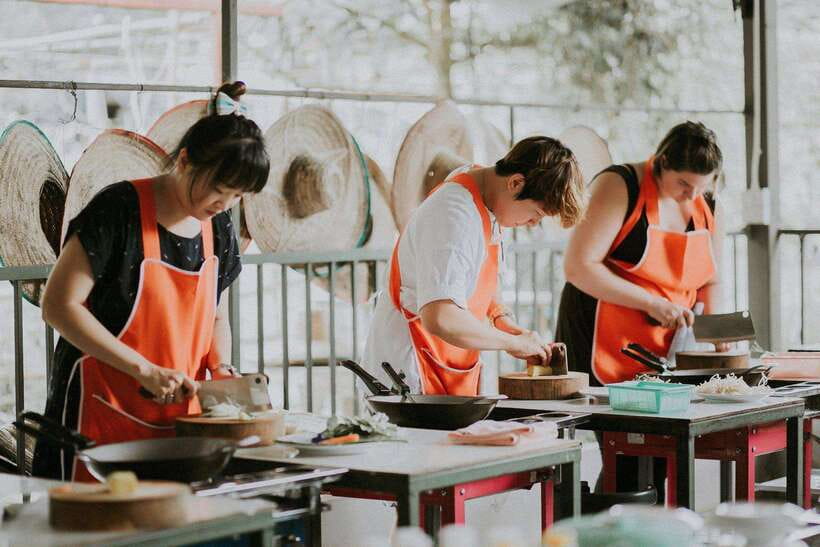
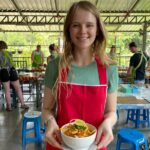
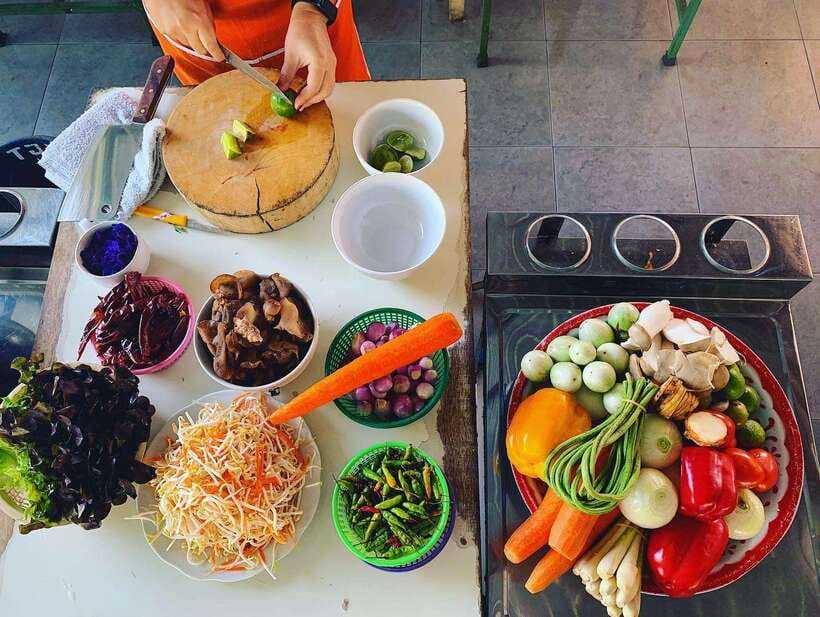
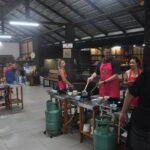
The class is structured so you cook, not just observe. You’ll prepare 5–6 dishes over the course of the morning and early afternoon, and then you eat what you made with your group.
You’ll also have a local chef guiding you and an English instructor. From a teaching standpoint, that’s a practical combo: you can follow directions clearly and ask questions while you’re cooking, not after.
You can also read our reviews of more tours and experiences in Chiang Mai


The menu range you can expect
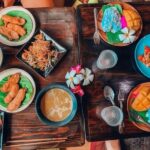
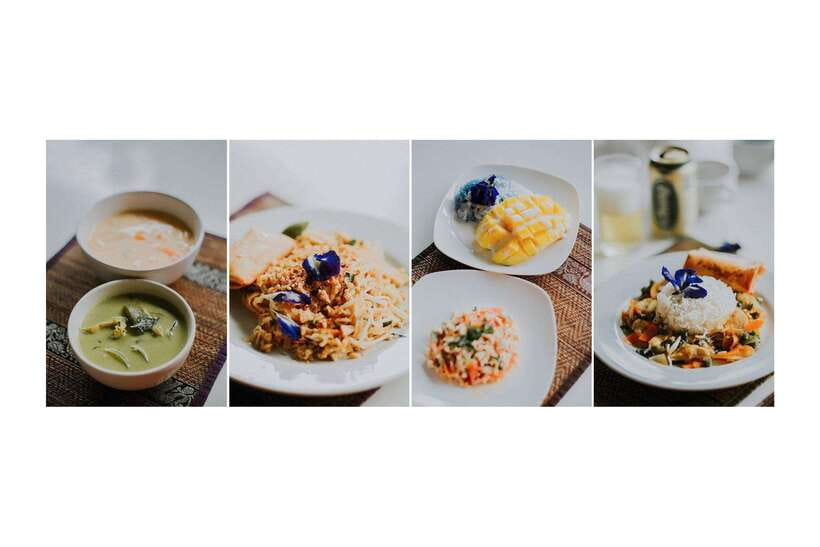
The sample menu shows the types of dishes included in this experience, and the class typically selects 5–6 from this list. Expect to see Thai favorites across starters, mains, soups, and desserts, such as:
- Spring roll (starter)
- Papaya salad (Som Tum, starter)
- Pad Thai (main)
- Cashew nut with chicken (main)
- Thai green curry and Massaman curry (mains)
- Khao Soi, a Chiang Mai-style noodle curry (main)
- Tom Yum and Tom Kha Kai (soups)
- Sticky rice with mango (dessert)
What you’re really learning from the variety
I think the dish variety is the smart part. If all you did was stir-fry, you’d learn one style. This class pushes you through different Thai cooking techniques:
- salads that rely on balancing flavors
- curries where paste and seasoning timing matter
- noodle dishes that teach texture and sauce control
- soups where aroma and heat level make a big difference
- dessert where consistency is everything
That variety is why this class can be useful back home. You don’t just collect recipes; you learn how Thai flavors behave across categories.
You’ll likely remember the teaching by name
One reason reviews rate this so highly is instruction quality. In past experiences, guides like Netty and Luna have been singled out for being strong teachers and giving a clear window into Thai cooking. That kind of coaching matters, because the difference between good and great Thai food is often technique plus taste adjustment.
Eating Thai style, right where you cooked
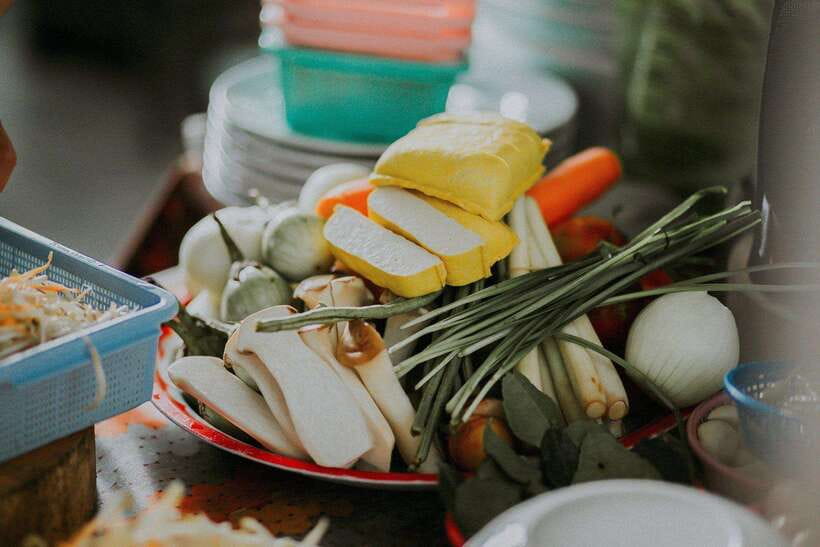
After cooking, you eat in traditional Thai style in the organic kitchen garden. This is more than a reward after work. It’s your chance to taste the dishes while they’re still at their best, and to compare notes with your group.
The meal is also a built-in check. If something tastes off, your guide can explain what likely caused it—too much sour, not enough salt, curry paste needing time, and so on. That kind of feedback is what makes classes stick.
One small detail I appreciate: drinking water is included. It sounds minor, but during an active morning, it helps you stay comfortable and focused.
What’s included, and why the $47 price makes sense
At $47 per person, this is priced like a serious half-day-plus activity that also includes materials. The value isn’t just the cooking time—it’s the whole package:
- hotel pickup and drop-off (downtown/old-city radius)
- visit to a local market
- hands-on cooking class with a local chef
- all ingredients for the dishes you cook
- English instruction
- PDF recipe book and recipe materials (recipe book and photo album)
- drinking water
Also, because it’s a small group capped at 10, you’re paying for more direct teaching. In a larger class, you can end up waiting for help. Here, the teaching-to-participant ratio is part of what you’re buying.
Could you find a cheaper cooking class? Maybe. But if the cheaper option leaves out market learning, farm context, or recipe materials, it often becomes a one-time souvenir day. This one is set up to be more of a skill investment.
Small-group setup: best for couples, friends, and food nerds
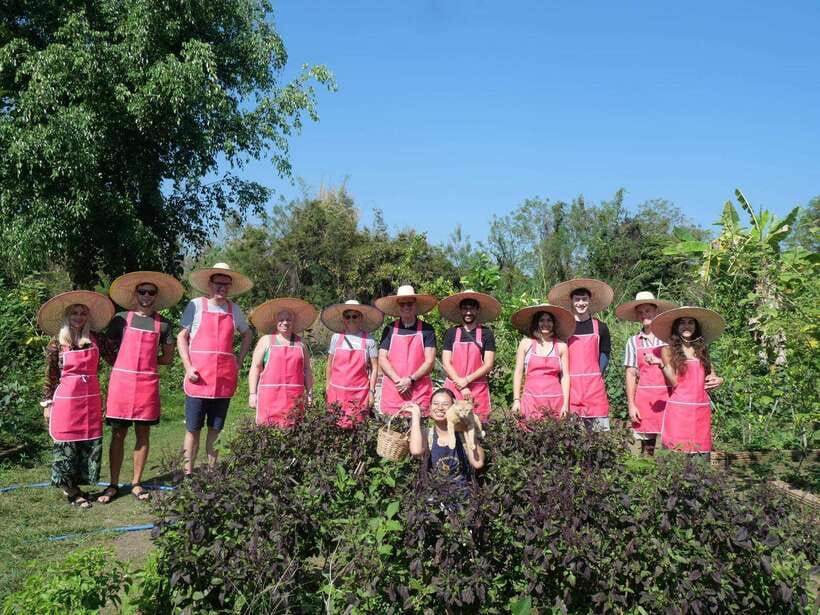
This works especially well if you like doing activities that give you something to take home. It’s also a good match if you don’t want the day to feel like a factory line.
You don’t need to be a confident cook to join. The class is designed around guided hands-on learning. Still, I’d recommend it to people who:
- want a structured Thai cooking day with ingredient explanations
- enjoy curry and noodle variety
- prefer small groups over big busloads
- like getting practical recipes, not just photos
If you’re the type who wants to spend the day hopping between temples and neighborhoods, you may feel this is too “food-focused.” But if cooking is your main interest, it’s a very efficient use of time.
Should you book this Chiang Mai Thai cooking class?
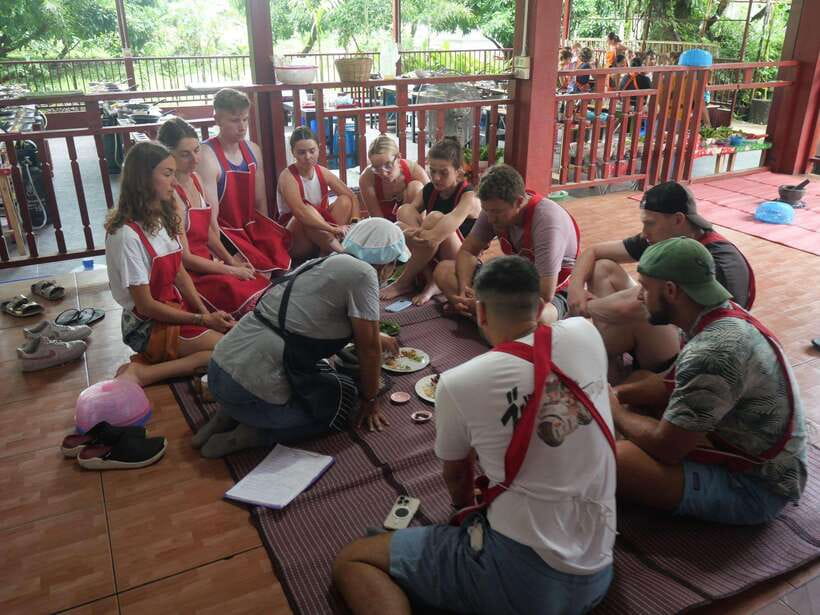
Book it if you want a cooking day that teaches the why behind the food: market ingredients, an organic farm connection, then cooking and eating 5–6 Thai dishes with real guidance. The combination of hands-on practice, small group size (max 10), and recipe materials (PDF plus recipe book and photo album) makes it one of the more useful classes in Chiang Mai—especially if you plan to cook at home afterward.
Skip it or reconsider if you hate early starts or you’re trying to squeeze in a full sightseeing schedule the same day. Starting at 9:00 am and returning around 3:30 pm means this becomes your main itinerary anchor.
If you’re deciding between a passive class and an active one, go active. This is designed for the hands-on kind of traveler.
FAQ
FAQ
What time does the cooking class start and end?
The class starts at 9:00 am and gets back to the city around 3:30 pm, for a total duration of 8 hours.
How many dishes will I cook?
You’ll cook 5–6 dishes during the full course.
Do I visit a market and an organic farm?
Yes. The day includes a visit to a local market in Chiang Mai and a guided tour in an organic farm.
Is the class taught in English?
Yes, the instructor teaches in English.
What’s included in the price?
Included are hotel pickup and drop-off, the market visit, hands-on cooking class, all ingredients, a local chef, a PDF recipe book, and drinking water.
Does the tour offer pickup from my hotel?
Pickup is available from accommodations in Chiang Mai downtown and within 3 kilometers of the old city. If you’re farther away, you’ll need to contact the provider for help.
Can I cancel for a refund or pay later?
Free cancellation is available up to 24 hours in advance for a full refund. You can also reserve now and pay later (paying nothing today).