REVIEW · CHIANG MAI
Workshop Making Herbal ball & herbal inhaler
Book on GetYourGuide →Operated by Hang Tueng farm · Bookable on GetYourGuide
Herbal wellness, made by hand in Chiang Mai. This 3-hour workshop at Hang Tueng Farm is interesting because you actually craft two practical items: herbal balls for relaxation and a herbal inhaler you can carry. I love the hands-on rolling and assembly, because you finish with something real, not just a lecture. I also like that you leave with personalized creations and instructions to repeat the process at home. One thing to consider: it’s a wellness and aromatherapy craft experience, not a medical treatment session.
In Chiang Mai Province, this workshop runs in a private group format with an English-and-Thai instructor. At $38 per person, you’re paying for guided herbal know-how plus materials, and the big value is you take home both items. The meeting point is simple: find the Hang Tueng Farm sign at the entrance.
In This Review
- Key reasons this herbal workshop is worth your time
- Hang Tueng Farm: where Chiang Mai wellness feels practical
- How the 3-hour session flows at Hang Tueng Farm
- Crafting herbal balls: a hands-on way to learn Thai herbal soothing
- Building your herbal inhaler: lavender, eucalyptus, and peppermint
- The herbal experts and what you actually learn
- Materials provided: less shopping, more making
- Price and value in Chiang Mai Province: is $38 fair?
- Where this workshop fits in your Chiang Mai itinerary
- Who should book this herbal ball and inhaler workshop
- What to do with your herbal ball and inhaler after you leave
- Should you book this Hang Tueng Farm workshop?
- FAQ
- How long is the workshop?
- What is the price?
- What will I make during the workshop?
- Where is the meeting point?
- What languages are used?
- Are materials included?
- Can I cancel for a refund?
- Is this workshop suitable for young children?
Key reasons this herbal workshop is worth your time
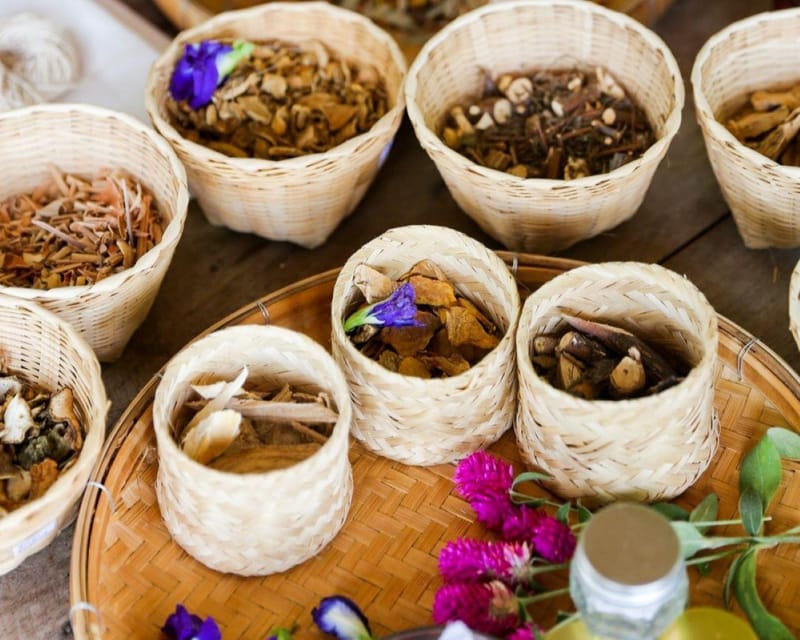
- You craft two take-home wellness tools, not just one souvenir
- Expert herbalists guide the process, so you’re not guessing what goes where
- Personalization is part of the session, especially with your inhaler blend
- Materials are included, which makes it easy to show up and create
- Aromas you recognize show up in the inhaler options, including lavender, eucalyptus, and peppermint
Hang Tueng Farm: where Chiang Mai wellness feels practical
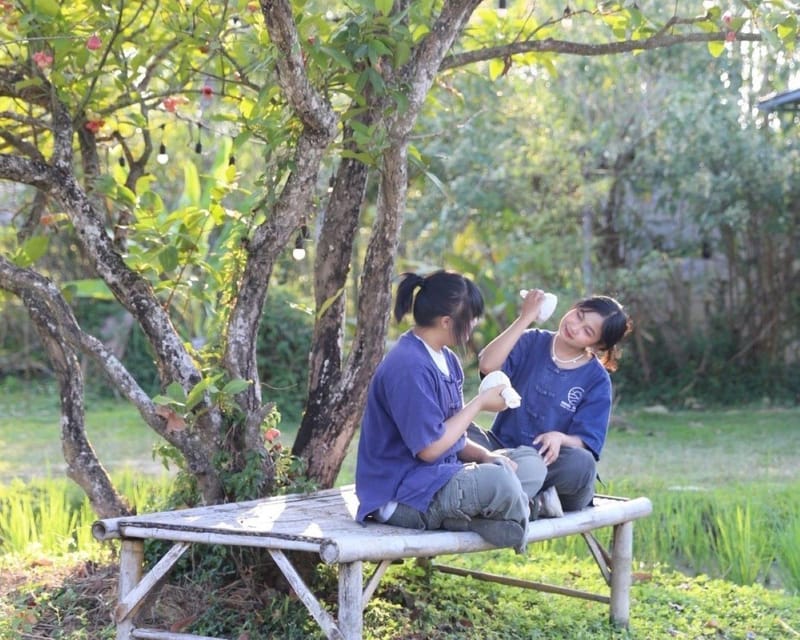
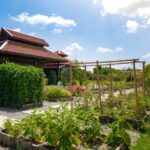
This workshop is based at Hang Tueng Farm in Chiang Mai Province, and the “farm” setting matters more than you might think. It helps the day feel grounded—less like a city activity and more like a calm wellness pause that’s built around your hands and your nose (yes, literally, with the inhaler).
I like that the meeting point is straightforward. You’ll look for a sign for the farm, and there should be a notice out front that it’s Hang Tueng Farm. That reduces stress on a travel day, especially when you’re already juggling transport and timing.
Because it’s a private group, you can expect the instructor’s attention to be available for questions. That’s helpful with herbal crafting, since small details—how you roll, how you pack, how scents combine—make the difference between something that’s merely fine and something you’ll actually want to use.
You can also read our reviews of more tours and experiences in Chiang Mai


How the 3-hour session flows at Hang Tueng Farm
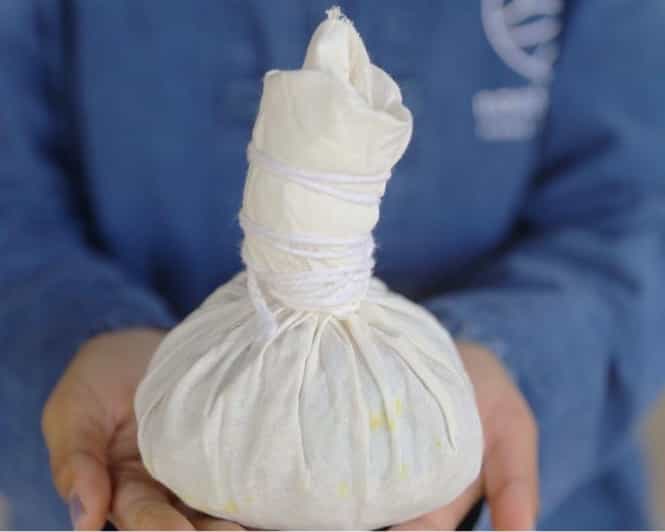
You’re booked for a 3-hour experience, and the structure is built around two big builds: first a herbal ball, then a herbal inhaler. The point is not to rush you through a checklist, but to teach you the craft so you can recreate it later using the instructions you’ll receive.
A typical flow looks like this:
- You start with guidance from the herbalist/instructor, covering how the herbs are used in the workshop.
- You then make your herbal ball, focusing on selecting herbs and mastering the rolling technique.
- Next comes the herbal inhaler, where you create a portable aromatherapy tool and personalize it with herbs like lavender, eucalyptus, and peppermint.
- Finally, you take your creations home along with detailed instructions.
Even if you’re brand-new to herbal DIY, the format is friendly. Everything is provided, and the lesson is hands-on, not theoretical. That’s what makes it feel efficient: you spend the time creating instead of waiting around.
Crafting herbal balls: a hands-on way to learn Thai herbal soothing
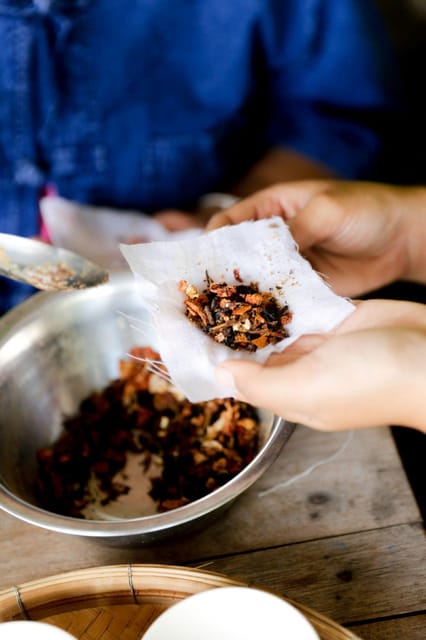
The herbal ball part is all about compact, portable relaxation. You’ll learn how to build small bundles infused with aromatic herbs designed for soothing and healing properties. And you’re not just watching someone else do it—you’ll practice the rolling technique until you can shape your own.
Here’s why that craft matters for you as a traveler: you get a sensory learning moment. You’ll smell the herbs, handle them as you roll, and understand that the outcome isn’t just appearance. The way the herbs are blended and formed is part of how the ball is meant to be used for relaxation and rejuvenation.
You’ll also learn about choosing the herbs. Even though the workshop doesn’t list an endless menu, it frames selection as something the herbalist can guide you through. That guidance is useful if you’re wondering which herbs are commonly used for calming, comfort, or everyday well-being.
One practical detail: the herbal ball is designed as a take-home item. That means the end goal isn’t a disposable craft. You’re building something you can use as a souvenir that still has purpose after you leave Chiang Mai.
Building your herbal inhaler: lavender, eucalyptus, and peppermint
The inhaler section is the most “daily life” part of the workshop. You’ll create a portable aromatherapy tool that fits into normal routines—something you can carry and use when you want that natural, refreshing boost.
The herbs you’ll explore include lavender, eucalyptus, and peppermint. The workshop presents them as herbs known for respiratory and stress-relieving benefits. Even if you’re skeptical about wellness claims in general, this setup is still valuable because it helps you connect scent to intention: calming, clearing, or simply feeling more comfortable.
In practical terms, you’ll personalize your inhaler. That means you’re not forced into a one-size blend. You’ll work with the instructor/herbal experts to choose and combine herbs so the final inhaler reflects what you want most from it.
I also like that this is taught as a craft you can repeat. The workshop includes materials and provides detailed instructions to replicate the process at home. So you’re not just leaving with a single use item—you’re leaving with a method.
The herbal experts and what you actually learn
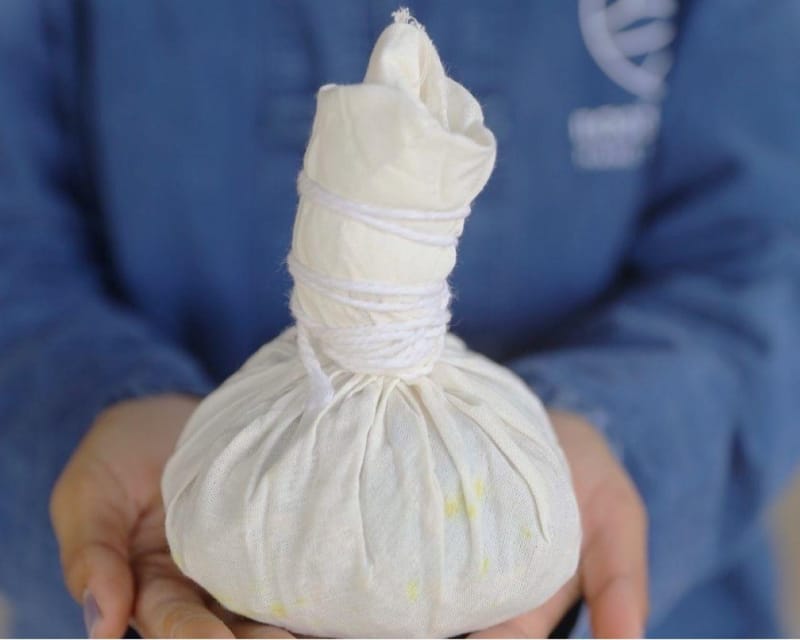
The workshop is guided by experienced herbalists, and the value is in how they explain herb properties as you craft. You’ll hear how different herbs contribute to well-being, then you’ll see how those ideas translate into real materials in your hands.
This matters because herbal workshops can go two ways:
- You get a nice story and then you make something that feels random.
- Or you get practical teaching where each step links back to the intended effect.
This experience aims for the second. You’ll learn about the properties of herbs as part of crafting your herbal ball and your inhaler. That keeps the session grounded and makes it easier for you to use the take-home items with understanding.
Also, because the instructor works in English and Thai, it’s easier to follow details without getting lost. Even if your Thai is basic or nonexistent, you can still ask questions and understand why the herbs are used in the combinations you make.




Materials provided: less shopping, more making
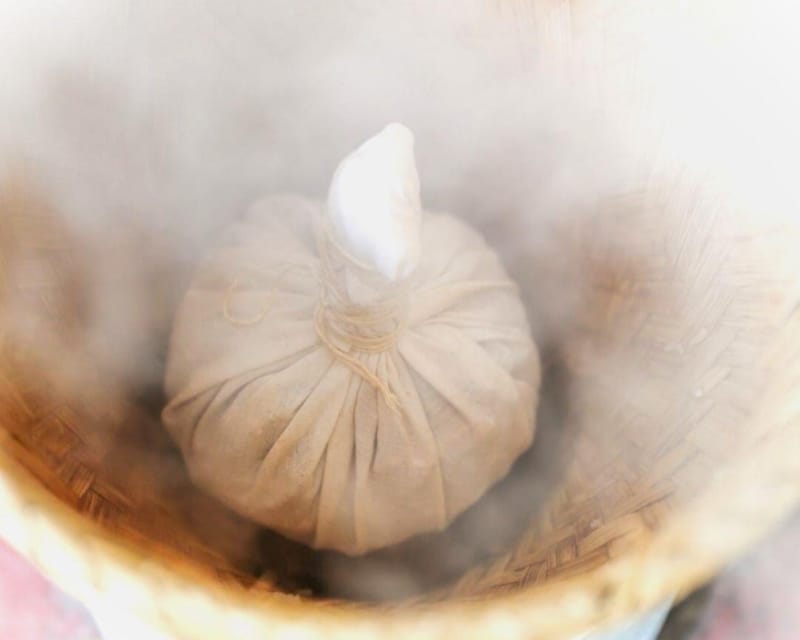
One of the most travel-friendly parts is simple: all necessary materials are included. That’s a real convenience, because it means you don’t have to hunt down supplies before you go. You show up, follow the guidance, and build your herbal ball and inhaler with what the workshop provides.
What you take home is also clearly defined. You’ll bring:
- Your personalized herbal ball
- Your personalized herbal inhaler
- Detailed instructions to replicate what you made
For me, this is where the workshop becomes better than a typical souvenir purchase. You’re not spending money just to bring a photo back. You’re bringing a repeatable wellness craft into your routine, and you’re doing it with an instructor’s help the first time.
Price and value in Chiang Mai Province: is $38 fair?
$38 per person for a 3-hour, expert-guided workshop that includes materials and two take-home items is a pretty reasonable deal. You’re paying for three things at once:
- Guided herbal knowledge from an instructor who can explain properties and steps
- Materials provided, so your cost doesn’t expand when you arrive
- Two handmade wellness creations, including an inhaler you can carry
If you compare it to pay-to-watch classes or half-day tours that include only one craft item, the value gets clearer. Here, you get more than one usable outcome, and the time is focused—3 hours is long enough to learn and make, without feeling like a full-day commitment.
Also, the private group format is a plus. Even without a stated group size, private generally means the instructor can be more responsive. That tends to improve the quality of the craft and the instructions you get at the end.
Where this workshop fits in your Chiang Mai itinerary
This is best slotted as a “reset” activity. It pairs well with days where you’ve been busy with temples, markets, or long drives. After those, you’ll appreciate a calmer session focused on hands-on wellness.
Because it’s a 3-hour workshop, you can build your schedule around it without losing your whole day. You’ll also be able to check starting times based on availability, so you can pick the slot that works with your transport and other plans.
If you’re staying in Chiang Mai city, plan buffer time to reach Hang Tueng Farm. The meeting point is clear, but farms can be farther out than central attractions, so you don’t want to feel rushed when you arrive.
Who should book this herbal ball and inhaler workshop
You’ll likely love this if you:
- Enjoy practical, hands-on classes more than passive sightseeing
- Want a meaningful Chiang Mai souvenir you’ll actually use
- Like wellness routines that feel natural and simple
- Prefer learning in English or Thai with an instructor guiding you step-by-step
It’s also a good fit if you’re traveling with someone and want a shared activity that doesn’t require special fitness or stamina. The workshop language and private group setup make it easier to communicate and get help when you need it.
One more note on fit: it isn’t marketed as a kids’ workshop. It’s not suitable for children under 2 years, and babies under 1 year are also not suitable. If you’re traveling with little ones, you may want to make other plans.
What to do with your herbal ball and inhaler after you leave
You’ll leave with detailed instructions to replicate the process at home, which is a big deal for long-term value. Keep those instructions, because they’re what turns the workshop into a skill, not a one-time event.
For the herbal inhaler, think of it as a scent-and-comfort tool you can carry. The workshop frames herbs like lavender, eucalyptus, and peppermint as supportive for respiratory and stress-relieving purposes, so using it becomes part of your personal routine.
For the herbal ball, it’s built as a compact bundle for relaxation and rejuvenation. Even if you don’t have a fixed ritual yet, the key is that you now understand what’s inside and why it’s made the way it is.
Should you book this Hang Tueng Farm workshop?
Yes, if you want a calm, hands-on Chiang Mai experience that gives you real take-home value. The strongest reasons to book are the expert-guided craft, the personalization (especially for the inhaler), and the fact you leave with both a herbal ball and a portable inhaler plus instructions to recreate them.
Skip it if you’re expecting a medical or clinical treatment style session. This is wellness-oriented aromatherapy craft, designed to teach you how herbs are used through making—not to diagnose or treat health conditions.
If you’re craving something different from temples and night markets, this is a smart choice: $38 for 3 hours of guided herbal DIY, in a farm setting, with two items you can actually use back home.
FAQ
How long is the workshop?
The workshop lasts 3 hours.
What is the price?
The price is $38 per person.
What will I make during the workshop?
You will craft a herbal ball and a herbal inhaler.
Where is the meeting point?
Look for a sign for Hang Tueng Farm. There should be a notice in front of the entrance showing the farm name.
What languages are used?
The instructor provides the workshop in English and Thai.
Are materials included?
Yes. All necessary materials for crafting the herbal ball and inhaler are included.
Can I cancel for a refund?
Yes. You can cancel up to 24 hours in advance for a full refund.
Is this workshop suitable for young children?
No. It is not suitable for children under 2 years, and babies under 1 year are also not suitable.