REVIEW · CHIANG MAI
Doi Suthep and Wat Pha Lat Sunrise Tour (Small Group Only)
Book on Viator →Operated by TripGuru Thailand · Bookable on Viator
Sunrise temples beat the Chiang Mai crowds. This small-group early start gets you to the Doi Suthep area before it swells, and I love that entrance fees are handled so you’re not scrambling for cash at each temple. The one real drawback: you’ll be up early, and it can feel freezing on the mountain before the sun warms things up.
This half-day circuit pairs big-name sights with quieter stops. You’ll ride in an air-conditioned vehicle with a guide for the whole time, then spend time at Doi Suthep, Kruba Srivichai Monument, Wat Pha Lat, and the 700-year-old Wat Umong with its forest tunnels and chedi.
After about 5 hours (approx.), you’re back near Tha Phae Gate and the rest of your day is yours. It’s not a great fit for anyone with mobility limits because there are stairs and uneven temple paths.
In This Review
- Key things I’d plan around
- Why a 5:00am start makes Doi Suthep worth the effort
- Doi Suthep: 309 steps, big views, and temple etiquette
- Kruba Srivichai Monument: a meaningful pause with a merit offering
- Wat Pha Lat: the quieter, jungle-feel temple stop
- Wat Umong: the tunnel temple and the chedi you can’t miss
- Logistics that actually save time (pickup, guide, air-con, and included fees)
- Price and value: what $29 buys in real terms
- The sunrise expectation: beautiful, but weather controls the mood
- Guides, English level, and photo help you can request
- Getting the most out of your free afternoon after the temples
- Who this tour suits best (and who should skip it)
- Should you book the Doi Suthep and Wat Pha Lat sunrise tour?
- FAQ
- What time does the tour start?
- How long is the Doi Suthep and Wat Pha Lat sunrise tour?
- Is hotel pickup included?
- Where does the tour start and end?
- How many people are in the group?
- Are temple entrance fees included?
- Is there an English-speaking guide?
- What temples are included in the half-day route?
- Is the transport air-conditioned?
- What happens if the weather is bad for sunrise?
Key things I’d plan around
- 5:00am start to catch the calm light and fewer crowds
- Entrance fees included (no on-the-spot payments for Doi Suthep and Wat Umong)
- Max 12 people for a more personal experience and easier photo stops
- Wat Umong tunnel temple plus forest scenery and a major chedi
- Half-day format so you still get a full afternoon to explore Chiang Mai
- Good-weather required for the sunrise element
Why a 5:00am start makes Doi Suthep worth the effort
Chiang Mai can feel busy even early in the day, so the logic here is simple: go up while the city is still waking up. Leaving at 5:00am means you’re more likely to see the area in quiet mode, and the sunrise timing is built around that.
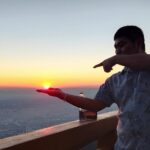
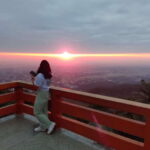
The tradeoff is that sunrise tours demand early wake-ups. On the mountain it can be cold enough that you’ll be glad you brought layers, even if the city feels warm later. If you show up wearing shorts and a thin shirt, you’ll probably end up tugging at your clothes for the first hour more than you want to.
This tour also makes the timing easier than doing it on your own. With hotel pickup and an air-conditioned vehicle, you’re not negotiating rides in the dark or trying to coordinate multiple temple stops with separate tickets and transport.
You can also read our reviews of more tours and experiences in Chiang Mai
Doi Suthep: 309 steps, big views, and temple etiquette
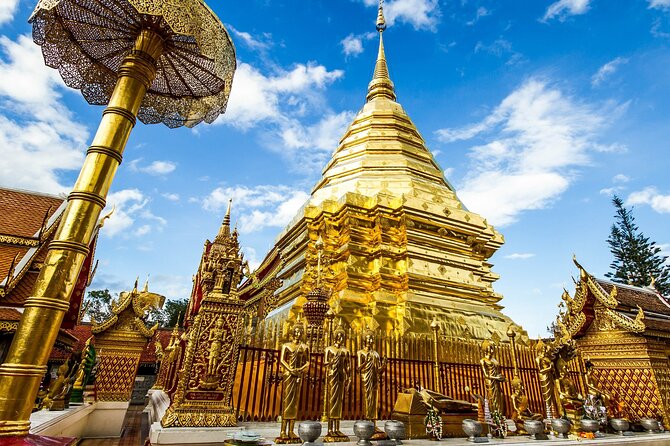
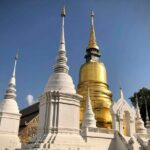
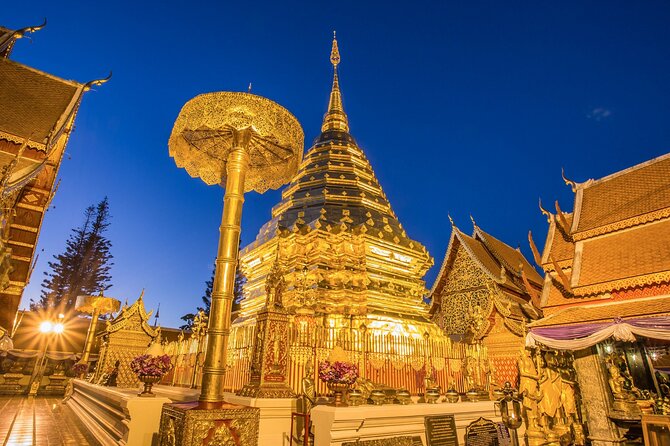
Doi Suthep is the headliner for a reason. You’ll tackle the famous 309 stairs (yes, your legs will notice), and you’re rewarded with the view from the top area. The temple itself is one of the most iconic places around Chiang Mai, and you’ll get about 2 hours at the stop—enough time to climb at a comfortable pace, take photos, and absorb what you’re seeing.
What I like about the way this stop is set up is that you’re not rushing through a quick look. With a guide along the way, it’s easier to understand what you’re walking past—things like statue placement, how people move through the space, and the simple customs that keep the experience respectful.
Practical tip: start the climb slower than you think you need. Sunrise viewing often turns into waiting and photographing, and you’ll be happier if you’re not already exhausted when you reach the top.
Kruba Srivichai Monument: a meaningful pause with a merit offering
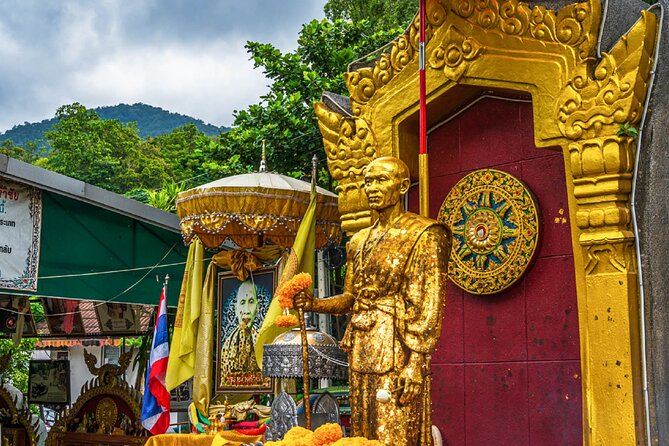
Between the big temple climb and the more forest-temple vibe, you’ll stop at the Kruba Srivichai Monument. It’s a large golden monument that helps connect Chiang Mai’s temple world to the lifestyle and role of monks.
You’ll spend about 30 minutes here, and the stop includes learning plus a chance to make a merit offering. Even if you’re not sure what to do at first, having a guide there is the difference between feeling lost and feeling grounded in what the ceremony represents.
If you like culture stops that feel more than just sightseeing, this brief pause adds depth without turning the morning into a long lecture.
Wat Pha Lat: the quieter, jungle-feel temple stop
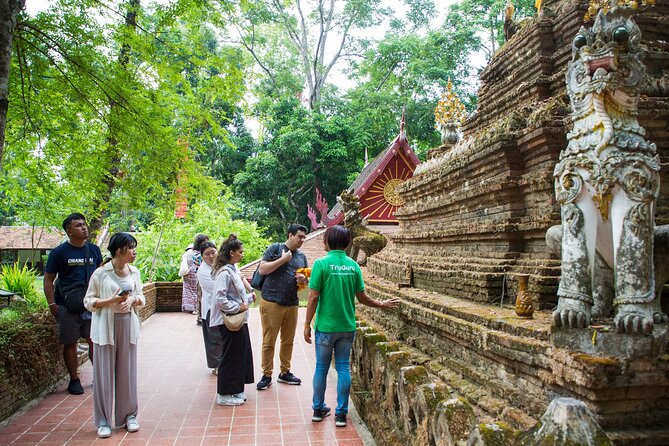
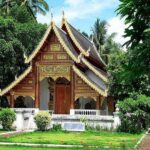
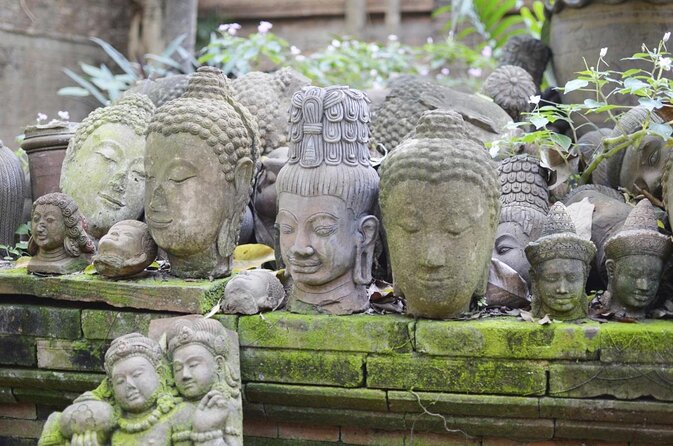
Wat Pha Lat is the kind of place that feels less like a photo checklist and more like a calm walk among shrines and statues. The setting is described as lush and forested, and that matters: when you’re away from the thick crowd flow, the atmosphere changes.
You’ll have about 1 hour at Wat Pha Lat. That’s long enough to wander slowly, find the more peaceful corners, and look at the striking statues without feeling like someone is checking a stopwatch.
One thing to note: because it’s a temple tucked into a more natural setting, the ground can be uneven and the path might not be flat. Wear shoes you can trust, and don’t plan on sprinting between viewpoints.
Wat Umong: the tunnel temple and the chedi you can’t miss
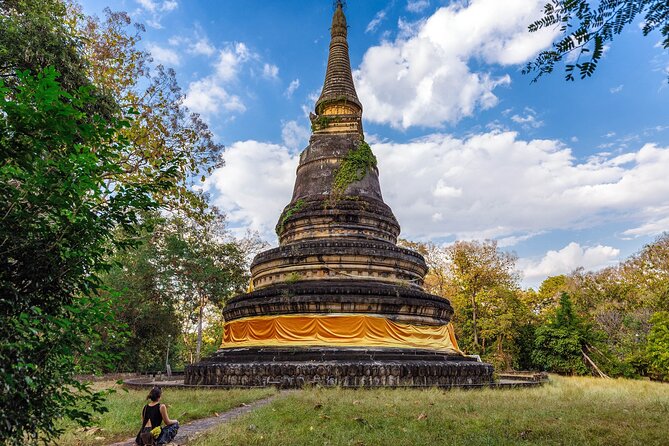
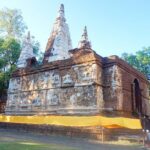
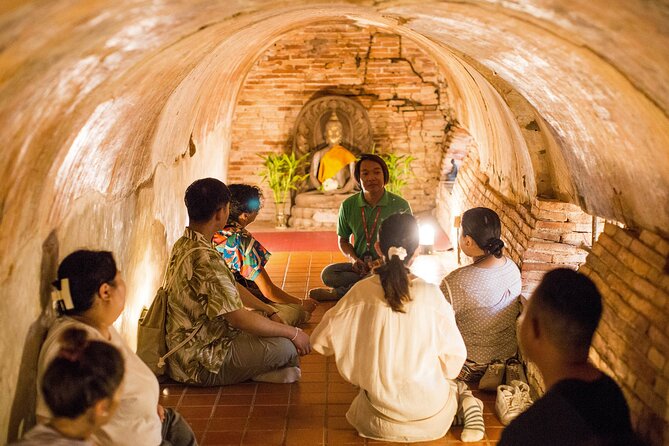
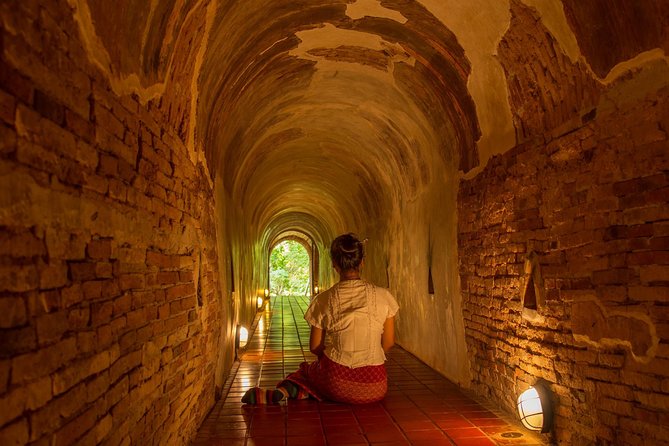
If you want one stop that feels distinctive, it’s Wat Umong. This is an old temple—about 700 years old—and it’s known for its underground tunnels and the surrounding forest setting. You’ll get about 1 hour here, and admission is included.
You’ll also see a magnificent chedi. Even without going deep into symbolism, it’s the kind of landmark that makes the stop feel complete. The tunnels add a sense of mystery, but they also give you something different from the typical “big hall, big stairs, big view” temple rhythm.
Practical tip: bring a light jacket or layer for Wat Umong too. Underground and shaded areas can feel noticeably cooler than the open spaces around Doi Suthep.





Logistics that actually save time (pickup, guide, air-con, and included fees)
This tour is built to remove the headaches that slow people down when they self-plan. You get hotel pickup and drop-off, an English-speaking tour guide, and an air-conditioned vehicle—a big deal in Chiang Mai’s humidity once the sun is fully up.
Then there’s the cost side, handled in a straightforward way. Entrance fees are covered, including:
- Doi Suthep (THB 50)
- Wat Umong (THB 20)
That means you’re not paying at the spot during an early-morning scramble. It’s a small thing, but it keeps the schedule smoother.
The tour is also small: up to 12 people. In practice, that usually means less crowding at photo points and more flexibility for your guide to answer questions without shouting across the van.
You’ll also get bottled water and insurance, which you don’t think about until you’re on a steep path with lots of steps and you’re grateful you’re prepared.
Price and value: what $29 buys in real terms
At $29 per person, you’re paying for three things you’d otherwise have to assemble yourself:
- Transport (pickup, a vehicle for multiple stops, and return to Tha Phae Gate)
- A guide who stays with you so you don’t lose time figuring out what to do next
- Temple access where fees apply (Doi Suthep and Wat Umong)
The included admissions alone are modest, but the main value is the combination. You’re not just buying tickets. You’re buying the fact that someone handles the sequencing and you don’t have to coordinate separate drivers or puzzle out which temples require what.
Plus, the “small group only” angle matters. When the group is capped at 12, you spend more time experiencing and less time waiting for people to move.
And since the tour is about 5 hours total and the afternoon is free, you get a full day’s access to Chiang Mai, not just a partial morning that leaves you stuck for the rest.
The sunrise expectation: beautiful, but weather controls the mood
Sunrise tours live and die by weather. This one requires good weather for the sunrise element, and if conditions aren’t right, you’ll be offered a different date or a full refund.
Even with perfect planning, clouds can soften the sunrise. The upside is that your stops still stand on their own: Doi Suthep, Wat Pha Lat, and Wat Umong are interesting in daylight too. So if the sky turns gray, you’re not doomed to an empty experience.
What you can do: dress for cold early hours and keep your expectations flexible. Think of the sunrise as the bonus, not the only reason you’re going.
Guides, English level, and photo help you can request
A big theme in guide experiences here is that good guiding turns temples from random stops into connected stories. In past departures, you might get guides like Michele, Peter, Avi, Gong/Kong, James, Leo, Honey, Yee, Chai, or Tim. Some are especially strong at explaining customs and iconography so you know what you’re looking at.
One practical caution: English ability can vary. If clear explanations are important to you, choose the tour and time that fit your comfort level, and don’t hesitate to ask follow-up questions. A helpful guide will slow down and reframe.
Photo-wise, having a guide can make a difference. People have shared that guides help with photo timing and positioning, especially when the sunrise light is changing fast.
Getting the most out of your free afternoon after the temples
Once you’re done and back near Tha Phae Gate, you’ve got the rest of the day open. I’d use that freedom for a low-stress Chiang Mai rhythm: breakfast, a long nap, or a slow wander around the Old City area.
Because you already covered the major temple circuit early, your afternoon can focus on whatever you enjoy most, whether that’s markets, cafés, or just catching up on rest after the early wake-up.
If you want a food-friendly plan, some guides have been known to point people toward quick local morning eats like moo ping and khao niaw after the main temple time. Don’t treat it as guaranteed, but it’s the kind of helpful suggestion that turns a tour into a day you remember.
Who this tour suits best (and who should skip it)
This tour is ideal if you want:
- a small-group temple morning with a guide
- the chance to see Doi Suthep around sunrise time
- a balanced mix of famous and lesser-known stops (Wat Pha Lat and Wat Umong add variety)
- the convenience of pickup/drop-off and air-conditioned transport
It’s not recommended if you have mobility impairments, mainly because of stairs and uneven temple paths.
If you love a plan with structure but still want your afternoon free, this fits well.
Should you book the Doi Suthep and Wat Pha Lat sunrise tour?
Book it if sunrise and temple variety are your two big priorities, and you like the idea of spending about 5 hours with a guide instead of juggling transport and tickets. The included entrances and the cap of 12 people make it a good value for the effort you’re saving.
Skip it or switch plans if waking up at 5:00am sounds miserable, or if cold mountain conditions are a dealbreaker for you. And if you’re the kind of person who needs perfect sunrise skies to feel satisfied, remember that clouds can happen—though the temples are still worth seeing in daylight.
If you want an efficient, meaningful way to experience Chiang Mai’s temple side early in the day, this one makes a strong case.
FAQ
What time does the tour start?
The tour starts at 5:00am.
How long is the Doi Suthep and Wat Pha Lat sunrise tour?
It’s about 5 hours (approx.).
Is hotel pickup included?
Yes. The tour includes hotel pick-up and drop-off.
Where does the tour start and end?
It starts at Tha Phae Gate on Tha Phae Road and ends back at the meeting point.
How many people are in the group?
The group is limited to a maximum of 12 travelers.
Are temple entrance fees included?
Entrance fees are taken care of. Doi Suthep (THB 50) and Wat Umong (THB 20) are included, and Wat Umong entry is included.
Is there an English-speaking guide?
Yes, the tour includes an English-speaking tour guide.
What temples are included in the half-day route?
You’ll visit Doi Suthep, Kruba Srivichai Monument, Wat Pha Lat, and Wat Umong.
Is the transport air-conditioned?
Yes, you’ll travel in an air-conditioned vehicle.
What happens if the weather is bad for sunrise?
This experience requires good weather. If it’s canceled due to poor weather, you’ll be offered a different date or a full refund.