REVIEW · CHIANG MAI
Chiang Mai: Doi Suthep, Wat Umong, and Pha Lat Sunrise Tour
Book on GetYourGuide →Operated by TripGuru Thailand · Bookable on GetYourGuide
You can feel Chiang Mai wake up with you. This 4-hour sunrise circuit ties together Doi Suthep, a jungle temple, and the old tunnels of Wat Umong with a calm, respectful pace.
I really like two things here. First, the Doi Suthep sunrise: you get up early enough to experience the temple before it turns into a photo factory. Second, the guides can bring the sites to life in a personal way, like James Bond, who lived with monks for five years, and guides such as Happy or Peter who know where to stand for the best morning light.
One drawback to plan for: it is an early start with a real climb—309 steps—and you’ll need to follow temple dress rules (no shorts, sleeveless tops, and covered shoulders/knees in key spots).
In This Review
- Key Things I’d Watch For
- Doi Suthep Sunrise: The Morning You Came For
- 309 Steps and Temple Etiquette at Wat Phra That Doi Suthep
- Kruba Srivichai Monument: A Story Behind the Shrine
- Wat Pha Lat: Jungle Silence and Statues You Notice Slow
- Wat Umong Tunnels and the 1297 Temple Feel
- Transport, Pickup, and the 4-Hour Rhythm
- Value Check: What You’re Really Paying For
- Who Should Book This Sunrise Tour
- Should You Book This Chiang Mai Sunrise Tour?
- FAQ
- What language is the tour guide available in?
- Where do I meet the guide if I choose the meeting point option?
- Is hotel pickup included?
- What is included in the tour price?
- What should I bring?
- What clothing is not allowed?
Key Things I’d Watch For
- 309 steps to Wat Phra That Doi Suthep: it is part of the experience, so wear shoes you can trust.
- Monk-focused moments at Doi Suthep: you may have chances to join rituals like candle lighting and offerings if you want.
- Wat Pha Lat in the jungle: fewer crowds, lots of statues and shrines, and a greener, quieter vibe.
- Wat Umong tunnels and a 1297 temple: an older, more unusual stop than the main city temples.
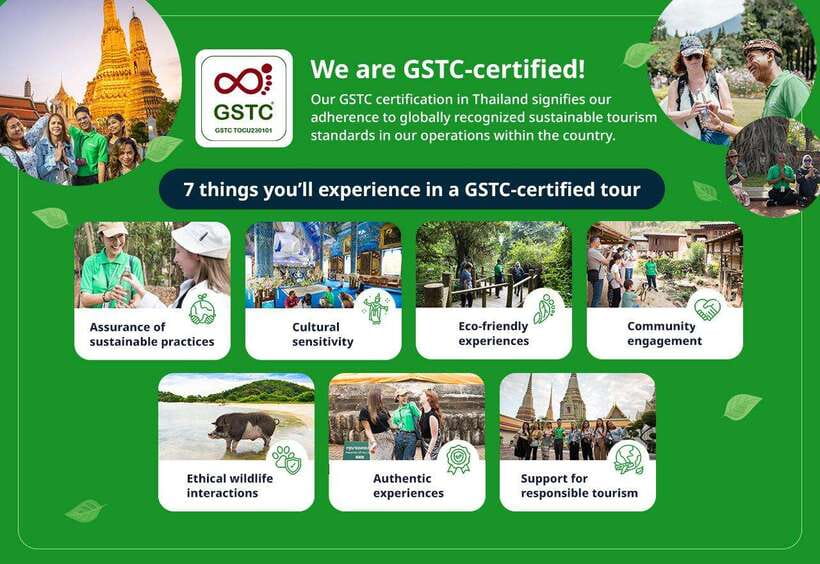
- GSTC-style responsible tourism touches: water comes in a glass bottle, and there are carbon offset credits.
Doi Suthep Sunrise: The Morning You Came For
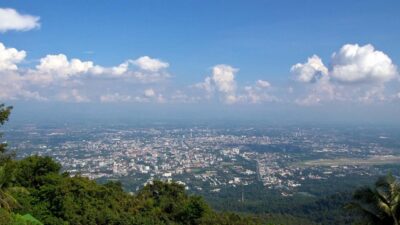
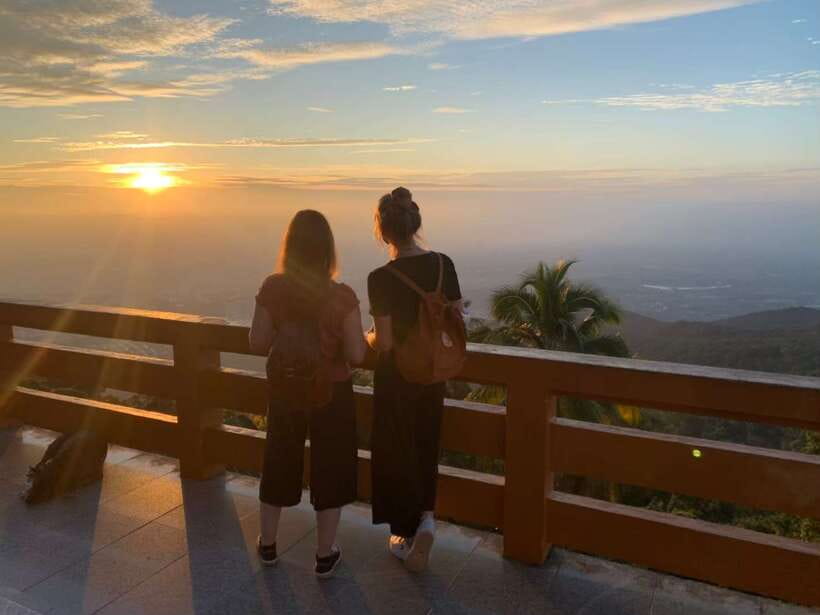
The best reason to book this tour is simple: sunrise at Doi Suthep is the kind of moment that changes how you remember a city. Chiang Mai looks different before the day’s heat and traffic kick in. Up on the hill, the air feels cooler, the sky has color, and the temple area is still waking up.
You start the day with a ride into the mountains, then make your way to Wat Phra That Doi Suthep, one of the most famous temple complexes in Northern Thailand. The tour is built around the idea of being there at the right time, not just seeing a highlight. The climb is early, so you’re not dragging yourself through crowds later.
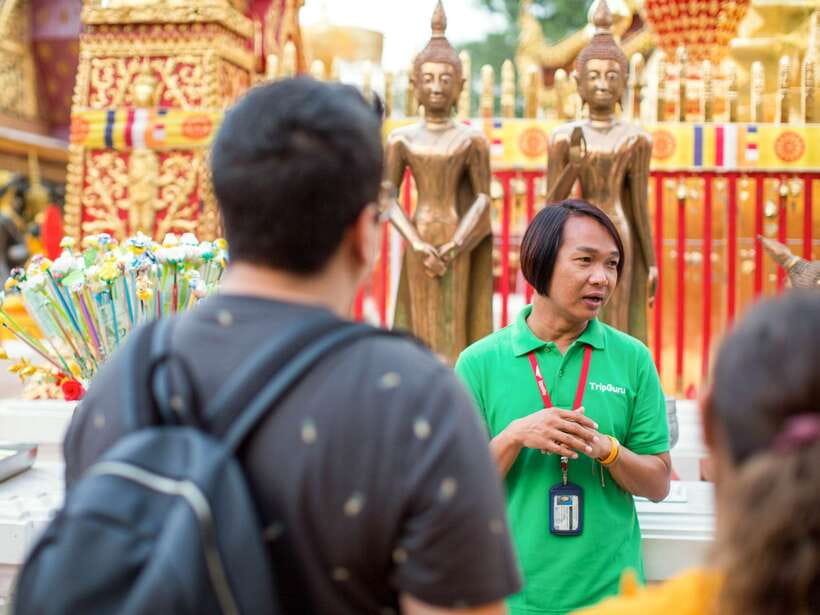
What makes it extra special is the atmosphere. Even without getting super technical about Buddhism, you’ll notice the rhythm of the place: people moving quietly, monks preparing for their morning routines, and the temple space holding still for a few minutes while the light arrives. Several guides on this route are known for going beyond surface commentary, including James Bond, whose long time around monastic life gives the explanations a lived-in feeling.
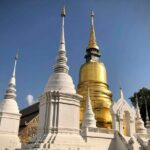
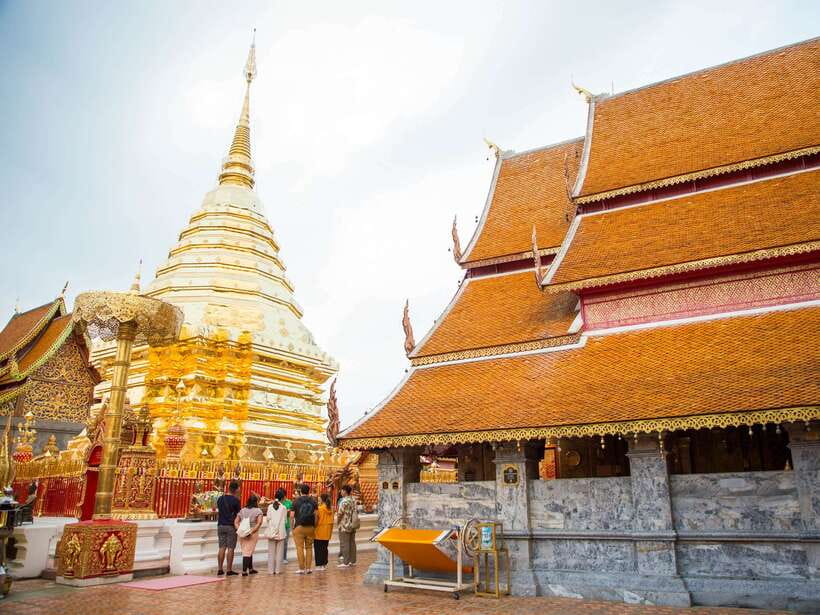
And yes, the views are the obvious payoff. From the temple area you’ll get big-sky photos looking back at Chiang Mai’s spread. The sunrise light hits the gold tones of the temple in a way that feels hard to replicate at midday.
You can also read our reviews of more tours and experiences in Chiang Mai
309 Steps and Temple Etiquette at Wat Phra That Doi Suthep
The headliner is the climb. You’ll go up 309 steps with your guide, and you’ll feel it in your legs, especially if you’re not used to mornings like this. Bring comfortable shoes and treat the steps as your warm-up for the rest of the day. If you’re the type who hates hills, this is the one moment where you should be honest with yourself.
Once you’re at the top, the temple is a living place, not a museum prop. That means small rules matter. You should plan to cover up properly, since shorts, short skirts, and sleeveless shirts are not allowed. Even if you’re warm after the climb, keep a layer in your day bag for later. Some areas on this route require more coverage than you might expect, so better to dress conservatively from the start.
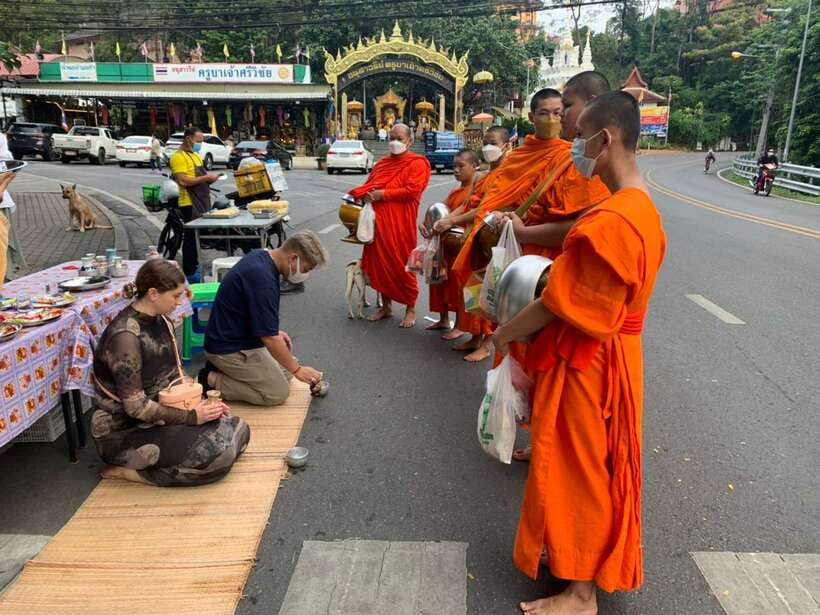
If you want to participate respectfully, the tour often includes cultural touches around monks’ daily life and morning ceremonies. You might hear chanting, and you may be encouraged to join practices such as candle lighting or offerings if you’re comfortable doing so. Offerings are optional, and you’ll want cash on hand if you decide to participate.
One more practical note: mornings can be chilly at the top depending on the season. I’d bring something that beats morning cold without turning into a sauna by noon—think light layers rather than a bulky jacket you’ll regret on the walk.
Kruba Srivichai Monument: A Story Behind the Shrine
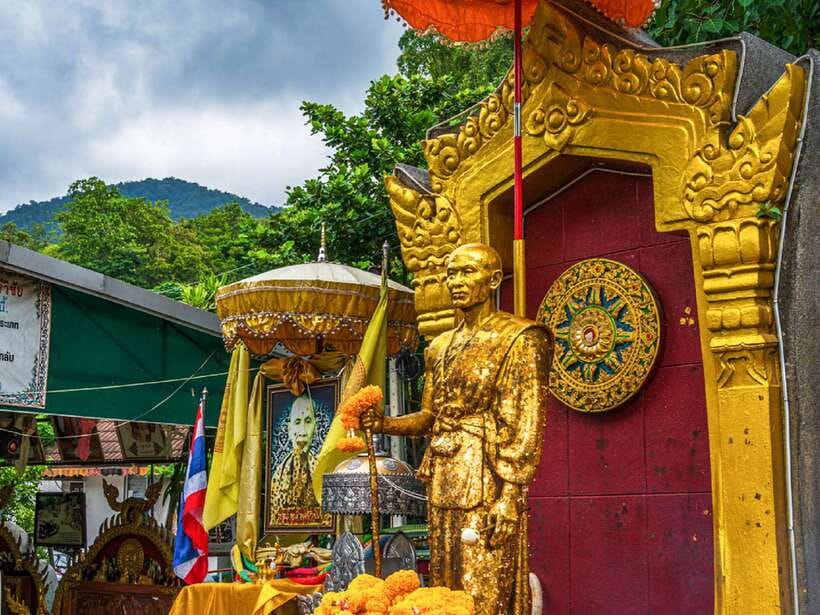
After the main temple time, you’ll shift focus to the Kruba Srivichai Monument. This stop matters because it connects the grand temple setting to real people and local faith history. Instead of only admiring architecture, you’ll hear the story behind the monk figure tied to Chiang Mai’s religious legacy.
You’ll stand in the monument’s shadow and get a clearer sense of why this route has become more than a one-time visit for many locals. The monument also works as a natural break after Doi Suthep. It’s not just a quick photo stop; your guide uses the moment to give you context, so the rest of the morning feels tied together instead of like three separate temple snapshots.
Guides here often do a good job of translating how monastic life fits into Thai Buddhist culture. You may hear about discipline, devotion, and how monks interact with the community around them. If you’ve ever wondered why Buddhism in Thailand looks a bit different from what you’ve seen in other countries, this is where the answer starts to make sense.
It’s also a handy mental reset before you head deeper into quieter, more nature-focused spaces.
Wat Pha Lat: Jungle Silence and Statues You Notice Slow
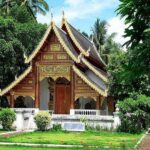
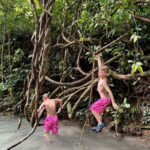
Next comes Wat Pha Lat, often described as a temple in the jungle. This is where your morning starts to feel less like a climb-and-crowds story and more like a walking meditation. The path leads into greenery, and the atmosphere changes. You’ll still see religious art and sacred structures, but the setting makes it feel more personal.
At Wat Pha Lat, you’re looking at serene statues, shrines, and the surrounding nature. Instead of the big sweeping view energy of Doi Suthep, you get texture. Details matter more here: the faces of statues, the small shrines, the way the light moves under trees.
One thing to know: Wat Pha Lat can be affected by closure or changes. On at least one tour, the temple was closed and the guide adjusted the plan while still prioritizing the core temple experience. So if this is your must-see, don’t panic if the schedule shifts—your guide should guide you through a sensible alternative.
If you want to feel like you’re escaping the most tourist-heavy parts of Chiang Mai for an hour, this is the stop. It’s also the portion of the tour where small-group dynamics can shine, since you’re not fighting for quiet space or photo angles.
Wat Umong Tunnels and the 1297 Temple Feel
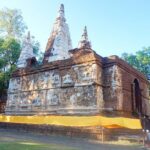
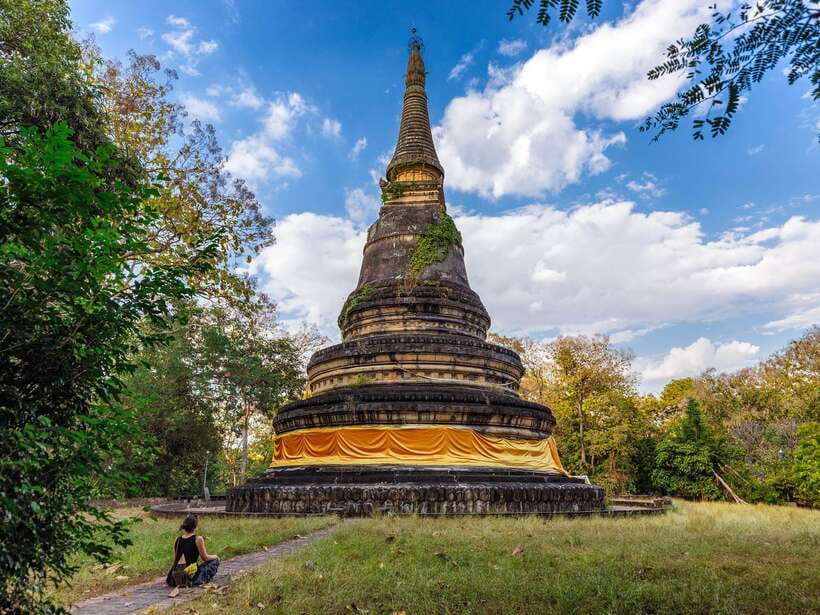
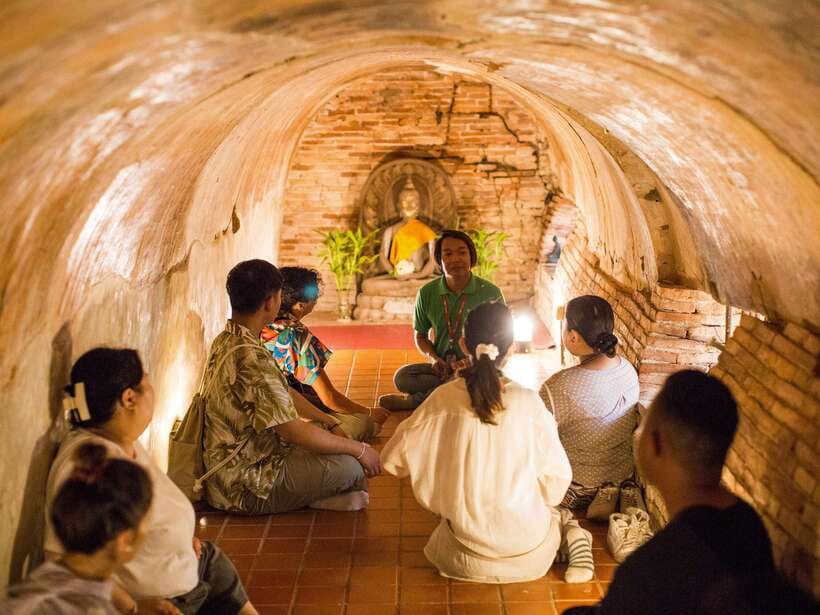
Then you move to Wat Umong, a temple with a history going back to around 1297. The big draw is the forest setting plus the underground tunnels. Instead of only walking around bright courtyards, you get a more unusual temple experience that feels more enclosed and older than the typical city temple vibe.
As you explore, you’ll see the forest grounds and then the tunnel area. That underground element is what turns this into more than another temple stop. It changes your perspective: the temple becomes something you navigate in a slower, more sensory way, where sound and shadows feel different.
You’ll also see the architecture tied to the chedi and the way the temple integrates with its natural surroundings. It feels like a place designed for reflection rather than a place built primarily for crowds. Even if you don’t go inside the tunnels, the walk through the grounds gives you a strong sense of atmosphere.
And here’s the bonus for anyone who loves learning as they travel: this stop is a great chance for your guide to connect the dots between different temple types. Doi Suthep is famous and ceremonial. Wat Pha Lat is secluded and green. Wat Umong is old-school and architectural, with a physical space that invites contemplation.



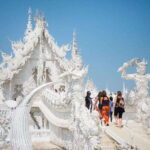
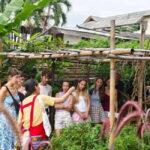
Transport, Pickup, and the 4-Hour Rhythm
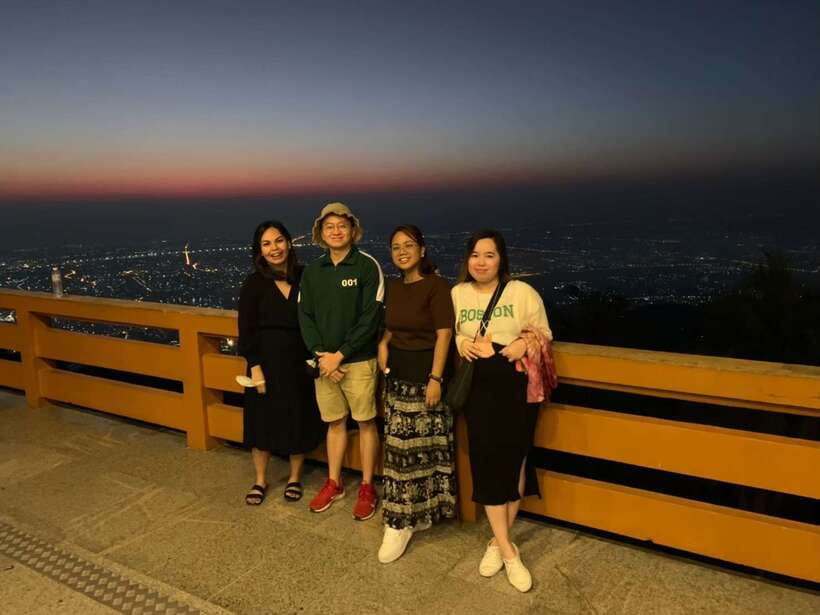
This tour runs about 4 hours, and it stays efficient. You’ll get hotel pickup and drop-off from major downtown areas within about a 5 km radius of the Tha Pae Gate area. If you choose the meeting point option, you’ll meet your guide at Tha Pae Gate in front of McDonald’s, and your guide will be holding a TripGuru sign. Either way, you’ll want to be ready around 10 minutes before pickup.
You ride in an air-conditioned vehicle, which matters because your morning will include both cool temperatures early and heavier heat as the day moves on. The route also works well because the time is distributed across meaningful stops, not rushed back-to-back sightseeing.
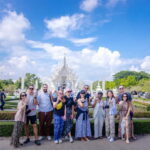
Group size tends to be small, and that’s not a luxury detail. It affects the experience. With fewer people, you spend more time asking questions, taking photos without sprinting, and listening to the guide instead of hearing only half of a story over other voices.
If you’re the kind of traveler who likes a structured morning with room to breathe, this schedule is built for you. If you hate early starts and hills, you’ll still enjoy the temples, but the effort-to-reward ratio hinges on whether you’re okay with the pre-dawn vibe.
Value Check: What You’re Really Paying For
At $32 per person, this is one of those prices that only makes sense when you list what’s included. Your ticket covers:
- hotel pickup and drop-off
- air-conditioned transportation
- a tour guide
- entry fees
- a glass bottle of drinking water
- carbon emissions offset credits
That’s a lot packed into one half-day. In Chiang Mai, entry fees alone can add up fast once you hit multiple temples, and transportation usually becomes its own separate cost if you try to cobble the route together alone.
The eco pieces are also worth a quick look. You’re not just hearing about responsible travel—you’re getting a water option using a glass bottle, and the tour includes carbon offset credits tied to your experience. It’s not going to erase travel’s footprint, but it does signal a real effort to reduce waste and account for emissions.
My takeaway: this is good value if you want a guided route with fewer planning headaches. It’s especially good for first-timers who want the big names—Doi Suthep, Wat Umong, and Wat Pha Lat—but also want the morning atmosphere that only works when you’re organized.
Who Should Book This Sunrise Tour
You should book if you want a morning that feels cultural, not just scenic. This tour fits well for:
- you if you enjoy learning temple etiquette and what ceremonies look like in real life
- you if you like quiet, early timing and hate peak-hour crowds
- you if you want variety: gold pagoda views, jungle calm, and tunnel architecture
It may not be your best match if you:
- can’t handle a 309-step climb
- don’t want to follow temple dress rules like covered shoulders and knees
- hate early mornings enough that you’d rather trade sunrise for sleep
If you’re coming with kids, it can work, but the climb is still real. One parent in the guide’s care storyline mentioned a driver letting a child rest in the car for a later portion, which is a reminder that the day can flex a bit for real needs—still, you’ll want to plan conservatively.
Should You Book This Chiang Mai Sunrise Tour?
Yes, if you’re prioritizing Doi Suthep at sunrise and you want the morning to be more than a checklist. This route is built around timing, respectful behavior, and temple variety in a short window. Between the early start, the guided context, and the bonus tunnel experience at Wat Umong, it’s a strong value way to see the northern temple side of Chiang Mai.
If you can’t do early mornings or stairs, you’ll still see beautiful places—but the “worth it” factor drops fast. For everyone else, it’s exactly the kind of half-day that gives you photos, stories, and a calmer feeling than you’d get by squeezing these sites into a later, crowded schedule.
FAQ
What language is the tour guide available in?
The live tour guide is available in English and Spanish.
Where do I meet the guide if I choose the meeting point option?
Meet at Tha Pae Gate in front of McDonald’s. Your guide will be holding a TripGuru sign.
Is hotel pickup included?
Yes. Hotel pickup and drop-off is included when pickup is available from major downtown areas within about a 5 km radius of Tha Pae Gate.
What is included in the tour price?
The price includes transportation by air-conditioned vehicle, a tour guide, entry fees, hotel pickup/drop-off, a glass bottle of drinking water, and carbon emissions offset credits.
What should I bring?
Bring comfortable shoes, sunglasses, a hat, a camera, sunscreen, insect repellent, and cash (for optional temple offerings).
What clothing is not allowed?
Shorts, short skirts, and sleeveless shirts are not allowed. Also, some locations require clothing that covers shoulders and knees.