REVIEW · CHIANG MAI
Cooking class in organic garden and local market tour ThaiCottage
Book on Viator →Operated by Thai Cottage Home Cookery School · Bookable on Viator
Good Thai food starts with the ingredients. In Chiang Mai, ThaiCottage pairs a local market walk with cooking in an organic garden kitchen, where you’ll learn how to build flavor the Thai way. I like that you make key items yourself—especially curry paste from scratch—and you get to choose dishes rather than being locked into a fixed menu. One thing to keep in mind: the market stop is short, and a few parts of the cooking setup may not be totally from zero (some items can be prepped ahead).
The class is built for small groups, and that matters. With a max of 8 travelers, you actually get hands-on time at your station while the instructor keeps everyone moving, including sticky rice with mango and the curry paste. The possible downside is that if you’re hoping for a strict every-step-from-scratch experience, you may feel a little less involved on a couple of components that are already partly handled.
In This Review
- What Makes ThaiCottage’s Class Feel Practical
- Market First: Choosing Ingredients in Chiang Mai
- Organic Herb Garden Kitchen: Where Your Ingredients Start Growing
- Curry Paste From Scratch: The Skill That Makes the Class Worth It
- Mango Sticky Rice and the Sweet Finish
- Cooking Like You’re Part of the Family Kitchen
- How the Dish Choice Works (And Why You’ll Like It)
- What You Actually Eat (And Why It Tastes Better Than You Expect)
- Price and Value: Why This Feels Like a Bargain
- Practical Tips That Will Make Your Day Smoother
- Who This Cooking Class Is Best For
- Should You Book ThaiCottage in Chiang Mai?
- FAQ
- FAQ
- How long is the ThaiCottage cooking class?
- Does the class include hotel pickup and drop-off?
- What will I cook during the class?
- Is the instruction offered in English?
- Is alcohol included in the price?
- How large is the group?
- What happens if the weather is poor?
What Makes ThaiCottage’s Class Feel Practical
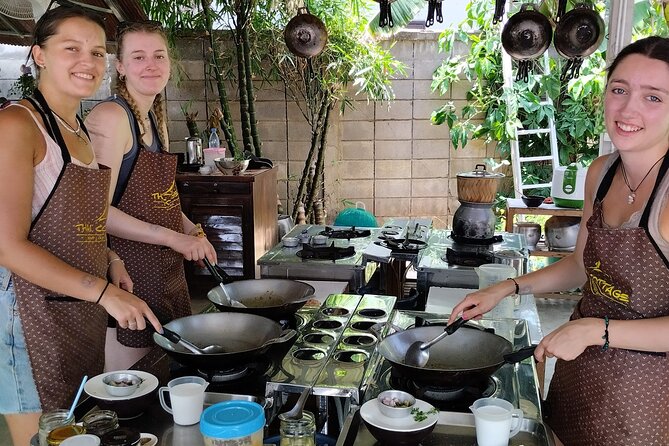
- Market-to-garden flow: You learn what you’re buying, then see the herbs you’ll cook with.
- Curry paste from scratch: You’ll work through the core Thai technique that makes curries taste like curries.
- Mango sticky rice is included: The sweet finale is part of the class, not an optional add-on.
- Small group (up to 8): Easier instruction, faster help, better pacing.
- Family-style cooking setup: You cook and eat together in a home-style kitchen garden format.
- Recipe support in English: You’ll get a PDF recipe book so you can recreate what you made later.
Market First: Choosing Ingredients in Chiang Mai
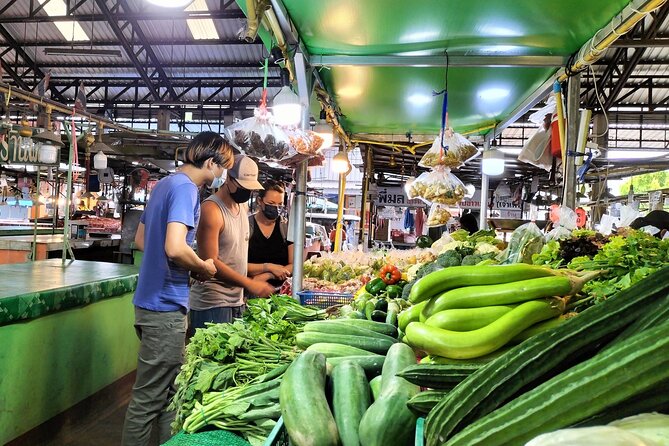
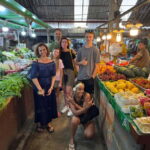
You start in the morning or afternoon with a pickup, then head straight to a local market. This is where the class gets real fast. You get a chance to see the ingredients you’ll use, not just hear about them. Market time is also your cheat sheet for reading Thai recipes later—when you recognize fresh herbs, aromatics, and common curry components, cooking at home becomes easier.
In a good market visit, you’re not shopping like a tourist. You’re learning what each ingredient does in the final flavor. The instruction you receive at this stage focuses on which items show up repeatedly in Thai cooking and why they matter. You also get some time to look around so you can get your bearings before the class turns into a hands-on rhythm.
A practical note: one past guest pointed out the market portion felt more independent than guided, and that some ingredients might not be purchased during your visit. That doesn’t mean the market is pointless—it still helps you understand what’s fresh and what the dish builders use—but it’s worth knowing if you were hoping for a walk-through where everything is bought together.
You can also read our reviews of more shopping tours in Chiang Mai
Organic Herb Garden Kitchen: Where Your Ingredients Start Growing
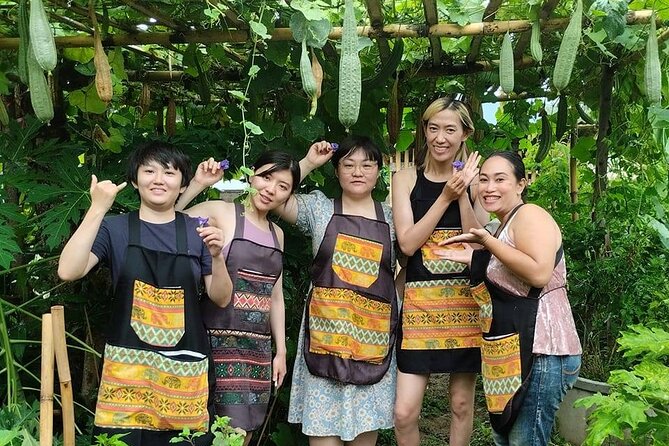
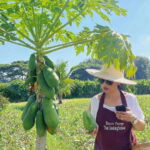
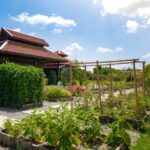
After the market, you move to an organic Thai herb garden attached to the cooking experience. This part changes your perspective. Market items suddenly make sense when you see them in plant form. You also learn what herbs and vegetables are used for your dishes, so the cooking becomes more than following steps—it becomes building blocks.
The garden-to-kitchen setup matters because Thai cooking depends heavily on fresh aromatics and balanced flavors. When you know which herbs go into which dishes, you’re more likely to reproduce the flavor later. Even if you don’t cook Thai often, the garden component helps you remember the “why” behind the “what.”
You’ll spend time in this space before you actually start cooking, and it’s also the calm break that keeps the class from feeling rushed. Think of it as the reset button: you look, you ask, you connect ingredients to the final plates you’ll eat.
Curry Paste From Scratch: The Skill That Makes the Class Worth It
If you only remember one thing from this class, make it this: you’ll make curry paste from scratch. That’s the backbone technique behind a lot of Thai curry flavor. Pre-made paste exists, of course—but it can’t replicate the freshness and the exact balance you create when you grind and mix the ingredients yourself.
In Thai cooking, curry paste isn’t just “a paste.” It’s a formula. Aromatics and seasonings combine into a flavor base that affects everything: how the curry smells, how it tastes, and how it lingers on your tongue. Learning the process in a teaching kitchen garden context makes it feel doable, not mysterious.
You also get curry learning that is guided enough for beginners but structured enough for people who want to sharpen technique. Past guests name instructors such as Toey and Mac for a steady, patient teaching style, and that shows up in the class format: you aren’t left to guess what to do next.
Mango Sticky Rice and the Sweet Finish
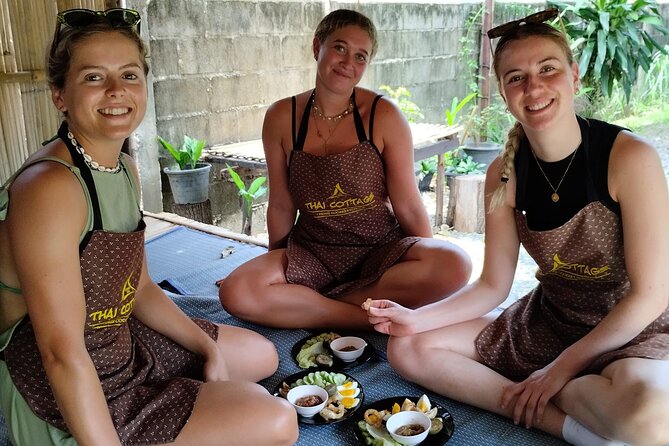
Everyone also learns how to make sticky rice with mango, which is the classic sweet ending in many Thai meals. This isn’t a little side task you toss to the end. It’s treated as a main element with its own steps and timing.
Sticky rice can be tricky if you’re cooking it at home from scratch, mostly because timing and texture matter. Seeing how the class handles it makes it easier to recreate later, especially if you follow the recipe PDF after you return.
And yes, mango matters. Thai desserts depend on fresh fruit that tastes like fruit, not like flavoring. The class format keeps the sweet part tied to the rest of the meal so your dinner feels complete—not like a cooking class with a snack attached.
Cooking Like You’re Part of the Family Kitchen
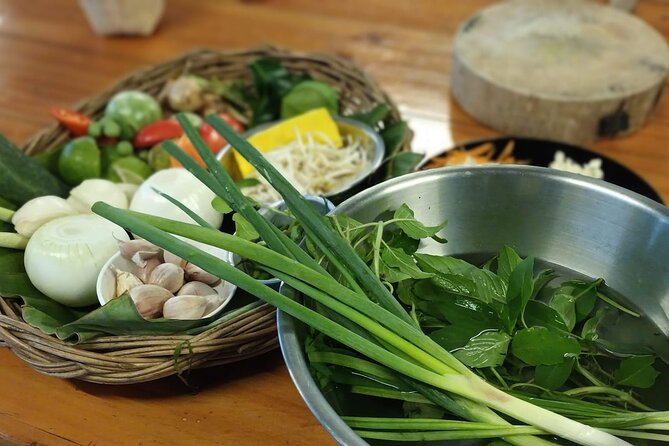
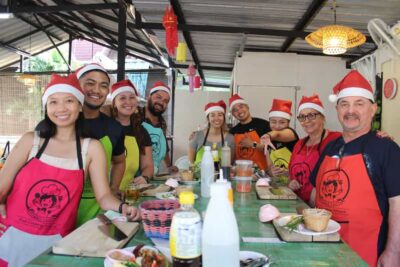
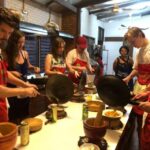
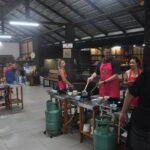
Once you’re set up, you start cooking in a traditional family-style kitchen. The class is group-based, but it doesn’t feel like a performance where you watch while someone else cooks. The setup is designed for hands-on work—one reason many guests highlight their own cooking station.
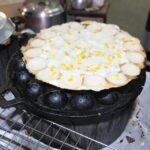
In past sessions, guests have reported making a set that often includes a mix like soup, stir-fry, curry, and dessert. The tour description also mentions choosing and preparing multiple Thai dishes across categories, with curry paste and sticky rice as built-in anchors. Practically, what you can expect is that you’ll cook enough that you can taste the difference between dishes, not just assemble one plate.
Your instructor guides technique while you cook. Names that have come up include Toey, Kat, and Mac, and the teaching style described is consistent: clear direction, patience across skill levels, and enough structure to keep multiple dishes on track. One guest specifically praised how the assistant team kept things moving between dishes, so you’re not stuck waiting while stations slowly reset.
You can also read our reviews of more tours and experiences in Chiang Mai


How the Dish Choice Works (And Why You’ll Like It)

A big reason people come back to this type of class is choice. Thai cooking has lots of directions—spicy, mild, herbal, sour-sweet, rich and creamy—and this experience gives you options instead of forcing you into whatever someone else picked.
You choose which dishes you’ll cook, and the structure still ensures you learn the signature techniques. That means you get personalization without losing the core learning goals. If you love curry, you’ll naturally lean toward that. If you prefer lighter dishes, you can choose accordingly.
This approach is a better value for picky eaters and for couples who want different plates from the same class. If one person is chasing spice and the other wants something calmer, you can usually build a meal that satisfies both.
What You Actually Eat (And Why It Tastes Better Than You Expect)
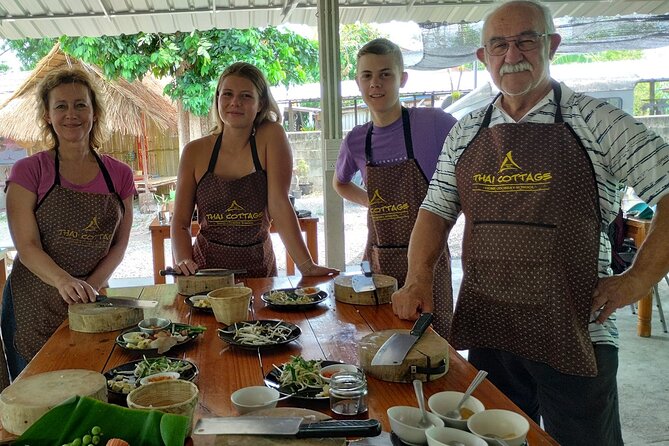
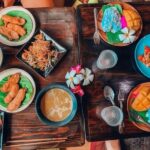
Food in cooking classes can be hit or miss. Here, most people focus on taste because the dishes you make are the point, not the appetizer. Since you cook with fresh ingredients and you learn key foundations like curry paste, the final plates land with real Thai character.
Past guests consistently describe the meal as excellent and fun, with instructors keeping dishes on track so everyone eats what they made while it’s still hot and properly finished. The garden kitchen and covered outdoor format also helps the whole class feel comfortable while you work.
Also, because the class ends with what you cooked, you’re not stuck with a take-home box while the rest of your tour day gets busy. You get a proper sit-down meal right after the cooking.
Price and Value: Why This Feels Like a Bargain
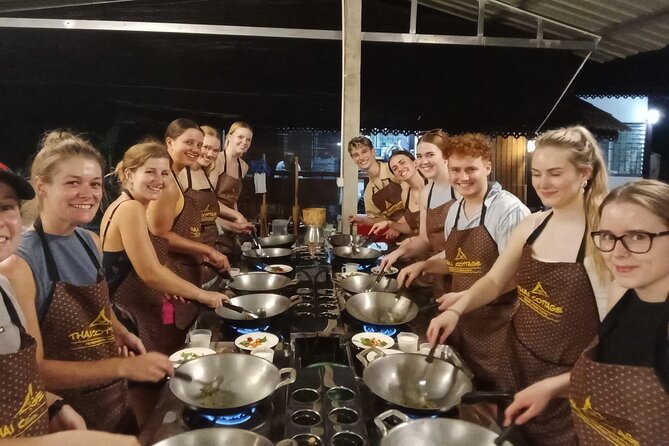
At $35.86 per person for about 4 hours, this is priced in a way that makes sense for Chiang Mai. You’re paying for three things at once:
- Market orientation (so you understand ingredients),
- garden-based ingredient education (so you connect herbs to cooking),
- hands-on cooking time (so you learn techniques you can repeat).
For many cooking classes in Asia, the typical value problem is that you get a demo plus a single dish. Here, you cook multiple dishes, and everyone makes curry paste and mango sticky rice as part of the curriculum. That’s a strong learning-to-cost ratio.
The other value factor is the small group limit of up to 8 travelers. Smaller groups usually mean less chaos, more help at your station, and less time waiting for an ingredient or tool.
If you love Thai food, this class has the advantage of teaching the building blocks that make Thai dishes taste like Thai dishes, not just like something spicy.
Practical Tips That Will Make Your Day Smoother
A few things to plan around so the experience feels easy:
- Plan for a short hotel pickup radius. Transfers are included only within 3 km of the city area. If your hotel is farther out, you’ll want to check what the provider can do.
- Wear shoes you don’t mind getting a bit used. You’ll be moving between market and garden kitchen spaces.
- Bring water with you. Drinking water is included, but it never hurts to stay ahead of thirst in Chiang Mai heat.
- Expect hands-on work. Your class includes cooking and eating, plus learning curry paste steps and sticky rice timing.
- Alcohol isn’t included. If you want beer or drinks, you can purchase them on site, but it’s not part of the base price.
- Good weather matters. The experience requires good weather, and if conditions are poor you’ll be offered another date or a full refund.
Who This Cooking Class Is Best For
This is a great fit if you want:
- a small-group cooking class (not a big bus tour vibe),
- hands-on learning of Thai curry paste and mango sticky rice,
- and a market + garden structure that helps you understand ingredients.
It’s also a strong choice for couples and small groups because dish selection gives you variety. One guest praised that different family members chose different dishes and each person worked at their own station, which is exactly what you want if you don’t all share the same spice tolerance or food preferences.
If you’re the kind of cook who insists on doing every step from start to finish with zero prep, you might feel slightly limited by parts of the process being handled before the class begins. But if your goal is learning techniques and tasting what you make, the trade-off is likely worth it.
Should You Book ThaiCottage in Chiang Mai?
Yes, I’d book it if your idea of a great day in Chiang Mai includes real food learning, not just watching. The biggest reasons are simple: you get to make curry paste, you cook multiple dishes with choice, and you end up eating a meal you prepared right then.
Skip it only if you’re specifically chasing a fully step-by-step from absolutely raw ingredients for every component with no pre-prep at all. Based on how the class is organized, you’ll still learn the essentials, but you may not control every single tiny step.
If you want Thai food skills you can actually repeat later, ThaiCottage is one of the most straightforward ways to get there.
FAQ
FAQ
How long is the ThaiCottage cooking class?
It runs for about 4 hours.
Does the class include hotel pickup and drop-off?
Yes, it includes round-trip hotel transfers, but only within 3 km from the city area.
What will I cook during the class?
You’ll choose dishes to cook, and everyone also learns to make curry paste from scratch and sticky rice with mango.
Is the instruction offered in English?
Yes. Ingredients, recipes, and instructions are in English.
Is alcohol included in the price?
No. Alcoholic drinks are available to purchase, but they are not included.
How large is the group?
The class has a maximum of 8 travelers.
What happens if the weather is poor?
The experience requires good weather. If it’s canceled due to poor weather, you’ll be offered a different date or a full refund.