REVIEW · CHIANG MAI
Chiang Mai Home Cooking Class with Garden Tour & Hotel Transfers
Book on Viator →Operated by Traveling Spoon · Bookable on Viator
Dinner begins with handpicked herbs. In Chiang Mai, this cooking class is built around garden-to-table ingredients and real Thai-Chinese technique, not just ordering dishes and hoping for the best. You’ll start by visiting Pea’s teak home and lush veggie garden, then cook four recipes with her guidance before eating at the family table.
I really like the hotel pickup and drop-off from central Chiang Mai hotels. It saves you from the “now where do we meet?” stress, and you can pick a lunch or dinner slot based on how your day is going.
One possible drawback: if you want every single ingredient prep done by you, not assistants, this may feel a bit less hands-on than you expect during the cooking flow.
In This Review
- Key things to know before you go
- Hotel pickup, lunch/dinner choice, and how the day actually runs
- Pea’s teak home and the garden tour that actually teaches
- Thai herbs, rice and coconut oil, and why technique matters
- Cooking four dishes: what you’ll likely make and how it connects
- Eating at the family table with local beer and a sweet finish
- Value and pricing: what you really pay for at $109 per person
- Guides, tools, and the little extras that make it stick
- Who this is best for (and who might want a different option)
- Quick practical tips before you book
- Should you book the Chiang Mai Home Cooking Class with Garden Tour?
- FAQ
- Do I get hotel pickup and drop-off?
- How long is the cooking class?
- Can I choose between lunch and dinner?
- Is this a private tour or a group class?
- What dishes will I cook?
- Will I be able to eat the meal I cook?
- Are there vegetarian, vegan, or gluten-free options?
- What should I do if I have allergies?
- Is a mobile ticket used?
- Are service animals allowed?
Key things to know before you go
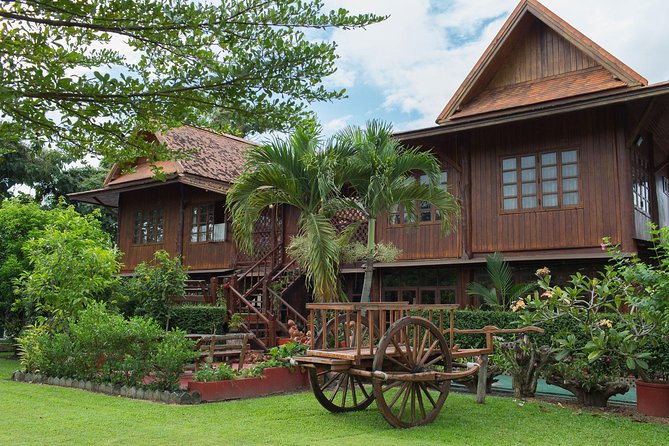
- Pea’s home setting: a traditional teak house plus a garden tour, so you see ingredients before you touch the knife.
- Private, one-to-one feel: it’s set up so only your group participates, and Pea’s guidance stays focused.
- Thai-Chinese dishes, not generic Thai: you’re cooking recipes that reflect Northern Thai-Chinese flavors like miang kham and noodle dishes.
- Four dishes from scratch: you learn technique, not just one “easy” recipe.
- Taste the results at the family table: local beer with your meal and a sweet finish like mango sticky rice or coconut ice cream.
- Practical take-home support: Pea may provide tools you can’t easily find elsewhere, like a grater for home cooking.
Hotel pickup, lunch/dinner choice, and how the day actually runs
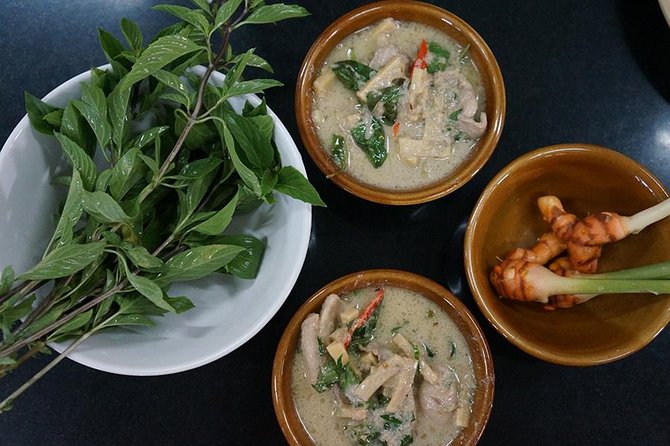
Chiang Mai cooking classes can range from chaotic market tours to strict, classroom-style schedules. This one is built for calmer travel days. You get hotel pickup and drop-off from centrally located hotels, and the schedule is short enough that it doesn’t chew up your whole afternoon.
You also get a real choice: pick a lunch or dinner session. That matters because Chiang Mai days often include temples, night markets, or an early morning trip somewhere else. If you’re more of a morning person, the lunch slot can keep dinner free. If you like the idea of night vibes plus a finished meal at home base, the dinner slot can fit neatly after sightseeing.
The overall duration is about 3 hours 30 minutes. That’s enough time to tour the garden, learn key herb basics, cook multiple dishes, and still sit down to eat without rushing. It’s also long enough that you’ll have enough repetition to remember what to do next time you cook at home.
If you’re worried about language, don’t be. The class format is guided, and the structure is designed around getting you to the finish line—four dishes plus a meal—so you’re not stuck feeling lost in a kitchen full of Thai words.
You can also read our reviews of more cooking classes in Chiang Mai
Pea’s teak home and the garden tour that actually teaches
The experience starts with a short drive to Pea’s traditional teak home, set in a garden environment. This is one of the best parts because it changes how you think about cooking Thai food.
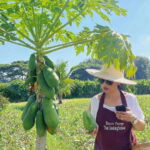
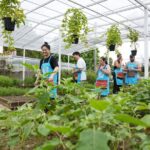
Instead of treating herbs as background flavor, you learn what they are and why they matter. You’ll walk through Pea’s garden and see fresh ingredients growing, including herbs and vegetables used in Northern Thai cooking. Then you connect that to what you’ll do later in the kitchen.
Here’s the practical value: once you’ve seen ingredients in place, you can better recreate flavor at home. Thai cooking is sensitive to things like fresh aromatics, oils, and balance. Seeing them growing first makes it easier to choose substitutes later if you’re shopping outside Thailand.
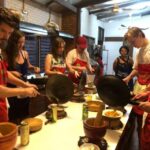
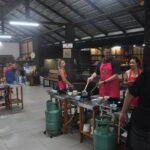
Also, the home setting keeps the class grounded. This isn’t a big commercial facility. You’re working in a real household kitchen environment, where the rhythms of cooking are tied to daily life—less show, more how-to.
One small note to keep your expectations aligned: the tour includes garden and herb learning, but the clock still has to reach cooking and eating. If you’re hoping for a long “wandering botanist” experience, you might want to mentally book it as a quick, useful primer—not a full garden study.
Thai herbs, rice and coconut oil, and why technique matters
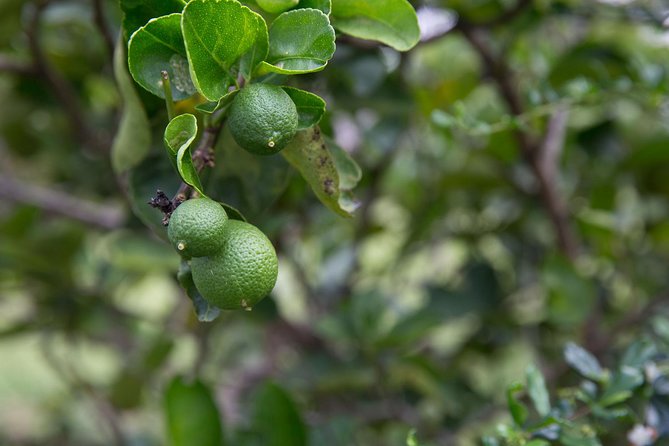
After the garden part, you move to the kitchen with the important foundation: how Thai herbs fit into flavor and how oil choices affect taste. The class uses organic ingredients and either rice or coconut oil, which is a key detail if you’re cooking later at home and trying to match the feel of the dishes.
This is also where Thai-Chinese Northern flavors start to make more sense. Dishes like miang kham are about balance: crunchy, sour, sweet, herb-driven freshness, and sauces that don’t taste like plain “Thai sauce” from a bottle. When you learn technique in context—why something is chopped, when something is mixed, and how ingredients are timed—you build confidence.
The class is also set up with the kind of instruction that helps you avoid common mistakes. Even experienced cooks can struggle with Thai timing: stir-fry vegetables too long, and you lose crunch; mix sweet and sour elements too early, and flavors shift. With Pea’s guidance, you get the “do this first, then this” rhythm.
From the feel of the experience, you’re not just watching. You’re learning enough that you can repeat the results later, and that’s the difference between a fun day and an actual skill you carry home.
Cooking four dishes: what you’ll likely make and how it connects
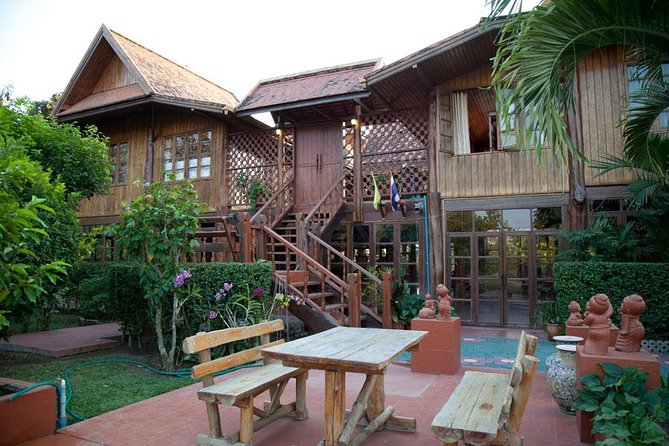
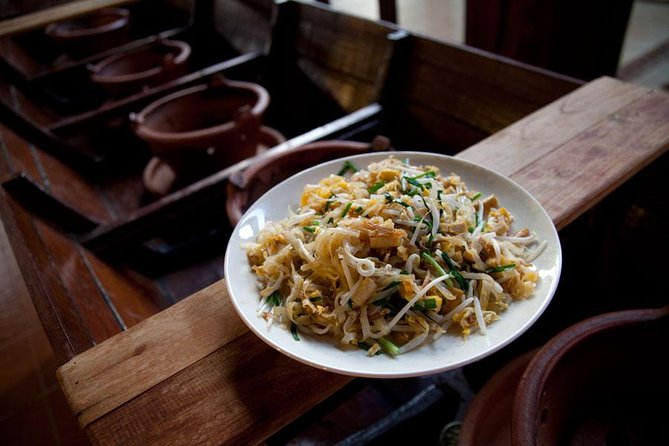
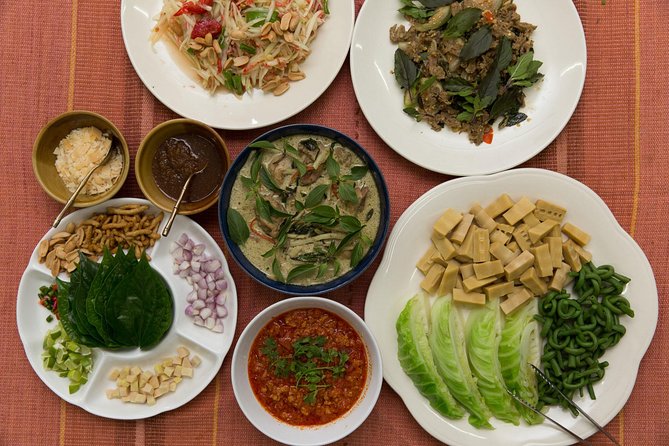
You’ll prepare four dishes from scratch during the class, guided step-by-step. The recipes are designed to show range—snacks, savory mains, and noodle-based comfort—so you learn more than one method.
Based on what’s taught in this format, expect dishes that often include:
- Miang kham, a betel leaf snack (a signature example of Northern Thai flavor balance)
- bold curries
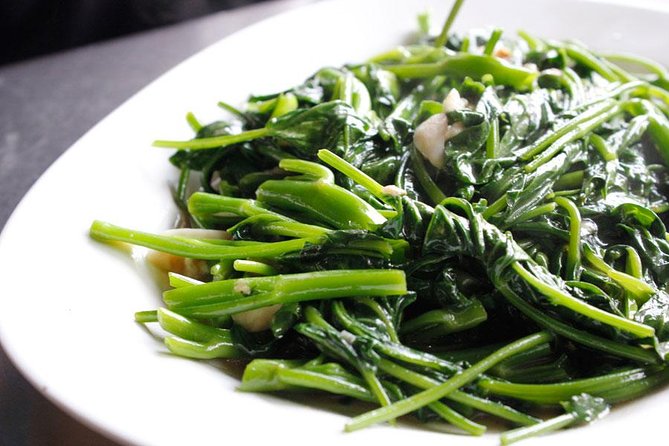
- stir-fried vegetables
- rice noodle dishes
The cooking flow matters here. These are not random picks. They teach you a set of skills that travel well to your home kitchen. For instance:
- Stir-frying teaches heat control and timing (vegetables keep color and texture).
- Curries teach how aroma and sauce elements come together.
- Noodle dishes teach how to keep sauce and noodles working together instead of turning heavy.
One of the most useful things is the level of attention. The experience is set up to feel private, and that’s not just marketing fluff. When someone can correct your chop size, your sauce mixing, or your cooking timing in real time, it saves you from learning the hard way later.
Now, about that hands-on expectation: there’s feedback that some ingredient prep may be done by attendants, and that some people prefer more preparation time themselves. If you’re the type who wants to touch every step—peeling, chopping, grinding, measuring—ask ahead about what the kitchen workflow looks like and how much you’ll do personally.
Eating at the family table with local beer and a sweet finish
Once cooking is done, you eat what you made at the family table. This part is more than just a reward. It’s where you learn the last puzzle piece: tasting and adjusting.
You’ll also have local beer with the meal. It’s a nice way to slow down after the work, and it fits well with the food style—sweet, sour, salty, and spicy elements designed for comfort and conversation.
And you’ll finish with a sweet treat. The class often wraps up with options like mango sticky rice or creamy coconut ice cream. That ending is smart because it gives you a feel for how coconut-based sweetness balances savory Thai dishes.
If you’re keeping track of flavors to recreate later, this meal is the moment to do it. Taste the curry, then notice how fresh herbs change the bite. Try the snack, then see how sweetness and acidity land together. You won’t remember every instruction from the kitchen, but your brain remembers flavor.
If you have dietary restrictions, this also matters for the meal portion. Vegetarian, pescatarian, vegan, and gluten-free options are available, and you’re asked to advise restrictions at booking. When the menu accommodates you properly, the class still feels like a full experience instead of a compromise plate.
You can also read our reviews of more tours and experiences in Chiang Mai


Value and pricing: what you really pay for at $109 per person
At $109 per person, this isn’t the cheapest cooking class in Chiang Mai. But it isn’t overpriced either—at least not based on what you’re getting.
You’re paying for three big value drivers:
1) Private group setup and focused instruction
When it’s only your group participating, you get more chance to ask questions and get corrected. That’s the difference between leaving with recipes and leaving with a repeatable method.
2) Hotel transfers
Pickup and drop-off from central hotels saves time and cost. It also reduces travel friction, especially if your day includes other activities. In a city where you can waste a lot of time navigating and figuring out transport, this is a real perk.
3) Ingredient-first learning
The garden tour and herb introduction make the cooking lesson make more sense. You’re not only learning what to cook—you’re learning where flavor comes from.
It also helps that the class uses organic ingredients and specific oil types (rice or coconut oil). Those aren’t tiny details if you care about matching results at home.
One more practical pricing note: group discounts are listed as a feature. If you’re traveling with friends or family and you can share the booking, you might get a better deal than going solo.
Booking-wise, it’s been an average of 42 days in advance, which suggests it’s a popular slot. If you’re traveling during busy periods, don’t wait until the last minute.
Guides, tools, and the little extras that make it stick
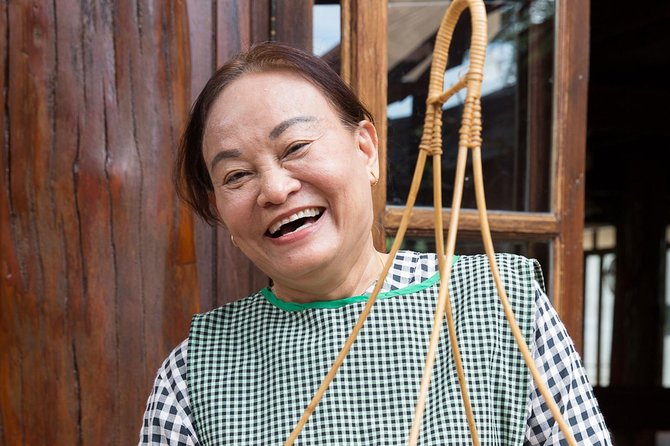
The experience includes real warmth from Pea and her family. Pea’s son, John, is involved with pickup and the drive in a comfortable mini van. That matters more than it sounds. A smooth handoff from hotel to home kitchen keeps your day relaxed.
There’s also a memorable tool-related detail: Pea may provide a grater that’s difficult to find in places like the UK, so you can recreate recipes at home. That’s exactly the kind of small practical gift that turns a class into an ongoing cooking reference.
That said, don’t expect a fancy souvenir store. The point is the food and technique. The extra tool is useful because it addresses the reality that some Thai ingredients or textures are easier when you have the right kitchen gear.
If you love cooking, you’ll likely find that these small details are what help you remember the class long after the meal.
Who this is best for (and who might want a different option)
This class is a strong fit if you:
- want a traditional home setting instead of a restaurant show
- like hands-on cooking but also want clear instruction
- are curious about Northern Thai and Thai-Chinese dishes
- want hotel transfers so you can keep your day simple
- need vegetarian, vegan, pescatarian, or gluten-free options
It’s also a good choice for couples and families. The structure is set up so it works whether you’re traveling as two or bringing children along, as long as the group can manage kitchen-style activities.
You might consider a different style of tour if:
- you need maximum “from scratch” time for every prep step
- you want a long, slow market or ingredient shopping experience (this is more garden-to-kitchen than market-to-kitchen)
Quick practical tips before you book
A few things to help you get the most out of the 3 hours 30 minutes:
- Decide in advance whether you want the lunch or dinner slot based on your sightseeing rhythm.
- If you have allergies or strict dietary needs, share them at booking so the class can adjust the menu.
- Wear shoes you don’t mind for a home garden walk.
- If you want more prep time, ask how the workflow is handled so expectations match reality.
- Come hungry and ready to taste. The meal part is part of the lesson.
And if you’re traveling in rainy season, have a flexible mindset. Home-based cooking tours can handle weather, but conditions can still affect timing and comfort. Pack accordingly.
Should you book the Chiang Mai Home Cooking Class with Garden Tour?
Book it if you want a Thai cooking lesson that feels like learning, not just eating. The biggest reasons to say yes are the garden-first ingredient view, the focused instruction, and the chance to cook four dishes and eat them at the family table with local beer.
Skip it (or at least ask questions) if your priority is doing every prep step yourself from minute one. Also double-check how your dietary requirements will be handled at booking, since the class does offer options but needs your input.
For most people, this is a solid value because you’re getting transfers, a real home setting, and repeatable technique—not just a one-time meal.
If you’re in Chiang Mai and you want your cooking to level up, this is the kind of day you’ll actually use afterward.
FAQ
Do I get hotel pickup and drop-off?
Yes. Pickup and drop-off are included from centrally-located Chiang Mai hotels.
How long is the cooking class?
It runs about 3 hours 30 minutes.
Can I choose between lunch and dinner?
Yes. You can choose a lunch or dinner slot depending on your schedule.
Is this a private tour or a group class?
It’s a private tour/activity, so only your group participates.
What dishes will I cook?
You prepare four dishes from scratch. The class description includes miang kham, bold curries, stir-fried veggies, and rice noodles, plus a sweet treat like mango sticky rice or coconut ice cream.
Will I be able to eat the meal I cook?
Yes. After cooking, you sit down at Pea’s dining table to enjoy what you made, with local beer.
Are there vegetarian, vegan, or gluten-free options?
Yes. Vegetarian, pescatarian, vegan, and gluten-free options are available. You should advise requirements at booking.
What should I do if I have allergies?
If anyone in your party has allergies or dietary restrictions, you should advise them at time of booking.
Is a mobile ticket used?
Yes. A mobile ticket is listed as part of the experience.
Are service animals allowed?
Yes. Service animals are allowed.