REVIEW · CHIANG MAI
Chiang Mai: Elephant Sanctuary & Thai Cooking Workshop
Book on GetYourGuide →Operated by PON ELEPHANT (THAILAND) CO., LTD. · Bookable on GetYourGuide
Feeding elephants and cooking Thai food in one day. This Chiang Mai outing pairs Pon Elephant Thailand elephant time with a real Thai cooking workshop, then lets the day unfold around the animals’ choices, including a possible river bath.
I love two parts the most. First, you don’t just watch elephants—you get a guided briefing and hands-on feeding in a way that’s meant to keep things calm and safe. Second, the cooking class is structured like a skill-building session, not a performance: you learn the five basic Thai flavors, cook dishes like Pad Thai or Khao Soi, and take home a recipe booklet.
One heads-up: this is a full day with travel, and some activities depend on the elephants’ comfort. If you’re hoping for every splash and shower moment, plan to stay flexible and bring proper swim-ready gear since you may get wet.
In This Review
- Key highlights to know before you go
- Why Pon Elephant feels like a calmer, more respectful day
- The part that can throw off your expectations
- Thai cooking workshop: five flavors and real techniques, not just chopping
- Herbal treats: a surprisingly useful elephant detail
- Organic garden + market timing: morning vs evening sessions
- The garden part is consistent
- Morning session includes a market visit
- Afternoon session skips the market
- The 9-hour flow in real life: how the day typically moves
- 1) Chiang Mai to Pon Elephant Thailand by air-conditioned van
- 2) Start with the sanctuary garden and Thai ingredient prep
- 3) Cook, eat, and learn dishes step-by-step
- 4) Briefing on elephant habitat and behavior
- 5) Feeding time and river bathing (elephants choose)
- 6) Return to Chiang Mai
- What $63 buys you: the value math that makes this worth it
- The one value trade-off
- Practical tips: what to pack and how to act around elephants
- Simple elephant etiquette that keeps things smooth
- About wet river time
- Who should book this Chiang Mai day (and who should skip it)
- Should you book this Chiang Mai elephant and cooking day?
- FAQ
- How long is the Chiang Mai Elephant Sanctuary & Thai Cooking Workshop?
- What’s the price per person?
- What’s included in the tour?
- Is pickup from my hotel included?
- Is there a market visit?
- Do I need to bring a change of clothes?
- What do we do with the elephants?
- Are there vegetarian and vegan options?
- Is there free cancellation?
Key highlights to know before you go
- Ethical elephant care first: you get habitat, behavior, and safety guidance before feeding
- Garden-to-cook ingredients: herbs picked from the sanctuary’s organic garden shape your dishes
- You choose what you cook: classics like Pad Thai, Tom Yum Goong, Green Curry, and Mango Sticky Rice are on the table
- Thai flavors taught clearly: sweet, sour, salty, bitter, and spicy become a practical cooking tool
- River time depends on the elephants: bathing can happen, but it’s not forced
Why Pon Elephant feels like a calmer, more respectful day
Chiang Mai has no shortage of elephant experiences, so I pay close attention to how interactions are handled. Here, the day is built around gentle contact: you feed elephants in the natural area, and you’re briefed on history, habits, and how to behave around them before you’re put close.
In the group, you’ll spend quality time observing different elephants—some younger, some older—and you get the sense that the sanctuary is focused on welfare, not entertainment. In multiple guide-led stories, the center’s work is described as giving former riding elephants a quieter life, and that tone matters because it changes the whole feel of the visit.
Also, you’re not left guessing. The guide explains what to do (and what not to do) around these animals, and that makes the experience smoother for you and safer for the elephants. When feeding is the main activity, you end up paying attention—watching how elephants approach, how handlers position things, and how quickly the “gentle giant” reality sets in.
You can also read our reviews of more cooking classes in Chiang Mai

The part that can throw off your expectations
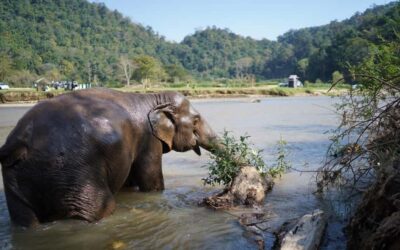
The river bathing is a highlight, but it’s also the most variable piece of the day. The elephants choose when they want to enter the water, so you should expect that activities can shift. Even then, it’s still a meaningful experience because you’re observing the animals in their own rhythm, not forcing a checklist.
Thai cooking workshop: five flavors and real techniques, not just chopping
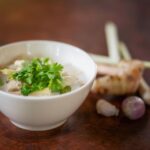
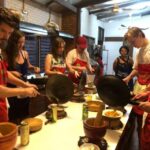
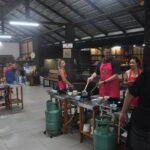
If you’ve ever taken a cooking class where you mostly watch someone else cook, this one is the opposite. You’re actively making dishes from scratch, guided by an English-speaking local chef/guide team, and the class is designed around understanding Thai taste.
You start by building Thai cooking basics from ingredients you’ll handle yourself. The guide talks through the five basic flavors—sweet, sour, salty, bitter, and spicy—so when you taste something later (like Tom Yum Goong or curry), you can connect the flavor to what you added.
Then you move into the classics. Depending on your session and preferences, you’ll choose what you want to cook from options that commonly include:
- Pad Thai
- Khao Soi
- Tom Yum Goong
- Green Curry
- Mango Sticky Rice
You’re not just told the names. You learn methods and timing in a way that helps you reproduce the dishes later at home. You’ll also get a recipe booklet so you’re not relying on memory when you’re back in your kitchen.
Herbal treats: a surprisingly useful elephant detail
One of the more distinctive add-ons here is learning about Asian elephants and how to prepare herbal treats for them. It connects the sanctuary portion to the cooking portion—same day, same theme: learning how to do things the right way with the right ingredients.
Organic garden + market timing: morning vs evening sessions
A lot of tours say they use fresh ingredients. This one actually builds ingredient collection into the day.
You can also read our reviews of more tours and experiences in Chiang Mai



The garden part is consistent
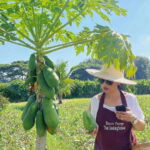
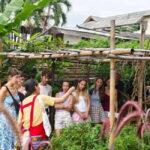
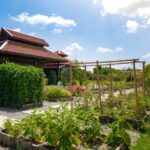
Both sessions include time in the organic vegetable garden area where you collect herbs daily. That matters because Thai cooking is about balance, and herbs are a big part of that balance. When you pick and prep what you’re going to cook, the flavors make more sense.
Morning session includes a market visit
If you book the morning departure (7:30–8:00 AM start, return around 5:00 PM), your day includes a market visit earlier in the timeline and then a lunch meal included.
Afternoon session skips the market
If you book the afternoon option (12:30–1:00 PM start, return around 9:00 PM), the market visit isn’t included because the timing shifts. An organic farm tour still happens, and dinner is included in this evening format.
So decide based on what you want more: a market intro (morning) or a later start with more time for dinner and an evening return (afternoon). Either way, you still get cooking, and you still get elephant time.
The 9-hour flow in real life: how the day typically moves
This is one of those trips where good time management is part of the value. Travel is built in, and the schedule is designed so you’re not stuck waiting around forever.
1) Chiang Mai to Pon Elephant Thailand by air-conditioned van
You leave Chiang Mai in an air-conditioned van. The drive is about 1 hour and 20 minutes. For me, that’s long enough that you’ll want water and sunscreen, but short enough that you won’t feel like you crossed half the country to get there.
2) Start with the sanctuary garden and Thai ingredient prep
At Pon Elephant, you begin under the guide’s direction by exploring the organic vegetable garden to collect herbs. Then you learn ingredient prep linked to Thai cooking basics—this is where the five flavors framework becomes practical, not theoretical.
3) Cook, eat, and learn dishes step-by-step
After the ingredient gathering, you cook. You’ll prepare dishes with traditional methods and fresh ingredients from the garden. The class has room for preferences, so you’re not stuck making only one “group choice” dish.
Food is a real part of the lesson. You’ll enjoy what you make, and you’ll get a recipe booklet to help you recreate it later.
4) Briefing on elephant habitat and behavior
Post-lunch (or post-dinner on the evening session), you shift into elephant mode with a briefing covering habitat, history, habits, and behavior—and specifically how to act around them.
This part isn’t fluff. It’s what helps you understand the feeding interactions you’re about to have, and it reduces the awkward moments where people don’t know what’s expected.
5) Feeding time and river bathing (elephants choose)
You walk in the natural environment with the elephants and have the opportunity to feed them foods such as napier grass, sugarcane, and bananas.
The tour can include taking elephants to the river, and there’s potential for swimming and bathing with their loving family. Just remember: they decide, not you. Some days you get more water time; other days you get close feeding and observation, which can still be unforgettable—especially if you’re paying attention.
6) Return to Chiang Mai
The tour wraps back in Chiang Mai at about 5:00 PM for the morning session, or around 9:00 PM for the afternoon session.
What $63 buys you: the value math that makes this worth it
At about $63 per person, you’re paying for a full-day mix of two high-cost experiences: (1) ethical elephant sanctuary time with guided interaction and (2) a hands-on Thai cooking workshop with ingredient inputs, lunch/dinner, and recipes.
Here’s where the value comes from:
- You’re not just observing elephants; you’re learning how to interact and you’re feeding multiple times in the day.
- Cooking is hands-on with guidance, ingredient prep, and dishes that match real Thai preferences (including both savory and sweet).
- You get tangible take-home help in the form of a recipe booklet.
- Meals are included (lunch for the morning session, dinner for the afternoon session), so you’re not paying extra for a full day of food.
Transport is also part of what you’re buying: the schedule uses an air-conditioned van, and reviews rate transport highly for comfort and cleanliness. If you choose the optional pickup, hotel transfers are only within Chiang Mai town, but that can still save you the “figure it out” stress.
The one value trade-off
This is not a lightweight half-day. It’s a 9-hour outing with a van ride and a lot of standing/walking time. If you’re hoping for something short and low-effort, you might find the pacing a lot.
Practical tips: what to pack and how to act around elephants
If you want the day to feel easy, pack for both cooking and wet elephant moments. The experience specifically calls out:
- Change of clothes
- Camera
- Sunscreen (including biodegradable sunscreen)
- Flip-flops
- Beachwear
- Cash
- Passport or ID card (copy accepted)
- Biodegradable insect repellent
It also notes that towel and a change of clothes aren’t included, even though you’ll want to plan to get wet. My advice: bring a small towel and a sealed bag for anything you don’t want to soak.
Simple elephant etiquette that keeps things smooth
You’ll get a briefing, but here’s what matters when you’re in the moment:
- Listen first, then move when the guide says it’s time.
- Feed only what you’re instructed to feed.
- Don’t rush closer. Calm pace beats curiosity every time.
- Expect the elephants to act like elephants. If they turn away, that’s information, not rejection.
About wet river time
Some people end up getting showered by elephants. That’s part of the experience if you’re standing close and they come over. If you don’t want that, stay where the guide positions you and follow their cues.
Who should book this Chiang Mai day (and who should skip it)
I’d strongly consider this tour if you want a single day that blends:
- Ethical elephant sanctuary time with real interaction
- A hands-on Thai cooking class where you learn flavors and techniques
- Fresh, garden-based ingredients you can actually trace from plant to plate
You may want to skip (or choose something else) if:
- You need a short, low-walking schedule
- You’re uncomfortable with the elephant-river variability
- You fall outside the stated suitability limits (it’s not suitable for children under 5, and it’s also not set up for people over 70)
It also fits well if you’re traveling with food curiosity. Many visitors love that the dishes aren’t limited to one “tourist version.” You learn the basics behind the flavor, so you can adjust later at home.
Should you book this Chiang Mai elephant and cooking day?
Yes, if you want an all-in-one experience that’s both practical and meaningful: feeding elephants with guidance in a welfare-focused setting, then cooking authentic Thai dishes you can repeat later.
Book it especially if you care about doing things the right way, not just checking a box. The small-group size (limited to 10) and the hands-on format make it feel personal without being chaotic.
Skip it if you want guaranteed river bathing, or if a full 9-hour day with travel will drain you. If you go in flexible, this is the kind of day you remember for months.
FAQ
How long is the Chiang Mai Elephant Sanctuary & Thai Cooking Workshop?
The experience runs about 9 hours.
What’s the price per person?
It’s priced at $63 per person.
What’s included in the tour?
You get an English-speaking guide, drinking water, lunch (morning session) or dinner (afternoon session), insurance, fruit for elephants, and all ingredients for the cooking class. Vegetarian and vegan options are available, and you also receive a recipe booklet.
Is pickup from my hotel included?
Hotel pickup and drop-off are optional, and they cover Chiang Mai town only.
Is there a market visit?
The morning session includes a market visit. The afternoon session does not include a market visit because it’s evening-based.
Do I need to bring a change of clothes?
Yes. The experience notes that towel and change of clothes aren’t included. You should plan to bring a change in case you get wet.
What do we do with the elephants?
You receive a briefing on elephant habitat, history, habits, and behavior, then you can feed elephants foods like napier grass, sugarcane, and bananas. The tour may also include river bathing, but the elephants choose.
Are there vegetarian and vegan options?
Yes, vegetarian and vegan options are available for the included meals and cooking class.
Is there free cancellation?
Yes, you can cancel up to 24 hours in advance for a full refund.