REVIEW · CHIANG MAI
Chiang Mai: Customize Your Own Chiang Mai City Tour
Book on GetYourGuide →Operated by TripGuru Thailand · Bookable on GetYourGuide
Chiang Mai rewards people who plan lightly and choose well. This private tour lets you pick the temple-and-market mix, then follow a sensible route with an air-conditioned car and a driver who knows how to move you around the city.
I especially like the custom itinerary piece, because you decide what matters most. I also like the temple menu—from classic sights like Wat Phra Singh to the silver Wat Srisuphan—so you can shape the day around your interests rather than forcing a fixed checklist.
One possible drawback: communication and guide-language matching can be inconsistent, so I’d be ready to confirm your must-sees and language preference clearly before you go.
In This Review
- Key Points Worth Noting
- Designing Your Own Chiang Mai Temple-and-Market Day
- The Car, the Pickup Zone, and How the Day Gets Started
- Temples in Your Order: What Each Stop Really Means
- Wat Phra That Doi Suthep
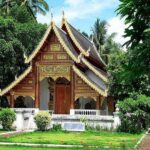
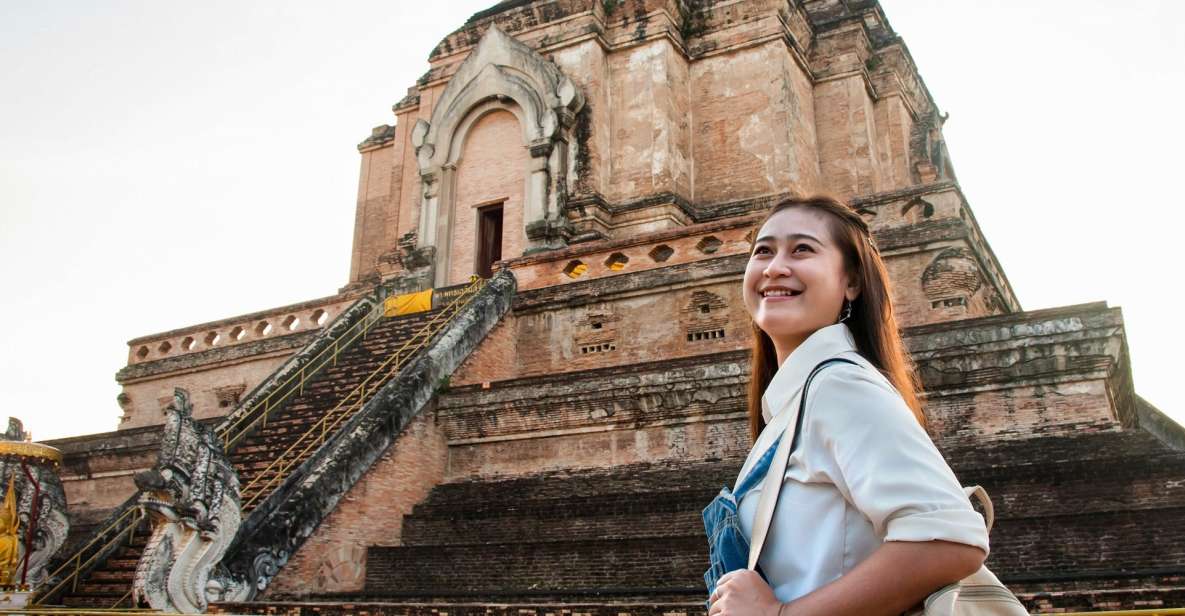
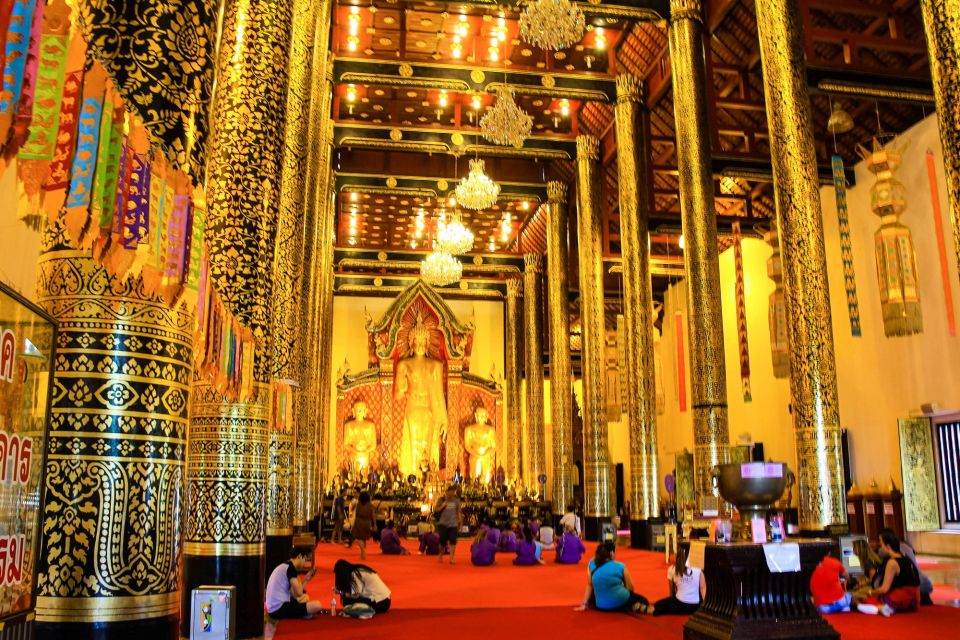
- Wat Phra Singh and Wat Chedi Luang (Temple of the Big Stupa)
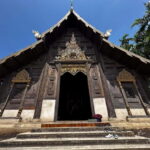
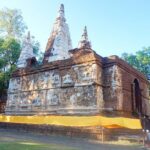
- Wat Chiang Man (Chiang Mai’s oldest temple)
- Wat Lok Moli and Wat Suan Dok
- Wat Umong (tunnel temple) and Wat Pha Lat (Hidden Temple)
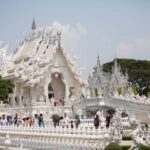
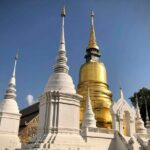
- Wat Sri Suphan (silver temple)
- Extra temple options: Wat Phan Tao, Wat Suan Dok, and more
- Dress Codes and Temple Etiquette You Should Plan For
- Markets and Shopping Streets: Warorot, Ton Lamyai, and Chang Moi
- Warorot Market (Kad Luang)
- Ton Lamyai Flower Market (fruit and flower market)
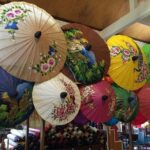
- Chang Moi Street (handicraft street)
- Old City Landmarks: Tha Pae Gate and the Monument Stops
- Tha Pae Gate
- Three Kings Monument and Kruba Srivichai Monument
- Price and Logistics: What You’re Really Paying For
- Low-Impact Tourism That Doesn’t Feel Like a Lecture
- Language Options and Real-World Guide Quality
- Who Should Book This Private Chiang Mai Tour?
- Should You Book This Chiang Mai City Tour?
- FAQ
- How many attractions can I choose for this tour?
- What’s included in the price?
- What’s not included?
- What languages are available?
- Where does pickup happen?
- What should I wear to visit the temples?
Key Points Worth Noting
- Private, driver-led route in a comfortable air-conditioned car
- Choose up to four attractions (you’ll list 3–4 for a full day, 2–3 for a half day)
- A temple-and-market plan that groups sacred sites and shopping streets
- Low-impact approach with glass-bottled drinking water and carbon offset credits
- Practical meeting flow: TripGuru sign, lobby pickup 10 minutes early, confirmation email the night before
Designing Your Own Chiang Mai Temple-and-Market Day
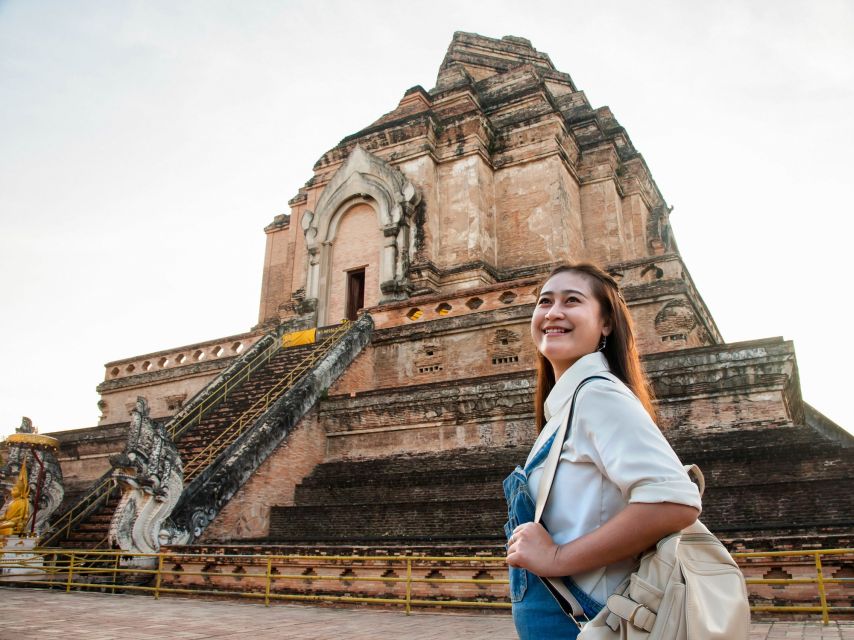
The core appeal here is simple: you’re not locked into one “see everything” day. At checkout, you list your preferred stops—3–4 for a full-day plan and 2–3 for a half-day plan—and the guide builds a route that considers geography so you’re not stuck zigzagging across town.
That matters in Chiang Mai. Temples aren’t just photo stops. Many are places where you’ll want a bit of time to look around and take it in at a respectful pace. If you cram too many into one day, you spend the best hours in traffic and hot car windows instead of inside the sites. By choosing only your top picks, you keep the day human-sized.
Here’s a smart way to choose. If you love sacred architecture, pick a pair of major temples plus one “oddball” temple. For the oddball option, you’ve got choices like Wat Umong (the tunnel temple) or Wat Pha Lat (the hidden temple). If you’d rather shop, build the day around Warorot Market and Chang Moi Street, then add one or two temples that are most meaningful to you.
If you’re unsure what to prioritize, you can fall back on classics that fit most first-timers: Wat Phra That Doi Suthep, Wat Phra Singh, or Wat Chedi Luang (Temple of the Big Stupa). These give you a strong sense of why Chiang Mai is famous for temple culture.
You can also read our reviews of more city tours in Chiang Mai

The Car, the Pickup Zone, and How the Day Gets Started
You’ll be doing this as a private tour, so you won’t share a bus with strangers. Instead, you ride in an air-conditioned vehicle with hotel pick-up and drop-off included. That A/C part is not a small detail in Northern Thailand—five hours outside can feel like ten if your schedule is too aggressive.
Pickup works within a defined radius around the Old City and nearby areas:
- around Tha Pae Gate and the walled-city zone
- the Night Bazaar area
- Ton Lam Yai Market area
- Warorot Market (Kad Luang) area
- nearby streets like Chang Klan Road, Thapae Road, and Wualai Road
You meet in your hotel lobby and you’re asked to be ready about 10 minutes before pickup time. Your guide holds a TripGuru sign, and the team confirms your pickup time and meeting point by email the evening before. That’s helpful, especially when the day depends on timing.
One practical note: they can’t pick you up from roadsides or shopping malls. If you’re staying outside the included zones, you may need to coordinate a different start point through the provider. In general, this kind of local logistics is easiest when you’re based near the Old City.
Temples in Your Order: What Each Stop Really Means
This is a “temple buffet,” but the best strategy is choosing the right mix: one or two big names, one older or historically important feel, and one temple that’s unique in a way you can remember.
Wat Phra That Doi Suthep
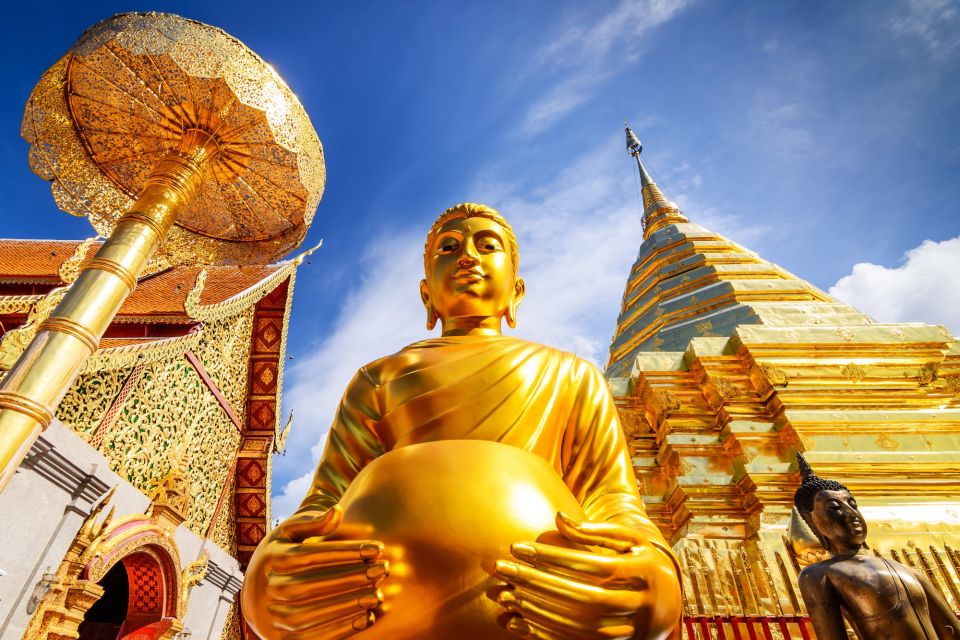
A sacred temple option that’s often a top pick when you want the classic Chiang Mai temple experience. It’s also a good anchor stop if you’re building a full day and want one major sight to structure the rest of your timing.
Wat Phra Singh and Wat Chedi Luang (Temple of the Big Stupa)
If you want recognizable big-ticket temple energy without too much guesswork, Wat Phra Singh and Wat Chedi Luang are two strong choices. They pair well with a market later because you’ll get the “why Chiang Mai matters” feeling first, then switch gears to food and shopping.




Wat Chiang Man (Chiang Mai’s oldest temple)
This is the standout choice if you like the sense of continuity—old temple first, everything else after. Wat Chiang Man being Chiang Mai’s oldest temple gives it a built-in significance for people who care about temple heritage.
Wat Lok Moli and Wat Suan Dok
These are good “add-on temples” when you want more time inside religious spaces without making your day too long. They’re ideal when you want variety in temple settings but you still want the day to stay organized.
Wat Umong (tunnel temple) and Wat Pha Lat (Hidden Temple)
If your group loves offbeat stops, these are your wild cards. Wat Umong’s tunnel idea and Wat Pha Lat’s hidden temple label are the kind of descriptors that make you remember the stop even if you don’t know all the backstory. They also break the rhythm from the more straightforward temple layout feel.
Wat Sri Suphan (silver temple)
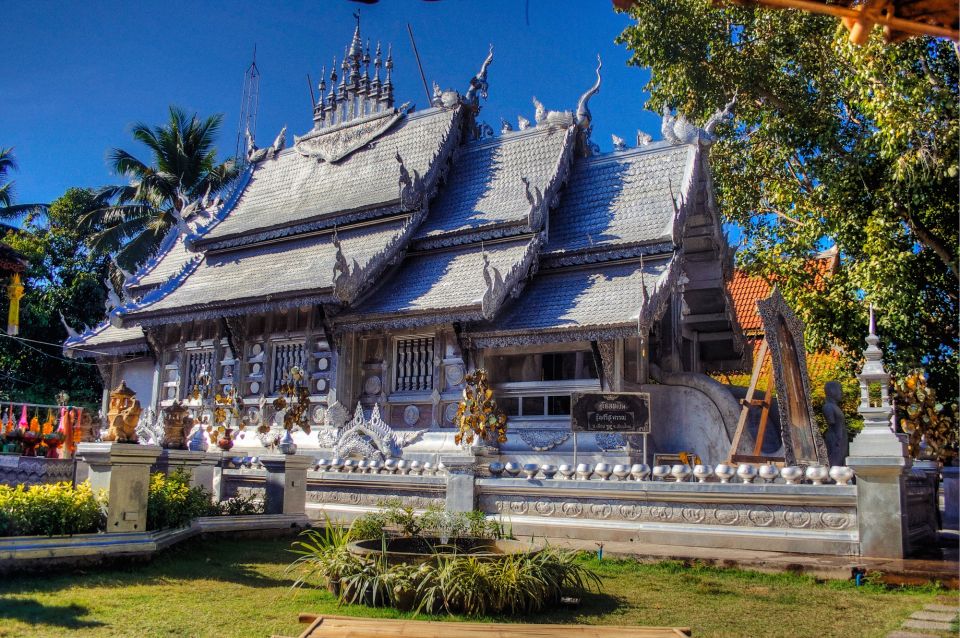
This one is all about visual identity. If you want your day to include a temple that looks different from the typical gold-and-gilded expectations, Wat Sri Suphan—the silver temple—gives you that change of pace.
Extra temple options: Wat Phan Tao, Wat Suan Dok, and more
Your full list also includes Wat Phan Tao, Wat Lok Moli, Wat Suan Dok, Wat Umong, plus monuments and gates that help you connect the temple cluster to the city itself. The flexibility here is the point: you can build a day that matches your curiosity, not a script.
Dress Codes and Temple Etiquette You Should Plan For
The tour includes visits to sacred sites, and some places have strict dress rules. You’ll want to plan outfits around covered shoulders and knees.
From the essentials:
- No shorts or short skirts
- avoid clothing that reveals shoulders, underarms, back, or knees
- bring a scarf or cover-up option if you’re worried about what you’re wearing
- comfortable shoes are non-negotiable—temples mean uneven ground and lots of walking
Also bring the basics for Chiang Mai heat:
- hat, sunglasses, sunscreen
- umbrella
- insect repellent
Bring cash too. The tour doesn’t include entrance fees or food, so having some money on hand saves time when you decide to enter a site or grab a snack.
Markets and Shopping Streets: Warorot, Ton Lamyai, and Chang Moi
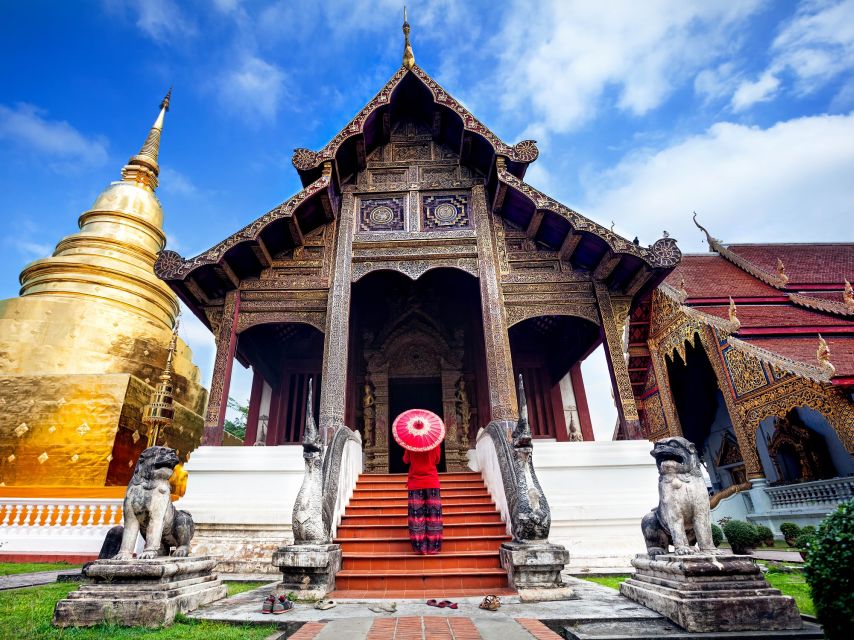
This is where Chiang Mai feels like a lived-in city instead of a museum.
Warorot Market (Kad Luang)
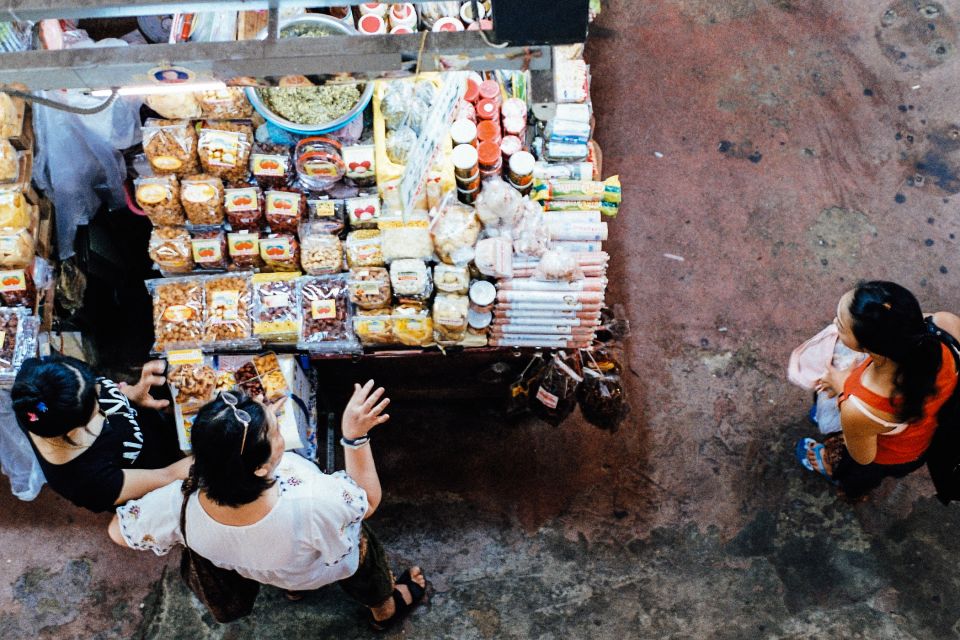
Warorot Market is described as the most famous market in Northern Thailand. Expect variety—clothes, local products, and food. If you like to understand a place through what locals buy and eat, this is one of the best stops on the list.
If you’re choosing only one market, I’d pick Warorot. It gives you the most “everything under one roof” feeling. It also pairs naturally after temple time: you’ve spent the morning in sacred quiet, and then you switch to street-level life.
Ton Lamyai Flower Market (fruit and flower market)
Ton Lam Yai is your sensory reset. It’s listed specifically as a fruit and flower market, so you can expect the sights and shopping vibe to be different from the food-and-clothing feel of Warorot.
If your focus is gifts and fragrant walking souvenirs, this is the stop to consider. If your focus is eating your way through the day, you’ll probably still want Warorot as your main food anchor.
Chang Moi Street (handicraft street)
Chang Moi Street is known for handicrafts. This is a great place to browse slowly after you’ve made it through temples and markets. It’s also where you can buy practical souvenirs—things you’ll actually use—because it’s not just a “tourist trinket” corridor by definition.
A good tip: shop with pacing. If you’re tired from the temples, you’ll overspend on stuff you don’t love. If you shop with energy, you’ll notice the pieces that truly match your taste.
Old City Landmarks: Tha Pae Gate and the Monument Stops
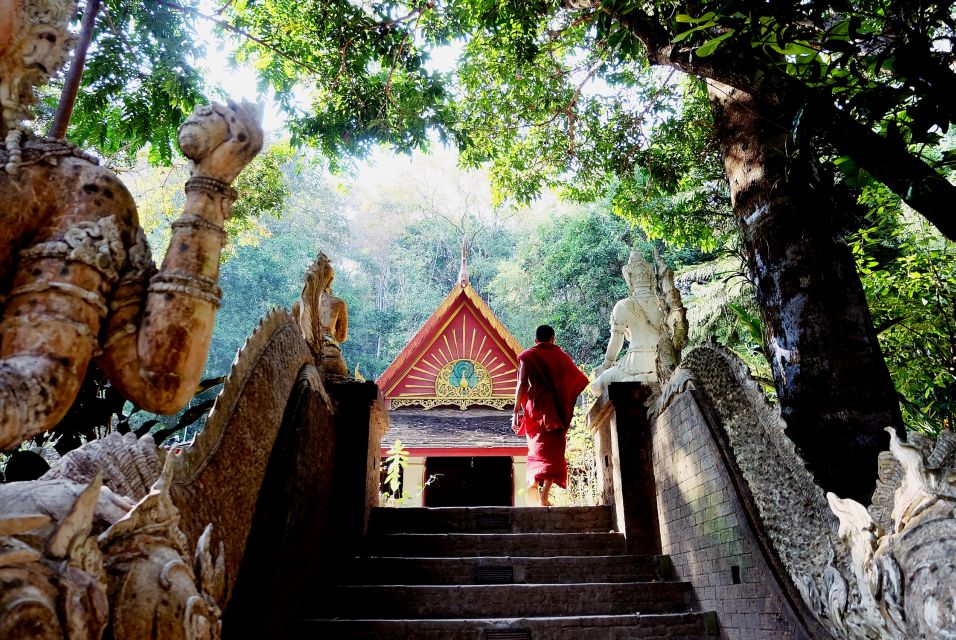
A full Chiang Mai city tour works best when you include at least one landmark that connects the stops into one story.
Tha Pae Gate
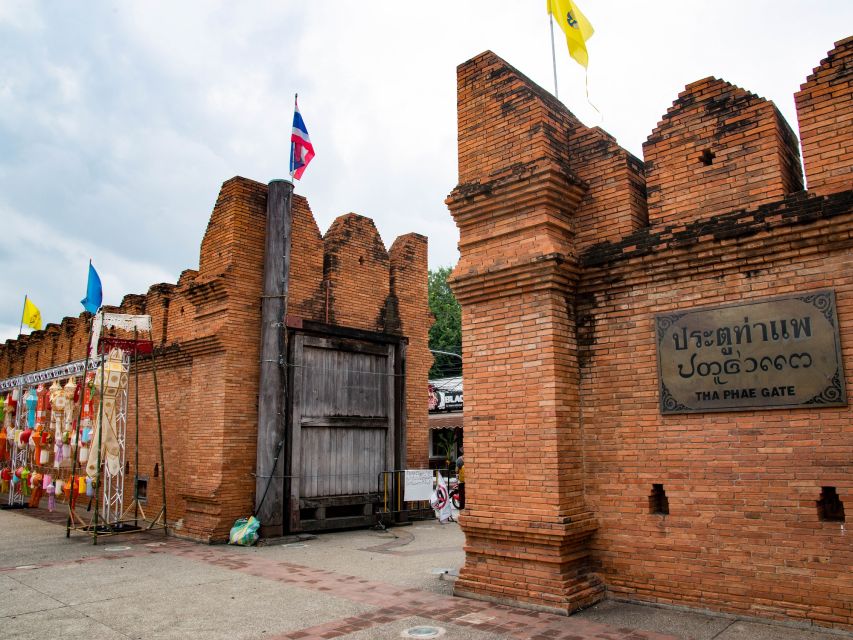
Tha Pae Gate is the eastern gate of the walled city. That gives you a physical anchor for the day and helps orient you as you move between the Old City area and the nearby markets.
Even if you don’t plan to spend long here, it’s useful as a mental checkpoint: you’re still in the historic core, not just moving from one stop to another.
Three Kings Monument and Kruba Srivichai Monument
These are listed as key monuments on the tour options. They’re best when you want a break from temple interiors and want something more straightforward to look at, remember, and photograph without needing a long explanation to appreciate it.
Price and Logistics: What You’re Really Paying For
The price is $94 per person for a 5–10 hour private tour. That can sound “mid-range,” but it’s worth reading what you get.
Included:
- hotel pick-up and drop-off
- air-conditioned vehicle
- English-speaking driver
- customized private tour within Chiang Mai City
- drinking water
- carbon emissions offset credits
- tour guide (optional)
Not included:
- entrance fees
- food and beverages
- personal expenses
For value, the big wins are the private transport, the hotel pickup, and the way the itinerary is designed around your chosen stops. If you were to DIY it—taxis, time lost on route planning, and figuring out the best order—you’d likely spend more than you expect, and you’d still miss the “do we have time for this?” guidance that helps you keep the day enjoyable.
Also, this tour is described as low-impact and GSTC-certified, including glass-bottled water and carbon offset credits. That doesn’t replace responsible behavior on your side, but it’s a meaningful layer of “how the tour runs” rather than a marketing afterthought.
Low-Impact Tourism That Doesn’t Feel Like a Lecture
A lot of sustainability claims are vague. Here, you’re told what’s happening: glass bottles for water and carbon emissions offset credits for every tour.
That’s the kind of detail I actually care about. It’s operational. It influences how you experience the day, and it gives you a clearer picture of what the provider is trying to do.
Also, since this is a customized route, you’re less likely to waste time bouncing around. Efficient routing usually means fewer unnecessary vehicle hours, which lines up with low-impact goals.
Language Options and Real-World Guide Quality
You can have a live tour guide on the tour (optional), and the guide languages listed are Chinese, English, and Spanish. The driver is English-speaking, too.
What made a strong difference in real guide performance is the ability to adapt. In past tours I’m aware of, guides like Charoen and Ratcha adjusted the plan based on interest, adding extra temple stops when it fit the day. Another guide, Nick, was praised for explaining customs and traditions clearly and for helping guests get great photos.
There was also at least one experience where Philip recognized themes quickly and adjusted the tour on the spot, which is exactly what you want from a private guide: flexibility, not rigid follow-the-sheet tourism.
One caution from the real-world mix: communication from the provider side doesn’t always go smoothly. One booking issue involved a guide cancellation close to departure and a mismatch between requested language and what was available, requiring discussion before the tour got moving. Another very negative report included a case of no guide arriving. I’m not saying this to scare you. I’m saying it so you’re prepared.
My practical advice:
- list your top priorities clearly at checkout (3–4 for full day)
- confirm your chosen language preference when the confirmation email arrives
- keep expectations flexible if a site or language match changes on the day
Who Should Book This Private Chiang Mai Tour?
This one is a good fit if you want:
- a private plan in an A/C vehicle
- a temple + market day with flexibility
- a route built around where you actually want to spend time
- low-impact touches like glass-bottled water and carbon offset credits
It’s not a great fit if you’re:
- pregnant
- have mobility impairments
- have heart problems
- have respiratory issues
If you’re in good health and you enjoy walking through sacred spaces and lively markets, this is the kind of tour that can feel like a day with a smart local friend rather than a rushed checklist.
Should You Book This Chiang Mai City Tour?
If your ideal Chiang Mai day is part temple culture and part local shopping, I think this is worth booking—especially because you control the mix. The private car, hotel pickup, and ability to choose up to four attractions make it practical, not just scenic.
Book it if:
- you want to avoid a crowded group schedule
- you care about choosing the right temples and markets for your interests
- you’d rather optimize your time than chase random stops
Hold off or plan carefully if:
- language matching is a must
- your schedule is strict and you can’t handle last-minute adjustments
- you have health or mobility needs that could be affected by walking and temple entry rules
If you do book, do the small things that make it smoother: dress appropriately, bring cash for entrance fees and food, and make your top 2–4 priorities crystal clear. That’s how you turn a “city tour” into a day that actually fits you.
FAQ
How many attractions can I choose for this tour?
For a full-day tour, you list 3–4 preferred attractions. For a half-day tour, you list 2–3 preferred attractions.
What’s included in the price?
The tour includes hotel pick-up and drop-off, an air-conditioned vehicle, an English-speaking driver, drinking water, customized private touring within Chiang Mai City, and carbon emissions offset credits. A tour guide is optional.
What’s not included?
Entrance fees, food and beverages, and personal expenses are not included.
What languages are available?
The live tour guide language options are Chinese, English, and Spanish. The driver is English-speaking.
Where does pickup happen?
Pickup is included from hotels/registered accommodations in major downtown Chiang Mai areas within a 5 km radius of Tha Pae Gate, including zones around the Old City Wall, such as Chang Klan Road, Thapae Road, Wualai Road, and nearby areas including Ton Lam Yai Market and Warorot Market.
What should I wear to visit the temples?
You’ll need clothes that meet strict dress codes at some sites. Shorts and short skirts are not allowed, and clothing that reveals shoulders, underarms, back, and knees may not be permitted. Bringing a scarf or cover-up can help.