REVIEW · CHIANG MAI
From Chiang Mai: Elephant Care Program and Nursery Tour
Book on GetYourGuide →Operated by Elephant Retirement Park Chiang Mai · Bookable on GetYourGuide
Elephants choose the day’s pace, not you. This Chiang Mai elephant care program is interesting because you get hands-on feeding and then join the elephants in the mud spa, with specialists explaining what you’re seeing. I especially like the close, practical way you help prepare healthy treats and the playful, hands-on time with baby elephants. One drawback to plan for: you really do need a change of clothes, because you will get muddy and wet during the spa and bath part.
I also like that the guide’s job is to explain elephant behavior and care, not just run a script. In English, you might be guided by people like Francesco, Tin, Disney, Tim, or Aom, and you’ll get plenty of chances to ask questions while you’re with the elephants.
For value, the price sits around $53 for a 5–6 hour day with hotel pickup, transportation, feeding food, and a vegetarian Thai buffet lunch. I think it’s a fair deal if you pack properly and want an intimate, hands-on sanctuary style outing.
In This Review
- Quick hits before you go
- Where this elephant care program takes place
- Morning pickup and the smooth start from Chiang Mai
- Changing into local clothes and preparing elephant food
- Feeding time: seeing how elephants respond
- The mud pool and sand spa: the best part and the wet part
- Bathing, washing up, and getting comfortable again
- Thai buffet lunch: vegetarian-friendly and actually satisfying
- Baby elephant time and photos you can plan for
- Guides, elephant specialists, and what you learn
- Price and value: what you get for around $53
- Is this ethical elephant tourism, or a show?
- Who should book the Elephant Care Program
- Should you book this Chiang Mai elephant care tour?
- FAQ
- How long is the Elephant Care Program and Nursery Tour?
- Do you get hotel pickup and drop-off in Chiang Mai?
- What’s included in the tour besides elephant activities?
- Is the lunch vegetarian-friendly?
- Will I be able to feed the elephants?
- Do I need swimwear for the mud pool and bath?
- Are the elephants forced to participate?
- Can I cancel for a full refund, and can I pay later?
Quick hits before you go
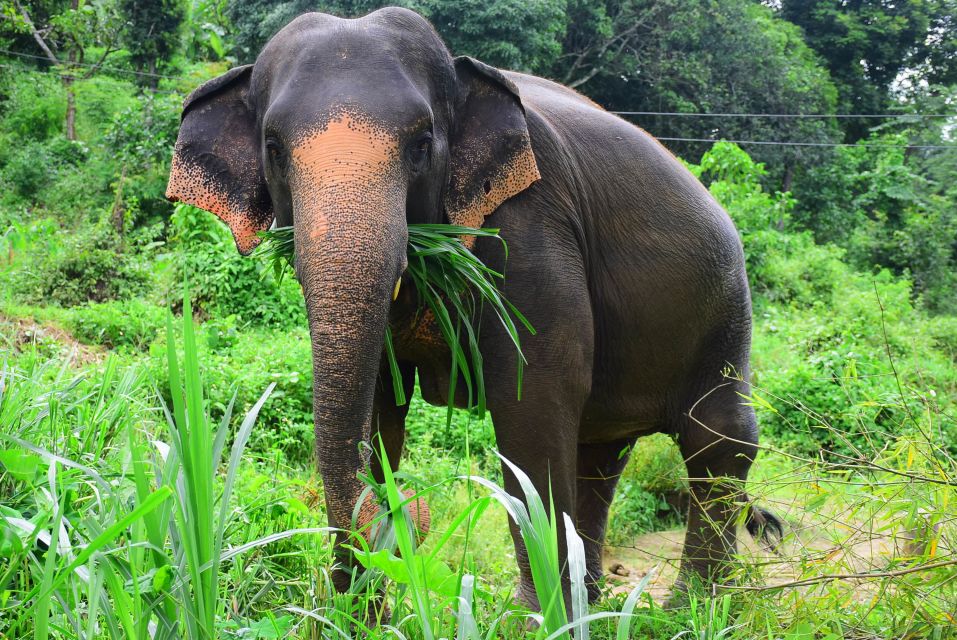
- Hands-on feeding with healthy treats you help prepare
- Mud spa and bathing time where the elephants set the rules
- Baby elephant interaction and photo opportunities
- Behavior coaching from an English-speaking guide and caretakers
- Vegetarian Thai buffet lunch plus water, coffee, and tea
- Bring a change of clothes or you may miss some of the wet fun
Where this elephant care program takes place
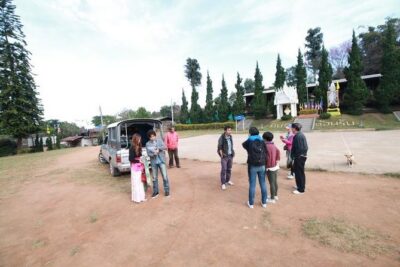
This trip runs out of Chiang Mai Province, with a drive to the Mae Tang area in the countryside of Mae Tang district. The ride is about an hour each way, and it matters because you’re trading city time for a more rural setting where the elephants can do what they do naturally.
Once you arrive, you’ll shift from “tour mode” to “care mode.” You change into local clothing, meet the staff, and get instructions for how to interact safely and respectfully. That transition is part of why this program feels more grounded than the typical fast attraction.
You can also read our reviews of more tours and experiences in Chiang Mai.


Morning pickup and the smooth start from Chiang Mai
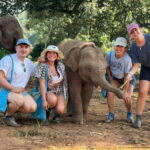
Your day begins with hotel pickup from Chiang Mai city center, within about 5 kilometers of the Old Town area. You’ll then head out for the roughly 1-hour drive toward the sanctuary grounds.
In practical terms, that convenience is a big deal. It saves you from figuring out transport on your own, and it keeps the day from turning into a half-day of commuting. The program is designed to fit into a morning schedule and still give you real time with the elephants, not just a photo stop.
Changing into local clothes and preparing elephant food
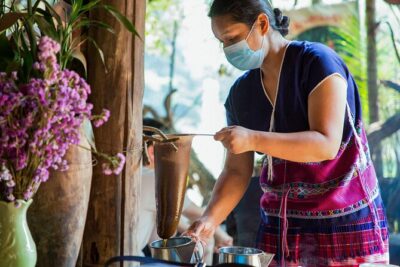
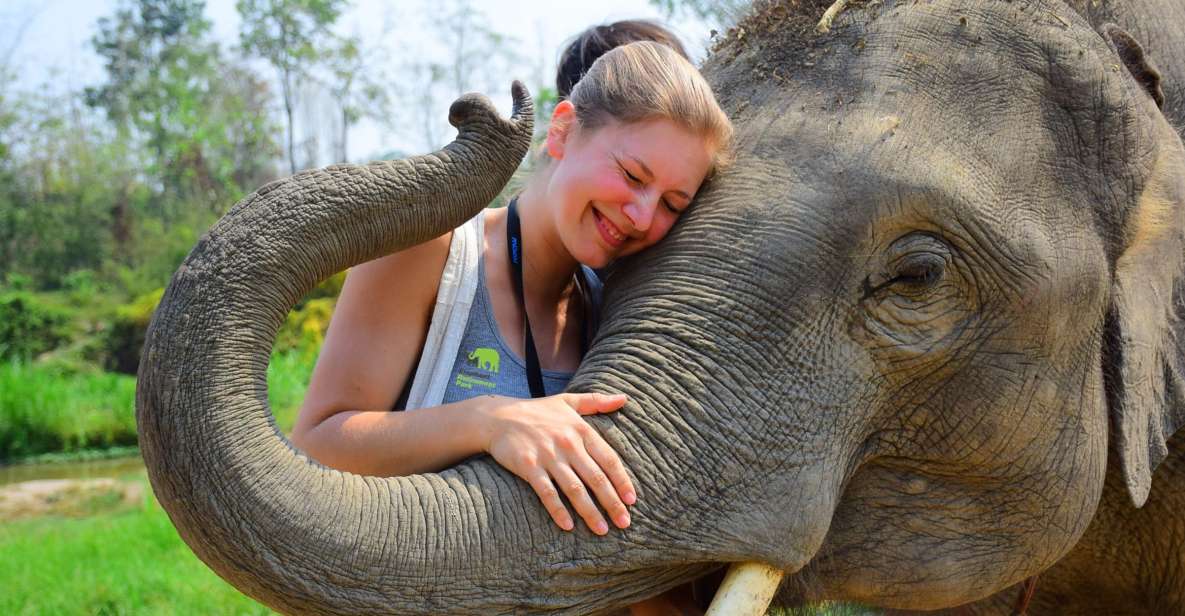
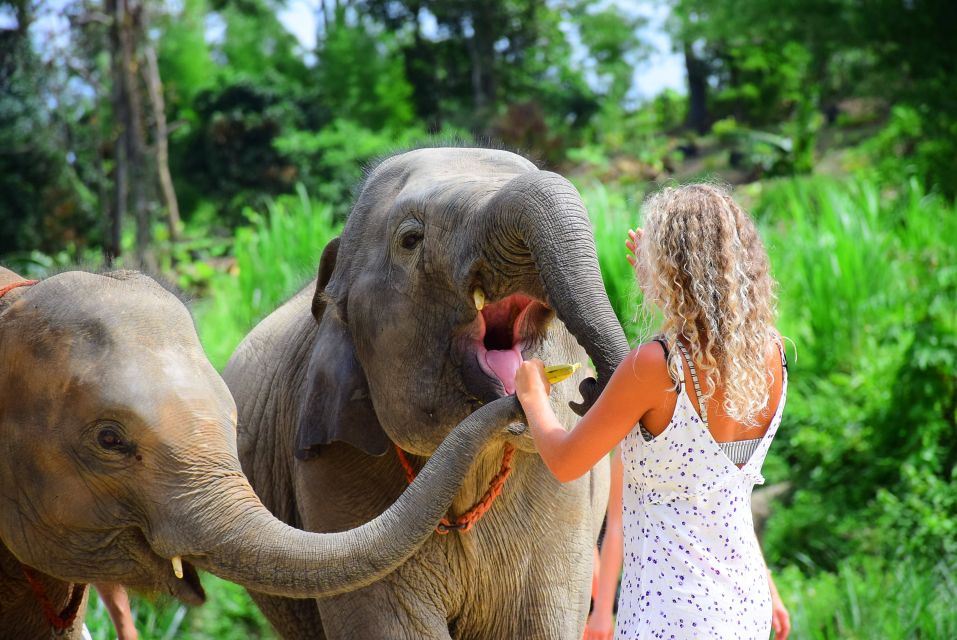
After the countryside drive, you’ll change into local clothing and get ready for the elephant activities. Then comes the core of the experience: you help prepare food and healthy treats, and you’ll feed the elephants afterward.
What I like about this part is that it turns you from a passive observer into an active participant. You’re not just watching from a distance. You’re learning how the caretakers think about care, routine, and what’s appropriate for elephants.
Based on what people describe from their days there, the “food prep” can include things like healthy treats and medicine-like components (often described as medicine balls or vitamin-style preparations). Even if the exact mix of treats varies day to day, the overall point is consistent: you’re making care-based food, not doing tricks for entertainment.
Feeding time: seeing how elephants respond
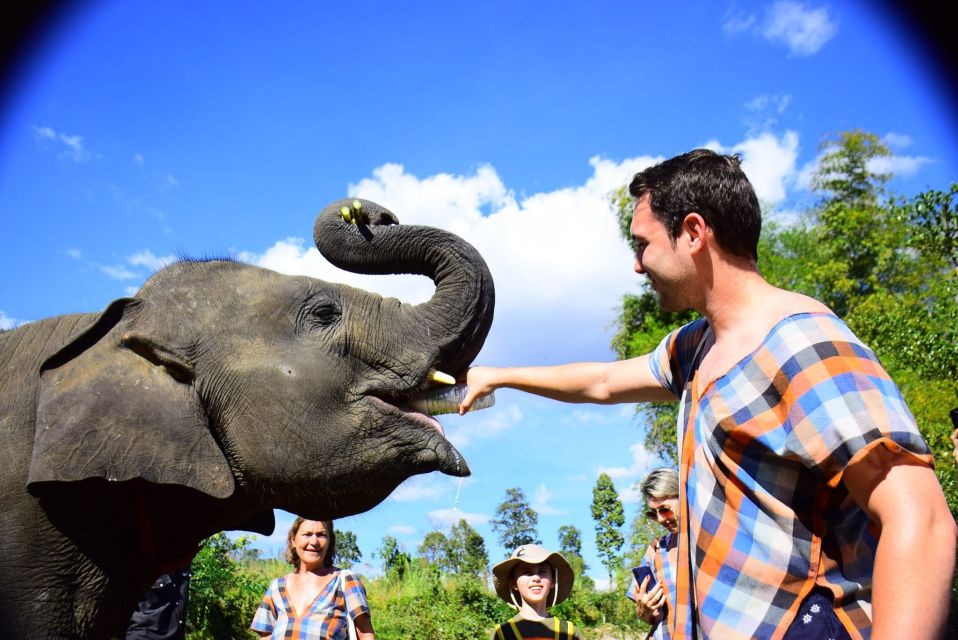
Once you start feeding, you’ll see the elephants up close in a way that feels natural and calm. The program includes learning from specialists about rescued elephants’ behavior, and that guidance makes the whole experience click.
Here’s what this changes for you: elephant behavior stops being random. You start noticing patterns like how they approach, how they pause, and how they respond to the pace of the caretakers and the group. It’s a small thing, but it makes the encounter feel more respectful and more meaningful.
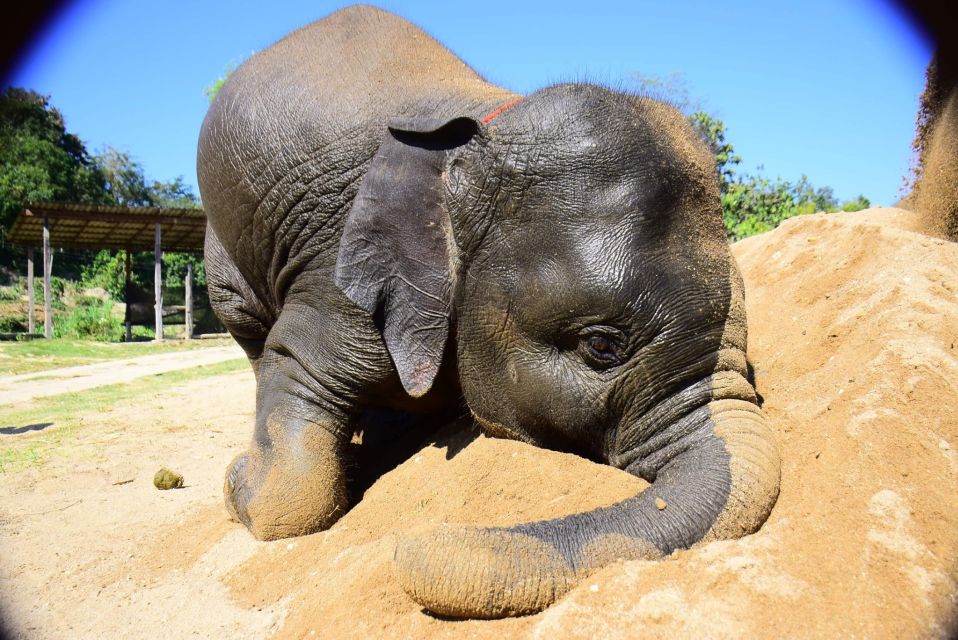
You’ll also get time with more than one elephant, and many people highlight that they meet elephants of different ages, including baby elephants. That age mix matters because it changes the energy of the day. Older elephants tend to feel steady and grounded; babies tend to be curious and playful.
The mud pool and sand spa: the best part and the wet part
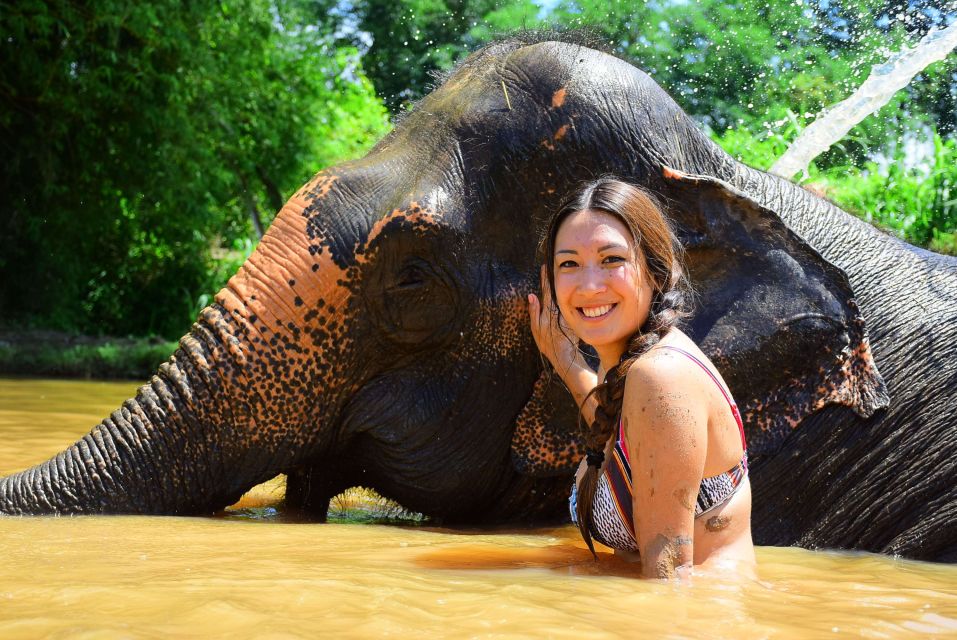
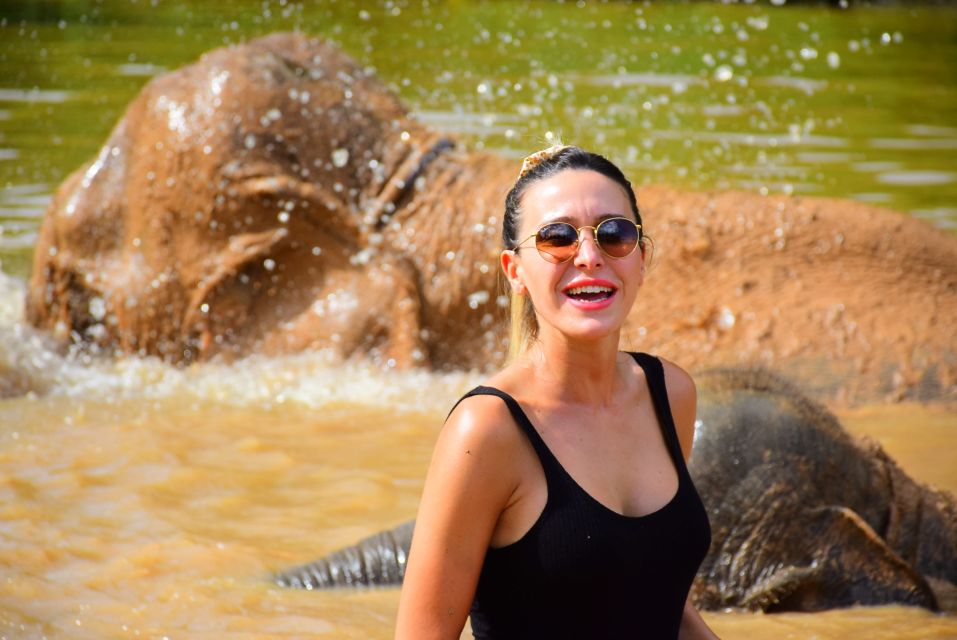
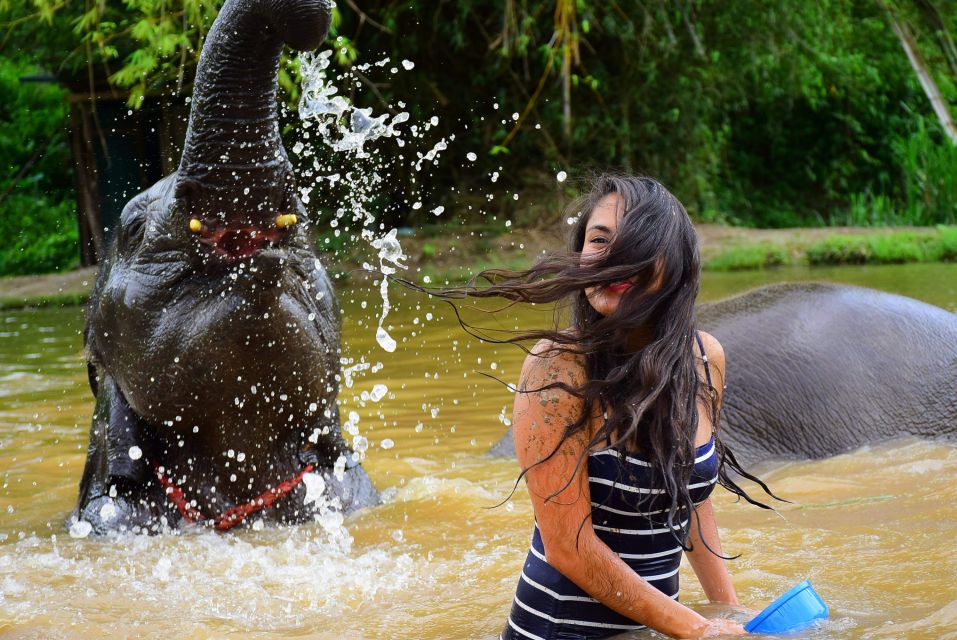
Then you walk to the mud pool and sand spa area. This is the part most people remember: watching elephants play in mud and bathe, while you’re right there with them as the experience unfolds.
Two reasons this stands out in a good way for me:
1) You’re observing behavior while it’s happening, not just arriving for a scheduled moment.
2) The elephants are not forced to do activities they don’t want to do. In other words, the program is built around their comfort and choices.
The fun comes with mess. You’ll likely get splashed and muddy during the spa portion, and people do say the experience can be less enjoyable if you didn’t pack correctly. One common practical note: bring swimwear and a change of clothes, because that’s how you keep your day moving and don’t end up watching instead of joining in.
If you’re the type who hates getting wet, this may test you. But if you’re okay with it, it’s also the most direct way to see elephant behavior in their element.
Bathing, washing up, and getting comfortable again
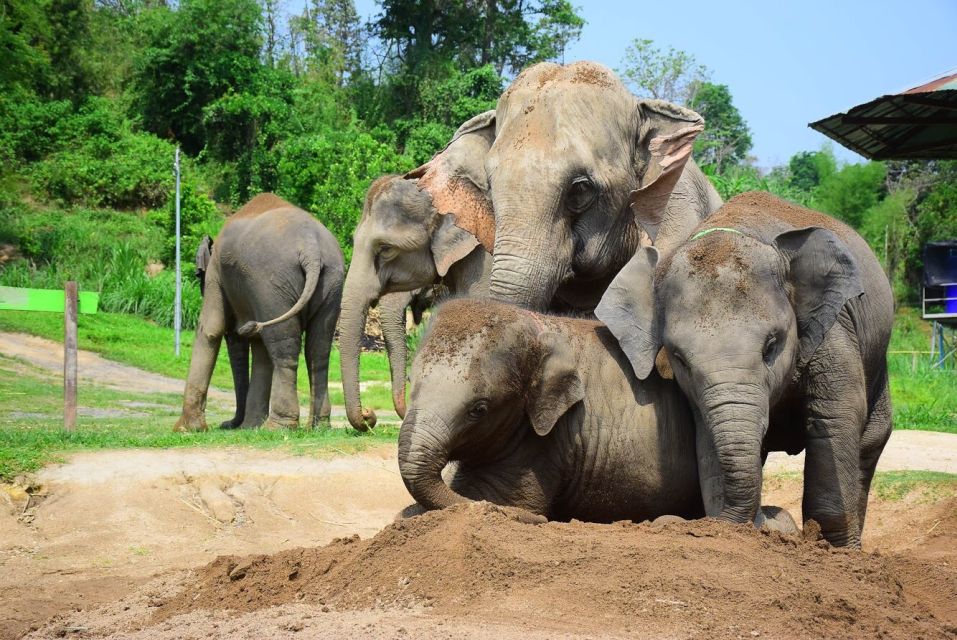
After the mud and bath time, you’ll change clothes again, shower, and then reset for lunch. Soap and a shower setup are part of the experience, and you’ll generally want flip-flops so you’re not slogging around in wet shoes.
This step is worth taking seriously because it affects your comfort for the rest of the day. I recommend packing a small dry bag. Keep your phone and any valuables protected, and you’ll enjoy the wet part without worrying.
Thai buffet lunch: vegetarian-friendly and actually satisfying
Once you’ve cleaned up, it’s time for a traditional Thai buffet lunch. The lunch is vegetarian-friendly, which is helpful because elephant sanctuary days can be hard to plan around if you’re picky or traveling with dietary needs.
People describe the food as tasty and well-prepared, often including options like pad Thai and fried rice with vegetables. It’s not a fancy restaurant lunch. It’s the kind of meal you’ll be happy you can count on after a hands-on morning.
You’ll also have complimentary water, plus coffee and tea during the experience. Hydration matters here. Mud spa days can sneak up on you with heat, walking, and splashing.
Baby elephant time and photos you can plan for
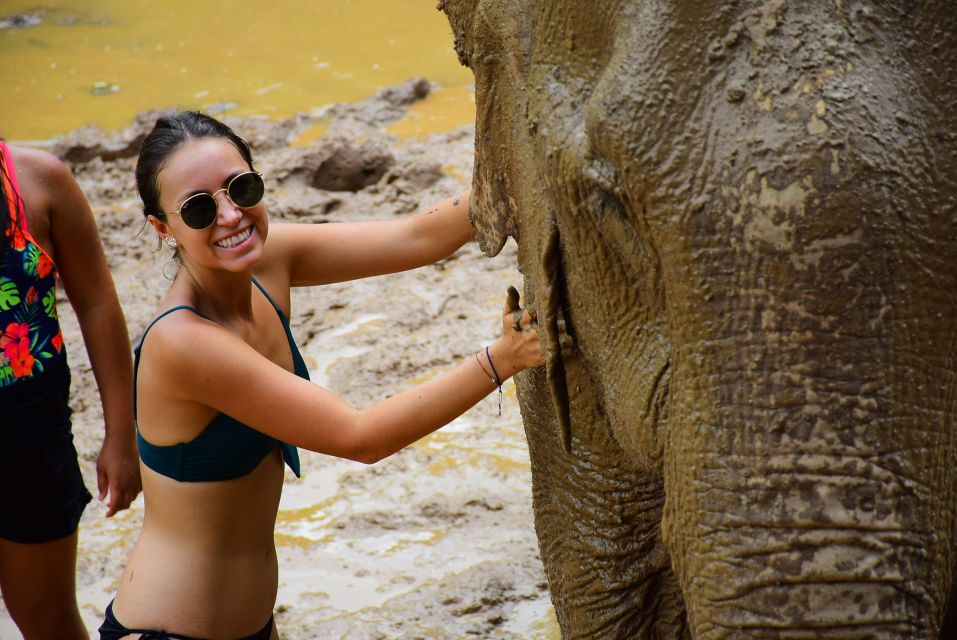
Baby elephants are part of the program, and many people call this the emotional highlight. The babies tend to be curious and playful, which makes the interactions feel lighter even while the day stays focused on care and safety.
Photography is also a built-in feature. You’ll have chances to take photos yourself during the activities, and there’s an on-site photographer who captures images from their perspective. Then you can purchase photo sets separately. Based on different experiences, people mention options like around 500–800 baht for edited photo packs (with the number of photos varying by package).
If you care about having a full photo record but don’t want to think about your camera settings all day, this is useful. Just don’t assume photos are included in the tour price.
Guides, elephant specialists, and what you learn
A lot of the value here comes from the people running the day. Multiple guides get named in people’s accounts, including Francesco, Tin, Disney, Tim, and Aom, plus other staff members like K’Neung and K’Ann.
What these guides tend to add is context:
- what rescued elephants have been through (at least at a high level),
- how elephant behavior can signal comfort or stress,
- and why the program interaction rules matter.
That behavior coaching makes a difference. You leave with a clearer picture of how to be calm, how to give space, and how to interpret what you’re seeing without turning it into a circus.
Price and value: what you get for around $53
At about $53 per person, you’re paying for a half-day structure that includes:
- hotel pickup and drop-off from Chiang Mai city center (within the stated zone),
- a live English guide,
- transportation to Mae Tang area,
- food for elephant feeding,
- water plus coffee and tea,
- and a vegetarian Thai buffet lunch.
Here’s the value logic: most “elephant experiences” charge for the animal encounter, but this one also includes care-oriented activities, a wet mud-and-bath segment, and a guide-driven education component. You’re not just buying a selfie moment.
Is it worth it for everyone? It is only if you’ll actually participate in the hands-on parts. If you show up unprepared and can’t do the mud spa and bath comfortably, the day shrinks quickly. Pack well, and it feels like a complete experience rather than a quick stop.
Is this ethical elephant tourism, or a show?
This program is presented as ethical elephant tourism with greater welfare, and the key practical detail you can hold onto is this: the elephants are not forced into activities they don’t want.
That doesn’t mean the day is silent and perfectly staged. It means the schedule is flexible around the animals’ comfort, and you interact within that boundary. You also see feeding, mud play, and washing as care routines rather than performance tricks.
A good rule of thumb for your own judgment: if you notice staff behavior that looks patient, calm, and safety-first, that’s a positive sign. Here, people repeatedly describe the elephants as loved and cared for, and they highlight safety and non-forcing behavior.
Who should book the Elephant Care Program
This is a strong fit for you if:
- you want an up-close, hands-on sanctuary-style experience (feeding, mud play, washing),
- you like learning elephant behavior in real time,
- you’re okay with getting wet and muddy,
- and you can pack the essentials like swimwear and a change of clothes.
It’s a less perfect fit if you hate mess, dislike water activities, or want a purely observational experience. You can still watch, but much of the day’s joy comes from joining in.
Families often like the baby-elephant element, and many solo travelers enjoy the guide interaction and photo help. If you’re traveling with friends, it can also feel like a shared story day, not just a checklist stop.
Should you book this Chiang Mai elephant care tour?
If you want a sanctuary-style day that mixes feeding, mud spa fun, and real care education, I’d say book it. It’s also a good value when you consider the full half-day schedule, lunch, and transport included.
Just do one thing first: pack like you’re going to the pool. Swimwear, flip-flops, insect repellent, and at least one full change of clothes. If you do that, you’ll get the best version of the experience: you’ll be present for the elephant play, not stuck on the sidelines.
FAQ
How long is the Elephant Care Program and Nursery Tour?
The duration is listed as 5–6 hours.
Do you get hotel pickup and drop-off in Chiang Mai?
Yes. Round-trip hotel transfers are included from Chiang Mai city center, within about 5 kilometers from the Old Town area.
What’s included in the tour besides elephant activities?
The tour includes a live English guide, drinking water, coffee and tea, food for feeding the elephants, and a vegetarian lunch.
Is the lunch vegetarian-friendly?
Yes. The Thai buffet lunch is vegetarian.
Will I be able to feed the elephants?
Yes. You’ll prepare food and then feed the elephants during the program.
Do I need swimwear for the mud pool and bath?
Yes. Bring swimwear because the itinerary includes time at the mud and sand spa and an elephant bath, where you can get splashed.
Are the elephants forced to participate?
No. The activities are based on the elephants’ preferences, and they are not forced to do anything they do not want to do.
Can I cancel for a full refund, and can I pay later?
Free cancellation is available up to 24 hours in advance for a full refund, and the booking option includes reserve now and pay later.