REVIEW · CHIANG MAI
3-Day Chiang Dao Mountain Trek
Book on Viator →Operated by ActiveThailand · Bookable on Viator
Three days in the Chiang Dao wilderness. This trek takes you far north of Chiang Mai into remote mountain trails, bamboo forests, and hill-tribe villages. I love how much it feels like a real local route, with homestay stays and guided time in the highlands rather than a quick sightseeing circuit.
What really makes it work is the pairing of the hike with everyday village life. The guides (I’ve seen names like Tan and Sap leading groups) don’t just walk you from point A to B—they share plants along the way and help you understand how people live up there, right down to the meals they cook.
The one drawback to plan for: the homestays are basic and village nights can be loud. If you’re a light sleeper, pack earplugs—you may hear dogs and roosters, especially on the second night.
In This Review
- Key things to know before you go
- Chiang Dao Mountain Trek: what you’re actually signing up for
- Day 1: the Chiang Mai pickup, market stop, and first escape into the hills
- Day 2: plantation breakfast, jungle ridges, and the hardest day of the hike
- Day 3: the 3-hour descent to the Maetang River valley and a riverside finish
- Guides and group size: why the trek feels personal
- Homestays in hill tribe villages: clean enough, simple enough, and noisy enough
- Food on the trail: included meals, home cooking, and what to budget
- Getting your body ready: fitness, pace, and the 45L backpack rule
- Timing and logistics: pickup, meeting point, and when the day starts
- Price and value: does $256 make sense?
- Who should book this trek (and who might not)
- Should you book the 3-Day Chiang Dao Mountain Trek?
- FAQ
- What is included in the 3-Day Chiang Dao Mountain Trek?
- Are hotel pickups included?
- How large is the group?
- What fitness level do I need?
- What should I pack and how much can I carry?
- Is vegetarian food available?
- Where does the trek start and end?
- Are beverages included?
- Is this trek suitable for children?
- What happens if weather is bad?
Key things to know before you go
- Small-group trekking: you’re capped at about 10 people, with a stated max of 12.
- Pickup plus transport: hotel pickup is offered within the city’s second ring road area.
- Real hill-country walking: expect 5–6 hours of hiking on undulating ground, plus long uphill/downhill days.
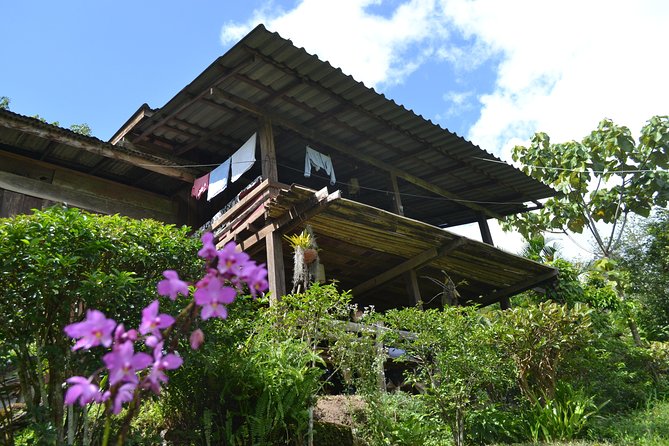
- Homestay reality: clean, local accommodations with village sounds—bring earplugs.
- Meals included, beverages not: you get multiple breakfasts, lunches, and dinners, but plan to pay for drinks.
Chiang Dao Mountain Trek: what you’re actually signing up for
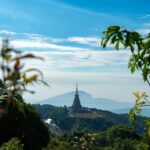
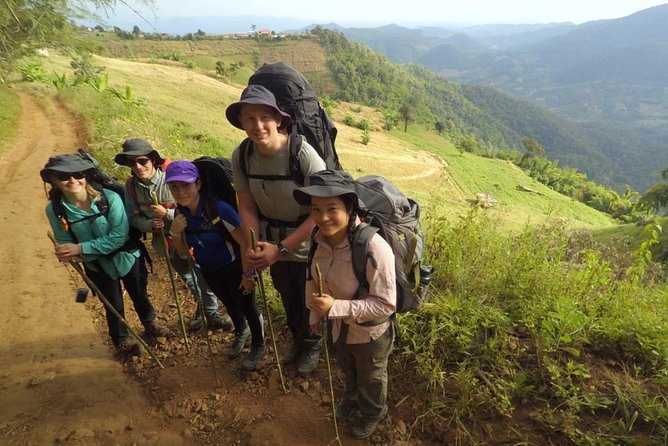
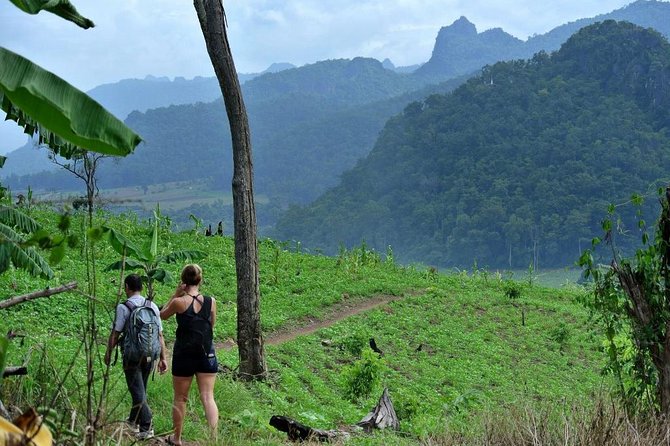
This isn’t a gentle nature stroll. It’s a three-day guided trek through the Chiang Dao highlands—ridges, jungle trails, bamboo sections, and village paths in the Maetang River valley area. If you want a packed itinerary with constant viewpoints and zero sweat, look elsewhere. If you want effort, fresh air, and a true sense of place, this has the right shape.
You’ll spend more than half your time on trails, and the “chill” parts are brief: a roadside/market stop on the first day, a waterfall break mid-trek, then a riverside lunch as you finish the descent. The payoff is that you move through the region at walking speed, which is the only speed that makes the mountains feel real.
The trip is also built around local hosting. Your nights are homestays, and your meals are cooked on the spot. That matters because you’re not just passing through: you’re part of the day-to-day rhythm of the highlands.
You can also read our reviews of more hiking tours in Chiang Mai

Day 1: the Chiang Mai pickup, market stop, and first escape into the hills
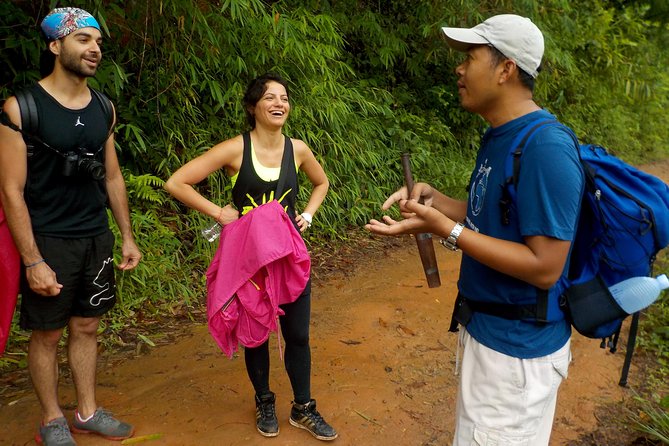
You start with convenience. Pickup starts around 8:30am from your accommodation in Chiang Mai city (within the second ring road radius). If you’re closer to the city center, you’re likely to be included without needing extra transport planning.
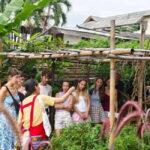
Before the mountains take over, there’s a local market stop. Your guide uses that pause to introduce ingredients you’ll recognize later in the trek meals. This is a small thing, but it’s a smart touch: it makes dinner feel connected to what you saw earlier, instead of just another meal number on the schedule.
The day is essentially your transition day. You leave the city, get oriented, and start the trekking mindset. Expect a long travel day mixed with walking, not a relaxed start.
Day 2: plantation breakfast, jungle ridges, and the hardest day of the hike
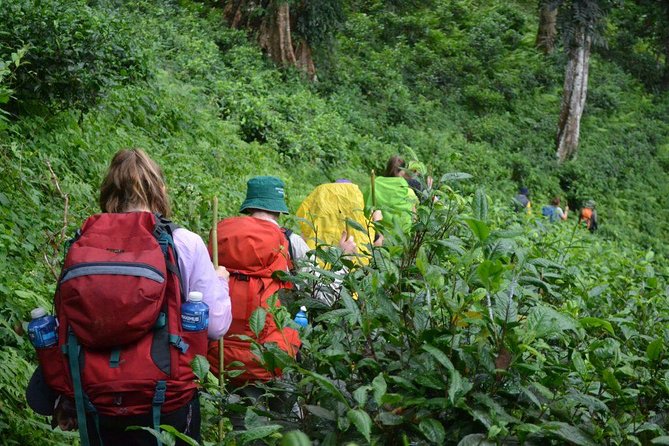
Day two begins with breakfast in the mountains—set up as tea or coffee from nearby plantation areas. It’s a good rhythm reset: warm drink first, then you move into a more demanding stretch.
This is the day built for effort. The route is described as a challenging mix of jungle and criss-crossing trails, with time spent moving over undulating ground. Fitness guidance is clear: you should be able to hike 5–6 hours comfortably on this type of terrain. In other words, you don’t need to be a marathon hiker, but you do need to be okay with steady exertion.
What I like about the way this trek is paced is that it doesn’t pretend every hour will be flat and easy. You get variety—ridge walking, sections through thick vegetation, and paths that feel like they’re used by locals rather than tourism buses. If you enjoy learning as you walk, this is also where your guide’s plant and nature commentary tends to pay off, especially when you’re moving slowly enough to notice what’s around you.
Day 3: the 3-hour descent to the Maetang River valley and a riverside finish
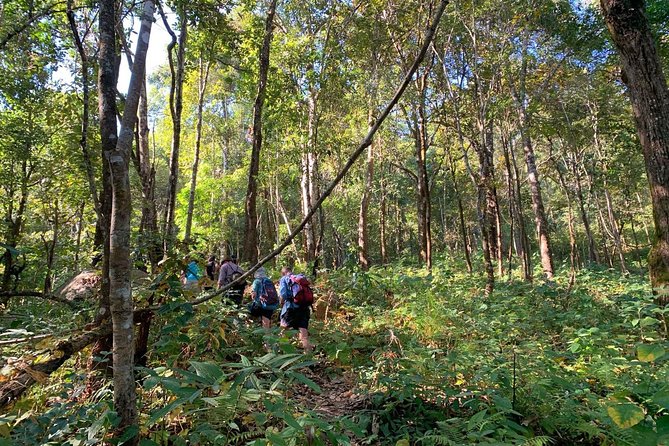
Day three is your release day: breakfast first, then a three-hour descent to the Maetang River valley below. The change in scenery is part of the fun here. You’re moving from higher, jungle-heavy ridges toward something calmer and more river-shaped.
There’s a waterfall stop for a break. It’s not a “get the perfect photo and sprint away” moment—it’s your chance to reset legs before the final stretch. Then you get lunch in a tranquil riverside setting, which is the kind of meal that tastes better because you’ve earned it with sore calves and changing altitude.
After lunch, you drive back. The activity ends back at the meeting point, so you’re not scrambling to coordinate separate transport when your energy runs low.
Guides and group size: why the trek feels personal
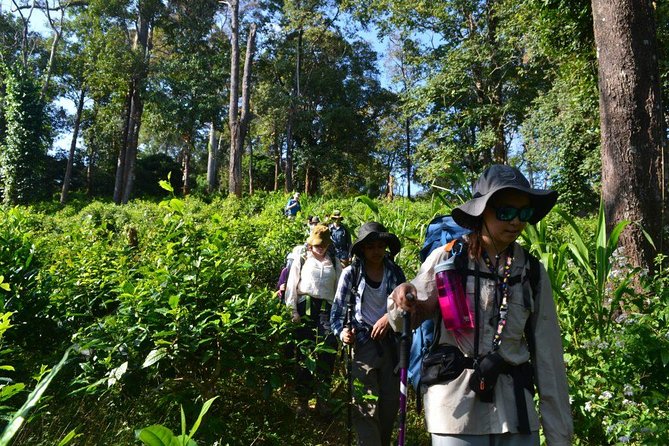
This trek is designed as a small-group experience: maximum 10 people (with a stated max of 12). That matters more than it sounds. Smaller groups spread out on trails and homestay activities, which gives your guide room to manage pacing and answer questions without turning your hike into a footrace.
A strong guide is the difference between a trek that feels unsafe and one that feels like teamwork. In past groups, guides like Tan and Sap have led hikes with a practical, friendly style—showing plants, giving context on the people and local life, and keeping the group moving at the right speed.
You also get help on the practical side. One thing that comes up repeatedly in the experience is that your guide is also involved in cooking. That’s a plus, because it reduces friction: the same person guiding your route often helps manage food and timing too.
You can also read our reviews of more tours and experiences in Chiang Mai
Homestays in hill tribe villages: clean enough, simple enough, and noisy enough
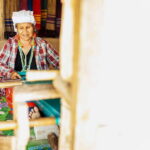
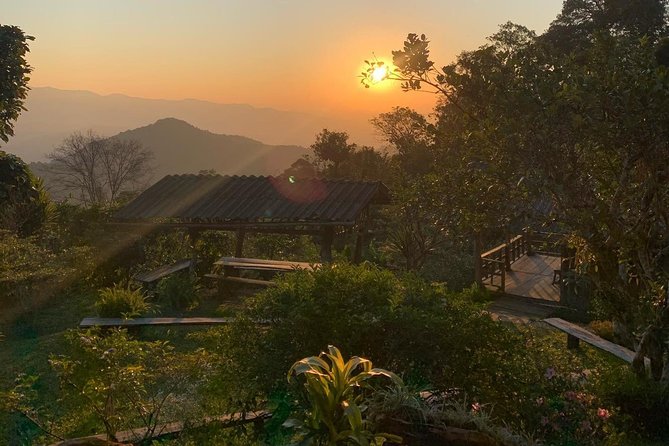
The homestays are part of why this trek feels authentic. The accommodations are described as clean, and the experience includes homestay nights with local hosting. Some homestays even rely on solar energy for electricity, so you may get basic power without it feeling like a hotel setup.
But you’re not going to get silence. Village life brings sound—dogs, roosters, and other nighttime noise. I’d treat this as normal, not a failure of the tour. If you’re sleeping lightly, pack earplugs before you leave Chiang Mai.
One seasonal note: in January, one group specifically mentioned fewer mosquito issues. Still, don’t bank on perfect conditions every month. Bring proper outdoor protection and plan as if bugs are possible.
Food on the trail: included meals, home cooking, and what to budget
You get a solid chunk of meals, which is a big part of the trek value. What’s included:
- 2 breakfasts
- 3 lunches
- 2 dinners
Beverages aren’t included at homestays or restaurants, so if you drink bottled water, juice, tea, or other drinks during breaks, plan on extra spending.
What makes the included meals feel special is that they’re home-cooked. Guides are known for cooking Thai meals directly for the group, and the market stop on day one is part of that same thread. It helps you understand what you’re eating and where it comes from, instead of treating meals like generic fuel.
If you’re vegetarian, there’s an important heads-up: you need to plan this in advance at reservation. Don’t assume a last-minute swap will happen smoothly—tell the operator ahead of time.
Getting your body ready: fitness, pace, and the 45L backpack rule
This is a moderate-fitness trek with a clear hiking expectation. You should be comfortable hiking 5–6 hours on undulating landscapes, and you should have outdoor clothing and proper footwear.
Your personal load matters. The trek asks you to limit personal effects to fit in a 45L backpack, and you carry it through the trek. That’s a practical rule because it keeps you from hauling too much weight uphill. Pack light: bring what you truly need for three days, not a suitcase’s worth of options.
For clothing, bring suitable outdoor wear and hiking boots or runners. The tour also provides a kit list based on the season. Use that list—it’s there because weather in northern Thailand can change your comfort fast.
If you’re traveling with kids: the trek isn’t suitable for children under 10 unless they’re used to multiple hours of hiking.
And for your knees: downhills can be rough. Expect that. Even when the route sounds like a descent, it can still burn your legs.
Timing and logistics: pickup, meeting point, and when the day starts
The meeting point is Le Dta’ Wan Food Market (Chang Khlan area), and the listed start time is 9:00am. Pickup from your accommodation begins around 8:30am, so you’re effectively in that pre-departure window where you either meet directly or are collected before the drive north.
The trip includes round-trip transport from Chiang Mai, which is a major stress reducer. You don’t have to figure out vans, route changes, or what happens if your group timing shifts. The trek is designed to run as a package.
Also, you’ll use a mobile ticket. Bring your confirmation details and keep your phone charged—this helps on travel days when you’re moving quickly.
Price and value: does $256 make sense?
At about $256 for a 3-day, guided trek with multiple meals and homestay accommodation, the value is strongest if you like hands-on travel rather than checklist tourism.
Here’s the bargain logic:
- You’re getting a small-group hike with guiding through remote areas.
- You get round-trip transport and pickup from your hotel area.
- Meals are mostly covered (2 breakfasts, 3 lunches, 2 dinners).
- You’re paying for the local hosting: homestay stays and on-the-spot cooking.
If you were to build this yourself—transport north, guide fees, homestay arrangements, and meal sourcing—it would likely cost more and take much more time. The real risk is if you don’t want the physical element. For people who do want it, it’s a straightforward deal.
Who should book this trek (and who might not)
Book it if you:
- want a challenging outdoor experience with a guide
- enjoy learning in the moment—plants, nature, and local life
- want homestay nights that feel part of village routine
- like small groups and don’t mind basic accommodations
Skip it (or switch to an easier format) if you:
- hate hiking with steep sections or knee-heavy descents
- need a quiet, hotel-style sleep setup
- want drinks and snack options fully covered (beverages aren’t included)
- aren’t prepared for a day that includes jungle paths and long trail hours
Also, this trek requires good weather. If conditions are poor, the activity may be canceled and you’ll be offered a different date or a full refund.
Should you book the 3-Day Chiang Dao Mountain Trek?
I’d book it if you’re the type of traveler who comes to northern Thailand to walk, not just to look. The combination of small-group hiking, a real homestay setup, and included meals cooked in the highlands creates a full 3-day experience without you spending your time on logistics.
If you’re thinking of booking, do two things that pay off instantly: pack earplugs for village nights, and plan your packing around the 45L backpack limit so you’re not dragging extra weight. Then focus on comfort that matters—solid footwear and layers for changing mountain conditions.
When you get the right expectations—hard hiking, simple stays, and local rhythm—this trek is the kind of trip that sticks.
FAQ
What is included in the 3-Day Chiang Dao Mountain Trek?
You get 2 breakfasts, 3 lunches, and 2 dinners. The tour also includes guided hiking and the transportation setup from Chiang Mai (round-trip), with pickup offered from within the second ring road radius.
Are hotel pickups included?
Yes. Pickup is offered from your Chiang Mai accommodation within the second ring road radius, with pickup around 8:30am.
How large is the group?
The tour is described as a small-group experience with a maximum of 10 people, and a stated maximum of 12 travelers.
What fitness level do I need?
You should have a moderate physical fitness level and be able to hike about 5 to 6 hours on undulating landscapes. The trek includes challenging hiking, especially on day two.
What should I pack and how much can I carry?
You should wear suitable outdoor clothing and hiking boots or runners. Limit your personal effects to fit in a 45L backpack, and you carry it through the trek.
Is vegetarian food available?
Vegetarian meals need to be planned in advance. Advise the operator at time of reservation.
Where does the trek start and end?
The activity starts at Le Dta’ Wan Food Market and ends back at the meeting point.
Are beverages included?
No. Beverages at homestays and restaurants are not included, so budget for drinks separately.
Is this trek suitable for children?
It is not suitable for children under 10 years old unless they are used to multiple hours of hiking.
What happens if weather is bad?
This experience requires good weather. If it’s canceled due to poor weather, you’ll be offered a different date or a full refund.