REVIEW · CHIANG MAI
Private 3 Day Chiang Mai and Chiang Rai Tour
Book on Viator →Operated by Chiang Mai Tour Center · Bookable on Viator
Sticky waterfalls and white temples in three days. This private 3-day circuit packs major northern sights across Chiang Mai and Chiang Rai, with an English-speaking guide and a comfortable air-conditioned Toyota van keeping things smooth. I especially like that it’s designed to move efficiently while still letting you spend real time at the highlights.
I also loved the day-to-day variety: you go from a limestone-based sticky waterfall climb to a hands-on elephant ethical program, then on to cave temples and big-name modern temples. Having a real guide makes the difference, and the team behind this tour is often associated with guides like Peter and drivers like Kevin. One thing to consider: the schedule is packed and you will do walking, stairs, and some climbing, so comfy shoes and a steady pace matter.
In This Review
- Key Highlights at a Glance
- Price and logistics: what you’re really paying for
- Day 1 in Chiang Mai: sticky waterfall fun and an elephant ethical intro
- Karen Long Neck Village: cultural observation, not a checklist
- Chiang Dao Cave: Burmese-style Buddha scenes and old-war backstory
- Day 2: Thaton temple views, Doi Tung Royal Villa gardens, and the Myanmar border vibe
- Golden Triangle photos, plus opium-era context
- Day 3 in Chiang Rai: Baan Dam art house, Blue Temple teaching scenes, and White Temple wow
- Singha Park tea time and Mae Khachan hot spring reset
- Who this tour is best for (and who should pause)
- Should you book this private Chiang Mai and Chiang Rai tour?
- FAQ
- What time does the tour start?
- Where does the tour pick up and drop off?
- Is this a private tour?
- How many people are required to start the tour?
- What’s included in the price?
- What is not included?
- Can I get a refund if I cancel?
Key Highlights at a Glance
- Hotel pickup plus private van means you skip the stress of finding rides between stops.
- Sticky waterfall walking and climbing on natural limestone is a hands-on northern Thailand moment.
- Ethical elephant home experience includes an intro from the chief elephant trainer and basic elephant handling.
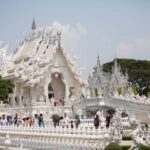
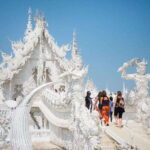
- Chiang Rai’s signature temples show two very different styles: Blue Temple and Wat Rong Khun (White Temple).
- Golden Triangle viewpoints connect Thailand, Laos, and Myanmar, with history tied to opium-era trade.
- Hot spring foot soaking is a simple reset after temple-heavy days.
Price and logistics: what you’re really paying for
At $634.89 per person for about 3 days, this is not a budget shuffle tour. You’re paying for a private setup: pick-up and drop-off from your Chiang Mai hotel, an English-speaking guide, and private air-conditioned transportation in a Toyota van, plus drinking water and refreshing towels. The value gets clearer when you notice that the tour also includes all fees and taxes and provides lunch (3 meals).
In other words, you’re not just buying tickets to places. You’re buying someone to handle route timing, translations, and the back-and-forth so you can focus on the sights—especially important in northern Thailand, where drives can stack up fast.
The main trade-off is intensity. This is a highlights-heavy path—waterfall, elephant ethics, caves, hilltop temple views, border areas, and two of Chiang Rai’s most famous modern temples—so if you want long lazy mornings, you might find the rhythm brisk.
You can also read our reviews of more private tours in Chiang Mai

Day 1 in Chiang Mai: sticky waterfall fun and an elephant ethical intro
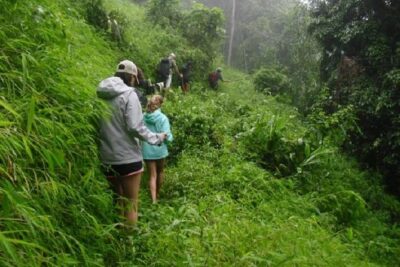
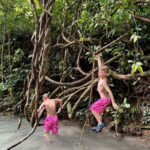
Day 1 starts with Buatong Sticky Waterfall, where the big draw is that the waterfall comes from natural limestone. That means you can walk and climb on the rock surfaces with more confidence than you’d expect from a normal waterfall. Plan on real movement: you’ll be climbing and working your way up toward better spots to enjoy the water.
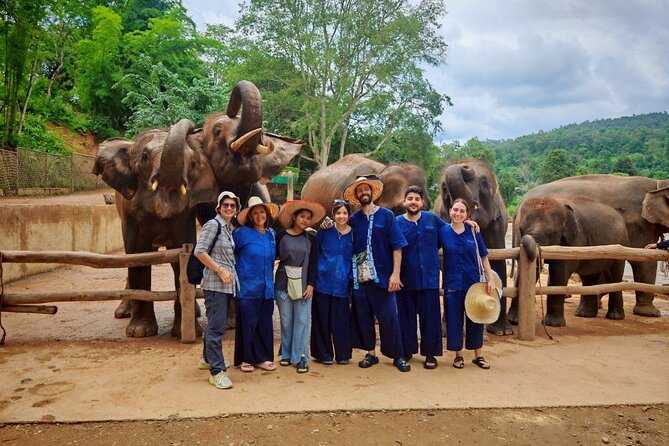
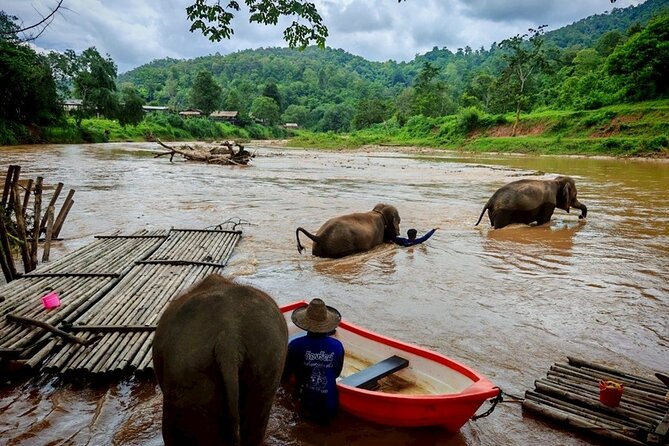
Next comes Doodoi Elephant Home Chiang Mai in the Mae Tang area. This stop is framed as an ethical elephant program. When you arrive, you meet the chief elephant trainer, get a briefing, and learn basic elephant handling before you interact. I like this structure because it sets expectations early. It also means you’re not just watching; you’re being guided through what to do and how to do it.
A quick note for your planning brain: elephant programs can be emotionally intense. If you have strong feelings about any form of animal tourism, this is the first moment in the tour where you’ll want to decide whether it fits your comfort level.
Karen Long Neck Village: cultural observation, not a checklist
After the elephants, the tour stops at Karen Long Neck Village, associated with a hill tribe community whose women wear spiraling brass rings around their necks. The tour information highlights that these rings can weigh up to about 5 kilograms (11 pounds) and are described as a sign of beauty.
If you choose to visit, treat it as a chance to ask respectful questions rather than just snapping photos. Short, polite curiosity usually goes farther than trying to turn it into a performance moment. You’ll typically spend around an hour here, so it’s best to go in with a calm attitude and a willingness to listen.
Chiang Dao Cave: Burmese-style Buddha scenes and old-war backstory
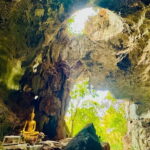
Day 1 finishes at Chiang Dao Cave, where the setting is part geography and part history. The cave is connected to stories of Burmese soldiers who rested troops before attacking Chiang Mai in older times. That kind of background changes how you experience the place: you’re not only looking at stone and Buddha imagery, you’re walking through a space tied to regional conflict.
Inside, you’ll see Buddha images in Burmese style. This is one of those stops where timing matters: you want enough time to slow down and actually look rather than rush through. The tour gives you about two hours, which feels about right for pacing—especially if you want to stop and read what you can and take in the cave atmosphere without turning it into a sprint.
Practical tip: caves and wet stone can be slippery. Bring shoes you trust, not your flashiest sandals.
Day 2: Thaton temple views, Doi Tung Royal Villa gardens, and the Myanmar border vibe
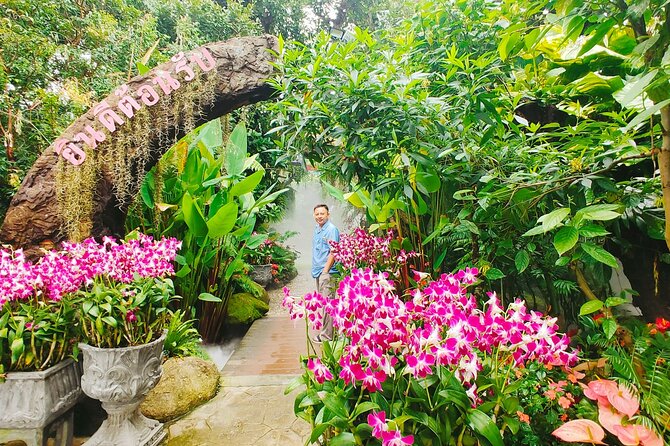
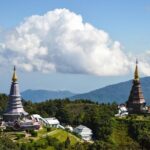
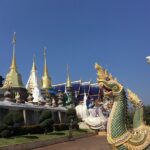
Day 2 starts with Wat Thaton, a temple located on top of a hill. The point here is elevation: hilltop temples in northern Thailand often give you big air and wide views, and the tour description emphasizes that the temple sits at the top. You’ll spend around three hours, which usually means more than a quick look—enough time to understand the setting and wander within the temple area.
Then you head to Doi Tung Royal Villa, tied to the Princess Mother of King Rama IX, who spent her time helping look after and develop hill tribes life. Royal projects and royal gardens can sometimes feel overly landscaped, but this stop is interesting because it’s framed as a social development effort, not only a pretty building. It also helps break up the day from purely religious stops.
Next up is Mae Sai, the Thailand–Myanmar border trading point. The tour information notes that Chinese products are available to purchase, and you’ll also pass a viewpoint. Even if you don’t buy anything, the border-market energy can be a useful reality check: this part of the world is still actively shaped by trade flows across boundaries.
You can also read our reviews of more tours and experiences in Chiang Mai


Golden Triangle photos, plus opium-era context
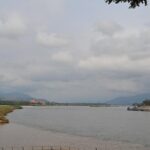
The day ends at the Golden Triangle, where Thailand, Laos, and Myanmar meet. The tour description adds a key historical layer: it was once an opium trading area. From the balcony of Phu Khao Temple, you get the classic viewpoint angle for photos overlooking the region where the three countries connect.
One practical consideration: viewpoints can be crowded when tours overlap. Since this is a private tour, you’re more likely to get flexibility than you would on a giant group bus—but it still helps to be patient and go at your own pace once you’re there.
Day 3 in Chiang Rai: Baan Dam art house, Blue Temple teaching scenes, and White Temple wow
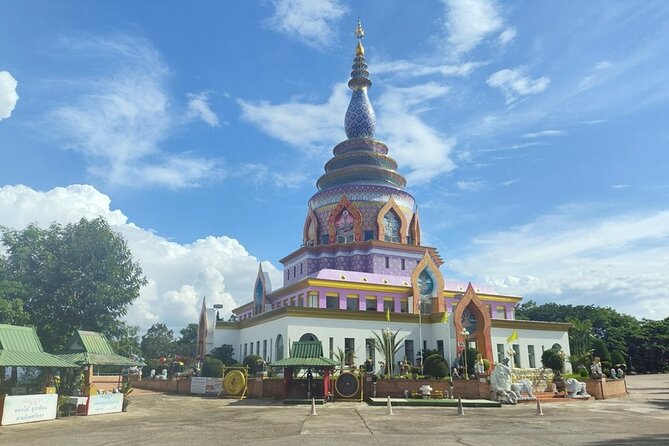
Day 3 switches fully into Chiang Rai territory and leans hard into modern temple design and art.
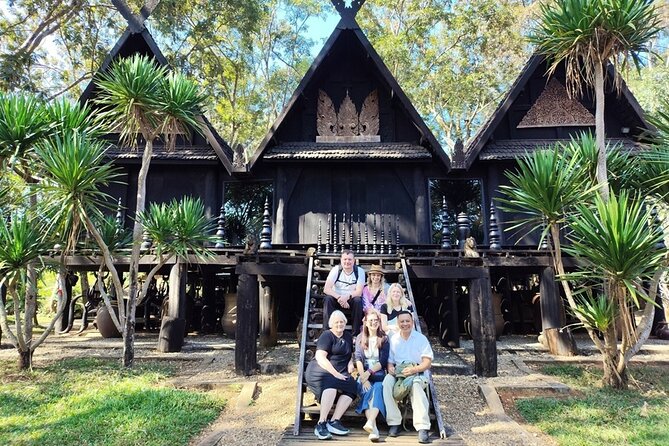
First is Baan Dam Museum (Black Museum), described as a black house with large collections of art established by artist Mr. Tawan Datchanee. If you like strange, handmade, unconventional art, this is the kind of stop that gives you a jolt. It’s not a polite museum warehouse feeling; it’s more of an artist-driven environment where the visuals do the talking.
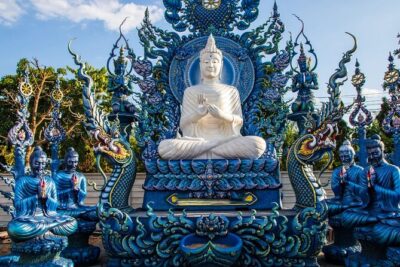
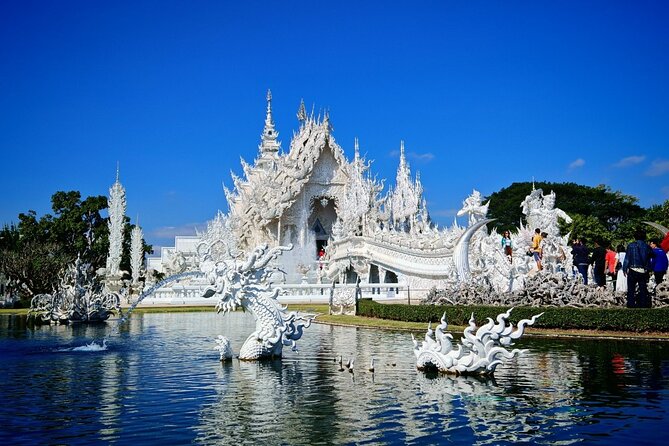
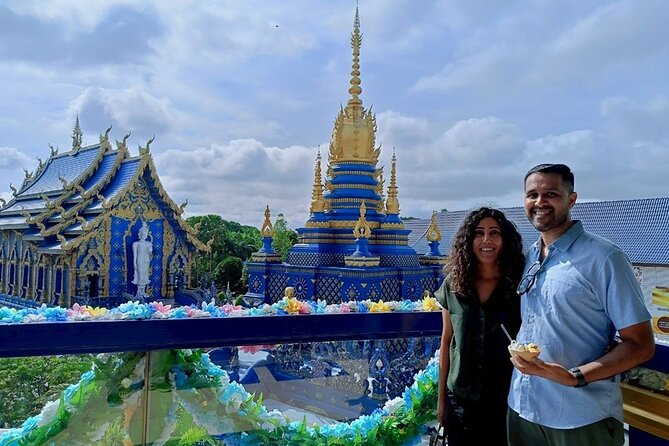
Then you visit Wat Rong Seur Ten (Blue Temple). This one is covered in blue and is described as representing the Lord Buddha’s teaching spread to different places in the world, plus blue-sky symbolism. It’s a different mood from the black museum: Blue Temple feels like a statement piece—bright, clean, and designed to guide your eye along with the story it’s trying to tell.
Singha Park tea time and Mae Khachan hot spring reset
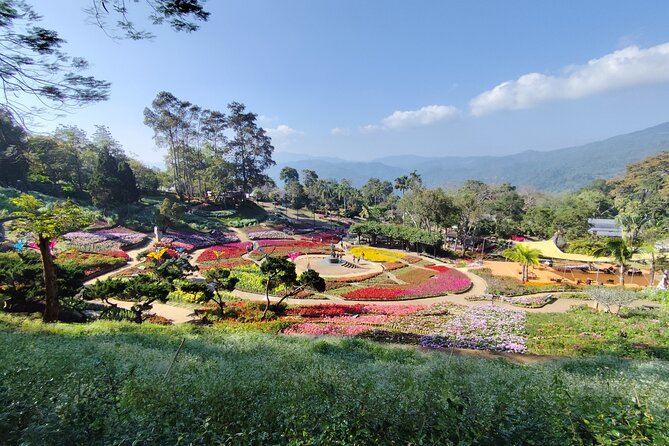
After the temple photos, you get a break at Singha Park, a tea plantation stop. Here the tour includes time to enjoy the fresh atmosphere, taste tea if you prefer, and buy quality tea to take home. This is a nice middle-of-the-afternoon switch: you go from highly designed religious spaces to something agricultural and calmer.
Finally, there’s Mae Khachan Hot Spring with foot soaking in warm pools. The tour information says it’s believed to help with skin and joints. There’s also a separate very hot pool where you can even boil eggs. I like this kind of ending because it doesn’t require extra effort—you just let your feet cool down and recover before your next plans.
Who this tour is best for (and who should pause)
This tour works well if you want a structured highlights tour without the mental load of planning drives, finding tickets, or coordinating transportation across the Chiang Mai to Chiang Rai loop.
It’s especially a good fit for:
- People who want an English-speaking guide to explain what you’re seeing
- First-timers to northern Thailand who want the major icons in a short time
- Travelers who like mix-and-match days: waterfall + elephants + temples + viewpoints + art
You might rethink it if:
- You hate packed schedules and prefer slow, neighborhood-style wandering
- You have mobility limits, since you’re doing walking and climbing (sticky waterfall, cave interiors, hilltop temple settings)
- You’re uncomfortable with any elephant interaction, even when the program includes a trainer briefing
Should you book this private Chiang Mai and Chiang Rai tour?
If your goal is to see a lot of northern Thailand’s best-known sights in a short window, this private 3-day tour makes practical sense. The combination of hotel pickup, private transport, an English-speaking guide, lunch included, and major stop coverage across both Chiang Mai and Chiang Rai is where the value lives.
I’d book it if you’re excited by hands-on experiences like the sticky waterfall climb and you’re open to learning through guided stops like the elephant ethical program and the cave temple. I’d hesitate only if you want a relaxed, minimal-moving trip.
If that sounds like your style, this is an efficient way to connect the region’s biggest stories—without you having to stitch the plan together yourself.
FAQ
What time does the tour start?
The start time is 8:30 am.
Where does the tour pick up and drop off?
It includes pick-up and drop-off from Chiang Mai hotels.
Is this a private tour?
Yes. It’s a private tour, so only your group participates.
How many people are required to start the tour?
The minimum is 2 persons to start the tour.
What’s included in the price?
Included are private transportation (Toyota van with air-conditioning), drinking water and refreshing towels, an English-speaking guide, pick-up and drop-off from Chiang Mai hotels, all fees and taxes, and lunch (3 lunches). A mobile ticket is also provided.
What is not included?
Alcoholic beverages, soft drinks, and alcohol drinks are not included, along with personal expenses.
Can I get a refund if I cancel?
You can cancel up to 6 days in advance for a full refund. Cancel 2–6 days before for a 50% refund. Less than 2 days before isn’t refunded.