REVIEW · CHIANG MAI
Local Farming Experience in Chiang Mai, Thailand
Book on Viator →Operated by Hang Tueng Farmstay And Workshop Chiang Mai · Bookable on Viator
Rice feels real here.
I love how this farm workshop puts you close to the work—Uncle Serd guides you through rice growing, from the nursery to the field—and I love the animal time, feeding and even showering the Riam Thai buffalo. One thing to consider: you will likely get dirty and a little wet, because this is hands-on farming, not a photo-only stop.
For about 3 hours, you’ll join a small group (up to 10 people) at Hang Tueng Farm, then finish with a proper lunch set. It’s also priced at $58.60, and because lunch is included, the value comes from doing real work with real farmers rather than just watching.
In This Review
- Key highlights you’ll remember
- Your 3-hour rice and buffalo workout at Hang Tueng Farm
- Meeting Uncle Serd and the farm routine with Riam Thai buffalo
- Uprooting rice seedlings: mud, care, and bamboo rope work
- Planting in the rice field: learning the workflow in motion
- The included lunch set: green curry, herbal drink, mango sticky rice
- Price and logistics: is $58.60 a fair deal?
- Who should book this farm workshop in Chiang Mai?
- Weather and practical prep so you don’t suffer
- Should you book Hang Tueng Farm’s rice and buffalo workshop?
- FAQ
- How long is the Hang Tueng Farm local farming experience?
- What’s included in the tour price?
- Where does the tour start and end?
- Is private transportation included?
- How many people are in the group?
- What happens if weather is bad or the minimum number of travelers isn’t met?
Key highlights you’ll remember
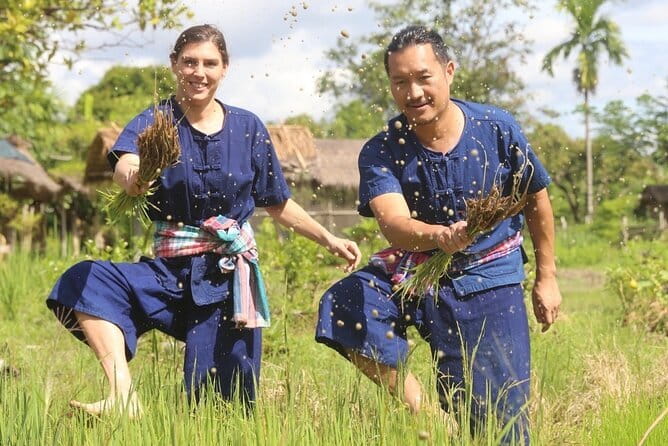
- Hands-on rice work: uproot seedlings, kick mud away, tie them with bamboo rope, and plant in the field
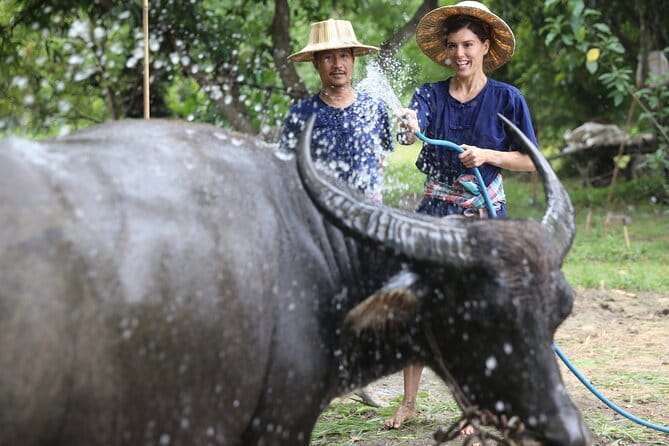
- Buffalo care time: harvest grass to feed the Riam Thai buffalo and help shower her
- Small group format: max 10 people, so you get time to actually participate
- A full farm meal included: lunch plus an herbal drink, and mango sticky rice
- Uncle Serd’s farmer-led approach: practical guidance focused on how farming is done day to day
Your 3-hour rice and buffalo workout at Hang Tueng Farm
This experience is built like a real farm morning and early afternoon: you arrive, you work, you eat, you head back. The total time is about 3 hours, and the tour runs from Hang Tueng Farmstay And Workshop Chiang Mai, ending right back at the same meeting point.
The setup is straightforward and practical. You don’t need to plan a complicated route or add extra stops. The tour uses a mobile ticket, and with group size capped at 10 travelers, it stays manageable. If you like learning by doing—especially something as tactile as mud, seedlings, and feeding animals—this format makes sense.
One practical note: there’s no private transportation included. If you’re relying on public transport (or you’re already in the area), this is still workable, since the meeting point is near public transit. Still, plan your timing so you’re not rushing in right before the hands-on part starts.
You can also read our reviews of more tours and experiences in Chiang Mai
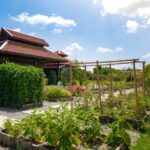

Meeting Uncle Serd and the farm routine with Riam Thai buffalo
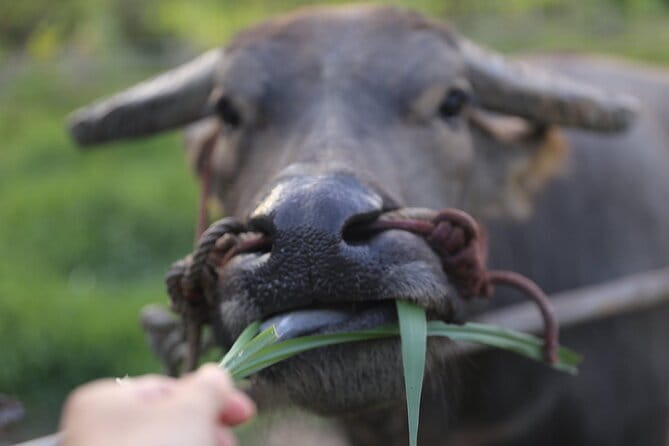
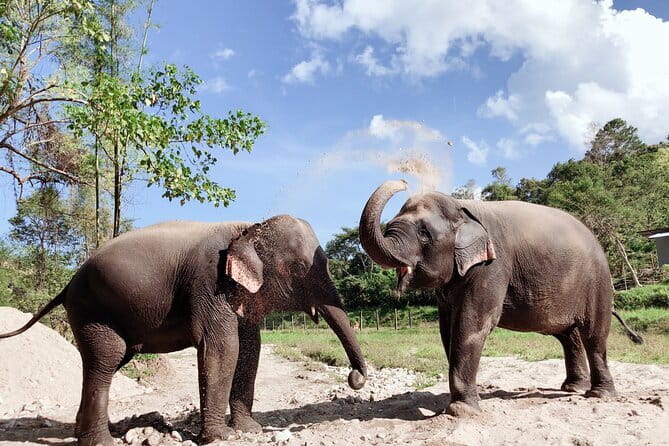
The star moment in the beginning is meeting the farm’s buffalo, including the Riam Thai buffalo you’ll feed and shower. This isn’t just about petting an animal. You’re learning how the day’s work fits together: you harvest grass to feed her, then spend time helping her with water—she likes it, and you’ll see why that matters on a working farm.
The value here is simple: buffalo care isn’t a tourist trick. It’s a daily rhythm. When you do the feeding and the water part, you start understanding why farms are built around livestock needs and seasonal work.
You’re also working alongside the farmer, and that’s where Uncle Serd becomes the anchor. The experience is described as being guided by a local, professional farmer. When someone who does this for a living explains the steps, you get the “why” as much as the “how.” And when it’s time for rice work, it’s not random. It’s sequenced like a farm would do it.
Uprooting rice seedlings: mud, care, and bamboo rope work
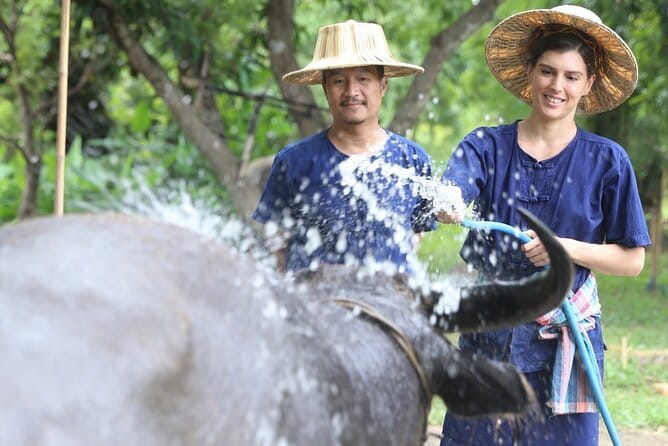
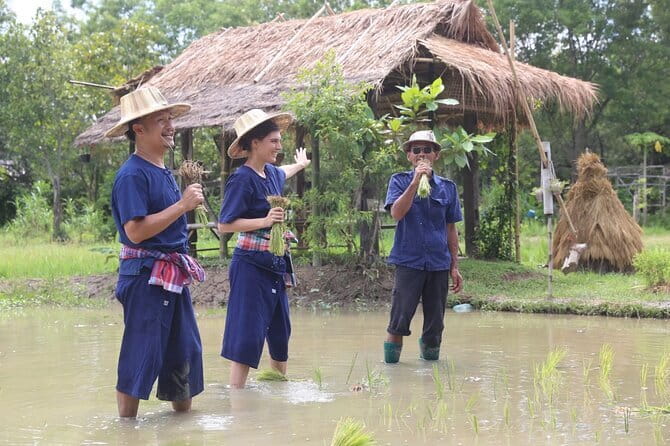
Next comes the rice side of the day, and it’s the section that many people remember most. You’ll learn how to uproot rice in a rice nursery, then work with the seedlings in a way that feels very “in the field.”
Here’s what that usually means in practice:
- You pull seedlings carefully from the nursery area
- You kick mud out from the rice seedlings
- You tie the seedlings with bamboo rope before they go into the field
Even if you’re not the “I like manual labor” type, this part is approachable because it’s guided. The goal is for you to understand the process, not to perform it like a professional farmer overnight. Expect a hands-on mess. This is real agricultural work: soil, water, and awkward hand movements that make you laugh at yourself.
Why this matters: rice planting isn’t just a single action. It’s a sequence of small steps designed to protect seedlings and get them ready for the next stage. When you physically do it, you quickly learn why farmers don’t rush.
Planting in the rice field: learning the workflow in motion
Once the seedlings are tied up, you move to the rice field portion where you’ll plant rice in the rice field with Uncle Serd. This step ties everything together. The nursery work was preparation. The field work is execution.
What makes this feel different from a typical cultural activity is that you’re not just standing nearby. You’re part of the workflow. You’ll be using the tied seedlings and planting them as part of the day’s labor, which helps you connect farming tasks to each other.
Also, don’t treat it like a “one-and-done” photo moment. Rice planting takes coordination and timing. The farm guide’s role here is key because it keeps the group moving and helps you avoid turning the process into chaos. In a group of up to 10, you’ll get enough attention to do the steps without spending the whole time watching others.
The included lunch set: green curry, herbal drink, mango sticky rice
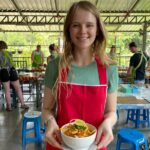
After the hard work, you get a signature lunch set. It’s the kind of meal designed to refuel you after muddy activity, not a light snack.
Based on what’s described for the farm workshop, your lunch includes:
- Rice with chicken green curry
- An herbal drink
- Mango sticky rice
The experience also notes additional farm-food items as part of the lunch spread, including Hang Tueng Farm Pad Thai special sauce with mushrooms, plus a dessert mix described as Roselle with Dates and Grass Jelly with rice germ whole grains.
Why I like this structure: you’re not leaving hungry or waiting for dinner later. When an activity includes a real meal on-site, it makes the schedule feel complete. And the food choices reflect Thai farm comfort—rice-forward, herbal drink, and familiar sweets.
If you have dietary restrictions, you should check with the provider before you book, because the included menu sounds specific. What you can expect is a set lunch rather than full à la carte freedom.




Price and logistics: is $58.60 a fair deal?
At $58.60 per person, this tour isn’t the cheapest thing you can do in Chiang Mai. But value comes from what’s included and how hands-on it is.
Here’s how the math works in your favor:
- You’re paying for a guided, structured 3-hour farm experience
- Lunch is included, along with an herbal drink
- Group size is kept to 10 travelers, which supports real participation rather than passive viewing
- No extra activity ticket is needed—the main “event” covers buffalo care and multiple rice steps
The one cost you should factor in is transportation. Private transportation isn’t included, so if you’re far from the farm, you’ll need to arrange getting there on your own. Still, because the meeting point is near public transportation, it’s often possible to handle without breaking the budget.
Booking tends to happen in advance too—on average, this is booked about 23 days ahead—so if you’re traveling during a popular season or specific weekdays, you’ll want to lock it in sooner.
Overall, I think the price is fair if you want actual farm work: rice planting practice, seed handling, buffalo feeding, and a full meal afterward.
Who should book this farm workshop in Chiang Mai?
This is a great fit if you:
- Like active learning more than museum-style explanations
- Want a closer-than-usual look at how rice work and buffalo care connect
- Enjoy experiences with a clear guide and a real daily workflow
- Are okay with getting muddy and sweaty, because farming doesn’t come with a dry uniform
It’s also family-friendly in the sense that it’s structured for different ages to participate, but you should be prepared for the work to be physical and messy. If you’re traveling with kids, this can be one of those rare activities that doesn’t feel like a watered-down version of farm life.
If you’re the type who hates being wet, don’t love animals, or need a low-mess experience, you might feel out of place here. The buffalo part includes showering, and the rice part includes soil and seedlings.
Weather and practical prep so you don’t suffer
This tour requires good weather. If conditions aren’t right, you’ll be offered a different date or a full refund. That matters because rice and buffalo care are outdoor activities, and muddy farm work needs workable conditions.
On the ground, plan for discomfort that comes with participation:
- Expect mess during rice seedling handling
- Expect water during the buffalo care and showering time
- Expect the day to be physical, not just observational
A simple strategy helps a lot: wear clothes you don’t mind getting dirty, and bring a way to manage wet items for the ride back. If you’re thinking, I don’t want to ruin my only good outfit, trust that instinct. This is one of those activities where you’ll be happier if you dress like you came to work.
Also remember it ends back at the meeting point, so you can plan your post-tour activities nearby without needing extra coordination.
Should you book Hang Tueng Farm’s rice and buffalo workshop?
If your idea of a good Chiang Mai day includes hands-on farming, not just sightseeing, I’d book this. You get a concentrated dose of two key farm worlds—rice cultivation and buffalo care—plus a full Thai lunch set afterward. The small group size is important here because it makes the experience feel personal and keeps the focus on doing.
Book it especially if you want to leave with a clearer understanding of how rice grows: from seedling preparation (including tying with bamboo rope) to field planting, plus the real logic of feeding and caring for livestock.
Skip it only if you truly can’t handle mud and water, or if you need fully dry, low-movement activities. Otherwise, this is the kind of local farm day that feels practical, grounded, and worth the time.
FAQ
How long is the Hang Tueng Farm local farming experience?
The experience lasts about 3 hours.
What’s included in the tour price?
Lunch and an herbal drink are included.
Where does the tour start and end?
It starts at Hang Tueng Farm (89/23 ถ.ศรีบัวเงิน ซ. 19 Tambon Tha Sala, Amphoe Saraphi, Chang Wat Chiang Mai 50000, Thailand) and ends back at the same meeting point.
Is private transportation included?
No, private transportation is not included.
How many people are in the group?
The tour has a maximum of 10 travelers.
What happens if weather is bad or the minimum number of travelers isn’t met?
The tour requires good weather. If it’s canceled due to poor weather, you’ll be offered a different date or a full refund. If it’s canceled because the minimum number isn’t met, you’ll be offered a different experience/date or a full refund.