REVIEW · CHIANG MAI
3D2NTrek Adventure at Chiang Mai Mea Wang Including Overnight at Karen Hilltribe
Book on Viator →Operated by Sightseeing Chiang Mai · Bookable on Viator
Jungle days start fast in Mae Wang. This trek strings together bamboo rafting and waterfall trekking with a real overnight in a Karen hill-tribe village, plus a close-up elephant center visit. I like how the schedule keeps moving without feeling like a nonstop grind.
I also like that the group stays small, and that the day-to-day guidance can be excellent. One guide name that comes up is Witoon—the kind of person who actually pays attention in the jungle and points out wildlife and plants as you walk.
One thing to consider before you book: the overnight stay is basic, and comfort can be a gamble. Some travelers have flagged issues with bedding and very thin mattresses, so plan for simple huts and pack smart.
In this tour, you’ll visit a Karen village—but don’t bank on seeing the long-neck Karen look from promotional photos. If that’s your main expectation, adjust it now so you’re not disappointed.
In This Review
- Key things to know before you go
- Why This Mae Wang Jungle Trek Really Works
- Day 1: Pickup, Bamboo Rafting, Jungle Trek to Karen Village
- Day 2: Breakfast Walks, Lunch in the Jungle, and a Waterfall Swim
- Day 3: Final Trek, More Waterfall Time, Then Elephant Camp
- Elephants Up Close: Feeding and Bathing Time (What to Expect)
- Bamboo Rafting and Waterfalls: The Highlights Are Real (But Not Long)
- Karen Village Overnight: Cultural Contact With a Comfort Reality Check
- Guides, Group Size, and Pacing: Small Group Means Better Navigation
- Price and Value: Is $162.76 a Good Deal?
- What to Pack for Comfort on This Trek
- Who Should Book This Mae Wang Adventure (and Who Should Skip It)
- Should You Book 3D2NTrek Adventure at Chiang Mai Mae Wang?
- FAQ
- How long is the tour?
- Where is the pickup point in Chiang Mai?
- What time does the tour start?
- How big is the group?
- What kind of fitness level do I need?
- What’s included in the price?
- Do I get to feed the elephants?
- Is there swimming during the trek?
- Is long-neck Karen tribe viewing included?
- What happens if the weather is bad?
Key things to know before you go
- Small-group pace (max 10 travelers): easier hiking flow and more guide attention.
- Overnight Karen village stay: you sleep in a hut setting, not a hotel.
- Waterfall time twice: you trek to spots where you can relax and swim.
- Elephant camp interaction: you get time to feed elephants (elephant food included) and also participate in activities like bathing.
- Bamboo rafting is short: plan for a quick ride, not a long excursion.
- Expect moderate trekking: the walking time adds up across three days.
Why This Mae Wang Jungle Trek Really Works
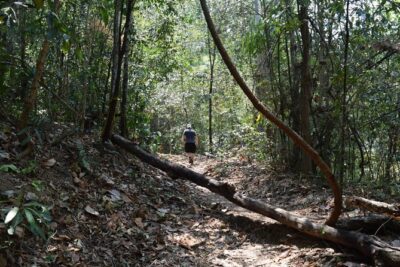
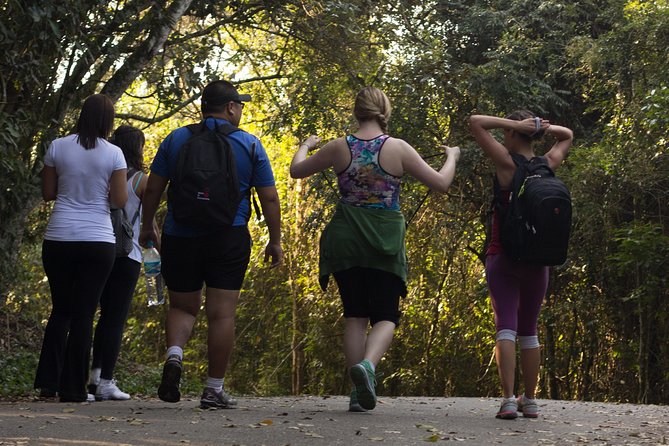
This isn’t a “see a waterfall, take a photo, get back in the van” day trip. It’s built around walking through forest terrain, then being rewarded with swimming breaks and a proper overnight in the community area—so your time in Chiang Mai stretches beyond temples and markets.
The value is in the bundle: you’re not just paying for scenery. You’re paying for a guided trek, truck transport, meals (multiple lunches and breakfasts plus dinner), accommodation, accident insurance, and key activities like bamboo rafting and elephant food. For many people, that removes the hassle of assembling all the pieces yourself.
You can also read our reviews of more tours and experiences in Chiang Mai.


Day 1: Pickup, Bamboo Rafting, Jungle Trek to Karen Village
You start with a 9:00 am pickup from Duangtawan Hotel Chiang Mai. The trip runs by truck, with a food stop on the way and then on to the bamboo rafting camp.
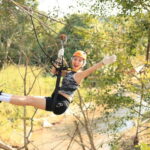
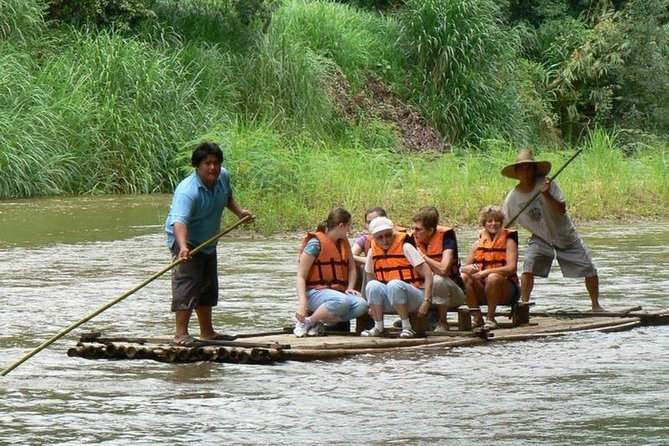
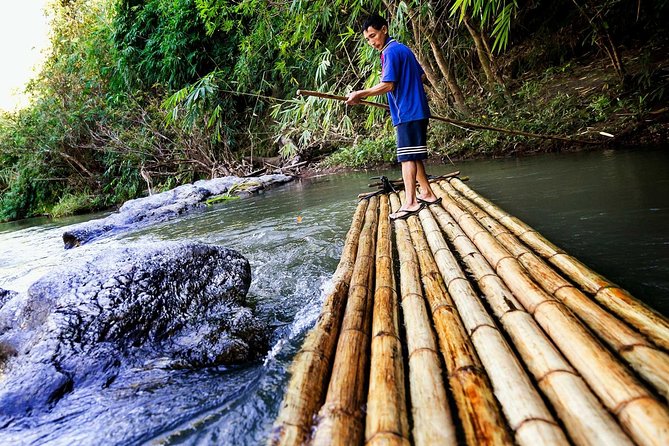
Bamboo rafting is next—plan for about two hours total at that stop, with the actual raft time around 40 minutes. It’s fun, but it’s not a long river cruise. If you want a longer rafting experience, go in with realistic expectations and treat it as a warm-up for the jungle trekking to come.
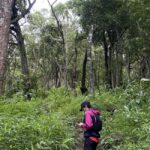
After rafting, you transfer by truck again to the hiking point. You’ll walk to a waterfall for lunch, then begin the main jungle trek. The trekking into the Karen village area is described as a few hours in the jungle, and by the time you arrive you’re typically ready to switch from “walk mode” to “settle in and eat.”
What I like about Day 1 is the way it builds. You ease into the outdoors with rafting, then you earn the bigger nature moments through the hike.
Day 2: Breakfast Walks, Lunch in the Jungle, and a Waterfall Swim
Day 2 starts with breakfast around 8:30. Then the day splits into two walking blocks. First you head out for about 2.5 hours through the jungle, then you eat lunch in the jungle area.
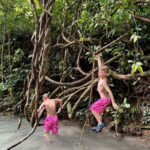
After lunch, you trek again for roughly another 2 hours to a waterfall where you can relax and swim. This is one of the best parts of the whole trip because it’s not just a look-from-the-bank moment—you get actual time in the water.
Night falls after that, and this is your second day in the hill-tribe village overnight rhythm. Comfort here is the tradeoff for the authenticity. You’re in a simple hut environment, so think “practical outdoors” rather than “cozy lodge.”
Day 3: Final Trek, More Waterfall Time, Then Elephant Camp
Breakfast is again around 8:30–9:00. Day 3 starts with a trek that’s described as about 3 hours, with time built in to relax and swim at the waterfall again before you move on.
Once you reach the meeting point, you transfer by truck to the elephant camp for lunch and your elephant-centered activities. This is where the experience shifts from jungle hiking into hands-on animal time.
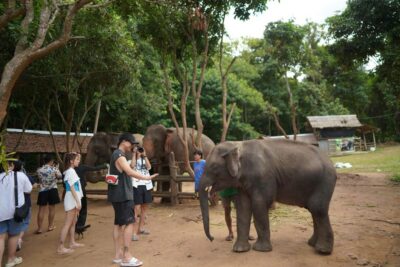
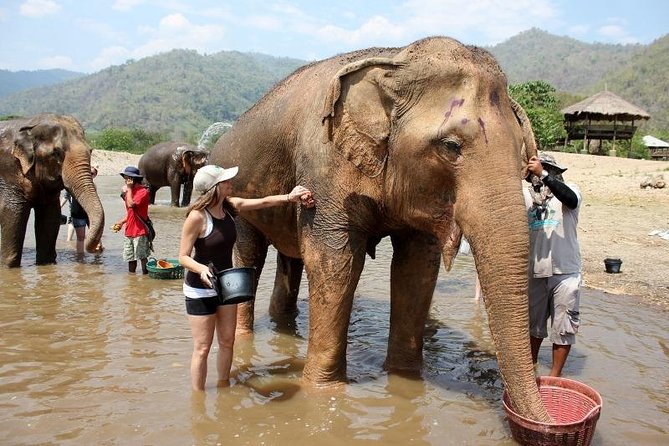
The elephant segment is the other big reason people choose this tour: you’re given elephant food for feeding, and you get time for activities that can include playing and giving elephants baths, depending on how the camp runs its schedule.
Then the activity ends back at the meeting point in Chiang Mai.
Elephants Up Close: Feeding and Bathing Time (What to Expect)
Let’s be straight about the elephant portion. This tour includes elephant food for feeding, and the overview states you’ll have a chance to help with activities like playing and giving elephants baths. That means you’re not just standing nearby for a quick photo.
What you should look for during the interaction:
- You’ll likely spend time working around elephants as they’re fed.
- Bathing time is active, so you’ll want to be comfortable with getting wet and moving around safely.
- The overall feel is “hands-on,” not “spectator show.”
If you’re choosing this because you want meaningful contact with the animals, this is one of the stronger points of the itinerary. Just remember: it’s still a working camp environment, so follow your guide’s directions and take the safety cues seriously.
Bamboo Rafting and Waterfalls: The Highlights Are Real (But Not Long)
Bamboo rafting is a highlight, but it’s also short. On Day 1 you’ll spend about two hours at the camp area, with around 40 minutes on the bamboo raft itself. It’s enough for a smile, a few photo angles, and that classic Thai “jungle river” feeling—just don’t expect it to be a long adventure by itself.
Waterfalls are the other centerpiece. You’ll trek to a waterfall for lunch early on Day 1, then you’ll return again on Day 2 and Day 3 for relaxing and swimming time. That repeated pattern matters because it gives you more chances to actually enjoy the scenery instead of rushing through one stop.
Also: waterfall days can be wet. Even if the water looks calm, you’ll be walking on uneven ground to reach the water—wear shoes you trust.
Karen Village Overnight: Cultural Contact With a Comfort Reality Check
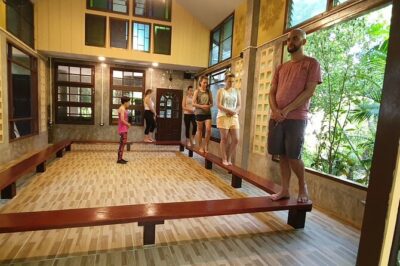
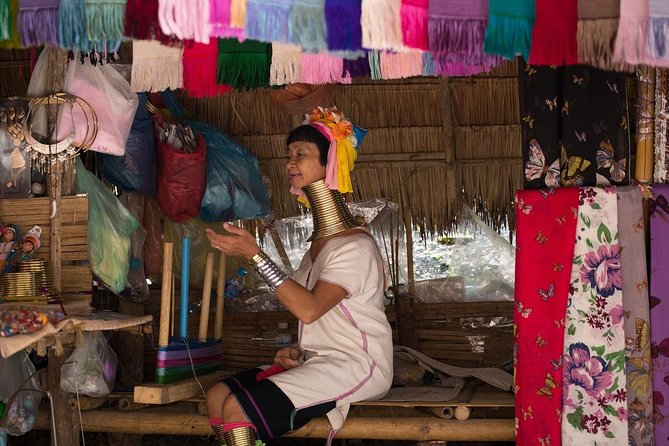
This is the part that feels most distinctive. You’re not staying in a tourist hotel; you’re sleeping in a hut in a Karen hill-tribe village area. That’s why people do it: it can feel more like living the rhythm of the place instead of touring through it.
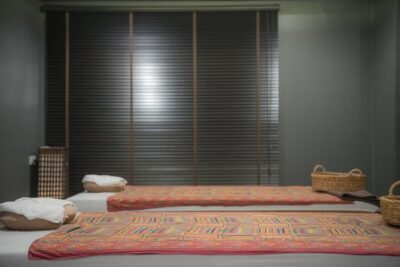
Now the caution. Accommodation can be very basic. One concern that has come up is bedding quality—thin mattresses and dirty or smelly bedding were mentioned in at least one unhappy experience. That doesn’t mean every stay is the same, but it does mean you should plan for the possibility that “sleeping well” isn’t the priority here.
My practical take:
- Bring your own comfort items if you can.
- Use a sleeping bag liner or something lightweight to protect your skin from questionable bedding.
- Assume insects, humidity, and simple hut conditions are normal.
And about expectations: you’re visiting a Karen village, but you should not plan on the long-neck Karen display shown in some photos. If that look is what you’re chasing, this tour may not match what you’re picturing.
Guides, Group Size, and Pacing: Small Group Means Better Navigation
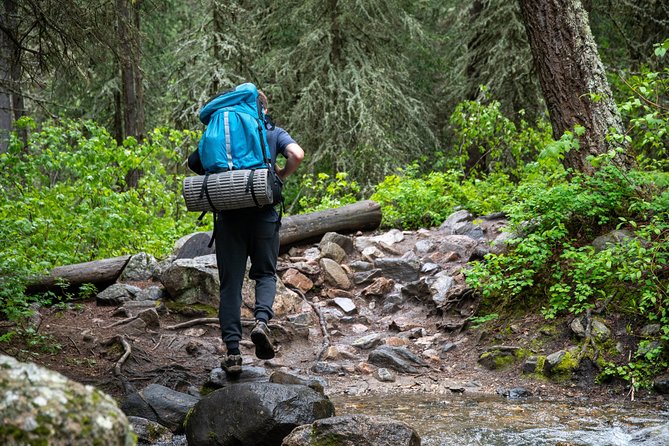
This runs with a licensed English-speaking guide and a group limit of up to 10 travelers. In a trek like this, that matters. Fewer people usually means smoother pacing, fewer bottlenecks at crossing points, and better chances your guide can actually keep an eye on the whole group.
One name you may hear is Witoon, mentioned as highly knowledgeable and attentive in the jungle. That style is exactly what makes guided trekking worth it—you don’t just walk; you learn small things about what you’re seeing along the trail.
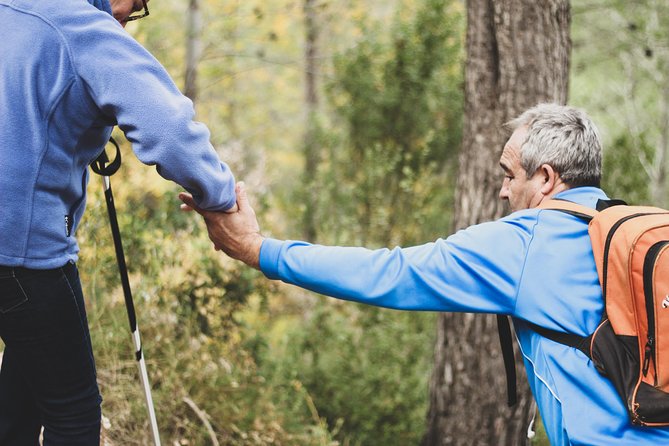
Pacing note: there are multiple trekking blocks across the three days, plus a truck transfer between segments. This is suited to people who can handle moderate hiking for several hours at a time, with breaks built in for meals and swimming.
Price and Value: Is $162.76 a Good Deal?
At $162.76 per person for roughly three days, the price looks like a bargain on paper—mainly because so much is included:
- Truck transportation
- Accommodation
- Meals (breakfasts, lunches, dinner)
- Accident insurance
- Guide services (English-speaking)
- Trekking backpack
- Bamboo rafting
- Elephant food
- Major activities like waterfall time
If you tried to cobble this together on your own, you’d spend time coordinating transport, booking guides, handling meals, and arranging the elephant-food and trekking components. This tour does that work for you.
That said, value depends on your priorities. If you care most about comfort, you might find better value elsewhere (like a hotel-based trekking option). If you care most about authentic jungle time and hands-on elephant interaction, this price can feel fair.
What to Pack for Comfort on This Trek
I’d pack for wet shoes, simple nights, and a long day of walking.
Must-haves (practical, not fancy):
- Trekking shoes with grip
- Quick-dry clothes and a change set
- Swimwear and a towel you don’t mind getting sandy
- Insect repellent
- A light rain layer (even if weather looks fine)
- Sunscreen and a hat
- A small dry bag or zip pouch for electronics
For the overnight:
- Consider a sleeping bag liner or protective sleep layer, given the basic bedding reports you should be aware of.
- Earplugs can help if huts are crowded or noisy.
You’ll be given a backpack for trekking, but you still want your own small essentials ready to grab.
Who Should Book This Mae Wang Adventure (and Who Should Skip It)
This tour fits best if you want:
- A guided jungle trek with real walking time
- Waterfall swimming breaks at multiple points
- An overnight village stay for a more grounded experience
- Elephant camp interaction where you can feed elephants (and participate in bathing-type activities)
It’s not a great choice if:
- You want a hotel-comfort sleep every night
- You’re specifically looking for the long-neck Karen presentation from viral photos
- You hate moderate hiking or unpredictable outdoor conditions
Also, because it requires good weather, you should expect that plans could shift if conditions aren’t right.
Should You Book 3D2NTrek Adventure at Chiang Mai Mae Wang?
If your dream is three days of jungle trekking plus elephant time that goes beyond a quick stop, I’d say yes. The small group size, the inclusion of meals and transport, and the repeated waterfall and swim moments make it a strong outing for the price.
But book with clear eyes. The overnight is basic, and the Karen village portion isn’t built around a long-neck spectacle. If that matches what you want—simplicity, nature, and hands-on experiences—this can be a memorable Chiang Mai escape.
If comfort is your top priority, look for a trekking option with more standard lodging and fewer “basic hut” variables.
FAQ
How long is the tour?
The experience runs for about 3 days (3D2N).
Where is the pickup point in Chiang Mai?
Pickup starts at Duangtawan Hotel Chiang Mai, 132 Loi Kroh Rd, Tambon Chang Khlan, Amphoe Mueang Chiang Mai.
What time does the tour start?
The tour starts at 9:00 am.
How big is the group?
The tour has a maximum of 10 travelers.
What kind of fitness level do I need?
You should have a moderate physical fitness level.
What’s included in the price?
The tour includes accommodation, meals (breakfasts, lunches, dinner), truck transportation, accident insurance, a licensed English-speaking guide, bamboo rafting, a trekking backpack, and elephant food.
Do I get to feed the elephants?
Yes. Elephant food is included for feeding, and the overview says you’ll have a chance to help with elephant activities.
Is there swimming during the trek?
Yes. You’ll trek to waterfalls where you can relax and swim.
Is long-neck Karen tribe viewing included?
The information provided focuses on staying overnight at a Karen hill tribe village, but the tour is not described as guaranteeing the long-neck Karen look seen in some photos.
What happens if the weather is bad?
The experience requires good weather. If it’s canceled due to poor weather, you’ll be offered a different date or a full refund.