REVIEW · CHIANG MAI
Authentic Thai Cooking Class and Farm Visit in Chiang Mai
Book on Viator →Operated by Oh-Hoo · Bookable on Viator
Thai flavors get personal in Chiang Mai. This half-day cooking class pairs market shopping with a visit to an organic farm, then lands you in an open-air kitchen where you cook and eat the results. I like the small-group setup (up to 12 people), because you get real back-and-forth with the chef instead of feeling rushed. I also like that you learn the ingredient logic behind Thai food, not just a set of moves.
One thing to plan for: the activity is weather-dependent, so you’ll want flexible timing in your Chiang Mai schedule. Also, the experience can feel a bit more time-packed than you might expect, so I’d avoid booking another close-by tour right afterward.
In This Review
- Key highlights I’d book for
- A half-day Thai cooking class that starts at the market
- What you’ll notice in the market
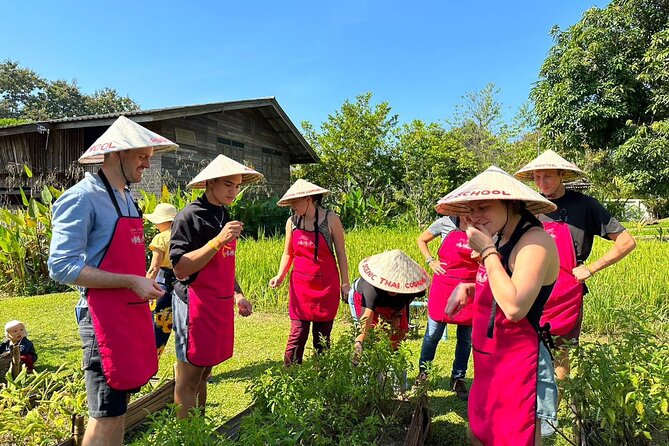
- Organic farm visit: see herbs where they grow
- Why the farm stop is more than a scenic detour
- Cooking in an open-air kitchen (and eating in a bamboo hut)
- You’ll learn sticky rice the practical way
- How many dishes will you cook?
- Choosing your 6 dishes: a simple strategy
- Your chef and the small-group advantage
- What “personal attention” means in practice
- What you get to take home (besides full bellies)
- Logistics that matter in Chiang Mai
- Is it good value at $48.06 per person?
- Who should book this cooking class
- Should you book it?
- FAQ
- FAQ
- How long is the Thai cooking class and farm visit?
- What is the price per person?
- Is pickup included, and where does the tour start?
- What’s included in the experience?
- How many dishes will I cook, and can I choose them?
- What dishes are available to choose from?
- What is the maximum group size?
- Are children allowed?
- What happens if weather is bad?
- Can I cancel for a full refund?
Key highlights I’d book for
- Small group, up to 12 people, so questions land with your chef
- Market + farm: you pick ingredients, then see where herbs and produce come from
- Choose 6 dishes from a real list, not a one-size-fits-all menu
- Open-air kitchen meal in a locally styled bamboo hut setting
- Hands-on instruction plus a take-home recipe book
- In past groups, chefs have included Chef Nune, plus energetic instructors like Tommy and Olive
A half-day Thai cooking class that starts at the market
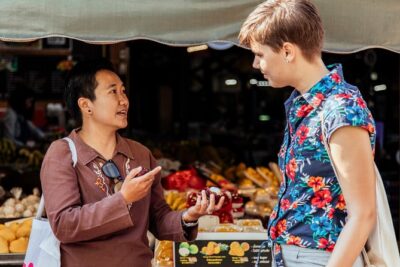
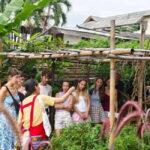
The best Thai cooking classes teach you how to think like a cook. This one starts that way: you begin with a pickup in central Chiang Mai (offered within about 3 km of downtown) and head to the start point near Tha Phae Gate. From there, you move into the local market to do what locals do: look closely at ingredients, smell herbs, and learn what different items are used for in Thai cooking.
I like that this isn’t just photo ops. You’re selecting ingredients you’ll cook later, so the market visit becomes practical. You also get a crash course in Thai cooking traditions as you go—especially how Thai flavors are built from fresh herbs, aromatics, and balanced sauces and pastes.
You can also read our reviews of more cooking classes in Chiang Mai
What you’ll notice in the market
Thai markets move fast, but you’re not thrown in alone. You’re guided to understand what matters:
- which herbs are worth learning (because they show up across dishes)
- how vegetables and spices get used beyond one recipe
- why Thai cooking often relies on fresh components, not only packaged seasonings
One tip from real participants: don’t eat beforehand, or you’ll struggle to enjoy the meal you cook. You’ll be snacking during the class too (there’s a welcome snack or fruit), but by the time you sit down to eat, you’ll want full hunger.
Organic farm visit: see herbs where they grow
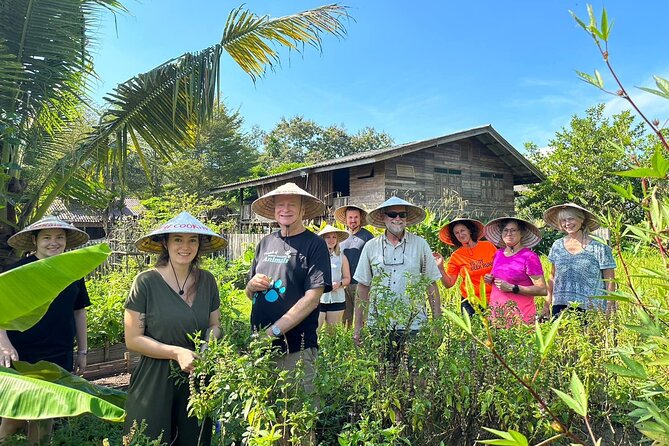
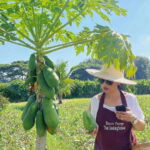
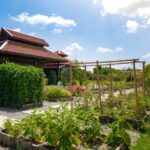
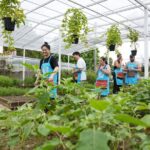
After the market, the schedule shifts to the organic farm portion. In many cases, you travel by vehicle (one past group described about 45 minutes in an A/C minivan), then arrive at a calmer, greener setting outside the city.
This is where the “Thai food uses fresh herbs and vegetables” idea turns from a slogan into something tangible. Seeing plants in an organic garden helps you connect what you bought at the market with what you’re learning to chop, fry, pound, and balance in the kitchen.
Why the farm stop is more than a scenic detour
A lot of cooking classes add a “farm” stop that feels like a slideshow. Here, the farm visit supports your cooking lesson. You’re learning Thai ingredient choices in context: herbs and produce aren’t random. They’re part of why certain dishes taste the way they do—especially curries, salads, and soups where aromatics carry a lot of flavor.
If you like slow, peaceful breaks in the day, you’ll appreciate the change of pace after the market. If you hate walking and outdoor time, just keep that in mind when you plan what else to do in Chiang Mai that afternoon.
Cooking in an open-air kitchen (and eating in a bamboo hut)
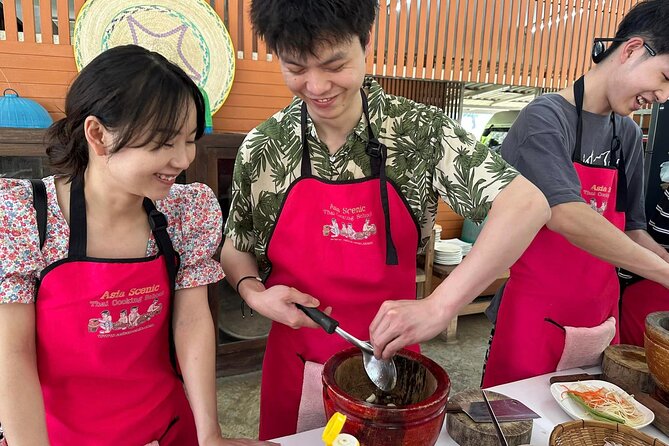
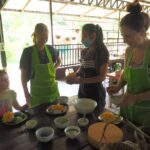
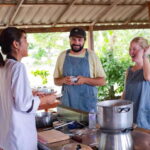
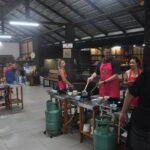
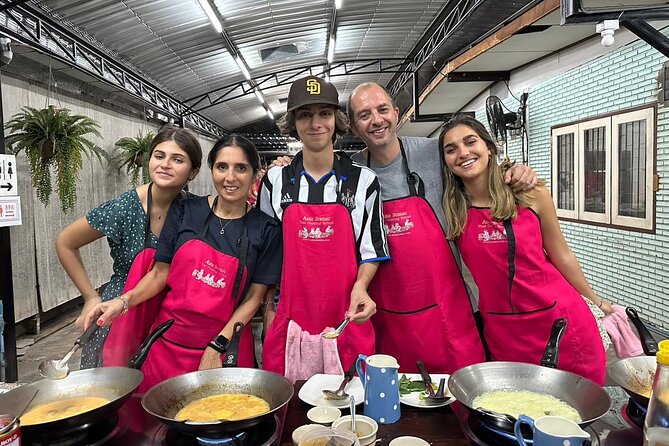
Next comes the main event: the cooking class itself. You’ll cook in an open-air kitchen, work in a small-group format, and then eat what you made in a locally styled bamboo hut.
The “open-air” part matters. It keeps the classroom feeling light and active, and you’re watching the chef explain steps while the kitchen is actually part of the environment. In other words, it doesn’t feel like a sterile cooking lab.
You can also read our reviews of more tours and experiences in Chiang Mai
You’ll learn sticky rice the practical way
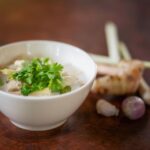
One of the class highlights is learning how to cook sticky rice. That’s not a minor detail in Thailand. Sticky rice shows up alongside curries, grilled items, and desserts, and if you get the method right, it changes the whole experience of eating the dishes you made.
How many dishes will you cook?
You’ll cook 6 dishes total, and you can choose which 6 from a list of options. That choice is a big deal because Thai cooking is wide-ranging. You can lean toward:
- stir-fries like Pad Thai or Pad See Uw
- soups like Tom Yum, Tom Sab, or a coconut milk soup
- curries and curry pastes like Red, Green, Massaman, Panang, and Khaw Soi
- salads like Papaya Salad, Spicy Chicken Salad, or Glass noodle Salad
- desserts like Deep Fried Banana, Banana in Coconut Milk, or Sticky Rice with Mango
If you’re a first-timer, I’d build your set like this: pick one stir-fry, one soup, one curry direction (or curry paste focus), and one dessert. That way you cover the main Thai flavor categories without ending up with six nearly identical dishes.
Choosing your 6 dishes: a simple strategy
The dish list is great, but choices can also overwhelm you. Here’s a straightforward approach that keeps your set balanced:
- Pick one “comfort” dish you know you’ll eat again at home (many people go for Pad Thai).
- Add one sour/bright dish like Tom Yum if you like lime and herbs.
- Choose one curry family (for example Green Curry or Massaman Curry) so you taste how Thai curry pastes shape everything.
- End with a dessert such as Sticky Rice with Mango or Banana in Coconut Milk.
If you’re spice-sensitive, choose dishes that match your comfort level. The class will teach how Thai spice is built, but it’s still your choice what you cook and how spicy you go.
Your chef and the small-group advantage
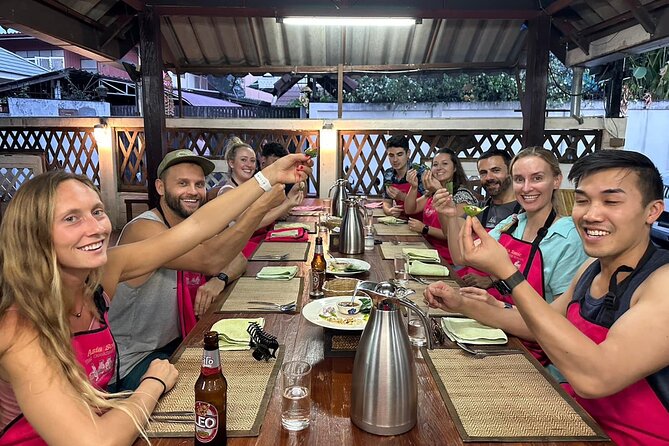
This experience is led by an experienced Thai chef, and the energy makes a real difference. In past sessions, instructors have included Chef Nune, and participants also highlighted instructors like Tommy and Olive as fun and effective teachers.
Small-group size (up to 12) is the reason these chefs can actually teach you. You’re not just watching from a distance. You’re learning in a way that lets you correct mistakes while you’re still in the learning phase.
What “personal attention” means in practice
You’ll get help with the steps that usually trip people up:
- when to add aromatics and herbs
- how to balance salty, sour, sweet, and spicy tastes
- how to follow curry paste logic so it doesn’t taste flat
The goal is not to make you a professional. It’s to give you enough technique and flavor understanding that you can cook Thai food back home without needing the exact same kitchen setup.
What you get to take home (besides full bellies)
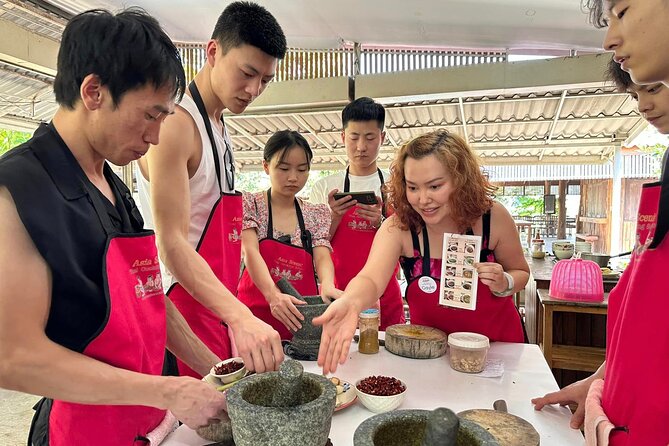
The class includes a recipe book, plus a welcome snack or fruit at the start. Eating what you cook is built into the experience, and the meal is part of the learning loop: taste while the flavors are fresh in your mind, then connect that flavor to the step you just did.
That recipe book matters more than you might think. Thai cooking has a few “core” techniques that show up across dishes. When you have the notes in front of you, you can recreate the flavor profile later instead of relying on memory.
Logistics that matter in Chiang Mai
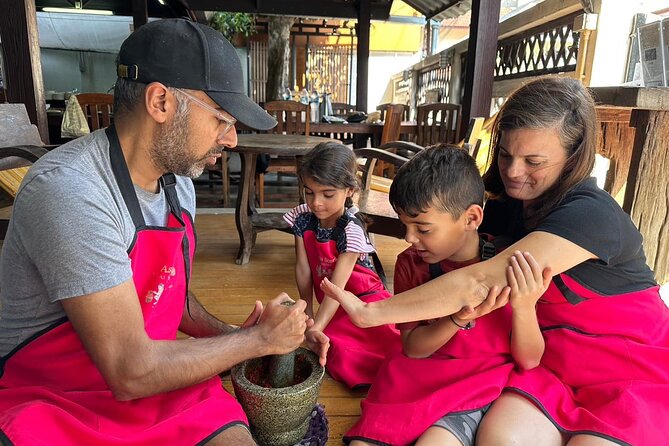
This is a centrally oriented half-day activity, and that matters for value. You’re not spending most of your time figuring out transport. Pickup is offered from central Chiang Mai (within about 3 km of downtown), and you’re returned to the meeting point after the class.
You’ll start near Tha Phae Gate, and the area is easy to reach. It’s also near public transportation, which is handy if your hotel pickup isn’t available or if you’re meeting the group on your own.
One practical heads-up from a past participant: they received a message on the app to confirm the exact pickup time. So, keep an eye on your messages as the day approaches.
Is it good value at $48.06 per person?
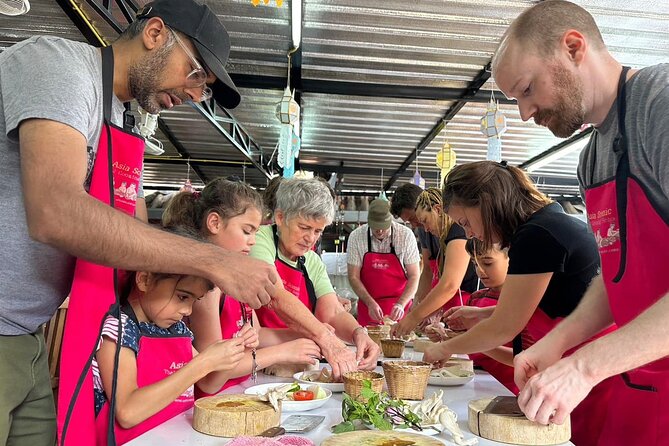
At $48.06, you’re paying for more than a cooking lesson. You’re getting:
- pickup/transfer from central Chiang Mai
- a local market ingredient tour
- an organic farm visit
- hands-on cooking of 6 dishes
- open-air cooking space and then a sit-down meal you made
- a recipe book
- a welcome snack or fruit
In Chiang Mai, you’ll find cheaper “cook and eat” classes. The difference is usually either smaller content (no farm) or less time spent on ingredient understanding. Here, the market and farm stops help justify the price, because they add context to what you cook. If you want Thai food that feels rooted in ingredients—rather than just a one-off meal—this price starts to look reasonable.
Who should book this cooking class
This is a great fit if:
- you want a first real Thai cooking class with ingredient depth
- you like markets and don’t mind some outdoor time
- you’re traveling with friends or even solo and want a small-group vibe
- you want to eat a meal made by your own hands, not just taste samples
It may not be your best match if:
- you want a very short, low-walking activity
- you hate outdoor kitchens and farm visits
- you have a tight schedule and can’t handle possible weather adjustments
Should you book it?
I’d book it if you want the full Chiang Mai flavor education: market → farm → cook → eat, all in one half-day. The small-group size is a real quality marker, and the dish choice (six from a wide list) means you can tailor the experience to your tastes. Add the recipe book and you’ll leave with more than just memories.
If you’re flexible with weather and you’re hungry enough to enjoy the meal you cook, this class is a strong way to spend a morning or afternoon in Chiang Mai.
FAQ
FAQ
How long is the Thai cooking class and farm visit?
The experience runs for about 5 hours.
What is the price per person?
The price is $48.06 per person.
Is pickup included, and where does the tour start?
Pickup is offered from central Chiang Mai (within about 3 km of downtown). The meeting point is near Tha Phae Gate, Tha Phae Road, Chang Khlan.
What’s included in the experience?
You’ll visit a local market, tour an organic farm, then cook in an open-air kitchen and eat what you make. It also includes a welcome snack or fruit and a recipe book.
How many dishes will I cook, and can I choose them?
You cook 6 dishes. You can choose which 6 you want from the listed options.
What dishes are available to choose from?
You can choose from stir-fries (Pad Thai, Pad See Uw, Hot Basil Stir Fried, Cashewnut With Chicken), soups (Coconut Milk Soup, Tom Yum, Tom Sab), curry pastes and curries (Red, Green, Massaman, Panang, Khaw Soi options), salads (Spicy Chicken Salad, Papaya Salad, Glass noodle Salad), and desserts (Deep Fried Banana, Banana in Coconut Milk, Sticky Rice With Mango).
What is the maximum group size?
The tour has a maximum of 12 travelers.
Are children allowed?
Children ages 5-11 can join. If the booking details (such as age/height) don’t match what’s provided at check-in, you may need to pay an additional charge.
What happens if weather is bad?
This activity requires good weather. If it’s canceled due to poor weather, you’ll be offered a different date or a full refund.
Can I cancel for a full refund?
Yes. You can cancel up to 24 hours in advance for a full refund. If you cancel less than 24 hours before the start time, the amount paid is not refunded.