REVIEW · CHIANG MAI
Chiangmai : Doi Inthanon unseen spot , Rice terrace & temple
Book on GetYourGuide →Operated by Journey D Travel · Bookable on GetYourGuide
A mountain day in Chiang Mai can feel like a movie. This one pairs waterfalls and sweeping rice terraces with Karen hill-tribe culture, plus a stop at a temple that feels like you’ve wandered off the main path. I like the way it moves from one “wow” moment to the next without wasting time, and I really enjoy the culture side—especially the Karen coffee and woven textiles. One drawback: the hiking and mountain roads are not for everyone, and the guide’s English can vary.
I also appreciate that the plan builds in enough flexibility to deal with weather. If rain changes the conditions, you’ll still aim for strong scenery rather than just sitting it out. And yes, the day is long: you’ll be out roughly 8:00 AM to 5:00 PM, so plan on comfortable shoes and snacks for the in-between hours.
Key Points at a Glance
- Wachiratarn Waterfall with a real shot at rainbow conditions (weather permitting).
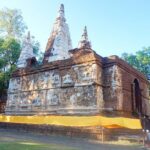
- Wat Pgageyo Ram, a tucked-away mountain temple stop.
- Ban Mae Klang Laung (Karen life), with homemade coffee and woven textiles.
- Huay Sai Laung Waterfall trek near the top zone of Doi Inthanon.
- Rice terraces panorama that shifts colors during the rainy season (July to October).
- Small groups or private options, plus guided transport from key Chiang Mai areas.
In This Review
- From 8:00 AM Pickup to a Full-Day Nature and Culture Loop
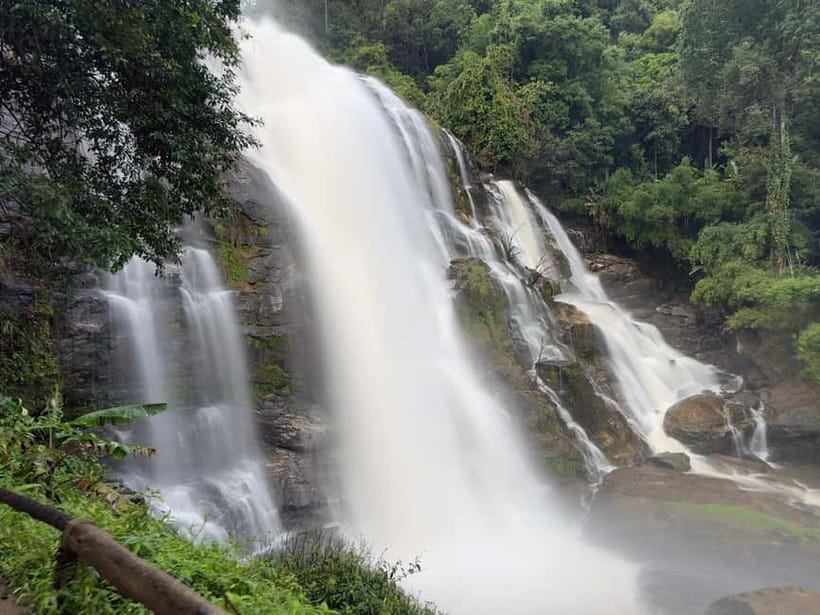
- Wachiratarn Waterfall and the Rainbow Odds
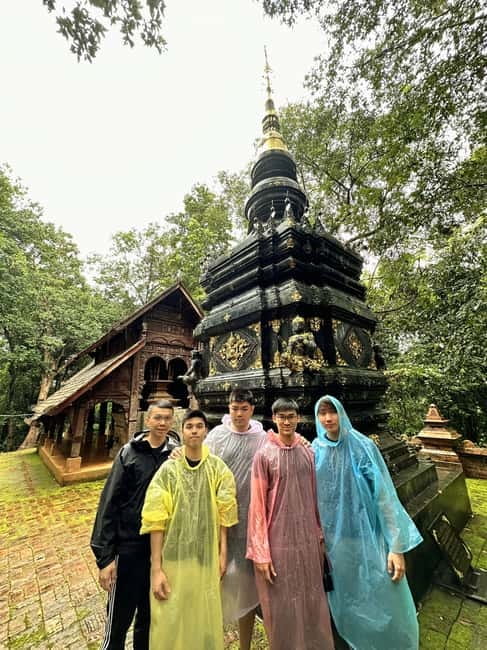
- Wat Pgageyo Ram: A Hidden Temple Feel in the Mountains
- Karen Culture at Ban Mae Klang Laung: Coffee and Textiles
- Lunch on Your Own: Plan for Timing and Energy
- Huay Sai Laung Waterfall Trek: Worth the Steps
- Rice Terraces Panorama: The Color Show (July to October)
- Price and Value: Is $70 a Good Deal for a Full Day?
- Logistics That Actually Affect Your Comfort
- Who This Tour Fits (and Who Should Skip)
- Should You Book This Doi Inthanon Day Trip?
- FAQ
- What time does the tour start and end?
- Where can I be picked up in Chiang Mai?
- How long is the tour?
- What’s included in the price?
- Is lunch included?
- Are entrance tickets included?
- What languages does the guide speak?
- Is this tour private or shared?
- Is it suitable for wheelchair users?
- Is the tour refundable if plans change?
From 8:00 AM Pickup to a Full-Day Nature and Culture Loop
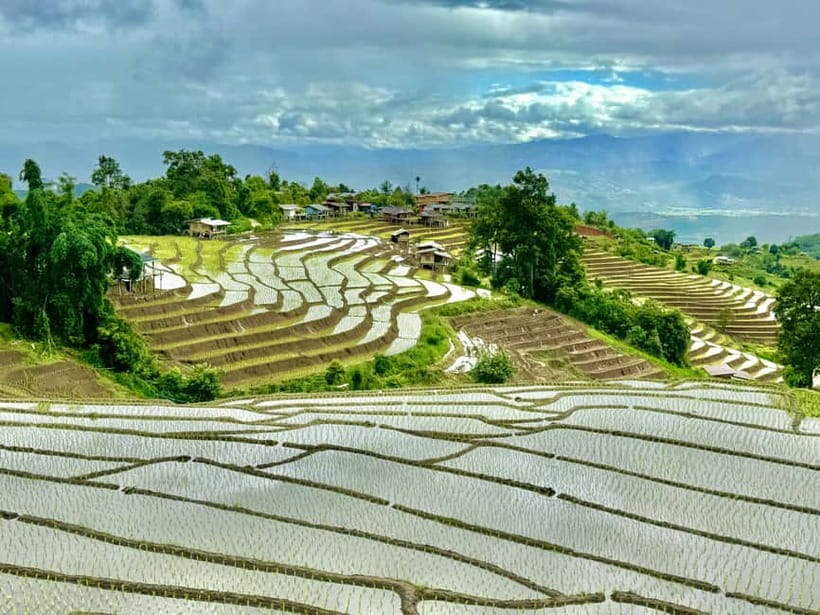
This tour is built as a single, satisfying loop through Doi Inthanon National Park and the surrounding cultural areas—starting with hotel pickup. You’ll choose one of three pickup points: Chiang Mai, Central Chiang Mai Airport, or Three Kings Monument. That matters because it saves you the scramble of getting yourself to the park on your own.
The overall rhythm is: waterfalls first, then a tucked-away temple, then Karen hill-tribe culture, then a trek to another waterfall, and finally rice terraces before heading back. It’s a lot for one day, but the order works. The early nature stops hit when energy is high, and the rice terraces at the end are a calmer payoff.
You’ll get a live guide (languages listed are Chinese, English, and Thai), and you’ll travel by vehicle between the main zones. Transportation is included; food is not. So the practical takeaway is this: budget time and calories for the gaps, especially the lunch window, which is an own-expense break.
One more useful expectation: the day can shift with conditions. In some cases, a skilled guide will swap parts of the route so the scenery stays worth it rather than turning into a weather compromise.
Wachiratarn Waterfall and the Rainbow Odds
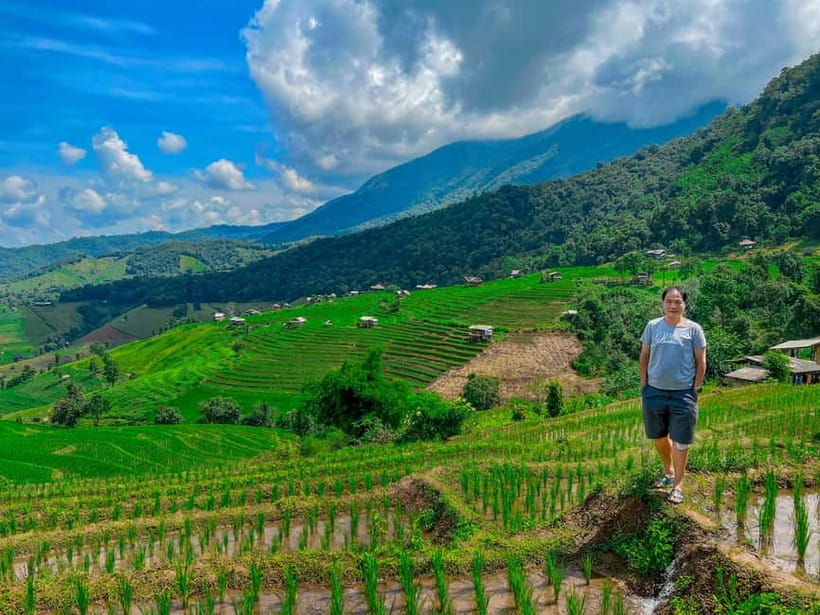
Wachiratarn Waterfall is the first big anchor of the day, described as the park’s standout feature. You’ll have time to take in the cascading water and its surroundings, and the tour even sets up the fun possibility of a rainbow. That rainbow idea isn’t guaranteed—rain and sunlight have to line up—but it’s a great mental frame for the moment you arrive.
Why this stop is worth your time: waterfalls in this region aren’t just pretty. They’re a way to “read” the landscape—cooler air, mist, and lushness give you immediate clues about how the area works. If you time it right with breaks for photos, it feels like you’re stepping into a natural show that changes minute to minute.
Practical notes:
- Wear shoes with grip. Waterfall areas can be slick.
- Bring a light layer. Even when Chiang Mai feels warm, misty spots can feel cooler.
- If you care about photos, plan on adjusting your angles. Spray reduces sharpness unless you’re mindful of your distance.
You can also read our reviews of more tours and experiences in Chiang Mai.



Wat Pgageyo Ram: A Hidden Temple Feel in the Mountains
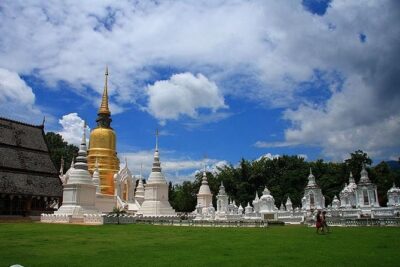
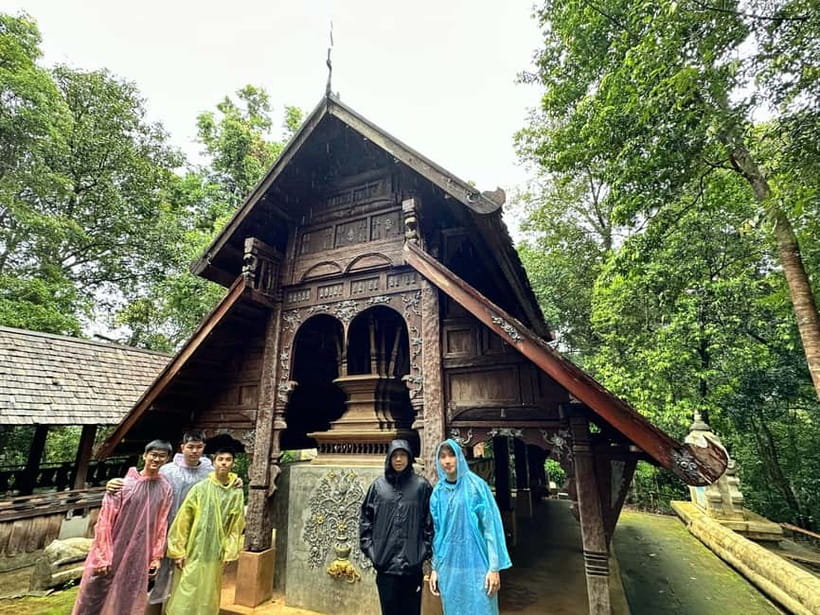
After the waterfall, you’ll head to Wat Pgageyo Ram, described as a hidden temple tucked in the mountains. The main value here isn’t only the temple itself—it’s the route into it. Mountain temples tend to feel quieter and less rushed than the best-known sites, because getting there already filters out the crowds.
What you can expect: a guided visit with time to slow down, look around, and learn the story behind the place. This is also where a good guide earns their keep. One past guide, Eddie, was noted for explaining history and culture with care, and he’s the kind of person who doesn’t treat stops as checkboxes.
A small caution: if your English level depends on your guide, language clarity can vary by group. So if you want lots of detail, it helps to bring a few questions of your own (for example, what the locals practice here, or why this location matters).
Karen Culture at Ban Mae Klang Laung: Coffee and Textiles

Then comes one of the strongest culture parts of the day: Ban Mae Klang Laung, a Karen hill-tribe area. This is where you get beyond scenery and see how people live in the mountains.
You’ll experience traditional life and you’ll get a chance to try Karen coffee. It’s not just a sample for fun; it’s a small window into local farming and daily routines. You’ll also admire woven textiles, which are usually where you can spot the real craftsmanship—patterning, texture, and finishing details that don’t look “fake-made for tourists.”
Why I like this part of the tour: it’s not positioned as a performance. It’s a visit that connects with ordinary routines—food, drink, and making things. That gives the day a satisfying balance: nature in the morning, culture in the middle, nature again later.
What to be mindful of:
- Be respectful and patient. You’re visiting a community space, not just a photo backdrop.
- If you’re sensitive to crowds, a private or small-group option can make a real difference.
Lunch on Your Own: Plan for Timing and Energy
Lunch is included as a break, but the meal itself is own expense. That matters because your day is packed, and you don’t want to lose time hunting for food or ordering something you can’t eat comfortably.
Your best approach:
- Carry a small snack for before and after lunch.
- If you’re the type who needs a full meal to keep going, plan to eat promptly at lunch so you’re ready for the next trek.
You’ll likely also need water. Drinks aren’t included, and you’ll be moving between elevations. Even if the weather is mild, a mountain day adds up faster than you expect.
Huay Sai Laung Waterfall Trek: Worth the Steps
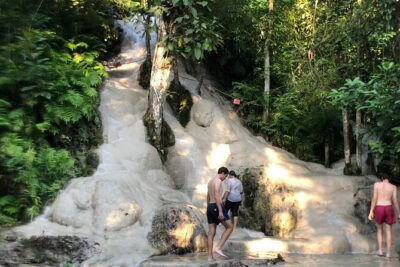
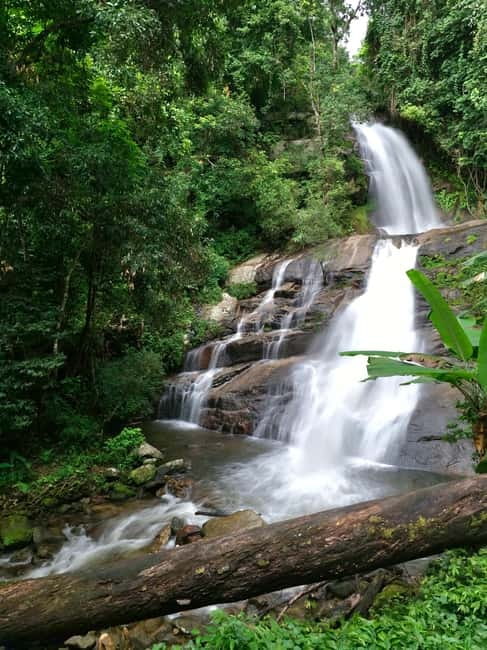
After lunch, the tour shifts into active mode. You’ll trek to Huay Sai Laung Waterfall, described as a hidden highlight near the mountain summit area. A trek doesn’t mean a super technical adventure is guaranteed, but it does mean you should expect uneven ground and uphill effort.
What makes this stop special in the flow of the day is contrast. Wachiratarn sets the scene with a major waterfall moment. Huay Sai Laung adds a more “earned” feeling: you’ve walked up, you’ve worked for the view, and then the waterfall delivers as the reward.
Practical considerations:
- This is not ideal for anyone who dislikes hiking or has mobility limits.
- You’ll want shoes you trust on damp surfaces.
- If rain has fallen earlier, visibility and footing can change fast.
And because conditions can vary, a good guide matters here. A flexible guide can adjust the route or timing to keep the trek safe and scenic rather than simply “on schedule.”

Rice Terraces Panorama: The Color Show (July to October)
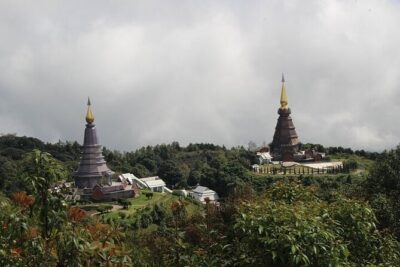
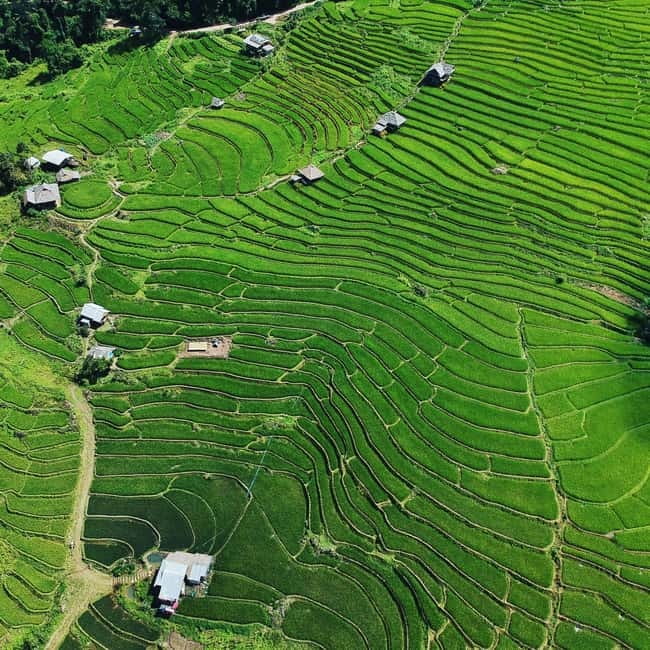
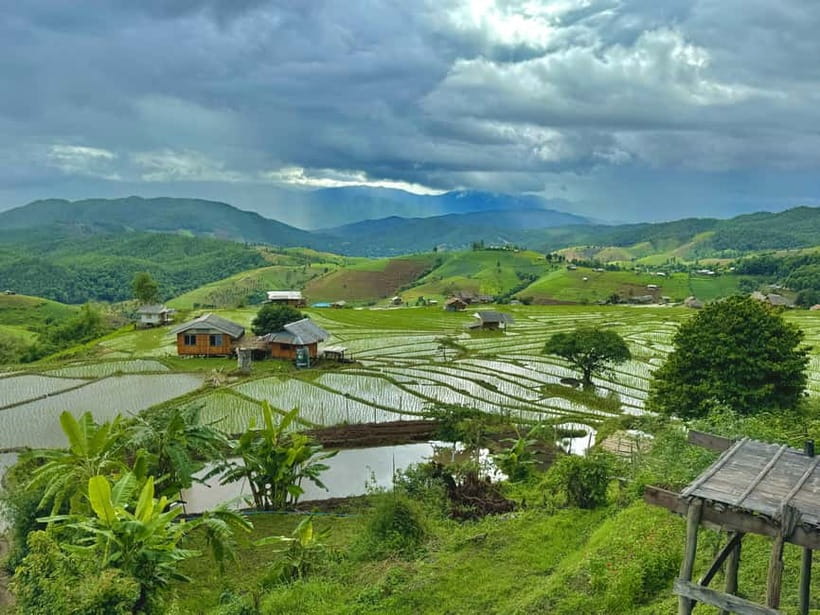
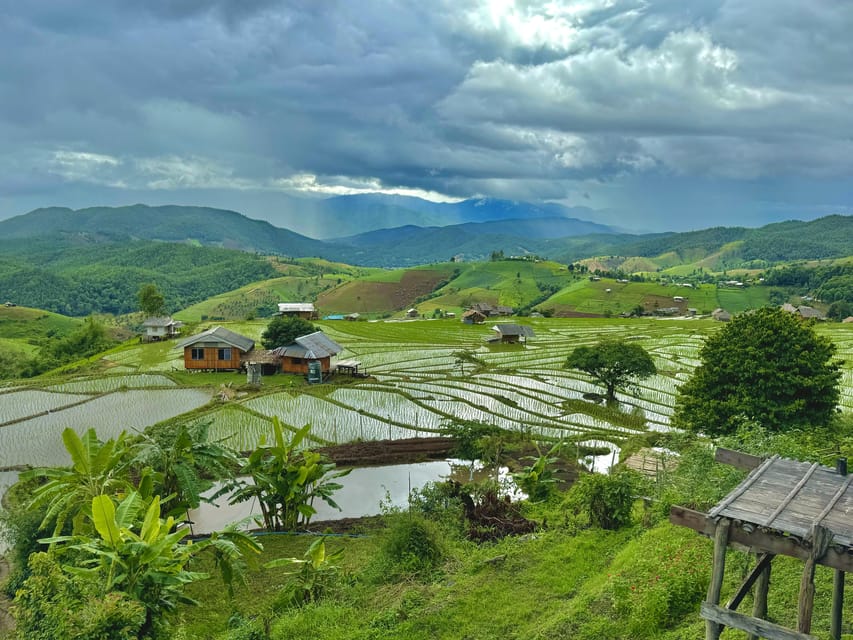
The final big wow is the rice terraces. You’ll do a leisurely stroll through terrace areas with panoramic views. The tour description focuses on a key seasonal point: during the rainy season—July to October—the terraces shift from deep green toward golden harvest colors.
That timing detail is more useful than it sounds. In the wrong season, terraces can look flat or dormant. In the rainy window, you get color and lushness—exactly what makes the “panorama” feel like a living artwork instead of a single static view.
How to get more out of this stop:
- Go slow. Terrace viewpoints often look better from multiple angles.
- Bring a camera with you, but also take moments without it. The terraces have a calming effect once the earlier intensity is done.
- Expect changing light, especially in mist or passing rain.
This is also a great moment to think about photos. If you want nice shots, plan a couple minutes of stillness. Water and mist soften the background; a little patience usually pays off.
Price and Value: Is $70 a Good Deal for a Full Day?
At $70 per person for a full day, the value depends on what you want from the day. This price covers transportation and a guide, which is a major chunk of the cost and hassle if you were trying to build it yourself.
Here’s what you’re effectively buying:
- Vehicle transport across multiple sites
- A guide to explain what you’re seeing
- A structured schedule that takes you beyond the easiest “tick the box” spots
What you’re not buying (so budget separately):
- Lunch and drinks
- Any optional entrance tickets on the way (not included, though some additional places may require them)
So the real cost for you is $70 plus food/drinks, and possibly a few extra entrance fees depending on what stops are added. If you’re okay eating simply and bringing water, the total still tends to feel fair for a day that includes multiple nature sites plus a community culture visit.
When this tour shines most: if you don’t want to spend your Chiang Mai day figuring out logistics, parking, and route changes in mountain weather.
Logistics That Actually Affect Your Comfort
This is where the planning details matter.
Timing: roughly 8:00 AM pickup and return around 5:00 PM. That’s a full day out of the city. If you have other plans later that evening, keep them light.
Group size: private or small groups are available. If you prefer quiet conversations with fewer interruptions, choose private/small-group. If you’re fine blending in, a shared group can be fine too.
Language: the guide can speak Chinese, English, or Thai. One detail worth noting is that English may be limited depending on the guide and group. If English explanation is your top priority, try to match your expectations to the language options you can book.
Weather flexibility: the tour can adapt when conditions are bad. That can mean a different route so the day doesn’t collapse into disappointing viewpoints. The upside is you get effort and problem-solving from the guide rather than resignation.
Who This Tour Fits (and Who Should Skip)
This is a strong fit if you want both nature and people in one day. You’ll enjoy it if you like:
- Waterfalls and misty mountain scenery
- Easy-to-moderate trekking days
- Cultural stops with coffee and textiles
- Panoramic viewpoints that change with season
It’s not suitable for:
- Wheelchair users
- People with altitude sickness
- Babies under 1 year
If you’re altitude-sensitive, take that warning seriously. The day includes mountain areas, and trekking adds strain.
Also, if you dislike active days, treat the trek portion as a sign. Huay Sai Laung involves walking, so you’ll want decent footwear and a realistic attitude about effort.
Should You Book This Doi Inthanon Day Trip?
If your goal is a full Chiang Mai day that goes beyond the city and hits multiple “big moments” (waterfalls, temple, Karen culture, and rice terraces), this tour is a solid choice. The value is strongest because you’re paying for transport + guide while still getting a mix of nature and community.
I’d book it if:
- You’ll be in Chiang Mai for a short time and want one efficient day.
- You care about rice terraces during July to October when the colors shift.
- You like getting explanations, not just being transported.
I’d hesitate if:
- You’re expecting an easy, flat walking day.
- You need guaranteed fluent English from the start.
- You’re sensitive to altitude or have mobility limitations.
Overall, this is the kind of tour that works when you’re flexible and ready for a long day in the mountains. If the weather cooperates, you get the full show; if it doesn’t, a careful guide can still keep the day worth your time.
FAQ
What time does the tour start and end?
The day starts with an 8:00 AM hotel pickup and returns to your hotel at around 5:00 PM.
Where can I be picked up in Chiang Mai?
Pickup is available from Chiang Mai, Central Chiang Mai Airport, and Three Kings Monument.
How long is the tour?
The experience is listed as 1 day.
What’s included in the price?
The tour includes transportation and a guide.
Is lunch included?
No. Lunch is not included and is described as an own-expense stop.
Are entrance tickets included?
Entrance tickets are not included. The info notes they are optional for additional places on the way.
What languages does the guide speak?
The guide can speak Chinese, English, and Thai.
Is this tour private or shared?
You can choose private or small groups.
Is it suitable for wheelchair users?
No. It is not suitable for wheelchair users.
Is the tour refundable if plans change?
Yes. Free cancellation is available up to 24 hours in advance for a full refund.