REVIEW · CHIANG MAI
Chiang Mai: Temple & City Tour Part II
Book on GetYourGuide →Operated by Journey D Travel · Bookable on GetYourGuide
Four temples, one early-morning walk. I love how this route gives you Wat Chiang Man and its crystal Buddha roots, while also turning Wat Chiang Yuen into a real lesson on Shan community life in Chiang Mai.
My second favorite part is that the day connects Thai Buddhism with the region’s Shan-Burmese influences, not just postcard views. The only real drawback is heat and time on your feet, so you’ll want a shade-ready plan if you’re not used to Chiang Mai mornings.
In This Review
- Key Things I’d Focus On Before You Go
- A 08:20 Start That Turns Into a Temple Lesson
- Wat Chiang Man: Mengrai’s 1296 Temple and the Crystal Buddha
- Wat Chiang Yuen: The Shan Residential Temple You’ll Probably Miss Alone
- Wat Pa Pao: Shan Burmese Style and a Different Kind of Atmosphere
- Wat Ku Tao: The 1613 Chedi Linked to Prince Saravadi
- How the Guide Turns Stones Into Meaning (Eddy, Son, Big, and Katoon)
- What You’ll Actually Do at Each Temple Stop
- Price and Value: Why $31 Can Work (If You Like Walking + Context)
- Packing Tips for an Easy Walking Day That Still Takes Energy
- Temple Etiquette: How to Avoid Unnecessary Problems
- Carbon-Conscious Walking in Chiang Mai
- Who Should Book Chiang Mai Temple & City Tour Part II?
- Should You Book This Tour?
- FAQ
- Which temples are included in Chiang Mai Temple & City Tour Part II?
- What time does the tour start?
- How long is the tour?
- Is hotel pickup and drop-off included?
- Is food or drinks included?
- What languages are the live guides?
- What should I bring?
- Are there rules about clothing and behavior?
- Who might not find this tour suitable?
- What is the cancellation policy?
Key Things I’d Focus On Before You Go
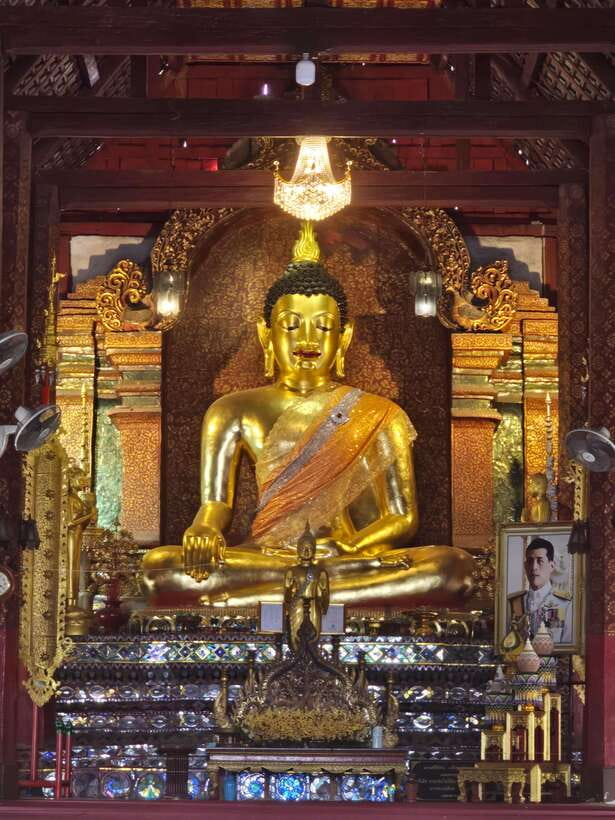
- Wat Chiang Man’s deep 1296 story tied to King Mengrai and the crystal Buddha
- Wat Chiang Yuen’s Shan residential background from the 16th century
- Shan Burmese temple styles at Wat Pa Pao and what that means for the region’s culture
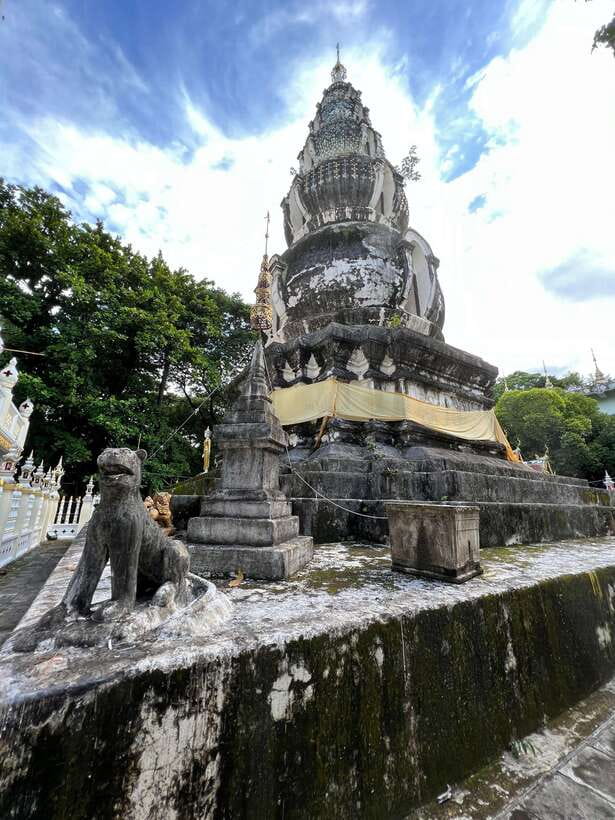
- Wat Ku Tao’s unusual chedi linked to Prince Saravadi’s ashes
- Photo-friendly, etiquette-first guiding (guides like Eddy, Son, Big, and Katoon are repeatedly praised for explanations and pictures)
- A true walking day with an easy-to-follow route, but you still need water and breaks
A 08:20 Start That Turns Into a Temple Lesson
You start at 08:20 am, and that early timing matters more than you’d think. You’ll beat some of the harsh heat and you’ll get into the calm rhythm of Chiang Mai before the day turns hectic.
This tour is built as a walking experience that stays relatively easy, but it still adds up. Expect “temple time” where the guide keeps you moving and also makes time to stop, look closely, and understand what you’re seeing instead of rushing past it.
You’re also signing up for a day that aims to offset carbon emissions and reduce environmental impact. It won’t change the fact that you’re walking through town, but it does signal that the operator is trying to keep the footprint smaller.
You can also read our reviews of more city tours in Chiang Mai

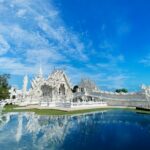
Wat Chiang Man: Mengrai’s 1296 Temple and the Crystal Buddha
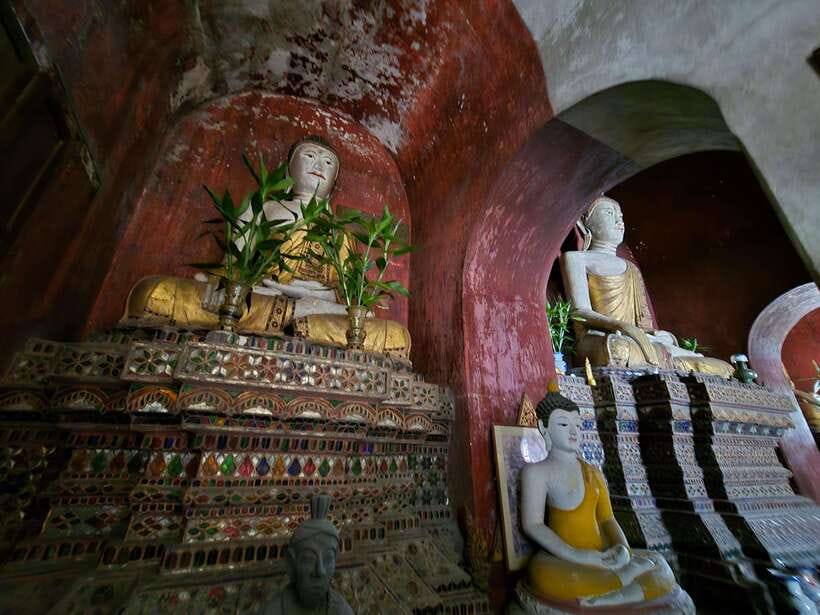
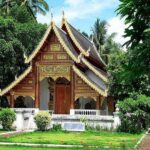
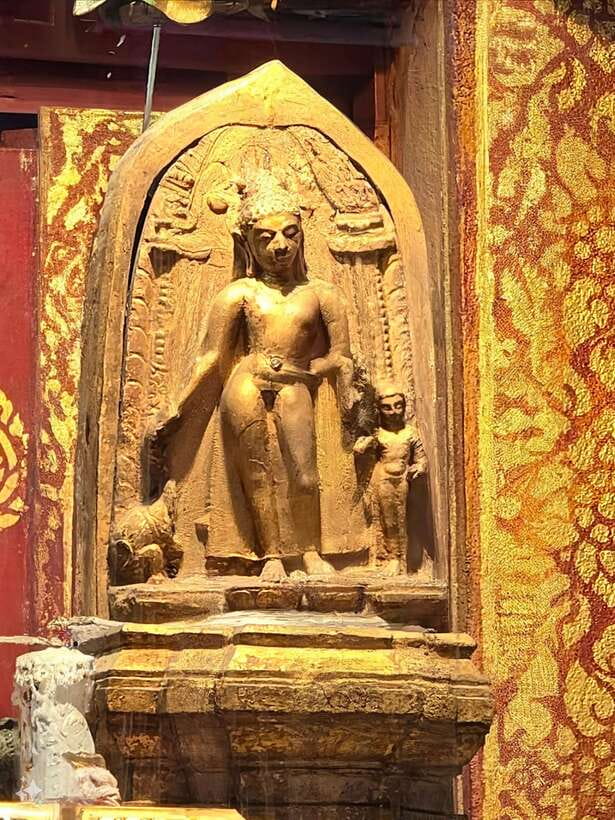
Wat Chiang Man is the old anchor point of the route. It’s described as the oldest temple in Chiang Mai town, built in 1296 by King Mengrai, and it’s known for an enshrined crystal Buddha statue—the kind of detail that instantly makes a temple feel personal, not generic.
What I like about starting here is the “origin feeling.” This isn’t just a stop; it’s the opening chapter. When your guide explains why this temple mattered to the early city, the carvings, statues, and layout stop being decoration and start acting like historical evidence.
Practical note: older temples can mean uneven surfaces and lots of steps. Even on an “easy walking” route, you’ll benefit from wearing shoes you trust and taking your time at entrances.
Wat Chiang Yuen: The Shan Residential Temple You’ll Probably Miss Alone
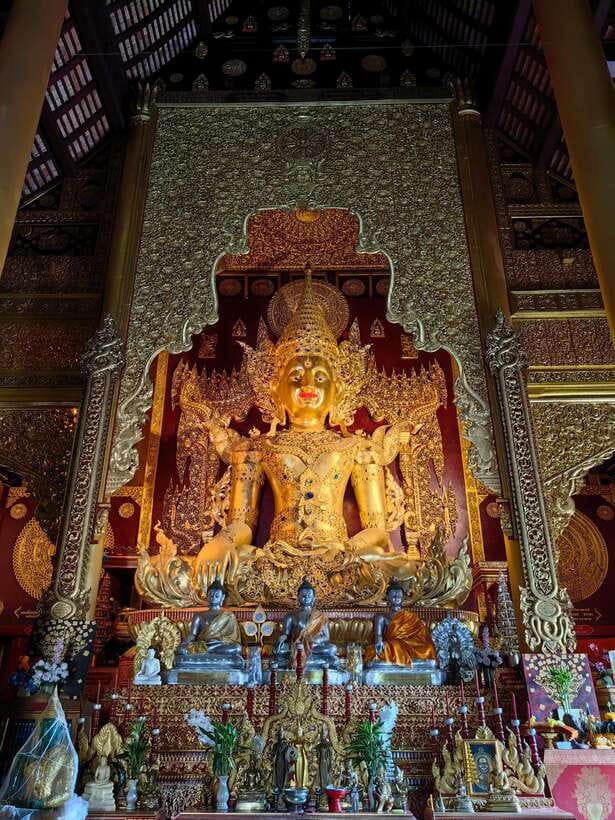
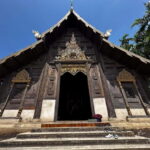
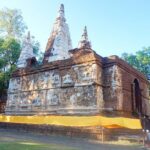
After Wat Chiang Man, Wat Chiang Yuen shifts the vibe. This is a unique 16th-century temple located in an area that historically served as the residential space of the Shan people.
That context changes how you look at the place. A temple isn’t only where rituals happen—it’s also where community stories live. When you understand that this location once held Shan residential life, the temple becomes a cultural map rather than a single photo spot.
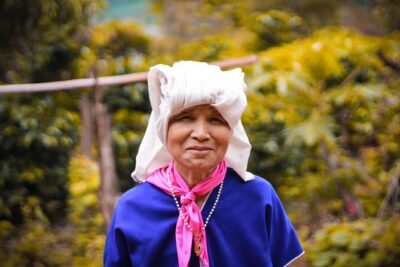
Also, this stop helps you widen your view of Chiang Mai’s identity. The city isn’t only “Northern Thai” in a narrow sense; it has layers of influence, including Shan culture that shaped the region over time.
Wat Pa Pao: Shan Burmese Style and a Different Kind of Atmosphere
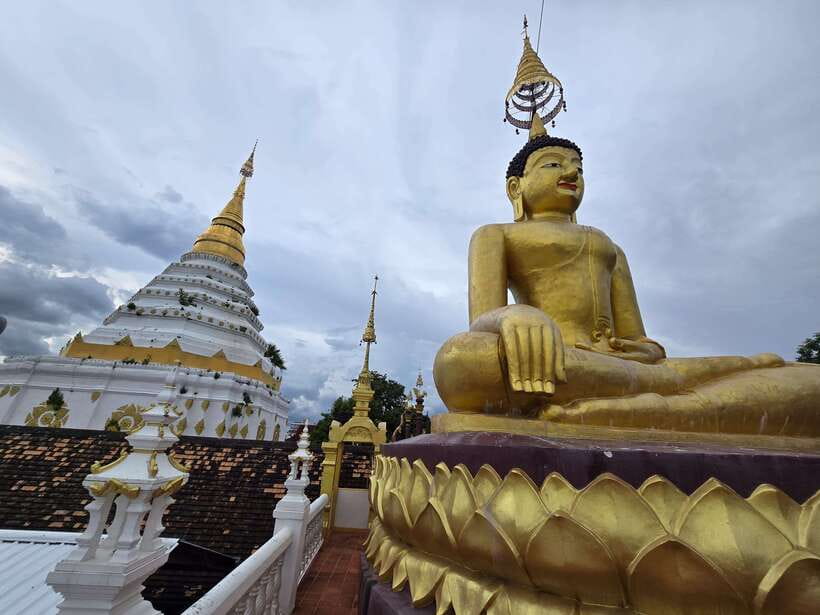
Next comes Wat Pa Pao, a Shan Burmese style temple outside the old city walls and moats. That “outside the moat” detail matters because it often means fewer visitors and a more local pace.
This is where the tour earns its place as Part II. Instead of just looping through the most obvious city-center sights, you get a temple style that reflects wider regional connections—Shan and Burmese—showing up in the way the temple is built and used.
If you’re the type who likes to compare styles, this is a good stop. You’ll likely notice different design elements, and your guide should help you connect them to belief and tradition rather than treating them as random architecture.
Wat Ku Tao: The 1613 Chedi Linked to Prince Saravadi
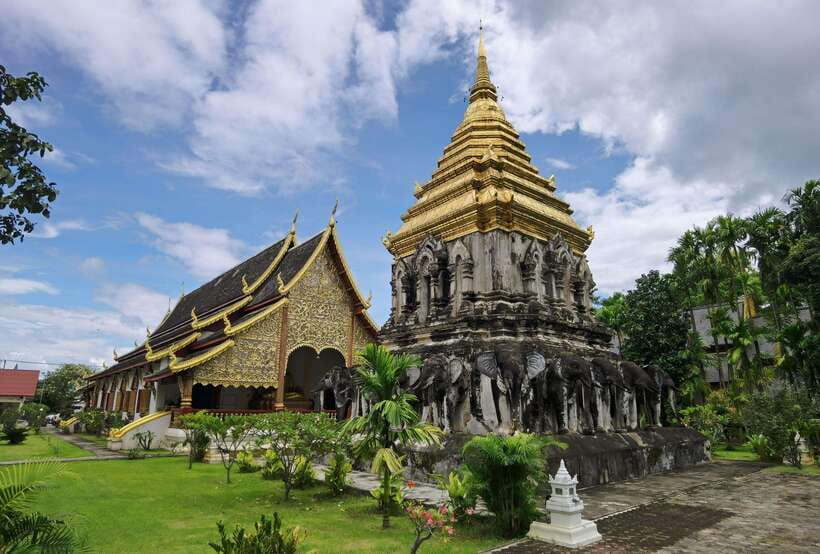
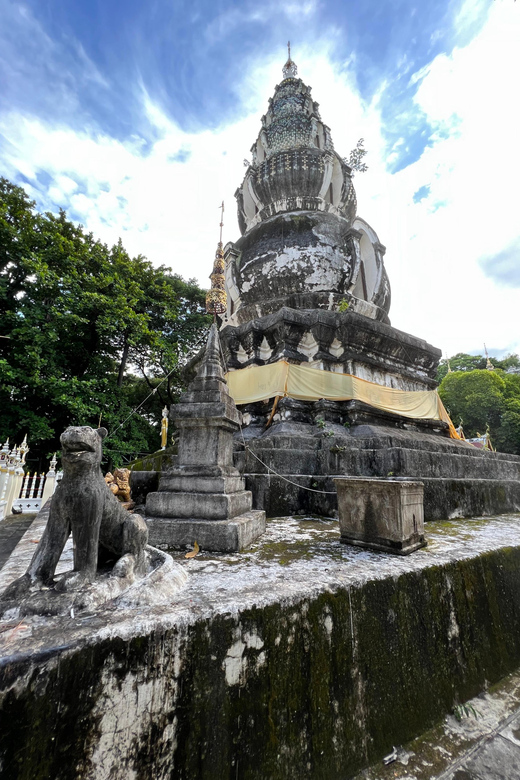
Wat Ku Tao is the tour’s “wait, what is that?” moment. It’s described as a highly unusual chedi thought to have been built in 1613 to hold the ashes of Prince Saravadi (1578–1607), the first Burmese overlord of Chiang Mai.
That storyline gives the chedi extra weight. It becomes a physical reminder that Chiang Mai’s history included political shifts, alliances, and regional power dynamics—not just peaceful temple building.
From a traveler’s perspective, I love stops like this because they force you to look past the surface. It’s not only about what the monument looks like; it’s about what it was meant to do—honor someone, store memory, and mark a period in the city’s timeline.




How the Guide Turns Stones Into Meaning (Eddy, Son, Big, and Katoon)
The guides are a big reason this tour scores extremely well. You might meet Eddy, Son, Big / Mr. Big, or Katoon—and the common theme is clear: they connect temple visuals to Buddhism and daily monastic life.
Several guides are praised for taking time to explain:
- how Buddhism works in practice,
- how monks live,
- and how to enter and behave inside temples with simple, correct etiquette.
A standout detail from the guide stories: Big is specifically mentioned as someone who had been a monk for 18 years, and Katoon is repeatedly credited with explaining Buddhism and monk life with patience. There’s also praise for photos—your guide can help with picture timing and angles while you’re still learning, not just snapping and running.
If you want more than sightseeing, this is where the tour pays off. You’re not just collecting stamps; you’re getting a framework for what you’re seeing. That’s the difference between a tour you forget and one you remember.
What You’ll Actually Do at Each Temple Stop
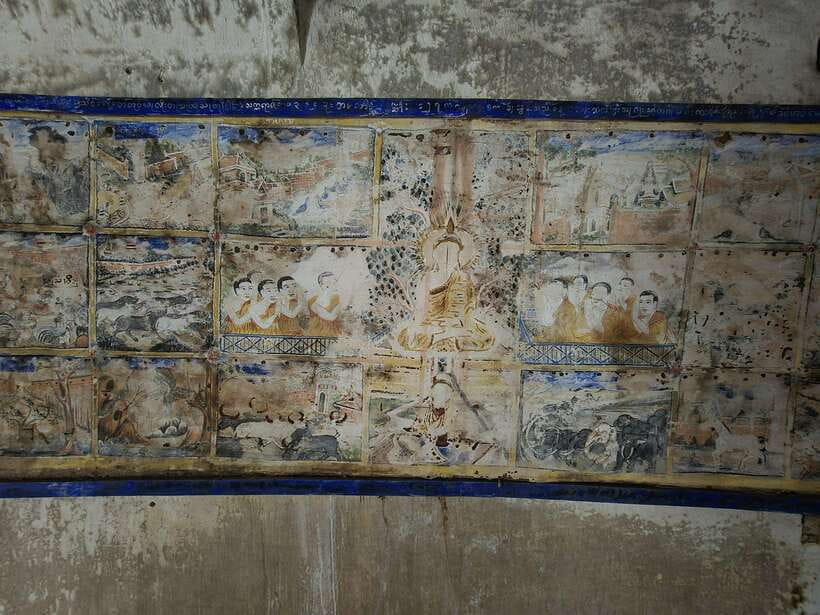
Even with different temples, the day follows a similar rhythm: walk, arrive, then slow down enough to understand key points.
At each stop, you’ll typically spend time looking at the main structures and learning what makes them important. The guide’s role is to translate symbolism into everyday meaning—things like what the statue setting suggests, why certain features show up, and how visitors should behave respectfully.
You’ll also get at least some guidance on prayer and meditation etiquette. In particular, guides are described as teaching basic meditation and how people pray properly at temples. That’s useful because temple rules are often intuitive to locals but unclear to visitors.
One more pattern from guide experience: sometimes you get access to quieter spaces or extended exploration at calmer temples. That kind of small-moment care is hard to replicate if you try to DIY it with only a map.
Price and Value: Why $31 Can Work (If You Like Walking + Context)
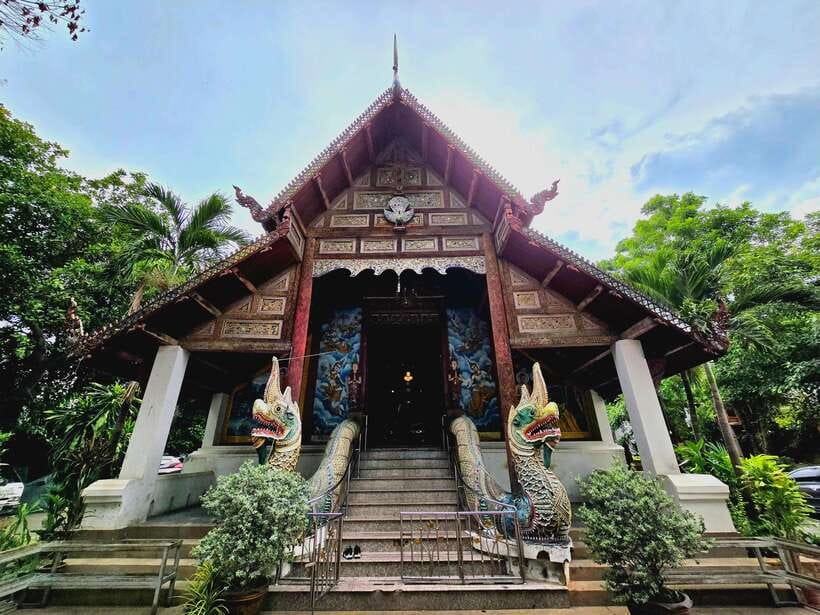
At $31 per person for a full day, the best value comes from two things you get included:
- a tour guide
- the walking tour itself
If you choose a private option, hotel pickup and drop-off can also be included, which can make the “first mile” easier.
What you don’t get: food and additional drinks. So plan for your own lunch/snacks, especially if you’ll be walking for hours. Heat makes hunger hit faster.
The value question is simple: this tour makes the most sense if you want depth—Buddhism, temple meaning, and regional history—not just quick sightseeing. If you only want pictures and don’t care about explanations, a self-guided route might feel cheaper. But if you want the “why,” this price can feel very fair.
Packing Tips for an Easy Walking Day That Still Takes Energy
This is where most people succeed or struggle. You’re told to bring:
- Umbrella
- Drinks
- Cash
That’s good advice. Chiang Mai weather can shift, and shade matters. Keep water handy because you’re not just walking between two points; you’re walking plus stopping inside temples.
For temple visit comfort, also think ahead:
- Wear clothing that won’t create friction at entrances.
- You may face restrictions like short skirts not being allowed.
- You’ll also want shoes with grip, since temple grounds can be uneven.
And keep behavior calm. Rules include no intoxication, no weapons or sharp objects, no pets, and no drones.
Temple Etiquette: How to Avoid Unnecessary Problems
You’ll have a better experience if you start with respect and follow your guide’s lead. A common theme in the guide feedback is instruction on proper temple etiquette and how to pray.
So go in with a simple mindset: listen, watch what others do, and ask when something feels unclear. Guides like Son, Eddy, Big, and Katoon are repeatedly praised for giving time for questions, not just speaking at you.
If you’re unsure about what’s allowed around sacred areas, your guide will steer you. That’s one of the underrated benefits of booking a guided walk—your time stays smooth, and you avoid awkward guesswork.
Carbon-Conscious Walking in Chiang Mai
This tour explicitly prioritizes offsetting carbon emission and reducing environmental impact. You can’t verify impact numbers from a single sentence, but it’s still a meaningful signal that the operator thinks about how tours affect the local environment.
Practically, the “low-impact” side matches the format: walking instead of constant vehicle hops. You’re spending your energy on foot, which often reduces vehicle time and keeps the day closer to how locals move through the city.
Who Should Book Chiang Mai Temple & City Tour Part II?
Book this if you:
- want a structured morning walking tour starting at 08:20
- care about Buddhism explained in plain language
- enjoy learning how regional history shows up in temple architecture
- want a guide who can handle questions and keep the pace comfortable
This tour may be less suitable if:
- you’re sensitive to heat or you don’t want to walk for hours
- you need wheelchair access or stroller access (wheelchair users and baby strollers aren’t suitable)
- you’re traveling with very young children (children under 2 aren’t suitable, and babies under 1 aren’t suitable)
- you’re pregnant (pregnant women aren’t suitable)
Should You Book This Tour?
If you want to understand Chiang Mai beyond the obvious highlights, I’d say yes. Wat Chiang Man gives you the “city origin” feeling, Wat Chiang Yuen shows you the Shan residential side, Wat Pa Pao brings Shan Burmese style into focus, and Wat Ku Tao ties it all to Prince Saravadi and the city’s Burmese-era history.
The biggest reason to book is the guide effect. Multiple guides in past groups—Eddy, Son, Big, and Katoon—are credited with patient, practical explanations, temple etiquette coaching, and photo help. That combination makes the tour more than a walk between monuments.
Just be honest about one thing: heat and walking time. Bring your umbrella and water, wear solid shoes, and treat it like a mindful morning, not a sprint.
If that sounds like your kind of Chiang Mai day, this is a smart, good-value choice.
FAQ
Which temples are included in Chiang Mai Temple & City Tour Part II?
The tour includes Wat Chiang Man, Wat Chiang Yuen, Wat Pa Pao, and Wat Ku Tao.
What time does the tour start?
It starts at 08.20 am.
How long is the tour?
The tour lasts 1 day.
Is hotel pickup and drop-off included?
It’s included if you select the private option. Otherwise, it’s listed as hotel pickup and drop-off only for the private selection.
Is food or drinks included?
No. Food and additional drinks are not included.
What languages are the live guides?
The live tour guide is available in English, Chinese, and Thai.
What should I bring?
Bring an umbrella, drinks, and cash.
Are there rules about clothing and behavior?
Yes. For example, short skirts are not allowed, and rules also include no pets, no weapons or sharp objects, no drones, and no intoxication.
Who might not find this tour suitable?
The tour is not suitable for children under 2 years, babies under 1 year, pregnant women, and wheelchair users.
What is the cancellation policy?
You can cancel up to 24 hours in advance for a full refund.