REVIEW · CHIANG MAI
Chiang Mai: Elephant Sanctuary Local Hill Tribe Caretakers
Book on GetYourGuide →Operated by Johnny Boy Treks · Bookable on GetYourGuide
Elephant time in the wild should feel calm, not staged. This Chiang Mai half-day with Johnny Boy Treks is built around hands-on care: feeding, walking, and bathing elephants in a way that’s meant to be stress-free and non-commercial. I really like that it mixes elephant care with real community context, including Karen and Hmong ways of life.
The standout downside to plan around: the program is listed as a half-day, but at least some groups have ended up out longer than expected. Also double-check your hotel pickup area in Chiang Mai, because one booking reported a pickup mismatch that affected the outcome.
In This Review
- Key things to know before you go
- Why a Chiang Mai elephant sanctuary day feels different
- Getting to Johnny Boy Treks: timing that affects your whole day
- Elephant care at the camp: feeding, walking, and mud-and-river time
- The care-focused rhythm: how to be a good guest without fuss
- Mae Wang Waterfall hike: a simple 1-hour reset in the forest
- Lunch at the sanctuary: included Thai food, no extra hunt
- Price and value: why $51 can make sense here
- Who should book this, and who should skip it
- What to bring (so the day stays fun, not annoying)
- Practical logistics in Chiang Mai: pickups, check-in, and surprises
- Should you book this Chiang Mai elephant sanctuary experience?
- FAQ
- How long is the Chiang Mai elephant sanctuary program?
- What time is pickup in Chiang Mai?
- What does the tour cost, and what’s included?
- Will I get to bathe the elephants?
- Do I need swimwear and a towel?
- Is there a hike?
- Who is this tour not suitable for?
Key things to know before you go
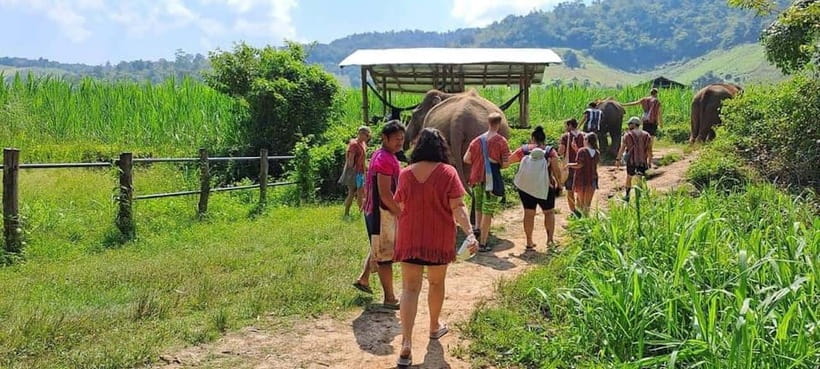
- No rides, no shows: it’s about care and interaction, not performances.
- River bathing in a natural setting: you’ll join the elephants in the water as part of the day’s flow.
- 1-hour Mae Wang Waterfall hike: forest walking time that balances the animal-focused morning.
- Community life, not just elephants: you’ll learn about local Karen and Hmong communities during the experience.
- Pickup windows are specific: mornings start 8:00–8:30, afternoons 11:30–11:45, with return around 2:00 PM.
- You’ll be outdoors the whole time: bring swimwear, a towel, and bug protection.
Why a Chiang Mai elephant sanctuary day feels different
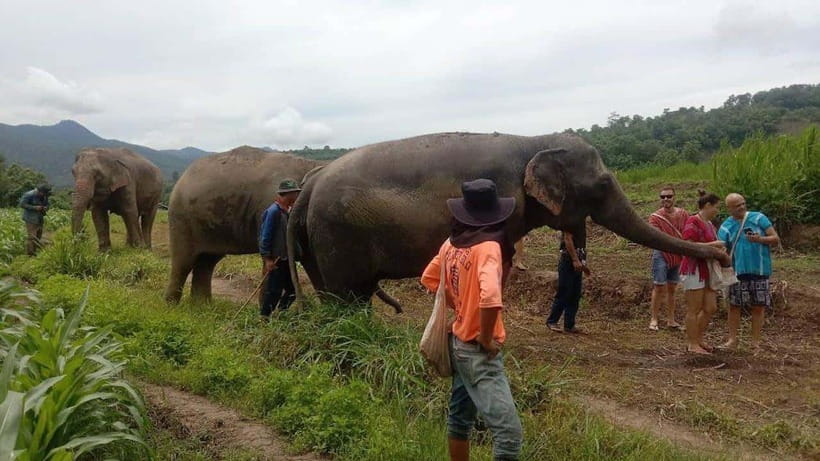
Most elephant experiences in Thailand sell a shortcut: quick rides, selfies, and loud crowds. This one is structured around caretaking—feeding, walking, and bathing elephants in a natural environment—so you’re paying for time and responsibility, not a photo-op. That matters because it changes your whole mindset from viewer to helper.
I also like that this isn’t only about elephants. You get time to explore the way of life of local Karen and Hmong communities. Even if you only catch a slice of daily routines, it gives the encounter a human context: elephants aren’t an attraction; they’re part of a living landscape and a caretaking tradition.
One more reason I’d pick this over the obvious tourist traps: the program highlights sustainability and meaningful support. When an experience is designed to avoid rides and shows, your day usually stays more respectful, calmer, and genuinely about animal welfare.
You can also read our reviews of more tours and experiences in Chiang Mai.



Getting to Johnny Boy Treks: timing that affects your whole day
Your day starts with hotel pickup in Chiang Mai. Morning pickups run 8:00–8:30 AM, and an afternoon option runs 11:30 AM–11:45 AM. Either way, the tour returns to Chiang Mai around 2:00 PM, which makes it a smart choice if you want a single daytime block without losing your evening plans.
The drive to the camp takes about one hour, so plan to treat that as part of the experience. You’ll spend that time moving through the outskirts toward the sanctuary area, and it helps if you’re ready for a true morning rhythm (or a later start) rather than a slow, start-anytime vacation day.
Two practical tips. First, set a slightly bigger buffer for pickup than you usually would. Second, confirm your exact pickup spot with your operator before the day comes—there have been real cases where a hotel wasn’t in their pickup area.
Elephant care at the camp: feeding, walking, and mud-and-river time
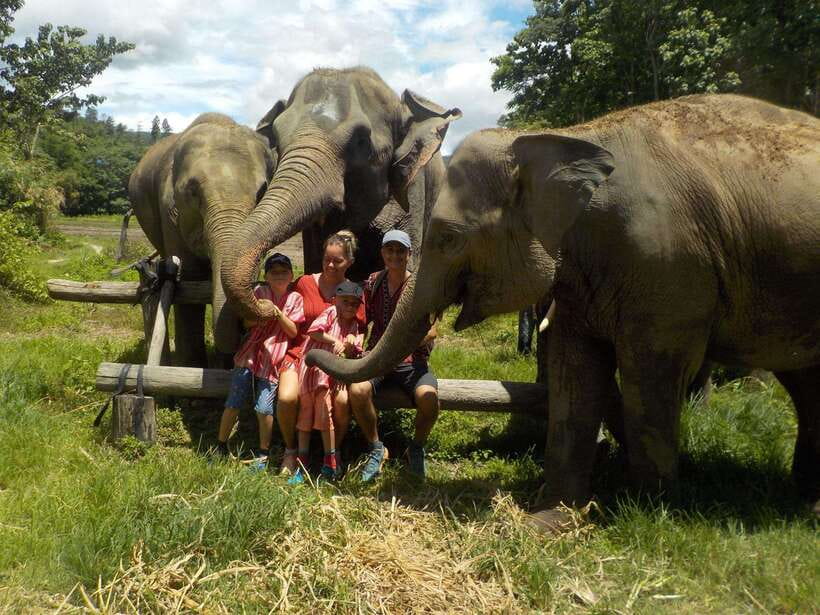
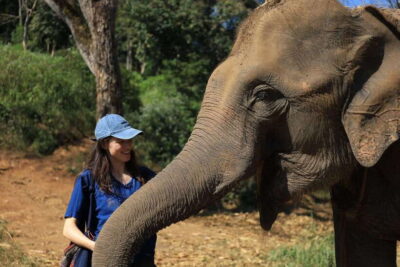
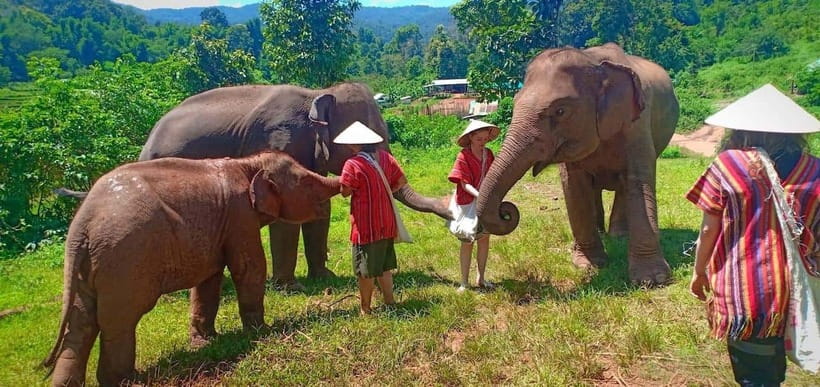
The heart of the tour is your interaction with the elephants at the sanctuary. You’ll join a guided program where you learn how to take care of them, prepare and feed them, and spend time walking with them in the camp environment. You also get the most memorable part for most people: bathing time, including a river element.
Here’s the practical version of what that looks like. You’ll start with an orientation to the sanctuary’s mission and meet the elephants. Then the day shifts into guided caretaking steps: watching behavior, learning the routine, and participating in feeding. After that, you’ll help with their cooling-down activity through a mud bath and then move into the Mae Wang River for bathing.
The key benefit is the “natural and stress-free” design. Instead of rushing an experience into a highlight reel, you follow a care rhythm that fits the animals’ needs. If you’re the type who prefers quiet, thoughtful travel over loud adrenaline, this format usually lands well.
A small caution: even if the day is calm, the river and mud mean you should assume you’ll get wet and dirty. Wear your swimwear at the start if you can, bring a change, and keep your camera protected.
The care-focused rhythm: how to be a good guest without fuss
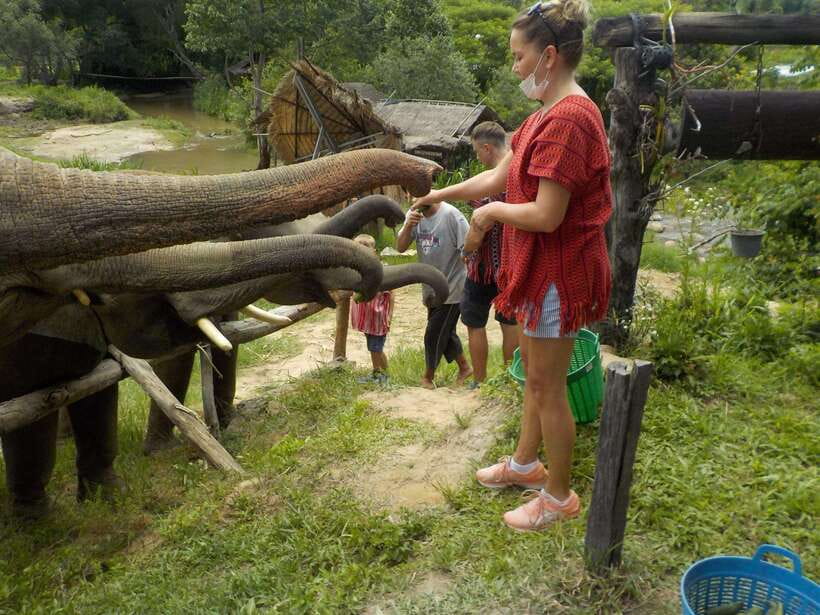
This program is built around respectful interaction. That means you’ll be doing activities in an organized way with a live guide in English, not wandering around unsupervised. You should also expect rules of behavior, including that smoking is not allowed and alcohol isn’t allowed in the vehicle.
So what should you do to get the best experience? Follow instructions closely, especially around feeding and close contact. If you’re tempted to rush for photos, slow down instead. The elephants’ comfort comes first, and the whole day runs better when you move like a caretaker rather than a tourist with a checklist.
One other point I appreciate: the tour includes time to learn elephant behavior, not just time to touch or feed. Even if your Thai history vocabulary isn’t strong, you can still pick up a lot from how the guide explains patterns—what calm looks like, what to expect during routine activities, and how to keep your own body language easy.
If you’re going with someone who tends to get impatient, this is worth mentioning ahead of time. The value here is in the slower, caring pace.
Mae Wang Waterfall hike: a simple 1-hour reset in the forest
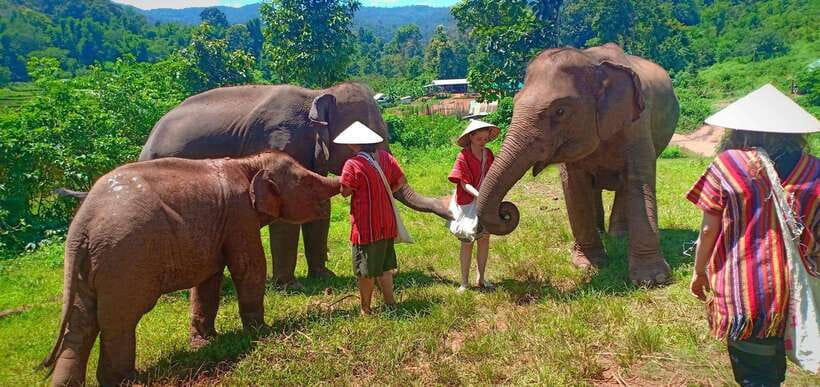
After elephant time, you get a break from animals with an outdoor excursion: a 1-hour hike to Mae Wang Waterfall. This is a nice counterbalance. You’ll leave the camp routine and step into a forest walking pace that’s active but not all-consuming.
What makes it appealing for most travelers is that it’s short enough to stay enjoyable. You’re not signing up for a long trek, but you’re still getting a real change of scenery—cooler air, tree cover, and the satisfying end-point of a waterfall.
Practical expectations: wear supportive footwear (flip-flops are listed as a bring item, but they’re best if you’re used to rocky paths and short distances). If you’re prone to slippery footing, consider something with a better grip even if you still bring sandals for after.
This hike also helps justify the half-day structure. You’re not only doing one type of activity. You’ll move between sanctuary care and a nature walk, and that keeps the day from feeling one-note.


Lunch at the sanctuary: included Thai food, no extra hunt
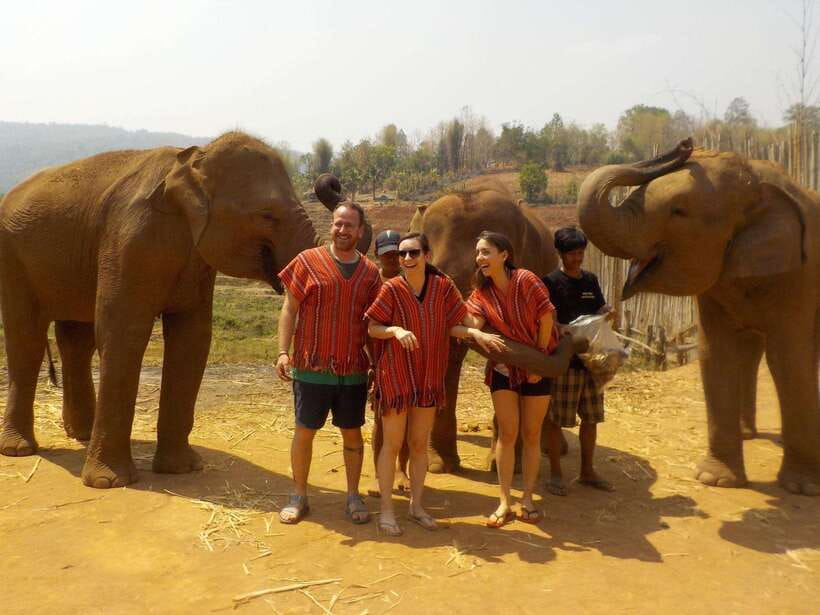
Food is one of the reasons these half-day formats can feel like a good deal. Lunch is included, and it’s served in the peaceful sanctuary surroundings.
That means you don’t need to carve out time to find a place to eat after the elephants. You avoid the post-camp scramble where you’re hungry, muddy, and slightly overwhelmed. Instead, you get a built-in meal break, and it’s one less decision you have to make.
Because the day includes swim time and outdoor walking, I’d treat lunch as a chance to reset your energy. Stick to comfortable clothing for the meal portion, and use the change-of-clothes time you brought for later comfort too.
Price and value: why $51 can make sense here
At $51 per person for about 4 hours, plus round-trip transport from Chiang Mai and lunch, this is priced in the “reasonable” zone for ethical-focused experiences in the area.
The value isn’t just the schedule. It’s what you’re not paying for. This program is positioned as non-commercialized: no rides, no shows, and no forced spectacle. That usually translates into a day that feels more humane and more educational.
You’re also getting more than one experience bucket:
- elephant care time (feeding, walking, bathing)
- a river bathing moment
- a short Mae Wang Waterfall hike
- lunch, plus guided context about Karen and Hmong communities
If your travel style is “I want meaning, not a souvenir,” this kind of package often feels like better value than paying extra for the most common tourist version of elephant interaction.
Who should book this, and who should skip it
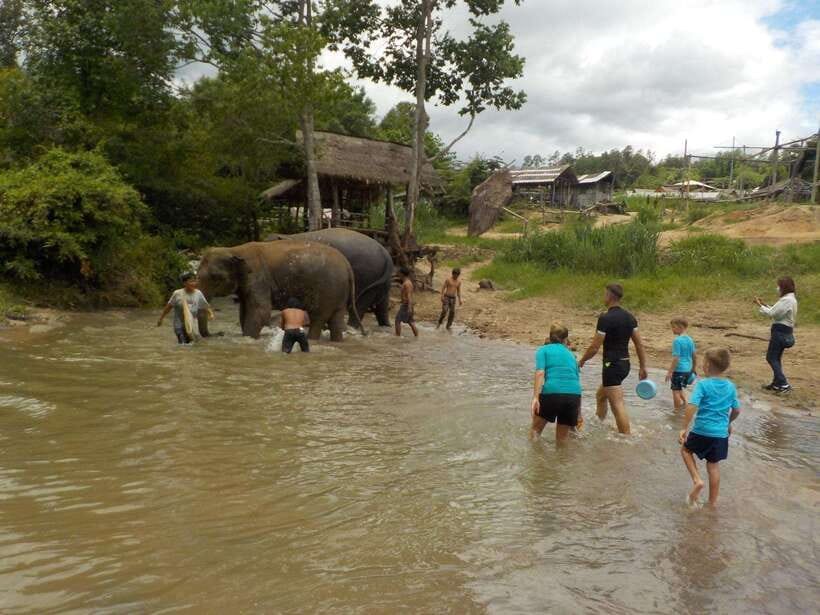
This is a great fit if you want an ethical Chiang Mai experience, enjoy being outdoors, and feel good about learning while you do. It’s also well-suited to travelers who prefer calm, guided interactions rather than rushing to a ride or show.
On the other hand, the tour data says it isn’t suitable for:
- Children under 2
- Pregnant women
- People with back problems
If any of those apply, don’t try to “power through.” This kind of day includes walking, outdoor movement, and river or mud exposure, so discomfort isn’t a small issue here.
Also be honest about your tolerance for wet conditions. Even if you’re excited, you should still plan for getting wet, mud getting on your clothes, and needing a towel and a change.
What to bring (so the day stays fun, not annoying)
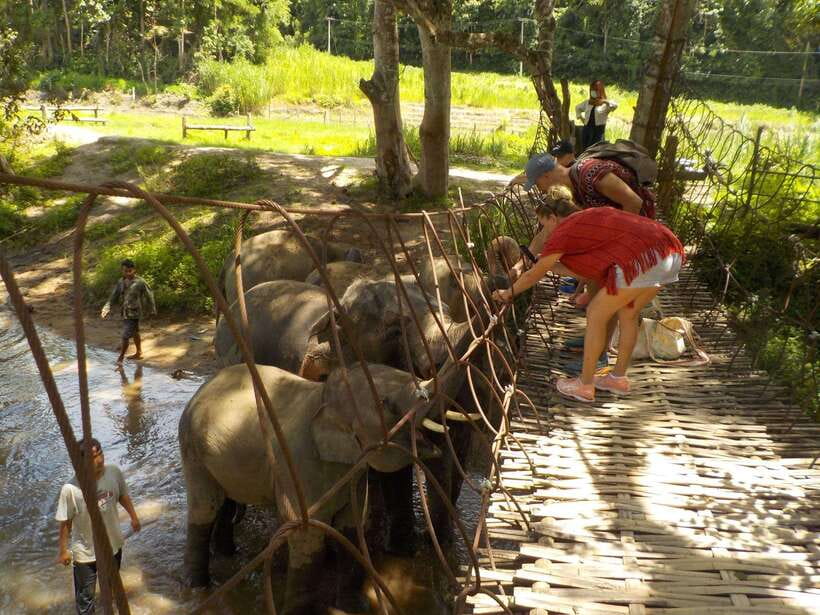
The packing list is straightforward, and it’s exactly what you need for the activities planned:
Bring:
- Swimwear
- A change of clothes
- A towel
- Camera (and protect it from water/mud)
- Sunscreen
- Flip-flops
- Insect repellent
A few extra practical notes based on how these days play out. If you’re bringing a camera, keep it in a waterproof bag or a sealed pouch during river and mud moments. Sunscreen helps because you’re doing both forest walking and open-air elephant care.
And since the itinerary includes a waterfall hike, insect repellent is not optional if you’re sensitive to bites. The guide will manage the program, but you still need to protect yourself.
Practical logistics in Chiang Mai: pickups, check-in, and surprises
Pickup is either morning 8:00–8:30 AM or midday 11:30–11:45 AM, with a return to Chiang Mai around 2:00 PM. The camp journey takes about one hour, so the day is tight and structured.
One consideration: although it’s listed as a 4-hour program, some bookings have ended up staying longer than expected with the group. That isn’t something you can completely control, so plan your day with flexibility. If you’ve booked dinner reservations or another activity that requires you to be back at a specific minute, give yourself a buffer.
Also verify pickup coverage. One negative report described a pickup area mismatch that led to trouble. The lesson is simple: confirm your pickup point clearly with the operator before you go, especially if you’re staying at a hotel with multiple entrances or a slightly off-center address.
Should you book this Chiang Mai elephant sanctuary experience?
I’d book it if your priorities are:
- Ethical elephant care with no rides or shows
- guided time that includes feeding, walking, and river bathing
- a short nature add-on with the Mae Wang Waterfall hike
- a program that also touches on Karen and Hmong community life
- you want transport and lunch handled for you
I’d skip it if you can’t handle wet/muddy activities, need strict timing with no flexibility, or fall into the stated non-suitable categories.
If you do book, do two things: pack for getting wet, and confirm your pickup details in advance. Do that, and this becomes a calm, meaningful Chiang Mai day that’s more about care than spectacle.
FAQ
How long is the Chiang Mai elephant sanctuary program?
The experience is listed as 4 hours.
What time is pickup in Chiang Mai?
Pickup is in the morning between 8:00 AM and 8:30 AM, or in the afternoon between 11:30 AM and 11:45 AM.
What does the tour cost, and what’s included?
The price is $51 per person, and it includes round-trip transportation from Chiang Mai and lunch.
Will I get to bathe the elephants?
Yes. You’ll have time to meet the elephants in the river for a bath as part of the guided program.
Do I need swimwear and a towel?
Yes. The tour’s packing list includes swimwear, a towel, and a change of clothes.
Is there a hike?
Yes. You’ll do a 1-hour hike to Mae Wang Waterfall.
Who is this tour not suitable for?
It’s not suitable for children under 2 years, pregnant women, or people with back problems.