REVIEW · CHIANG MAI
From Chiang Mai: Living Green Elephant Sanctuary Tour
Book on GetYourGuide →Operated by Living Green Elephant Sanctuary Chiang Mai and Chonburi · Bookable on GetYourGuide
A free-range elephant sanctuary day can feel rare. Here, the focus stays on animal welfare: no riding, no chains, no performances, just close, respectful time in the river-and-forest setting near Inthanon National Park. I especially like the way the day is built around observation and caretakers’ guidance, not tricks.
What really won me over is the plain joy of walking with elephants and watching them move naturally—then getting to see river and mud-bath moments at the sanctuary’s own pace. The half-day option also works well if you want the heart of the experience without turning your whole Chiang Mai trip into an elephant marathon.
One thing to plan for: you may get wet. Bring a change of clothes and expect bathing activity to depend on weather and comfort, since elephants are never forced into the river during colder conditions.
In This Review
- Key highlights worth your time
- Ethical elephant time near Chiang Mai: what makes Living Green different
- The ride out of Chiang Mai: rural views plus real arrival time
- Mo Hom clothing and elephant introductions that set expectations
- Feeding and walking: the heart of the ethical experience
- River bathing and mud-bath moments: why weather matters
- Half-day vs full-day: picking the right length
- Half-day program (morning or afternoon)
- Full-day program (more activities, more hands-on)
- Vegetarian Pad Thai: eating well after elephant time
- Full-day extras: medicine balls, seed planting, and learning-by-doing
- Who should book this elephant sanctuary tour—and who should skip
- Price and value: why $46 can make sense here
- Practical packing list: what to bring for a wet, foresty day
- A few realistic considerations before you go
- Should you book the Living Green Elephant Sanctuary tour?
- FAQ
- How long is the Chiang Mai Living Green Elephant Sanctuary tour?
- What does the half-day program include?
- What does the full-day program include?
- Is elephant riding allowed?
- Do elephants get forced into the river?
- What should I bring?
- Is Chinese translation available?
- What kind of food is included?
- Who is the tour not suitable for?
Key highlights worth your time
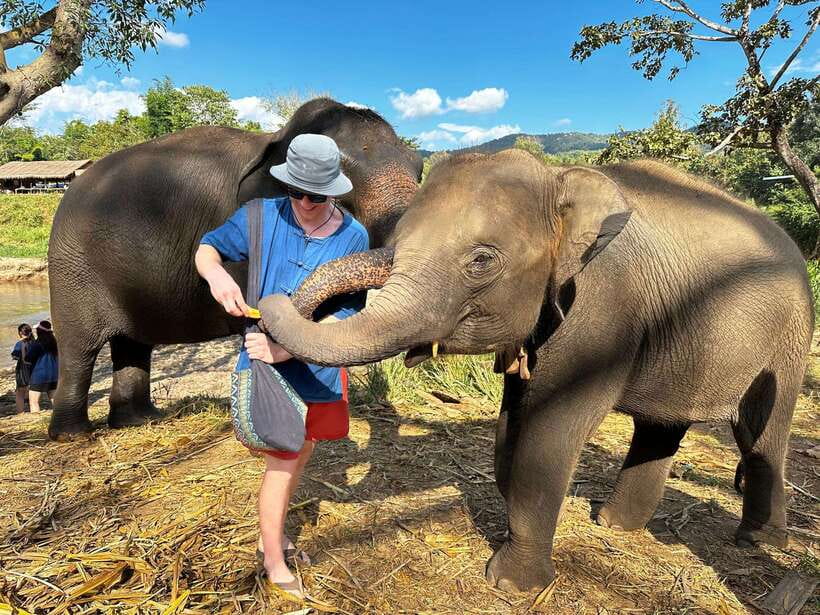
- No riding, no chains, no performances: the whole schedule is built around welfare and natural behavior.
- Mo Hom clothing welcome: you dress in traditional northern style before you meet the elephants.
- Forest walking plus feeding: you spend time learning how elephants act, not just posing for photos.
- River and mud-bath moments: you can watch real bathing behavior, with comfort rules in mind.
- Vegetarian Pad Thai (and a cooking workshop on full day): you eat your own meal, plus the day supports sanctuary care.
- Extra full-day activities: herbal medicine balls, planting seedlings for future food, and more time with the herd.
Ethical elephant time near Chiang Mai: what makes Living Green different
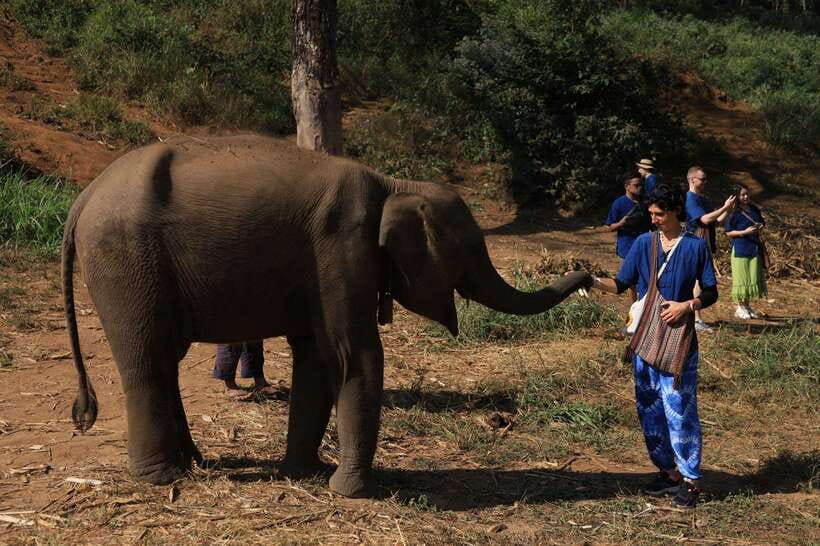
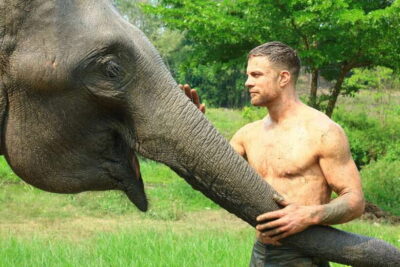
If you’re thinking about elephant sanctuaries in Chiang Mai, your biggest question should be simple: do they treat elephants like animals, or like attractions? Living Green Elephant Sanctuary Chiang Mai is set up for the former. The experience is explicitly ethical—no riding, no chains, and no performances. You won’t be asked to “train” or push an elephant into a staged moment. Instead, you’re invited to observe, feed, and walk with the elephants while expert caretakers guide you on behavior and welfare.
This matters because it changes the energy of the day. You can feel it in how the sanctuary is described and how the schedule is paced: there’s space for elephants to roam and act naturally, and you’re spending time with them rather than rushing from one photo stop to another. One review even called out the open-air, river-side feel—no fences, no shops, no crowds—so it’s easier to get that calm, wildlife-moment mindset.
It’s also close enough to be practical. The sanctuary is about 1.5 hours from Chiang Mai, with scenic rural driving through rivers, rice fields, and banana plantations along the way. That commute might not sound thrilling, but it’s part of the payoff: you start swapping city noise for mountain-and-forest scenery before you ever reach the elephants.
You can also read our reviews of more tours and experiences in Chiang Mai.


The ride out of Chiang Mai: rural views plus real arrival time
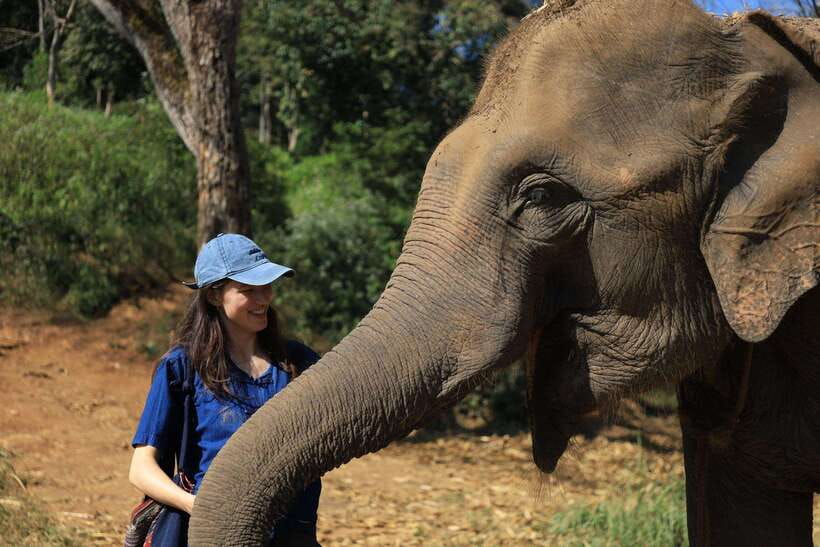
Both the half-day and full-day options include hotel pick-up and drop-off, which is a big deal in Chiang Mai. You don’t have to figure out transport on your own, and you arrive with less hassle than DIY visits.
Plan on the drive being part of the experience, not just dead time. The route passes rural landscapes—rivers, rice fields, and plantations—so you get a quick reset while heading toward the sanctuary area near Inthanon National Park.
One practical note: traffic can affect timing. Your voucher time points you to the morning or afternoon session, and the exact pick-up time is confirmed the day before. If you’re the type who hates uncertainty, keep your morning or afternoon flexible.
Mo Hom clothing and elephant introductions that set expectations
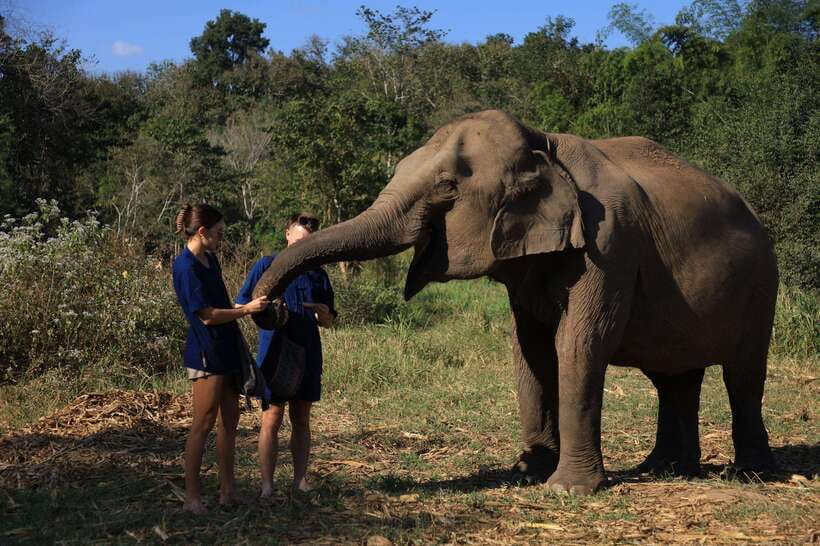
Right after you arrive, you’ll get a welcome briefing and change into traditional northern Mo Hom clothing. This isn’t a random costume moment. It helps create the right tone: this is a cultural setting around caretaking and respect, not a roadside “see elephants” stop.
Then you meet the elephants in a way that’s guided by sanctuary staff. You’ll learn about individual stories and behaviors—things like how elephants move, what their interactions can look like, and how caretakers manage the day around animal comfort. Several guides get praised for this clarity and gentle attitude, including names like Rainbow, Pao, John, and Mr Su. Since you can’t guarantee which guide you’ll get on your date, the takeaway is still useful: the goal is education with calm, friendly guidance.
If you care about ethics and not just entertainment, pay attention to how the staff talks about welfare. That’s often the tell that separates “sanctuary-style” from genuine sanctuary operations.
Feeding and walking: the heart of the ethical experience
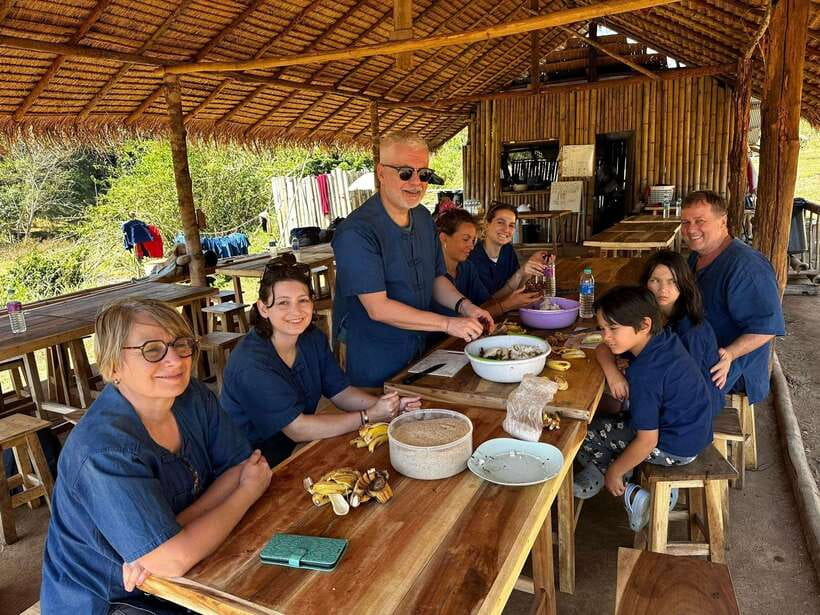
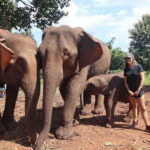
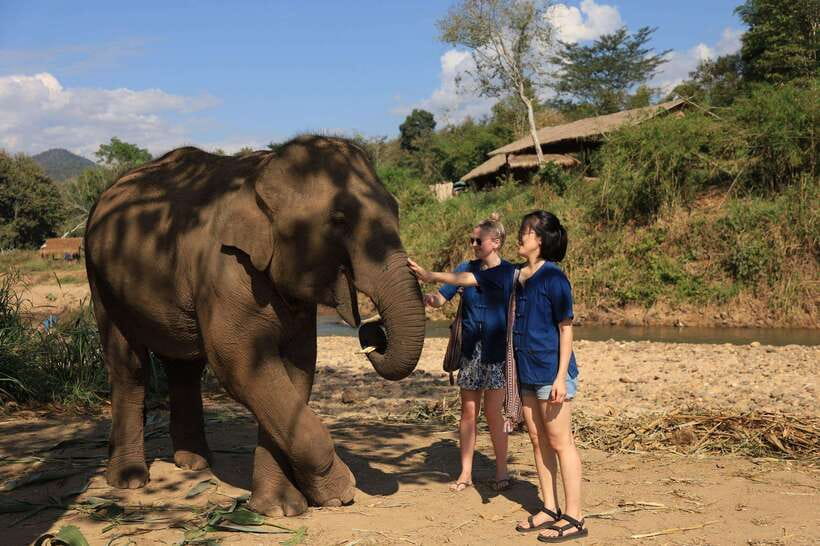
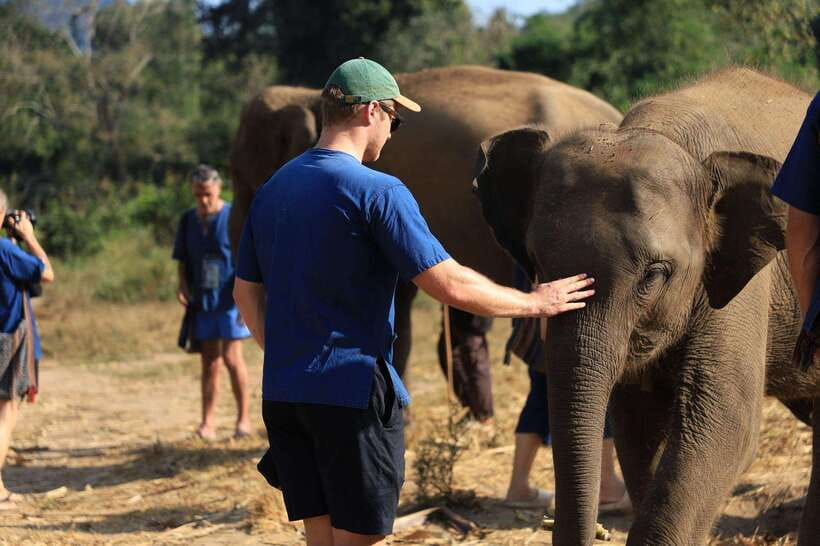
This is where the day becomes real. You’ll feed the elephants and walk with them through the forest. Instead of riding, you stay on the human side of the encounter and let the elephants come into your space naturally.
What I like about this format is that you get time to notice. Elephants aren’t props; they’re big, curious animals with their own rhythm. The caretakers help you understand what you’re seeing—so you’re not just waving a phone around and calling it a day.
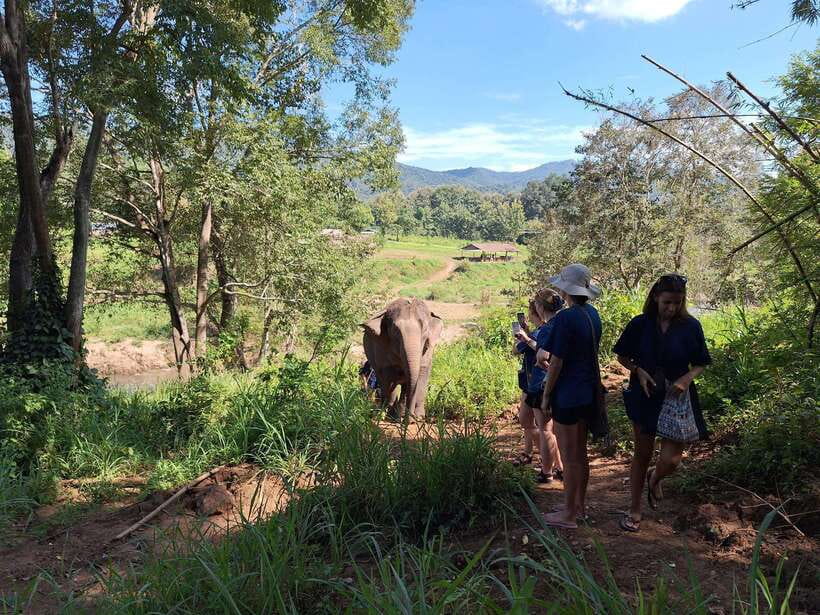
During the walk, expect it to feel more like a guided nature experience than a “tour.” Scenic forest trails are part of it, and there’s enough time in the schedule to actually watch how elephants behave: how they pause, approach, and interact in their environment.
A quick safety-minded thought: elephants are gentle, but you’re still dealing with a powerful animal. Follow your guide’s instructions closely and keep your body language calm and predictable. The sanctuaries approach here—no hooks, no chains, no forcing—also means they set rules that keep interactions respectful.
River bathing and mud-bath moments: why weather matters
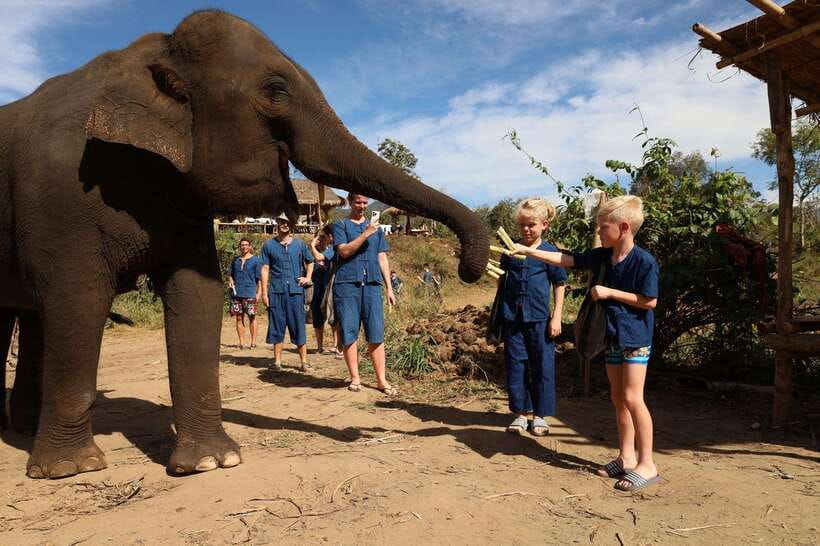
The sanctuary day includes moments at the river and mud baths. This is often the most memorable part because it looks so natural: playful splashes, dust and mud, relaxed bodies—real behavior instead of staged splashing for visitors.
Still, you should treat bathing as comfort-driven. You’ll be told that elephants are never forced into the river during cold weather. That detail matters for how the day unfolds: in colder conditions, you might do more observing than wet bathing, for both animal comfort and timing.
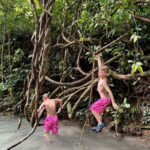
You’ll want to be ready anyway. Bring swimwear, a towel, and a change of clothes, plus comfortable sandals. Even if you don’t end up fully in the water, you may still get wet during bathing moments. Plan your body and camera shots accordingly: pack to stay comfortable for the rest of the day.
Some small comforts also matter here. One review specifically noted that toilets and showers are available, which makes post-bath clean-up less stressful.
Half-day vs full-day: picking the right length
You have two main options, both with hotel transfers included:
Half-day program (morning or afternoon)
You’ll be picked up in Chiang Mai, then drive about 1.5 hours out. After the welcome briefing and dressing in Mo Hom clothing, you’ll feed and interact with elephants in their habitat. Then you’ll walk with them toward the river and observe bathing naturally. The day typically includes a local meal and fruit, and you’re back in Chiang Mai after the return drive.
For most people, half day is enough. You’ll get the key components—feeding, forest walking, and river moments—without stretching into a long day.
Full-day program (more activities, more hands-on)
The full-day option runs about 9–10 hours. It starts around 08:00 and returns around 17:00, including the same scenic drive and Mo Hom welcome. You’ll feed and walk with elephants, then add extra welfare-support activities:
- A vegetarian Pad Thai cooking workshop (available starting 2 December)
- Herbal medicine ball preparation (if you select this option)
- Planting seedlings that grow into natural elephant food (if you select this option)
You’ll also get the river and bathing observations again, plus another clothing change and goodbye time before returning to Chiang Mai.
If you want a deeper connection to how the sanctuary works—beyond just observing—full day is the stronger choice.
Vegetarian Pad Thai: eating well after elephant time
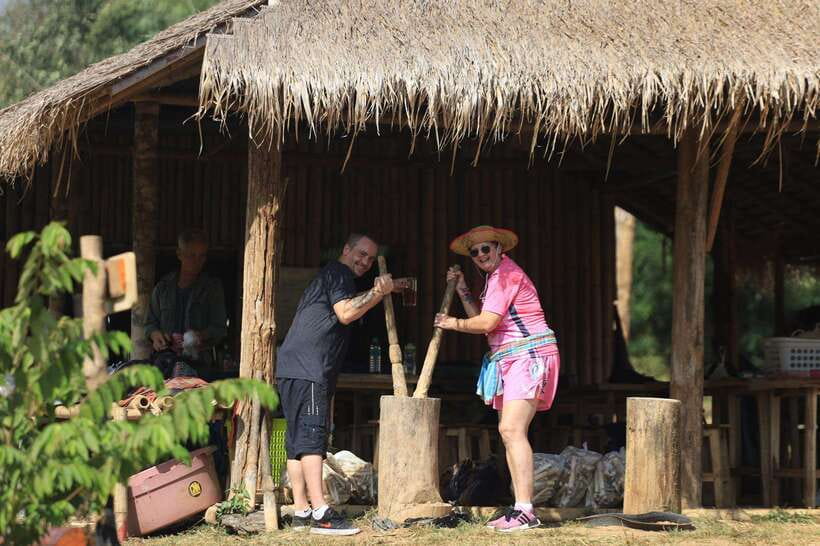
Food is included, and the way it’s handled makes the day feel more complete. You’ll enjoy a delicious local meal, and in the full-day program, you’ll get the chance to cook vegetarian Pad Thai using local ingredients (starting from 2 December for the cooking workshop).
This is not just about lunch. It’s about keeping the day grounded in everyday life in Thailand rather than turning it into a theme park. After time in the forest and around elephants, having a meal that actually tastes good helps you end the experience on a calm, satisfied note.
Some reviews also mention fruit and freshwater, which are practical add-ons when you’ve been outside and possibly damp. Photography service is included too, which is handy if you want keepsakes without juggling your own gear the whole day.
Full-day extras: medicine balls, seed planting, and learning-by-doing
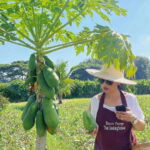
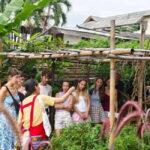
On the full-day itinerary, you get additional activities tied to elephant care and feeding support. If you select them, you’ll make herbal medicine balls to support digestion. You’ll also plant seedlings meant to grow into natural elephant food.
Those tasks might sound small compared to the elephant moments, but they do something important: they give you a sense of what goes on after visitors leave. You’re not only seeing the elephants; you’re also experiencing a piece of the daily caretaking mindset the sanctuary relies on.
Also, the full-day program has an extra layer for language support. A Chinese guide is available for the full-day only. If you’re bilingual or you just want clarity at every step, that can be a comfort.
Who should book this elephant sanctuary tour—and who should skip
This is a good fit if you want a welfare-first elephant day with hands-on but respectful interaction. It suits:
- You want feeding and walking without riding
- You like guided learning about animal behavior
- You’d enjoy a half-day escape or a full-day with added workshop activities
- You care about ethical experiences and want the schedule to reflect that
It’s not suitable for:
- Children under 2 years
- Pregnant women
- People with back problems
- People with heart problems
If any of those apply to you, don’t force it. The day includes walking and possible wet conditions, so it’s smart to choose an activity that matches your comfort and safety needs.
Price and value: why $46 can make sense here
At $46 per person for this Chiang Mai ethical elephant sanctuary tour, the value comes from what’s bundled together.
You’re not only paying for elephant time. You also get:
- Hotel pick-up and drop-off
- Traditional Mo Hom clothing
- Feeding and bathing moments based on animal comfort
- A local meal (and in full day, a vegetarian Pad Thai cooking workshop starting 2 December)
- Photography service
- Travel insurance
In other words, the price covers a whole day’s movement, guidance, and included meals—plus the ethical “no riding, no chains, no performances” approach. You’re paying for an experience where the behavior of the elephants drives the schedule, not showmanship.
The biggest factor for value is choosing the right length:
- Half day is best if you want the core elephant time and a good meal without extra workshop activities.
- Full day is worth it if you want the added hands-on components like cooking and sanctuary-support tasks.
Practical packing list: what to bring for a wet, foresty day
This is a wet-and-outdoors kind of day, so pack like you’re going to be in nature for real.
Bring:
- Hat
- Swimwear
- Change of clothes
- Towel
- Sandals
- Camera
- Sunscreen
- Comfortable clothes
- Insect repellent
And remember what’s not allowed:
- Smoking
- Alcohol and drugs
- Riding the animals
One simple tip: keep your towel and dry clothes where you can reach them fast. When you’re dealing with bathing moments, you’ll want less rummaging and more comfort.
A few realistic considerations before you go
This experience is built around elephant welfare, and that’s the big win. Still, a few practical things can affect your day:
- Weather can change bathing activity. The sanctuary prioritizes comfort and won’t force elephants into the river during cold weather.
- Transportation time can shift with traffic.
- The schedule is tied to your morning or afternoon session, and the pickup time is confirmed one day prior.
Also, if you’re the type who hates any chance of getting wet, this might annoy you. But if you can handle a damp outfit for a few hours, the payoff is huge.
Should you book the Living Green Elephant Sanctuary tour?
I’d book it if you want an ethical Chiang Mai elephant experience that stays focused on welfare: feeding, forest walking, and natural river and mud-bath viewing, with no riding and no performances. The half-day option is a strong sweet spot for most people, while the full-day format adds extra hands-on activities like vegetarian Pad Thai cooking (from 2 December), herbal medicine balls, and seed planting.
Skip it if you can’t handle wet conditions, have limitations that make walking unsafe, or you’re looking for a showy, ride-based thrill. This is a calm, respectful day in the countryside—less spectacle, more animal behavior and caretaking.
If your goal is to leave feeling like you actually understood what ethical care looks like in practice, this is the kind of tour that delivers.
FAQ
How long is the Chiang Mai Living Green Elephant Sanctuary tour?
You can choose a half-day or full-day program. The half-day sessions run about 6–7 hours, and the full-day program runs about 9–10 hours (including transportation time).
What does the half-day program include?
The half-day program includes hotel pick-up and drop-off, a welcome briefing and traditional northern clothing, feeding and interacting with elephants, a forest walk toward the river to observe natural bathing, a local meal, and return to Chiang Mai.
What does the full-day program include?
The full-day program includes the same core elephant activities plus additional parts like a vegetarian Pad Thai cooking workshop (available starting 2 December), herbal medicine ball preparation (if selected), and planting seedlings (if selected).
Is elephant riding allowed?
No. Riding the animals is not allowed, and the experience is designed with no riding, no chains, and no performances.
Do elephants get forced into the river?
No. You’re told elephants are never forced into the river during cold weather, and bathing activity depends on animal comfort and weather conditions.
What should I bring?
Bring a hat, swimwear, a change of clothes, a towel, sandals, a camera, sunscreen, comfortable clothes, and insect repellent.
Is Chinese translation available?
A Chinese guide is available for the full-day program only.
What kind of food is included?
You get a delicious local meal. On the full-day option, the vegetarian Pad Thai cooking workshop includes cooking and eating your own vegetarian Pad Thai.
Who is the tour not suitable for?
It’s not suitable for children under 2, pregnant women, and people with back problems or heart problems.