REVIEW · CHIANG MAI
Chiang Mai: Doi Inthanon, Waterfalls, and Hill Tribe Village
Book on Viator →Operated by Click2GoThailand.com · Bookable on Viator
Fog and waterfalls are the rhythm here. On this 9-hour Doi Inthanon trip, I like the pair of classic cascades plus the hill-tribe village time with coffee tasting, and I also see one catch: the main park and pagoda entry fees are extra (400 THB). That mix—cool mountain air in the morning, then culture and food stops later—makes it feel more like a full day out of town than a quick drive-by.
The start is early (8:00 am), with air-conditioned van transport and a guide who keeps things moving without rushing your photos. You’ll get lunch that’s described as not too spicy, plus drinking water and accident insurance, which helps you stay focused on the scenery.
Group size matters on tours like this, and this one caps at 50. That usually means you get enough company for fun photos, but still have time to breathe at each stop instead of feeling like you’re in a crowded conveyor belt.
In This Review
- Key things to know before you go
- Waterfall mornings at Doi Inthanon National Park
- Stop 1: Mae Klang Waterfall (about 25–30 meters)
- Wachirathan Falls: the misty, granite-cliff show
- What can be a drawback?
- King and Queen Pagodas: symbols with mountain views (and extra fee)
- Note about the entrance cost
- What you should expect on the ground
- Doi Inthanon summit: Thailand’s highest peak, weather rules
- Why 30 minutes works for most people
- The Hmong market: a short taste, not a long shopping spree
- What to buy (and how to avoid regret)
- Why this market stop is still valuable
- Ban Mae Klang Luang: coffee tasting and stepped fields
- What can you learn in one hour?
- Price and logistics: is it good value?
- What justifies the price in real terms
- The hidden cost: your attention
- The guide effect: when Smile sets the tone
- Practical tips for a smoother Doi Inthanon day
- Who should book this tour?
- Should you book this Chiang Mai: Doi Inthanon, Waterfalls, and Hill Tribe Village tour?
- FAQ
- FAQ
- What time does the tour start in Chiang Mai?
- How long is the tour?
- Is pickup included, and does the tour end where it starts?
- Is lunch included?
- Are entrance fees to the national park and pagodas included?
- What language is the guide?
- Is there a limit on group size?
Key things to know before you go
- Two waterfalls, two moods: Mae Klang is shorter and gentler; Wachirathan is the big granite-cliff jump that creates mist.
- Highest peak, real weather: Doi Inthanon’s summit is 2,565 m, but mist can hide the long views.
- King and Queen Pagodas are a must: The stop is about more than pictures—these landmarks are part of the mountain’s identity.
- Quick market stop, practical shopping: The Hmong market is brief, so buy items you can use right away.
- Ban Mae Klang Luang is where the day turns human: Stepped fields (July–November) and coffee tasting give the village visit meaning.
- You’re paying entry fees on-site: National Park + King and Queen Pagodas cost 400 THB per person, so factor that into your budget.
Waterfall mornings at Doi Inthanon National Park
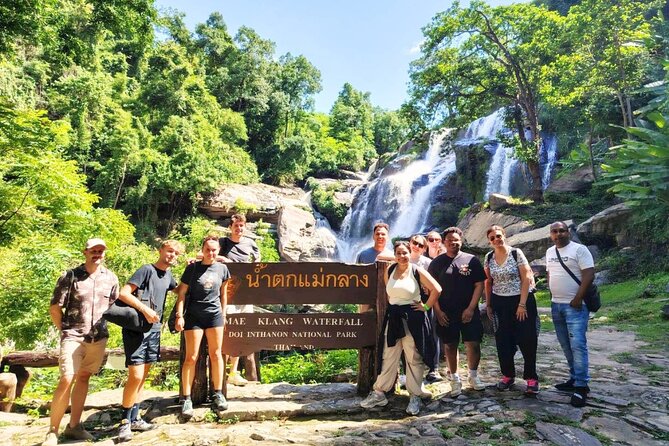
Doi Inthanon is Thailand’s high-country escape, the kind of place where mornings feel cooler and air seems to “clear up” your head. The park’s big idea is variety: different forest types up the mountain, and enough “stop-worthy” sights that one day can still feel full.
This tour sets the tone quickly with Mae Klang Waterfall, right near the park entrance. It’s a good warm-up stop before the longer sights deeper inside the park. If you’re the type who likes to ease into nature rather than go straight to the biggest waterfall, this first cascade works well. You also get about 40 minutes, which is enough time to walk to viewpoints, take photos, and not feel like you need to sprint to keep up.
You can also read our reviews of more tours and experiences in Chiang Mai.



Stop 1: Mae Klang Waterfall (about 25–30 meters)
Mae Klang runs year-round and is around 25–30 meters tall. What you’ll notice more than size is how approachable it is: this is the kind of waterfall where you can actually linger. The sound carries, and the water gives you those soft, misty “mountain photos” even before you reach Wachirathan.
The one thing to keep in mind is that waterfalls at higher elevations can vary with the season and recent rain. Even so, the tour has you here for long enough that you should be able to get at least a few satisfying angles.
My practical tip: wear shoes you’re comfortable with on damp ground. You don’t need hiking boots, but slipping once can ruin the vibe.
Wachirathan Falls: the misty, granite-cliff show
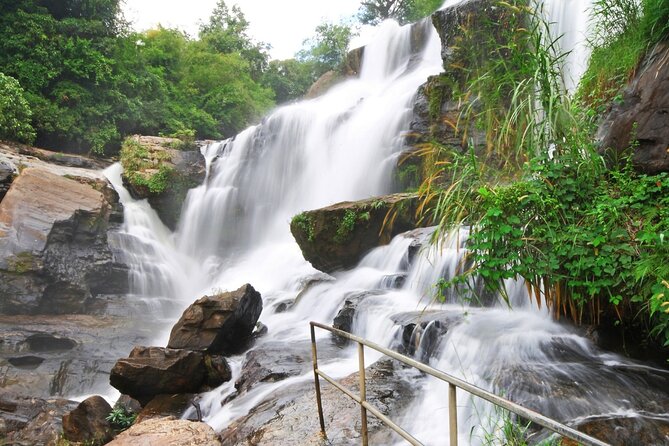
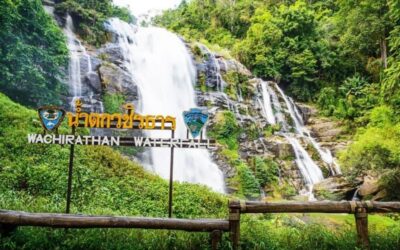
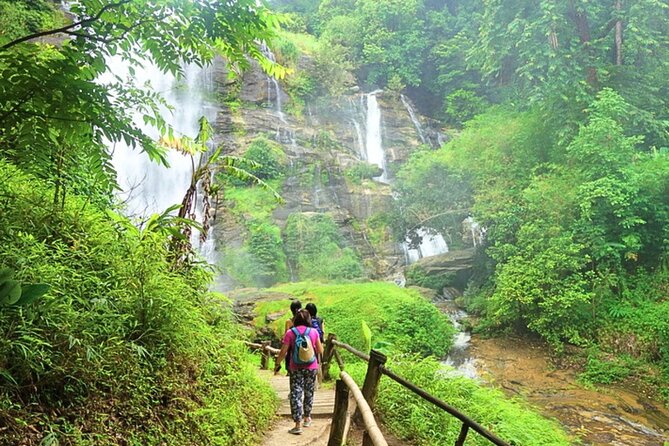
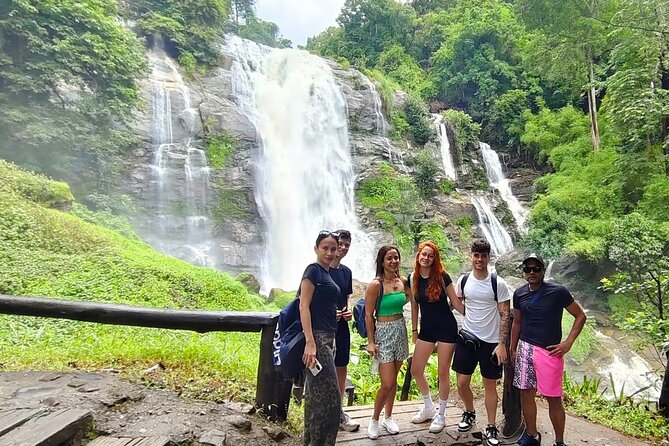
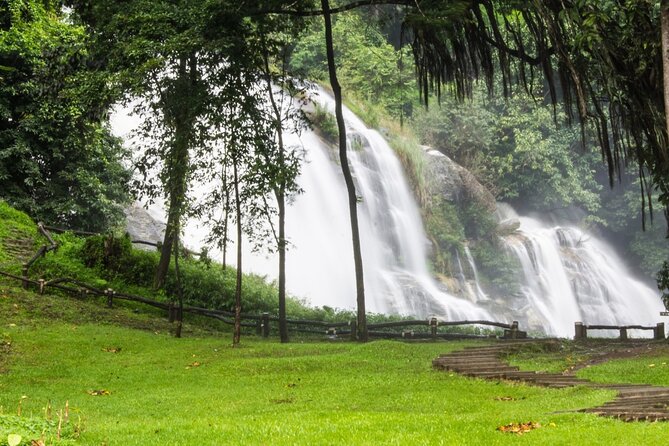
If Mae Klang is a warm welcome, Wachirathan Falls is the headliner. It plunges about 80 meters over a granite cliff, which is why it tends to make mist everywhere below the drop. You’ll feel cooler here, and your photos will come out with that airy, “water in the air” look.
You’ll have around 40 minutes at Wachirathan. That’s a sweet spot for most people: enough time to get one or two good walks to viewpoints, plus time to just stand and watch. If you’re chasing photos, you’ll likely want to arrive in your best light and let the mist do the work. The falls produce enough atmosphere that you don’t need perfect weather for great shots.
What can be a drawback?
Wachirathan’s size means it can also feel crowded if you hit it at a busy time. That’s where having a good guide helps—keeping the group moving and giving you freedom to position yourself without panic. In the feedback I saw, a guide named Smile gets praised for being enthusiastic and making sure everyone stays comfortable, including photo time.
Practical tip: bring something small to protect your phone/camera (even a simple plastic bag helps) since mist can drift more than you expect.
King and Queen Pagodas: symbols with mountain views (and extra fee)
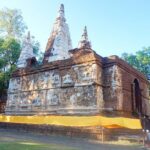
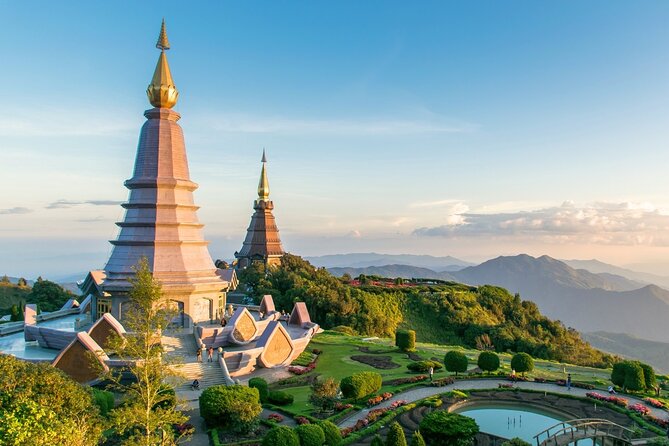
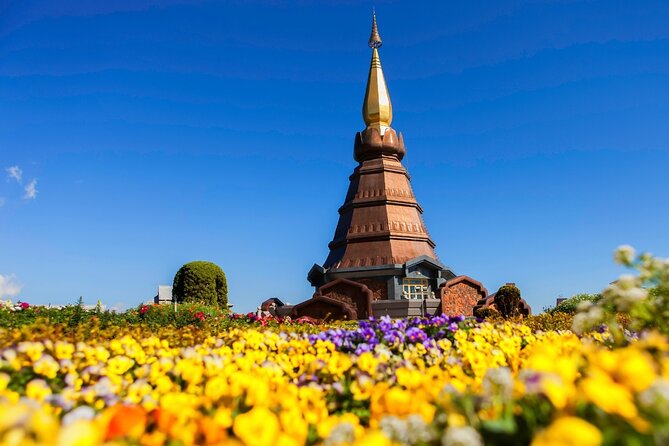
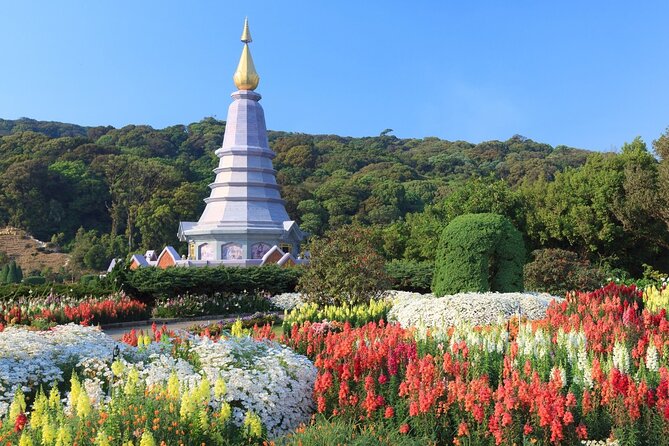
After the waterfalls, the day shifts from pure nature to something more human and symbolic: Phra Maha Dhatu Naphamethanidon and Phra Maha Dhatu Naphaphonphumisiri—often called the King and Queen Pagodas. This stop is about 50 minutes, and it’s a nice breather after wet, slippery waterfall ground.
These pagodas are prominent landmarks in Doi Inthanon National Park. They’re worth your attention because they give you a different lens on the mountain: it’s not only about elevation; it’s also a place tied to royal commemoration and local meaning. Even if the weather isn’t cooperating, you can still get decent photos because the structures are designed to photograph well from multiple angles.

Note about the entrance cost
This stop requires the park and pagoda entry fee. The total extra cost noted for national park + King and Queen Pagodas is 400 THB per person, so plan for that when you decide if this tour fits your budget.
What you should expect on the ground
You’ll probably be walking around temple grounds and viewing platforms, with some time just to pause and take it in. Keep your pace steady. Pagoda stops are not “hard hiking,” but you’ll want to be ready for some steps and uneven pavement.
Practical tip: if you’re wearing sandals, consider bringing socks or switching to shoes. Temple grounds can be cooler in the shade, and damp patches happen.
Doi Inthanon summit: Thailand’s highest peak, weather rules
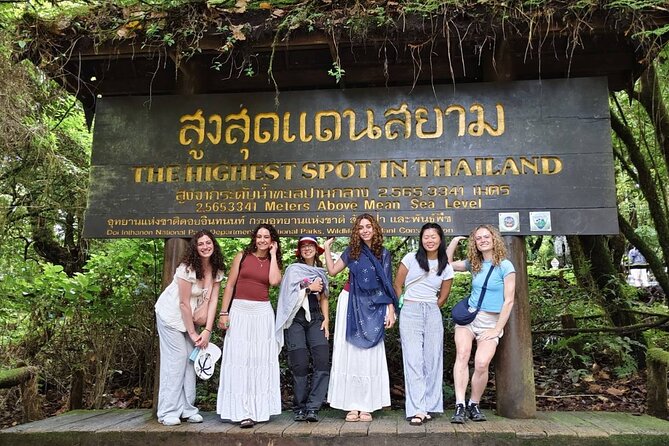
Then comes the highest point: Doi Inthanon Summit at 2,565 meters. You’ll have about 30 minutes here. That time is short on purpose—the goal is to hit the marker at the highest point and experience the mountain air without turning the day into an all-out hike.
Here’s the honest reality: summit views can be blocked by mist. The marker is the main event, and even when the horizon disappears, the temperature and clouds can still make you feel like you’re in the clouds.
Why 30 minutes works for most people
If you gave summit time to everyone for an hour, the tour schedule would fall apart and you’d end up rushing back to the van. Thirty minutes is enough for:
- a few photos at the highest point
- a quick breather in cooler air
- moving on before you get cold or frustrated by fog
If you’re someone who hates waiting, this short timing is a win. If you’re a weather optimist who wants to linger until the view clears, you might wish for more time. Still, the tour’s schedule balances the day so you don’t skip the culture stops later.
Practical tip: bring a light layer. Even if Chiang Mai feels warm, Doi Inthanon can feel noticeably cooler near the top.
The Hmong market: a short taste, not a long shopping spree
After the summit, the tour makes a quick cultural stop at a Hmong market. You get about 15 minutes, and admission is included for this visit.
This isn’t a “spend the day bartering” market. It’s more like a stop that helps you understand local goods: small items, souvenirs, and products people actually buy day-to-day. Because the time is short, I’d treat it like this: look first, then decide. If you try to decide everything in the first minute, you’ll probably buy something you don’t need.
What to buy (and how to avoid regret)
You’ll likely see textiles, small crafts, and local products. My advice:
- buy items that are easy to carry
- check size and weight before you hand over cash
- if you’re unsure, take a quick second look and return only if you still want it
Why this market stop is still valuable
Even short market visits work when you see them as context. You get a sense of the community’s everyday craft and goods without turning the day into a shopping tour.
Ban Mae Klang Luang: coffee tasting and stepped fields
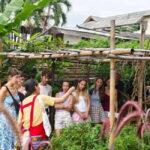
The tour’s final culture stop is at Ban Mae Klang Luang. You’ll spend about 1 hour here, and admission is marked free.
This is where you slow down and see village life. The highlight called out for this area is the stepped paddy field season: it’s noted for July to November. If your timing matches those months, you may see the fields in a stage that looks especially striking. If you’re outside that window, you’ll still understand how the landscape is farmed and shaped, even if the fields look different.
Then there’s the part that many people remember: coffee tasting. This is a simple but meaningful detail. Instead of only looking at culture from a distance, you get to taste something local that connects to how people earn a living in the hills.
What can you learn in one hour?
In an hour, you won’t fully master village history. But you can get something more useful: a human snapshot. You’ll likely walk around the area, see how daily routines fit into the landscape, and taste coffee that’s grown and prepared locally.
Practical tip: come with an open mind. Coffee tasting can be sweet, earthy, and different from what you’re used to in town. If you’re picky, take notes in your head: what flavor do you like, and why?
Price and logistics: is it good value?
At $31.58 per person, the base cost is pretty attractive for a day that includes transportation, an English-speaking guide, lunch, and multiple stops. You’re also getting drinking water plus accident insurance, which is not nothing when you’re spending most of the day outdoors.
But you should add one key extra: 400 THB for national park + King and Queen Pagodas entry. That fee matters because it turns a cheap-looking price into a more realistic all-in cost. Still, you’re paying for entry into major sights and not trying to piece together the day on your own.
What justifies the price in real terms
This tour “pays for itself” if you want:
- an efficient route from Chiang Mai without planning stops
- English interpretation for what you’re seeing (especially pagodas and the village)
- air-conditioned van comfort on a long road day
- a structured schedule that still leaves time at key photo points
The hidden cost: your attention
There’s no fee for this, but it’s real: you need to pay attention to the day’s rhythm. It’s a nature-and-culture blend. If you mainly came for one thing—like waterfalls only—you might feel slightly split. If you came for a little of everything, the structure helps.
The guide effect: when Smile sets the tone
One theme that shows up in the feedback is the guide quality. A guide named Smile gets described as enthusiastic and always smiling, and the key practical part is that she helps the group stay comfortable and enjoy the trip. That matters on a day like this, because you’re balancing:
- photo time at waterfalls
- walking around temple grounds
- cold air at the summit
- a market stop that moves fast
- a village visit that needs patience
A friendly, organized guide can turn a schedule into a smooth day. An unorganized one can make you feel like you’re always late or always waiting.
Practical tips for a smoother Doi Inthanon day
Here are the details that usually make or break the experience on mountain tours like this:
Plan for cool + damp. Even if Chiang Mai is warm, the summit and waterfall area can feel cooler, and mist is part of the Wachirathan vibe.
Wear grippy shoes. You don’t have to hike, but the ground can be slick near falls. Choose something you trust.
Bring a light layer. You’ll thank yourself at the summit and temple shade.
Don’t overpack valuables. Mist can drift, and you’ll be moving between stops for most of the day.
Keep some cash handy. The main entry fee is extra, and it’s easier if you can pay without scrambling.
If you care about photos, be patient. Mist at Wachirathan creates atmosphere, and pagodas offer strong shapes—your best shots often come when you slow down.
Who should book this tour?
This is a smart pick if you:
- want a full day outside Chiang Mai without planning
- like waterfalls but also want cultural stops that feel connected
- prefer an English-speaking guide and guided timing
- don’t mind paying a park entry fee to access top sights
You might want a different option if you:
- only care about the summit and want a longer, hiking-focused experience
- hate markets and short shopping stops (this one is brief)
- want more time at any single stop at the expense of seeing everything
Should you book this Chiang Mai: Doi Inthanon, Waterfalls, and Hill Tribe Village tour?
I’d book it if your goal is a balanced day: two major waterfalls, iconic pagodas, the highest peak marker, and real village time with coffee tasting. The base price is reasonable for what’s included, and the schedule hits the key highlights without dragging on too long at any one place.
Just go in with the right expectations: the summit view can be misty, and the park/pagoda entry fee is extra. If you’re okay with those two realities, you’ll likely come home with a pile of photos and a day that feels genuinely “outside the city,” not just a drive.
FAQ
FAQ
What time does the tour start in Chiang Mai?
It starts at 8:00 am.
How long is the tour?
The duration is about 9 hours.
Is pickup included, and does the tour end where it starts?
Pickup is offered, and the activity ends back at the meeting point.
Is lunch included?
Yes, lunch is included, and it’s noted as not too spicy.
Are entrance fees to the national park and pagodas included?
No. The national park + King and Queen Pagodas entry fee costs 400 THB per person and is not included.
What language is the guide?
The tour includes an English-speaking tour guide.
Is there a limit on group size?
Yes. The tour has a maximum of 50 travelers.