REVIEW · CHIANG MAI
Chiang Mai: Day for Elephant Observation Only Half-day Trip
Book on GetYourGuide →Operated by Living Green Elephant Sanctuary Chiang Mai and Chonburi · Bookable on GetYourGuide
Elephants roam free here, minus the tricks. I love the sanctuary’s strict no-control policy, where you watch elephants instead of making them perform. You also get a hands-on Pad Thai cooking workshop after the elephant time, guided in English.
One consideration: this is outdoors and it runs about 6–7 hours including the drive, so it’s not a good fit if you have mobility limits, back issues, or are pregnant.
Key highlights you’ll actually care about
- No riding, no controlled walking, no forced bathing—your job is to observe and care, not command
- Close feeding without touching, with clear rules that keep elephants in charge of space
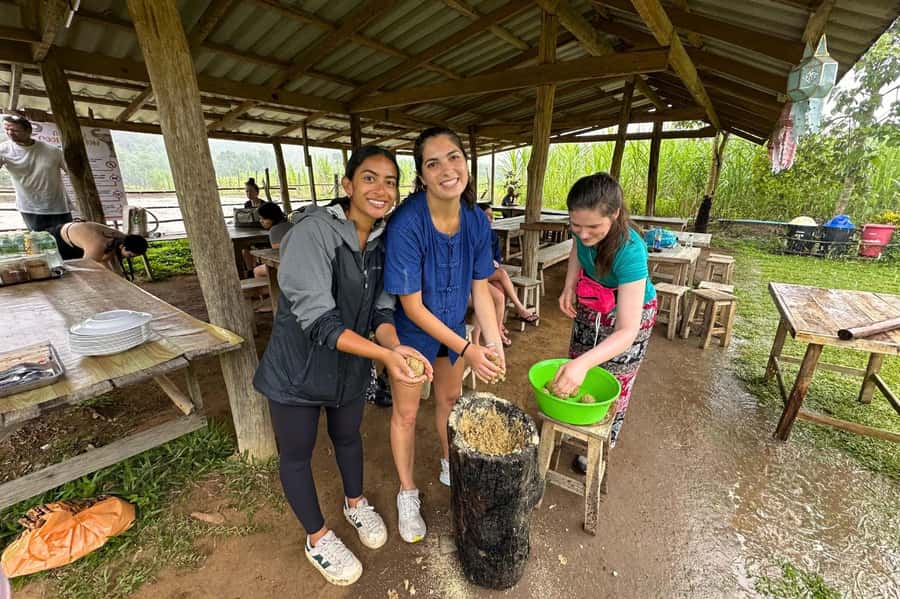
- Food prep you can smell and feel: you help make natural meals and vitamin balls
- Elephant-care stories from real experience, including guidance around elderly or sick elephants
- Pad Thai lunch you cook yourself, not a pre-made plate on a timer
In This Review
- Elephants roam free: Big Boy’s no-control philosophy
- How the half-day timing works (and why it’s still a full day)
- Pickup from Chiang Mai to the mountains: what to expect on the drive
- What to wear and bring so you can focus on the elephants
- Elephant education briefing: learning behavior, health, and care
- Ethical feeding you can feel: preparing meals the natural way
- The up-close feeding moment: close enough for connection, not control
- Habitat care activities and vitamin feeding: small tasks, big purpose
- Pad Thai cooking workshop: lunch with a view and real instructions
- Who the guide makes the day: Mr. Su and how the stories land
- Rules for a respectful visit: no smoking, no flash, and patience
- Value check: does $46 make sense for what you get?
- Who this experience fits best (and who might struggle)
- Should you book Big Boy in Chiang Mai?
- FAQ
- What does the tour include?
- Where is the sanctuary, and how far is it from Chiang Mai?
- What are the pickup times?
- How long is the trip?
- Is elephant riding included?
- Can I touch or control the elephants?
- What photography rules should I follow?
- What should I bring?
- What language is the tour guide?
- Who is this experience not suitable for?
- What’s the cancellation policy?
Elephants roam free: Big Boy’s no-control philosophy
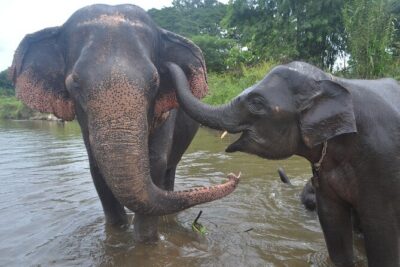
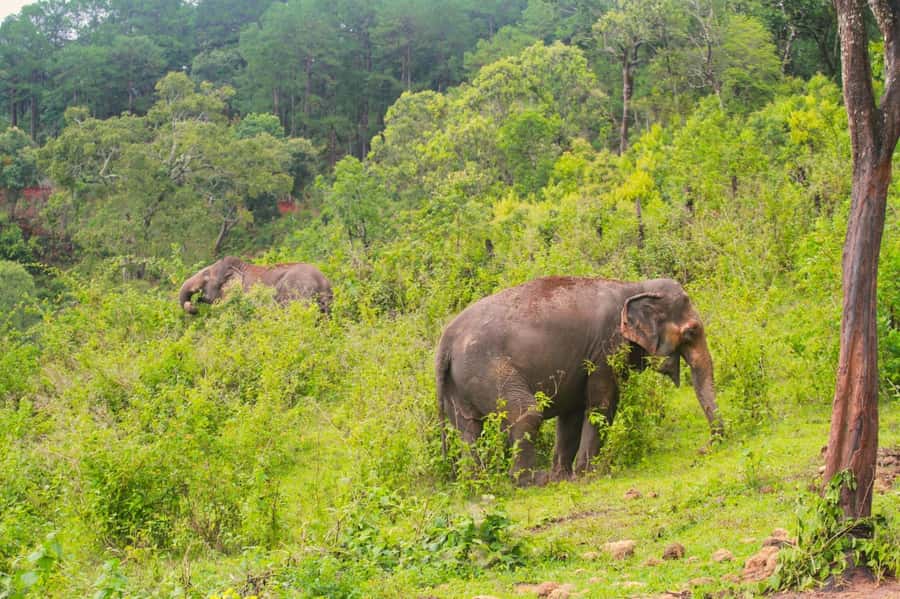
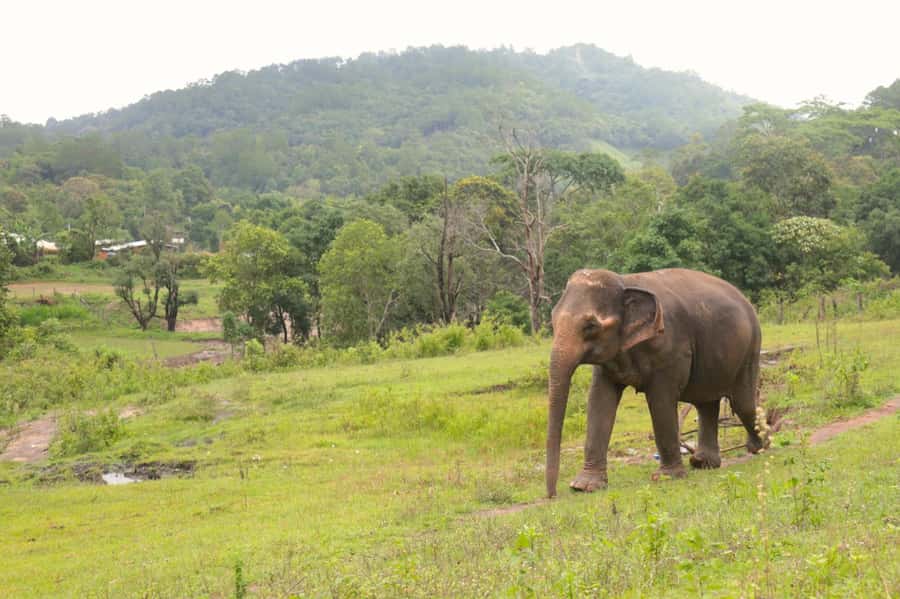
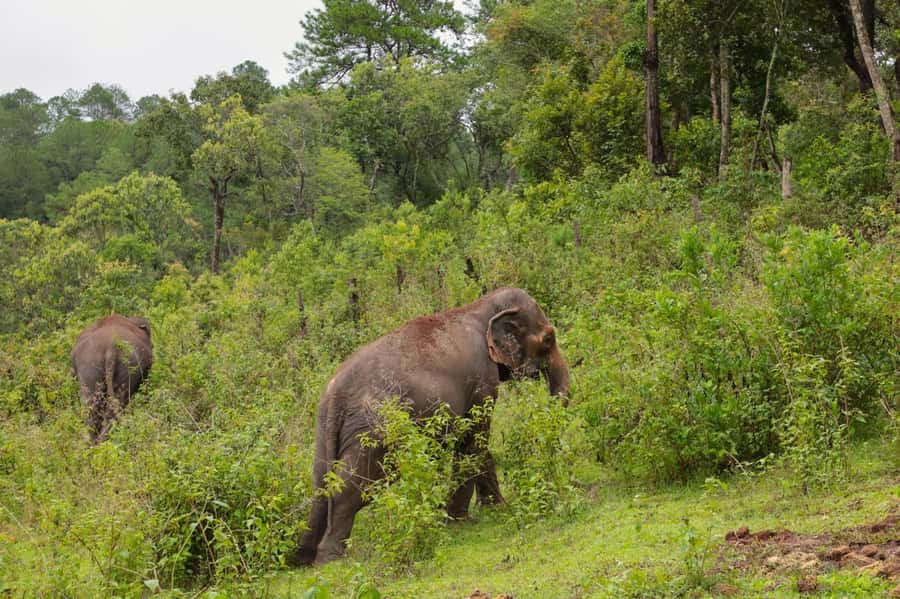
This trip is built around one big idea: elephants shouldn’t be managed like props. At Big Boy Elephant Sanctuary near Doi Inthanon National Park, you’re encouraged to watch elephants living as naturally as possible—eating, playing, and staying with their family groups.
The sanctuary’s rules are the part I like most. You won’t ride an elephant. You won’t join in a controlled walk. You also won’t do forced bathing or anything that requires people to direct an elephant’s behavior. Instead, you participate in observation and care, while elephants decide where they go and when they engage.
That approach changes how the whole day feels. When the elephants can move freely and you keep distance and patience, you start noticing real behavior: how an elephant chooses a resting spot, how it approaches food at its own pace, and how it reacts to nearby people. It’s less about entertainment and more about understanding.
How the half-day timing works (and why it’s still a full day)
The booking calls it a half-day trip, but the schedule is more honest than that. There are two departure windows: a morning session from about 07:00 to 14:30, or an afternoon session from about 11:00 to 18:30. Either way, you’re looking at roughly a 6–7 hour program once transportation is included.
This matters for planning. If you’re trying to stack tours back-to-back in Chiang Mai, give yourself breathing room. The drive takes time, and traffic can shift pickup and return. Also, you’ll be outside doing hands-on tasks and then cooking lunch, so you’ll want comfortable energy for the whole flow.
If you get motion sick easily or don’t like long car time, consider building your day around this trip only. It’s the kind of experience that works best when you’re not rushing to catch another reservation right after.
You can also read our reviews of more tours and experiences in Chiang Mai

Pickup from Chiang Mai to the mountains: what to expect on the drive
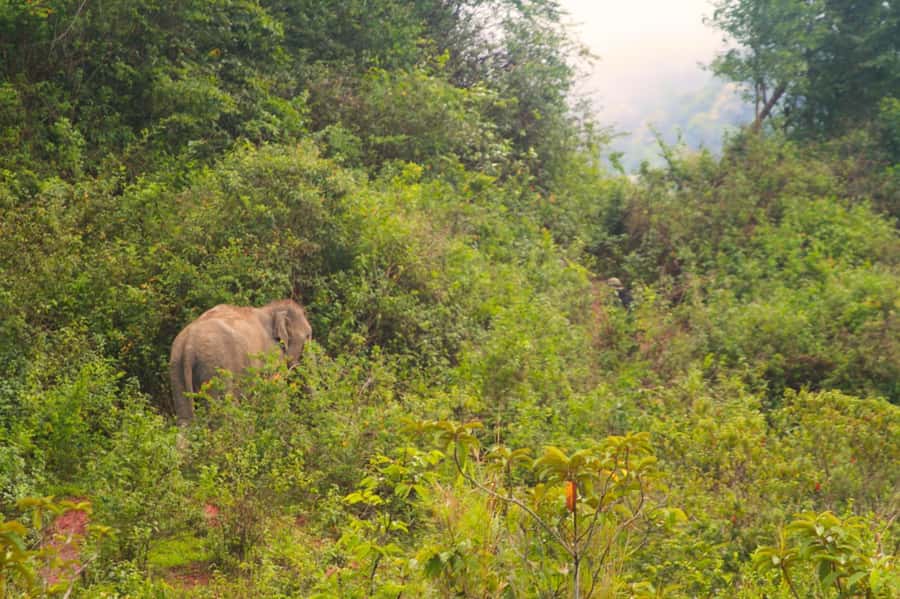
Getting out of the city is part of the appeal. The sanctuary sits in lush hills with a stream nearby, so you trade street noise for quiet, shade, and real air.
You’ll be picked up from your Chiang Mai hotel, and the exact pickup time is confirmed ahead of your day. The voucher time is more of a reference point, so don’t assume the first listed time is your exact start. When you get the final timing message, write it down and plan to be ready early.
For the drive, pack light but smart. This is not a sit-down tour. You’ll walk on outdoor surfaces, stand during feeding and activities, and then shift into a cooking session. The people who enjoy this trip most come prepared to be comfortable for a while.
What to wear and bring so you can focus on the elephants
This is practical travel advice, not a buzzword list. Wear comfortable shoes with grip. Use a sun hat and bring a camera if you like photos, but don’t forget that some rules apply once you arrive.
You’ll want insect repellent on board. The trip is outdoors, and bites are no fun when you’re standing close for food-prep and feeding moments. Also bring a refillable water bottle. Hydration helps you stay calm and present, which is exactly what you want around wildlife.
One more detail that can trip people up: flash photography is not allowed. So if you’re used to nighttime-style camera habits, switch to normal lighting and let the moment be what it is.
Elephant education briefing: learning behavior, health, and care
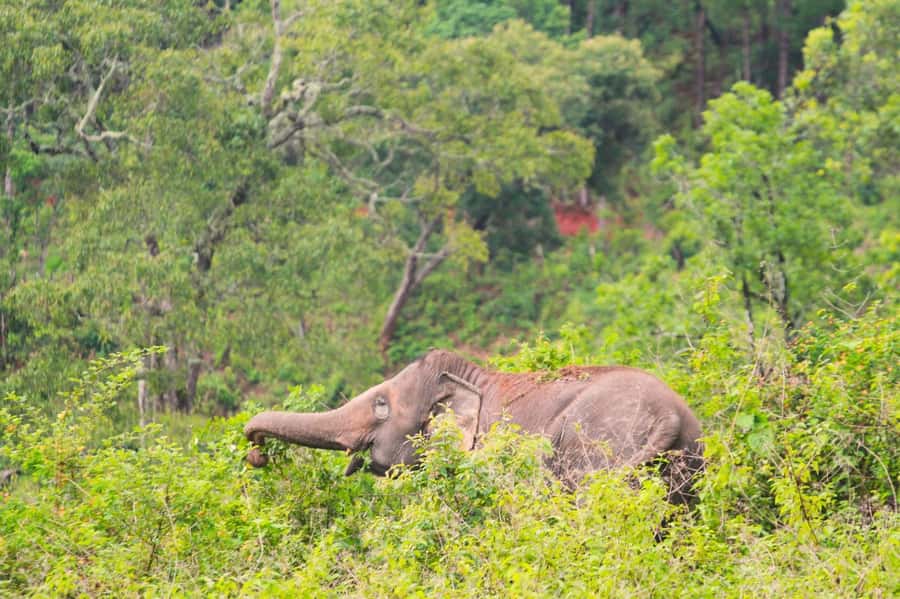
Before you start feeding or cooking, you get an elephant education briefing. This is where the day gains meaning. You learn how elephants live, why rescued elephants need special care, and how the sanctuary’s approach supports health and natural behavior.
I like that the guidance isn’t just general facts. The staff share stories and insights drawn from real experience with elephant behavior and care, including attention to elderly or sick elephants. When you hear how different needs change daily routines, you stop thinking of elephants as a single “type” and start thinking of them as individuals with different health requirements.
You’ll also get the purpose behind the activities. Habitat care and feeding aren’t there to entertain you. They’re there to support the elephants’ well-being in a setup that avoids forcing interactions.
Ethical feeding you can feel: preparing meals the natural way
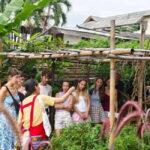
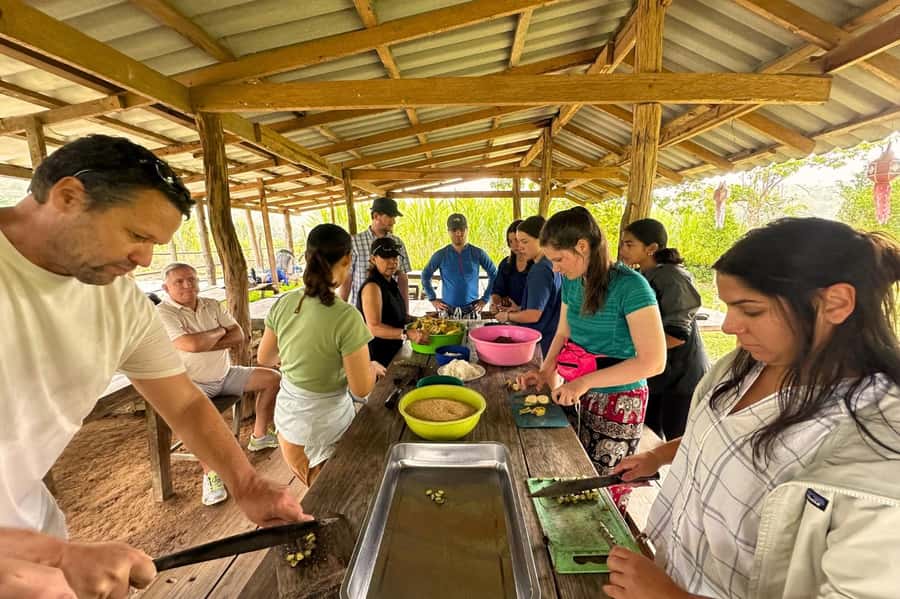
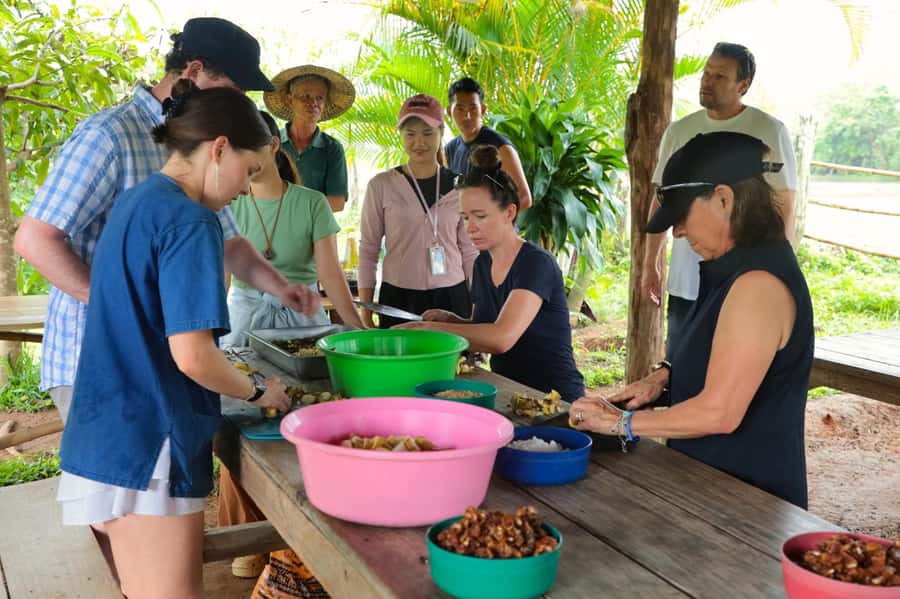
The hands-on part starts with elephant food preparation. You’ll work on making food from natural ingredients, and you get to understand why those choices matter for elephant health and routine.
It’s not about making a big show. It’s about doing careful, simple tasks while keeping focus on what the elephants actually need. One reason this stands out is that you can get close enough to help and to observe, but the sanctuary keeps clear boundaries around touching.
You may also help with vitamin-related preparation, like the vitamin ball portion of feeding. In the wider experience flow, you might prepare items that include things like bamboo shoots and vitamin/medicine balls before the elephants eat. The point is consistent: you’re supporting care in a way the sanctuary considers appropriate.
If you care about ethical tourism, this is the part that reassures you. It’s structured, friendly, and clear about what you can and can’t do.
You can also read our reviews of more tours and experiences in Chiang Mai





The up-close feeding moment: close enough for connection, not control
Here’s the heart of the day. You feed the elephants up close, but you don’t touch them. You don’t command them. You wait, watch, and let them decide what to do next.
That no-touching approach is important. Elephants are strong, unpredictable in their own way, and they deserve space. When you follow the rules and keep your posture and pace calm, the feeding moment becomes more about observing behavior than about trying to make the elephant interact with you.
A small detail I’d keep in mind: photo opportunities can be decent, but you’re still respecting elephant space. The best photos often come from patience, not from rushing.
You’ll likely see the elephants eat naturally, and you’ll notice how different individuals behave around food. Some approach quickly; others take their time. That’s part of what you came for.
Habitat care activities and vitamin feeding: small tasks, big purpose
After food prep, the day shifts into habitat care activities and vitamin feeding. These steps are designed to support the sanctuary’s daily needs without turning the elephants into performers.
Think of this like helping with care logistics rather than staging entertainment. You might take part in simple activities connected to keeping the habitat and routine supportive. Then, later, you help deliver vitamin-related items as part of health care.
One of the most meaningful moments is when you realize how the sanctuary treats feeding as part of long-term care. It’s not a one-off photo moment. It’s work that contributes to ongoing support for rescued elephants.
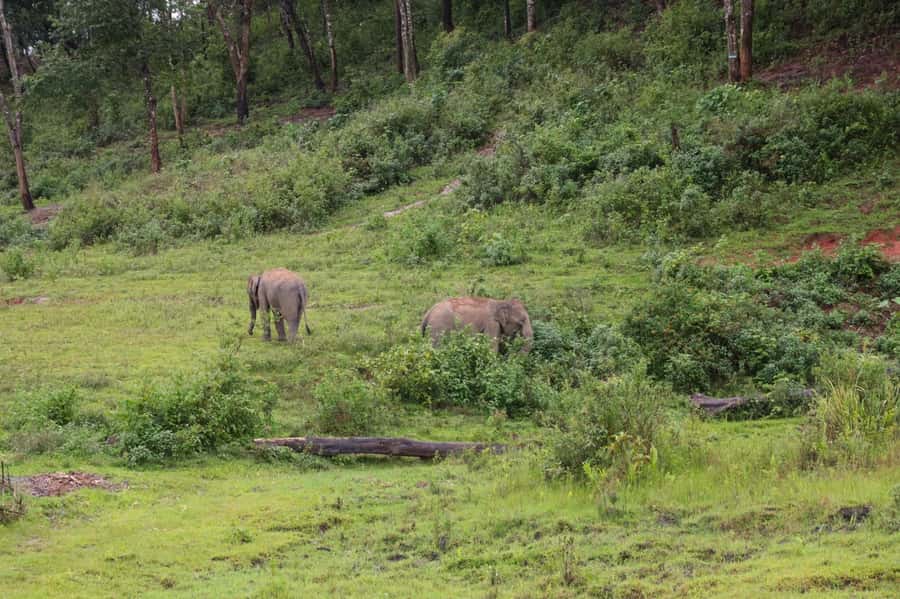
And yes, you’ll see rescued elephants living in a setup where they can wander freely—so the experience doesn’t feel like a controlled circuit. You don’t move the elephants around; you move around carefully while they decide where to be.
Pad Thai cooking workshop: lunch with a view and real instructions
Just when you think the elephant part is the main event, you get the culinary payoff: an authentic Pad Thai cooking workshop. You cook lunch, under guidance from local culinary experts, and you get to practice the steps yourself.
The best part is that the cooking isn’t generic. You follow an ancient family-style approach passed down through generations, so you’re learning technique and rhythm, not just assembling ingredients from a bowl.
You also have the satisfying twist of doing this while elephants are nearby and active. It turns lunch into a full sensory transition: calm cooking, then watching elephants go about their day.
Your final result is the Pad Thai you made. It’s a practical bonus because you leave with both an ethical elephant experience and a meal you actually understand.
Who the guide makes the day: Mr. Su and how the stories land
A huge part of enjoyment on a sanctuary day is your guide. In this case, Mr. Su comes up again and again. People highlight his humor, his ability to explain elephant life clearly, and his good English.
What I value about guides like this is that they don’t just “tell you what to do.” They help you see what’s happening. When he shares stories about elephant behavior or care—especially how elderly or sick elephants need special attention—you start noticing details on your own once the action begins.
If you’re the kind of person who likes context, you’ll probably appreciate Su’s storytelling more than you expect.
Rules for a respectful visit: no smoking, no flash, and patience
Sanctuary rules can feel strict, but they’re there for a reason. Smoking isn’t allowed. Flash photography is not allowed. You should also expect to follow clear guidance about how to interact and where to stand.
This is one of those days where good manners are part of animal care. Stay calm. Move slowly. Follow staff instructions. Don’t try to break the “no control” approach by coaxing elephants into specific positions.
If you do these things, you’ll likely feel the difference immediately: elephants don’t perform on cue, and you don’t feel like you’re chasing moments. Instead, you wait for real behavior to show up.
Value check: does $46 make sense for what you get?
At $46 per person, this tour is priced like a serious half-day activity in Chiang Mai. The key question is: what’s included beyond the view?
Here’s the value logic:
- You get elephant observation in a sanctuary that emphasizes no riding and no forced interactions.
- You help with food prep and then participate in feeding, including vitamin ball delivery.
- You get a guide briefing with real elephant-care education and stories.
- You finish with a Pad Thai cooking workshop and lunch.
That combination is what makes the price feel fair. Many cheap elephant experiences are focused on one thing—usually rides, shows, or short photo stops. This one spreads the time across learning, care activities, and a full meal you cook.
The drive time is the trade-off, but you also leave the city and spend the day in the mountains. If you compare it to other Chiang Mai activities that only give you a short photo moment, the value tilts toward Big Boy.
Who this experience fits best (and who might struggle)
This is ideal for you if:
- You want elephants in a more natural, low-interference setup.
- You like hands-on learning more than just watching.
- You enjoy cooking and want lunch included as part of the experience.
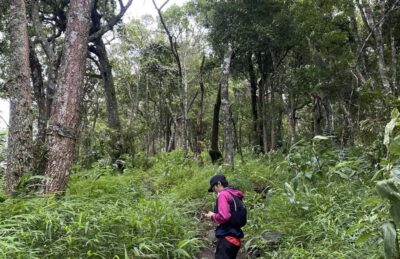
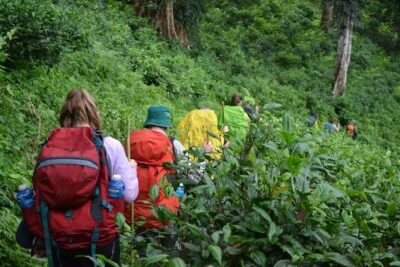
- You’re okay with time outdoors and some walking on uneven ground.
It may be a poor fit if:
- You have mobility impairments, back problems, or need a very low-activity schedule.
- You’re pregnant, since the trip is marked as not suitable for pregnancy.
Also, if you’re expecting a short, easy “sit and watch” program, adjust your expectations. The day includes prep, feeding tasks, and cooking, so you’ll be on your feet and engaged.
Should you book Big Boy in Chiang Mai?
If ethical elephant tourism is high on your list, this is the kind of trip that earns your trust. The sanctuary’s no-control rules, the up-close feeding without touching, and the education led by guides like Mr. Su make it feel thoughtful instead of gimmicky.
I’d book it if you want a meaningful day that mixes wildlife care education with a practical skill at the end—cooking Pad Thai the real way.
I’d skip it if you need a very gentle, minimal-walking outing, or if your health situation makes outdoor time difficult. In those cases, you’ll probably feel rushed or uncomfortable, and the day is better when you can move calmly and focus.
FAQ
What does the tour include?
You’ll observe elephants in their natural habitat, join elephant education and small elephant-related care activities, prepare elephant food, take part in feeding (including vitamin balls), and enjoy a Pad Thai cooking workshop with lunch.
Where is the sanctuary, and how far is it from Chiang Mai?
Big Boy Elephant Sanctuary is in Chiang Mai Province near Doi Inthanon National Park. It’s about 2 hours from Chiang Mai by drive.
What are the pickup times?
You can choose a morning pickup window around 07:00–14:30 or an afternoon window around 11:00–18:30. Exact pickup time is confirmed 1 day before based on your hotel location and guest count.
How long is the trip?
The program runs about 6–7 hours, and that includes transportation time. Traffic can affect timing.
Is elephant riding included?
No. The sanctuary follows a no elephant riding policy.
Can I touch or control the elephants?
You cannot touch elephants, and there is a no-control approach. That means no controlled walking, no forced bathing, and no commanding elephants to follow orders.
What photography rules should I follow?
Smoking is not allowed, and flash photography is not allowed.
What should I bring?
Bring comfortable shoes, a sun hat, a camera, insect repellent, and a refillable water bottle.
What language is the tour guide?
The tour is offered in English.
Who is this experience not suitable for?
It’s not suitable for pregnant women, people with back problems, or people with mobility impairments.
What’s the cancellation policy?
You can cancel up to 24 hours in advance for a full refund.