REVIEW · CHIANG MAI
Benny’s Home Cooking Chiang Mai
Book on Viator →Operated by Benny's Home Cooking Chiang Mai · Bookable on Viator
You can taste Chiang Mai before you cook. This hands-on cooking class pairs a neighborhood market walk with cooking at Benny’s home kitchen, where you learn the why behind Thai flavor.
I especially like the small group size (max 9), which keeps the day relaxed and personal. I also like that you choose what you’ll cook from a menu checklist ahead of time, so the class feels tailored, not canned.
One possible drawback: not everything is done from scratch. Some basic prep may already be portioned or handled for you, which is great for beginners but less fun if you want every step starting from raw ingredients.
In This Review
- Key things that make this class work
- Morning Market in Chiang Mai: the 8:15 start that sets the whole day
- Picking your dishes: why choice beats a one-size menu
- Curry paste, noodles, curry, dessert: what you’ll actually do
- Making curry paste
- Cooking appetizer and soup
- Stir-fried noodles dish
- Curry and dessert
- Benny’s home kitchen: garden views, rice paddy next door, and a clean setup
- Small group lessons with Benny and Nan: attention you can feel
- Price and value at $55.11: what you get for your money
- Vegetarian, allergies, and spice control: how flexible is it?
- Who should book this Chiang Mai cooking class (and who might pass)
- Should you book Benny’s Home Cooking Chiang Mai?
- FAQ
- What time does the class start?
- How long is Benny’s Home Cooking Chiang Mai?
- Is hotel pickup and drop-off included?
- Is a vegetarian option available?
- What is the group size limit?
- Does the price include drinks and a recipe book?
- Are alcohol or kids included in the price?
Key things that make this class work
- Real local market, not a tourist strip: you’ll see Thai shopping patterns up close
- You pick from a menu checklist: appetizer, soup, stir-fry/noodles, curry, dessert
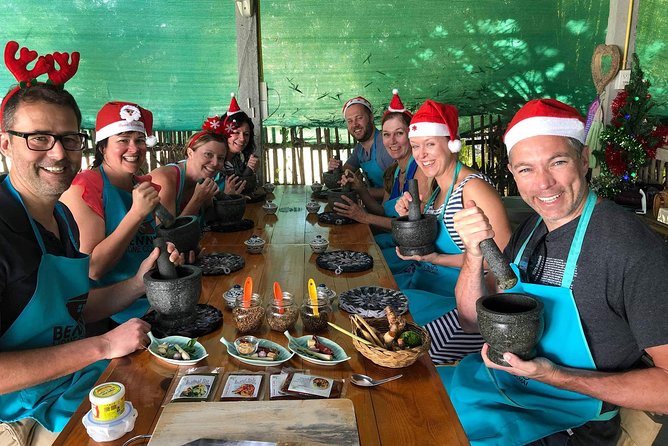
- Curry paste is hands-on: you’ll make it yourself instead of relying on store paste
- Organic home setup: you’ll cook in a garden-and-rice-paddy setting
- Max 9 people means attention: instructions are easier to follow and questions get answered
Morning Market in Chiang Mai: the 8:15 start that sets the whole day
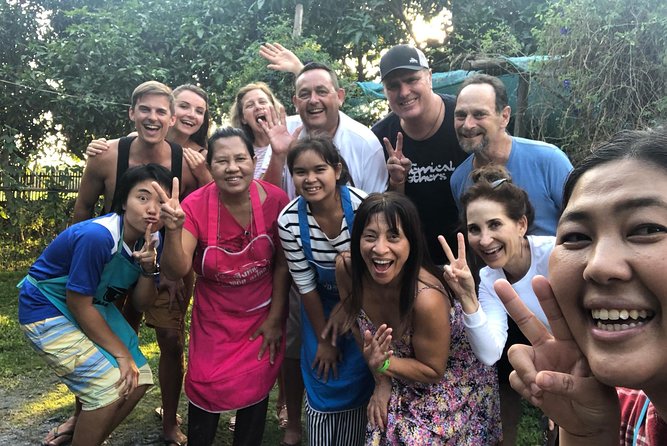
The day starts early, around 8:15am, with pickup for downtown Chiang Mai hotels. You’ll ride out of the city to a fresh local market that feels more like where Thai people actually shop. This matters. If you only learn recipes from a kitchen book, Thai cooking can feel mysterious. If you learn the ingredients in the place where locals buy them, the flavor logic clicks faster.
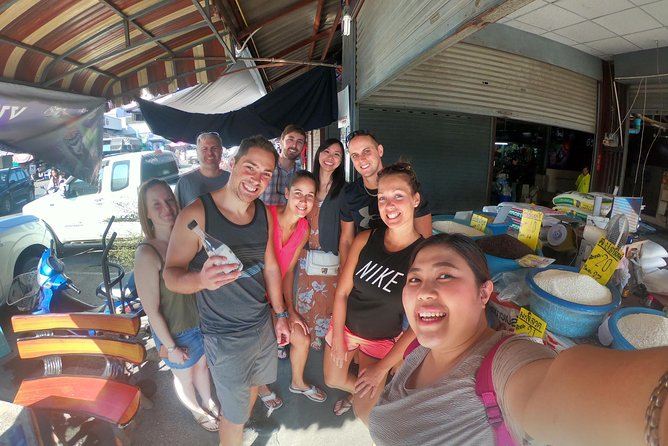
At the market, your guide runs through fruits, vegetables, and spices and you do some tasting along the way. The market is a bit out of town, so the vibe is less performative and more everyday. You’ll also get a chance to walk around again after the main tour. That’s a useful window for photos and for grabbing a snack if something catches your eye.
Practical tips make this smoother:
- bring water for the market walk
- wear casual clothes (you’ll be moving and browsing)
- expect a short burst of standing while you taste and look around
One detail I really like: you’ll receive a menu checklist on the morning of the class, with descriptions. That helps you focus at the market. You’re not just watching; you’re deciding what you want to cook later.
You can also read our reviews of more cooking classes in Chiang Mai

Picking your dishes: why choice beats a one-size menu
Most cooking classes give you a menu. This one gives you options, and that’s the difference between a fun demo and a personal cooking day.
Once you get the checklist, you choose your favorites from categories. The day is set up so you can make multiple dishes, typically built around:
- curry paste (made by you)
- an appetizer and soup
- a stir-fried noodles dish
- curry and dessert
In practice, the options let different people in the same group land on different dishes. That increases what you learn, because you’re not all repeating the same steps. It also keeps the day from getting boring if you’re not the type who loves one specific dish.
If you care about vegetarian cooking, this class is set up for it. You can request a vegetarian option when booking, and the cooking can be adjusted to match.
And yes, you will eat. A lot. The structure is designed so your work turns into your lunch and then your afternoon meal.
Curry paste, noodles, curry, dessert: what you’ll actually do
This class isn’t just chopping and stirring. You get the core Thai flavor building blocks, especially curry paste.
Making curry paste
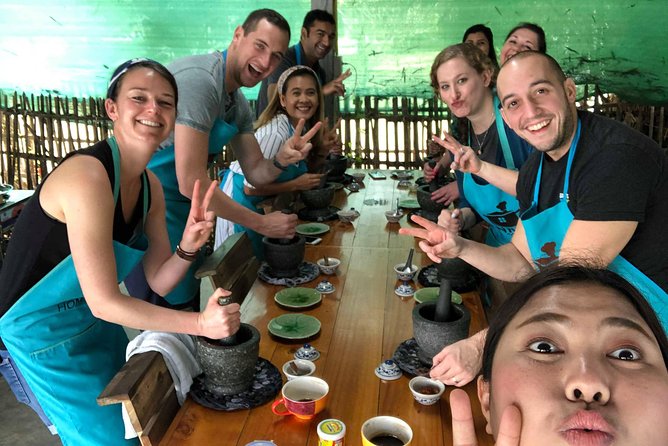
You’ll start at Benny’s home by making curry paste yourself. This is the step many cooking classes skip because it takes time and attention. Doing it by hand teaches you what different aromatics are supposed to smell like and how they change the final dish.
Cooking appetizer and soup
After paste work, you’ll move into an appetizer and a soup. This part is great for learning Thai balance: salty, sour, fresh, and spicy. You’ll also see how paste translates into real food, not just a paste jar.




Stir-fried noodles dish
Next comes a stir-fried noodles dish. This is where technique shows up fast. Heat control, timing, and tasting matter. If you’ve ever eaten pad see ew or similar dishes and wondered why yours didn’t taste right, this is one of the key areas to learn in a hands-on way.
Curry and dessert
Finally you’ll cook curry and dessert. Dessert is often where people think they’ll get something basic. Here it’s part of the main menu choices, so you leave with the confidence to make something sweet too, not just savory dishes.
Benny’s home kitchen: garden views, rice paddy next door, and a clean setup
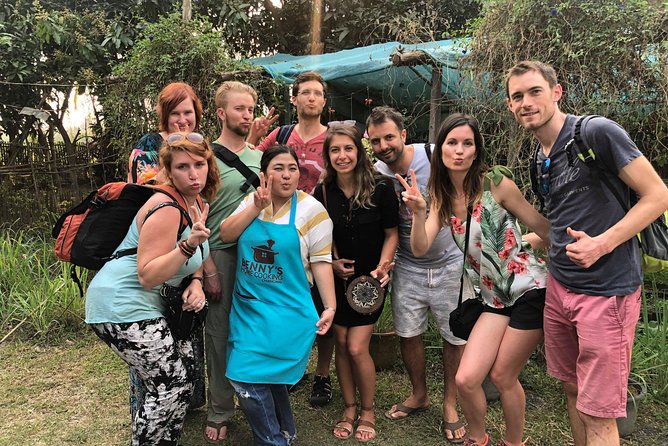
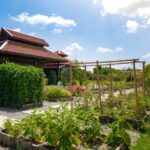
After the market, the group heads to Benny’s home. The setting is part of the experience. You’ll see organic vegetables grown around the house and a rice paddy nearby, so the day connects ingredients to the environment they come from.
You’ll cook at a station attached to the home and kitchen area. Reviews highlight the space as comfortable and very clean, and that matters because cooking classes can get messy. A clean station makes it easier to focus on technique instead of worrying about chaos.
There are also practical support pieces. A kitchen team handles a lot of the behind-the-scenes prep so the day keeps moving. Some dishes may arrive with basic items already portioned or cleaned, and that’s a real point to consider:
- If you’re a beginner, you’ll probably love it. You’ll spend time learning flavor and technique, not just knife work.
- If you want every step from scratch, you might feel a bit held back. Some prep can feel like assembly rather than pure DIY.
Either way, you’re still hands-on with key elements like curry paste and the actual cooking.
Small group lessons with Benny and Nan: attention you can feel
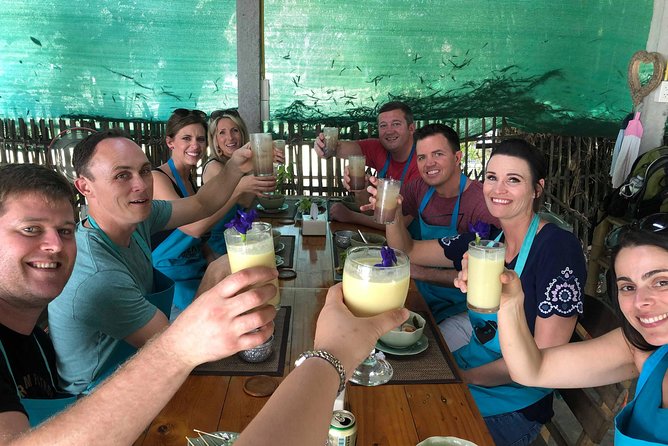
This is a small group class with a maximum of 9 travelers. On the day, it often feels even smaller in practice, and that affects everything. You can ask a question without waiting forever. You can correct a mistake quickly. And it’s easier to keep the pace comfortable.
Benny leads the class with high energy and step-by-step teaching. The kitchen help team includes Nan, often described as a kitchen fairy, and that extra support helps with the rhythm of the cooking. People mention that cleanup is handled by the kitchen team, which lets you focus on eating and learning instead of scrubbing pans.
Benny also teaches Thai cooking with a mindset of adjusting to taste. That shows up for spice levels and for personal preferences. If you’re traveling with someone who doesn’t eat spicy, or you’re cautious with chilies yourself, that’s a big confidence boost.
Price and value at $55.11: what you get for your money
At $55.11 per person, this class can feel like solid value because you’re not just paying for a demonstration.
You receive:
- hotel pickup and drop-off in downtown Chiang Mai
- a local market tour and food tasting
- professional instruction
- all cooking ingredients
- beverages like coffee and herbal tea
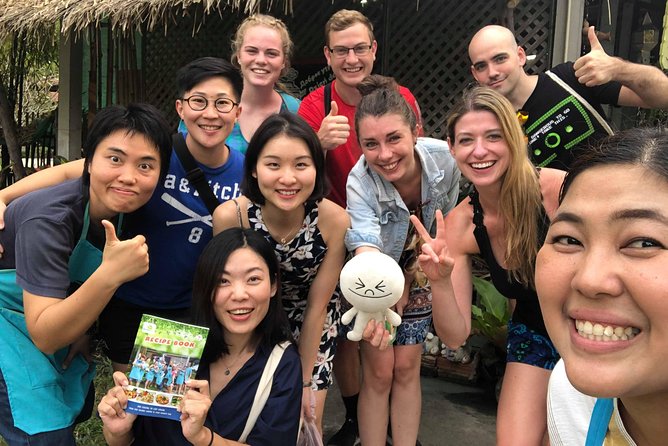
- a recipe book to take home
That’s a lot of “included” items for one ticket. The biggest value piece, though, is time and output. You cook multiple dishes across the day and then eat them. You also get ingredient and flavor guidance that helps you reproduce the dishes later.
Also consider the context: Thai cooking works best when you understand the ingredient logic, not just the final taste. The market component gives you that foundation, so the money goes beyond just feeding you for a few hours.
One small catch: alcoholic drinks are not included, though they may be available for purchase. If you want beer or wine, plan on paying extra.
Vegetarian, allergies, and spice control: how flexible is it?
This class is built to be flexible. Vegetarian is available if you request it when booking. That’s important because it affects real cooking choices, not just swapping one side dish.
Allergies are also something the team can handle based on previous experiences. If you have an allergy, tell them in advance and be clear about what to avoid. This is one of those activities where communication ahead of time genuinely matters.
Spice control is a frequent theme in how the class is taught. Thai recipes often use chilies heavily, and the class teaches how to adjust. That may mean reducing chili impact or modifying flavors so you still get the Thai taste without making your meal unbearable.
If you’re very sensitive to spice, don’t show up hoping you’ll just “tough it out.” Use the adjustment option so your food matches what you can comfortably enjoy.
Who should book this Chiang Mai cooking class (and who might pass)
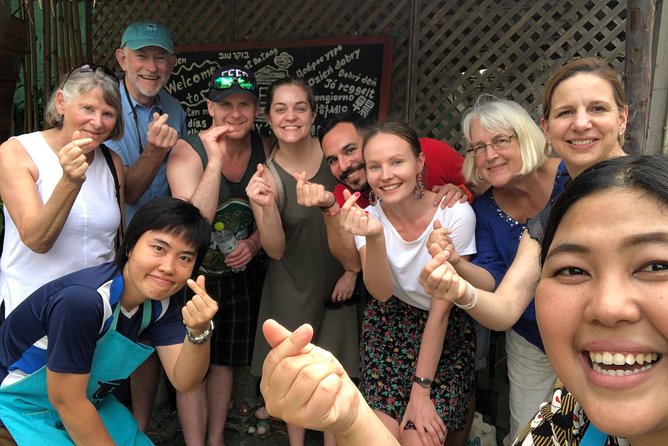
This is a great fit if you want:
- a hands-on Thai cooking day, not a sit-and-watch class
- a small group with real interaction
- the market experience tied directly to what you cook
- a recipe book you can actually use later
It also fits families in a broad sense, because the experience is described as suitable for all ages and skill levels—just note the key restriction: kids under 10 years old are not allowed in the group class. So plan accordingly if you’re traveling with younger children.
You might consider other options if:
- you hate early mornings and really don’t want a morning start
- you want maximum “from scratch” prep and minimal pre-portioned ingredients
- you expect a high-action city walking tour instead of a market-to-home day
Should you book Benny’s Home Cooking Chiang Mai?
Book it if you want a Thai cooking class that feels personal, practical, and ingredient-focused. The market tour gives you the context behind the flavors, and the small group size keeps the teaching clear. The included recipe book also makes it worth your time even after you get back home.
Skip it if your priority is a formal cooking demo with no adjustments, or if you strongly prefer every step to be done from raw with no pre-prep support. This is friendly, guided, and efficient, and that’s exactly why many people love it.
If you do book, do two things to get the most value:
- tell them you want vegetarian (or any allergy or spice concerns) at booking
- come to the market ready to taste and decide what you want to cook
FAQ
What time does the class start?
The start time is 8:15am.
How long is Benny’s Home Cooking Chiang Mai?
It runs for about 6 hours.
Is hotel pickup and drop-off included?
Yes. The class includes hotel pickup and drop-off for downtown Chiang Mai.
Is a vegetarian option available?
Yes. A vegetarian option is available if you advise at the time of booking.
What is the group size limit?
The group size is capped at a maximum of 9 travelers.
Does the price include drinks and a recipe book?
Yes. It includes beverages (coffee and herbal tea) and a recipe book.
Are alcohol or kids included in the price?
Alcoholic drinks are not included (they may be available to purchase). Kids under 10 years old are not allowed in the group class.