REVIEW · CHIANG MAI
Signature Thai Cooking Course
Book on Viator →Operated by We Cook Thai Home Garden Cooking School · Bookable on Viator
Thai cooking starts before the stove. In Chiang Mai, you’ll do a market tour with instructor Mam, then cook a 6-dish meal in an open-air home kitchen. It’s a half-day class that teaches more than recipes—so you can shop and cook with confidence back home.
I love the 1 wok/person setup. It keeps things hands-on, and you’re not stuck watching while the group eats. I also like that the class is taught by English-speaking Mam, so you get clear explanations while you cook, not just vague instructions.
One thing to consider: the kitchen is outdoor, so good weather matters. If it’s rain-prone, the experience may need a different date, so plan with some flexibility.
In This Review
- Key highlights before you book
- A half-day Thai cooking class that starts in the market
- The market walk: learning spices and ingredients the practical way
- Outdoor kitchen setup: calm, open-air, and hands-on
- Choosing 6 dishes across Thai categories
- Mam’s teaching style: clear steps, friendly attention, and real technique
- What’s included (and what you’ll plan to pay for)
- Timing and how the 5 hours usually feel
- Price and value: why $42 can make sense in Chiang Mai
- Who should book this class (and who might rethink it)
- Kids, strollers, and the visitor rule under 120 cm
- Practical tips so your class goes smoothly
- How to decide: should you book this Thai Cooking Course?
- FAQ
- How long is the Thai Cooking Course in Chiang Mai?
- What time does the class start?
- Do you get picked up from your hotel?
- Is the class limited in group size?
- How many dishes will I cook?
- Can I choose vegetarian dishes?
- What language is the instructor?
- Is the kitchen indoors or outdoors?
- Can children under 120 cm attend?
- What is included in the price?
- What’s the cancellation policy?
Key highlights before you book
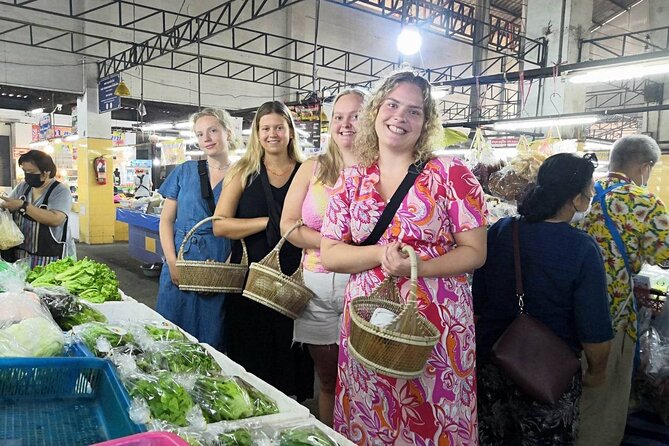
- Market visit first: you talk with vendors and learn what goes into your dishes before you cook
- English-speaking Mam: friendly, step-by-step teaching while you’re working the wok
- 6 dishes in one class: you choose across categories for a full Thai meal experience
- Fresh open-air outdoor kitchen: cooking feels local and relaxed, not like a cafeteria demo
- Small group size: max 12 people, plus a wok/person approach
- Good take-home extras: cookbook and certificate, plus bottled water during the class
A half-day Thai cooking class that starts in the market
This course in Chiang Mai is built around one idea: Thai food makes sense when you understand the ingredients. You begin with a local market visit, where you’ll learn what spices, herbs, noodles, and vegetables actually are—and how sellers think about freshness and quality. Then you head to the kitchen and turn those shopping-basket finds into a real meal.
The class runs about 5 hours, and you can choose a morning or evening slot. The listed start time is 4:30 pm, which lines up with the evening option. Either way, you’re getting a focused, no-fluff block of time that fits well if you have one busy day and want something memorable that isn’t just another meal out.
The tone is practical. You’re not studying Thai cuisine like a textbook. You’re learning by doing: cooking, tasting, adjusting, and asking questions while the food is in front of you.
You can also read our reviews of more cooking classes in Chiang Mai
The market walk: learning spices and ingredients the practical way
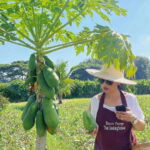
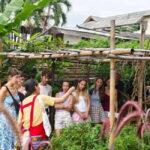
The market portion is more than a quick photo stop. You walk with Mam and interact with local vendors, building a mental map of Thai flavors before you ever touch the stove. This is where the “why” starts: why one ingredient matters for aroma, why a certain texture works in a stir-fry, and why some herbs are used for brightness rather than heat.
From what’s emphasized in the class approach, the market visit covers the kinds of items you’ll actually cook with later: fresh herbs, spices, noodles, and vegetables. You’ll also shop with a purpose, filling your basket with ingredients you can recognize later when you’re recreating dishes at home.
Small details like this matter. When you understand what to look for—what’s fragrant, what’s crisp, what’s best used fresh—you waste less money trying to replace Thai ingredients with random supermarket substitutes. Even if you can’t find the exact Thai item, you’ll know what role it plays.
Also, this is a nice change from Chiang Mai sightseeing that stays stuck in temples and streets. The market is food-centered, and it helps you leave with a deeper understanding of Thai cooking than simply eating well.
Outdoor kitchen setup: calm, open-air, and hands-on
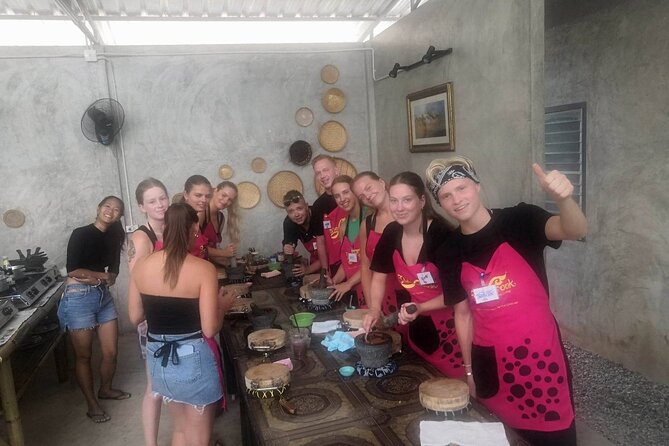
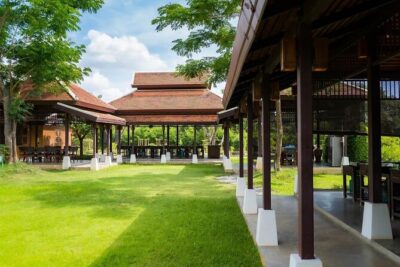
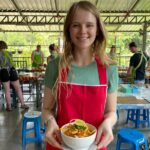
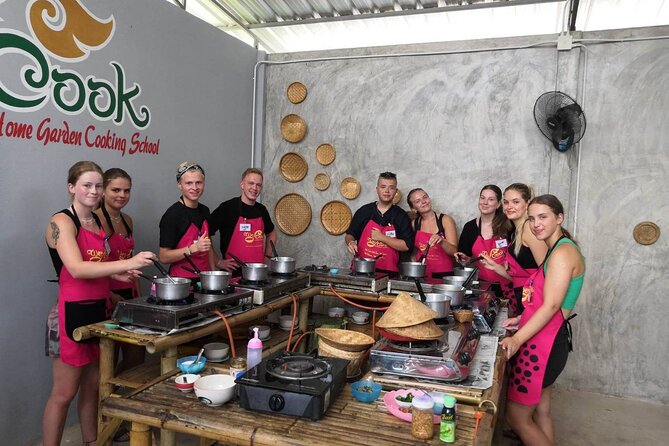
The cooking happens in a fresh open-air outdoor kitchen. That single detail changes the whole feel. Instead of a closed, classroom-style space, you get a home-style working area where heat, cooking sounds, and smells are part of the experience.
A big plus for skill-building: you cook at your own station. The class is set up for 1 person/1 wok, so you’re actively working during your turn rather than hovering over someone else’s pan. This also keeps the pacing smoother for a group, because each person can practice the motions that matter in Thai stir-frying and wok cooking.
Because it’s outdoors, you should go in with the right expectations. If it’s hot, you’ll feel it, and if it’s rainy, the organizers may adjust plans. The experience explicitly notes that it requires good weather, so check the forecast and dress accordingly.
Choosing 6 dishes across Thai categories
You’ll cook 6 dishes total during the class. The way it works is you choose 1 dish per category, then those choices add up to a full cooking session. This is a smart format for a short class, because it lets you steer the meal toward your tastes instead of getting forced into a set menu that might not match your cravings.
You can also request a vegetarian option, which is great if your diet doesn’t include meat. The class is designed to handle it, so you can still aim for variety and flavor rather than settling for an “almost meal.”
One of the best reasons to choose this style of cooking class is the structure. Thai food isn’t one cooking technique—it’s a mix of flavors and textures. By cooking across categories, you’re more likely to come away with technique you can reuse, not just one “signature” recipe.
Mam’s teaching style: clear steps, friendly attention, and real technique

The instructor guiding you is Mam, and the class is organized around step-by-step instruction in English. That matters because Thai cooking has a lot of “do this, then do that” moments. If you miss one timing step, the flavor can change fast.
Mam’s approach is practical. She explains how and why ingredients are used, not just what to do next. That’s what helps you learn beyond memorizing a recipe card. You start connecting flavor with method: which steps boost aroma, which steps balance sweetness, acidity, and salt, and how the cooking process affects texture.
You’ll also get a friendly, welcoming vibe that keeps the class from feeling stressful. When a group is small—maximum 12 travelers—you can actually get your questions answered while you’re cooking, not after everyone’s plates are already done.
Another small detail that shows up in the class culture: the instructor focuses on each person’s experience. That’s partly the small-group setup and partly the hands-on format with one wok per cook.




What’s included (and what you’ll plan to pay for)
This class is strong on value because it includes the core costs of a hands-on cooking day:
- English-speaking Thai instructor
- Local market tour
- Welcome snack or fruit in season
- All ingredients for cooking
- 1 person/1 wok
- Fresh open-air outdoor kitchen
- Cook book and certificate
- Bottled water
- Free transportation to/from your residence within a 3 km radius from Chiangmai downtown
- Vegetarian option availability
What’s not included is kept vague: anything not mentioned as included is your responsibility. That usually means personal snacks beyond the welcome item, optional drinks, or extra purchases you might want to bring home.
If you like cooking classes that give you tools (cookbook, certificate) and not just a meal, this one fits that goal.
Timing and how the 5 hours usually feel
This is a half-day experience, around 5 hours. You start in the late afternoon for the evening slot (listed start time 4:30 pm), or you can choose a morning class depending on your booking. Either way, you’re getting enough time for both the market portion and the cooking portion without the day stretching into something that eats your whole schedule.
In practice, expect the day to feel like two connected chapters:
- First, you shop and learn the ingredients.
- Then, you cook your selected dishes in a working rhythm.
Because it’s only half a day, you’re not stuck on “waiting mode.” The structure moves you from ingredient learning to action quickly.
If you’re planning other things that evening, leave some slack. Cooking classes often run a bit like a workshop: you’ll want time to eat, taste, and finish the last steps.
Price and value: why $42 can make sense in Chiang Mai
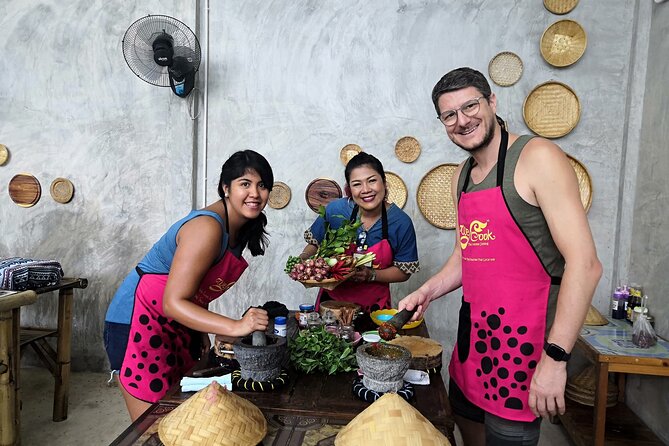
At $42, this isn’t a bargain-priced snack class. It’s priced like a real experience: you’re paying for instructor time, market guidance, ingredients, and the equipment/space needed to cook with a wok.
The value case is pretty clear when you look at what you get:
- Market tour with vendor interaction
- All cooking ingredients included
- 6 dishes cooked as part of one class
- One wok/person so you actually cook
- Open-air kitchen setup
- Cook book and certificate
For many people, the big value is learning and then repeating. You’re not just paying for a full meal; you’re paying for a system you can use at home—what to buy, how to organize a dish, and how flavors come together.
Also, there’s a reason the class is highly rated: the format supports what most people want from cooking classes. You don’t feel like you’re watching; you feel like you’re cooking.
Who should book this class (and who might rethink it)
This class is a great fit if you want:
- A hands-on Thai meal experience, not a lecture
- A market-to-kitchen day that teaches ingredients first
- Clear English instruction with step-by-step guidance
- A small group setting with max 12 people
- An option for vegetarian cooking
It’s especially good for couples, solo travelers, and friends who want the same activity but don’t want to deal with language barriers in the kitchen.
Consider passing or switching plans if:
- You hate outdoor cooking spaces and weather uncertainty. The experience requires good weather.
- You’re traveling with very young kids who want to actively cook. Children under 120 cm can come as visitors, but they can’t participate in cooking due to stove height safety.
Kids, strollers, and the visitor rule under 120 cm
If you’re bringing children under 120 cm, you can still make the day work. The class venue can accommodate children under 120 cm and toddlers as visitors with a stroller. They’re welcome, but they can’t participate in cooking because of stove height safety.
There’s also a visitor fee: THB300/person. The rules say visitors can enjoy free 2 dishes in one cooking course. So if your plan is mostly about family time and the kids getting to eat, it can still fit.
If you need your child to cook alongside you, this isn’t the right setup. For that, you’d need a different type of class designed for younger participants.
Practical tips so your class goes smoothly
A few simple things will help you get the most out of the day:
- Dress for heat and movement. You’ll be in an outdoor cooking space and moving between market and kitchen.
- Be ready to shop. You’ll interact with vendors and build a basket of ingredients.
- Bring a plan for timing. With a late-afternoon start on the evening option, you might want an easy dinner plan after.
- If you have dietary needs, ask early for the vegetarian option. The class does offer it, so confirm what that means for your selections.
Transportation is also part of the experience. Free transportation is included only within 3 km from Chiangmai downtown, so if you’re staying farther out, you’ll want to arrange your own way.
How to decide: should you book this Thai Cooking Course?
Book it if you want a half-day activity that feels local and gives you more than a plate of food. The combination of market learning, English instruction from Mam, and 1 wok/person makes it one of those experiences that’s worth your time even if you’ve done a cooking class before.
Skip it if you’re very weather-sensitive or you need a fully indoor cooking environment. The experience requires good weather, and the cooking area is outdoors.
One more quick reason to feel confident: the class has strong quality signals—about 97% recommend it, with a 4.9 rating from 79 reviews. That kind of consistency usually points to good teaching and a format that works in real life.
If you want to leave Chiang Mai with practical skills—how to choose Thai ingredients and how to cook a varied Thai meal—this class is built for exactly that.
FAQ
How long is the Thai Cooking Course in Chiang Mai?
The class runs for about 5 hours (approximately).
What time does the class start?
The listed start time is 4:30 pm. The experience also offers a choice of morning or evening classes, based on availability.
Do you get picked up from your hotel?
Yes, free transportation is included to and from your residence within a 3 km radius from Chiangmai downtown.
Is the class limited in group size?
Yes, the maximum group size is 12 travelers.
How many dishes will I cook?
You will cook 6 dishes total, choosing 1 dish per category in the cooking class.
Can I choose vegetarian dishes?
Yes, a vegetarian option is available.
What language is the instructor?
The instructor is an English-speaking Thai instructor.
Is the kitchen indoors or outdoors?
The cooking is done in a fresh open-air outdoor kitchen.
Can children under 120 cm attend?
Yes. Children under 120 cm can attend as visitors and may use a stroller, but they cannot participate in cooking due to safety reasons related to stove height. Visitors pay THB300/person and can enjoy free 2 dishes in the course.
What is included in the price?
Included are the English-speaking instructor, local market tour, welcome snack or fruit, ingredients, 1 person/1 wok, open-air kitchen setup, cook book, certificate, bottled water, and free transportation within 3 km from Chiangmai downtown.
What’s the cancellation policy?
Free cancellation is available up to 24 hours in advance for a full refund. If you cancel less than 24 hours before the start time, you won’t receive a refund. The experience also requires good weather and may be rescheduled or refunded if canceled due to poor weather or minimum traveler requirements.