REVIEW · CHIANG MAI
Half Day Chiang Mai City and Cultural by TukTuk, Samlor & Red car (Private Tour)
Book on Viator →Operated by AP Good@travel · Bookable on Viator
Old City temples, market smells, and three rides. This private half-day tour strings together tuk-tuk and samlor street travel with key Lanna sights, plus a market stop for real day-to-day Chiang Mai. It’s built for first-timers who want a fast orientation without feeling rushed.
I love how the itinerary hits the old walled city’s landmarks in a logical order, not just a grab bag of stops. The best part is the human one: an English-speaking guide with a TAT license, and names like Noom, Mui, and Gobi show up in past experiences, often paired with the ability to tailor what you see. One thing to consider: the schedule is tight, so if you want long sits for photos (or slow wandering), you’ll feel a bit herded.
In This Review
- Key highlights you’ll actually feel
- Three Ways to Roll Through Chiang Mai in One Half Day
- Warorot Market (Kad Luang): Eating and Shopping Like a Local
- Entering the Old City: Tha Phae Gate and the Three Kings Monument
- Wat Phan Tao: Teak Detail and Quiet Museum-Style Moments
- Wat Chedi Luang Varavihara: The Great Stupa and the City Pillar
- Why This Half-Day Tour Works When You’re Tight on Time
- Price and Value: Is $77.82 Worth It?
- What You Should Pay Attention To Before You Go
- Who This Tour Suits Best in Chiang Mai
- Should You Book This Chiang Mai City and Culture Tour?
- FAQ
- How long is the Chiang Mai city and cultural tour?
- What transportation do we use on this private tour?
- What stops are included in the route?
- What is included in the price?
- Is temple entrance included?
- Do I need to pay extra for drinks?
- What should I wear for the temple stops?
- What if I cancel my booking?
Key highlights you’ll actually feel
- Three different transport modes in 3–4 hours: tuk-tuk, a pedal samlor, and a red car keep the pace efficient and the ride fun.
- Warorot Market (Kad Luang) for local shopping energy: you get a feel for how Chiang Mai lives day to day.
- Old city checkpoints that make the map click: Tha Phae Gate and the Three Kings Monument help you understand where you are.
- Two temple stops with very different vibes: teak detail at Wat Phan Tao, and the bigger historical punch at Wat Chedi Luang.
- Hotel pickup inside the city area: it cuts down the time you’d spend coordinating transport on your own.
Three Ways to Roll Through Chiang Mai in One Half Day
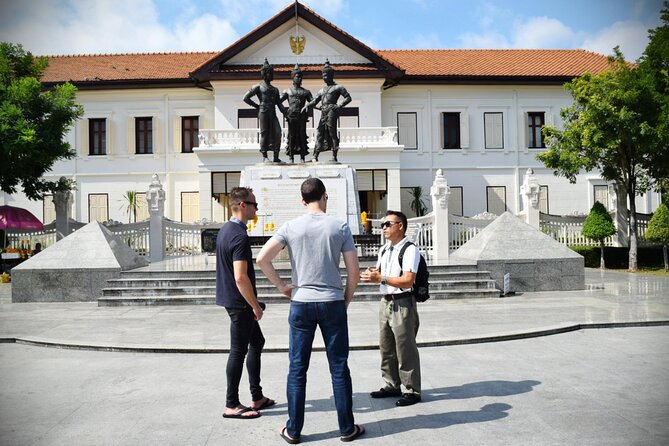
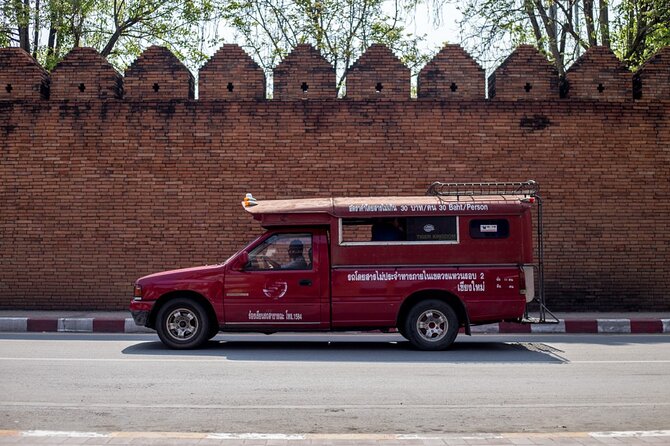
This is a half-day tour, which means it’s designed to be efficient. The magic trick is that you’re not doing it all on foot. You’ll switch between tuk-tuk, a pedal-powered samlor, and a red car, so your energy doesn’t run out before the temples.
The ride mix also changes what you notice. On the tuk-tuk you’ll get the city’s quick rhythm—close enough to read street life, fast enough to cover ground. The samlor portion slows things down just enough that you can take in smaller details without everyone in your group feeling stuck.
And yes, it’s private. Only your group rides, so the guide can pace you. In practice, that usually means more time asking questions and fewer awkward silences while you all try to agree on where to go next.
You can also read our reviews of more city tours in Chiang Mai


Warorot Market (Kad Luang): Eating and Shopping Like a Local
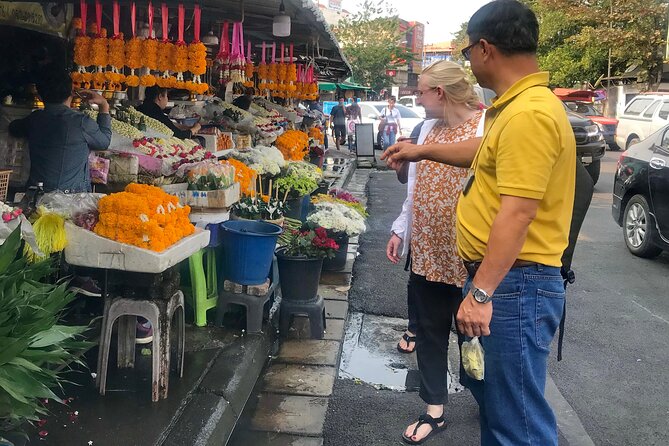
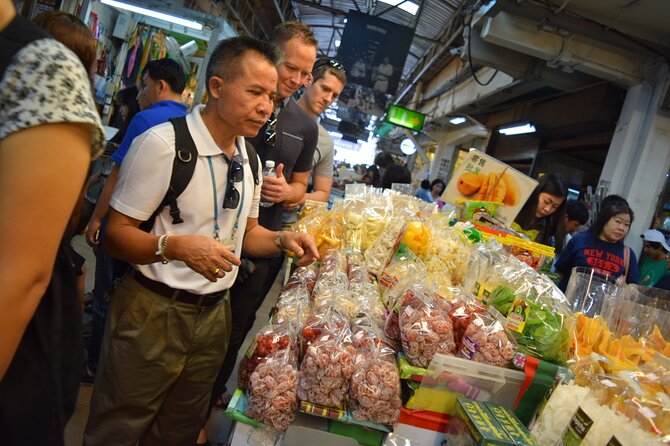
Your first real taste of Chiang Mai is Warorot Market, also called Kad Luang. It’s the big local market people use for shopping, not just for sightseeing. You’ll have around 30 minutes here, which is short on paper but long enough to learn how the market is organized and what kinds of stalls dominate.
What I like about a market stop on a tour like this is that you don’t have to turn it into homework. You’re not forced to guess what’s worth trying or what’s a good buy. With an English-speaking guide, you can ask quick questions like what locals buy for everyday meals, or which foods look best as snacks.
The tricky part: markets are lively. Even if your guide keeps you moving, you should expect crowds and constant motion. Plan to keep your phone secure and wear shoes you can walk in comfortably, because you’ll likely be threading between stalls.
Also, note the practical thing: admission is free for the market stop. But personal expenses are not included, so if you want to sample snacks, you’ll want some cash or a card ready.
Entering the Old City: Tha Phae Gate and the Three Kings Monument
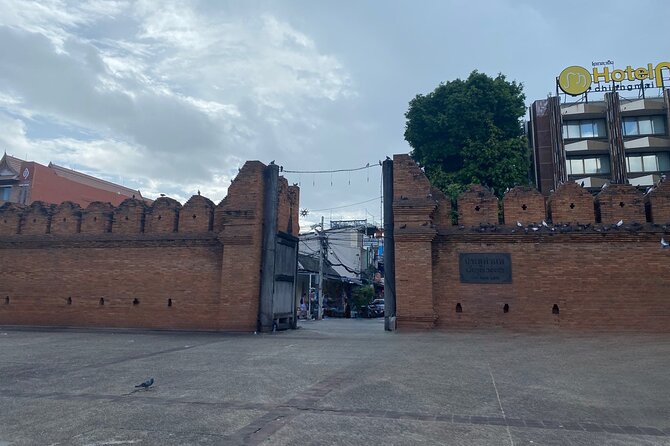
After the market, you head to Tha Phae Gate. This is the main entrance to the old walled city, and the 15-minute stop works like a “map checkpoint.” You’ll be able to connect streets you see later with what you learned right here.
I especially like this part for orientation. If you’re new to Chiang Mai, it can feel like temples appear out of nowhere. Anchoring your visit at a gate gives you a mental grid, so later stops feel purposeful instead of random.
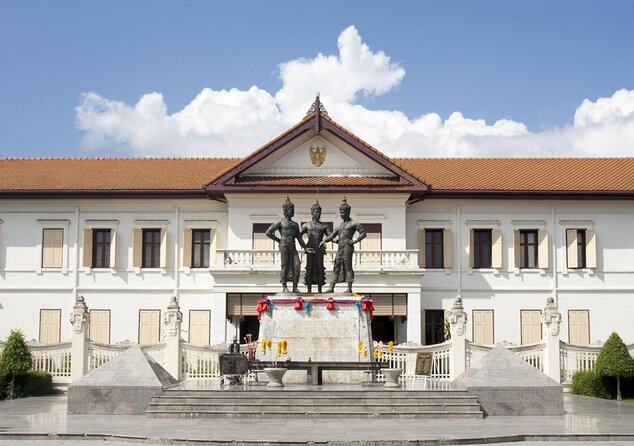
Then comes the Three Kings Monument. It honors King Mengrai, King Ramkhamhaeng of Sukhothai, and King Ngam Muang of Payao. Another 15 minutes here may not sound like much, but the value is in what the guide can explain while you’re standing on-site. You get a quick framework for why Chiang Mai’s story matters, without drowning in dates.
Admission is included for both Tha Phae Gate and the Three Kings Monument. That’s one less thing to manage, and it helps keep the tour moving.
Wat Phan Tao: Teak Detail and Quiet Museum-Style Moments
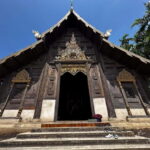
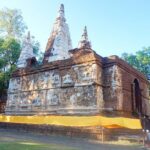
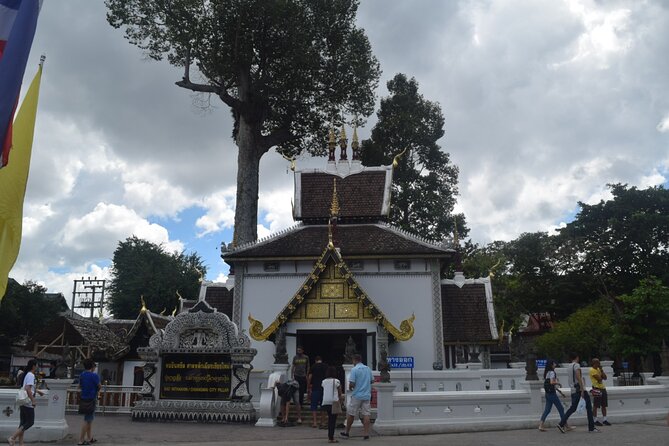
Next is Wat Phan Tao, with about 20 minutes at the temple. This one is known for its teak Lanna viharn—molded teak panels and giant teak pillars—so it’s a great stop for anyone who likes craftsmanship. If you’ve ever walked past a building and wished someone pointed out what to look for, this is that kind of place.
Inside, you may also see temple bells, ceramics, wooden Buddha pieces, and manuscripts. You don’t need to be a history buff to appreciate it. The guide’s job here is to help you read the space: what’s sacred, what’s decorative, and what to notice first.
Admission is free for this stop, which is always a nice bonus. The temple time can feel a bit like a short guided walkthrough. If you’re hoping for lots of photo time, you can usually make it work, but be mindful that temples are still active religious sites.
One practical note: you should dress appropriately. A T-shirt with short sleeves and long trousers is perfect for the temple portion. If you arrive in shorts, you might end up doing last-minute shopping or renting fabric, and that eats into your time.
Wat Chedi Luang Varavihara: The Great Stupa and the City Pillar
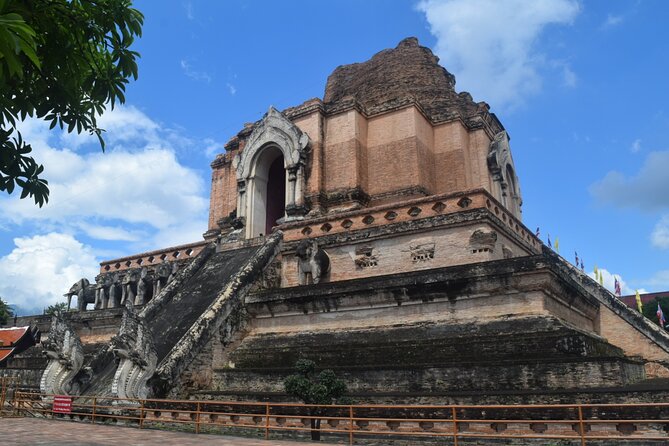
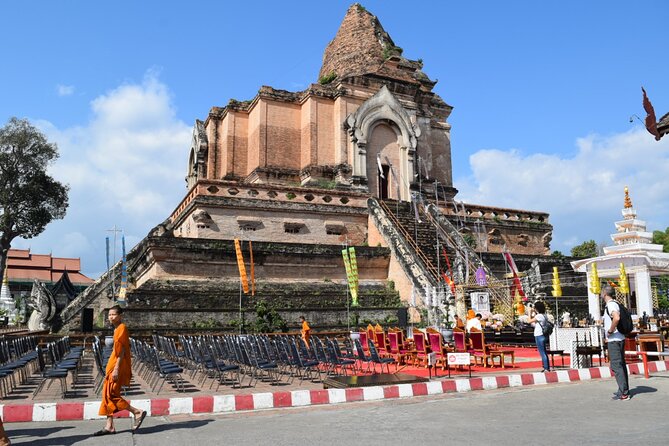
Wat Chedi Luang Varavihara is the big one on the route. You get about 40 minutes here, which is a sensible chunk because the place has more to see than most temples can fit into a quick stop.
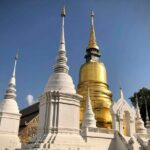
This is the temple of the Great Stupa. It also once housed Thailand’s famed Emerald Buddha. Even if that object isn’t what you’re looking at today, the site’s reputation gives it weight. On the temple grounds you’ll also find the Lak Mueang, the city pillar of Chiang Mai.
This stop is where your tour guide’s storytelling really matters. When someone explains what you’re looking at—stupa structure, why the city pillar is significant—you start noticing things you would otherwise miss. Without that context, you might see impressive stone and move on quickly. With it, you slow down.
Admission is included here. So you can focus on seeing rather than paying.
Expect the temple area to be active and busy at times. If you want quieter photos, go near the edges of foot traffic and time your pictures between guided group movement.
You can also read our reviews of more private tours in Chiang Mai





Why This Half-Day Tour Works When You’re Tight on Time
A half-day tour is great when you want structure but not a full day of logistics. This one targets exactly what first-timers usually need: orientation, a market feel, and two meaningful temple stops in the old city area.
Three hours is enough to get your bearings. Four hours gives you a little breathing room if your guide adjusts for your pace. Either way, the tour duration of about 3–4 hours is the main reason this experience is such good value for time-strapped schedules.
The private format also helps. If you’re traveling with parents, a teenager who hates rushing, or anyone who needs time to process what they’re seeing, a private guide can slow down without needing to manage a big group.
It’s also a good fit if language is a barrier. You’ll get help not only understanding signs, but also understanding how local life works around the sights—especially at the market.
Price and Value: Is $77.82 Worth It?
At about $77.82 per person, this isn’t the cheapest way to tour Chiang Mai. But it can be good value if you compare it to the real cost of your time and transport planning.
Here’s what you’re paying for, in plain terms:
- Private transport across the city using tuk-tuk, samlor, and a red car
- An English-speaking guide with a TAT license
- Hotel pickup and drop-off inside the city area
- Bottled water, plus travel accident insurance
- Admissions included for several stops
If you tried to copy this yourself, you’d still pay for transport, tickets, and a guide (at least for the temple context). The “three modes of transport” detail isn’t fluff either. It reduces walking fatigue and keeps the visit feeling varied instead of repetitive.
Where the value can be less obvious is if you love solo exploration and already know you’ll wander at your own pace. In that case, a guided tour might feel like you’re trading freedom for convenience. But if you want an efficient sampler that sets you up for the rest of your trip, it’s priced in a reasonable zone.
What You Should Pay Attention To Before You Go
A few small things can make your tour smoother.
First, decide what you want out of the day. This tour is strongest for getting oriented and understanding the old city sights. If you’re craving deep museum hours or long market browsing, you may need extra time beyond the half-day window.
Second, plan your outfit for temples. Long trousers and a T-shirt with short sleeves are the sweet spot. Bring a light layer if you run cold in the car, but don’t overpack.
Third, think about money for extras. Admissions for key stops are included, but personal expenses and any drinks or snacks you buy are not. Your guide can often point you toward local options, but you’ll still be the one deciding what to spend on.
Finally, be ready for the tempo of local streets. Even with private transport, Chiang Mai is a real city. Traffic, crowds, and constant movement are part of the experience.
Who This Tour Suits Best in Chiang Mai
This is a strong match for:
- First-time visitors who want a clear introduction to the old city
- Travelers who dislike navigating maps in a new language
- Anyone who wants temples plus a market stop without planning
- Families or mixed-age groups who benefit from pickup and structured pacing
- People who like the idea of changing transport modes instead of walking everything
It’s less ideal if you hate crowds at markets or you’re the type who wants to linger an hour in one place. In that case, you’d probably want a longer private temple tour or a separate market time on your own.
That said, guides like Noom, Mui, and Gobi often come up because they can adapt the visit to what you care about. A flexible guide matters most on a tight schedule.
Should You Book This Chiang Mai City and Culture Tour?
I’d book it if you want a fast, guided route that covers the big old-city hits and still feels local. The combination of Warorot Market, Tha Phae Gate, Three Kings Monument, Wat Phan Tao, and Wat Chedi Luang is a solid set, and the transport mix keeps it from feeling like a checklist.
I’d hesitate if you already know Chiang Mai well, you’re extremely independent, or you want long stops with no timeline pressure. This tour is built for momentum.
If you’re deciding between DIY and guided, consider this simple test: do you want someone to help you understand what you’re seeing in the temples and why the sights matter? If yes, this half-day plan is a practical way to buy that context without losing your whole day.
FAQ
How long is the Chiang Mai city and cultural tour?
It lasts about 3 to 4 hours.
What transportation do we use on this private tour?
You travel by tuk-tuk, a pedal-powered trishaw (samlor), and a red car.
What stops are included in the route?
The tour includes Warorot Market (Kad Luang), Tha Phae Gate, the Three Kings Monument, Wat Phan Tao, and Wat Chedi Luang Varavihara.
What is included in the price?
It includes private transport, an English-speaking tour guide with a TAT license, bottled water, travel accident insurance, hotel pickup and drop-off inside the city area, and the activities listed in the program.
Is temple entrance included?
Admission is included for Tha Phae Gate, the Three Kings Monument, and Wat Chedi Luang Varavihara. Warorot Market and Wat Phan Tao are listed as free.
Do I need to pay extra for drinks?
Alcohols and soft drinks are not included, and personal expenses are not included.
What should I wear for the temple stops?
Dress appropriately: a T-shirt with short sleeves and long trousers is perfect for the temple tour.
What if I cancel my booking?
Free cancellation is available if you cancel up to 24 hours in advance for a full refund. If you cancel less than 24 hours before the start time, the amount paid is not refunded.