REVIEW · CHIANG MAI
Completed Thai Silk Class Experience
Book on Viator →Operated by GoWithJoe · Bookable on Viator
Silk magic starts with messy hands. This 6-hour Thai silk class in Chiang Mai walks you through the full textile chain, from natural tie-dye to cross weaving, with hotel pickup and a small group cap of 10.
I like that you do real work, not just watch. You’ll spin silk thread and create your own handmade souvenir to take home, guided by friendly instructors who patiently show each step.
The one catch is that the experience requires good weather, so it can be rescheduled or fully refunded if rain ruins the plan.
In This Review
- Key takeaways before you go
- Thai Silk Class in Chiang Mai: what you’re really learning
- Hotel pickup, timing, and the small-group pace
- Natural tie-dye: where color becomes part of the material
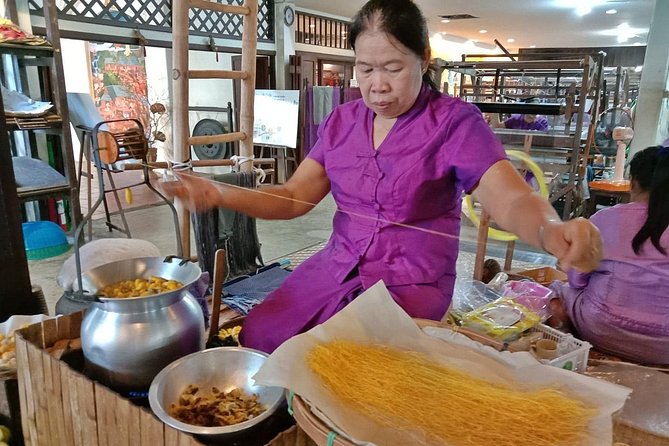
- Silk thread spinning: turning silk into usable thread
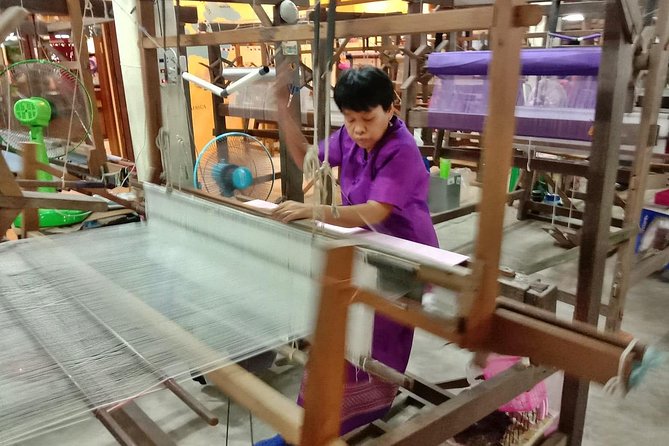
- Cross weaving: seeing pattern appear through technique
- Your handmade silk souvenir: what you’ll take home
- Lunch included: the break that keeps the workshop enjoyable
- Value for money: why $124.23 can make sense here
- Practical advice: how to prepare for a smooth silk class
- Who should book this class
- Possible downsides to consider before you commit
- GoWithJoe Thai Silk Class: should you book it?
- FAQ
- How long is the Thai Silk Class in Chiang Mai?
- What time does the experience start?
- Is hotel pickup and drop-off included?
- What’s included in the price?
- Do I take home something I make?
- How many people are in the group?
- What if the weather is bad or I need to cancel?
Key takeaways before you go
- Full silk production basics in one day: tie-dye, spinning, and cross weaving
- Hotel pickup and drop-off that saves you time and hassle
- Max 10 people for more hands-on attention
- Lunch included so you stay focused during the workshop
- You leave with what you make—a handmade silk souvenir
Thai Silk Class in Chiang Mai: what you’re really learning
This isn’t a quick craft stop where you stamp a logo and call it done. The point of the class is the textile process: how Thai silk goes from dyed material to thread to woven fabric. In a few hours, you get the big picture and then you get your hands into the steps.
The three skill areas matter because they connect to each other. Natural tie-dye is where color decisions happen. Silk thread spinning is about turning silk into a workable, consistent thread. Cross weaving is where everything comes together into cloth with structure and pattern.
What I appreciate is that the format makes this feel logical instead of confusing. You’re not just collecting techniques; you’re learning what each stage changes. That helps you understand why a silk product looks the way it does, instead of treating it like a mystery you buy off a shelf.
You can also read our reviews of more tours and experiences in Chiang Mai



Hotel pickup, timing, and the small-group pace
This class starts at 9:00 am and runs about 6 hours. That timing works well in Chiang Mai because you can turn the morning into a structured activity and still have an afternoon for walking markets or grabbing street food.
Pickup and drop-off are included, and you’ll ride in an air-conditioned vehicle. For me, that’s part of the value: you’re paying for an experience that accounts for local logistics, not just classroom time. It also reduces the chance you’ll waste energy figuring out where to go.
The group size is up to 10 travelers, and that small cap makes a difference. When there are fewer people, instructors can correct your technique faster, and you spend more time doing than waiting. If you’ve ever been stuck watching others craft while your turn lags, this setup helps avoid that.
You also get a mobile ticket, plus confirmation at booking. That matters because you can keep your planning simple the moment you commit.
Natural tie-dye: where color becomes part of the material
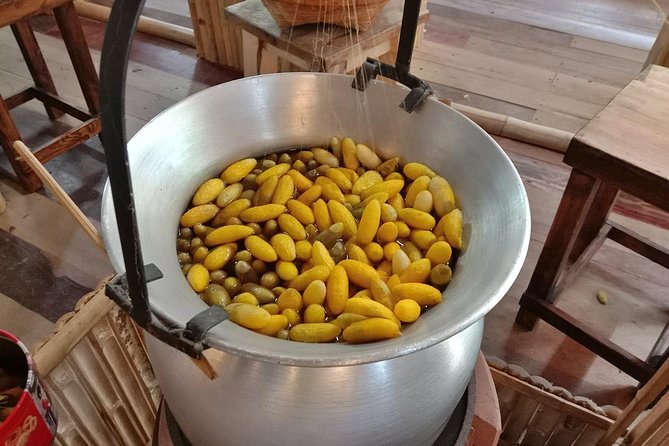
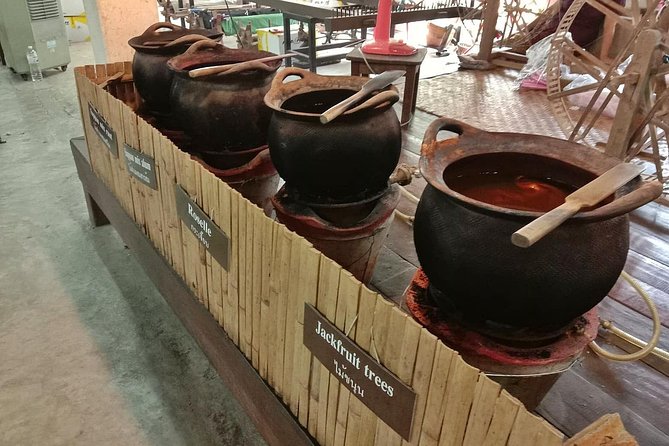
Natural tie-dye is often misunderstood as purely decorative. In this class, it’s taught as a foundational step in textile production. You learn the basics of working with natural tie-dye, so you can see how the process affects the final look.
Even if you don’t create a complex pattern, you’ll come away with an understanding of cause and effect: how preparations and dye application change the fabric. This is the kind of skill that makes the rest of the day click. When you understand how color gets into the material, spinning and weaving feel less random.
I like this stage because it’s where most people start paying attention to details. You begin to notice things like consistency, handling, and careful timing. If you’re the type who enjoys learning by doing, tie-dye is a fun, tactile entry point.
Silk thread spinning: turning silk into usable thread
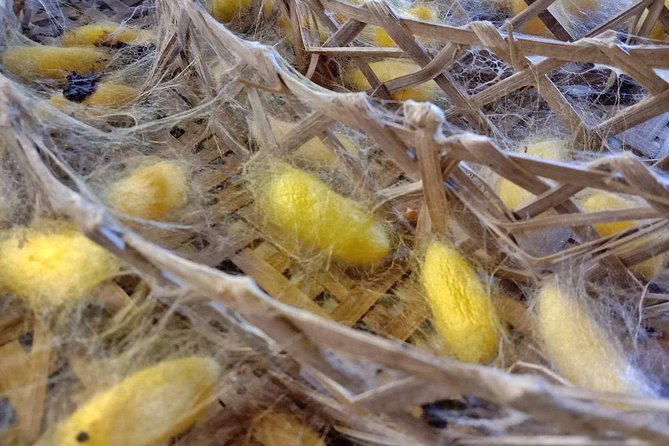
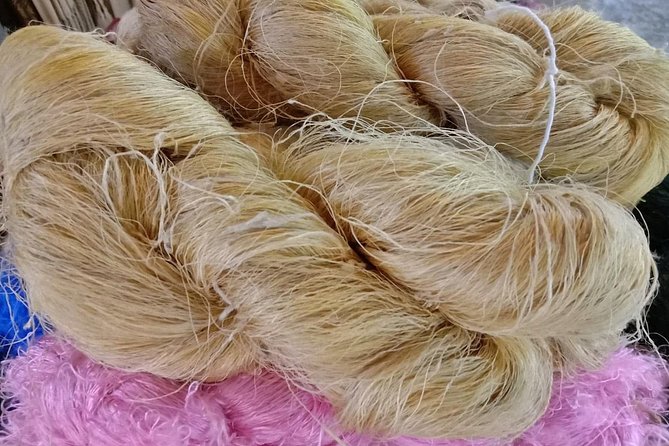
Silk thread spinning is where the class goes from pretty to practical. Thread isn’t just a product; it’s the working tool for weaving. You’ll learn the basics of spinning silk thread, which gives you a new respect for how silk cloth is actually made.
This step also helps you understand why silk products vary in feel and quality. When thread is spun with care, it behaves differently during weaving. You get taught the technique basics and you see firsthand how delicate materials still require steady control.
In the feedback I’ve seen, people often highlight the hands-on nature of this portion. The takeaway is simple: you’ll be doing more than observing, so the day sticks in your memory. And since instructors are eager to demonstrate, you can ask questions as you work through the motions.
Cross weaving: seeing pattern appear through technique
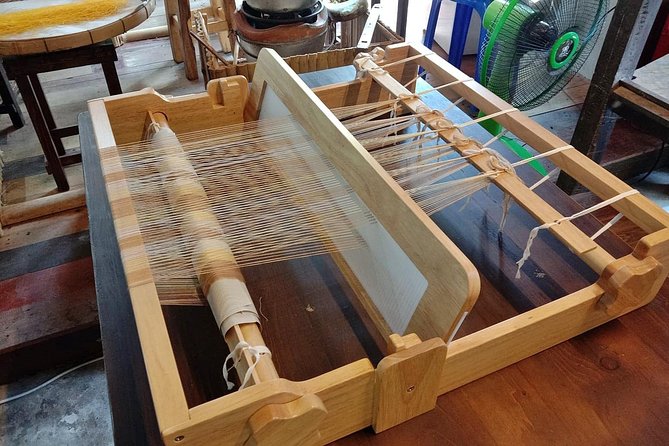
Cross weaving is where the class earns its keep. This is the stage that turns materials into a woven piece you can recognize as fabric, not just dyed or spun material.
Cross weaving is taught as a key textile production method. You learn how the weaving process is structured and how the pattern forms through repetition and alignment. Even if your finished piece is small, the moment it becomes cloth is satisfying. It’s also the part that makes your souvenir feel legit, because you helped build it.
Hands-on weaving can be slower than people expect. That’s normal. The benefit of a small group is that you’re not rushed through the hard parts. Instead, you get guided practice and a chance to correct your technique before you move on.
If you care about craftsmanship, this stage is the best proof that the workshop isn’t just for show.




Your handmade silk souvenir: what you’ll take home
This class includes your own product made. That’s the heart of the experience, and it’s also where value shows up. You’re not leaving with a generic item chosen for you. You’re leaving with something you created as part of the process.
The reviews tied to this experience consistently mention the joy of making your own weaving work and taking it home as a souvenir. That makes sense: once you’ve touched the materials through tie-dye, spinning, and weaving, the final piece feels personal.
There’s also a practical side. A take-home silk item is easier to buy thoughtfully. You’re more likely to understand what you’re seeing, and you’ll have an internal reference point for why one piece looks different from another.
One note: the class is focused on the workshop process, so expect a souvenir that’s meant to be manageable within the time window. You should go in expecting a rewarding handmade result, not a month-long project.
Lunch included: the break that keeps the workshop enjoyable
You get an included lunch, and that helps keep the day comfortable. With a roughly 6-hour schedule, food matters because you’re doing hands-on work that needs your attention.
From a pacing perspective, lunch is also a pressure reliever. It’s the moment you can reset your hands and mind before finishing the weaving work. If you’ve done craft activities without food planned, you know how quickly enjoyment fades.
I’d plan to treat lunch as part of the experience, not an interruption. Stay hydrated, and keep the rest of your day flexible so you don’t rush straight into another activity immediately after.
Value for money: why $124.23 can make sense here

At $124.23 per person, you’re paying for more than a chair and a few supplies. This price covers hotel pickup and drop-off, an air-conditioned vehicle, lunch, the class activities, and—most importantly—the product you make.
That bundle is what makes the cost feel reasonable. Many craft experiences charge a similar amount but leave out the full logistics. Here, transportation is handled, and you’re not responsible for finding your own way while learning a new skill.
You’re also working in a small group setting (max 10), which increases your chance of actual instruction rather than crowd-control. That’s difficult to replicate if you DIY on your own, especially if you don’t know where to start.
Plus, the day is built around real production steps: tie-dye, spinning, and cross weaving. If you’re trying to understand what Thai silk is, this kind of structured learning is more useful than a quick store tour.
One practical value tip: since group discounts are listed as a feature, if you’re traveling with friends, ask about how savings apply when people book together.
Finally, the experience is typically booked about 22 days in advance on average. If you want a specific day, plan around a few weeks ahead.
Practical advice: how to prepare for a smooth silk class
You don’t need special gear, but you can make the day easier on yourself.
Wear something comfortable that you don’t mind getting stained, especially since the theme includes tie-dye. If the day turns messy, it’s part of the learning process.
Bring a small bag for personal items and keep valuables minimal. The class is about making and working, so you’ll appreciate having fewer things to manage.
Plan on good weather if possible. The experience specifically requires good weather, and that can affect whether it runs as scheduled. If rain shows up, you might be offered a different date or a full refund, so flexibility helps.
Also remember that personal expenses are not included. That means if you decide to buy extra silk items on-site, have a plan for how you’ll pay.
Who should book this class
This experience is a strong fit if you want a hands-on understanding of Thai silk production. It’s also ideal if you like learning by doing and want a souvenir that has a story attached.
The class notes say most people can participate, so it’s not restricted to a narrow skill set. If you’re traveling with someone who likes crafts, this is a great “shared activity” option.
It’s also a good choice if you’re the type who hates vague tours. This one focuses on a clear set of skills and ends with you making something, which is exactly the kind of structure that makes travel feel worth the money.
If you’re mainly shopping for silk and don’t care about the process, you might find a store visit more appealing. But if you want meaning behind what you buy, this class helps.
Possible downsides to consider before you commit
The biggest consideration is weather. The experience requires good weather, and if it’s canceled due to poor conditions you’ll be offered a different date or a full refund.
The second issue is time. A 6-hour workshop is a real chunk of a day. If you like highly flexible sightseeing, you’ll want to plan lighter activities around it.
Finally, remember that personal expenses are not included. If you see extra silk products and want to buy them, you’ll pay separately.
None of this is a deal-breaker, but it’s worth knowing so you don’t end up stressed.
GoWithJoe Thai Silk Class: should you book it?
Yes, I’d book it if you want a structured, hands-on introduction to Thai silk. You get hotel pickup, lunch, a small-group experience capped at 10, and you leave with a handmade silk souvenir you created through tie-dye, spinning, and cross weaving.
It’s especially worth it if you’re buying silk later and want to shop with confidence. Even a basic understanding of how silk is made changes how you evaluate what you’re looking at.
I’d skip it only if you’re short on time, dislike workshops, or you’re traveling during a period where weather disruption would really mess up your schedule. The weather requirement is the one factor you can’t ignore.
If you do book, bring comfortable clothes and plan on staying present for the full process. That’s where the payoff is.
FAQ
How long is the Thai Silk Class in Chiang Mai?
The class lasts about 6 hours.
What time does the experience start?
It starts at 9:00 am.
Is hotel pickup and drop-off included?
Yes. Hotel pickup and drop-off are offered for convenience, and you travel by air-conditioned vehicle.
What’s included in the price?
Lunch is included, along with the air-conditioned vehicle, the listed activities, and the handmade product you make.
Do I take home something I make?
Yes. You create a handmade silk souvenir and take your own product home.
How many people are in the group?
The class is limited to a maximum of 10 travelers.
What if the weather is bad or I need to cancel?
The experience requires good weather. If it’s canceled due to poor weather, you’ll be offered a different date or a full refund. Cancellation is free up to 24 hours in advance for a full refund.