REVIEW · CHIANG MAI
Chiang Mai: Ethical Half Day Elephant Sanctuary & Waterfall
Book on GetYourGuide →Operated by Joy Elephant Sanctuary · Bookable on GetYourGuide
Swap elephant shows for real jungle time.
At Joy Elephant Sanctuary, you get ethical elephant observation that feels grounded in nature: feed the elephants, walk at their pace, then take a breather by a waterfall (no bathing).
What I like most is the focus on hands-on but responsible interactions. You’ll help prepare food, feed the elephants, and watch them forage and move through the forest without forced tricks—plus you get tea and a swim break afterward.
One thing to consider: the trip runs long for a half-day. You’re looking at roughly 1.5 hours of driving each way, so plan for a full block of time and bring insect repellent.
In This Review
- Key highlights you’ll actually care about
- Entering the ethical zone outside Chiang Mai (and why that matters)
- The drive to Mae Wang: plan for time, not just distance
- The main event: feeding and walking beside the herd
- Waterfall time: tea, cooling down, and no elephant bathing
- Lunch that keeps the rhythm going
- The Ya Dom-style souvenir: a handmade reminder you can use
- What’s included (and what you still need to handle)
- Price and value: is $54 fair for what you get?
- Who should book (and who might want a different plan)
- A short reality check before you go
- Should you book the Chiang Mai ethical elephant observation half-day?
- FAQ
- How long is the Chiang Mai Joy Elephant Sanctuary half-day experience?
- Where do they pick me up in Chiang Mai?
- Is this tour available in the morning and afternoon?
- What activities are included with the elephants?
- Are visitors allowed to touch or ride the elephants?
- Is there elephant bathing at the waterfall?
- Is swimming part of the experience?
- What Thai souvenir do you make?
- What should I bring, and is it wheelchair accessible?
- Is the cost refundable if plans change?
Key highlights you’ll actually care about
- No riding, no touching, no elephant bathing: the rules protect both you and the herd
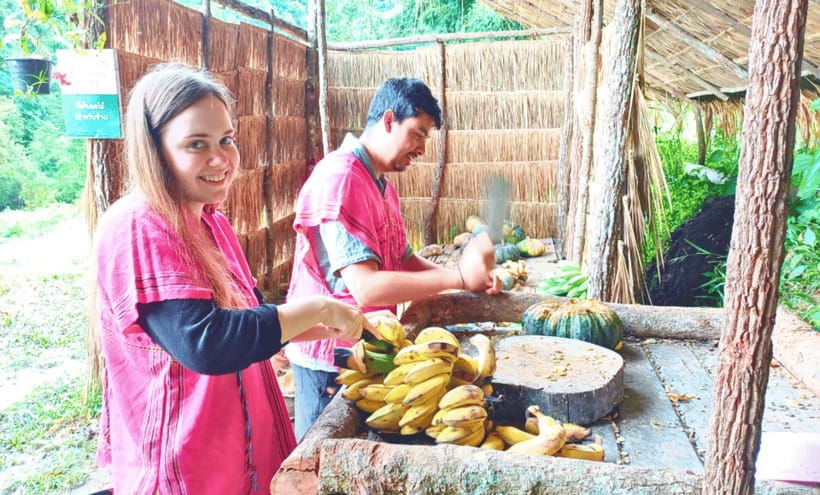
- Feed + follow: you’ll prepare food and walk alongside elephants as they forage
- Waterfall break with herbal tea: cool down without turning the elephants into a show
- Thai craft souvenir included: you make a handmade herb inhaler (Ya Dom-style)
- Pickup from near Chiang Mai Old City: round-trip transfer in a minivan is built in
Entering the ethical zone outside Chiang Mai (and why that matters)
This program is called a half-day, but it plays out like a day trip. You get a round-trip van transfer, a guided experience in the Mae Wang area, lunch, and time to cool off near a waterfall. That longer-than-it-sounds schedule is the tradeoff for getting away from city noise and into a more natural setting.
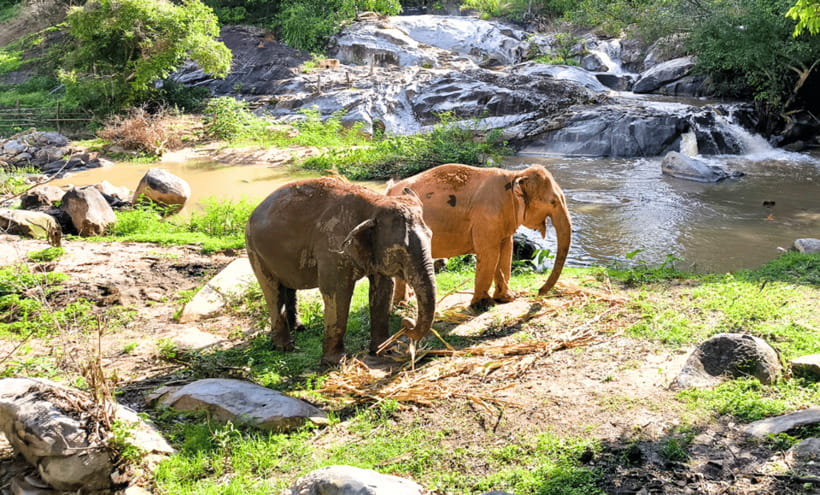
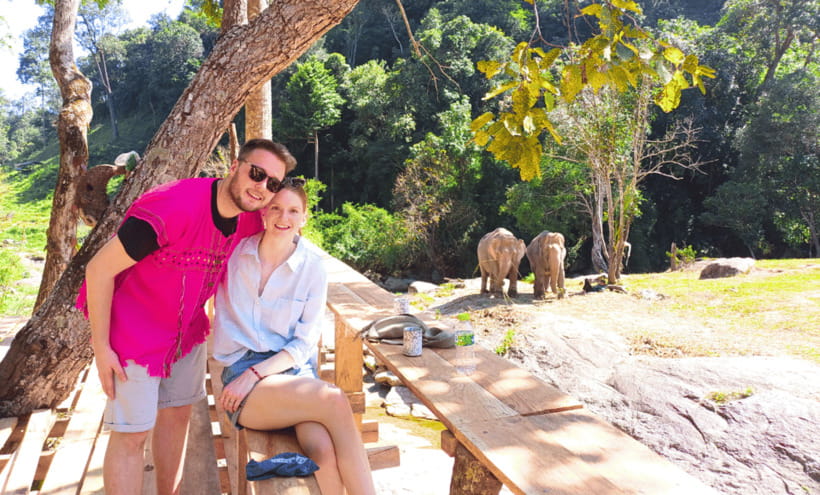
The ethical angle is the heart of it. You’re not there for a performance. You’re there to watch and participate in respectful ways that let elephants do what they choose—moving through the jungle, foraging, and interacting with their environment on their own timeline.
And yes, the rules matter. You’ll be instructed not to pet or touch the elephants, not to ride them, and not to bathe them. That’s not just policy for show—it changes the whole vibe. The experience feels calmer because the elephants aren’t being pressured into entertainment.
You can also read our reviews of more tours and experiences in Chiang Mai.



The drive to Mae Wang: plan for time, not just distance
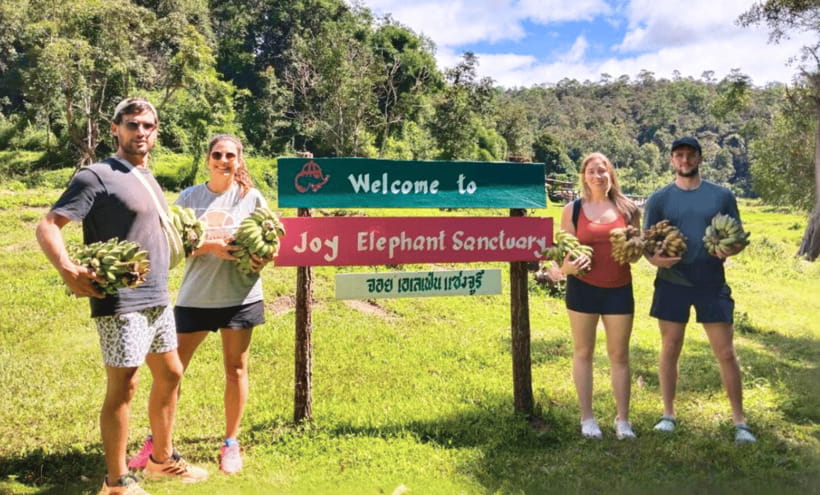
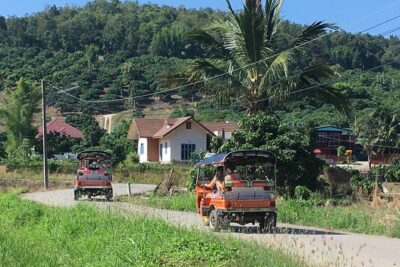
Your day starts with pickup in the Mueang Chiang Mai District, with transfers available from accommodations within about 5 km of Chiang Mai Old City. Then you’re on the road in a minivan for roughly 1.5 hours.
During the outbound leg and after you arrive, you’ll have guided time in Mae Wang District that includes wildlife viewing. This part is where you’ll settle in: less waiting around, more “you’re already in it” as the scenery changes and the pace slows.
Consider this logistics reality: rural roads can be bumpy and winding. If you’re even mildly prone to motion sickness, bring what helps you. Also, bring sunscreen and insect repellent—shade and timing won’t always save you.
The main event: feeding and walking beside the herd
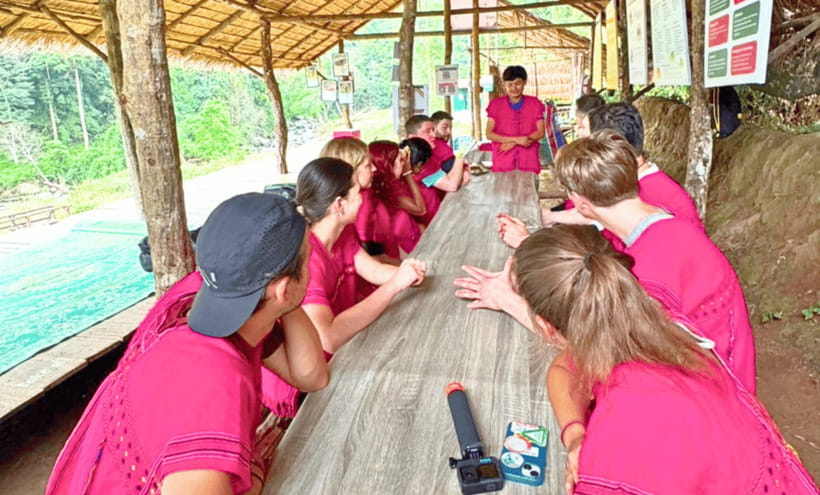
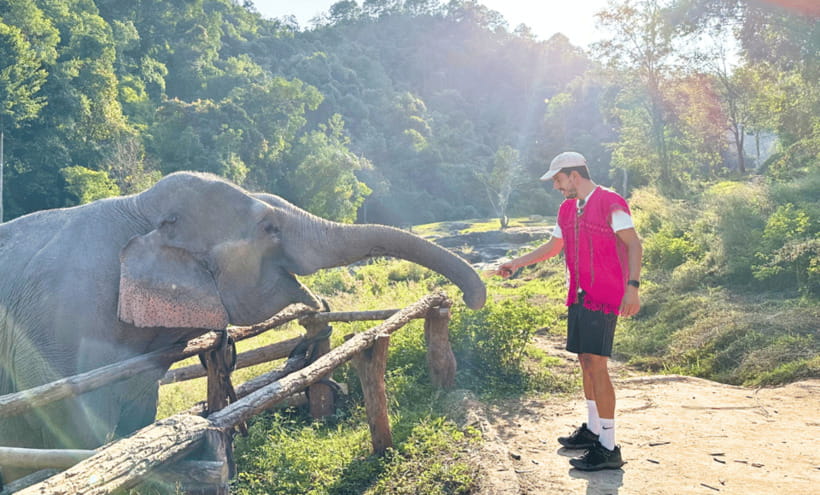
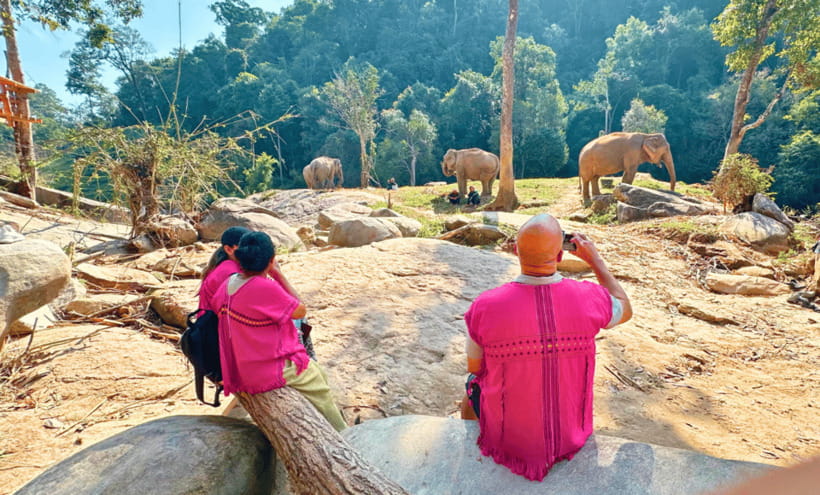
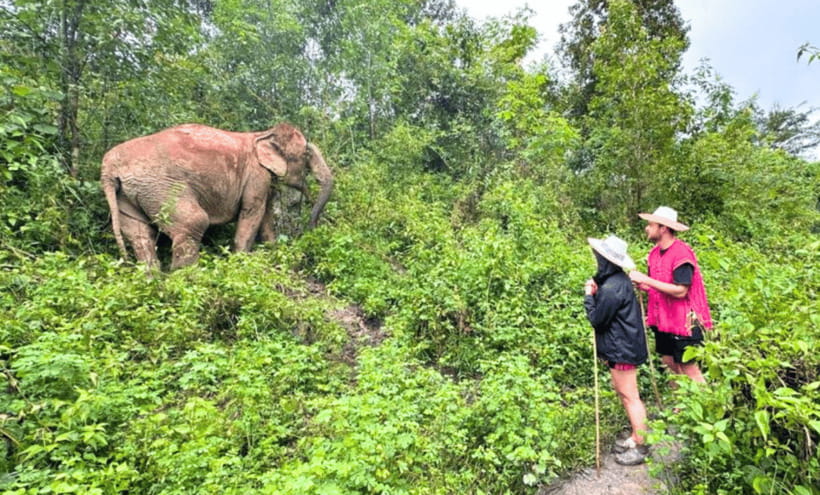
The most memorable part is the way the program sets you up to connect without crowding. You start with food prep and feeding, then you observe how the elephants behave as they walk and forage. You’ll follow along while keeping respectful distance, so the herd stays in control of what happens next.
Feeding is hands-on, but it’s also structured. You’ll receive food, and you’ll feed in a way guided by the sanctuary’s team. This is a good moment to slow down mentally. Instead of trying to “get a photo,” watch how elephants use their trunks, how they approach food, and how they move as a group.
Walking alongside them is similar. You’re not hiking “to the elephants.” You’re walking at their pace. That matters for safety and for the ethics. If they pause to graze or move away, you adapt instead of pushing forward.
Also keep your expectations realistic. You’re not guiding the elephants, and you’re not trying to touch them. The win here is seeing relaxed, natural behavior—what free movement looks like in real time.
Waterfall time: tea, cooling down, and no elephant bathing
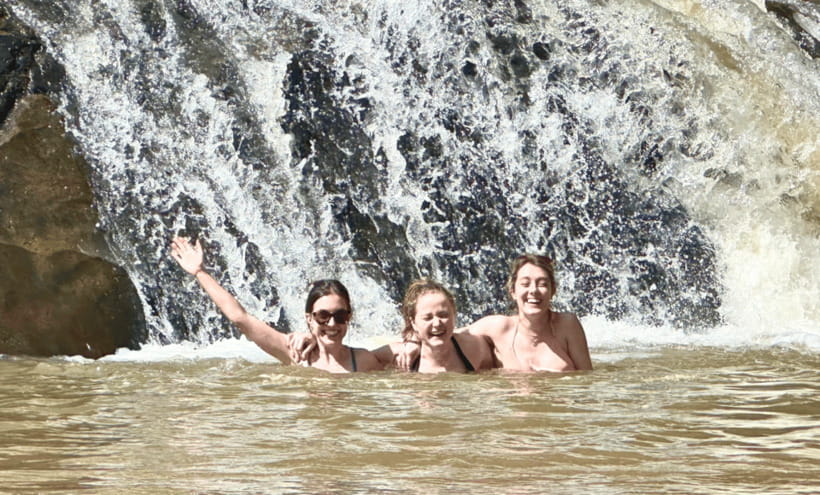
After the jungle portion, you get a break by a waterfall area. The program specifically notes that there’s no elephant bathing, which is exactly what you want if your goal is ethical wildlife time rather than staged spectacle.
You’ll enjoy herbal tea during this stretch. It’s a small detail, but it helps the day feel less like a checklist and more like a reset—especially after walking and following the herd.
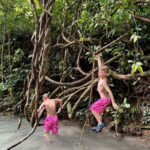
You may also have time to swim in the water at the waterfall area. A towel is included for this reason. If you swim, bring a change of clothes and sandals you can rinse off. If you don’t swim, use the time to rest your legs and enjoy the sound of water without the pressure to keep moving.
One practical note: the waterfall may not match your biggest mental image. If you’re expecting a movie-poster cascade, you might find it smaller than you imagined. Still, it’s a refreshing break and a strong finishing touch to the day.
Lunch that keeps the rhythm going
Lunch is included, and it’s part of keeping the schedule smooth after outdoor time. You’ll have a set lunch stop in the Mae Wang District for about 30 minutes.
The meal is Thai-style and tends to be straightforward and satisfying. Many people highlight pad Thai and fruit as part of the lunch experience. If you tend to get hungry fast, don’t skip snacks before you go—some travelers come into the trip surprised by how brief the lunch window feels.
The biggest value of lunch here is timing. Eating on a schedule like this helps you stay comfortable for the rest of the day, especially if you’ll cool off by the water and still want energy for the craft activity.
The Ya Dom-style souvenir: a handmade reminder you can use
The program ends with a Thai handmade craft souvenir. The most commonly mentioned item is an herb inhaler made from local spices—often referred to as a Ya Dom-style souvenir.
It’s a nice counterpoint to the elephant time. You go from observing animals to making something small, practical, and culturally rooted. It also helps the day feel complete, not just “watch and leave.”
If you’re the type who likes taking home items that actually mean something, this is a better souvenir concept than generic trinkets. You’ll get to make it yourself using local ingredients and guidance from the team.
What’s included (and what you still need to handle)
Included in the price are things that reduce hassle: hotel pickup and drop-off (within the Old City area radius), an English-speaking guide, lunch, water, elephant food, towel, and insurance. That’s a lot of “hidden costs” handled for you.
You’re also getting the ethical framework built into the rules: no petting, no riding, no elephant bathing. Those constraints are part of why the experience feels respectful rather than exploitative.
What you still need to handle is mostly comfort and safety:
- Comfortable shoes for walking
- Swimwear and a change of clothes if you plan to swim
- Sandals you can wear to and from the water
- Sunscreen and insect repellent
- Your own allergy medication if you need it
Price and value: is $54 fair for what you get?
At $54 per person, this is priced like a real tour, not a bargain. The value comes from three things working together: transportation, a guided program in a specific area outside Chiang Mai, and included activities that aren’t just viewing from a distance.
You’re paying for:
- Round-trip minivan pickup within a defined radius
- A guided day that includes feeding and walking with the herd
- Lunch and water
- Elephant food
- A craft souvenir at the end
- Towel and insurance
If you compare this to paying separately for transport plus paid attractions plus a craft, the package price starts to make sense. Also, the ethical rules reduce the chance you’ll end up at a place that turns animals into a photo prop. For many people, that peace of mind is worth a lot.
Still, manage your expectations around the half-day label. The day runs about 7 hours due to the drive and scheduled activities. If your time in Chiang Mai is tight, that’s something to weigh.
Who should book (and who might want a different plan)
This is a great fit if you want elephant time that’s calm and rule-based. You’ll enjoy it if you:
- Care about ethical animal interaction
- Like observing behavior more than doing forced activities
- Want a nature + waterfall break in the same day
- Prefer guided explanations in English
It’s not ideal for wheelchair users. The program isn’t listed as wheelchair accessible, so you’ll want to choose another option if mobility is a concern.
If you’re worried about walking in uneven ground, wear good shoes and bring gear that works for jungle conditions. You’ll be walking alongside elephants and moving between areas.
A short reality check before you go
A few small things can make the day smoother:
- Bring insect repellent early. The whole day includes jungle time.
- Pack a change of clothes if you swim. Wet gear at the end of the day is no fun.
- Expect a structured experience with clear rules. That’s a good thing, but it means you won’t wander freely.
- If you’re sensitive to motion, think about your comfort on the drive.
And remember: the point isn’t to maximize contact. The point is to watch and learn while keeping elephants comfortable.
Should you book the Chiang Mai ethical elephant observation half-day?
Yes—if your top priority is ethical elephant interaction with a clear no-touch, no-riding, no-bathing approach. The combination of feeding, walking alongside the herd, and a proper waterfall break makes this more than a quick photo stop.
Book it if you want a guided day that balances education and hands-on participation without turning the elephants into entertainment. At $54, it’s a reasonable package price for transport, meals, and included activities.
Skip it or compare alternatives if you’re short on time and can’t spare a full ~7 hours, or if mobility makes jungle walking difficult.
If you want a respectful way to experience elephants near Chiang Mai—this one fits the bill.
FAQ
How long is the Chiang Mai Joy Elephant Sanctuary half-day experience?
The total duration is listed as 7 hours, even though it runs as a half-day program. This includes travel time and the scheduled activities.
Where do they pick me up in Chiang Mai?
Pickup and drop-off are included from accommodations within a 5 km radius of Chiang Mai’s Old City, in the Mueang Chiang Mai District area.
Is this tour available in the morning and afternoon?
Yes. The half-day program is available in either a morning or an afternoon session, depending on availability.
What activities are included with the elephants?
You’ll prepare elephant food, feed the elephants, and walk alongside them as they forage in the jungle. You’ll also observe their natural behavior during the wildlife portion.
Are visitors allowed to touch or ride the elephants?
No. The experience is designed with rules that do not allow touching or riding.
Is there elephant bathing at the waterfall?
No. The program specifies that there is no elephant bathing, and the waterfall time is for a break and observing.
Is swimming part of the experience?
You’ll have a chance for a swim at the waterfall area, and a towel is included. Swimwear and a change of clothes are recommended.
What Thai souvenir do you make?
You craft a Thai handmade souvenir, described as a handmade Thai cultural item such as an herb inhaler (Ya Dom-style).
What should I bring, and is it wheelchair accessible?
Bring comfortable shoes, swimwear, change of clothes, sandals, sunscreen, and insect repellent. It’s not suitable for wheelchair users.
Is the cost refundable if plans change?
Free cancellation is offered up to 24 hours in advance for a full refund. The option to reserve now and pay later is also available.