REVIEW · CHIANG MAI
Chiang Mai: Ethical Elephant Encounter Feeding Program
Book on GetYourGuide →Operated by Elephant Jungle Sanctuary Chiang Mai · Bookable on GetYourGuide
Elephants deserve more than a photo stop. This ethical Chiang Mai program gets you close to rescued elephants in a natural setting, with guide-led feeding and clear rules that keep the day centered on elephant welfare. I like that the whole visit is built around observation, behavior, and care, not hard selling.
The trade-off is simple: it’s only 1 hour, so if you want a long, deep elephant session, you may feel a bit rushed. Also, the sanctuary is a little remote, so plan your taxi timing around the end of your slot.
In This Review
- Key Points I’d Use to Plan Your Day
- Why This Elephant Encounter Feels More Like Care Than Performance
- The “ethical” part you should look for
- What Happens During Your 1-Hour Visit at the Sanctuary
- Before you meet the elephants: a quick setup moment
- Feeding time: close, calm, and guided
- Watching and learning: communication and behavior
- What may happen at the end: education room and arts-and-crafts
- Interaction Rules That Keep This Ethical (and Make the Visit Easier)
- How to Judge the Quality: Look for Healthy Elephants and Calm Behavior
- When the 1 hour might feel too short
- Price and Value: Is $22 Worth It?
- Who this suits best
- Who might want to think twice
- Getting There and Packing Smart for Chiang Mai Weather
- Bring the essentials
- What to wear
- Should You Book This Ethical Elephant Feeding Program?
- FAQ
- How much does the Chiang Mai ethical elephant feeding program cost?
- How long is the experience?
- What is included in the ticket?
- Where do I meet the group?
- What should I bring with me?
- What’s not allowed during the visit?
- What languages are the guides available in?
Key Points I’d Use to Plan Your Day
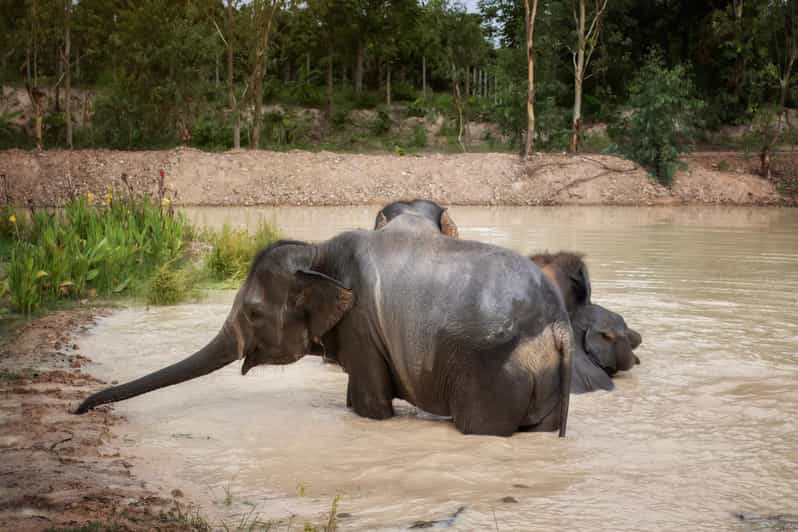
- Rescued elephants in a calm, natural habitat instead of show-style behavior
- Feeding happens with staff direction, so you stay within welfare-focused limits
- Small, short-time format that works well when your Chiang Mai schedule is tight
- A real education angle, including elephant behavior and communication talk from the guide
- Optional extras sometimes appear (like an education room or arts-and-crafts activity)
- Practical inclusions for the price: elephant food, a free drink, and accident insurance
Why This Elephant Encounter Feels More Like Care Than Performance
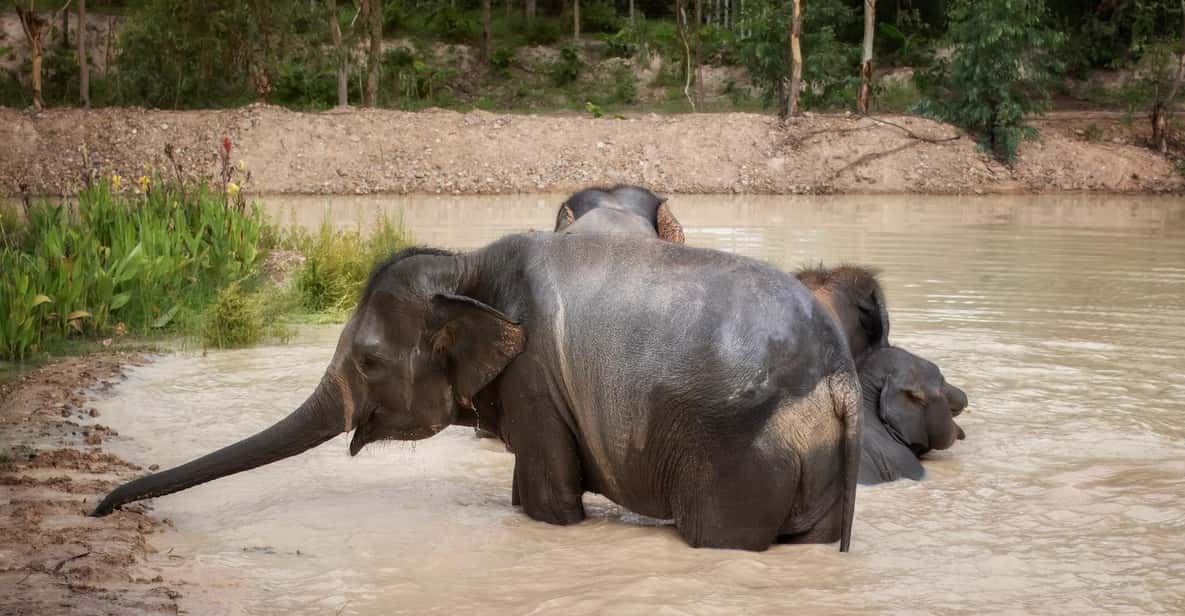
I’ve always found the best elephant experiences are the ones that treat elephants like animals first, not attractions. Here, you’re meeting rescued elephants in their day-to-day environment, and the rules are part of the ethics: no riding, and interaction is kept gentle and controlled. That matters, because how people behave around elephants says a lot about whether the sanctuary is protecting the animals or using them.
I also like that the guide focuses on the elephants as individuals and social creatures. You’re not just tossing food and moving on. You get context on their behavior and history, plus fun facts about how their care and feeding work. Even in a short time, it turns the experience from sightseeing into understanding.
You can also read our reviews of more tours and experiences in Chiang Mai.



The “ethical” part you should look for
Ethical matters only if you can see it in the details. At this sanctuary, you’ll notice the attention to how interactions happen and when you’re allowed to approach, touch, or feed. The elephants are also described as healthy and content by people who’ve done the experience, which is what you want to hear.
What Happens During Your 1-Hour Visit at the Sanctuary

Your timing is straightforward, and that’s the point. Plan on a focused 1-hour visit that starts with arrival and briefing, then moves into observation and feeding, and finally wraps with education and sometimes a small add-on activity.
Before you meet the elephants: a quick setup moment
Meet at the sanctuary 10 minutes before your start time. That buffer matters because you’ll want to get settled, meet your guide, and get the interaction instructions before you’re anywhere near the elephants. Wear clothes that can handle warm weather and uneven ground, and bring your basics (more on packing below).
Once the group is ready, the guide explains what you’re going to do and how to do it safely. This is also where you’ll get the tone of the visit: you’re here for the elephants, not for chaotic photo ops.
Feeding time: close, calm, and guided
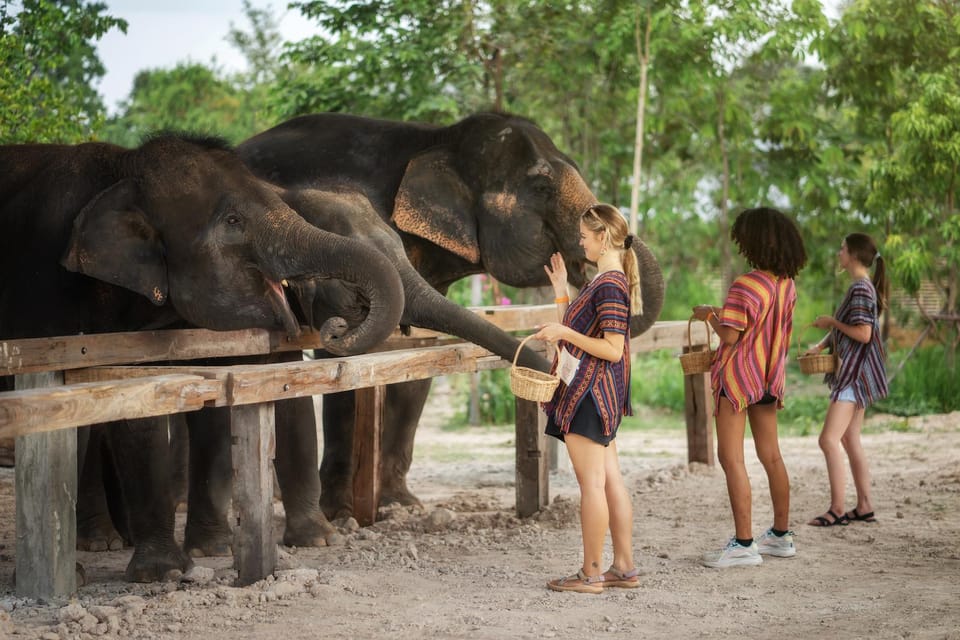
Then it’s time for the main event: preparing special treats and feeding the elephants. You’re provided elephant food, and the staff runs the process so feeding stays consistent and controlled.
This is the part most people remember because it’s direct contact in a responsible way. You get to see how elephants respond, how they approach, and how eating fits into their social behavior. It’s also a moment where your mindset matters: stay attentive, follow directions, and let the elephants set the pace.



Watching and learning: communication and behavior
While you’re close, you also get the education piece. The guide explains elephant communication and behavior patterns, and you’ll learn about the elephants’ background and what care looks like at the sanctuary. People mention the guide being both warm and funny, which helps when you’re standing quietly and trying to catch subtle elephant signals.
This is also where you’ll understand why the experience isn’t “more of everything.” The interaction rules exist for a reason, and the elephant behavior you’re observing is part of that reason.
What may happen at the end: education room and arts-and-crafts
Some visitors mention an additional element beyond feeding, like an elephant education room and a hands-on arts-and-crafts activity. One common example described is making elephant dung paper or a similar craft afterward.
If you enjoy learning in a hands-on way, this is a nice extra. If you prefer a straight animal-only visit, just know the schedule can include these add-ons within the one-hour window.
Interaction Rules That Keep This Ethical (and Make the Visit Easier)
The sanctuary posts clear “no’s,” and you’ll want to take them seriously because they shape the whole experience. The rules include no smoking and no riding the animals. Feeding is allowed as part of the program, but you should treat staff instructions as the boundary for what’s allowed and when.
Here’s how to think about it practically:
- You feed when and how the guide allows, not on your own timeline.
- You keep your movements calm and predictable when you’re near the elephants.
- You avoid anything that disrupts the elephants’ routine, even if it looks like a quick photo setup.
This “follow the staff” approach is what prevents elephant interaction from turning into pressure. And it’s usually why people leave feeling good about the choice.
How to Judge the Quality: Look for Healthy Elephants and Calm Behavior
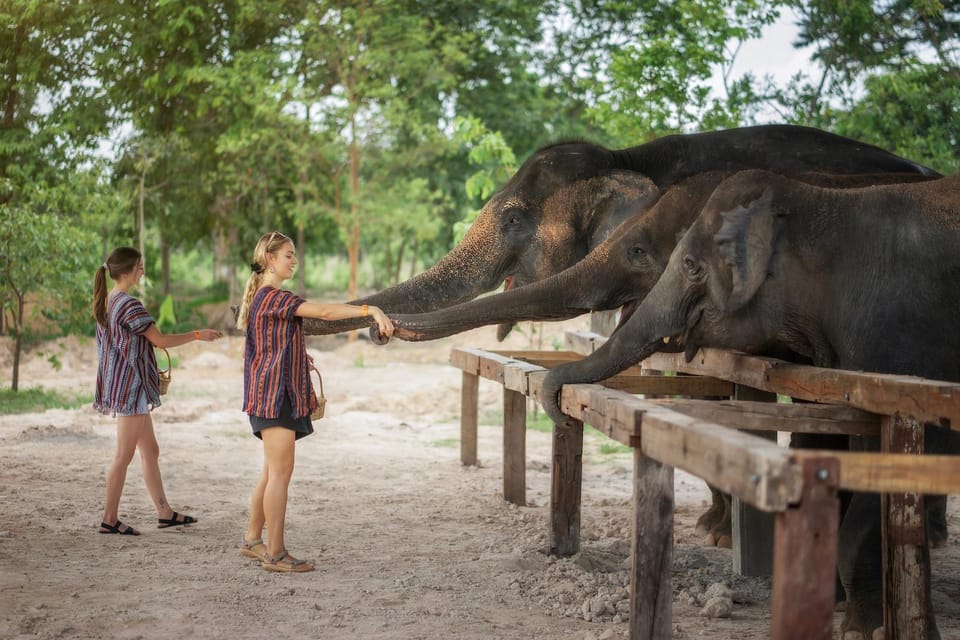
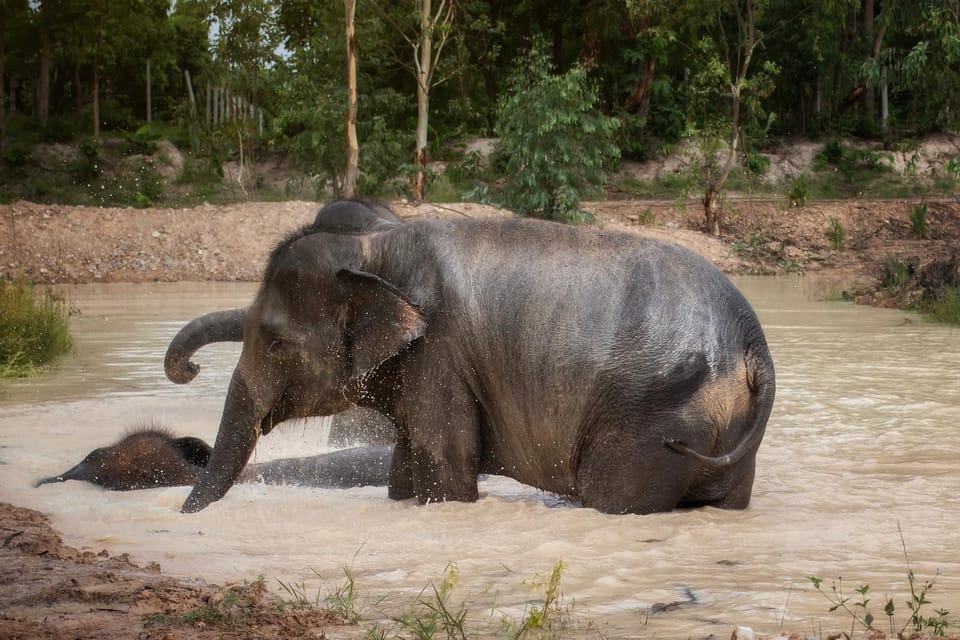
I’d trust any ethical elephant encounter only if the elephants look cared for. In this case, the feedback you get points to a sanctuary where elephants appear healthy, and where the environment feels right for them to rest and move at their pace. You’ll also hear that the elephants like to chill and can get hot, which lines up with what you’d expect in Chiang Mai’s weather.
A smaller sanctuary setup can be a plus here. People note that it’s not a huge crowd situation, and that helps because elephants don’t handle chaos well. When interaction is shorter and controlled, the elephants can spend more time doing what they need to do anyway.
When the 1 hour might feel too short
The biggest downside is also the most obvious one: you don’t get an all-day pace. If you’d like to watch the full rhythm of the animals, you may want a longer format elsewhere. For most people, though, the short timing is the reason they book—especially when they’re balancing temple visits, markets, and day trips.
Price and Value: Is $22 Worth It?
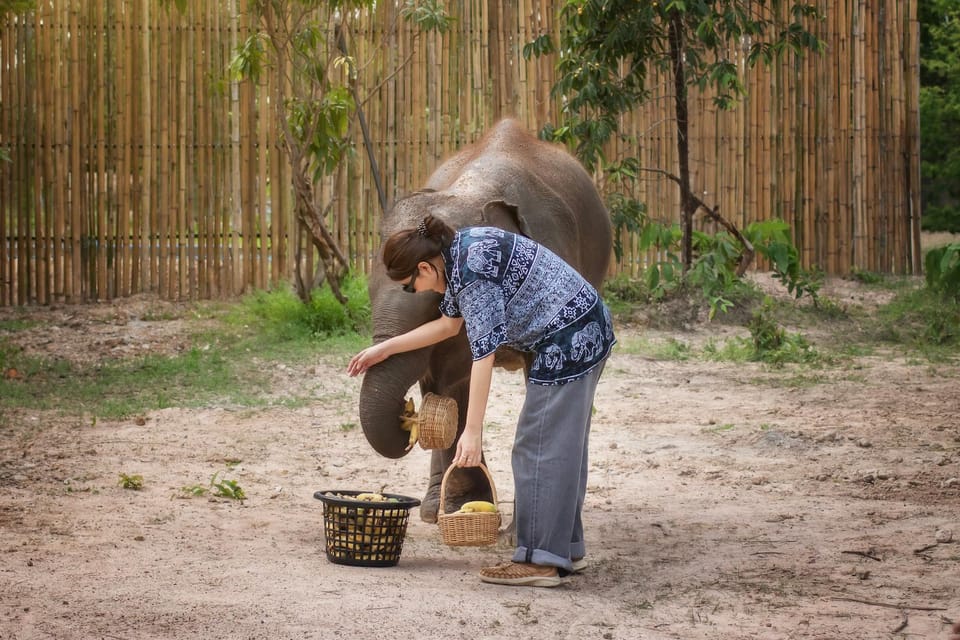
$22 for a 1-hour ethical elephant encounter in Chiang Mai can be a great value if you look at what’s included. You get:
- Elephant food
- A free drink per 1 ticket
- Accident insurance
- A live guide in English (and Thai)
To me, the value isn’t just the price tag. It’s what you’re buying: a controlled, welfare-focused experience with feeding and education, without needing to commit a whole day. Full-day elephant programs can cost more and take more time than most people really have.
This is also the right kind of experience if you’re traveling fast and want something meaningful that doesn’t eat your entire itinerary. One-hour tours are ideal when Chiang Mai is stacked—water park, markets, cooking class, or a night bazaar.
Who this suits best
This program tends to fit best if:
- You want elephant time without a half-day or whole-day commitment
- You care about ethical interaction rules
- You’d like an education component rather than only photos
Who might want to think twice
You might want a longer or different format if:
- You’re hoping for hours of close feeding and lots of guided discussion
- You want zero extra activities beyond the elephants (arts-and-crafts and education room elements can show up)
Getting There and Packing Smart for Chiang Mai Weather
This is a practical visit, but it’s not a “roll out of bed and walk there” kind of place. It’s a bit remote, so plan your ride. Some visitors mention that arranging a return taxi or Grab can take longer than expected, so give yourself breathing room at the end of the experience.
Bring the essentials
You’ll be walking and standing in warm conditions. Bring:
- Hat
- Sunscreen
- Water
- Camera
- Comfortable clothes
- Comfortable shoes
- Insect repellent
That list isn’t fancy, but it’s exactly what keeps the day enjoyable instead of miserable. Elephants in the sun also means you’ll sweat, so hydration is a real quality-of-life issue.
What to wear
Go for breathable clothes you don’t mind getting a little dusty. Choose shoes that handle uneven ground. If you’re wearing flip-flops or slick sandals, you’ll regret it once you’re moving around.
Should You Book This Ethical Elephant Feeding Program?

Yes, I’d book it if you want a short, well-run elephant experience with ethical boundaries, feeding included, and a guide who explains elephant behavior and communication. It’s especially worth it when you’re tight on time in Chiang Mai but still want your elephant moment to feel responsible.
I wouldn’t book it if your top priority is a long, slow day with maximum interaction time. And if the idea of extra activities like an education room or arts-and-crafts isn’t your thing, choose your expectations carefully.
If you do book, show up early, keep your day flexible for transport after, and treat the guide’s instructions like the main event. The elephants will thank you for it, and you’ll get more out of your hour.
FAQ
How much does the Chiang Mai ethical elephant feeding program cost?
The price is $22 per person.
How long is the experience?
The experience lasts 1 hour.
What is included in the ticket?
Your ticket includes accident insurance, a free drink per 1 ticket, and elephant food.
Where do I meet the group?
Meet at the sanctuary 10 minutes before the start time.
What should I bring with me?
Bring a hat, camera, sunscreen, water, comfortable clothes, insect repellent, and comfortable shoes suitable for walking.
What’s not allowed during the visit?
Smoking is not allowed, and riding the animals is not allowed. Follow the guide’s instructions for interaction and feeding.
What languages are the guides available in?
The live tour guide is available in English and Thai.