REVIEW · CHIANG MAI
Chiang Mai: Chiang Rai Highlights in One Day
Book on GetYourGuide →Operated by MOONG TOUR · Bookable on GetYourGuide
One day in Chiang Rai can feel like a photo shoot, in the best way. This tour strings together White Temple and Blue Temple plus the big views at Huay Pla Kang, with stops that balance art, faith, and a calm café break. It’s a packed day, but the pacing is set up so you’re not just stuck in the car with nothing to show for it.
I like the visual impact of Wat Rong Khun and the clean, airy vibe of Wat Rong Suea Ten. I also like that your ticket price covers transport, a guide, entrances, drinking water, and lunch, so you can actually spend your time looking instead of counting pennies.
The trade-off: it’s a long day with long road time, and the temples can feel more modern and visitor-friendly than you might expect. If you want a super in-depth, inside-the-temple lecture, you may find the commentary is lighter once you’re there.
In This Review
- Key things that make this day trip work
- Chiang Mai to Chiang Rai: fast logistics, long hours
- Wat Rong Khun White Temple: purity as an art installation
- Wat Rong Suea Ten Blue Temple: where the color does the talking
- Wat Huay Pla Kang: the 79-meter Guan Yin viewpoint
- Lalitta Café: the fairy-tale pause that keeps the day enjoyable
- Black House (Baan Dam): traditional Lanna shapes, modern dark art
- Optional stops: Long Neck Karen Village and Mae Kachan Hot Spring
- The two route options: Red Temple vs Black House
- Price and value: $48 that depends on your priorities
- Guides in the real world: English help that sets the tone
- Timing tips that make a packed day feel smooth
- Who should book this one-day Chiang Rai highlights tour
- Should you book Chiang Rai Highlights in One Day?
- FAQ
- Where does the tour pick up in Chiang Mai?
- What time does the tour start?
- What’s included in the price?
- What’s not included?
- How long is the tour?
- Is lunch included?
- Which major sights are visited?
- Do I need cash?
- What should I bring and avoid?
- Is the tour suitable for everyone?
Key things that make this day trip work
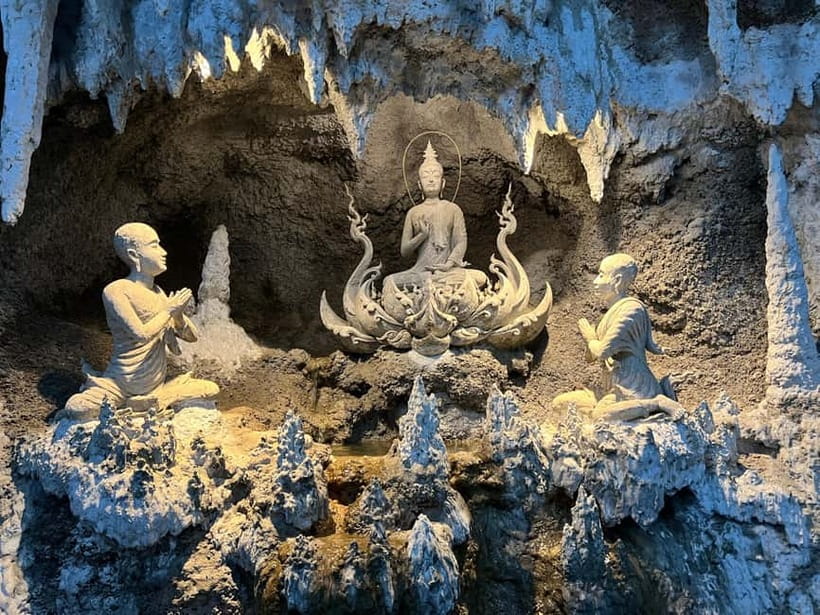
- White Temple + Bridge of Rebirth: a quick path through modern Buddhist symbolism and mirror-mosaic shine
- Blue Temple design details: deep-blue color, gold accents, and a calm interior break from the van
- Huay Pla Kang’s 79-meter Guan Yin: an elevator ride up to big panoramic views
- Lalitta Café as a reset: fairy-tale atmosphere for coffee and a pause before the next cultural stop
- Black House (Baan Dam): traditional Lanna architecture mixed with dark modern art for contrast
- Optional Long Neck Karen Village: a short cultural visit with an extra entrance fee (if you choose it)
Chiang Mai to Chiang Rai: fast logistics, long hours
This is a one-day jump from Chiang Mai (Old City area) to Chiang Rai and back, so expect the day to start early. Pickup runs within a 3 km radius of Chiang Mai Old City from about 7:00–7:30 a.m.; if you’re staying farther out, you’ll meet at Starbucks, Tha Phae Gate at 7:30 a.m. The van then heads out for the road trip that makes or breaks your mood for the day.
Here’s the thing: the itinerary doesn’t waste time between stops. You’ll have multiple driving segments of about 1.5 hours each way, plus brief breaks at points along the route. That means you’re trading flexibility for a clear payoff: by mid-to-late day you’ll have seen a serious lineup of Chiang Rai icons.
If you hate spending time in vehicles, plan for it. The tour isn’t a fit for people with motion sickness, and the schedule stays “tight” from start to finish.
You can also read our reviews of more tours and experiences in Chiang Mai
Wat Rong Khun White Temple: purity as an art installation
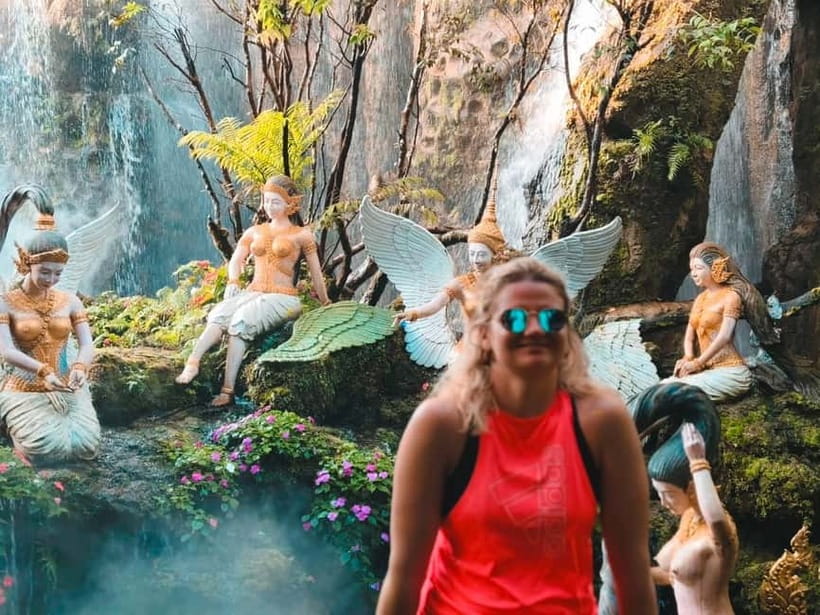
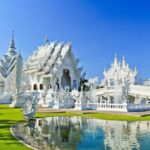
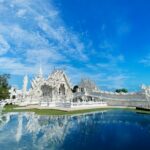
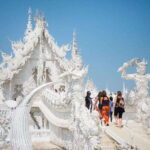
Wat Rong Khun, the White Temple, is the reason many people schedule Chiang Rai at all. It’s designed by Chalermchai Kositpipat, and the message is visible right away: the white exterior symbolizes purity, and the mirrored mosaics catch sunlight in a way that makes photos look brighter than you expect.
One moment worth timing on purpose is crossing the Bridge of Rebirth. It’s short, but it changes the feel from roadside stop to something more intentional. Once you walk in, the temple becomes more than a pretty building. You’re seeing Buddhist teachings mixed with modern artistic ideas, presented in a style that’s very current rather than “old and worn in.”
Practical note: this temple can attract heavy tour flow because it’s famous. So if you’re the type who wants quiet corners and a slow, meditative vibe, be mentally prepared for crowds and a fast-moving photo circuit. The temple’s “newness” can also make it feel more like a standout attraction than a centuries-old shrine.
Wat Rong Suea Ten Blue Temple: where the color does the talking
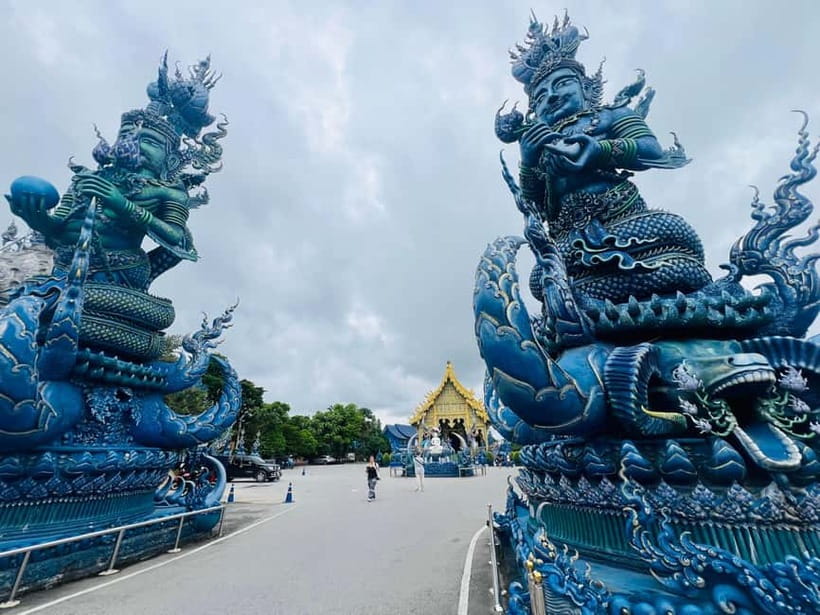
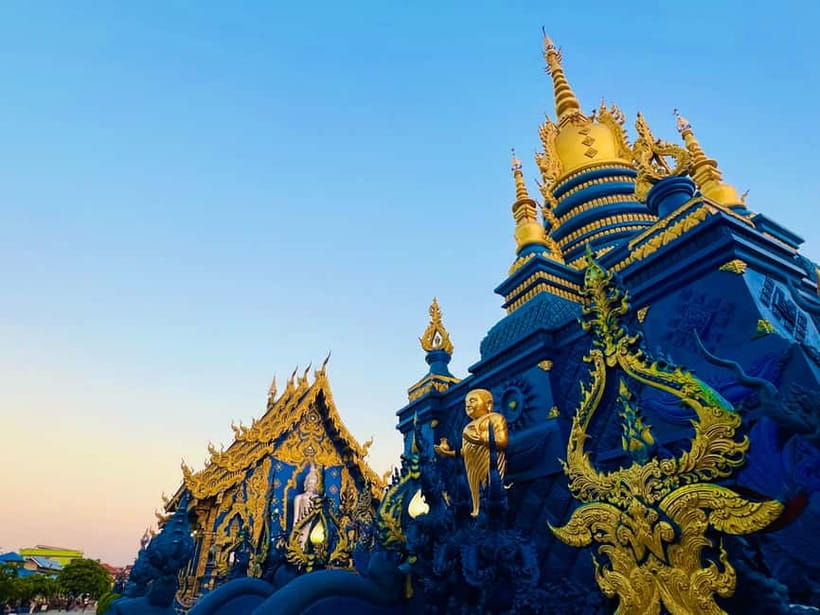
Next comes Wat Rong Suea Ten, the Blue Temple. It’s known for its deep blue hues and golden details, built under a style connected to Chalermchai’s student. That artistic lineage matters because you feel the same modern design thinking, but with a completely different mood.
The interior is where the Blue Temple often clicks for people. Inside, you’ll see a majestic white Buddha placed amid celestial-style murals. Even if you don’t know every symbol, you’ll probably feel the contrast: bright blue outside gives way to a more serene, composed interior space. It’s also a good stop if you want a calmer “breather” before the day gets heavier again.
Time here is set for sightseeing (about 40 minutes in the provided plan). That’s enough to look around, take photos, and absorb the space without turning it into a half-day religious lesson.
Wat Huay Pla Kang: the 79-meter Guan Yin viewpoint
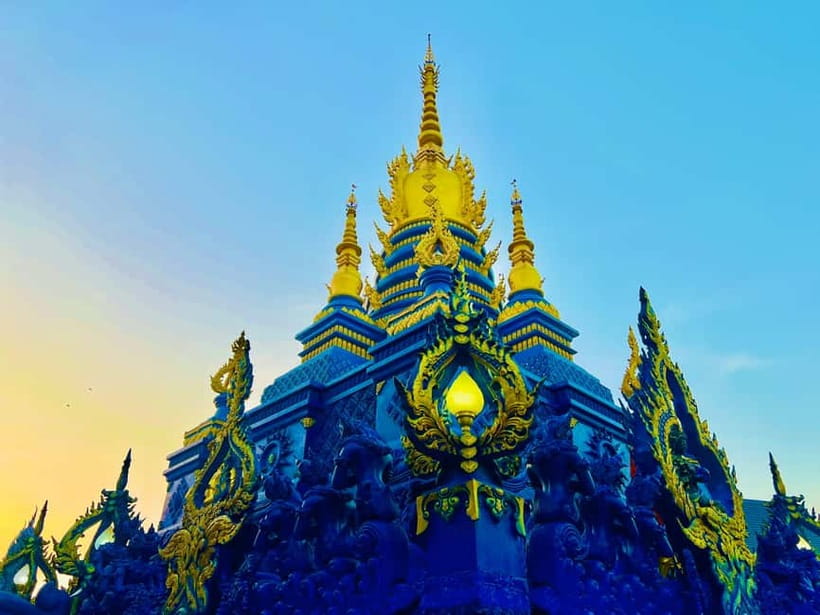
Then you’ll head to Wat Huay Pla Kang, famous for the 79-meter-tall Guanyin (Guan Yin) statue. Even from a distance, it’s the kind of monument that reshapes your sense of scale—then the tour takes you further.
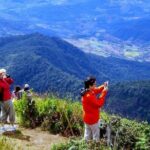
The plan includes using an elevator inside for panoramic views. That detail is important. You’re not just walking around a big landmark from the ground. You’re getting an elevated perspective, which is especially helpful in Chiang Rai where you want context for where things sit in the valley.
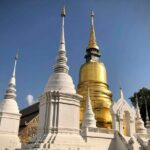
After the statue viewpoint, you’ll also have time to explore the beautifully carved white pagoda nearby. This stop tends to feel more “sight + serenity” than “sight + shopping-photo.” If you want one moment in the day where the energy slows down, this is it.
Lalitta Café: the fairy-tale pause that keeps the day enjoyable
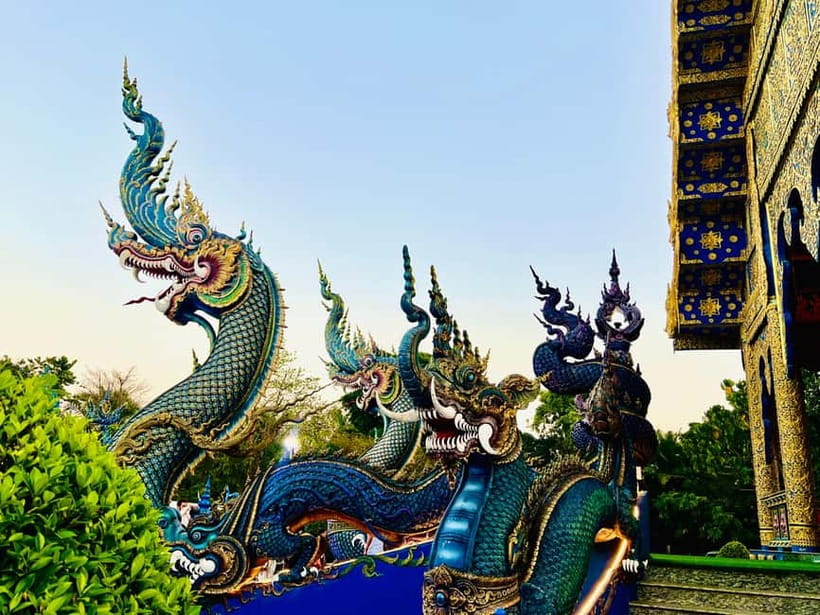
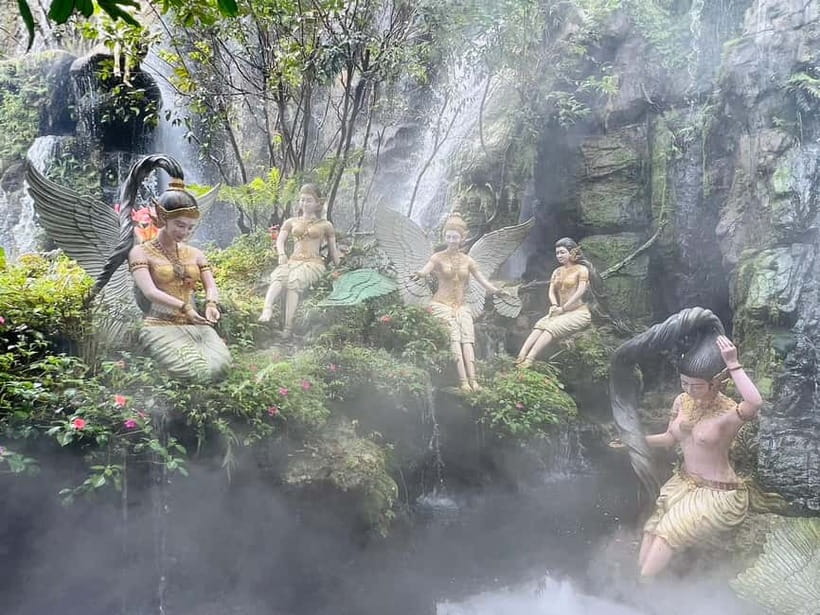
By the time you reach Lalitta Café, you’ve already done temple after temple. That’s why this stop matters: it’s not just a place to eat, it’s the day’s emotional reset.
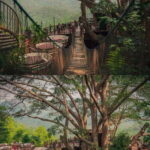
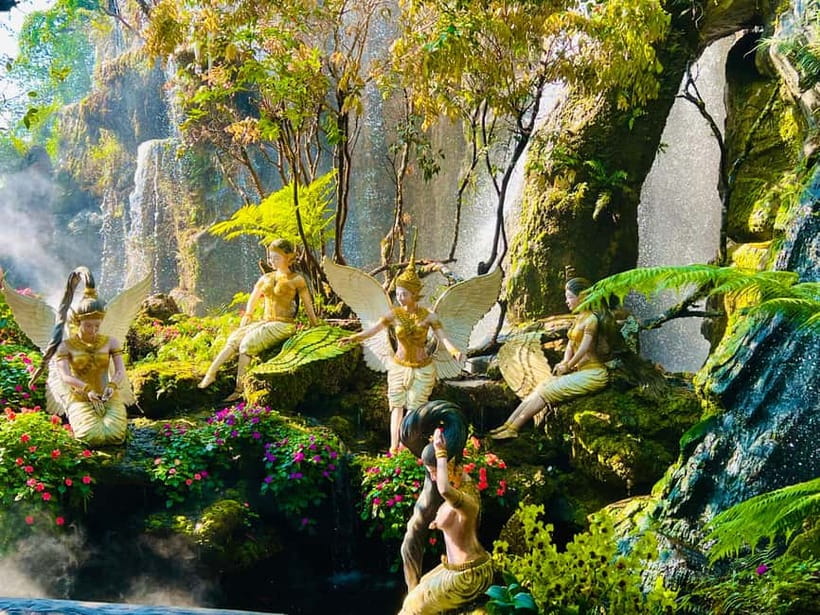
The café is described as a dreamy, fairy-tale setting surrounded by waterfalls and lush greenery, and you’ll have around 30 minutes for coffee tasting. The tour typically sets this up as a relaxed break, so you can sit down, drink something, and cool off your brain.
This is also a smart moment to slow down and think about what you’ve seen so far. White and Blue Temples are visually intense. Black House is darker and more confrontational. Huay Pla Kang is monumental and spiritual. Lalitta Café gives you a lighter tone before you switch gears again.




Black House (Baan Dam): traditional Lanna shapes, modern dark art
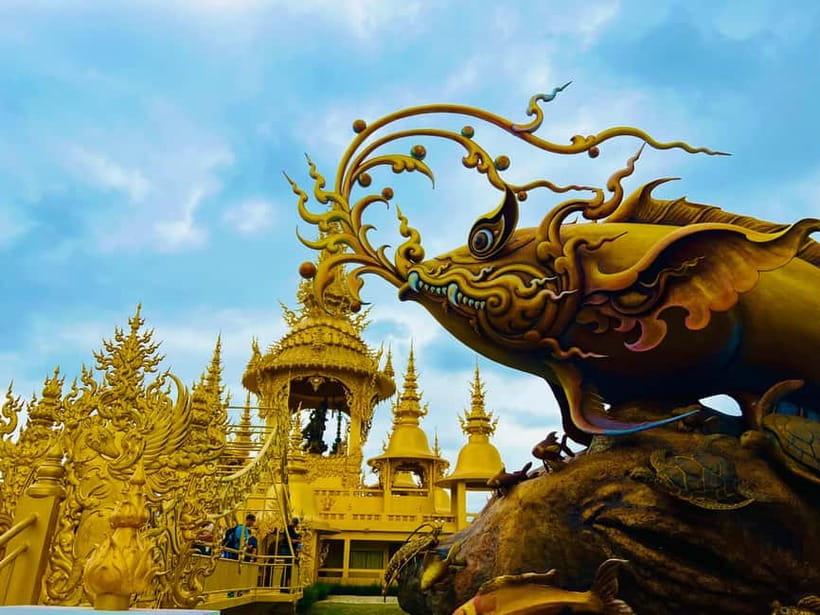
If White and Blue Temples are about visual purity and color, Baan Dam Museum—often called the Black House—is the contrast stop. It’s an art museum blending traditional Lanna architecture with dark, provocative modern art.
This is where the tour goes from “pretty icons” to “culture with an edge.” You’re not just seeing a landmark; you’re looking at an art concept that’s meant to feel strange, serious, and slightly unsettling in a good way. The dark palette makes it feel like a themed experience rather than a standard museum visit.
You’ll typically have about 1 hour here. That’s enough time to walk around, see the main installations, and decide what you think without feeling rushed. If you’re the kind of person who likes art that has opinions—rather than art that simply decorates—this stop is often the most memorable.
Optional stops: Long Neck Karen Village and Mae Kachan Hot Spring
Not every version of the day looks exactly the same, because there are options. But the plan you’re looking at includes two additional “route” moments that can shape the day:
Long Neck Village (Karen Ethnic)
You may get a visit around 30 minutes. The tour description makes clear this is an indigenous tribe with distinctive cultural identity and beliefs. The big practical catch: the entrance fee is 300 THB, and it’s not included in the price. If you choose to go, bring cash and treat the visit as a short cultural window, not a full cultural immersion.
Mae Kachan Hot Spring break
You’ll stop for a break around 15 minutes at Mae Kachan Hot Spring. The word here is break. It’s not presented as a full bathing session, so I’d think of it as a quick stretch-and-refresh moment rather than a spa day.
These two stops can add texture to the day. They also add time, so if you’re tired easily, decide ahead of time which “optional” moments you really want.
The two route options: Red Temple vs Black House
One key detail: the tour can run on two main route options.
- Option A focuses on White Temple – Blue Temple – Red Temple (Big Buddha) and then Lalitta Café.
- Option B focuses on White Temple – Blue Temple – Black House Museum.
In the itinerary plan you provided, the schedule includes Baan Dam Museum, which matches the Black House option. Still, it’s worth checking when you book so you’re not surprised by whether you’ll swap in the Red Temple (Big Buddha) or go to Black House.
If you can only tolerate one “surprise” in the day, decide which kind of experience you want more: Red Temple as another iconic stop, or Black House as darker art contrast.
Price and value: $48 that depends on your priorities
At $48 per person, this day trip can be a great deal—if you’re aiming for exactly this mix of stops. Here’s why.
Included costs you’d otherwise pay separately:
- Transportation between Chiang Mai and Chiang Rai
- English guide
- Entrance fees for the temples and standard activities listed
- Lunch
- Insurance
- Drinking water
That’s a lot of “day-trip headaches” handled for you. You’re paying for logistics, not just tickets. For a one-day itinerary this far from Chiang Mai, that’s usually where the value shows.
Where you need to be honest with yourself:
- You’re buying efficiency. It’s not a slow, deep-dive religious tour.
- The schedule is long, and the temples don’t come with a “guided lecture inside every room” format. Some guides give context before you enter, and you then explore mostly on your own.
Also remember one optional cost: the Long Neck Village entrance fee (300 THB) if you pick that stop.
Guides in the real world: English help that sets the tone
The tour includes a live English guide, and that matters a lot on art-and-temple days. In the feedback you provided, guide names like Wanida, Goi, Bee, M&M, Paul, Toy, and Mr Chai come up in a positive way, often praised for clarity, energy, and keeping the pace smooth.
One practical pattern I’d plan for: you might get useful context and time to look around, but you may not receive constant temple narration inside every stop. That’s fine if you like freedom to wander and photograph. If you want a detailed explanation of every symbol while you’re standing in front of it, you might need to do a little reading before you go—or ask your guide questions during the walk-up.
For me, the best guides in this kind of tour do two things well:
- give you enough background to understand what you’re seeing
- help you time photo moments and avoid feeling rushed
The guides mentioned in your material often hit that balance.
Timing tips that make a packed day feel smooth
This tour lives or dies by timing, so a few small moves help a lot:
- Arrive early at the meeting point. If you miss the timing window, the vehicle won’t wait.
- Bring sunglasses. You’ll be outside and in sunlight, especially around white and blue temple architecture.
- Carry cash. The Long Neck Village entrance fee is not included.
- Pack a passport-sized photo. You’ll want it since it’s requested.
- Skip alcohol and drugs, since the tour specifically lists them as not allowed.
Also, wear shoes you can stand in. Even though each stop has a defined window, your time will be mostly walking and climbing small areas around monuments and museum spaces.
Who should book this one-day Chiang Rai highlights tour
This tour is a strong match if:
- you want the big-name Chiang Rai sights without planning routes and tickets yourself
- you like modern temple design as much as traditional settings
- you’re okay with a long day and short sightseeing windows
It may not be the best fit if:
- you want a slower, deeper cultural experience with long guided explanations inside temples
- you get motion sickness in vans or on windy roads
- you’re over 70 (the tour is listed as not suitable for that age group)
If you’re traveling with a tight schedule and you want a single day that covers major icons—White Temple, Blue Temple, Huay Pla Kang, Lalitta Café, and Black House—this is built for that.
Should you book Chiang Rai Highlights in One Day?
I’d book it if your goal is straightforward: maximize Chiang Rai in one day with an organized plan, included entrances, and a guide who helps you understand what you’re looking at. The value is real because transport, lunch, and fees are handled, and the lineup is unusually complete for a day trip.
I wouldn’t book it if you’re chasing a quiet spiritual retreat or you hate long drives. This is a sightseeing day with a bit of art and culture contrast, not a slow, full-on deep meditation session.
If you do book: decide early which route you prefer (Red Temple vs Black House). Then show up on time, bring cash and sunglasses, and treat the day like an art tour across Chiang Rai—fast, focused, and designed to give you unforgettable images and a few surprising ideas to chew on afterward.
FAQ
Where does the tour pick up in Chiang Mai?
Pickup is optional within about a 3 km radius of Chiang Mai Old City (between 7:00 and 7:30 a.m.). If you’re staying outside that area, you meet at Starbucks, Tha Phae Gate branch at 7:30 a.m.
What time does the tour start?
The pick-up starts at 7:00 a.m. (there may be a slight delay). If you’re meeting at Starbucks, Tha Phae Gate, plan to arrive before 7:30 a.m.
What’s included in the price?
Transportation, a guide (English), entrance fees for the standard temple activities, insurance, lunch, and drinking water are included.
What’s not included?
The Long Neck Village entrance fee is not included (300 THB) and it’s optional.
How long is the tour?
It’s a one-day experience, and the schedule is planned as a full day trip.
Is lunch included?
Yes, lunch is included with the tour.
Which major sights are visited?
Wat Rong Khun (White Temple), Wat Rong Suea Ten (Blue Temple), Huay Pla Kang Temple, Lalitta Café, and Baan Dam Museum (Black House) are included. There are also two route options depending on the day: Red Temple (Big Buddha) may replace or change what’s visited.
Do I need cash?
Yes. Cash is recommended, especially if you choose to visit the Long Neck Village entrance (300 THB).
What should I bring and avoid?
Bring sunglasses and cash, and also a passport-sized photo. Pets and weapons/sharp objects are not allowed, and alcohol and drugs are not allowed.
Is the tour suitable for everyone?
It’s not suitable for people with motion sickness, and it’s listed as not suitable for people over 70 years.