REVIEW · CHIANG MAI
Chiang Mai: Doi Inthanon National Park & Waterfall Day Tour
Book on GetYourGuide →Operated by CHIANGMAI SIAM TRAVEL LTD.,PART. · Bookable on GetYourGuide
Doi Inthanon day trips can feel like a mini-cold-weather adventure. This one mixes Thailand’s highest viewpoint with pagoda gardens, then adds cultural stops and ends at Wachiratharn Waterfall—a combo that’s hard to beat in a single long day. I like how the timing gives you real time at key sights, and I especially like that the Ang Ga trail is a manageable walk rather than a full hike. The main thing to consider is the weather: it can be chilly and humid at the top, and the waterfall area can be slippery.
Also, the trip is built for comfort: air-conditioned transport, an English-speaking guide, lunch, and drinking water are part of the package. If you’ve ever wanted to see northern Thailand without dealing with logistics or a rental car, this is the straightforward way to do it—just be ready for a full 9 hours and some standing and walking.
In This Review
- Key Highlights Worth Getting Excited About
- Why Doi Inthanon Feels Like a Different Chiang Mai
- Getting There: Pickup Timing and How the Day Flows
- Inside Doi Inthanon National Park: The Ang Ga Trail Walk
- King and Queen’s Pagodas: Gardens and Viewpoints That Actually Feel Calm
- Hmong Market and Lunch: Practical Stops, Good Energy
- Mae Klang Luang: Karen Hill Tribes, Terrace Rice Fields, and Coffee
- Wachiratharn Waterfall: The Wet Finale (and How to Handle It)
- Price and What You’re Really Getting for $50
- What Makes This Tour Work (Beyond the Checklist)
- What to Bring for Doi Inthanon Weather and Waterfall Feet
- Who Should Book This, and Who Should Skip It
- Should You Book This Chiang Mai Day Tour?
- FAQ
- What time does pickup start, and when do we return?
- Is hotel pickup included?
- What entrance fees should I expect to pay?
- How long is the walking part in the park?
- What weather should I plan for at Doi Inthanon?
- Will the waterfall get me wet?
- What’s included in the tour price?
- Is cancellation free, and can I keep plans flexible?
Key Highlights Worth Getting Excited About
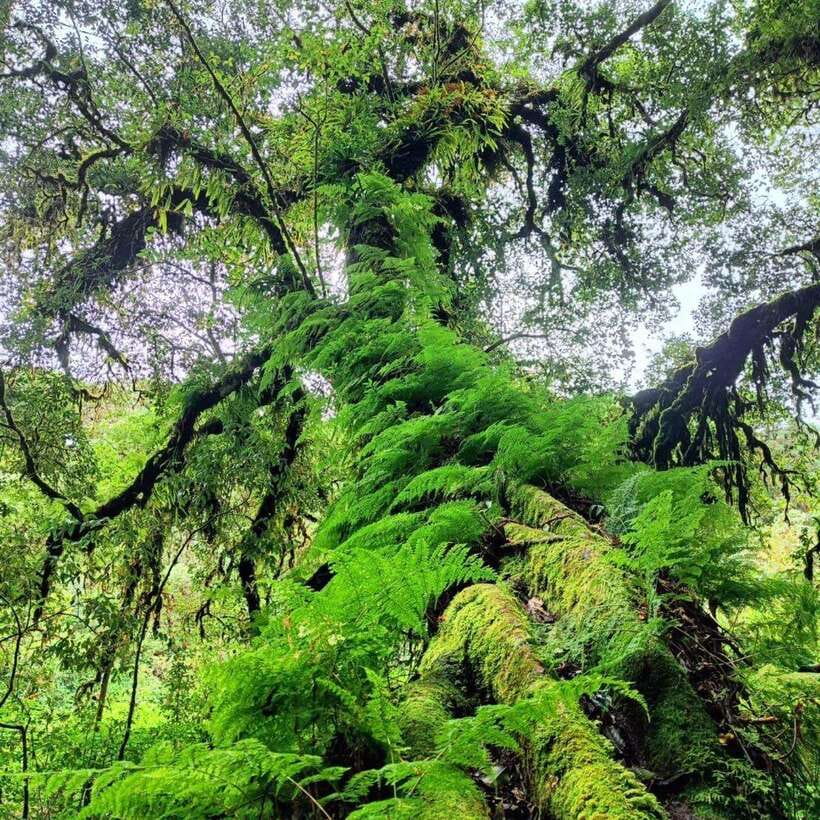
- Thailand’s highest point (2565 m): cool air year-round at the peak, even when Chiang Mai feels warmer
- King and Queen’s pagodas: scenic viewpoints plus peaceful gardens
- Ang Ga trail (25–30 minutes): a short forest walk with big scenery payoff
- Hill-tribe visit at Ban Mae Klang Luang: Karen culture and terrace rice-field views
- Fresh-ground coffee stop: seasonal depending on what’s available at the rice fields
- Wachiratharn Waterfall: wet, dramatic, and best handled with solid footing
Why Doi Inthanon Feels Like a Different Chiang Mai
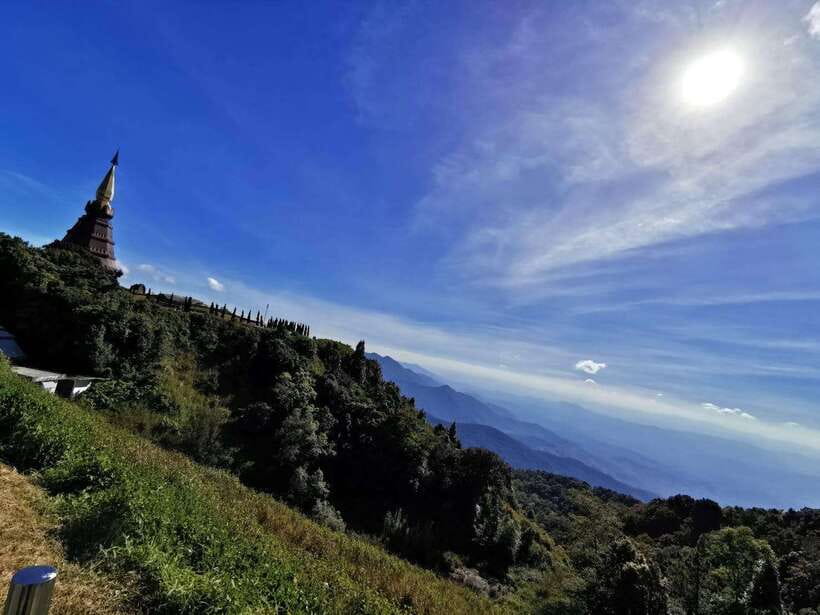
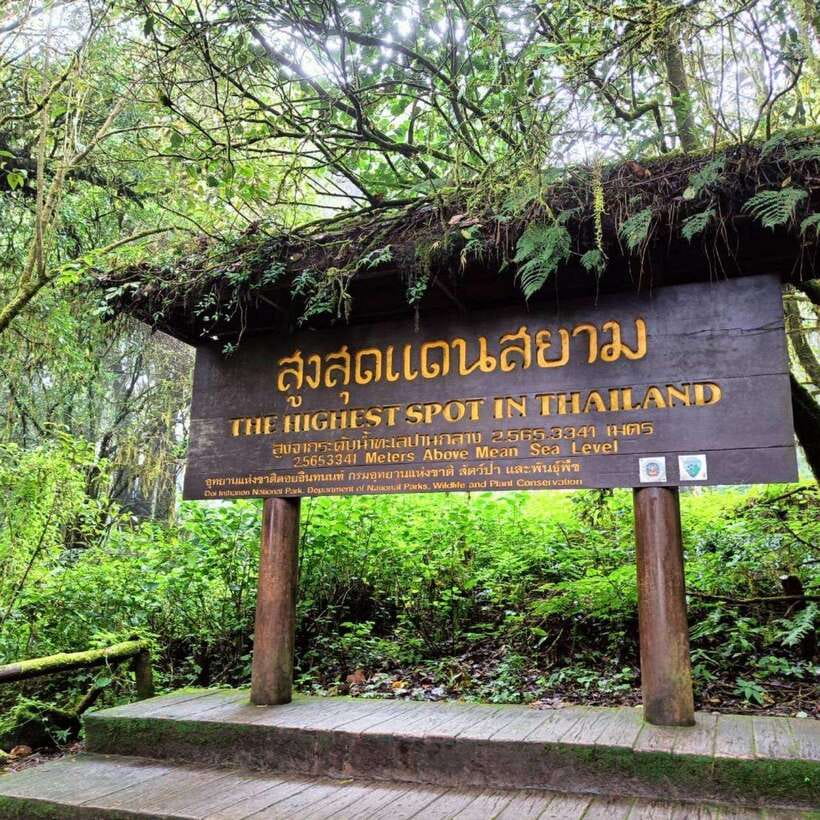
Doi Inthanon National Park is one of those places where the temperature change tells you you’re somewhere special. Even in the middle of the year, the high elevation makes it feel noticeably colder, and the humidity can make it feel even more “alive” in the forest. When you hit the highest point—2565 meters—it’s the kind of contrast that makes you understand why this mountain matters to locals and why it’s a top destination for day trips.
What I like about this tour is that it doesn’t treat the park like a single checkbox. You get a mix of nature and viewpoints (the trail and the pagodas), then you get human-scale experiences—markets, hill-tribe communities, and terrace rice fields. It’s a packed day, but the stops match the theme: high altitude scenery, then culture, then the waterfall finale.
You can also read our reviews of more tours and experiences in Chiang Mai.



Getting There: Pickup Timing and How the Day Flows
Pickup starts between 8:00 AM and 8:30 AM, depending on your hotel or meeting-point option. You’ll drive about 1 hour 45 minutes to reach Doi Inthanon National Park. That drive is long enough that you’ll feel it by lunchtime, but the schedule keeps you from being stuck in transit the whole time.
If you’re staying in the Chiang Mai old city area, you may get hotel pickup (within a 2 km radius). If you’re farther out, you’ll likely choose the meeting point option and meet up before the drive. Either way, it helps to be at the meeting point about 5 minutes early so the day doesn’t start with stress.
By the end of the day, the drop-off is around 6:00 PM to 6:30 PM, with at least one return stop listed at ร้านยา ฟาร์มาร์ท ซี. In plain terms: plan dinner for later, not immediately. You’ll come back tired—in a good way.
Inside Doi Inthanon National Park: The Ang Ga Trail Walk
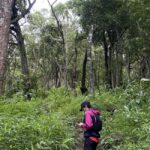
Once you arrive, you start with the park itself, and the tour’s walking level is kept reasonable. The highlight here is the Ang Ga trail, a walk of about 25–30 minutes. It’s not designed to be a mountain trek; it’s more like a guided stroll into the green world around you.
The value of this stop is how it “sets the tone.” You get forest scenery and a sense of altitude before you jump into viewpoints and culture stops. It also helps you shake off travel time without turning the morning into a workout.
What I’d watch: go in with shoes that handle uneven paths and possible damp ground. Even when the sky seems fine, the park can feel damp, and the air can turn cool fast as you climb.
King and Queen’s Pagodas: Gardens and Viewpoints That Actually Feel Calm
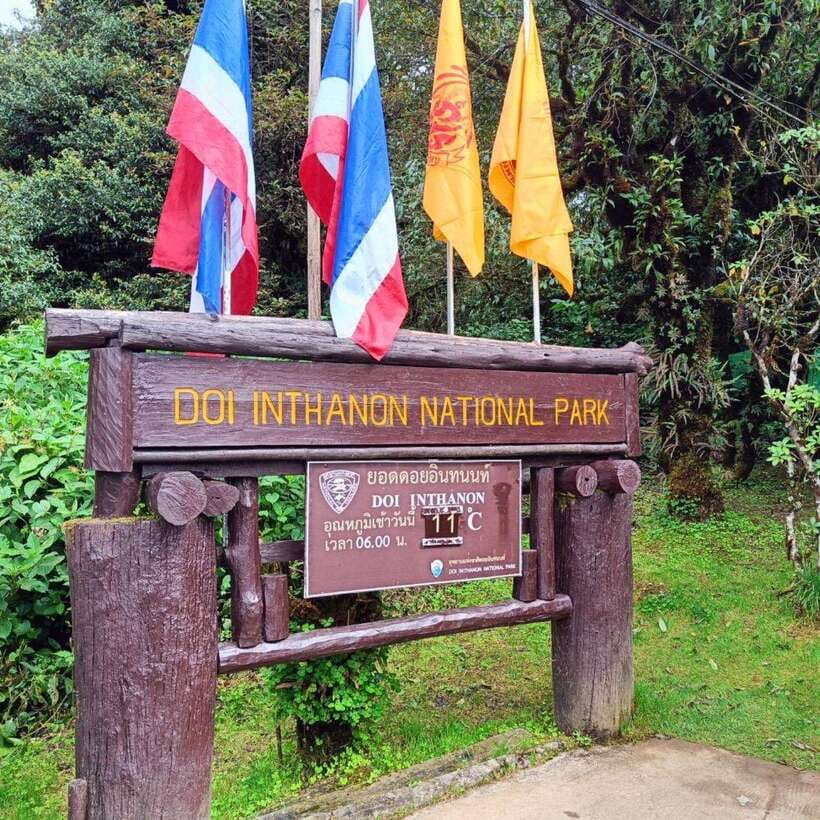
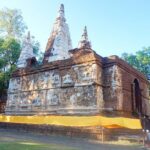
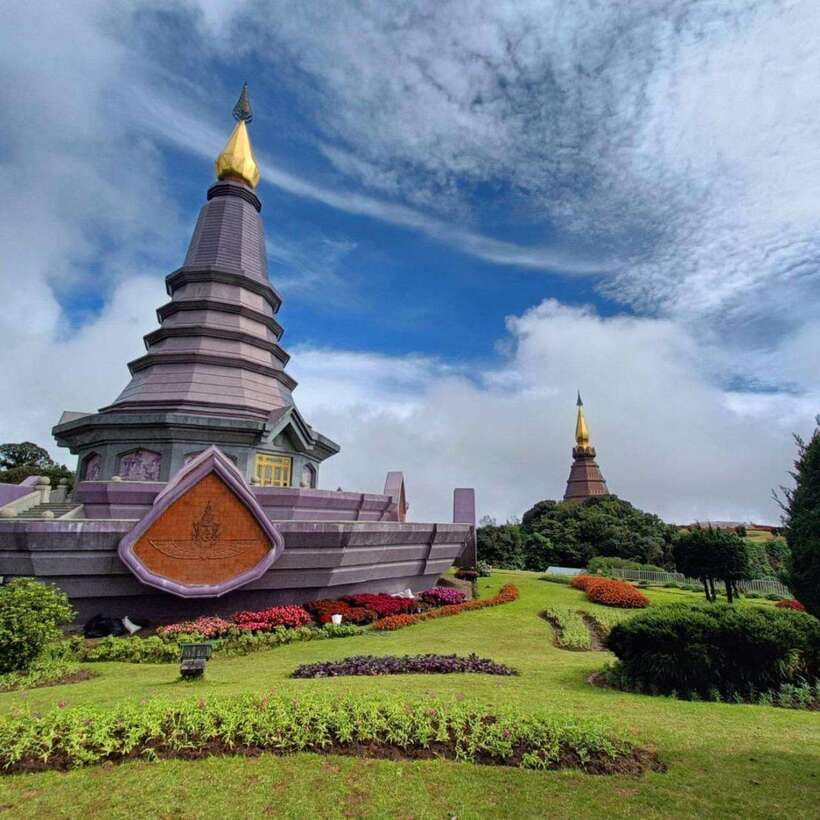
The King and Queen’s pagodas are often described as beautiful, and that’s not just marketing language. The pagodas sit at a viewpoint height where you can take in broad scenery, and they’re surrounded by pleasant gardens. This is the kind of stop where you slow down for a moment, look around, and let the mountain air do its job.
One smart reason this belongs in a day tour: it gives you a classic “reward” moment without requiring a long hike. You get views plus a little calm time between more active segments of the schedule.
If you like photography, bring a steady approach: the cooler air can make you want to keep your hands warm while you shoot. Also, bring a hat or umbrella just in case the weather shifts—high spots can surprise you.
Hmong Market and Lunch: Practical Stops, Good Energy
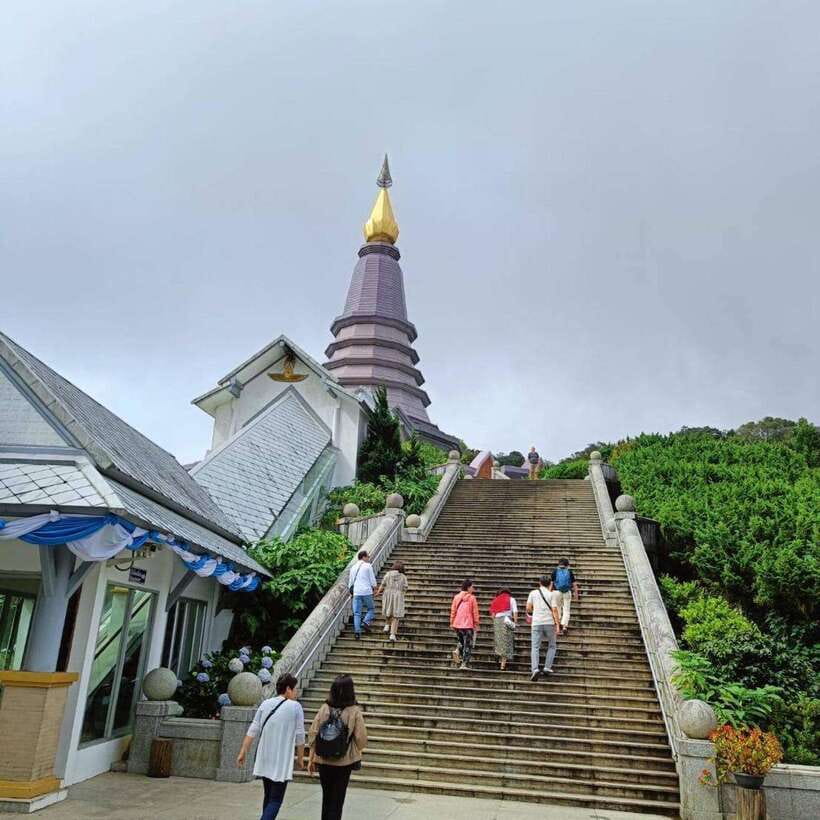
After the viewpoints, the plan includes a visit to a Hmong market. You’ll have a chance to browse and pick up small items, plus it gives you a texture of local life beyond the tourist viewpoints.
Then comes lunch. Lunch is a Thai set menu, and this matters for value because you’re not trying to find a restaurant in a park area at the exact moment hunger hits. The tour also includes drinking water, which is the kind of small thing that makes a long day feel manageable.
A helpful detail for food planning: if you’re vegetarian, ask ahead. In at least one case, the tour arrangements included vegetarian-friendly options for a participant. That’s the sort of confirmation you want to get early so lunch doesn’t turn into a guessing game.



Mae Klang Luang: Karen Hill Tribes, Terrace Rice Fields, and Coffee
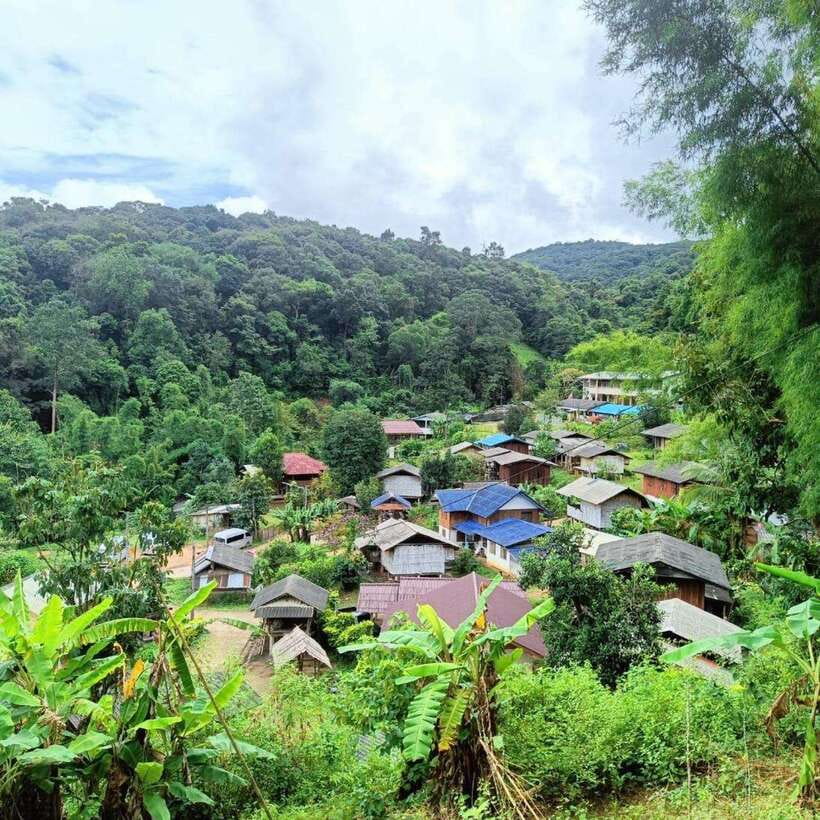
This is where the day tour becomes more than a drive-by. At Ban Mae Klang Luang, you’ll visit Karen hill tribes and see terraced rice fields. Even if you’ve seen terraces in other parts of Thailand, here they come with a stronger sense of how the land shapes daily life—especially at higher altitude where farming and weather rhythms matter.
A standout part of this stop is the coffee. You’ll have a cup of freshly ground, locally grown coffee, and the note that the rice-field visit depends on the season is important. In other words, sometimes the terraces will be at their most impressive point, and sometimes you’ll see a different stage of the year’s cycle. Either way, you’re still getting the story and the setting.
What to keep in mind: community visits can vary in pacing and how much you’re able to wander. Wear long pants and use insect repellent, since the day includes outdoor time in nature-heavy areas.
Wachiratharn Waterfall: The Wet Finale (and How to Handle It)

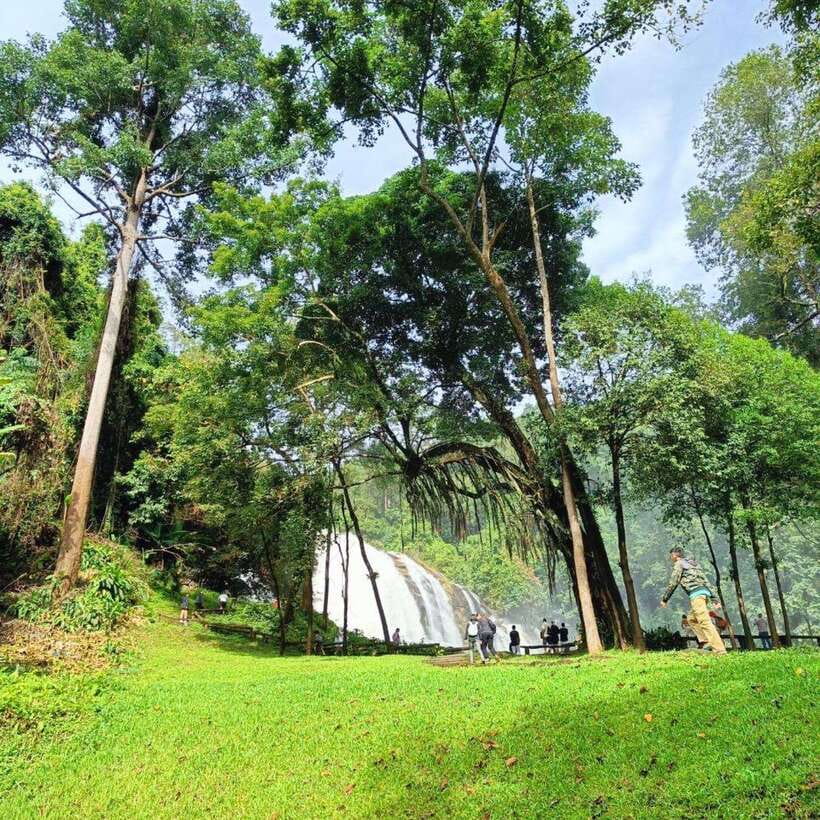
The last major stop is Wachiratharn Waterfall, which is scheduled before you head back to Chiang Mai. This is a favorite moment because the payoff is visual and immediate—you don’t need to interpret anything. You just feel the scale and the sound.
But here’s the practical part: you can expect to get wet. Waterfall mist plus spray is part of the deal. And the paths around the waterfall can be slippery, so take your time and don’t rush onto slick rocks.
If you’ve got trekking shoes with decent grip, you’ll be glad you packed them. If you don’t, you can still do the walk, but move slowly and keep your balance. Also bring a change in mindset: this is the last big activity, so if you’re already tired, the waterfall’s footing will matter more.
Price and What You’re Really Getting for $50
At $50 per person for a 9-hour day tour, the headline value comes from what’s included versus what’s extra.
Included:
- Air-conditioned transport
- English-speaking guide
- Lunch (Thai set menu)
- Entrance fees if selected (this part matters—see below)
- Drinking water
- Accident insurance
- Hotel pickup and drop-off if your option includes it
Not included:
- National park fee: 300 Thai baht/person
- Twin pagodas fee: 100 Thai baht/person
- Personal expenses
So the honest way to think about the price is: you’re paying for the organization—getting up to the park, guided stops, and food—while you budget an extra 400 Thai baht per person for those main park-related fees (unless your specific option covers entrance fees).
Is it good value? For me, yes, especially if you don’t have a car. This kind of day covers multiple distinct areas that would otherwise take planning, separate transport, and time. The biggest “hidden cost” here isn’t money—it’s energy. It’s a long day, and you’ll want to start it rested.
What Makes This Tour Work (Beyond the Checklist)
A good day tour isn’t just about destinations. It’s about pacing and how you feel when the day ends. This tour tends to be praised for being well organized with comfortable transport, and the drive schedule helps break up the long distance into something you can handle.
Guide quality also shows up in the experience. Names like Ize, Mumu, Austin, Piano, Pino, Porpia, and Tomtam come up with consistent themes: clear communication, friendly energy early in the morning, and explanations that make the stops feel more meaningful. When the guide knows what to point out, your time at the pagodas and the hill tribe area feels less like a photo stop and more like understanding what you’re seeing.
One note I’d take seriously: while some participants found it a calmer day, there are also comments that the total time can feel long by the end. If you get tired easily, consider that you’ll likely be standing, walking, and traveling for most of the day.
What to Bring for Doi Inthanon Weather and Waterfall Feet
The tour’s packing list is practical, and I’d follow it closely. Bring:
- Warm clothing (a jacket is a must at higher elevation)
- Long-sleeved shirt and long pants
- Sports shoes with grip
- Umbrella and/or a rain layer (it’s a waterfall day)
- Hat and camera
- Insect repellent
- Cash (useful for any on-site fees or personal purchases)
- Personal medication
If you’re the type who only packs a light layer for Chiang Mai, this is your reminder: the top of the park can feel cold enough that warm clothing becomes part of enjoying the day rather than suffering through it.
Who Should Book This, and Who Should Skip It
This tour is a strong fit if:
- You want to see Doi Inthanon without driving yourself
- You like a mix of views, nature, and cultural visits
- You’re comfortable with a short guided walk and a longer full-day itinerary
- You want a planned lunch and transport so you can focus on sightseeing
It may not be a great fit if:
- You have heart problems (the tour notes it’s not suitable)
- You hate cold weather and struggle with uneven outdoor paths (especially near the waterfall)
- You prefer slow, minimal schedules. This one is built to pack in multiple stops.
Should You Book This Chiang Mai Day Tour?
Book it if you want one day that combines the best themes of northern Thailand: cool mountain altitude, scenic pagodas, and cultural community visits, capped with a real waterfall experience. The included lunch, guide, transport, and water make it feel “taken care of,” and the schedule is built so the day doesn’t feel like pure driving.
Skip it (or choose carefully) if you’re very heat-sensitive, dislike slippery footing, or you know long days exhaust you quickly. Also, if you’re paying entrance fees out of pocket, budget the 300 + 100 baht so there are no surprises.
If you’re aiming for a practical, organized day out of Chiang Mai, this tour hits the mark.
FAQ
What time does pickup start, and when do we return?
Pickup is scheduled between 8:00 AM and 8:30 AM. You’ll be dropped off around 6:00 PM to 6:30 PM.
Is hotel pickup included?
Hotel pickup and drop-off are included only if you select the pickup option. Pickup is available in the Chiang Mai downtown old city area within a 2 km radius; if you’re farther away, you’ll choose a meeting-point option.
What entrance fees should I expect to pay?
National park entrance is 300 Thai baht per person, and the Twin Pagodas fee is 100 Thai baht per person. Entrance fees may be included depending on your selected option, so check what you’re paying for up front.
How long is the walking part in the park?
The tour includes a walk on the Ang Ga trail for about 25–30 minutes. You’ll also be on paths at other stops, especially near the waterfall.
What weather should I plan for at Doi Inthanon?
The highest point of Thailand is cold with high humidity all year round. Bring warm clothing, long sleeves, and plan for cooler temperatures.
Will the waterfall get me wet?
Yes. The tour’s waterfall stop involves Wachiratharn Waterfall, and you should expect to get wet. Paths may be slippery, so use shoes with good grip.
What’s included in the tour price?
Included items are air-conditioned transportation, English-speaking guide, lunch (Thai set menu), drinking water, and accident insurance. Hotel pickup/drop-off is included if you select that option.
Is cancellation free, and can I keep plans flexible?
Cancellation is free up to 24 hours in advance for a full refund. There’s also a reserve-and-pay-later option described for keeping plans flexible.