REVIEW · CHIANG MAI
Chiang Mai Authentic Trekking
Book on GetYourGuide →Operated by Thai Eco Trek Adventures · Bookable on GetYourGuide
Rice fields meet real village paths. This is a small-group hike south of Chiang Mai where Pan and his team guide you through Karen hill tribe farmland, jungle trails, and up to Phalai Mountain viewpoints. I like how the day stays focused on people and place, not checkboxes.
What I really love is the plant-and-culture angle. You’re not just walking—you learn how everyday villagers use herbs and edible plants, and you get a school stop in Khun Poi Village that makes the route feel personal. The other big win: the pace is serious enough to feel like a true trek, while still landing big views and a relaxing swim.
The possible drawback is simple: this is steep, slippery in parts, and you’re trekking about 4–5 hours (around 10–12km). If you want flat, easy hiking—or you have mobility or heart limitations—this one won’t feel fun.
In This Review
- Key highlights you’ll feel from the start
- A Karen village trek with a real mountain day
- Pickup, van ride, and the local market lunch setup
- Khun Poi Village: school time and village agriculture
- Forest and rice-field hiking with Pan and his plant lessons
- Phalai Mountain peak: big views plus a forest lunch pause
- After lunch: hill tribe farms and the crops you’ll recognize
- Waterfall cooldown and getting back to Chiang Mai
- Price and value: what $57 buys you in a one-day hike
- What to pack so the trek feels fun, not miserable
- Who should skip this trek (and who will love it)
- Should you book Chiang Mai Authentic Trekking?
- FAQ
- Is this trek suitable for beginners?
- How long is the total experience?
- What’s included in the price?
- What should I bring for the day?
- Do I need swimwear?
- What time does pickup happen?
- Who is this trek not suitable for?
Key highlights you’ll feel from the start
- Small group up to 8: you actually move with your guide instead of getting split up.
- Market-to-mountain food plan: grab lunch ingredients early, then eat in the hills.
- Khun Poi school visit: a warm cultural pause before the climb.
- Forest trekking with plant knowledge: edible plants and everyday uses, not just scenery.
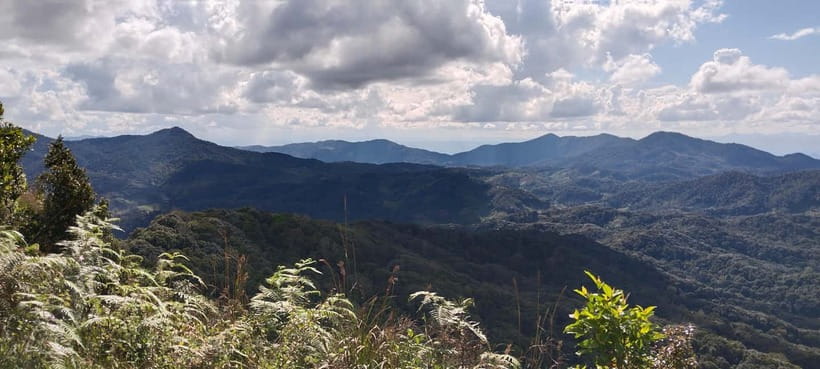
- Phalai Mountain peak views: valley, village, and mountain outlooks from a high point.
- Secluded waterfall swim: a real cooldown after the hike.
A Karen village trek with a real mountain day
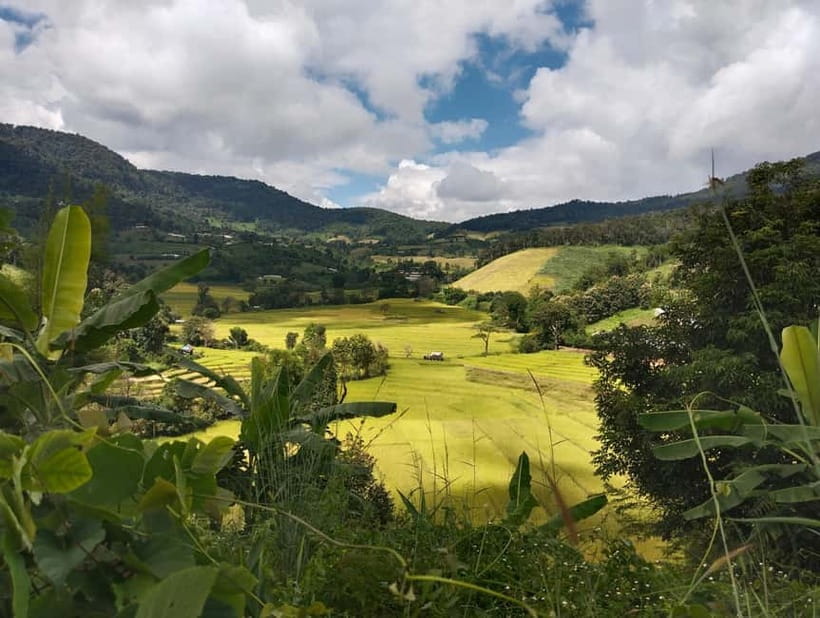
Chiang Mai has plenty of treks, but this one feels more like a working mountain route than a performance. You’ll head out into the countryside, spend the morning with a Karen hill tribe community at Khun Poi, and then hike through rice fields and forest trails toward a peak linked to the Doi Inthanon National Park area.
The “authentic” part isn’t a marketing slogan here. It shows up in the rhythm of the day: village life first, then trails used by locals, then farming paths afterward. You’ll also have an English-speaking guide, plus a local assistant, which makes it easier to ask questions instead of guessing.
And yes, you can expect some of the natural sounds that make Thailand feel alive—quiet wings, insects, and the occasional animal presence. Wildlife like wild boar, gibbons, barking deer, and many birds are listed as commonly seen in the area, but you’re hiking in the wild, so sightings aren’t guaranteed.
You can also read our reviews of more hiking tours in Chiang Mai
Pickup, van ride, and the local market lunch setup
Your day usually starts with hotel pickup around 7:45–8:00 AM. After pickup, you’ll ride south of Chiang Mai in a van for about an hour. This matters more than it sounds: the countryside is where the route makes sense, and you’ll arrive with enough daylight to start trekking early.
Soon after, you stop at a traditional Thai market for about 20 minutes. This is your chance to buy things like lunch and drinking water. The point isn’t just convenience. It’s part of how the day flows—so you can eat what you picked up locally when you reach the higher point later.
I also like that the market stop keeps your food simple. You aren’t dependent on packaged snacks. Bring a bit of cash, because souvenirs and drinks outside the included items are on you.
Khun Poi Village: school time and village agriculture
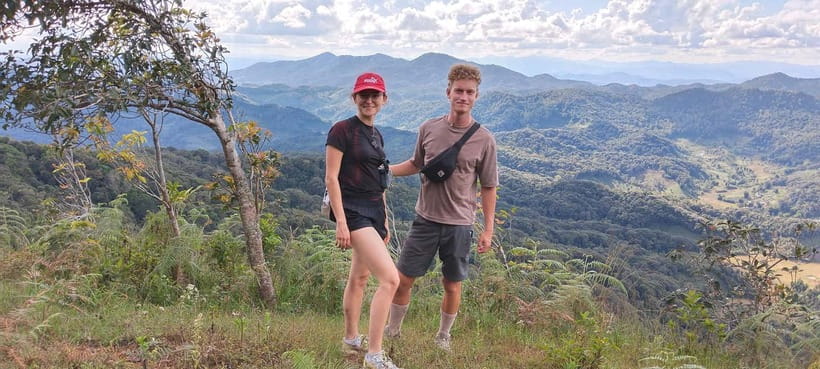
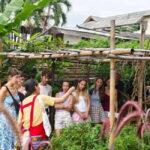
The hike begins when you arrive at Khun Poi Village, a Karen hill tribe community surrounded by mountains and farmland. The morning here is structured but not stiff: you’ll learn about their agricultural lifestyle and unique culture, then you’ll start trekking from the village school area.
This school visit is one of the most memorable parts because it gives context to everything you see later. Children are going about their day, and you get a quick human scale of what “community life” means beyond farmland photos.
As you walk with the guide, you’ll move from the village edge into fields and forest. It helps to know what to look for:
- Farming areas and crop patterns that change with elevation
- Everyday plants that later show up in your forest walk lessons
- The way paths connect homes, fields, and shared spaces
A small heads-up: you’re visiting an active community, so keep your behavior respectful and don’t treat people like props. The day’s best when you act like a thoughtful guest.
Forest and rice-field hiking with Pan and his plant lessons
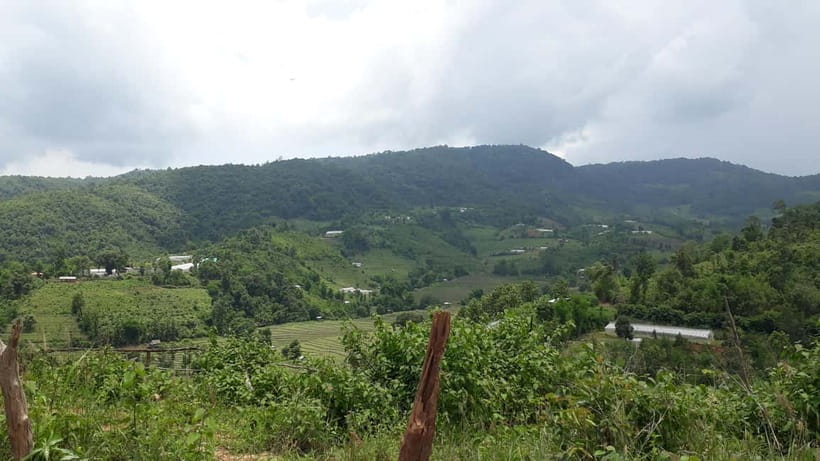
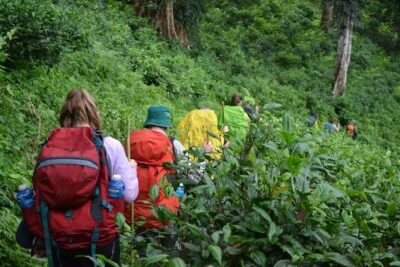
Once the trek starts, the day gets physical in a good way. Total trekking distance is about 12km, and the difficulty is medium. You’re trekking roughly 4–5 hours, including stops, so it’s not an easy stroll.
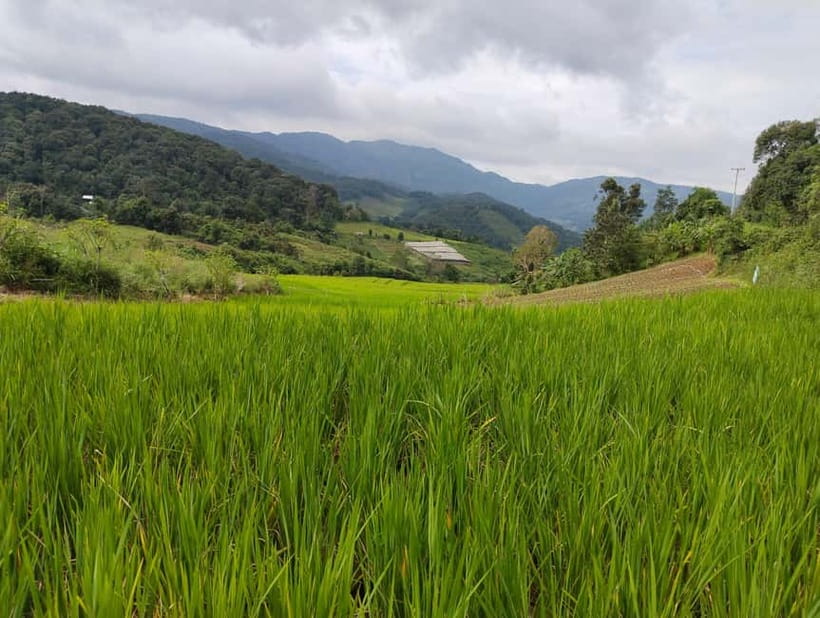
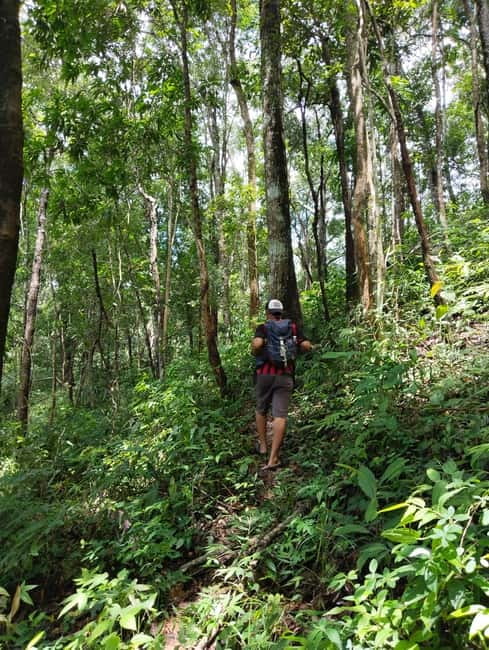
You’ll hike through rice fields, evergreen forest, and natural trails. One reason people rave about this day is the plant-and-foraging education. Your guide shows you plants used for food, medicine, and daily life, and there’s time to taste certain things when offered. In one account, Pan’s knowledge was detailed enough that the group sampled fruits and learned how they’re understood in daily use.
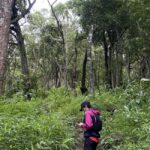
The terrain can be steep, and some sections may be slippery. That’s why proper shoes matter. If you wear casual sneakers with flat soles, you’ll feel it on uneven ground. If you’re the type who loves nature walks, this part is where the hike earns its keep.
Wildlife might appear—wild boar, gibbons, barking deer, and lots of birds are listed as animals you can encounter in the region. Most of the time, you’ll notice smaller signs: tracks, bird calls, and the overall hush of forest air.
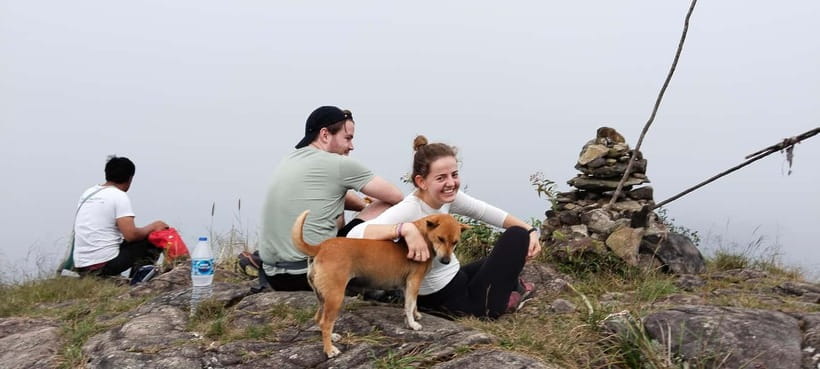
And if you’re wondering about dogs: at least some groups hike with the guide’s dogs for company, which can make the day feel more like a local outing than a staged trek.
Phalai Mountain peak: big views plus a forest lunch pause
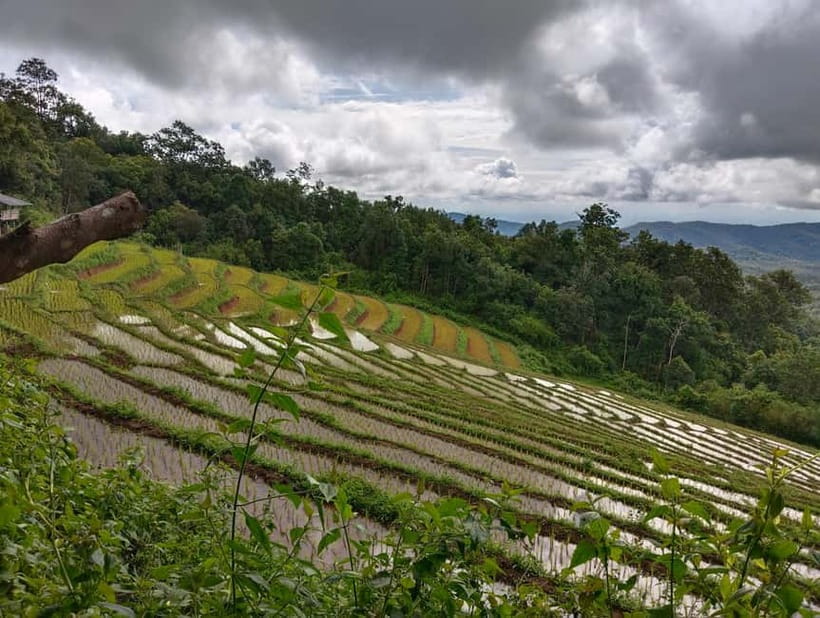
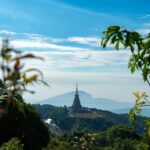
At some point, you’ll climb toward Phalai Mountain Peak, positioned between Chom Thong and Mae Wang districts and connected to the broader Doi Inthanon National Park area. This is the moment the day starts rewarding you with height.
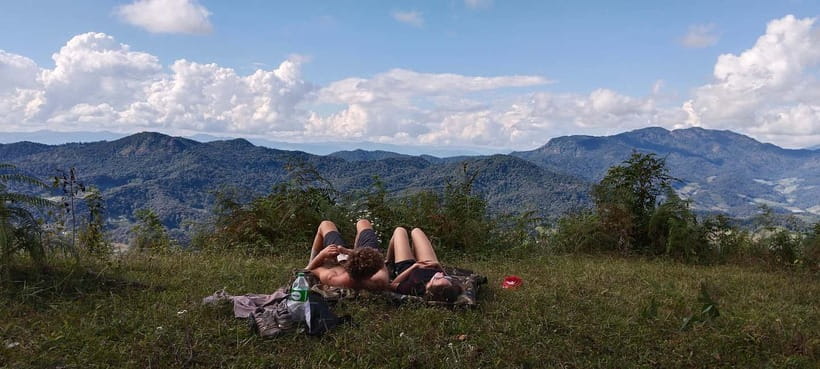
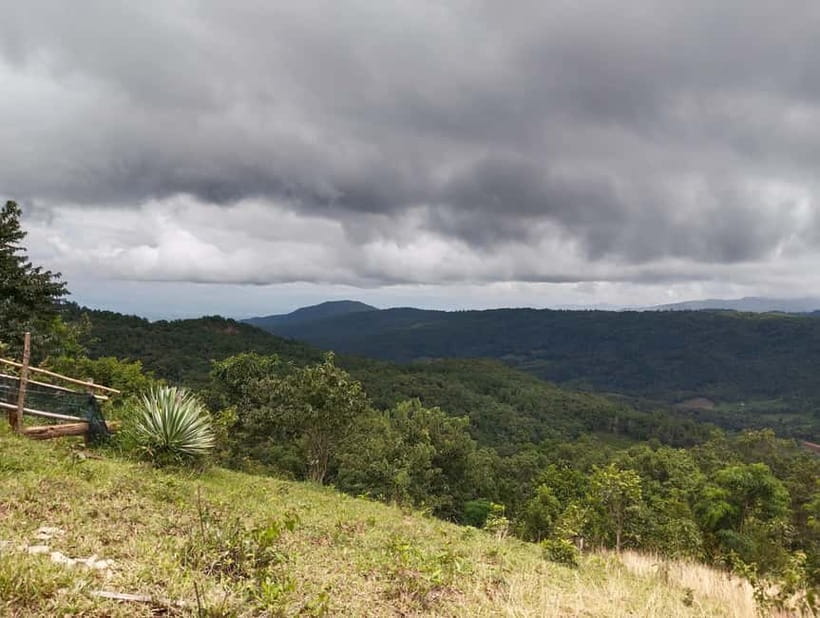
Once you reach the top, you’ll enjoy panoramic valley views plus the sight of villages and surrounding mountains. Views are great in the dry season, but even when weather shifts, the higher vantage point gives perspective you won’t get on Chiang Mai’s streets.
Lunch is also built in here: you’ll enjoy a healthy lunch in the forest at the peak area. Because your lunch ingredients were bought at the market earlier, it feels like one continuous plan instead of a random roadside meal. In practice, this means you get to eat while you’re at the place you worked for.
Keep your expectations realistic: the day includes a hard walk. The lunch stop works because it’s timed to restore energy and keep the group together.



After lunch: hill tribe farms and the crops you’ll recognize
After eating, you continue trekking through hill tribe farms along mountain paths. This section is quieter than the climb, and it’s where you’ll start connecting names from the morning plant talk to real crops growing in the open.
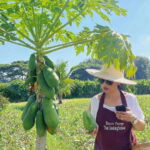
You might see local crops such as coffee, passion fruit, cape gooseberry, tomatoes, zucchini, taro, and more. One account specifically mentioned fresh coffee tied to handpicked beans in the area, which is the kind of detail that makes you see the farm landscape as a system, not just a backdrop.
The farming walk also reinforces the tour’s sustainability theme. You’re not rushing past land use. You’re walking through it, learning how people grow food close to the forest rather than clearing and expanding for tourists.
Take your time here. It’s tempting to rush downhill to catch the next stop, but this is where you’ll understand how the mountain and community depend on each other.
Waterfall cooldown and getting back to Chiang Mai
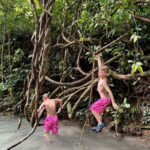
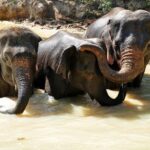
After the trek, you’ll cool off at a hidden waterfall refresh stop. This is the built-in reward: a chance to swim, relax, and take photos. The waterfall is described as secluded, which matters because it feels like a private reset rather than a crowd scene.
Once the waterfall break ends, you start the drive back to Chiang Mai. You’re typically back around 5:00–6:00 PM, depending on conditions and group pace.
If you’re thinking about the logistics of the whole day: bring swimwear and a towel. Your energy at this point will depend on how much you put into the trek earlier, but even a quick splash feels worth it.
Price and value: what $57 buys you in a one-day hike
At $57 per person for a 1-day experience, you’re paying for more than just a hike. You’re getting:
- Hotel pickup and drop-off within the city area
- Transportation to the countryside
- Accident insurance
- English-speaking guide plus a local assistant
- Lunch and drinking water
On paper, that looks like a fair deal for a full mountain day. In real life, it means you don’t have to plan a route, arrange transport, or figure out what to eat when you’re far from town.
Also, the small group size (limited to 8 participants) affects value. In a big group, you wait, you miss teachable moments, and the guide’s attention gets diluted. Here, you’re more likely to get direct answers and plant explanations.
What’s not included is the usual extras: souvenirs, soft drinks, and snacks you want on your own. Plan for a little cash for personal purchases. This is common-sense travel, but it prevents last-minute stress.
What to pack so the trek feels fun, not miserable
Because you’re trekking 10–12km over mountain terrain, packing isn’t optional. The activity list is pretty practical.
Bring:
- Comfortable shoes (and ideally hiking shoes with grip)
- A sun hat
- Sunscreen
- Insect repellent
- Comfortable clothes
- A daypack
- Camera
- Swimwear + towel
- Cash (for extras)
- Personal medication
- Passport (listed as a bring item)
Weather matters here. The seasons listed help you guess what the day may feel like:
- Mid-Feb to mid-May: summer season (generally the dry stretch people prefer for hiking)
- Mid-May to mid-Oct: rainy season (you should expect wet trails and slippery footing)
- Mid-Oct to mid-Feb: winter season
If rain is in the forecast, prioritize traction and keep your layers breathable. A daypack helps because you’re carrying your own essentials during the trek.
Who should skip this trek (and who will love it)
This hike is not suitable for:
- Pregnant women
- People with mobility impairments
- People with heart problems
- Wheelchair users
- Babies under 1 year
- People over 95 years
- People over 70 years
It’s also described as a moderate trek with steep and slippery segments in accounts you can expect on the ground. So think of this as an active nature day with culture stops—not a gentle walk.
Who it suits best:
- People who enjoy walking for hours and don’t mind steep sections
- Nature lovers who want plant education, not just photos
- Travelers who like small groups and a day that stays off big tourist routes
- Anyone comfortable swimming if they want the waterfall refresh
If you’re unsure, honesty wins: if you’re not comfortable with 4–5 hours of uneven mountain hiking, pick an easier outing in Chiang Mai.
Should you book Chiang Mai Authentic Trekking?
Book it if you want a one-day trek that mixes Karen community culture, forest plant learning, and a real mountain climb ending in views and a waterfall swim. The value is strong because pickup, transport, guide support, lunch, and insurance are included, and the group size stays small.
Skip it if you need flat terrain, a light walk, or you have health or mobility concerns that make steep ground unsafe. Also skip it if you hate being outside for hours in changing weather—this is a mountain day, not a café tour.
If you go in prepared—good shoes, insect repellent, swimwear—you’ll likely come away with more than photos. You’ll understand how farms, forest, and village life connect up the slope.
FAQ
Is this trek suitable for beginners?
It’s rated medium with about 4–5 hours of trekking and 10–12km of mountain terrain. If you’re comfortable walking several hours on uneven ground, you’ll likely be okay, but steep and slippery sections are part of the day.
How long is the total experience?
The activity runs for 1 day, with a trek portion of about 4–5 hours. You’ll usually be back in Chiang Mai around 5:00–6:00 PM.
What’s included in the price?
The price includes hotel pickup and drop-off, transportation, accident insurance, an English-speaking guide and local assistant, plus lunch and drinking water.
What should I bring for the day?
You should bring comfortable shoes, a sun hat, sunscreen, insect repellent, swimwear and a towel (for the waterfall), a daypack, cash for personal items, and any personal medication you need.
Do I need swimwear?
Yes, because there’s a hidden waterfall refresh stop where you can cool off and swim if you want.
What time does pickup happen?
Pickup is generally between 7:45 and 8:00 AM, and you’re asked to wait in the hotel lobby about 10 minutes before the scheduled pickup time.
Who is this trek not suitable for?
It’s not suitable for pregnant women, people with mobility impairments, heart problems, wheelchair users, babies under 1 year, people over 95, or over 70.