REVIEW · CHIANG MAI
No.1 Chiang Mai: Advanced Downhill Mountain Biking, Suthep N.Park
Book on Viator →Operated by Chiang Mai Mountain Biking & Kayaks · Bookable on Viator
Downhill MTB near Doi Suthep is serious fun. This half-day ride trades city streets for secluded forest trails and a real descent from the Doi Pui summit area, with a guide keeping you on track. I really like that everything practical is handled for you—bike, safety gear, transport, and lunch—so you can focus on the riding.
The main thing to consider is the pace: it’s an advanced, experienced-rider downhill. If rain rolls in, it can feel tougher on the body and the tires, so go in fit, warmed up, and ready to follow the guide’s line choices.
In This Review
- Key Points You Should Know Before You Go
- Why Doi Suthep Downhill Feels Like a Real Mountain Day
- Getting to the Top: From Chiang Mai to the Doi Pui Summit Area
- Trail Time: The Descent From Doi Pui Downward
- A word on the alternative route
- What You’ll See: Viewpoints, Hill Tribe Farms, and Village Life
- Rain and Tough Trail Days: Why Strong Guidance Really Matters
- The Coffee Stops: Quick Breaks That Keep Your Legs Working
- Lake Huay Tueng Thao: Lunch and a Swim Worth the Effort
- Support, Safety, and Gear: What’s Included (and What It Changes for You)
- Price and Value: What You Pay for $74.95
- Who This Tour Suits Best in Chiang Mai
- Practical Tips to Make Your Day Smoother
- Should You Book This Advanced Downhill MTB Near Doi Suthep?
- FAQ
- How long is the Chiang Mai downhill mountain bike tour?
- What time does the tour start?
- Is pickup from my hotel included?
- What rider level is this tour for?
- What’s included in the price?
- What fees are not included?
- Do I need to bring a passport number?
Key Points You Should Know Before You Go
- Advanced downhill skills matter: you’ll roll onto rutted dirt tracks that test control
- Small group size (max 15) keeps the ride safer and more personal
- 4WD transport to the summit area saves energy for the descent
- Helmets + knee/elbow pads plus certified first aid support
- Lake Huay Tueng Thao break includes lunch and time to swim
Why Doi Suthep Downhill Feels Like a Real Mountain Day
This isn’t a casual “sit and spin” experience. You ride in and around Doi Suthep–Pui National Park with a proper downhill focus, aiming for the kind of trail that feels remote even though you’re based in Chiang Mai.
What makes it especially appealing is how the day is paced. You get transferred up, you ride down with stops along the way, and you finish with a reward that’s actually useful: food, a cool-down swim, and time to breathe. It’s a nice rhythm for people who want mountain biking to feel like mountain biking.
The other big win: you don’t have to plan gear or logistics. The tour provides a well-maintained mountain bike in multiple sizes, plus safety gear like helmet, gloves, knee and elbow pads. There’s even a pro-shop where you can get oriented (and you can usually test ride there too).
You can also read our reviews of more cycling tours in Chiang Mai
Getting to the Top: From Chiang Mai to the Doi Pui Summit Area
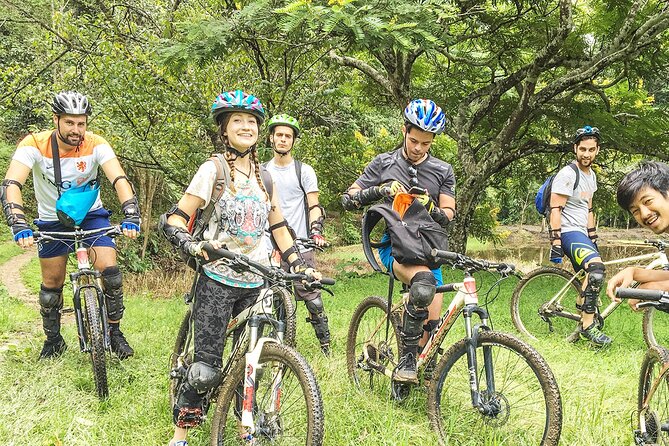
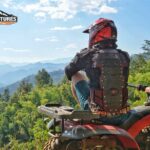
Pickup typically starts around 9:30 am, and you’ll ride to the start point by air-conditioned vehicle. In most cases it’s an air-conditioned van, and for smaller groups you may go by 4×4 SUV, which helps when you need traction and ground clearance on mountain roads.
Once you’re at the pro-shop area, you get Google Earth orientation. This is small, but it helps a lot if you like knowing where you are before the bike starts moving. You also may be able to do a quick check-out ride at the shop so the bike feels familiar before you commit to the downhill.
Then your guide gets you to the start point on the mountain. The summit area is around 1,550 meters, so expect a different feel in temperature and air once you’re higher up. It’s also the reason the descent feels so long and satisfying—you’re starting from truly up there.
Trail Time: The Descent From Doi Pui Downward
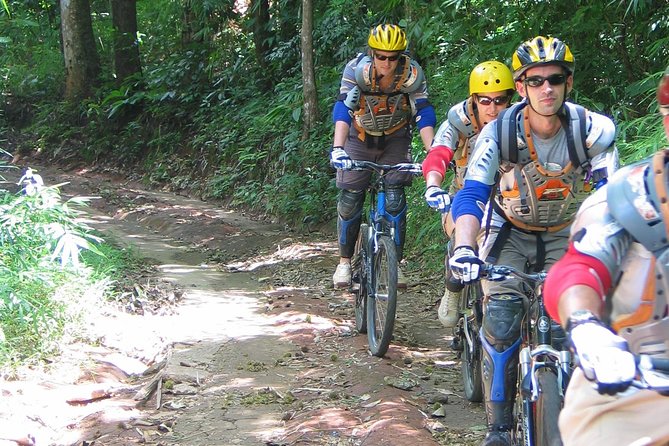
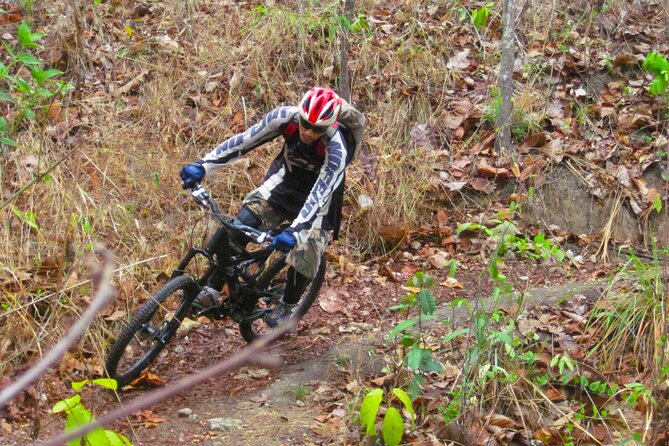
The riding portion is the heart of the day, and it’s built around one main downhill section. Expect double and single-track dirt trails that can be rutted and rough, the kind of surfaces that force you to make decisions with your weight, arms, and line choice.
This part is described as suitable for intermediate to advanced riders, but the key word is control. The ride is designed for people comfortable reading uneven trail and staying calm when traction drops. If you tend to brake hard and freeze on corners, this kind of trail will ask more of you than a flatter route.
You’ll also be stopping along the way, which matters more than it sounds. Guides don’t just wait; they use the stops to reset the group and keep you aligned on the route and safety expectations. That’s one reason this tour feels more confident than self-guided downhill riding.
A word on the alternative route
If you’re not ready for the most advanced pace, there’s a gentler option called The Eagles Route. It’s described as slower and easier, so it’s a smart pick if your skills are intermediate but your nerves run high.
What You’ll See: Viewpoints, Hill Tribe Farms, and Village Life
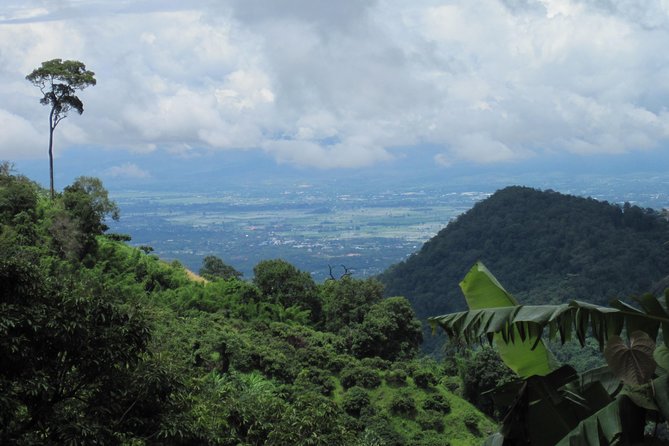
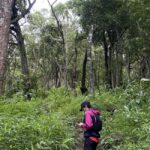
Half the fun of this ride is that the trail isn’t only about dirt and speed. As you descend, you pass through forest trails with viewpoints and you get closer to mountain culture.
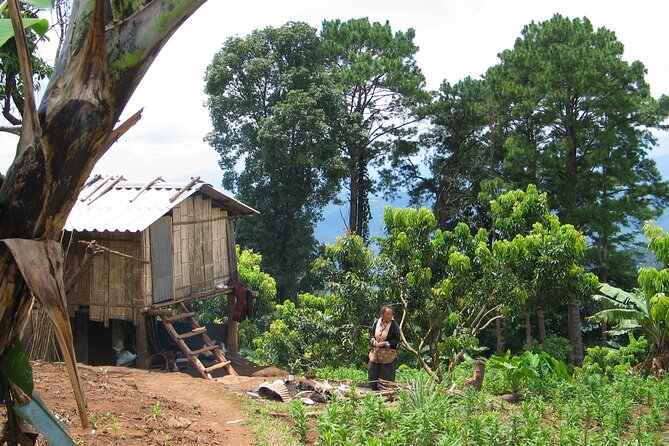
On the way down, you’ll notice how people live near the trail and the valley—hill tribe farmers and villages show up as you ride. This is the part I’d call the “human landscape,” where the scenery includes how the land is used, not just what it looks like from the trail.
The forest sections also do something practical: they break up your focus. Instead of staring at the ground the whole time, you get moments to look up, check lines, and steady your breathing. That can help when you’re tired, because riding technical dirt is as much about rhythm as it is about strength.





Rain and Tough Trail Days: Why Strong Guidance Really Matters
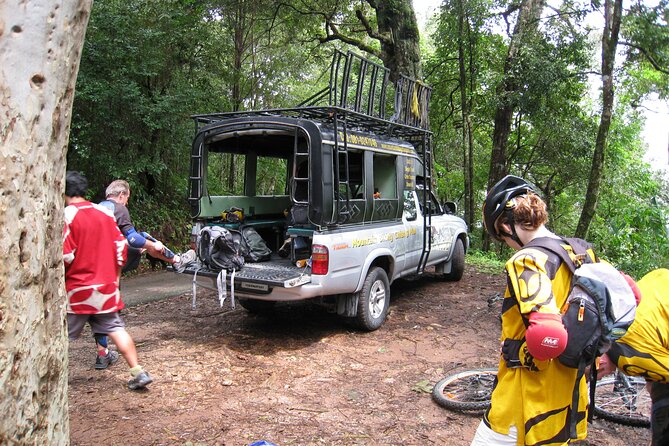
One of the most useful things I can tell you is that conditions can change fast. Even if the morning starts clear, a downhill dirt track can feel very different after rain: ruts get deeper, surfaces get slick, and stopping distances lengthen.
That’s where the tour’s structure shows its value. You aren’t out there alone. You’re riding with guides and with a support truck standing by, which means assistance and secure storage for valuables if needed. The tour also has first aid and CPR-certified instructors, and that kind of readiness matters more when trails get messy.
If you want to enjoy the ride rather than battle it, lean into the guide’s line suggestions. On technical descents, the easiest way to go faster (and safer) is to trust the line that keeps your tires planted.
Practical tip: bring clothes you don’t mind getting dirty, and pack a dry layer for after. You’ll likely finish warm from riding, then cool down quickly once you reach the lakeside stop.
The Coffee Stops: Quick Breaks That Keep Your Legs Working
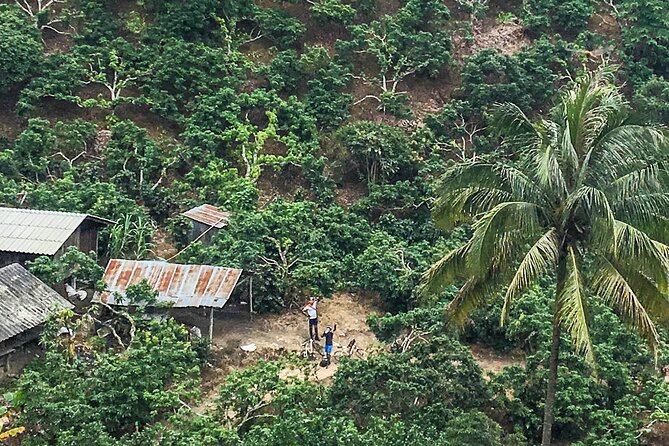
This ride includes breaks, including a coffee stop along the way. It’s not just for sipping—it helps you reset posture and re-focus your hands and feet after rougher trail sections.
I like that this tour doesn’t pretend you can ride hard for hours without needing small recovery moments. Those stops help you avoid the classic downhill problem: fatigue turning into rushed steering and late braking.
So yes, take the breaks. If your legs feel heavy, it’s not a failure—it’s part of the physics of downhill riding. The breaks are built into the flow for a reason.
Lake Huay Tueng Thao: Lunch and a Swim Worth the Effort
After the descent, you arrive at Lake Huay Tueng Thao, and this is where the day becomes fun in a different way. You’ll have lunch at a lakeside restaurant, and the plan includes time to swim to cap things off.
That swim is more than a nice extra. When you’ve spent hours riding with bent knees and tense arms, getting in cool water can help you feel human again. Even if you don’t swim much, a lakeside sit-down usually feels like a reward you earned.
Lunch is a solid part of the value equation here. The tour offers vegetarian and vegan options, which makes it easier for groups with mixed diets. Food after a downhill session hits differently, and it’s better when it’s not an afterthought.
Expect about one hour here, which is enough time to eat, cool off, and regroup before heading back.
Support, Safety, and Gear: What’s Included (and What It Changes for You)
This is one of those tours where the included details aren’t “nice to have.” They directly affect how safe and comfortable your ride feels.
You’ll get:
- A high-quality mountain bike that’s kept in good condition, and you can often get a quick fit feel beforehand
- Safety gear: helmet, gloves, and knee & elbow pads
- Hydration support: water for hydration packs and bottled water during the event
- A support truck to assist and store valuables securely
- A professional escort with certified first aid/CPR readiness
The biggest personal benefit for you: less decision-making. You don’t have to guess whether you brought the right pads, or whether your helmet fits on a humid day, or whether you packed enough water. That reduces stress, and downhill riding is already stressful enough if you’re focused on control.
Also, the equipment is sized for riders, which matters. Wrong size handlebars or seat height can ruin your riding mechanics fast. Getting a proper fit at the start helps the downhill feel natural instead of awkward.
Price and Value: What You Pay for $74.95
The price is $74.95 per person, and half-day tours can vary a lot in what’s included. Here, the value comes from the mix of services that would cost you separately in Chiang Mai.
Included value points:
- Round-trip transfer from Chiang Mai
- Bike and safety gear
- Guide support
- Lunch with vegetarian/vegan options
- Hydration
- First aid/CPR-certified support
- Support truck
There are also fees not included: THB 250 per person for insurance and national park/lake fees. On many tours, these “small extras” are where the final bill climbs. Here, they’re clearly spelled out, so you can plan.
One more practical note: you’ll need to provide a passport number at check-in for insurance/ID. That’s not expensive, but it’s important if you don’t want last-minute stress.
If you compare this to renting a bike for the day and trying to organize a safe descent with guidance, the cost starts to make sense. You’re paying for transport up, for the route management, and for the safety and recovery structure.
Who This Tour Suits Best in Chiang Mai
This is best for riders who already feel comfortable on technical dirt. If you ride regularly and you’re confident handling ruts, uneven surfaces, and off-road descents, you’ll likely love it.
It’s also a good choice if you want an advanced-feeling day without having to plan everything yourself. The day is structured, guided, and supported—so even when the trail turns difficult, you’re not stuck making decisions solo.
If you’re intermediate and strong physically, it may still work for you, especially with the guide’s pacing. But if your “intermediate” really means “I’m new to downhill,” consider the slower/easier alternative option instead of forcing it.
And if you’re traveling with low fitness, remember this is still a downhill ride with technical segments. You’ll be using your legs and core constantly, and you’ll finish tired even if you’re not hiking.
Practical Tips to Make Your Day Smoother
Here are the details I’d treat as the difference between a good day and a stressful one:
- Wear clothes you can get dirty. The route is off-road, and you’ll ride in forest trail conditions.
- If you have options, use lite hiking shoes or padded shorts/jerseys from the pro-shop if needed. (The tour notes these are available.)
- Bring a change of clothes for after, especially if rain comes through.
- Have your passport number ready for check-in insurance ID.
- Share your exact pickup address. If you can’t select your accommodation in the pickup tab, you’ll need to enter the address and special instructions so the team can confirm your time by email.
Also, consider how you’ll handle lunch and swim afterward. Plan to cool down and refuel. Don’t rush off right after you eat—give your body a chance to settle.
Should You Book This Advanced Downhill MTB Near Doi Suthep?
I’d book it if you want a real downhill mountain biking day, you can handle technical ruts, and you like the idea of finishing at a lake with a proper meal and time in the water. The combination of summit-to-valley descent, guided stops (including coffee), and strong safety support is hard to replicate on your own.
I wouldn’t book it if you want an easy sightseeing ride. This is an off-road workout with an emphasis on advanced downhill skills, and conditions like rain can make it more intense than you expect. In that case, pick the easier route option or look for a less technical tour.
FAQ
How long is the Chiang Mai downhill mountain bike tour?
The tour runs for about 6 hours total. The downhill ride is about 4 hours, and the Lake Huay Tueng Thao stop is about 1 hour.
What time does the tour start?
The start time is 9:30 am.
Is pickup from my hotel included?
Yes, pickup is offered from Chiang Mai. If you can’t list your accommodation in the pickup tab, you should enter your exact address and details in the special instructions, and the team will confirm the pickup time by email.
What rider level is this tour for?
It’s described as an advanced downhill ride for experienced riders, suitable for intermediate to advanced bikers. There is also a slower, easier alternative called The Eagles Route.
What’s included in the price?
Your tour includes round-trip transfer, a mountain bike, safety gear (helmet, gloves, knee and elbow pads), a professional guide/escort, first aid/CPR support, hydration (water), lunch with vegetarian and vegan options, and support truck assistance.
What fees are not included?
You’ll pay THB 250 per person for insurance and national park/lake fees.
Do I need to bring a passport number?
Yes. You need to provide your passport number at check-in for insurance/ID.