REVIEW · CHIANG MAI
Half-day with CHIANGMAI ELEPHANT CARE program (12pm-6pm.)
Book on GetYourGuide →Operated by CHIANGMAI ELEPHANT CARE_ · Bookable on GetYourGuide
Elephants, but with calm rules. This half-day at CHIANGMAI ELEPHANT CARE focuses on close, hands-on moments like feeding, touching, and quiet interaction, paired with real education about their health and behavior. I especially like the way you get to make herbal medicine balls and see how they fit into daily digestion care, not just take photos.
Two more things I like: the day is paced enough to actually watch how elephants move and respond, and the briefing is very clear about what you should and shouldn’t do around them. One drawback to plan for: the program is designed around the elephants’ comfort, so activities like river bathing may depend on conditions and how the elephants feel in the moment.
If you’re choosing an elephant experience in Chiang Mai, you’ll want something that feels respectful and not scripted. This one is built around that idea, and the strongest sign is how the day keeps its focus on the elephants first, even during the fun parts like brushing and walking for photos.
In This Review
- Key highlights worth your attention
- How the 12pm to 6pm schedule actually works
- Getting to CHIANGMAI ELEPHANT CARE and changing into the uniform
- Elephant interaction time: feeding, touching, walking, and learning
- Making herbal medicine balls for digestive support
- River bathing and brushing: how to think about the wet part
- What you actually get for $54 (and why it can be good value)
- Ethics and expectations: what “elephant-first” looks like on the ground
- The guides: Tong Cruise and Ford set the tone
- Who should book this afternoon elephant care day
- Should you book Chiangmai Elephant Care?
- FAQ
- What time is pickup for this half-day tour?
- How long is the experience, and when will I be back?
- Where is the camp area?
- Is lunch included?
- Do I get to feed the elephants and touch them?
- Do I have to bathe the elephants in the river?
- What’s included in the price?
- Do I get a uniform and time to shower afterward?
Key highlights worth your attention
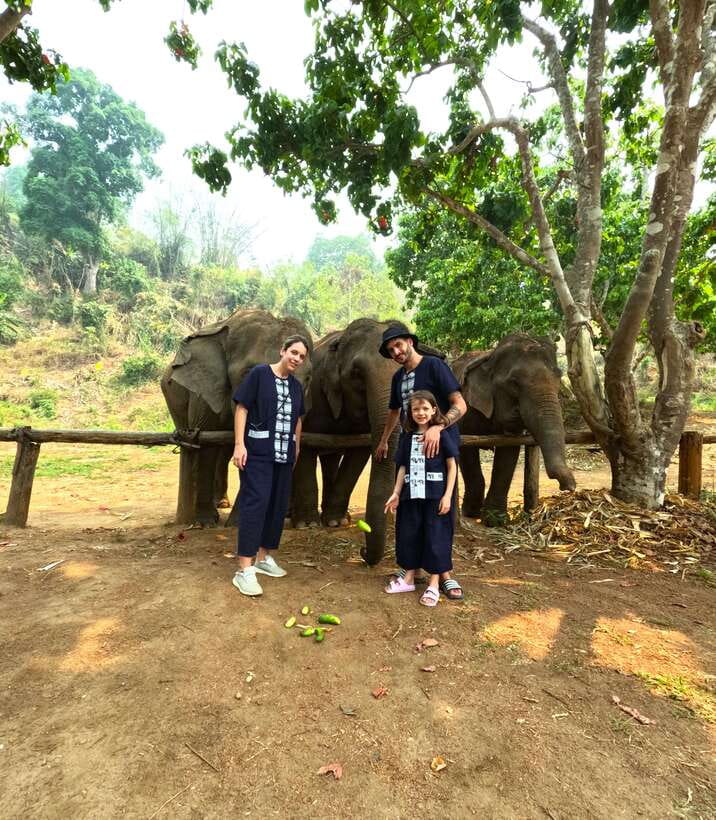
- Ethical, elephant-first interactions: Feeding and touching happen without forcing behavior or tricks.
- Herbal medicine ball making: You’ll help prepare a digestion-support treat as part of the care routine.
- River bathing and brushing: You may clean and brush elephants in the river, depending on the day.
- A proper briefing: You get clear rules on what to do and what not to do before you enter the interaction time.
- An English guide who teaches: Named guides like Tong Cruise and Ford are praised for mixing facts with an easygoing vibe.
- Small-group feel: Some departures run with fewer people, so questions are easier to ask.
How the 12pm to 6pm schedule actually works
This tour is a true half-day in the afternoon: pickup happens around 12:00–12:30, and you’re usually back at your hotel by 6pm. That timing can be a win if mornings are for temples or markets and you want something different without burning the whole day.
The day moves in a simple loop: van ride to the Maeteang area, camp time with elephants, then a shower/change and the return drive. You’re not stuck waiting around for long stretches, but you should expect the itinerary to feel a bit “hands-on” rather than museum-style.
The drive is about 1.5 hours each way, and pickup can involve 2–3 hotels if the group is joining. So if your hotel is on the edge of the pickup zone, be ready for a slightly longer door-to-door experience than you’d get with a private tour.
You can also read our reviews of more tours and experiences in Chiang Mai

Getting to CHIANGMAI ELEPHANT CARE and changing into the uniform
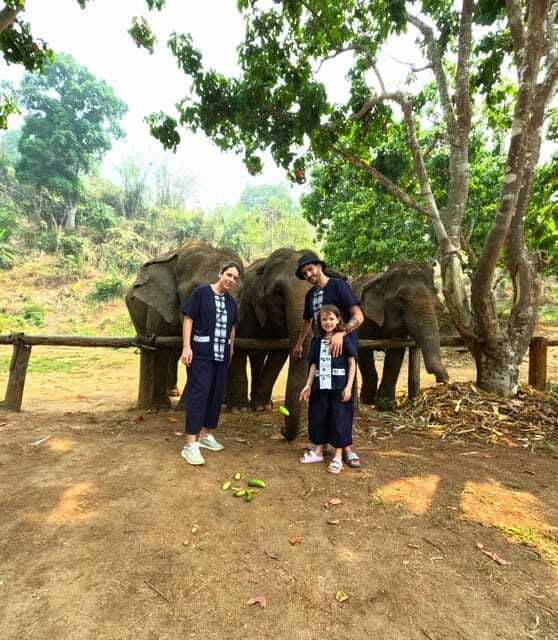
After pickup, you’ll head to the Maeteang area and arrive at the camp. Then it’s straight into logistics that actually matter: you change into provided uniforms before you start elephant time.
That uniform step is more than a cute detail. It helps you stay comfortable while you’re walking, feeding, and possibly getting wet during river bathing. It also signals a structured, staff-led flow, which is exactly what you want in an animal-care program.
For your navigation needs, the pickup/meeting reference shown is 7MCWQXJC+63W (use it on Google Maps if you’re cross-checking the area). Your hotel lobby pickup is included, but having the map pin handy reduces stress.
Elephant interaction time: feeding, touching, walking, and learning
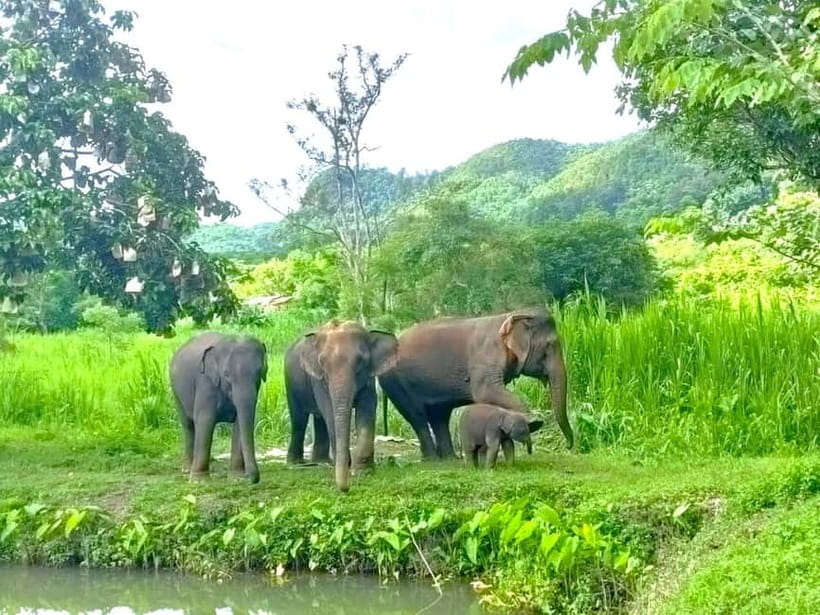
Your main elephant time is around 2 hours, guided by camp staff and an English-speaking guide. The philosophy is that you’re not there to “manage” elephants. Instead, you follow their lead and learn how to interact in ways that support their routine and comfort.
During this block, expect these elements:
- Feeding close up (with plenty of time to observe)
- Touching and patting where appropriate
- Walking with the elephants around the grounds
- Photo opportunities, but not the kind where elephants are forced into poses
- A lot of explanation about behavior and what elephants need
A major theme in the program is understanding their mood and signals. The briefing beforehand covers what you should not do—things like crowding, sudden movements, or treating the animals like props—so you’re not guessing once you’re near them.
I also like that the day is framed as education, not just interaction for your own entertainment. Even if you’ve been to animal attractions before, you’ll likely leave thinking differently about elephant health and daily care.
Making herbal medicine balls for digestive support
One of the most memorable parts is hands-on: you’ll make herbal medicine balls intended to help the elephants stay healthy—specifically tied to digestion support.
This is a rare moment in elephant days where you do more than watch. You participate, and that changes the whole experience. You’re not just saying you care about animal welfare; you’re seeing how care is prepared as part of routine.
Then, you feed the herbal medicine as part of the activity flow. You’ll still be guided on how to do it properly, and the program emphasizes that everything is based on the elephants’ happy—meaning the staff won’t treat this like a performance.
The practical value here is big: it makes the day feel grounded in real care. If you’re worried about being sold a photo shoot, this is the section that helps the experience feel credible.
River bathing and brushing: how to think about the wet part
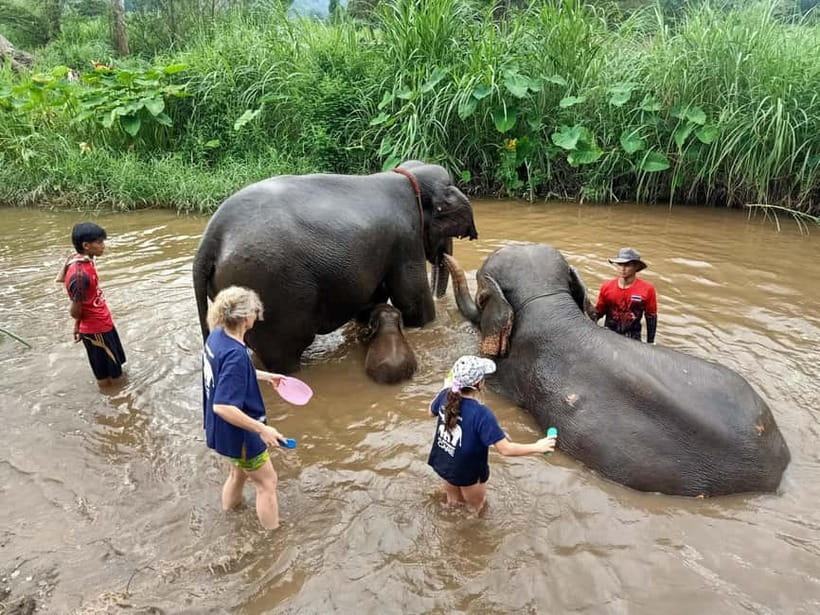
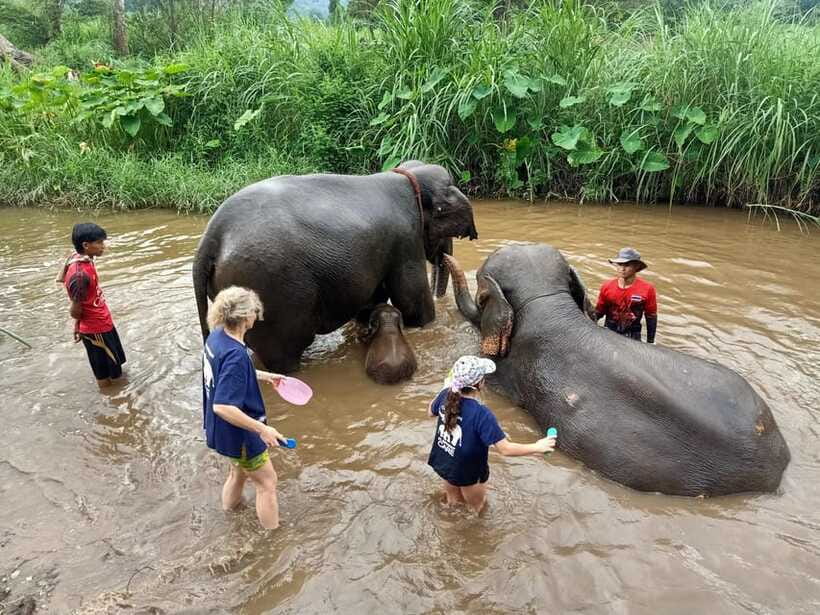
Yes, you might get wet. The itinerary includes bathing elephants in the river and brushing them afterward. But the program also emphasizes elephant comfort, and rain can change what happens.
In real-world conditions, if it’s raining or the elephants don’t want to bathe that day, the staff may adjust the activity. That flexibility is a good sign: the day isn’t rigidly forcing an interaction just to hit a checklist.
When bathing does happen, keep your expectations practical:
- You’ll be close enough to see the cleaning and brushing process
- The staff are leading the approach, not you
- You should be ready for the river portion to be part of the experience, not a quick look-and-go
Also, there’s built-in recovery. After the elephant time, you’ll have time for a shower and changing clothes, with refreshments provided as you head back toward town. One of the facilities highlights mentioned is that showers and changing rooms are available, which makes the wet part far less stressful.





What you actually get for $54 (and why it can be good value)
At $54 per person, this half-day isn’t the cheapest thing in Chiang Mai—but it also isn’t just a short “feed and run” stop.
Here’s what’s included:
- Ticket entry to CHIANGMAI ELEPHANT CARE
- English-speaking guide
- Foods for elephants
- Uniform for the activities
- Home-cooked lunch + fruits + drinking water
- Day tour insurance
Not included is limited to personal items.
What makes that price feel reasonable is the package: transportation, a guide, lunch, elephant food prep and feeding materials, plus time with the elephants and elephant-care education. You’re also not paying extra for the guided elements that usually cost money elsewhere (like the briefing and interpretation).
If you want the simplest value test, ask yourself: are you getting real care education and guided, rules-based interaction—or just paying for access to touch animals? This program leans hard into the care education side, and that’s where the price starts to make sense.
Ethics and expectations: what “elephant-first” looks like on the ground
Elephant sanctuary standards can be confusing. Some places advertise sanctuary but still push forced interaction or staged photo routines.
This program consistently centers elephant well-being:
- Activities are based on the elephants’ happy
- Staff explain what you should and shouldn’t do
- The elephants aren’t treated like show animals or controlled in a way that overrides their comfort
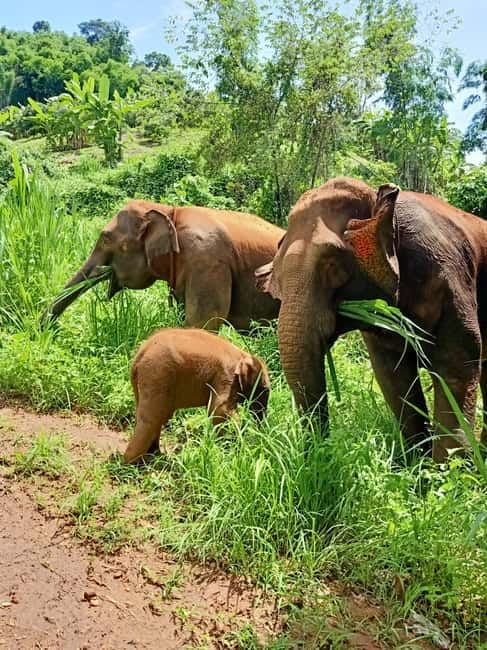
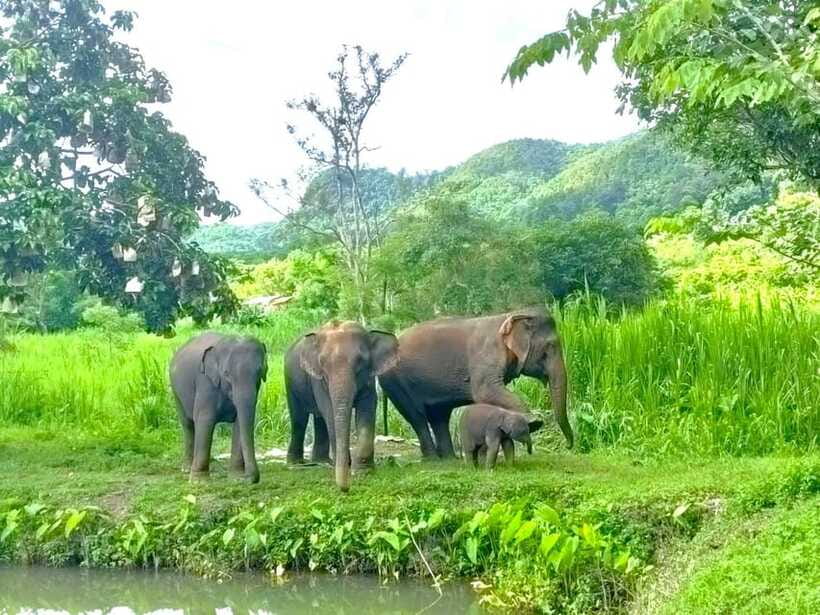
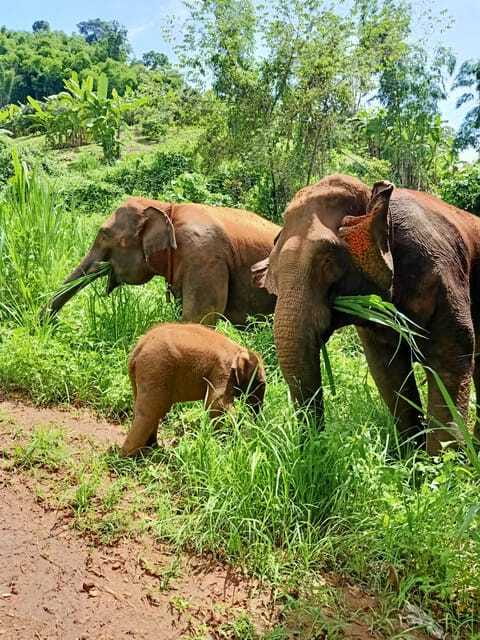
You may hear about the elephants’ backgrounds as part of the education. On some visits, you may meet two adult females and a baby male, and the guide may explain that the elephants were rescued from shows or jungle work (details like this can vary by visit, but the focus on rescue and care is part of the day’s narrative).
For me, the best “ethical check” during your visit is behavior. If elephants can move, choose their distance, and the staff lets the day follow them rather than dragging them into your experience, that’s usually a strong sign the care model is working. This program is designed to work that way.
The guides: Tong Cruise and Ford set the tone
A surprisingly important part of these half-day programs is the guide. The better ones don’t just translate—they connect facts to what you’re seeing.
Two English guides mentioned include Tong Cruise and Ford. Tong Cruise is described as funny and entertaining while also making the day feel educational about elephants and culture. Ford is praised for being enthusiastic and knowledgeable, which helps when you’re watching elephant behavior close up and want to understand what you’re seeing.
Even if your guide isn’t one of these names, the standard is clear: you should leave with a better understanding of elephants, not just the feeling that you got close.
Who should book this afternoon elephant care day
This is a great fit if you want:
- Close interaction that’s guided and rules-based
- A shorter day that doesn’t swallow your whole schedule
- A sanctuary-style experience with education built in
- A program that feels calm and paced, not rushed
It’s also a smart choice for first-timers. If you’ve never been near elephants before, the briefing and guided care routine help you feel safe and understand how to behave.
If you’re someone who only wants guaranteed river bathing no matter what, then you should consider that elephant comfort can change the plan. But if you care more about how elephants feel than checking every activity box, that flexibility is a plus.
Should you book Chiangmai Elephant Care?
If you’re weighing elephant experiences in Chiang Mai, I’d say this one is worth serious consideration—especially for the blend of hands-on care, herbal medicine ball making, and a guided approach that prioritizes elephant comfort. The price is mid-range, but it includes transport, a real lunch, elephant food prep, uniforms, and an English guide.
Book it if you like learning while you do, and if you’re comfortable with the idea that the day follows the elephants, not the other way around. Skip it only if your personal priority is a very rigid schedule with guaranteed bathing no matter the weather or elephant mood.
FAQ
What time is pickup for this half-day tour?
Pickup starts around 12:00–12:30, and the driver may pick up people from 2–3 hotels on the way to the camp.
How long is the experience, and when will I be back?
The total duration is about 6 hours. You’ll generally return around 6:00pm or before.
Where is the camp area?
The tour heads to the Maeteang area in Chiang Mai Province. A map reference provided is 7MCWQXJC+63W.
Is lunch included?
Yes. You get home-cooked lunch, plus fruits and drinking water.
Do I get to feed the elephants and touch them?
Yes. The interaction time includes feeding them close up and touching/patting as part of the guided activity.
Do I have to bathe the elephants in the river?
The itinerary includes bathing and brushing in the river, but the program states activities are based on the elephants’ comfort, so the day may adjust depending on conditions.
What’s included in the price?
Included: ticket to the program, an English-speaking guide, foods for elephants, uniforms, day tour insurance, and lunch with fruits and water.
Do I get a uniform and time to shower afterward?
Yes. You’ll receive a uniform for the activities. After elephant time, you’ll have about 30 minutes to shower, change clothes, and freshen up.