REVIEW · CHIANG MAI
Half day Long Neck hill tribe and Hmong hill tribe village
Book on Viator →Operated by AP Good@travel · Bookable on Viator
Hill tribes in one calm half day.
This outing is built around two village visits—Ban Hmong Mae Sa Mai and a Karen Long Neck village—with time to look around at your own pace. I especially like the simple structure: you get a licensed English guide, included entrance tickets, and short, focused stops instead of rushing through a long checklist. The best part is that you’re not just driving past the north-country culture; you’re actually there, learning the background as you go.
I also like that the visit feels organized and low-stress. You’ll have hotel pickup within the city area, an air-conditioned vehicle, bottled water, and travel accident insurance—small comforts that matter when you’re out for 4 to 5 hours. One thing to consider: both village areas are set up for visitors in different ways, so if you want zero shopping and zero show, you may find parts of the Karen Long Neck stop more market-like than you expected.
In This Review
- Key highlights worth your attention
- A half-day taste of Hmong and Karen Long Neck life
- How the 4 to 5 hour schedule actually plays out
- Stop One: Ban Hmong Mae Sa Mai and everyday Hmong culture
- Stop Two: Karen Long Neck village and the shift toward modern life
- Guide + driver quality: the difference between okay and great
- What’s included—and why it matters for value
- Price and logistics: the smart way to plan
- How to be a respectful visitor (and get more out of it)
- Who this tour suits best
- Should you book this Chiang Mai half-day hill tribe tour?
- FAQ
- How long is the half-day Long Neck and Hmong hill tribe tour?
- Is pickup and drop-off included?
- What villages are visited?
- Are entrance fees included?
- Is the tour private?
- Do I get an English-speaking guide?
- What’s included for comfort and safety?
- What payment items are not included?
- Can I cancel and get a full refund?
Key highlights worth your attention
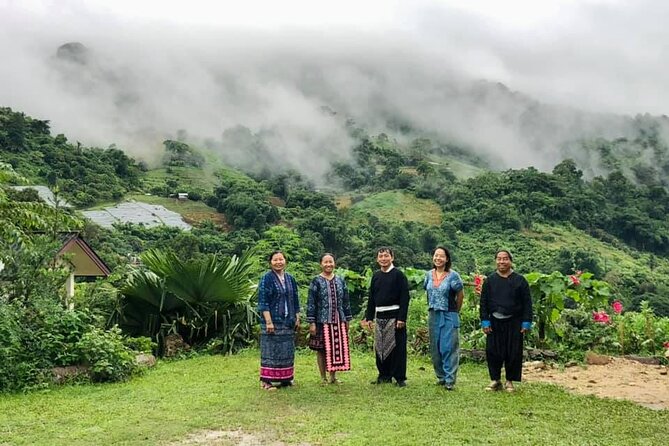
- Two separate hill tribe stops with included entry tickets and time to explore on your own
- English-speaking guide with a TAT license plus a driver handling the route
- Pickup and drop-off inside Chiang Mai city to keep the day easy
- A private tour for your group only, not a crowded join-in experience
- Built-in free time in both villages, not just a guided lecture
- Short duration (about 4 to 5 hours) that fits even busy itineraries
A half-day taste of Hmong and Karen Long Neck life
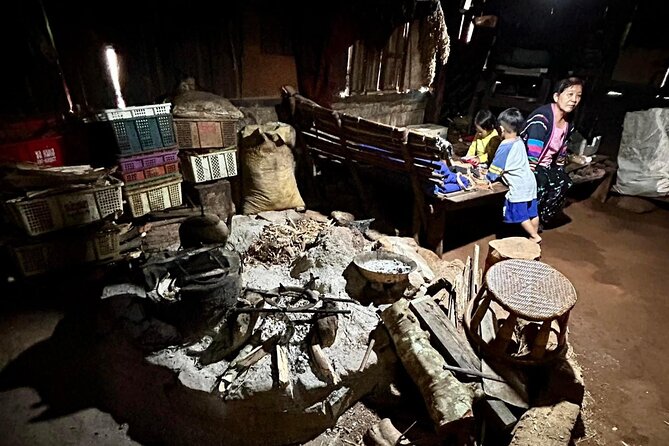
This tour is one of those Chiang Mai experiences that works well when you want culture without giving up your whole day. The time block is tight—around 4 to 5 hours—so you’ll spend more of it inside the villages rather than stuck in long driving loops.
What makes it interesting is the contrast between the two communities. The Hmong village stop links to origins in southern China, and to how the first Hmong communities took root in northern Thailand at the end of the 19th century. The Karen Long Neck portion looks at how modern life changed hill tribe routines—how it can shift a culture from mountain isolation into faster, more city-like pressure.
Just keep your expectations real. This isn’t a multi-day stay, so you’re not going to learn everything about identity, traditions, or current challenges in one afternoon. But you can leave with a better sense of how these communities have adapted over time—and how young people are shaped by what’s around them.
You can also read our reviews of more tours and experiences in Chiang Mai.



How the 4 to 5 hour schedule actually plays out
The experience is designed as a compact loop with two village visits. In practical terms, here’s what that means for you:
- You’ll start with pickup in the Chiang Mai city area.
- You’ll travel by air-conditioned car or minivan with a licensed driver.
- You’ll have an English-speaking guide with a TAT license to explain what you’re seeing.
- You’ll spend about 1 hour at each main stop, then move on before the day stretches too long.
The value of this timing is that you can do it even if you arrive in Chiang Mai mid-trip or you’re trying not to overbook. You also get some room to wander during free time, which makes the experience feel less like a conveyor belt.
It’s also a tour type that benefits from a good pace. If you’re the type who likes to read every sign and ask questions, your guide can slow things down. If you just want to see and observe, you can keep it simple and take in what you can without overthinking it.
Stop One: Ban Hmong Mae Sa Mai and everyday Hmong culture

Your first village visit is to Ban Hmong Mae Sa Mai. This part matters because the tour doesn’t treat Hmong history as an abstract lesson. Instead, it gives you the basic story up front: Hmong roots are traced to southern China, and the first villages in northern Thailand formed at the end of the 19th century.
That context helps you make sense of what you see. When your guide explains the timeline and migration story, you’re better able to understand why certain practices exist, how community life developed, and how the Hmong in northern Thailand built new patterns in a new landscape.
During this stop, you’ll also have time to look around yourself. That’s one of the most useful parts of the format, because it gives you a choice: you can focus on homes and daily routines, or you can spend your energy asking questions about education and community life. Some people will naturally want the lifestyle details; others just want the big picture. Either way, your guide can help you connect the dots.
One practical consideration: because the visit is about 1 hour, you’ll only scratch the surface. If culture and daily life visuals are your main interest, try to be present and selective. Don’t let your camera take over—use your guide for the stories, then use your eyes for the rest.
Stop Two: Karen Long Neck village and the shift toward modern life

Next comes the Karen Long Neck village. This stop is framed around a change many hill tribe communities experience: how traditional life can shift as people move from mountainous isolation into the pull of city-style life.
The tour description focuses on how modernization can alter day-to-day thinking—how materials and fast change can affect what young people see and value, and how some cultural practices can fade if there’s no bridge to keep them going.
Here’s where you should keep expectations thoughtful. This kind of village visit can be partly cultural, partly visitor-oriented. One of the practical realities from the experience style is that the Karen Long Neck area can feel more like a craft and market stop than a purely residential visit. That doesn’t make it automatically bad—it just means you’ll likely see shopping opportunities and set-up geared toward visitors.
So if your priority is learning and understanding the human story, stay close to your guide. Ask what’s meant to represent culture versus what’s designed for commerce. If your priority is only photographing and shopping, you may end up spending more time on that side of the stop than you intended.
Guide + driver quality: the difference between okay and great
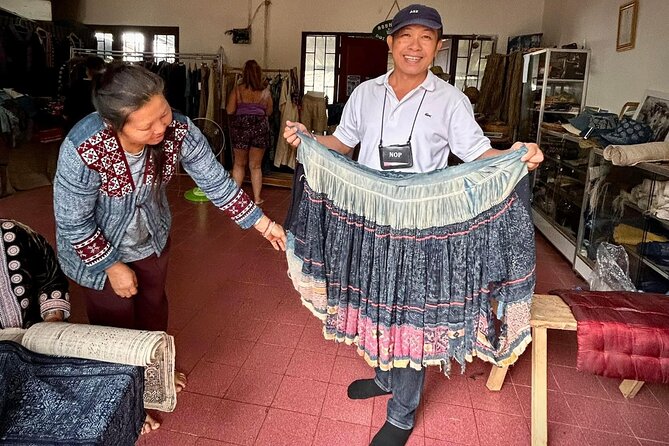
The strongest theme across the experience is that the guide can make or break the afternoon. You’ll have an English-speaking tour guide with a TAT license, and that licensing matters more than it sounds. It suggests you’re working with a professional who’s expected to communicate clearly and guide responsibly.
Also, the tour benefits from having a driver handling the route in a comfortable vehicle. That’s not just convenience. It means you’re less likely to feel rushed by traffic or confused by directions, so you can stay in a calmer headspace while you focus on the village time.
From the guide names seen with this tour type, I’ve heard excellent reports tied to people like Gobi and Bee, and also pairs like Nui and Boo. The common thread isn’t just English ability. It’s humor, clarity, and the ability to explain what you’re seeing without turning it into a lecture.
Quick tip: when you arrive at each village, spend the first few minutes asking your guide one simple question. Something like what this area represents, or how daily life works here. That single question often makes your next 20 minutes feel way more meaningful.



What’s included—and why it matters for value

At $90.99 per person, you’re not buying a bargain souvenir trip. You’re buying a structured half-day with real support built in. The included items are the backbone of the value:
- Private transportation in an air-conditioned vehicle with a licensed driver
- English-speaking tour guide with a TAT license
- Entrance fees included for the two village stops
- Bottled water
- Travel accident insurance
- Hotel pickup and drop-off inside the city area
- Your group only (private tour for your group)
A big deal here is entrance fees. Many short tours look cheap until you realize the ticket costs stack up fast. Having those entrance tickets included makes the price easier to judge.
Another value point is the private format. You avoid awkward waiting, you get a better chance to ask questions, and the guide can match the pace to your group. If you’re traveling as a couple or with friends, this format often feels like the best use of money for a short time in Chiang Mai.
Price and logistics: the smart way to plan

This tour is commonly booked about 27 days in advance, which tells me it’s not one of those constantly-available add-ons. If you’re set on doing it on a specific day, booking earlier gives you more options.
Also, be aware that pickup and drop-off is only included within Chiang Mai city area. If your hotel is outside that zone, you may need a different arrangement. It’s worth double-checking before you rely on pickup.
Duration is about 4 to 5 hours. That can fit before dinner, or after a morning activity, but you’ll want to schedule with a little cushion. You’re not just traveling to a place—you’re spending time inside, and you may slow down if a guide offers extra context.
Finally, this is a tour where bottled water and insurance are included. Those aren’t flashy, but they help you keep the day comfortable and safe, especially in warm weather.
How to be a respectful visitor (and get more out of it)
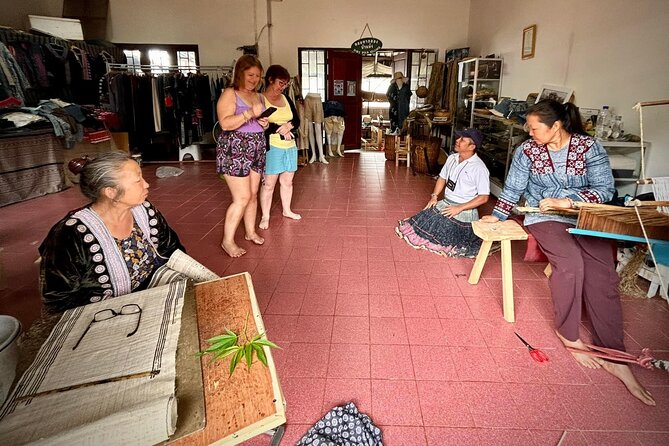
Village visits are where respect counts more than camera gear. Since you’ll have free time to explore, you can make the visit better just by how you move through the space.
Here are a few practical ways to do that:
- Follow your guide’s lead on what areas you can enter and what to avoid
- Ask before photographing people or close-up details
- Use the free time to look and listen, not just shop
- Dress comfortably for heat, but keep clothing respectful
- If you’re shopping for crafts, do it with patience and fairness
Also, use your guide during the transitions. The drive in and out is often when the best background shows up. Once you’re inside the village, you’ll want answers to concrete questions. Your guide can help you translate what you see into meaning.
Who this tour suits best
This is a good fit if you want:
- A short, structured hill tribe experience without a full day commitment
- An English-speaking guide to connect the historical dots
- Time in two different communities, not just one quick photo stop
It may be less satisfying if:
- You’re expecting a deep cultural immersion lasting most of the day
- You strongly dislike any visitor-market setup, especially at the Karen Long Neck stop
- You want long guided explanations at every moment (this tour includes free exploration time)
If you’re traveling with kids, the private format can be helpful because you can set the pace. Just remember the village time is still limited to about an hour per stop, so it’s more “see and understand the basics” than “learn everything.”
Should you book this Chiang Mai half-day hill tribe tour?
Book it if you want a practical, organized way to see both Hmong and Karen Long Neck communities in a half-day window. The biggest reasons to say yes are the included entrance tickets, the licensed English guide, and the private format with comfortable transport.
Skip it or rethink it if you want zero commerce vibes or if you’re hoping for a long, slow education experience. The Karen Long Neck stop in particular may feel more visitor-oriented than you expect, so your interest should lean toward learning the bigger story rather than only collecting photos.
If you’re aiming for a balanced afternoon—history background, two village perspectives, and enough free time to wander—this is a strong pick.
FAQ
How long is the half-day Long Neck and Hmong hill tribe tour?
It runs about 4 to 5 hours.
Is pickup and drop-off included?
Yes, hotel pickup and drop-off is included inside Chiang Mai city area.
What villages are visited?
You visit Ban Hmong Mae Sa Mai and a Karen Long Neck village.
Are entrance fees included?
Yes, admission tickets are included for both stops.
Is the tour private?
Yes. It’s a private tour/activity, and only your group will participate.
Do I get an English-speaking guide?
Yes. The tour includes an English-speaking tour guide with a TAT license.
What’s included for comfort and safety?
Bottled water is included, along with travel accident insurance.
What payment items are not included?
Personal expenses are not included, as well as alcohol and soft drinks. Gratuities/tipping are also not included.
Can I cancel and get a full refund?
Yes. You can cancel up to 24 hours in advance for a full refund.