REVIEW · CHIANG MAI
Elephant care program at CHIANGMAI ELEPHANT CARE
Book on Viator →Operated by CHIANGMAI ELEPHANT CARE · Bookable on Viator
Elephants in Thailand can be a mess. This program gives you a more ethical way to meet rescued elephants, with no riding and plenty of observation time. I especially like the structure: hotel pickup, a scenic countryside drive, a mahout-style uniform change, then close-up time where you feed and help prepare protein supplements. One thing to consider: parts of the water-and-bathing activities can vary, so don’t plan on getting a guaranteed full on swim session.
Small group feels human-sized, not factory-sized. The day runs about 6 hours, starting with pickup in Chiang Mai city and dropping you back around mid-afternoon, and guides like Tom, Ford, Tong, and Todd are repeatedly praised for clear English and genuine care. The possible drawback is physical comfort: it’s listed as moderate fitness, and you’ll do walking and time outdoors, often with bugs and sun.
If you want elephants without the circus vibe, this is a strong fit. If your ideal day is lying poolside or doing minimal walking, you may prefer a shorter or more relaxed option elsewhere.
In This Review
- Key things to know before you go
- Half-day timing in Chiang Mai, with pickup that actually helps
- How the on-site uniform and “hands-on” format changes the feel
- What you’ll do in the morning: drive, briefing, then roaming time
- 1) Hotel pickup and the countryside drive
- 2) Change into the mahout-style uniform
- 3) Briefing on elephant behaviors and feeding basics
- 4) Observe rescued elephants as they roam and socialize
- Feeding, protein supplements, and why “interaction” matters here
- Lunch at the right time, not as an afterthought
- Walking time outdoors: what moderate fitness really means
- Guides and small group size: the difference you feel
- Weather, cancellations, and the “real world” elephant schedule
- What to pack (and what to leave out)
- Should you book CHIANGMAI ELEPHANT CARE?
Key things to know before you go
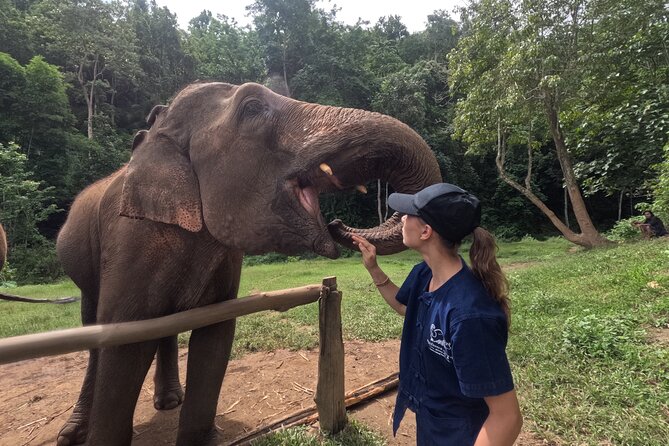
- No riding, more observing: you spend time watching elephants roam and socialize, not sitting on them.
- Mahout-style uniform change: you switch into themed clothing on site to protect your own clothes.
- You help with food prep: feeding plus making protein supplements/medicine balls is part of the interaction.
- Scenic countryside drive: about 1.5 hours through agricultural areas before you reach the sanctuary.
- Small group max 12: the format stays intimate, which matters for your experience and photo time.
- Bring bug spray and sunscreen: you’re outdoors, so pack for Thai sun and insects.
Half-day timing in Chiang Mai, with pickup that actually helps
This is a morning half-day setup, with hotel pickup typically between 08:00 and 08:30, then drop-off about 2 pm. For Chiang Mai, that timing is practical. You get your elephant fix early, and you still have the rest of the day for markets, temples, or a relaxed Thai massage.
Pickup is included and the van is air-conditioned, which sounds small until you’re sweating through Chiang Mai humidity on arrival day. The ride also isn’t “just transport.” Expect about 1.5 hours of driving through northern Thailand’s agricultural countryside. It’s a nice palate cleanser after you leave the city noise behind.
Value-wise, the price is $52 per person, which is fairly reasonable for a half-day tour that includes lunch, bottled water, insurance, and hotel transfer. The biggest thing you’re paying for is not a bus ride—it’s access to a sanctuary day that’s structured around elephant welfare and hands-on, grounded interaction.
If you get motion sick, you might still want to consider it, since you’ll be in the vehicle for over an hour before you do any walking. Nothing here screams extreme, but it is a real schedule.
You can also read our reviews of more tours and experiences in Chiang Mai.



How the on-site uniform and “hands-on” format changes the feel
One of the more memorable parts is the mahout-style uniform change. It’s not just for photos. You’re switching into clothing on site to help protect your clothes from dirt and the day’s realities. It also signals that this is meant to be a “caregiver day,” not a quick attraction.
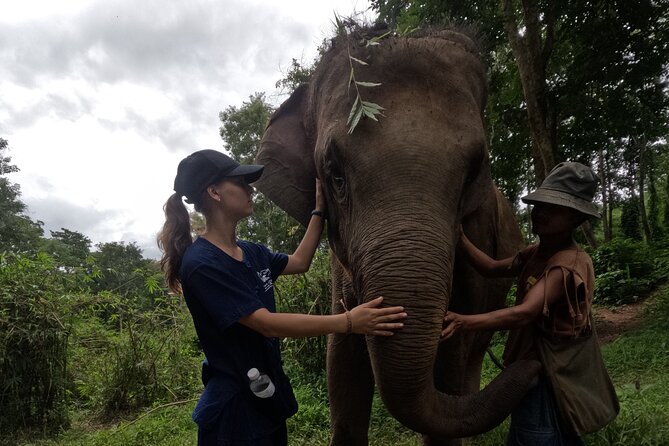
On the elephant side, the program is centered on watching and supporting rather than forcing. You learn about elephant behaviors in natural surroundings and then you observe rescued elephants as they roam and socialize. You also get interaction that’s meaningful without being performative—feeding and making protein supplements/medicine balls.
That matters because elephant encounters can vary wildly in ethics and in what you’re actually doing. Here, the day is framed around safe observation and respectful participation. Multiple guide reports include close, personal-feeling time, including moments with baby elephants in some groups. Your exact group of elephants may differ day to day, but the intent stays consistent: you’re there to understand and assist, not to ride.
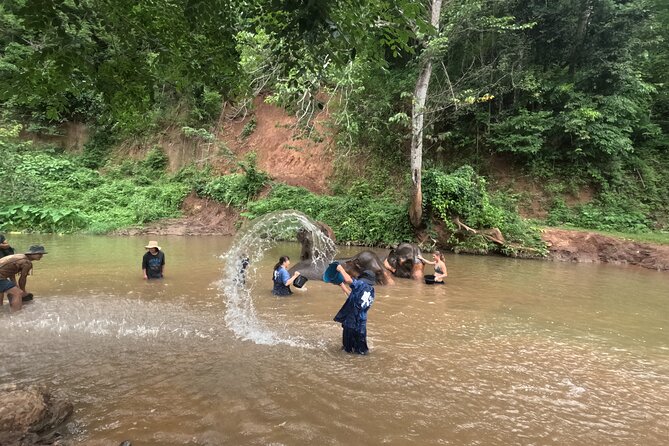
A possible consideration: “hands-on” often includes getting wet or muddy. The tour notes you should bring a swim suit, plus a towel and sandals. Even if you end up mostly observing, you may still get splashes during water activities or end up with wet ground underfoot. Plan for that.
What you’ll do in the morning: drive, briefing, then roaming time
1) Hotel pickup and the countryside drive
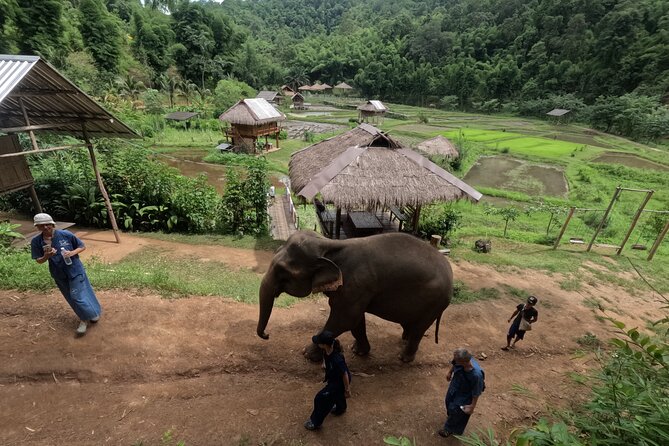
Your day starts with pickup from your hotel lobby in Chiang Mai city. After you load into the vehicle, you’ll do about 1.5 hours of scenic driving through agricultural areas. This is the “buffer time” that helps the day feel unhurried. It’s also a good chance to settle in before the outdoor portion.
Tip: if you’re carrying cameras, keep essentials accessible. You’ll likely want them once you reach the sanctuary, and there may be only limited downtime before the elephants come into the plan.
2) Change into the mahout-style uniform
On arrival, you change into the uniform. It’s practical and it also sets expectations. You’re not showing up in your “nice clothes” and then hoping nothing gets spilled. You’re getting ready to spend time near elephants in an active sanctuary environment.
3) Briefing on elephant behaviors and feeding basics
You learn a little about elephant behaviors in natural surroundings, plus traditional organic herbal dietary supplements. I like this part because it grounds the day in the basics of what elephants need and why feeding is not just a fun activity.
This is where you’ll also get safety context and the “why” behind what you’re doing. It tends to make the rest of the day feel more respectful and less like a game.
4) Observe rescued elephants as they roam and socialize
Then you’re out with the elephants, observing them in a natural way—watching them move, interact, and go about their own routines. Instead of a scripted show, you’re part of their day.
This is also where a lot of the emotional payoff comes from. When you see elephants behaving like elephants—moving at their pace, engaging socially—it’s hard to go back to the idea of riding. You’re getting the “real” feeling of their presence.
Feeding, protein supplements, and why “interaction” matters here
This is the most praised part of the whole experience: you feed the elephants and you help prepare their food, including making protein supplements/medicine balls.
Why that’s valuable: you’re not just watching from a distance. You’re actively participating in a care process that supports the sanctuary. And because it’s tied to welfare and diet rather than entertainment, it feels purposeful.
One note for expectations: the day is not described as a guaranteed full immersion bathing session every time. You’ll be around bathing activities, and you may participate depending on what’s happening and what your guide cues. Some people talk about time in the water; others mention they didn’t do all the water steps. The consistent thread is that elephant welfare comes first and activities can vary.
If your goal is to get fully soaked, keep some flexibility. Bring swimwear, but also be mentally ready for a day where you do more observing and feeding than splashing.
Lunch at the right time, not as an afterthought
Lunch is included, and it’s timed after your main elephant interaction and walking/observing. Many guests specifically call out a pad thai meal as delicious, plus fruit in some cases.
From a value standpoint, lunch matters here because it avoids the “tour day tax” of finding food near the sanctuary or paying for a separate meal. It also keeps the schedule intact. You’re not wandering around trying to “find something quick” while the half-day clock keeps ticking.
Dress note: if you’ve gotten muddy or wet, lunch is when you’ll appreciate having change-friendly clothing under that uniform. The day is set up so you’re not stuck in wet gear for hours.
Walking time outdoors: what moderate fitness really means
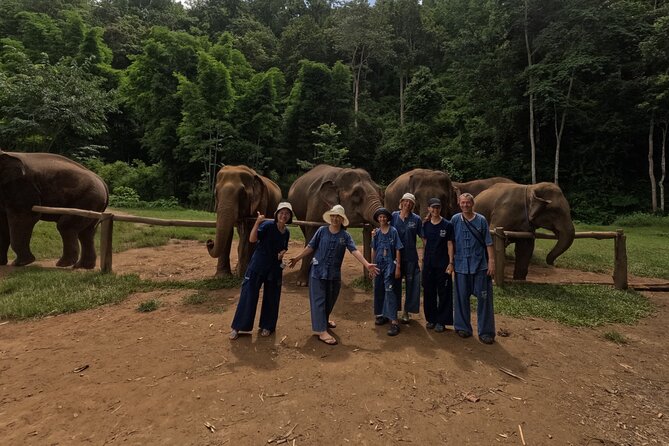
This activity lists a moderate physical fitness level and includes walking and observation. Translation: you’re not climbing a mountain, but you should expect to be on your feet for parts of the day.
You’ll be outdoors in northern Thailand conditions, so plan around:
- sun exposure
- insects
- uneven ground near a working sanctuary setting
The tour specifically asks you to bring sunscreen and bug spray. I agree with that. Even if you’re used to Thailand, the elephant day is longer outdoors than a quick temple stop.
If you’re sensitive to heat, you’ll still want to go. Just pace yourself. The best strategy is to drink water, take shade when offered, and avoid sprinting for photos. The elephants don’t care about your shot list, and neither should you.
Guides and small group size: the difference you feel
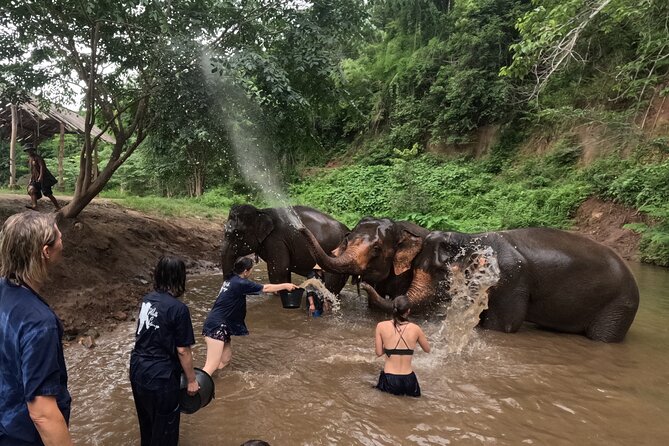
This is capped at 12 travelers, which changes everything. Bigger tours can turn elephants into background scenery. Here, the day is set up so you can actually hear explanations and participate without waiting in a long line.
The guide reports are also strong. People highlight guides like Tom, Ford, Tong, and Todd for being funny, caring, and passionate, with excellent English in multiple comments. Even if you don’t know Thai, that matters. You’ll understand what you’re seeing and why you’re doing each part.
If you’re booking for a family, the small-group feel is also a plus. A 9-year-old described it as a great fit because nothing felt forced and the activities were understandable and hands-on in a safe way. You might find it’s one of the easier elephant experiences to explain to kids: watch, learn, feed, then go home.
Weather, cancellations, and the “real world” elephant schedule
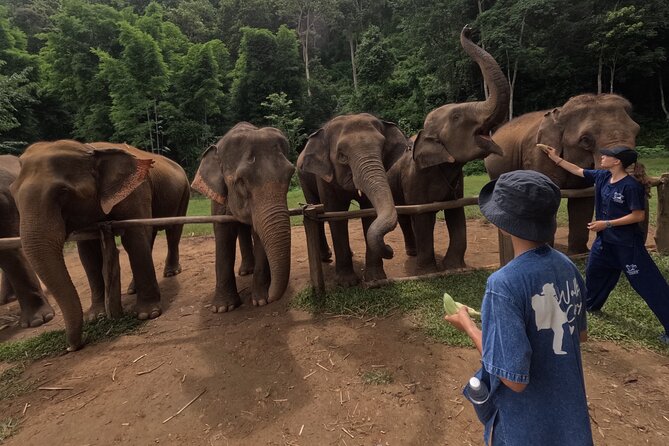
This experience requires good weather. If it’s canceled due to poor weather, you’ll be offered a different date or a full refund. There’s also a minimum number of travelers, so on rare days the operator may reschedule if the group doesn’t meet that threshold.
For you, the practical takeaway is simple: don’t schedule this as your only elephant plan if your trip is tight. Build in a little wiggle room so you can still see what you came for.
Also remember: elephant-centered days can adapt. Feeding and water interactions may change based on animal behavior and sanctuary flow. That’s not a problem—it’s part of respectful care.
What to pack (and what to leave out)
The tour asks you to bring sunscreen and bug spray. It also specifically notes items you should bring even though they’re not included: swim suite, sandal towel, and bug spray (it lists bug spray twice, but that’s your sign to take it seriously).
Here’s how I’d pack it practically:
- Wear something you can get wet and possibly dirty.
- Bring sandals that work on uneven ground.
- Add a towel you don’t mind getting damp.
- Use sunscreen before the outdoor parts start.
- Have bug spray ready for the walking/observing time.
Your clothes are protected somewhat by the uniform change, but you’re still outdoors. Plan for the day to be active.
Should you book CHIANGMAI ELEPHANT CARE?
Book it if:
- you want an ethical, no-riding elephant experience
- you like the idea of feeding and food prep rather than just watching
- you care about small-group attention (max 12)
- you want a half-day format that doesn’t eat your whole day in Chiang Mai
Skip it or rethink if:
- you need a totally low-walking day
- you’re expecting guaranteed full water participation every time (some activities can vary)
- you’re sensitive to outdoor sun and insects and won’t pack sunscreen/bug spray
For most people choosing between elephant experiences in Chiang Mai, this is one of the more sensible picks because it keeps the day focused on elephant welfare and observation, with interaction that feels like care work. If that’s your goal, this is a booking that makes sense.