REVIEW · CHIANG MAI
No.1 Chiang Mai: Stand Up Paddle Board through Mae Taeng Forest
Book on Viator →Operated by Chiang Mai Mountain Biking & Kayaks · Bookable on Viator
Sun on the river beats sitting still.
This half-day paddle trip gives you easy SUP time on the Mae Ping River and a guide who actually helps you read the water. I like that it includes hotel pickup/drop-off plus all equipment—so you’re not hunting rentals or scrambling for last-minute gear—and that the route goes through the lush Mae Tang Forest Reserve with chances to spot birds and other wildlife. One thing to consider: lunch can run late, so plan small snacks and don’t count on a quick midday bite.
You’ll start with straightforward instruction, then head north toward the Mae Ngat valley and back to the calmer section of the river. If you’re new (or you get tired), there’s a built-in option to switch to a kayak instead of forcing balance on a board for the whole ride. And yes, the river can vary by season, so the guide’s calls on pace and technique matter.
In This Review
- Key takeaways before you go
- Chiang Mai pickup at 8:30 and the northward ride to Mae Ngat valley
- Getting on the water: SUP training, safety gear, and the kayak option
- Mae Ping River time: calm paddling, Class 1 currents, and real technique
- Mae Tang Forest Reserve: spotting wildlife without rushing
- Lunch after the paddle: Mango Plantation restaurant timing (and why snacks help)
- What’s included (and what you’ll pay for separately)
- Bring these items: water shoes, dry clothes, and protection from sun
- Who this SUP-and-kayak trip is perfect for (and who should pick another option)
- Value check: is $71.98 a fair deal for this half-day?
- Should you book the Mae Taeng Forest SUP trip?
- FAQ
- FAQ
- Is hotel pickup and drop-off included?
- What time does the tour start?
- Can I choose kayak instead of paddle boarding?
- Do I need to be an experienced paddler?
- What equipment is provided?
- Is lunch included, and is there anything to watch for?
Key takeaways before you go
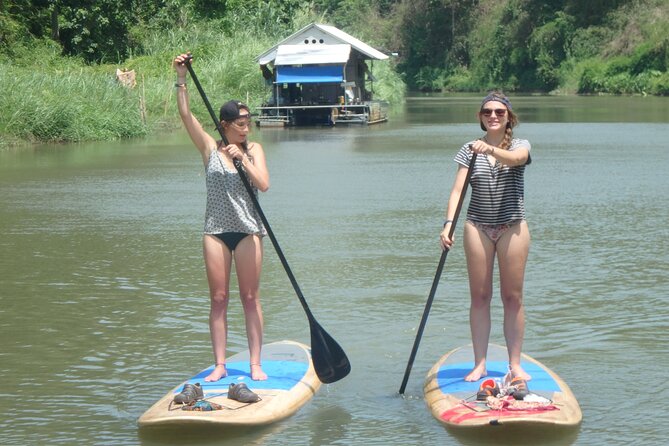
- Beginner-friendly conditions on the Mae Ping with guided tips for Class 1 currents
- Pick SUP or kayak on the spot, depending on how your body feels
- Small-group feel (10 or fewer, with runs capped at a maximum of 5)
- All gear included, with life vest and helmet provided
- Lunch at a Mango Plantation restaurant, often after the paddle ends
- Practical gear suggestions like dry clothes, water shoes, and a dry bag
Chiang Mai pickup at 8:30 and the northward ride to Mae Ngat valley
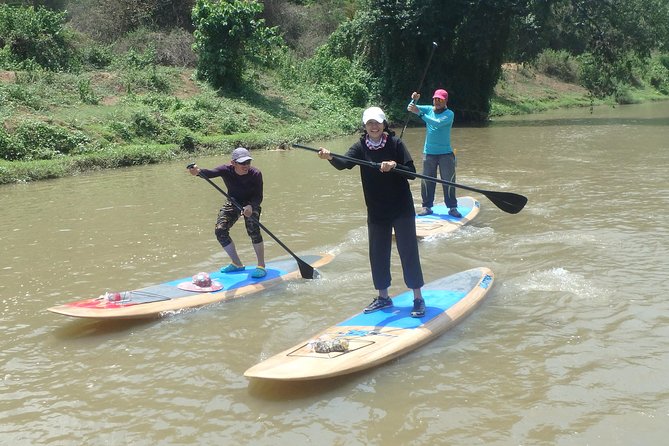
This trip is timed for a clear start: the meeting point is an 8:30am departure, with pickup from hotels in the Chiang Mai area. From there, you transfer to the paddle shop with a small group, usually capped very low, so you don’t end up as “the 20th person in line.” For the price, that small-group setup matters because it usually means more attention during instruction.
Once you’re loaded into the vehicle, you travel about an hour north to the Mae Ngat valley area. The point here is simple: you’re not just paddling in the closest urban stretch. You’re going to a calmer, greener river setting where the experience feels like nature time, not just an activity.
Before you go, I’d treat this like a half-day outing where you dress for being active, wet, and then drying off. Bring swimming gear and a set of dry clothes for later. If you have them, wear water shoes—they help a lot if there’s any rocky shoreline during getting-on and getting-off.
You can also read our reviews of more tours and experiences in Chiang Mai
Getting on the water: SUP training, safety gear, and the kayak option
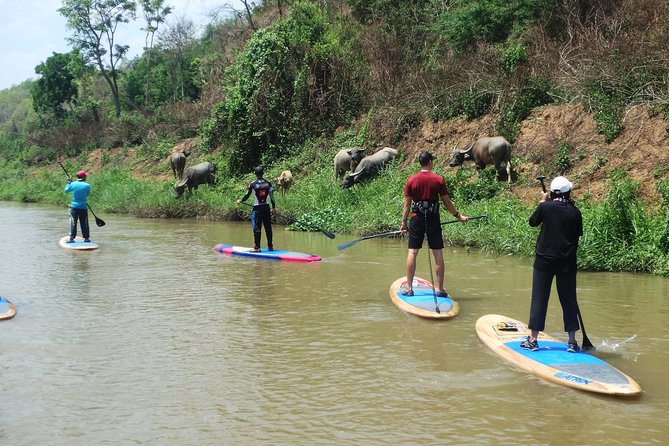
At the shop, you get the basics first. You’ll receive a safety briefing, then collect your equipment. The setup includes a life vest and helmet, which is reassuring if you’re new to the sport. You’ll then choose your ride: paddleboard or kayak.
Here’s the smart part for beginners. The paddleboards are suitable for people up to 220 lbs (100 kg), and the trip is designed for all skill levels with a calm-water pace. That doesn’t mean it’s effortless, but it means you’re not thrown into chaotic surf conditions.
If you’re nervous about balancing on a board, or if you want to save your energy, you can choose a kayak instead. In fact, a guide named Aidan has advised some guests to start with a kayak first and then switch to SUP once they’re warmed up. That’s a great strategy because it lets you learn where to look and how to move with the current before you worry about standing.
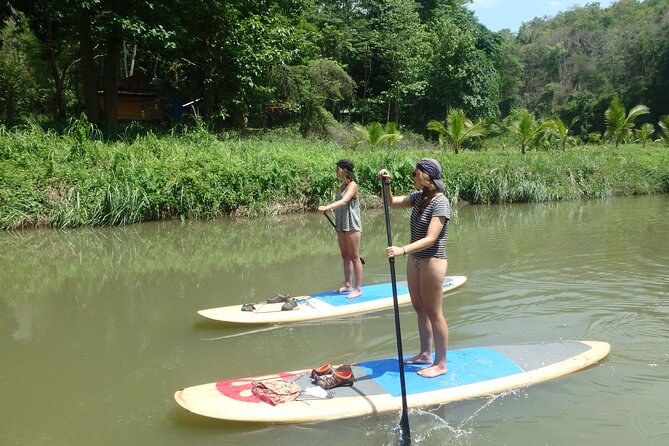
After that, the river ride follows behind the guide. You’ll paddle in an easy, controlled way while learning small technique changes—how to handle direction, how to keep your paddle strokes efficient, and how to settle your body so you’re not fighting the board.
Mae Ping River time: calm paddling, Class 1 currents, and real technique
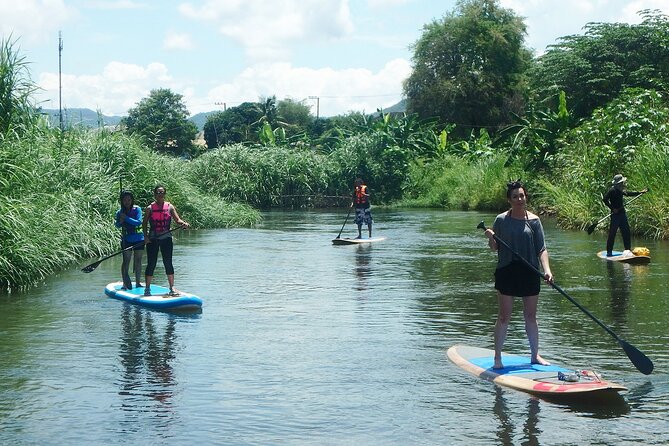
The core of the trip is paddling the Mae Ping River, with the water described as calm and slow-moving. Seasonal changes can affect conditions, so you’ll rely on your guide’s reading of the river that day. The trip is framed around Class 1 currents, which is the “learning and relaxing” zone, not a whitewater test.
You’ll get tips to refine paddling technique while you go. This is where a good guide makes the difference between wobbly fun and constant frustration. The goal isn’t speed. It’s control and comfort.
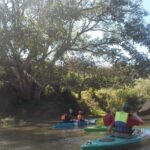
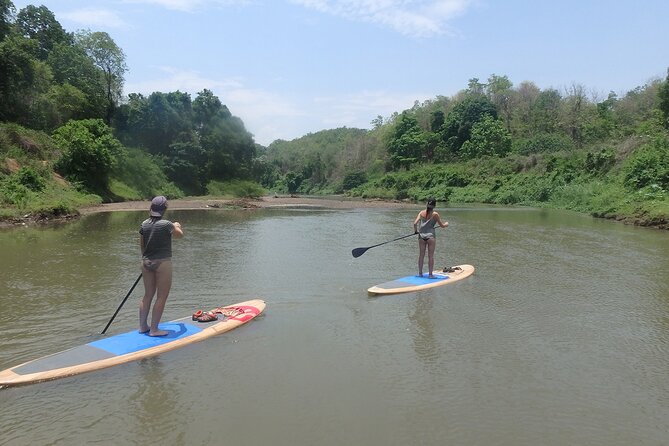
You’ll likely move with the guide through the route that winds along the lush forest areas. Along the way, you can watch for birds and other wildlife while you practice. That balance—activity plus sightseeing—is exactly what makes this style of outing feel like Thailand, not a gym session.
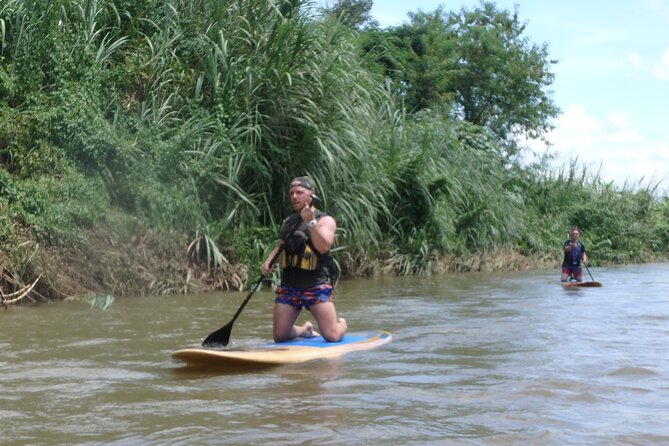
If balancing is hard on the day, there’s an easy solution built in. You can sit or kneel on your board instead of standing. That’s not “giving up”—it’s a smart way to keep your session enjoyable and safe while you build confidence.
Mae Tang Forest Reserve: spotting wildlife without rushing
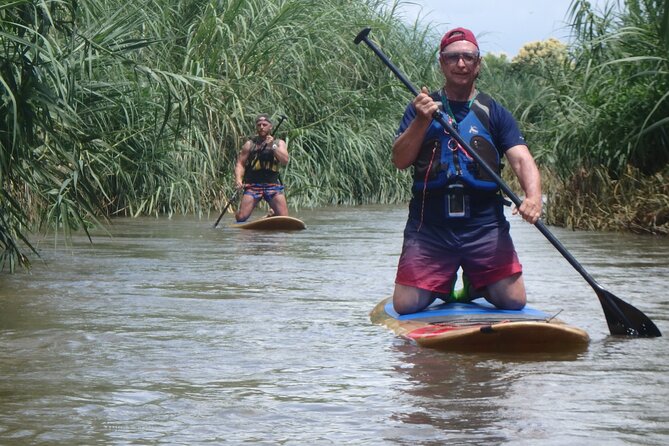
One of the best things about this itinerary is that it doesn’t feel like you’re just driving to water and going through motions. The paddle route runs through the Mae Taeng Forest Reserve area, and that matters because the river corridor is green and wildlife-friendly.
Keep your eyes up. Look for birds along the banks and pay attention to movement at the treeline edges. The vibe is calm enough that you can actually glance around without losing your balance every ten seconds. That’s a big deal for first-timers, because many beginners get so focused on standing that they miss the point.
Even if wildlife spotting isn’t guaranteed, the experience still works because you get the sensory payoff: water sounds, shade, and that jungle feel drifting alongside you. You’re not stuck on a fast-moving river where every minute feels like a scramble.
And since the tour uses a small group and a guide-led route, you’re not sprinting ahead or lagging behind in a way that stresses everyone. It’s more like a slow, guided drift with occasional instruction.
Lunch after the paddle: Mango Plantation restaurant timing (and why snacks help)
This is an activity that includes lunch, served at a restaurant at a Mango Plantation. The lunch stop happens after you come ashore and refuel following your paddling time. It’s at a rustic plantation resort setting, so expect a laid-back meal rather than something fancy and rushed.
One practical note: lunch may run late. In the feedback I saw, people mentioned it can land around the later part of the afternoon (some guessed close to 3pm). That means you should plan for a snack before or during the ride, especially if you get hungry when you’ve been sweating and paddling.
If you’re someone who needs food on a schedule to feel good, pack a small snack you can eat before the long wait. Also bring a way to keep your items dry. A dry bag is handy, and there’s a pro shop where waterproof phone bags are sold, too.





What’s included (and what you’ll pay for separately)
For a tour at $71.98 per person, this is doing a lot for you. Included items are straightforward and useful:
- Hotel pickup and drop-off
- Inflatable paddle board or kayak
- Professional river guide
- Bottled water
- Life vest and helmet as part of the safety setup
- Lunch at the Mango Plantation restaurant
There’s also a pro shop where you can buy items like watershoes (and potentially waterproof phone bags). If you don’t have water shoes, the trip can provide them in 40–45 size range, based on the info given.
What’s not included:
- River fee/insurance (listed as additional)
- Also, at check-in, you’ll be asked for your passport number for insurance ID
That last point matters. It’s easy to forget paperwork when you’re traveling light. If your passport is in your hotel safe, grab it the day before, or at least make sure you can quickly copy the number.
Bring these items: water shoes, dry clothes, and protection from sun
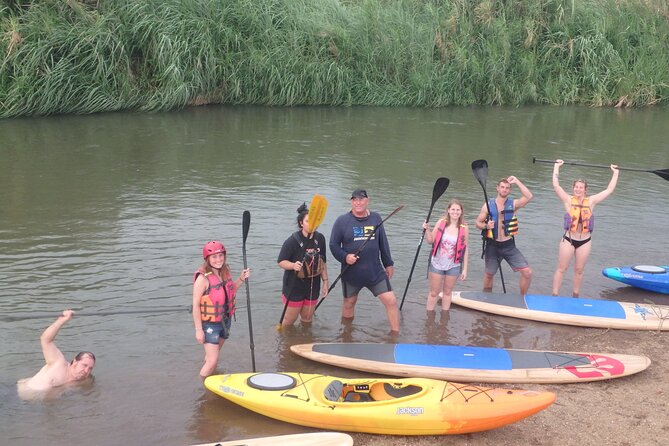
If you want the day to feel smooth instead of annoying, pack with the river in mind.
You should bring:
- Swimming gear
- A set of dry clothes for after
- If you can, water shoes
- Sunscreen (you’re out on the water and you’ll get sun even on a cloudy day)
You might also find it useful to bring:
- A dry bag for your phone or small camera (the shop sells waterproof phone bags, but bringing your own means less shopping time)
The trip includes bottled water, but you’re still active for hours. You’ll feel better if you hydrate and reapply sunscreen when you can.
Physical readiness: the trip asks for moderate physical fitness. That doesn’t mean you need to be an athlete. It does mean you should be comfortable getting in and out of the water, holding a paddle for a while, and handling some time in the sun.
Who this SUP-and-kayak trip is perfect for (and who should pick another option)
This is a strong choice if you’re:
- New to stand up paddle boarding and want guidance
- Someone who gets tired and likes having a backup plan (kayak option)
- Interested in nature along a river corridor and not just the sport itself
- Traveling with friends or solo and want a small-group day
It’s also a good fit if you like structure. You don’t just show up and wing it. You get instruction, a safety briefing, and continuous guidance from the lead river professional.
Where you might reconsider: if you only want SUP and don’t want the day to include any switching options based on conditions or energy, keep that in mind. The experience works because it adapts, but some people prefer one consistent mode.
Also, if you hate waiting for meals, plan around the lunch timing. Build in snacks so the late lunch doesn’t steal your momentum.
Value check: is $71.98 a fair deal for this half-day?
In practical terms, you’re paying for more than a board rental. You’re paying for a guide-led activity with equipment, life vest, helmet, bottled water, hotel pickup, and a lunch stop at the end. For many people, that’s the difference between a “cool idea” and a day that actually feels taken care of.
And because the group stays small, instruction can be more hands-on. That’s valuable when you’re learning balance. The best SUP days usually have two things: calmer water and enough coaching to fix the problem you’re running into.
Finally, the kayak option gives you flexibility. If you switch, you still get the river experience. You’re not stuck proving something to yourself for four hours.
Should you book the Mae Taeng Forest SUP trip?
I’d book it if you want a beginner-friendly Chiang Mai SUP on the Mae Ping River with a guided nature feel, hotel pickup, and included lunch. It’s especially worth it if you like options—SUP for the fun, kayak when you want to rest your legs or dial in confidence first.
You might skip it if you’re very snack-averse and hate the idea of a later lunch. Also consider your priorities. If you want a long, intense paddling workout, this is more of an easy guided outing than a training session.
FAQ
FAQ
Is hotel pickup and drop-off included?
Yes. You’ll get pickup and drop-off from the Chiang Mai area, and it’s included in the tour price.
What time does the tour start?
The start time is 8:30am.
Can I choose kayak instead of paddle boarding?
Yes. You can choose to travel by kayak instead of standing on the paddle board, either at the shop before you start or based on what the day’s conditions and your comfort level suggest.
Do I need to be an experienced paddler?
No. The trip is suitable for all skill levels, and the river conditions are described as calm and ideal for beginners, with instructions from a professional guide.
What equipment is provided?
You’ll have an inflatable paddle board or kayak, plus a life vest and helmet. Bottled water is also included. Water shoes can be provided in sizes 40–45 if you need them.
Is lunch included, and is there anything to watch for?
Lunch is included at a restaurant at a Mango Plantation. Plan for the possibility that lunch can run late, so bring a small snack if you need to eat earlier.