REVIEW · CHIANG MAI
Chiang Mai: Kayak the Jungle River of Chiang Dao Valley!
Book on GetYourGuide →Operated by CHIANG MAI MOUNTAIN BIKING & KAYAKS · Bookable on GetYourGuide
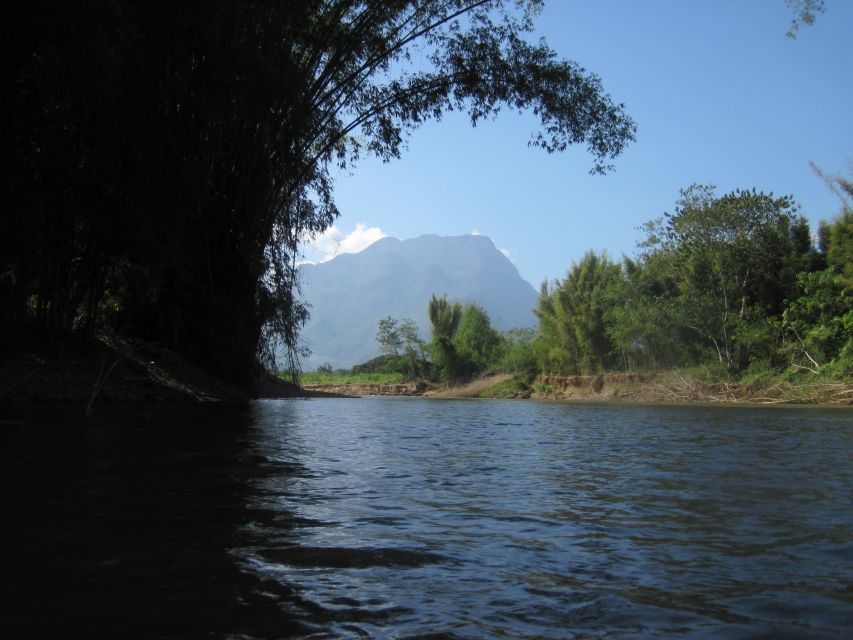
Chiang Dao kayaking feels like leaving the map behind. You’ll paddle in the shadow of the Chiang Dao mountain range, then glide along the Ping River through jungle creeks and flooded plants that grow right over the water. I love that you’re not just shoved into a kayak and told good luck: you get real coaching, and the guides actively steer the day toward what you can handle. I also love the payoff—bird-and-wildlife watching plus stories from local hunters and fishermen, in a setting that stays far away from big crowds. One consideration: expect short, muddy or rocky moments when you leave the water to pass weirs, so bring the right footwear and don’t assume it’ll be completely dry.
What makes this stand out is the small group size (limited to 10) and the mix of adventure + structure. You’ll start with a safety briefing and kayak skills talk, then you’ll spend the core of the day on the water with an experienced instructor close by, plus a support truck following in case you need help or want to store valuables. If you’re sensitive to getting splashed or walking briefly on uneven ground, plan for it.
In This Review
- Key things I’d plan around
- Kayaking Chiang Dao Valley: a jungle river day with real coaching
- Getting oriented: the pro-shop briefing that makes beginners comfortable
- The ride to Chiang Dao: part of the experience, part of the tradeoff
- On the water on the Ping River: jungle creeks, bamboo, and duck-then-glide
- The weirs and the short exits you should plan for
- Birds, fishermen stories, and how to actually notice local nature
- Lunch at Mango Plantation Restaurant: simple fuel for a second half of the day
- Safety, support truck, and what you really get for the money
- Price and value: why $64 can make sense for a full day
- Who should book—and who should think twice
- A realistic packing checklist (so you feel comfortable)
- Should you book this Chiang Dao kayaking trip?
- FAQ
- Where does the tour pickup happen?
- How long is the kayaking experience?
- Do I need kayaking experience?
- What language will my instructor use?
- What’s included in the price?
- What is not included in the price?
- How many people are in the group?
- What should I bring?
- Is there free cancellation?
Key things I’d plan around
- Beginner-ready instruction: you get skill coaching before the river time, so beginners aren’t guessing.
- Hard-shell kayaks: single and double kayaks help you feel stable and in control.
- Jungle creeks and flooded forests: thick branches and bamboo mean you’ll paddle with your head up and duck when needed.
- Weir pass moments: you may exit the water twice and the guide team may drag the boat for you.
- Lunch at Mango Plantation Restaurant: vegetarian and vegan options are built in.
- Ping River, not a tourist pond: farm land and river wildlife make the day feel local.
Kayaking Chiang Dao Valley: a jungle river day with real coaching
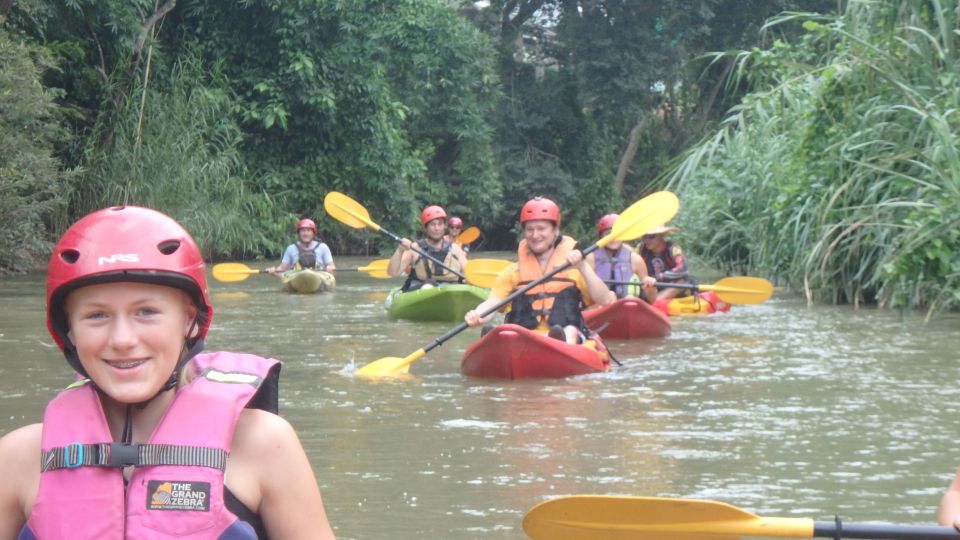
This is the kind of trip that makes you rethink what kayaking can be. You’ll be on the Ping River system, but the point isn’t just moving downstream. The route is chosen so you paddle through narrow jungle sections—creeks where overhanging branches, thick trees, and plants growing into the water force you to slow down, look up, and react.
I’m a fan of activities where you actually learn something while you’re having fun. Here, you’ll get a safety and skills briefing before your first serious strokes, and you stay guided during the paddling. That matters because Chiang Dao’s water isn’t “just float and smile.” It’s narrow, busy with natural obstacles, and occasionally requires a quick change in how you handle your kayak.
You also get something Thailand trips sometimes miss: a sense of place. The day is framed around Northern Thai nature and local livelihoods—watching birds and wildlife in the trees, plus hearing stories tied to hunters and fishermen who know this wild river land.
You can also read our reviews of more tours and experiences in Chiang Mai
Getting oriented: the pro-shop briefing that makes beginners comfortable
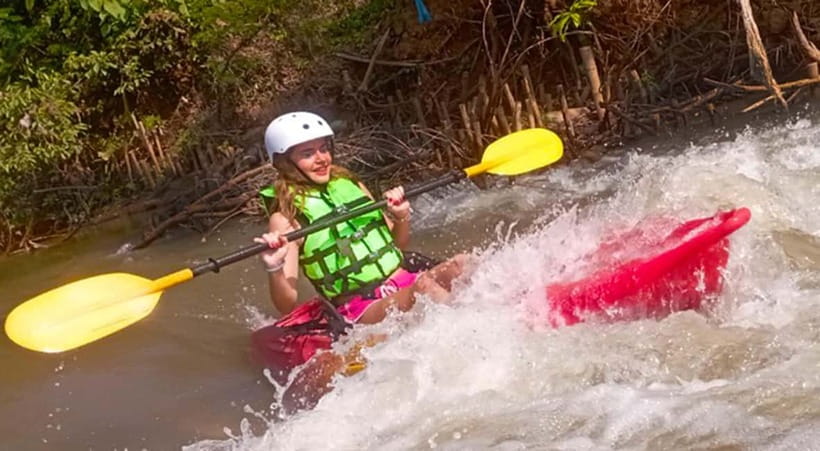
Before you hit the water, you’ll do a safety briefing and kayak orientation at the pro-shop. You’ll also get a Google Earth orientation, which sounds modern, but the value is simple: it helps you understand what the river is doing, where the narrow sections are, and why the guide will ask you to paddle a certain way.
This is where you learn the basics without embarrassment. Small group time means the instructor can watch your paddle rhythm and correct things early. One past participant highlighted how an instructor named Aidan was patient with kayaking mistakes and tailored the trip to the group. Even if your guide isn’t Aidan, the style you’re signing up for is coaching-forward: you’ll be encouraged to try, then fixed quickly so you spend more time enjoying the river and less time fighting your own kayak.
You’re also reminded that you’re the captain of your own boat. That’s a big deal for confidence. You steer, you choose your pace, and your instructor’s job is to help you do that safely and smoothly—not to take over and make the day feel passive.
The ride to Chiang Dao: part of the experience, part of the tradeoff
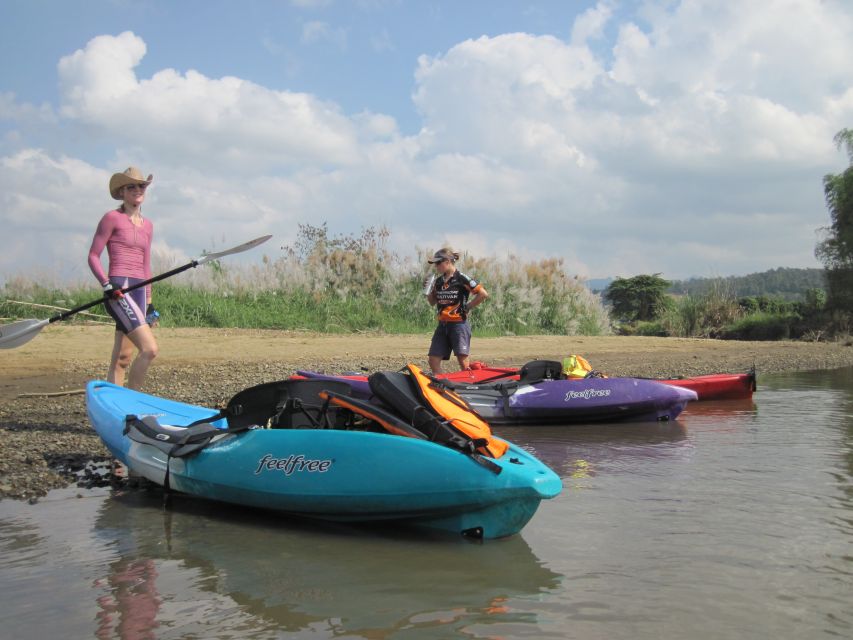
The plan includes pickup options in Chiang Mai Province, with transfer by air-conditioned van as the primary mode (and 4×4 SUVs for smaller groups). Expect travel time before you reach the river section, plus time for scenic viewing along the way.
A word of realism: longer travel days can be a lot if you’re expecting “straight onto adventure.” One older note mentioned a long ride segment on a vehicle setup that felt a bit intense for comfort. The operator’s general promise is comfortable transport (air-conditioned van or 4×4), but you’ll still want to ask about your specific vehicle and seating if you’re picky about ride comfort.
Bring a hat and sunscreen for the day. Even with breaks, this trip happens outside, and the river time only starts after you’re already dressed for a hot Northern Thailand afternoon.
On the water on the Ping River: jungle creeks, bamboo, and duck-then-glide
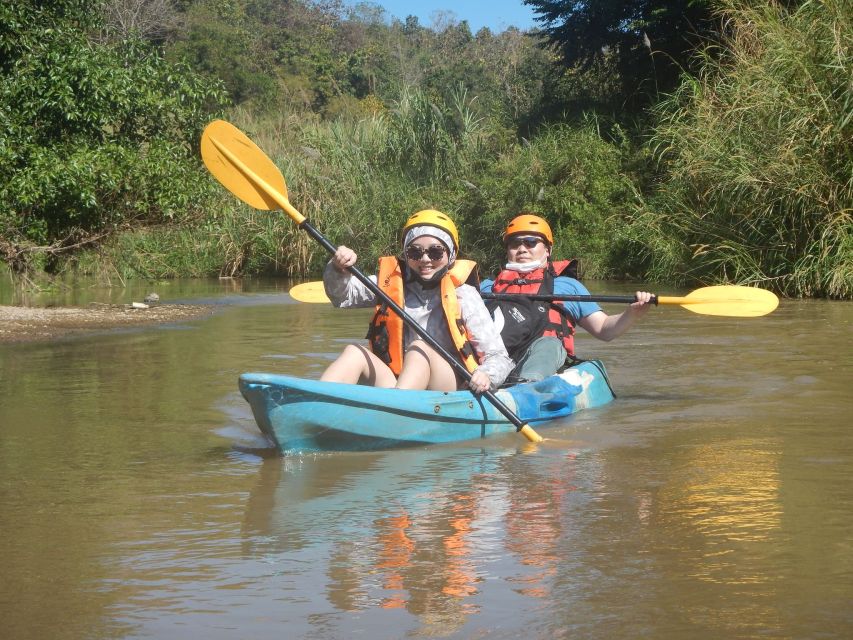
Once you launch, the river experience turns physical—in a good way.
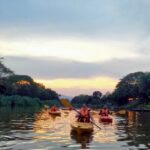
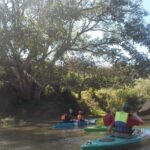
You’ll paddle in the shadow of the Chiang Dao mountain range, then move through jungle scenery that feels tighter and more alive than the wide, calm stretches people imagine when they think of rivers. The trip is described as flooded-forest style paddling, where thick trees and plants grow right over the water. Translation for your body: you’ll paddle with your eyes constantly scanning for branches low enough to make you duck.
Expect moments like:
- Duck under branches so your bow doesn’t catch or scrape
- Glide past tall bamboo where you’ll need steady strokes to stay centered
- Watch for wildlife perched above the waterline
And yes, you’ll also have a mix of river nature and human land use. Jungle scenery blends into farm land sections, which helps the day feel real rather than like a movie set.
The weirs and the short exits you should plan for
No river with structures stays frictionless. This trip can include exiting the water to get the kayaks past weirs, and you may have to do it more than once.
The good news: guides handle a lot of the heavy lifting. In a past experience, the guides did boat dragging when needed, which means you’re not left to figure out the hard part alone. Still, getting out of the kayak can be tricky—especially if the ground gets muddy or uneven. One participant ended up with a sore foot after a rougher exit area.
My practical advice: wear water shoes or sandals with decent grip, not slick flip-flops. Also, don’t show up expecting shoes to stay clean.






Birds, fishermen stories, and how to actually notice local nature
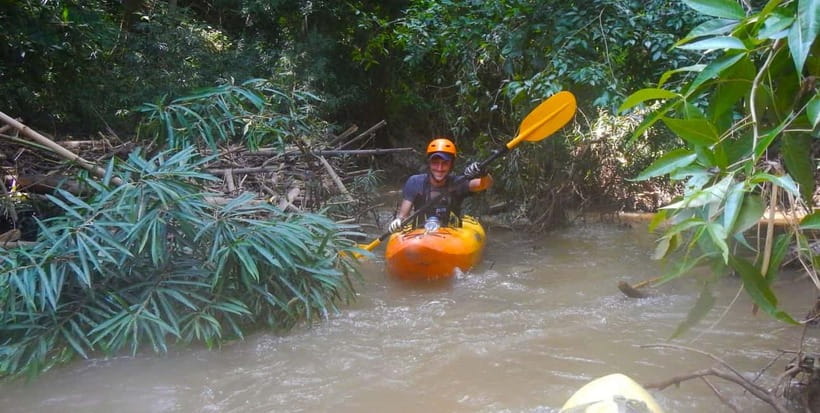
What I like about this outing is that it’s not just scenery for photos. You’ll get guided attention to what’s happening above and around you—birds and wildlife hidden in trees and overhanging branches.
The guide stories add another layer. You’ll hear about local hunters and fishermen who understand this wild land. That context matters because it changes how you read the river. Instead of only thinking about your stroke, you start thinking about why people watch water patterns, how seasons affect the flooded areas, and what counts as a good spot for fishing or hunting along these stretches.
If you like learning while moving, this is a strong fit. If you prefer pure silence, you’ll still get quiet time while paddling, but expect conversation and teaching as part of the experience.
Lunch at Mango Plantation Restaurant: simple fuel for a second half of the day
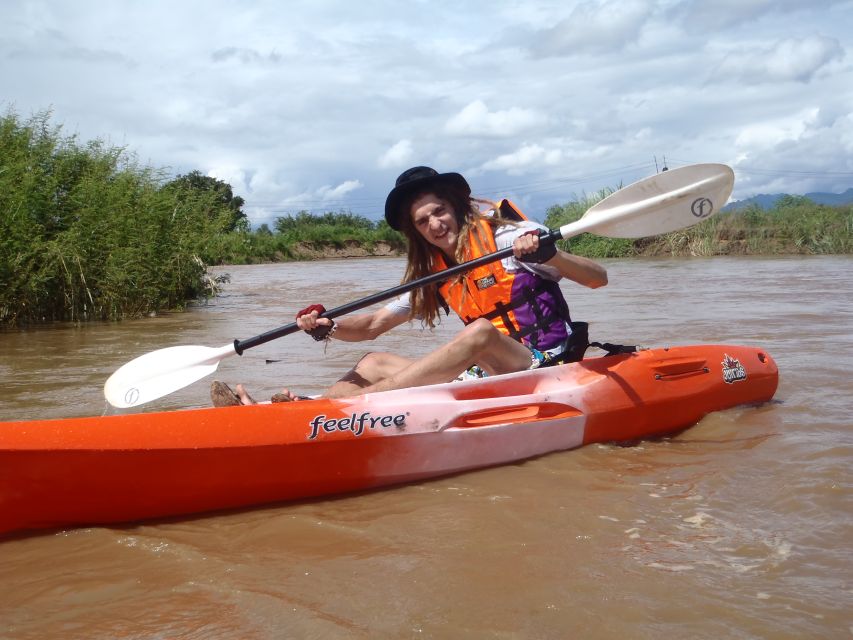
After your main paddling block, you’ll stop for lunch at Mango Plantation Restaurant, with vegetarian and vegan options available. The time is short—about 30 minutes—so this isn’t a long leisurely meal. Think of it as refuel, rinse the hands, change posture, and reset.
This matters because kayaking can wear out your shoulders and lower back even when you don’t feel exhausted. The timing is good: you’re eating after the hard part, not before it. Bring a change of clothes (this is explicitly recommended). It’s one of those “small” things that makes the last hours feel way more comfortable.
Safety, support truck, and what you really get for the money
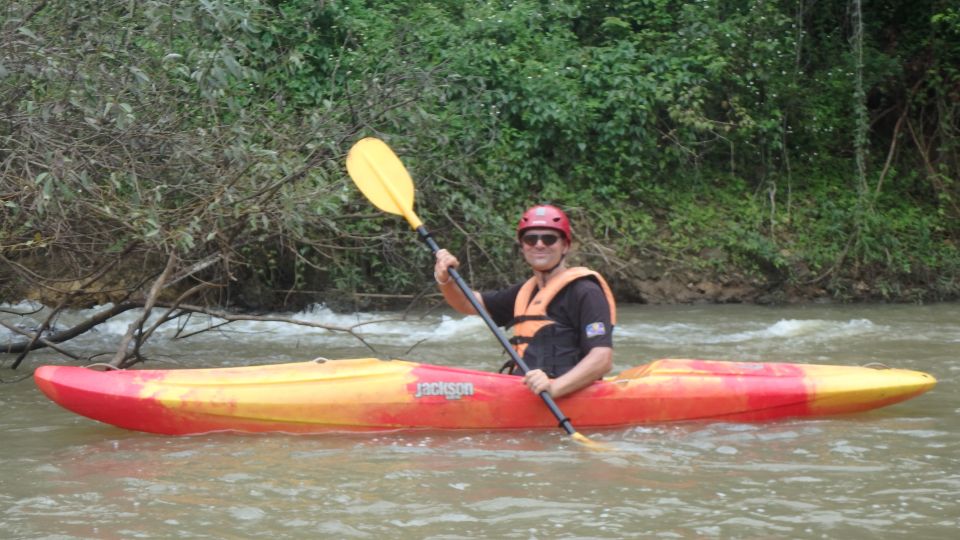
Safety on this trip is built into the operation, not tacked on at the end. Your instructors are certified in First Aid and CPR, and you’ll get a thorough safety briefing before you paddle.
You’ll also have a support truck following along. That’s useful in two ways:
- It gives the team a “ready to assist” option if something isn’t right.
- It offers secure storage for valuables, so you don’t have to worry about carrying everything in your kayak.
Kayak quality is also part of the value. You’ll use top-quality hard-shell kayaks (single and double). A stable kayak makes a beginner trip feel fun instead of stressful. A wobbly boat can be discouraging fast; a hard-shell design usually helps you focus on learning technique.
And you’re not paying just for the paddle. You’re paying for the coaching, the briefing, the equipment, the guide presence during the river time, and the logistics of getting you to Chiang Dao and back.
Price and value: why $64 can make sense for a full day
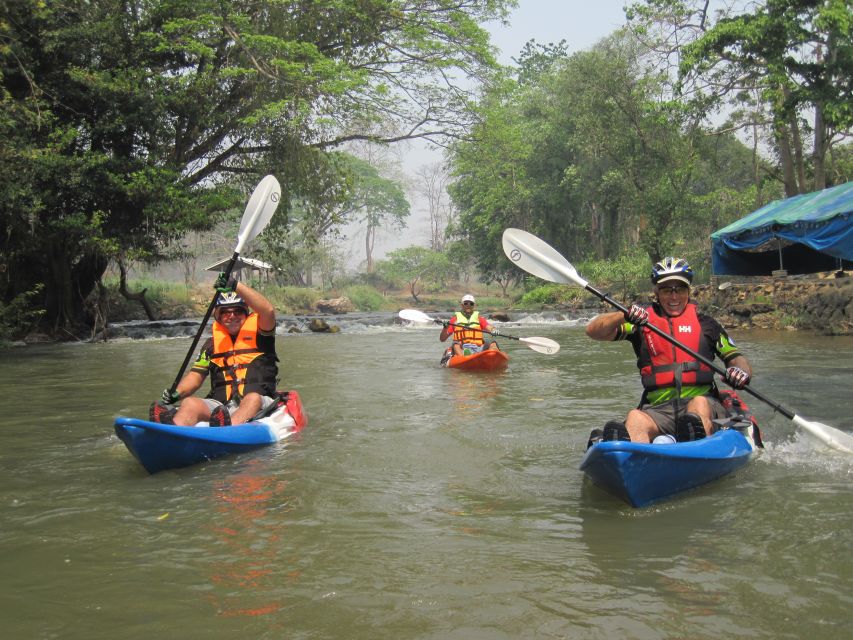
At $64 per person, this trip is priced for a guided day, not a casual rental. What you’re getting for that money includes:
- Guided coaching and safety briefing
- Kayak equipment (hard-shell single/double)
- Lunch with vegetarian and vegan options
- Transportation by air-conditioned van and/or 4×4 SUV
- Water for hydration packs and bottled water
- A support truck and secure storage for valuables
- An instructor team with First Aid and CPR certification
The main extra cost you should plan for is the insurance/river fee (150 THB) paid on check-in, and you’ll need to provide your passport number. That’s a normal kind of requirement for guided outdoor activities in Thailand, but it’s still the kind of detail that can surprise you if you don’t expect an add-on.
If you compare this to self-guided kayaking, the value is clear: you’re not just buying time on water. You’re buying safety infrastructure, equipment quality, and the “know-how” to paddle a jungle river without fighting it.
Who should book—and who should think twice
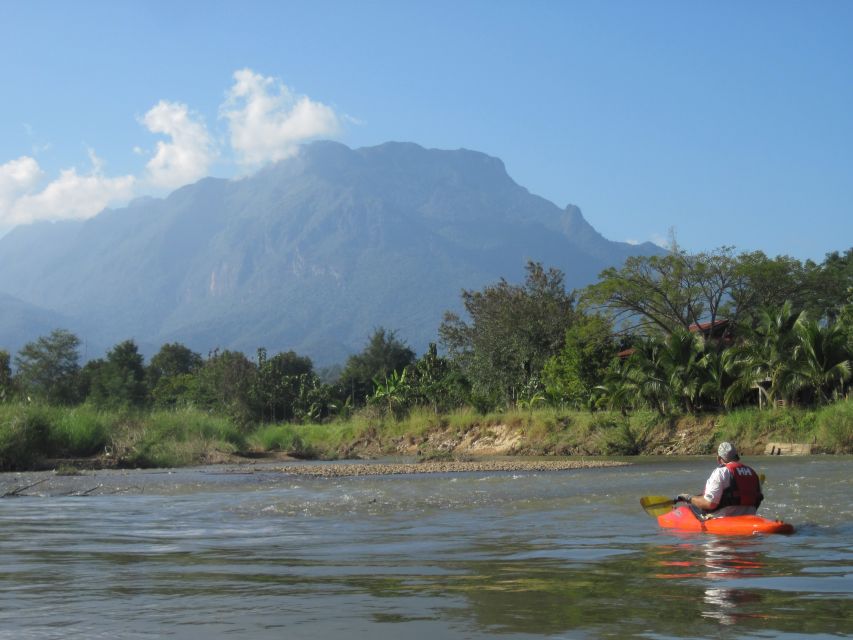
I’d steer you toward this trip if:
- You’re a beginner or returning kayaker who wants training and confidence-building
- You want less crowd time and more local nature
- You like jungle river scenery with real paddling challenges
- You want a guided day where you don’t have to plan logistics yourself
I’d think twice if:
- Mud, uneven footing, or brief exits from the kayak would be a problem for you
- You expect a fully smooth, easy ride with no need to duck under branches
- You have very sensitive feet and don’t plan appropriate footwear
Also, consider the transfer time. This is a day with transport built in, so it’s not a half-day shortcut.
A realistic packing checklist (so you feel comfortable)
You’ll be outside in Chiang Dao weather and then on the water, so pack for sweat and splashes. The essentials they recommend are:
- Change of clothes
- Hat
- Sunscreen
- Insect repellent
From a practical standpoint for the weir exits: bring footwear with grip, ideally something you can get muddy. You don’t need to overthink it, but don’t show up in shoes that hate water.
Should you book this Chiang Dao kayaking trip?
Yes, if your goal is a guided jungle river day that helps you feel confident on a kayak and gives you Northern Thai nature without the heavy crowds. The strong points are the beginner-friendly coaching, the quality of the hard-shell kayaks, and the fact that you get guided attention to wildlife and local river stories.
Book with eyes open if you’re not comfortable with short muddy or rocky moments when passing weirs. The good news is the guides are experienced and help with the difficult parts, but your feet will still likely be involved.
If you want to kayak in a way that feels adventurous but not reckless, this is a solid choice.
FAQ
Where does the tour pickup happen?
Pickup is available in Chiang Dao and Chiang Mai. If you’re staying in the Chiang Dao area, you’ll need to contact the operator for the exact pickup time, estimated between 10:30 and 11:15 am.
How long is the kayaking experience?
The activity runs for 1 day. The exact starting times vary by availability.
Do I need kayaking experience?
No experience is required. You’ll get a safety briefing and kayak instruction before you go out on the river.
What language will my instructor use?
The instructor speaks Thai and English.
What’s included in the price?
You’ll get professional guided support, a kayak (hard-shell single or double), first aid and CPR-certified instructors, transportation, water, Google Earth orientation and kayak briefing, and lunch at Mango Plantation Restaurant with vegetarian and vegan options.
What is not included in the price?
Insurance/river fee of 150 THB is not included. You’ll provide your passport number at check-in.
How many people are in the group?
The group is limited to 10 participants.
What should I bring?
Bring a change of clothes, a hat, sunscreen, and insect repellent.
Is there free cancellation?
Yes. You can cancel up to 24 hours in advance for a full refund.