REVIEW · CHIANG MAI
Chiang Mai: Ethical Elephant Feeding & Shower Program
Book on GetYourGuide →Operated by Elephant Jungle Sanctuary Chiang Mai · Bookable on GetYourGuide
A quiet morning turns into an elephant day. This Feed and Shower program at Elephant Jungle Sanctuary Chiang Mai pairs rescued elephants with hands-on, ethical care, plus a rain-style shower and a sustainability twist. I particularly like how you feed from a viewing platform and get a clear safety-and-care briefing, and I like that the day includes the education center time as well. One thing to plan for: you’ll want to dress for getting wet and expect a few hours on-site, not a quick photo stop.
If you care about doing things the right way, this one hits. The guide team explains elephant behavior and safety rules, and I found it especially fun that guides like On can make the session feel lively while still keeping it structured. The only real consideration is timing and comfort, because you’ll be walking with outdoor elements, and you should bring insect repellent and sun protection.
In This Review
- Key highlights at a glance
- Meet the sanctuary rhythm: what happens when you arrive
- Feeding from the platform: the core of the ethical interaction
- The rain shower moment: when elephants cool down, you cool down too
- The guide makes the difference: why On’s approach stands out
- Elephant Poop Paper: sustainability you can actually see
- Where the time goes: a clear walk-through of the flow
- Duration and scheduling: 2 to 4 hours is the sweet spot
- Price and value: what you get for about $30
- What to bring: pack like you’re going to get wet
- Etiquette and safety: how to keep the day smooth
- Who should book this (and who might want something else)
- Should you book the Chiang Mai Feed and Shower program?
- FAQ
- How long is the Chiang Mai Feed and Shower experience?
- Where does the experience take place?
- What is included in the price?
- Is transportation to and from the sanctuary included?
- Do I need to bring swimwear and a towel?
- Is meals included?
- What language is the tour guide?
- Is there an elephant poop paper activity?
- What are the recommended items to bring?
- Is free cancellation available?
- Can I reserve now and pay later?
Key highlights at a glance
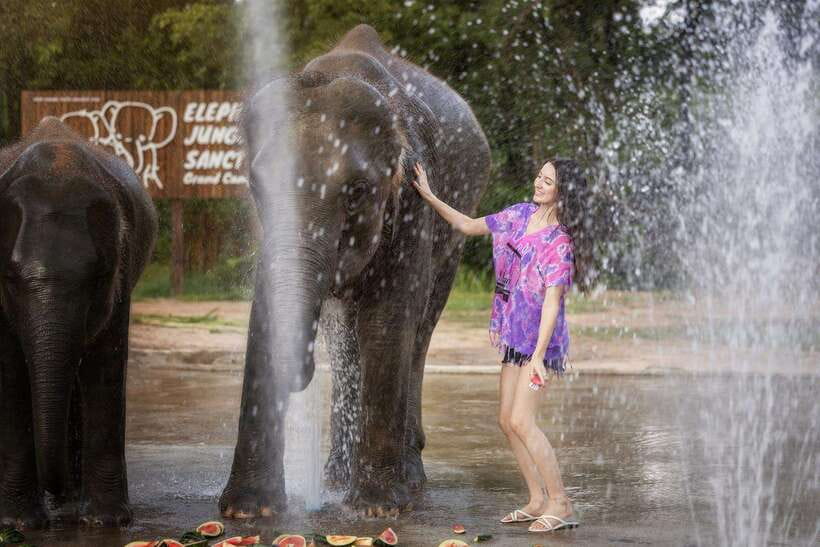
- Ethical feeding with fresh seasonal food from a viewing platform
- A built-in rain shower where you join the elephants as they cool down
- Hands-on supplement prep as part of helping with natural dietary additions
- Elephant Poop Paper class tied to the sanctuary’s sustainability work
- Education Center time so you can learn at a slower pace
Meet the sanctuary rhythm: what happens when you arrive
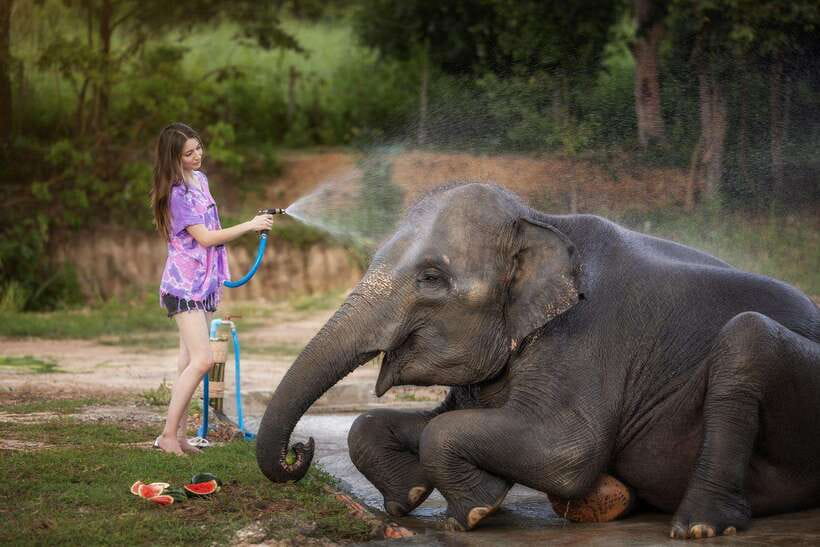
Your experience starts when you arrive at Elephant Jungle Sanctuary Chiang Mai, then it moves straight into orientation. You’ll get a briefing covering elephant behavior and the safety guidelines that help keep everyone calm and predictable. For me, that matters because elephants are powerful animals, and a good run here depends on clear rules from the start.
After that, you’re not just standing around. The flow is designed to move from watching, to feeding, to joining the elephants in the shower, and then into a more classroom-style sustainability activity. It’s a mix that works well if you want both interaction and education without a full-day commitment.
You can also read our reviews of more tours and experiences in Chiang Mai.



Feeding from the platform: the core of the ethical interaction
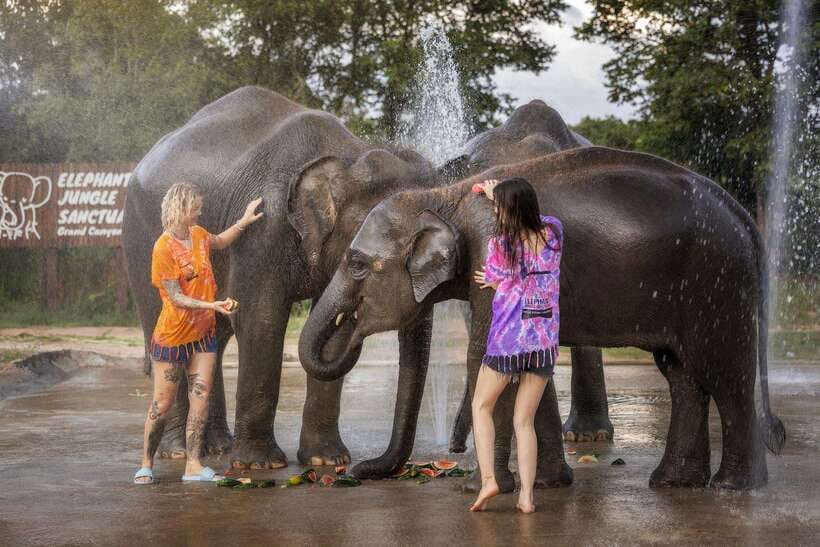
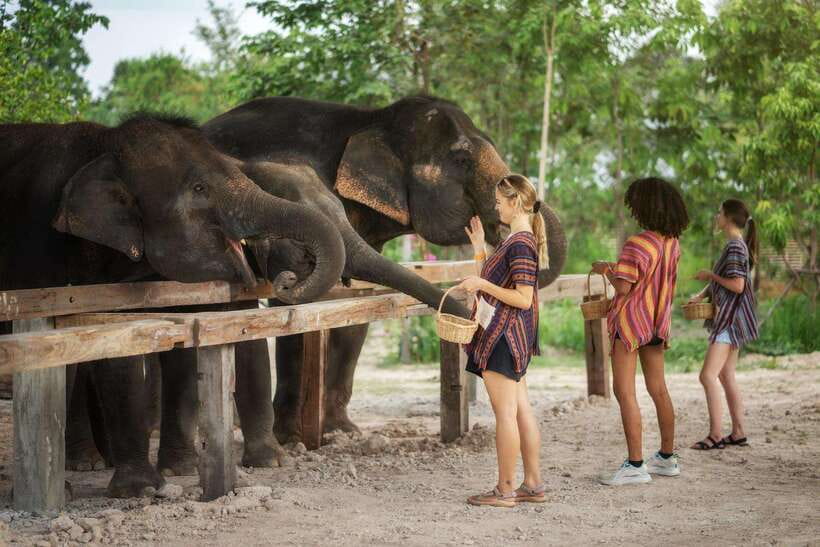
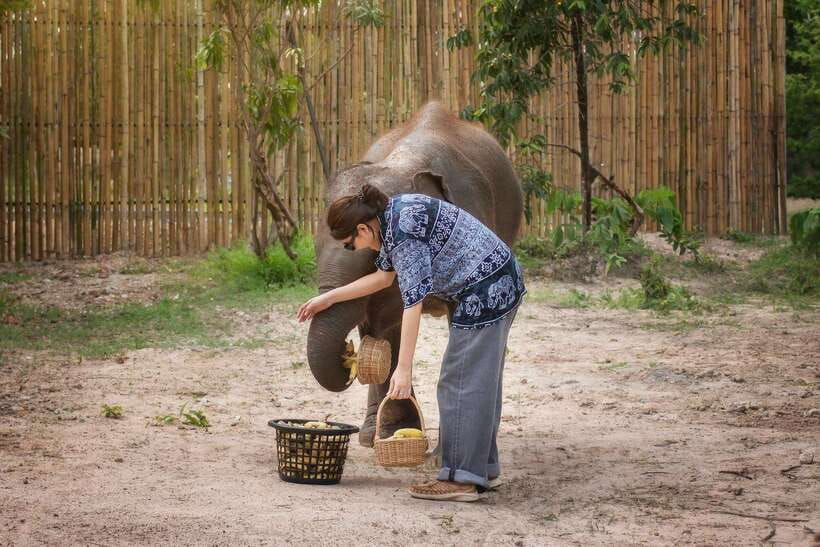
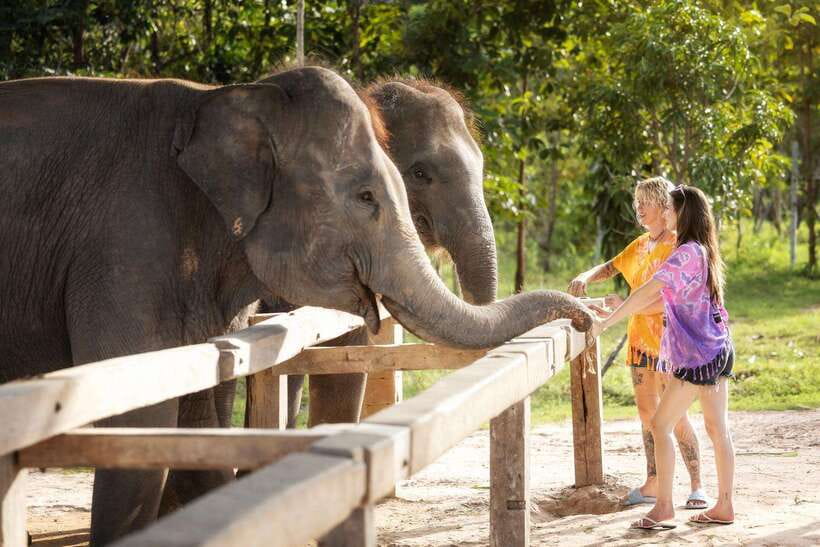
The heart of this program is the feeding moment. You’ll observe the elephants the sanctuary cares for, then feed them fresh seasonal fruit and vegetables, typically from a specially built viewing platform. That platform setup keeps your interaction close while still controlling the space so the session stays safe and structured.
Here’s what I like about this format: it turns curiosity into understanding. The guide talks through elephant behavior and why they eat what they eat, including practical fun facts about care and feeding, not just a generic “watch them eat” moment. And because this is about rescued elephants, it feels grounded in care rather than entertainment.
You’ll also assist with the preparation of natural dietary supplements. This is one of those small parts that makes the experience feel more meaningful, because you’re helping with the food plan rather than only consuming the experience. Think of it as a short, guided behind-the-scenes step.
The rain shower moment: when elephants cool down, you cool down too
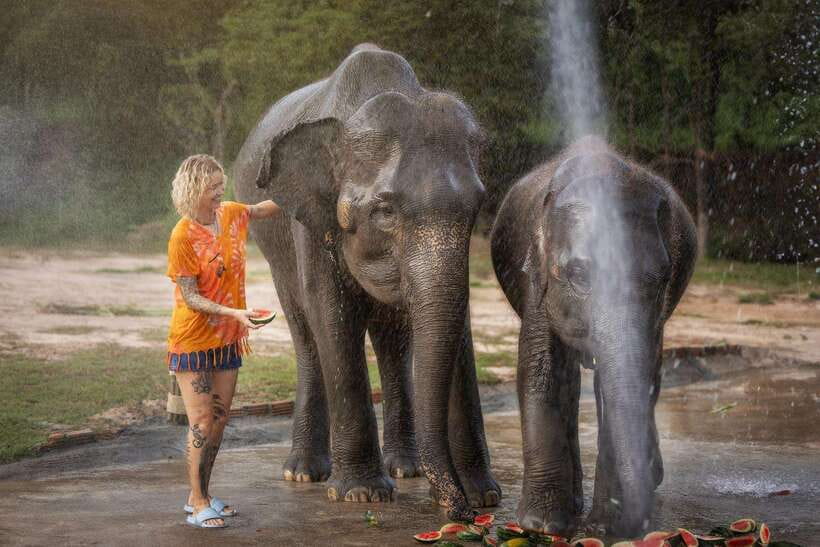
After feeding, you’ll join the elephants in the specially constructed outdoor elephant rain shower. This setup simulates rain and is built for the elephants to cool down, then roam freely in their scenic home area while you’re there. It’s not just a visual spectacle. You’re part of the same experience cycle, watching how they respond as the “rain” environment comes alive.
Plan for water on you. You’ll want to bring swimwear and a towel, and you’ll likely get wet in the process. The good news is that after the rain shower, you can take a regular shower and change clothes using the facilities provided, so you’re not stuck damp for the rest of your day.
One practical tip: wear comfortable clothing and shoes suitable for walking before you head in. Even if the program sounds like an animal experience, it’s still an outdoor visit with movement, so your feet will thank you later.
The guide makes the difference: why On’s approach stands out
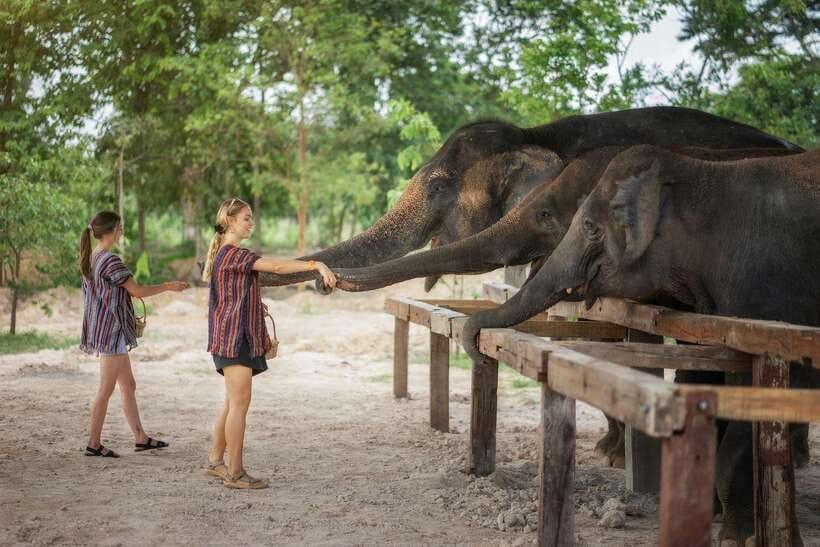
A big part of this program’s value is the human factor. The guide shares elephant behavior, safety guidelines, and additional context about the elephants’ origins and care. I’ve found that when guides connect the “what” with the “why,” you remember more than just the photos.
In particular, On stands out for making the visit feel fun while keeping the information clear. Staff are also described as friendly and helpful, which matters because you’ll have questions in the moment. If you want a guide who explains what you’re seeing in plain terms, this is the kind of program that tends to deliver.
Elephant Poop Paper: sustainability you can actually see
One reason this program feels different is that it includes an Elephant Poop Paper class. You learn how elephant excrement can be recycled into paper as part of the sanctuary’s sustainability initiative. It’s educational, but it’s also a useful reminder that animal care is full of real-world logistics.
Don’t worry if this topic sounds awkward at first. The class is presented as part of the project and sustainability effort, and it gives you something to think about after the wet, energetic shower portion is over. In a few hours, you’ll move from feeding, to cooling down, to a practical look at resource cycles.
If you like experiences that connect ethics with operations, this section is a big part of the payoff. You’re not only interacting with the elephants. You’re learning how the sanctuary tries to reduce waste and build a system around care.
Where the time goes: a clear walk-through of the flow
Here’s the typical rhythm so you can set expectations for your schedule. The experience starts with arrival and briefing, then you feed the elephants fresh seasonal fruit and vegetables. Next, you help with preparing natural dietary supplements, which supports the feeding process.
Then comes the rain shower, where you join the elephants as they cool down in the custom-built outdoor shower. After that, you take a regular shower and change clothes using the provided facilities, then you say goodbye to the elephants. The final stretches include learning elephant poop paper, plus time at the EJS Education Center.
That education center time is worth factoring in if you want more than a quick interaction. It’s also one of the quiet benefits for people traveling with mixed interests, because you can slow down and read or ask questions without feeling rushed.
Duration and scheduling: 2 to 4 hours is the sweet spot
The program runs about 2 to 4 hours, depending on the starting time you book. Because starting times vary, I recommend you treat this like a half-day plan. It’s short enough to work around other Chiang Mai sights, yet long enough to cover feeding, shower, and the sustainability class.
If you’re visiting during hot parts of the day, aim for an earlier slot when you can. The day includes sun and walking, and you’ll be better off with a hat and sunscreen regardless of when you go.
Price and value: what you get for about $30
At $30 per person, this isn’t trying to be a budget thrill ride. The value comes from what’s included: accident insurance, a free drink per 1 ticket, and the elephant food. You also get a live tour guide in English and Thai, plus the shower and change facilities.
It’s also meaningful that the program focuses on an ethical, rescued-elephant interaction rather than generic elephant tourism. You’re paying for guided care education and structured access, not just a photo moment.
The main costs to plan for are the ones you don’t control: transportation to and from the activity and meals. The listing also notes that meals aren’t included, so you’ll want to eat before or after depending on your schedule. There’s also an optional tie dye handkerchief workshop that can be added at checkout if you want an extra craft element.
What to bring: pack like you’re going to get wet

Bring a hat, swimwear, and a towel. You’ll also want comfortable shoes for walking, plus sunscreen and insect repellent because the experience is outdoors. Don’t forget your camera if you want photos, and keep in mind you’ll be around water during the rain shower portion.
Passport is required, and a copy is accepted. It’s rare for a short animal experience to request passport documentation, so pack it or have a copy ready to avoid last-minute stress.
Etiquette and safety: how to keep the day smooth
This program works best when you follow the guide’s instructions and respect the elephants. You’ll get safety guidelines in the briefing, and you should treat them like the main rules of the road. Avoid moving ahead of staff guidance, keep a calm pace, and listen when they explain what the elephants are likely to do next.
A practical mindset helps too: think of the interaction as coexisting with animals, not controlling the experience. When you’re patient and follow cues, the feeding and shower parts flow better for everyone.
Who should book this (and who might want something else)
I’d recommend this for you if you want:
- An elephant experience that’s structured and educational, not just a “stand next to” photo
- A way to see feeding behavior up close while still staying within safety rules
- A half-day plan that mixes interaction with a sustainability lesson
You might want a different option if you’re hoping for a very short, dry, low-effort visit. This includes rain shower fun, plus a regular shower and changing, so expect to be wet at least part of the time. Also, since transport and meals are not included, you’ll need to plan your day around getting to the sanctuary and eating.
Should you book the Chiang Mai Feed and Shower program?
If your priority is a hands-on but ethical elephant encounter with real guidance, I think this is a solid choice. The combination of feeding, rain shower, and elephant poop paper makes it feel like more than a single gimmick, and the inclusion of insurance and a guide helps your day run smoother.
Book it if you can handle being outdoors, packing swimwear and insect repellent, and spending a few hours on-site. Skip it if you want a quick stop, minimal walking, or zero chance of getting wet.
FAQ
How long is the Chiang Mai Feed and Shower experience?
It runs about 2 to 4 hours. Starting times vary, so check availability for the time slots.
Where does the experience take place?
It’s in Chiang Mai Province, Thailand, at Elephant Jungle Sanctuary Chiang Mai.
What is included in the price?
The experience includes accident insurance, a free drink per 1 ticket, and elephant food.
Is transportation to and from the sanctuary included?
No. Transportation to and from the activity is not included.
Do I need to bring swimwear and a towel?
Yes. The experience includes a rain shower, and you can use provided facilities afterward to shower and change clothes, but you still need swimwear and a towel.
Is meals included?
No. Meals are not included.
What language is the tour guide?
The live tour guide is available in English and Thai.
Is there an elephant poop paper activity?
Yes. Participants learn how to make elephant poop paper as part of the sanctuary’s sustainability initiative.
What are the recommended items to bring?
You should bring a hat, swimwear, a towel, and your passport (a copy is accepted). Comfortable walking shoes, sunscreen, and insect repellent are also recommended, and water is essential.
Is free cancellation available?
Yes. You can cancel up to 24 hours in advance for a full refund.
Can I reserve now and pay later?
Yes. The experience offers reserve now and pay later, so you can book a spot without paying today.