REVIEW · CHIANG MAI
CHIANG MAI ELEPHANT VILLAGE SANCTUARY JUNGLE ADVENTURE
Book on GetYourGuide →Operated by Elephant Village Sanctuary · Bookable on GetYourGuide
Jungle elephants and Karen hospitality in one day. What I like most is the chance to meet a Karen village family in Dok Ko Ki and watch the elephants with mahout supervision in a jungle setting. The gentle, hands-on moments feel more humane than the usual elephant shows, but you should know the day has firm rules and no riding, plus an early 7:30 pickup.
You’ll start with countryside stops outside Chiang Mai—coffee, a local vegetable-and-meat market, and rice-field views—before the program shifts into village life, traditional Karen clothing, a short briefing by owner Ken Palasu, and then elephant time plus a waterfall swim. The main drawback to plan for: it’s active and outdoors, so bring the right gear and be ready to follow the behavior rules closely.
In This Review
- Key Things You’ll Appreciate Most
- Why This Chiang Mai Elephant Village Feels Different Than Usual Tours
- Morning Pickup and the Drive Past Chiang Mai Province’s Everyday Life
- Dok Ko Ki Karen Village: Outfit Changes and Rice-Field Walking
- Elephant Time in the Jungle: Gentle Contact With Mahouts
- Cooling Off: Waterfall Trek, Pool Swim, and River Elephant Moments
- Lunch With Ken’s Family and How to End the Day Without Feeling Rushed
- Price and Value: What $48 Really Buys for 6 Hours
- Who This Trip Suits Best (and Who Might Think Twice)
- What to Bring, What You Can Do, and Key Rules You’ll Be Asked to Follow
- Should You Book This Jungle-and-Elephant Day Trip?
- FAQ
- How long is the Chiang Mai Elephant Village Sanctuary Jungle Adventure?
- What does it cost?
- Where do I get picked up?
- What time is pickup?
- What language is the guide?
- What is included in the price?
- Can I ride the elephants?
- Is flash photography allowed?
- Is there any swimming?
- What items should I bring?
Key Things You’ll Appreciate Most
- Karen village contact (Dok Ko Ki): you’re not just dropped off—you walk through the rice fields and village life with the family at the center of it
- Elephants in a jungle home: the routine is set up so elephants spend time where they naturally belong, not in show-style enclosures
- Small group feel: smaller numbers mean you get closer interaction without crowding the animals
- Waterfall swim and river elephant moments: it’s not only elephants—there’s a cool-down trek and more elephant observing nearby
- Lunch prepared by the family: you end the day with food that matches the setting, not a generic tour meal
- Practical safety and behavior rules: no flash photography, no riding, and no alcohol or drugs keeps the day more controlled
Why This Chiang Mai Elephant Village Feels Different Than Usual Tours
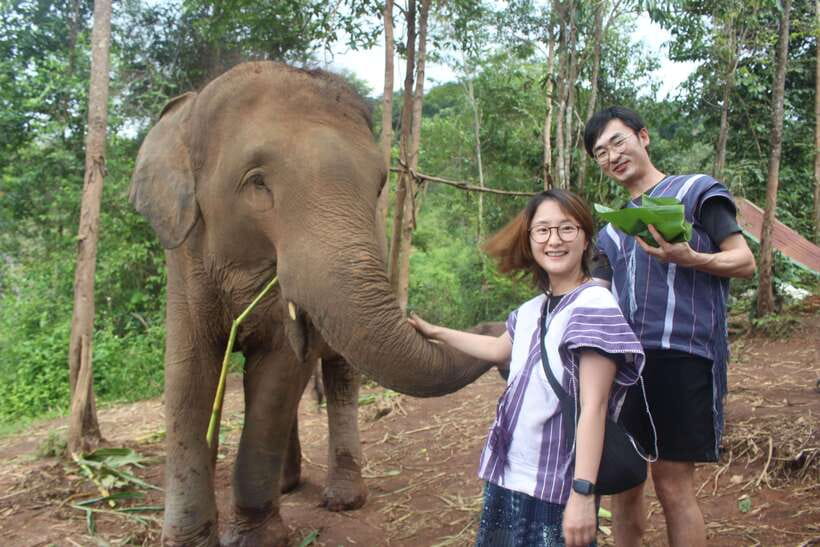
A lot of elephant experiences promise you’re going to see animals in nature. This one tries to match that idea with how the day is structured: you go out of town early, you spend real time at the Karen village and jungle areas, and you’re kept in a small-group flow that’s meant to avoid stressing the elephants.
I also like that the experience is framed around care. Your fee goes toward the elephants’ upkeep after expenses, and the program emphasizes observing, feeding, and interacting under supervision rather than treating elephants like rides. In real terms, that changes the tone of the day—you’ll spend more time watching small behaviors and less time chasing thrills.
Ken Palasu, the owner, is part of what gives the day personality. You’ll hear a short, humorous briefing about his family, the village, and elephant facts you might not know. It’s the kind of orientation that makes the rest of the day easier to understand as you go.
The elephant time itself matters, too. The program is designed to keep contact direct but controlled—under the guidance of the mahouts—so you can get close to the animals’ calm presence without turning it into chaos.
You can also read our reviews of more tours and experiences in Chiang Mai.


Morning Pickup and the Drive Past Chiang Mai Province’s Everyday Life
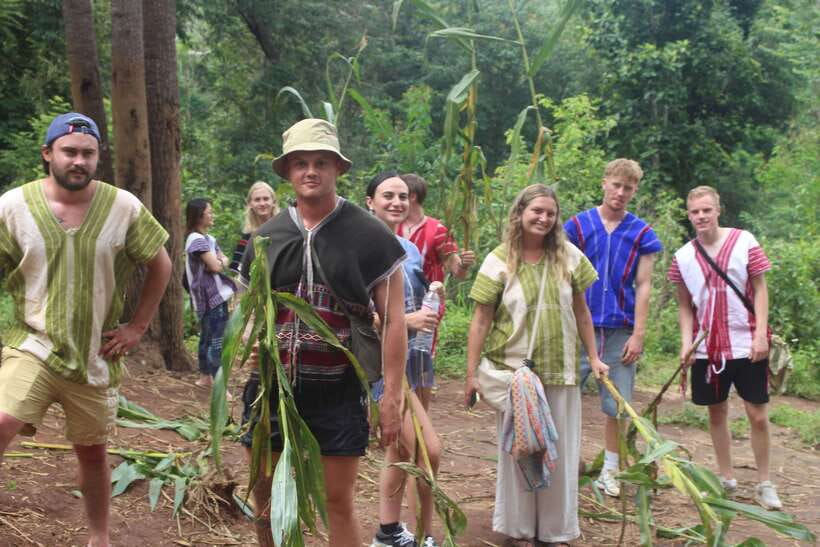
Your day begins with pickup at your hotel reception at 7:30 am. It’s an early start, but it also means you avoid the hotter middle of the day and you get a smoother ride out to the countryside.
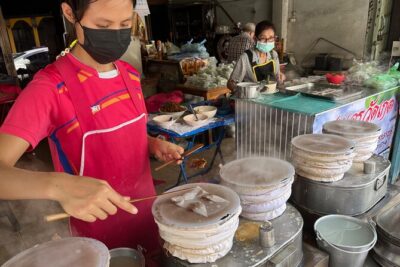
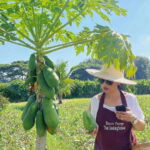
On the way, you get more than just transportation. You’ll stop for coffee in a small town, then walk around a fresh vegetable and meat market. This is one of those moments that quietly gives you context for where you are. You’ll notice many people speak a northern Thai dialect, which helps the area feel distinct from central Thailand.
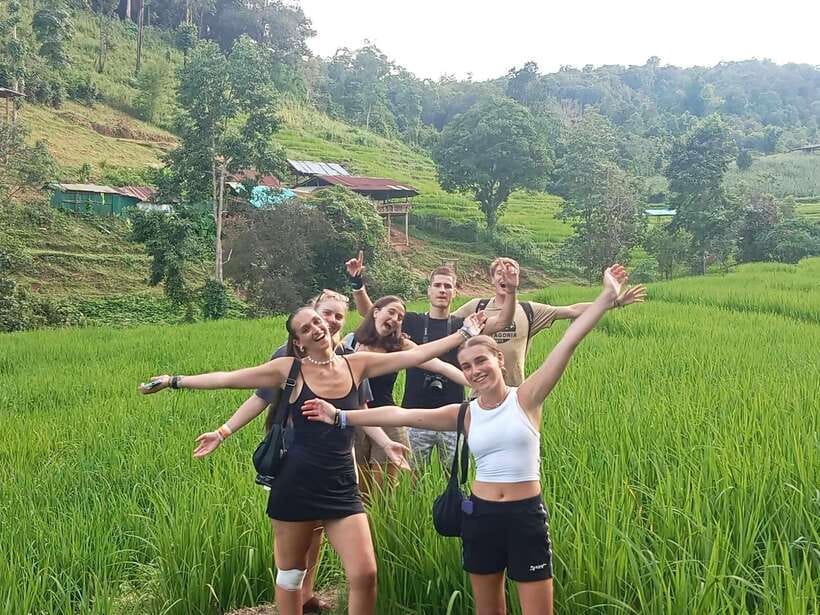
As the road climbs toward the mountains, the scenery changes fast—city edges give way to villages, green rice fields, and river-and-mountain views. Bring your camera here, because you’ll get multiple chances to stop and look out over the countryside without feeling rushed.
One practical note: the day is outdoor-heavy. If you’re sensitive to heat or sun, plan to dress with that in mind even in the morning. You’ll be walking, standing, and moving between areas.
Dok Ko Ki Karen Village: Outfit Changes and Rice-Field Walking
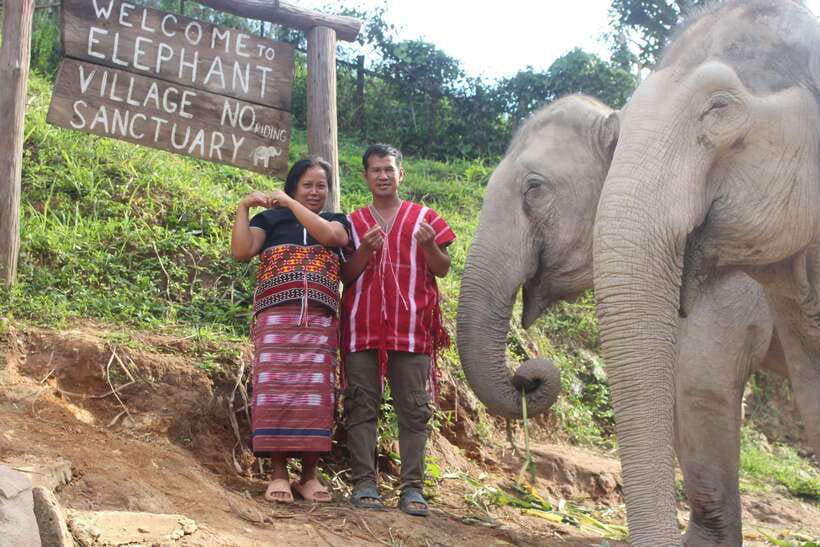
After the drive out of Chiang Mai, you arrive at the Karen village of Dok Ko Ki. This matters because the elephants aren’t immediately waiting in front of you. Instead, you first experience village life and the surrounding rice areas.
You’ll walk through the rice fields to the meeting area. This is a good “transition” segment that helps you understand the setting before the elephants come into focus. It’s also where you start noticing the rhythm of village life—people, paths, fields, and the everyday details that tours often skip.
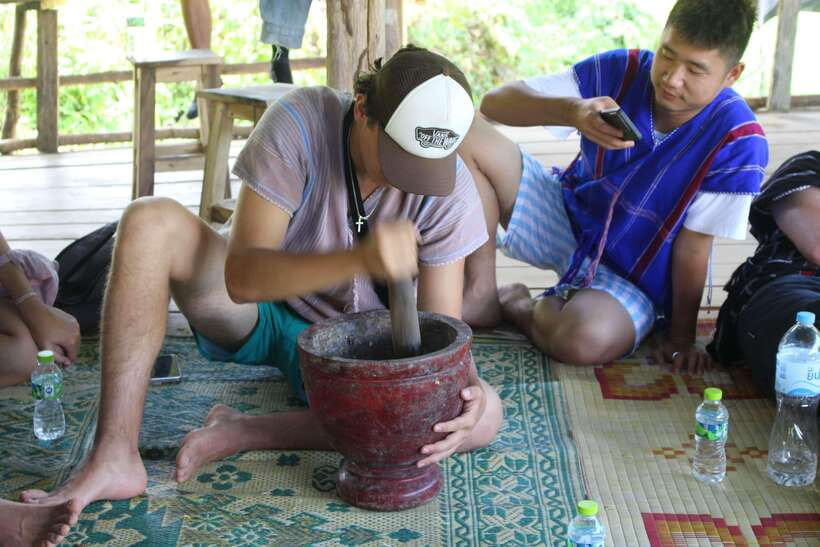
You’ll also change into traditional Karen outfits. The purpose is practical, not just ceremonial: it helps keep your clothes cleaner during the walking and jungle portions of the day. If you don’t want to fuss with changing, bring something comfortable you can wear again afterward, because you’ll likely rinse sweat off later (shower facilities are included).
At the meeting place, owner Ken Palasu gives that short humorous briefing. It’s not just entertainment. The goal is to set expectations—how the elephants behave, what you’re allowed to do, and why the family’s elephant care matters.
Then you start the shift into the jungle safari portion, where the day becomes more active.
Elephant Time in the Jungle: Gentle Contact With Mahouts
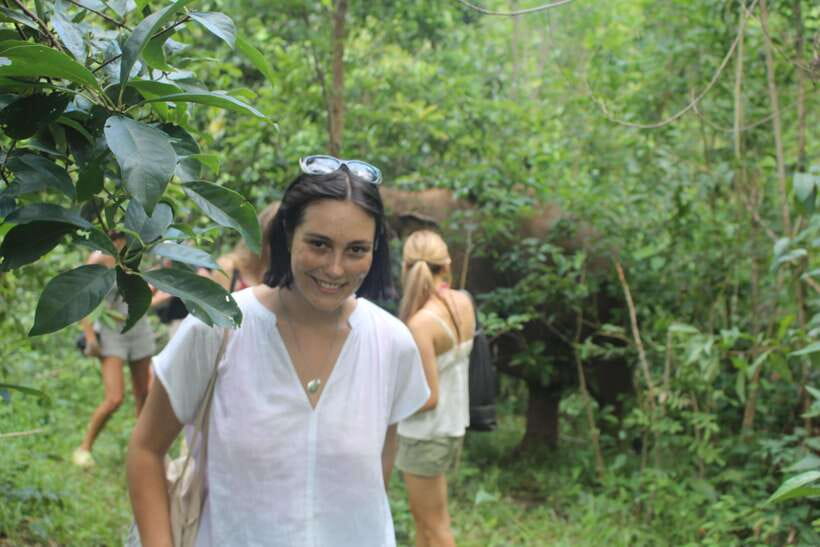
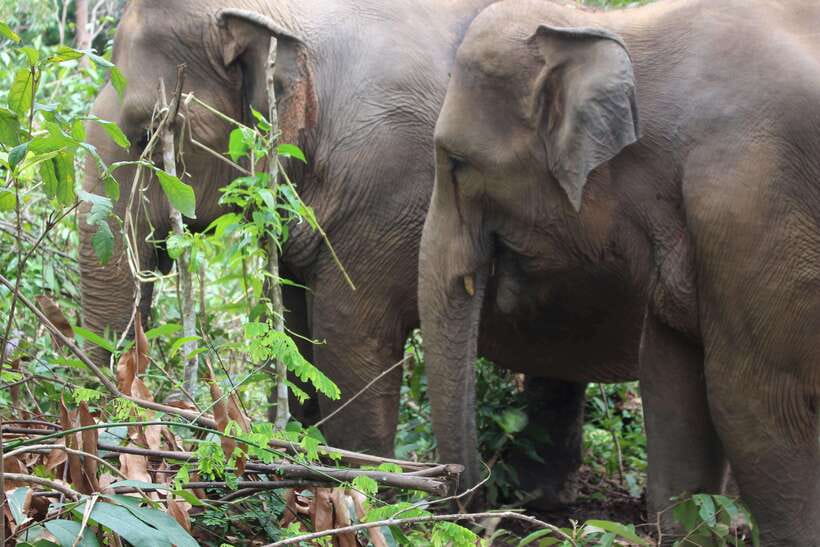
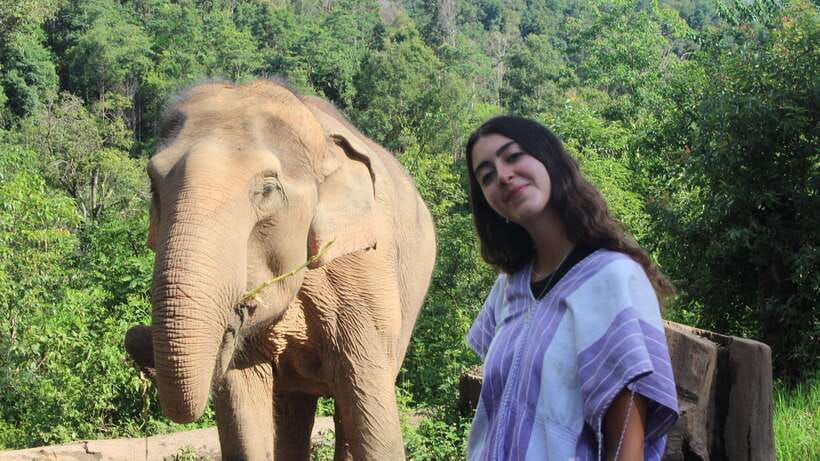
This is the heart of the trip. You’ll finally meet the elephants—feasting on lush foliage and occasionally showing playful behavior.
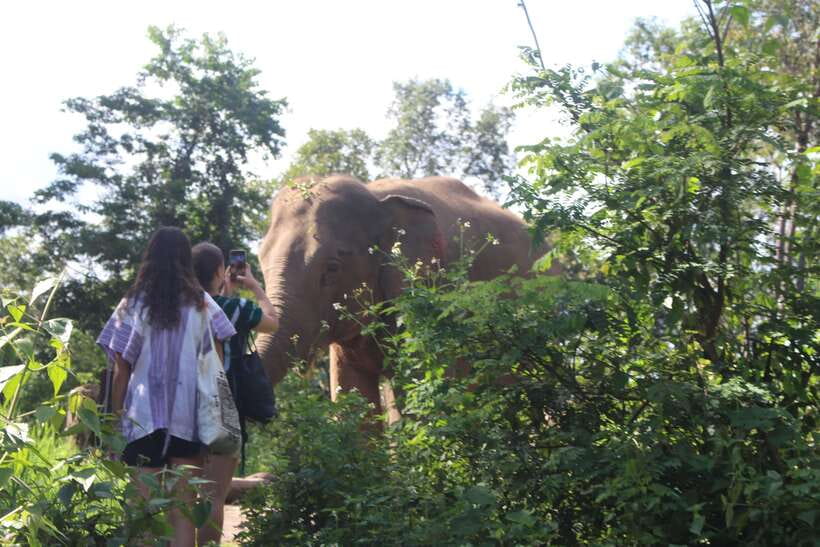
What you’ll notice right away is the supervision and the pacing. The program uses small groups so you can have more direct contact without stressing the elephants. You interact with the elephants under mahout care, which keeps the experience focused on safety and animal welfare.
You may be told about how the elephants spend their time in the jungle area rather than living in stables. One strong detail from firsthand feedback is that the setup keeps the elephants on a sizable jungle ground area (described as around 25 hectares), with the routine centered around when the elephants come in for snacks before returning to the jungle afterward. Even if you’ve seen elephants before, that kind of housing context helps you interpret what you’re seeing.
You’ll also have time for feeding and close observation. The best part is that the elephants’ calm behavior gives you a different kind of photo opportunity—less of the frantic jumping that some elephant shows create, more quiet moments where you can watch them move and interact naturally.
Important rule: you’re not riding the animals. That’s clearly part of the ethics of the day, and it also means the experience is more about watching, touching, feeding, and learning than about thrill rides.
Cooling Off: Waterfall Trek, Pool Swim, and River Elephant Moments
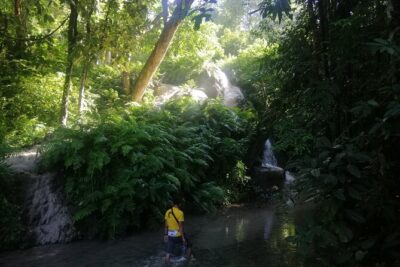
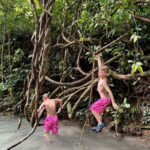
After the main elephant segment, you’ll take a short trek to a waterfall. The point here is simple: cool off. The program description includes swimming in the pool, which is a fun break if you’re comfortable getting wet.
Then the day brings you back into elephant time again. The elephants are nearby in the river area, and you’ll get another chance to observe them doing what elephants do—moving through water, cooling off, and using the river environment naturally.
You may also help with cleaning themselves when they approach voluntarily. This is one of those moments that feels hands-on but stays grounded in animal behavior rather than forcing a show. Keep in mind that you’re always in a controlled environment under supervision, and you should follow the guide’s instructions closely.
If you swim, you’ll appreciate that shower facilities are included. It’s a small detail, but it makes the end of the day much more comfortable, especially if you’re traveling with dinner plans afterward.
Lunch With Ken’s Family and How to End the Day Without Feeling Rushed
Lunch is part of the day for a reason: you don’t end the trip hungry and you don’t end it with a detached restaurant stop.
You’ll enjoy a local lunch prepared by Ken’s family. One thing I like about this type of meal plan is that it matches the setting. It doesn’t feel like a separate add-on; it feels like part of the family’s hospitality.
You’ll also get a bit of breathing room during the overall schedule. The day includes a short free window (around half an hour) where you can reset—use the bathroom, catch your breath, or just look around at the village setting.
After lunch and the remaining scenic drive time, you head back to Chiang Mai and drop off at your hotel.
Price and Value: What $48 Really Buys for 6 Hours
At $48 per person for about 6 hours, the price can look like a bargain or a question mark depending on what you expect from elephant tourism. Here’s how I think about the value.
You’re getting:
- Hotel pickup and drop-off
- Transportation to and from the village
- An English-speaking guide (the owner is involved in the briefing)
- Insurance
- Traditional Karen outfits
- Bottled water
- Lunch
- Shower facilities
- Additional elephant food
- And the elephant-care portion of the fee going toward upkeep after expenses
So the cost isn’t just paying to “see elephants.” You’re paying for a full day out of the city with guide time, village interaction, and services that make the experience workable—especially the meals, outfit, and transfers.
Is it still a lot of money for some travelers? Sure. But if you’re choosing between a cheap elephant stop that’s mostly a show and a longer day that’s organized around care and supervised contact, this one makes its case.
Who This Trip Suits Best (and Who Might Think Twice)
This is ideal if you want a Chiang Mai elephant sanctuary experience that focuses on contact, learning, and gentle animal interaction rather than riding or big-ticket spectacle.
You’ll probably enjoy it most if:
- You like structured mornings and don’t mind being outdoors
- You want real human connection with the Karen village setting
- You’re okay following rules to keep everyone calm (including the elephants)
You might think twice if:
- You’re looking for an adrenaline-heavy activity with lots of freedom (this day is structured)
- You hate early pickups
- You’re not willing to follow the behavior rules—things like no flash photography, no alcohol/drugs, and no making noise
Also, if you’re traveling with kids, note that unaccompanied minors aren’t allowed. That’s something to plan around early.
Finally, there’s one note worth considering for expectations: one booking expressed that they wanted the description to be not misleading. That’s a reminder to read the rules and ask direct questions if you have specific concerns about what you’ll be doing.
What to Bring, What You Can Do, and Key Rules You’ll Be Asked to Follow
This trip is simple, but you should pack smart.
Bring:
- Personal medication (only item clearly stated)
You should also plan on:
- Sun protection (because you’re outside much of the day)
- Comfortable footwear for walking
- A plan for wet time if you swim at the waterfall
- A camera that doesn’t need flash, since flash photography isn’t allowed
Not allowed:
- Intoxication
- Alcohol and drugs
- Making noise
- Making fire
- Nudity
- Unaccompanied minors
- Riding the animals
These rules are there for a reason: they keep the environment controlled and safer for both people and elephants. They also keep the day from turning into something the elephants can’t handle.
One more practical step: you’re asked to email when you arrive in Thailand to confirm pickup, preferably 48 hours before. Pickup is at 7:30 am at your hotel reception.
Should You Book This Jungle-and-Elephant Day Trip?
If you want a Chiang Mai day that blends Karen village life, close elephant interaction under supervision, and real outdoor time (including a waterfall swim), I think this is a strong choice.
It’s not for you if you’re only interested in the most extreme or photo-trick moments. The value here is the calm pacing, the supervised contact, and the way the day is set up around care rather than performance.
My rule of thumb: if you can commit to the rules, show up early, and treat the animals and the family with respect, you’ll likely come away with memories that feel grounded in the place—not just another stop on a checklist.
FAQ
How long is the Chiang Mai Elephant Village Sanctuary Jungle Adventure?
It runs for 6 hours.
What does it cost?
The price is listed as $48 per person.
Where do I get picked up?
Pickup is included at your hotel reception. You should be ready at the hotel lobby near reception.
What time is pickup?
Pickup is scheduled for 7:30 am.
What language is the guide?
The tour includes a live guide in English and Thai.
What is included in the price?
Included items are insurance, pickup and drop-off, transportation, an English-speaking guide (owner), traditional Karen outfit, bottled water, shower facilities, local lunch, and additional elephant food. The fee also goes toward elephants’ upkeep after expenses.
Can I ride the elephants?
No. Riding the animals is not allowed.
Is flash photography allowed?
No. Flash photography is not allowed.
Is there any swimming?
Yes. After the waterfall trek, you can cool off and swim in the pool.
What items should I bring?
The only explicitly stated item to bring is personal medication.