REVIEW · CHIANG MAI
Chiang Mai: One-Day Trekking Adventure in Doi Inthanon Area
Book on GetYourGuide →Operated by Chiang Mai Thailand Tour · Bookable on GetYourGuide
That first jungle trail hits fast. This one-day outing packs waterfalls and hilltribe culture into a calm, green mountain day.
You’ll walk through forest and farmlands, visit a Karen village, then continue to a Shan village, with four waterfall stops along the way. You’ll also get a lunch break that includes time for a refreshing swim in a natural waterfall. The only real catch: the day is physically active and can involve a larger group than you’d prefer, which can make it harder to hear the guide at times.
I like the way this trip mixes nature with people. You’re not just hiking for photos; you’re getting context on everyday life and plant knowledge, including how some plants are used for food or even for little sounds. If you want a quiet, small-group hike with minimal noise, you might want to consider that trade-off before you book.
In This Review
- Key things I’d prioritize about this Doi Inthanon day
- Where the day starts: market morning, then straight into the forest
- The trek that makes time fly: jungle trails, farms, and mountain views
- Karen hilltribe village: culture you can actually see in daily life
- Waterfall stops: four chances to cool down and slow your camera
- The lunch waterfall (and why the swim matters)
- After lunch: Shan village and more hidden waterfall moments
- Guide style and learning: plants, medicine, and small surprises
- Price and value: what $77 buys you (and what you still need)
- What to bring so you don’t spend the day worrying
- Eco-tourism and respectful visiting: the tone to keep all day
- Who this hike is best for (and who should skip it)
- Possible drawback: group noise can get in the way
- Should you book this one-day Chiang Mai trekking adventure?
- FAQ
- How long is the Chiang Mai one-day trekking experience?
- What time is pickup in Chiang Mai?
- Does the tour include lunch and a swim?
- How many waterfalls are included?
- What’s included in the price, and what isn’t?
- What should I bring for the trek?
Key things I’d prioritize about this Doi Inthanon day
- Four waterfalls in one day: more variety than the usual single-drop hike.
- Karen village + Shan village: culture stops are part of the walking plan, not a quick photo stop.
- A real lunch swim: your break happens at a waterfall where you can cool off.
- Plant and nature explanations: you’ll learn what grows around you and how locals use it.
- Hotel pickup and drop-off: you avoid the hassle of figuring out transport solo.
Where the day starts: market morning, then straight into the forest
Your day begins with pickup from your Chiang Mai hotel or guesthouse between 7:00 and 7:30 AM. From there, you’ll drive to a local market first. This matters because it gives you a chance to top up on water, snacks, or small personal items before the trekking starts.
After about 40 minutes at the market area, you’ll keep going for roughly 30 more minutes to reach the trail start. Once you’re walking, the vibe changes quickly: farmlands and jungle trails roll together, and the day feels like it’s shifting from town energy into mountain quiet.
What I like here is that you’re not stuck with just what you brought from your room. Even if you pack everything, the market stop is useful for last-minute adjustments—especially if you run hot or want extra snacks.
You can also read our reviews of more hiking tours in Chiang Mai

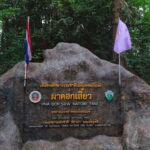
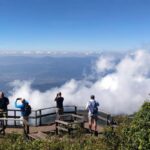
The trek that makes time fly: jungle trails, farms, and mountain views
The main draw is the long hike—about 6–7 hours total, including village visits and four waterfall stops. That’s a big stretch for a one-day trip, so you should think of it as a full hike day with cultural breaks rather than a casual walk.
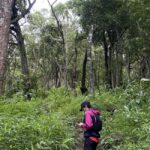
Along the route, you’ll move through a mix of jungle trails and scenic farmlands, and you can expect stunning mountain views when the path opens up. This is also where the guide-led learning really helps. When you know what you’re looking at—plants, terrain, and local uses—you stay more engaged than you would on a trail that’s just green blur.
Practical note: wear real hiking shoes. You’ll be stepping on uneven ground for hours, and the comfort difference between sneakers and proper trail footwear is huge.
Karen hilltribe village: culture you can actually see in daily life
Once you reach the remote Karen hilltribe village, the day slows down in a good way. This isn’t presented as a performance. You get time to explore and see aspects of hilltribe life and culture up close, with your English-speaking guide helping connect what you’re seeing to the larger picture.
I especially like this part because it shifts the day from “nature activity” to “human story.” You’re not just walking through scenery; you’re understanding how people live in and alongside these forested mountain regions.
Two quick reminders for this segment:
- Go in with respect and patience. Village visits can take longer than you expect because you’re learning, not just passing through.
- Keep your pace. If you rush, you miss the details your guide is trying to point out.
Waterfall stops: four chances to cool down and slow your camera
A key reason this trip stands out is the number of waterfall moments. You’ll visit four waterfalls during the day, and not all of them are about the same thing. Some are more about the view and relaxing. Others are about water sound, mist, and that short moment when you feel like you’re away from everything.
The route is designed so you’re always moving, but you also get real breaks—enough time to feel the place rather than just stop, snap photos, and go.
The lunch waterfall (and why the swim matters)
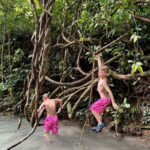
Lunch happens at a beautiful waterfall spot, which is great because it gives your body a reset after hours of walking. The best part: you’ll have time to take a refreshing swim and cool off in the natural surroundings.
I love this design because it’s not an optional extra that costs more. It’s built into your schedule right when you’re most likely to feel hot and tired. You can eat, rest, and then use the water to recover before the afternoon trek.
If you do plan to swim:
- Bring a change of clothes and a towel (they’re on the bring list for a reason).
- Pack your swimwear in an easy-to-reach spot, not at the bottom of everything.




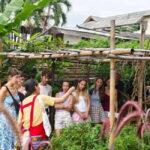
After lunch: Shan village and more hidden waterfall moments
After you eat, you keep trekking toward a Shan village. This section tends to feel like the day’s quieter stretch—serene jungle paths, a slower mood, and chances to spot waterfalls along the way.
You’ll pass through more forest trails, and the overall pace becomes more about sustained effort than big spectacle. That’s where good footwear and a steady rhythm help. The waterfall moments help break up the hike, so it doesn’t feel like nonstop effort.
When you reach the Shan village, you’ll have another culture stop—this time with a different hilltribe community than you saw earlier. It’s a strong way to compare how culture can vary across nearby mountain areas while staying connected to the land.
Guide style and learning: plants, medicine, and small surprises
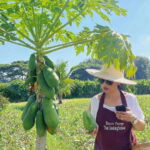
One of the most praised parts of this experience is how the guide explains the environment. You’ll learn about plants used as medicine or food, and you might even get playful demonstrations—like how some plants can make fun sounds.
That kind of detail changes the hike. Instead of counting hours, you start noticing things:
- what grows where
- which plants are useful
- how the forest functions as a living system
Even if you’re not a hardcore botany person, these small lessons keep the day interesting and help you feel more connected to the place you’re walking through.
Price and value: what $77 buys you (and what you still need)
At about $77 per person for a full day, this is priced like a proper guided outdoor day rather than a simple transfer. You’re getting:
- hotel pickup and drop-off
- an English-speaking guide
- lunch
- insurance coverage
- luggage storage
That added value matters because one-day hikes often fall apart if you have to arrange transport or scramble for lunch and safety support. Here, the trip holds together as one plan.
What’s not included is also clear. Water or drinks aren’t included, and the walk won’t include the highest mountain point or the Twin Pagoda (King and Queen Pagoda). So you should budget for drinks and have realistic expectations about what “Doi Inthanon area” means: it’s trekking and village culture, not a full pagoda-and-summit sightseeing day.
My practical advice: plan to bring some cash or money for extra drinks at the market stop, and treat water as part of your packing list—not an afterthought.
What to bring so you don’t spend the day worrying
The bring list is solid, and I agree with every item because this day mixes heat, sun, and wet spots.
At minimum, pack:
- hiking shoes
- long pants or hiking pants
- long-sleeved shirt and sunscreen
- sun hat and sunglasses
- insect repellent
- swimwear, towel, and a change of clothes
- a camera and personal medication
If you tend to get sunburned or bug-bitten, consider this your checklist for avoiding a miserable afternoon. The lunch swim and waterfall mist make comfort after sweating a real priority.
Eco-tourism and respectful visiting: the tone to keep all day
This trip explicitly supports local communities and promotes eco-tourism. That means the right attitude matters more than the right outfit.
Here’s how to keep it simple:
- Stay aware of your trash and leave the trail cleaner than you found it.
- Be respectful during village visits. Ask questions when invited, and keep interactions calm.
- Treat the waterfalls and swim area as a place to enjoy—not a place to treat like a playground.
This is the kind of day where your behavior shapes the experience for everyone, including your guide and the community hosts.
Who this hike is best for (and who should skip it)
This is made for people who want a nature-packed day with culture and don’t mind walking for hours. If you like active travel—hikes with real effort, not a “stroll”—you’ll probably love it.
It’s not suitable for:
- children under 5
- people over 264 lbs (120 kg)
- people over 70
If you’re older or you have mobility limits, you may find the hike demanding even with breaks at villages and waterfalls.
Possible drawback: group noise can get in the way
One review noted that there were too many participants and that it became difficult to hear guide info because of noise in the forest. That’s the main consideration to keep in mind.
So if you’re picky about quiet hikes, or you like your guide explanations delivered without distractions, you should mentally prepare for some “shared space” moments. The good news: the waterfalls, swim break, and cultural stops still land. The difference is how much you catch from the guide in-between.
Should you book this one-day Chiang Mai trekking adventure?
Book it if you want a single day that blends jungle trails, Karen and Shan village culture, and four waterfall moments, including a lunch-time swim. It’s good value because pickup, guide, lunch, and insurance are handled for you, and you’re getting more than just one scenic stop.
Skip it if you’re aiming for a summit/pagoda checklist day. This experience doesn’t include the twin pagodas or the highest mountain point, and it’s physically active. Also think twice if you want a small-group hike where every guide sentence is perfectly audible.
If you’re the type who enjoys learning on the trail—especially the plant and nature explanations—this is the kind of day that stays memorable long after the photos.
FAQ
How long is the Chiang Mai one-day trekking experience?
It lasts one day with a total trekking time of about 6–7 hours, and you typically return to Chiang Mai around 6:00 PM.
What time is pickup in Chiang Mai?
Pickup is usually between 7:00 and 7:30 AM from your hotel or guesthouse.
Does the tour include lunch and a swim?
Yes. Lunch is included, and you’ll have time to take a refreshing swim at the natural waterfall during the lunch break.
How many waterfalls are included?
You’ll visit four waterfalls during the day.
What’s included in the price, and what isn’t?
Included: hotel pickup and drop-off, lunch, insurance, an English-speaking guide, and luggage storage. Not included: water/drinks, the highest mountain point, and the King and Queen Pagoda.
What should I bring for the trek?
Bring hiking shoes, long pants, long-sleeved shirt, sunscreen, sunglasses, a sun hat, insect repellent, swimwear, a towel, a change of clothes, a camera, and any personal medication.