REVIEW · CHIANG MAI
Chiang Mai: Doi Inthanon, Waterfalls, & Tribal Villages Tour
Book on GetYourGuide →Operated by Oh-Hoo · Bookable on GetYourGuide
Mountain air beats city heat. This 10-hour Chiang Mai tour takes you to Doi Inthanon at 2,565 meters, plus major waterfalls and Karen and Hmong hill-tribe villages. I especially liked the high-mountain viewpoints and the chance to see real daily life in the hill-tribe communities. One drawback to plan for: the schedule is busy, so some stops feel short.
The best part is how the day is guided from start to finish, with hotel pickup and an English-speaking guide for most of the time. In this group format, I’ve seen guides like Bobo, Choo, and PJ praised for turning a full day into a story you can follow, not just a checklist.
In This Review
- Key reasons this Doi Inthanon tour works
- Doi Inthanon at 2,565 meters: what you’re really paying for
- Hotel pickup and the “joint tour” rhythm
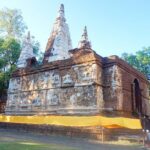
- The King and Queen Pagodas: dress code you should not ignore
- Waterfalls at Doi Inthanon: Wachirathan or Sirithan in real life
- The Roof of Thailand viewpoint and the fog factor
- Karen and Hmong hill tribes: market first, village time after
- Lunch on the mountain: a set menu that varies in satisfaction
- Guides really shape the day (Bobo, Choo, PJ, Nammy, and more)
- Price and value for a 10-hour Chiang Mai escape
- Who should book this, and who should skip it
- Should you book this Doi Inthanon tour?
- FAQ
- How long is the tour and when do you return?
- What areas in Chiang Mai do you pick up from?
- What time does hotel pickup start?
- What fees are not included?
- Is lunch included?
- What should I bring?
- Is there a dress code for the pagodas?
- What languages does the tour guide speak?
- Is the tour refundable if plans change?
- Is this tour suitable for pregnant travelers or mobility impairments?
Key reasons this Doi Inthanon tour works
- Thailand’s highest peak stop (2,565 m) gives you the Roof of Thailand style views, when the weather cooperates
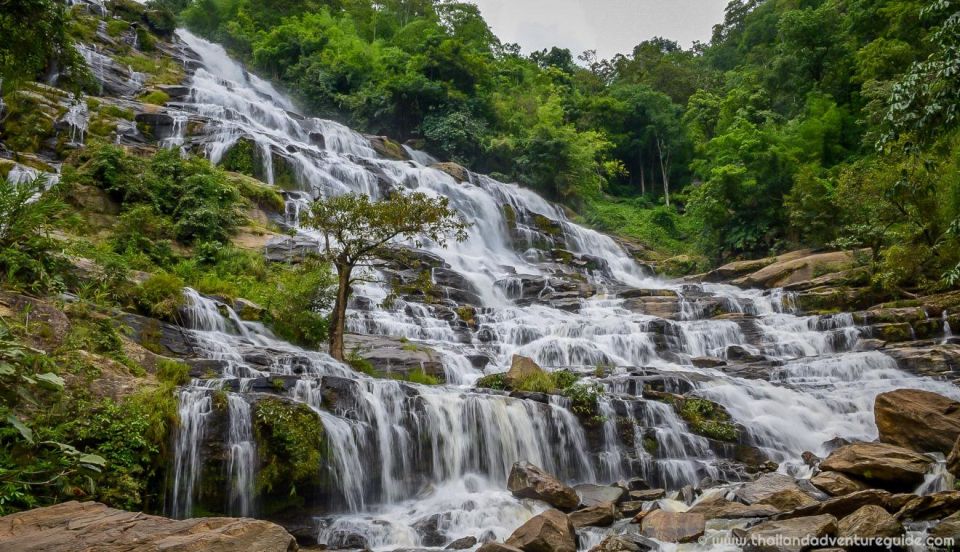
- Waterfalls like Wachirathan or Sirithan can be dramatic, especially after rain
- King and Queen Pagodas add meaning beyond photos, with a clear dress code
- Karen and Hmong market + village visits show everyday culture, not just a performance
- Pickup from Old Town and Nimman keeps the day simple even if you hate early starts
Doi Inthanon at 2,565 meters: what you’re really paying for
This tour is built around one big idea: get out of Chiang Mai’s grid fast, then spend the day high in the mountains. You’ll ride up toward Thailand’s highest peak at 2,565 meters, where the air usually feels cooler and cleaner than down in town. That change alone makes the long day worth it. Even if fog or low clouds roll in, the mountain atmosphere still feels like a real break.
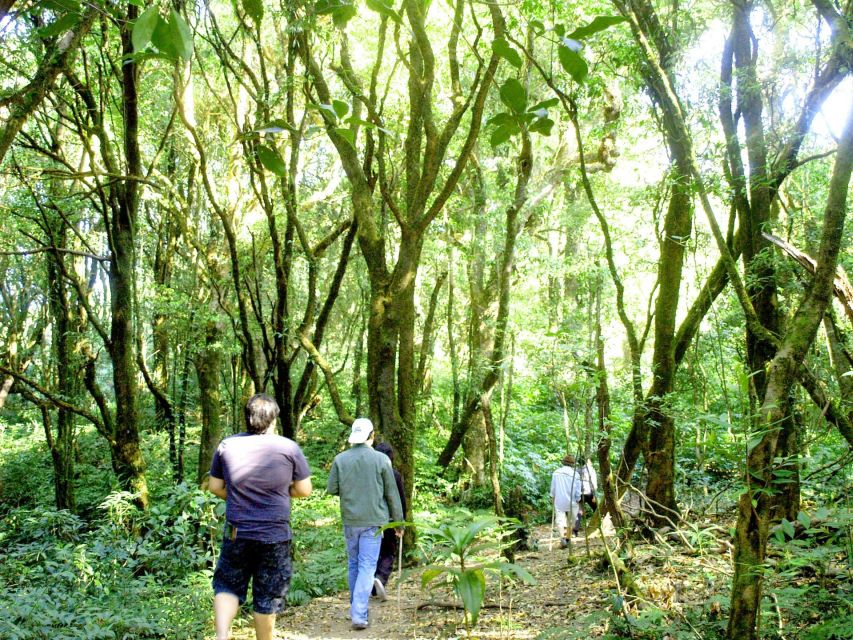
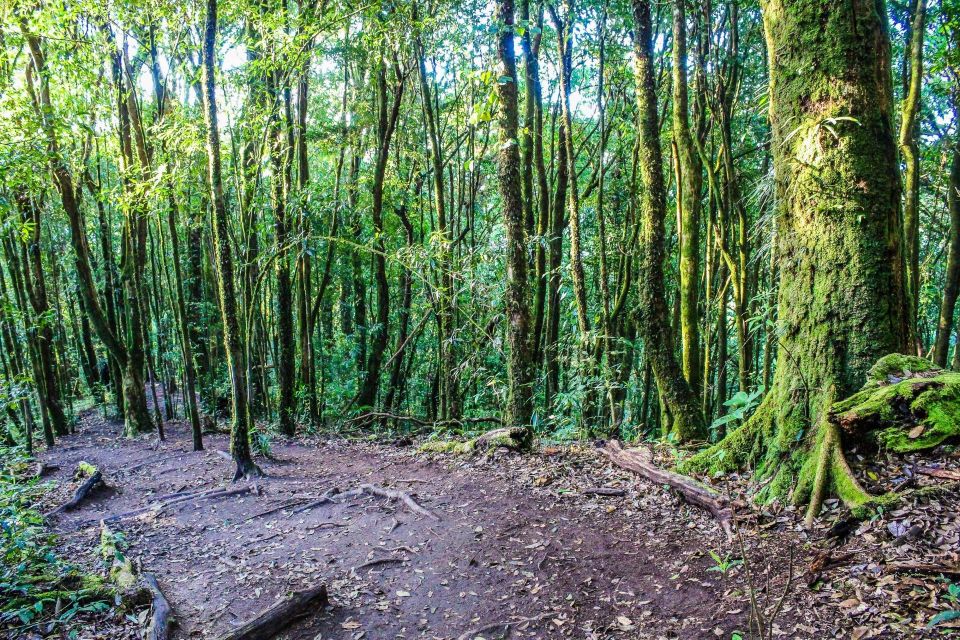
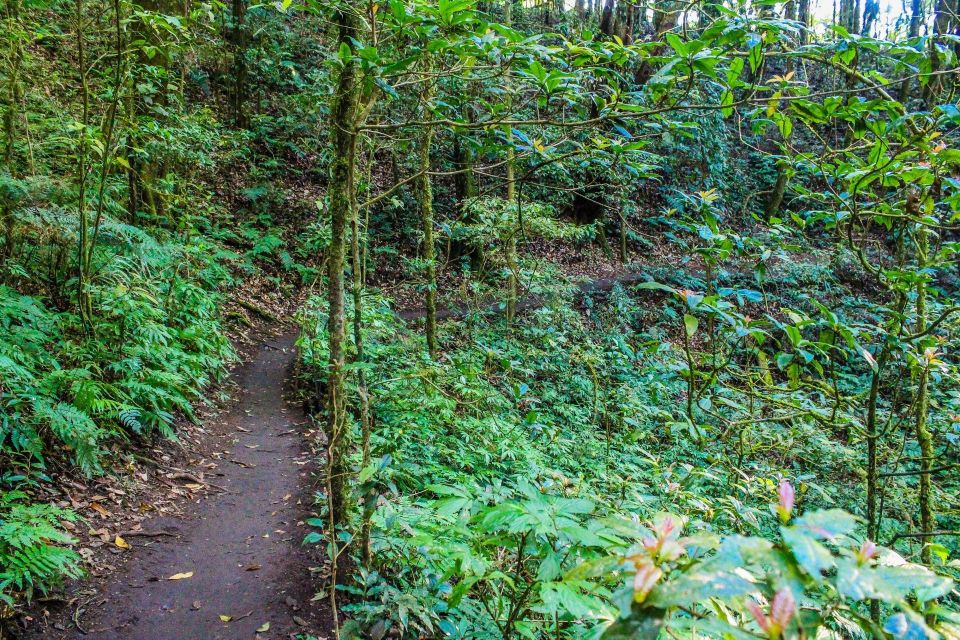
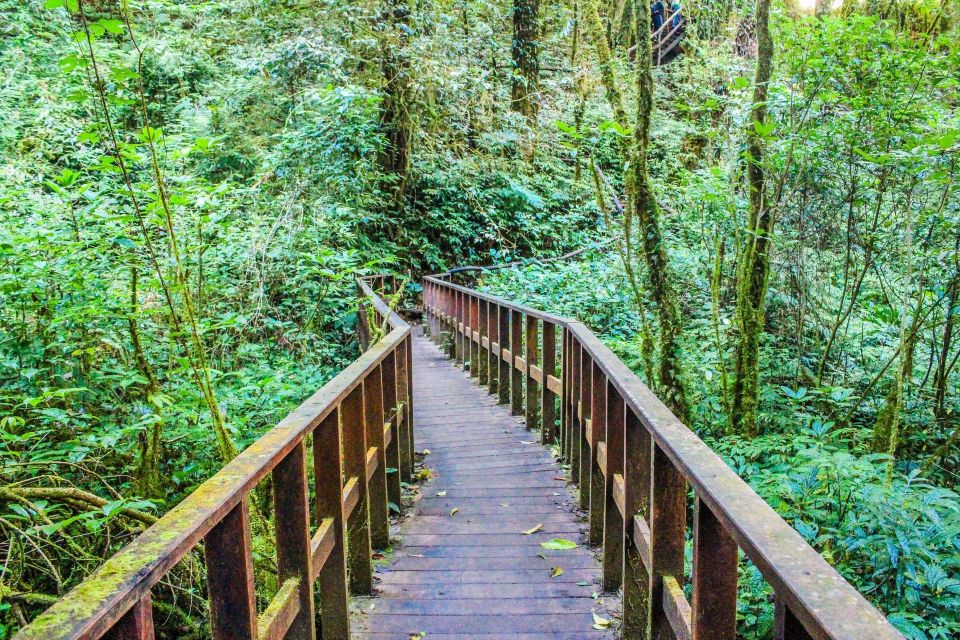
What I like is that you don’t just reach a single viewpoint and leave. The day blends forest trails, pagodas, and multiple nature stops. That matters because Doi Inthanon can look different depending on the time of day and weather. On a clear morning, viewpoints can be wide open; when it’s foggy, you’ll often get a softer, muted view of layers in the hills instead.
Also, this is a place shaped by conservation. The tour connects the mountain experience to the forest vision of King Inthawichayanon. It’s the kind of context that helps you understand why these areas are protected, instead of just treating them like a scenic stop.
You can also read our reviews of more tours and experiences in Chiang Mai.


Hotel pickup and the “joint tour” rhythm
You start with hotel pickup in Chiang Mai’s Old Town and Nimman areas. Pickup time begins between 08:00 and 08:30, and the operator confirms the exact time by email. Plan to be ready at your lobby about 10 minutes early. Since it’s a joint tour, the guide may pick up guests in order, so you might wait a bit if someone else is scheduled first.
Once you’re on the road, expect a full day of driving between stops. That’s not a bad sign. Doi Inthanon is far enough that you’ll be using the van time productively, not just sitting for nothing. Still, it’s smart to accept the reality: you’re doing a lot in one day.
One practical note: some guides are praised for keeping energy high with stories and quick explanations, while communication can vary by guide. The tour is listed as English/Thai, but clarity can still depend on the individual guide. If you care about details, it helps to ask questions early when you’re still fresh.
The King and Queen Pagodas: dress code you should not ignore
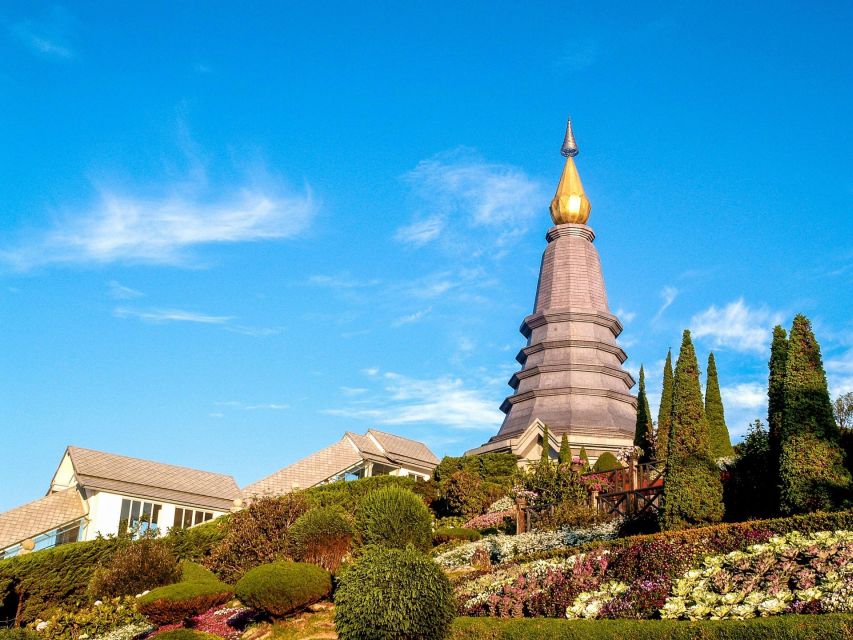
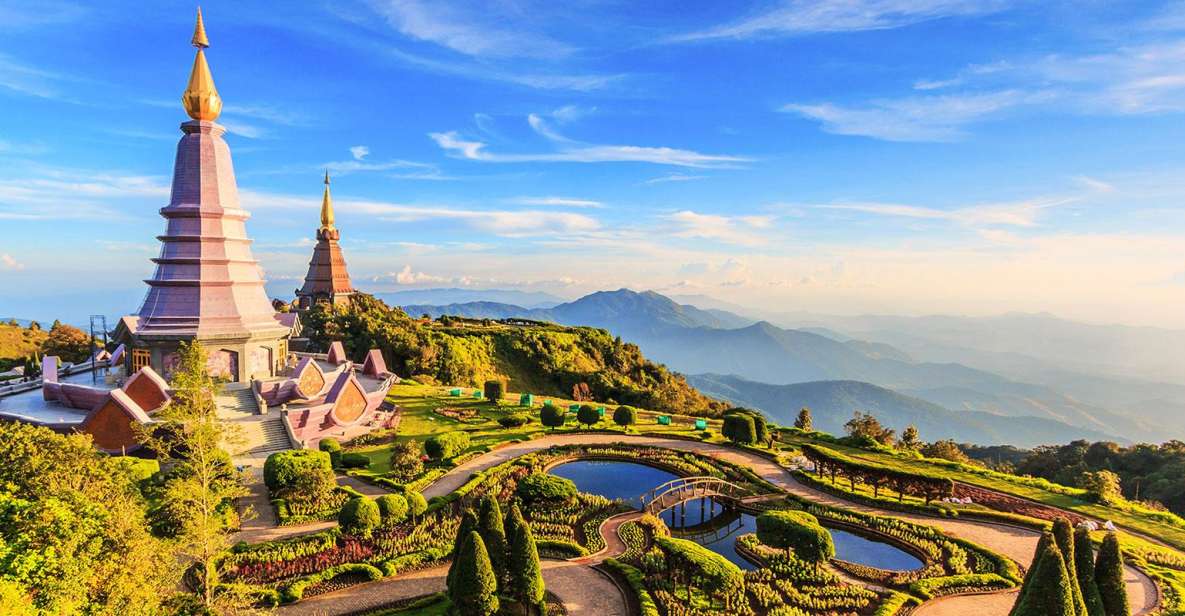
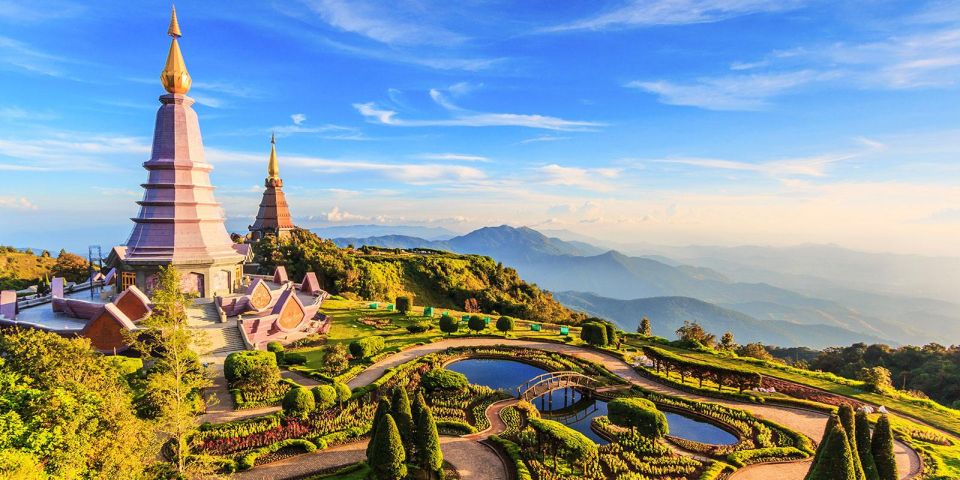
The King and Queen Pagodas are one of the day’s most important cultural stops. They’re also the place where the tour asks you to dress correctly. This isn’t just for show: you’re visiting sacred sites, and the rules are simple.
Bring casual clothing that follows this guidance:
- No tank tops (a T-shirt is fine)
- No short pants (long jeans or similar is recommended)
- No flipper shoes (sneakers or sports shoes are okay)
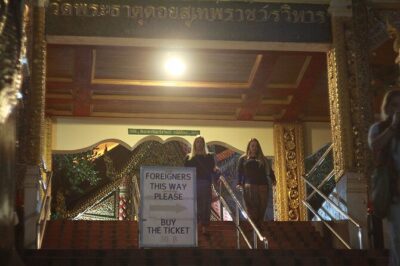
The admission tickets are not included, so you’ll need to pay the pagodas entry on your own. For many people, this is the most visually striking moment of the day after you’ve already made the climb. Even when views are limited by fog, the pagodas themselves still feel like a strong end cap to the morning.
I also like that the pagodas connect back to the mountain’s conservation legacy. It turns the day from a simple nature excursion into a place with meaning.
Waterfalls at Doi Inthanon: Wachirathan or Sirithan in real life
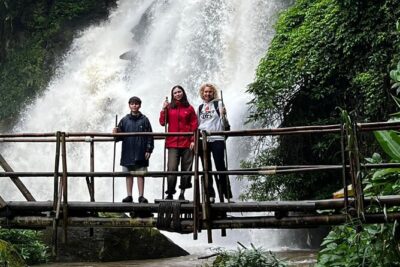
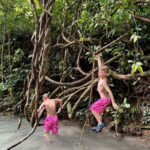
Waterfalls are the big natural payoff, and the tour focuses on Thai waterfall sites such as Wachirathan or Sirithan. The important thing to know is that waterfalls here are all about timing and recent weather. After rain, the flow can feel powerful and satisfying. After dry periods, they can be quieter than you might expect from photos.
Most of your walking during waterfall stops is usually manageable. That’s good if you’re not trying to hike for hours. Still, keep your expectations aligned: each stop is time-limited, so you’ll likely spend around an hour (give or take) at each main location rather than having a long free-form wander.
If you’re the kind of person who loves taking your time with viewpoints, you might feel a bit rushed. If you’re okay moving from moment to moment and letting the guide handle timing, the waterfall portion tends to be a highlight instead of a blur.
The Roof of Thailand viewpoint and the fog factor
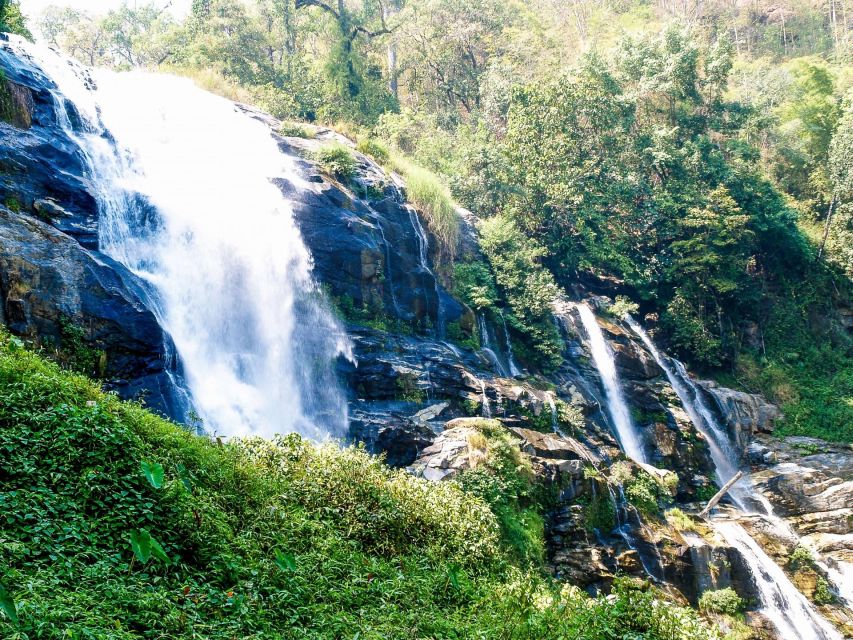
The day is designed to show you mountain views from the Roof of Thailand zone, near the highest ground in the park area. And here’s the honest heads-up: weather controls your photo results. Fog can reduce visibility at the viewpoints, including near the pagodas.
When it’s foggy, don’t treat it as a failure. The mountain atmosphere becomes more about atmosphere than distance. You still get the feeling of being above the city, with forests and clouds doing the framing for you. If your main goal is a sharp panoramic view, it helps to go with flexibility and don’t anchor your expectations on one specific photo.
What’s smart: wear layers you can adjust. Even if it’s not freezing, mountain air can feel cooler than Chiang Mai at street level. Bring something light you can put on quickly, especially if mist is hanging around.

Karen and Hmong hill tribes: market first, village time after
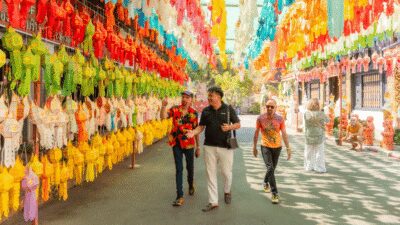
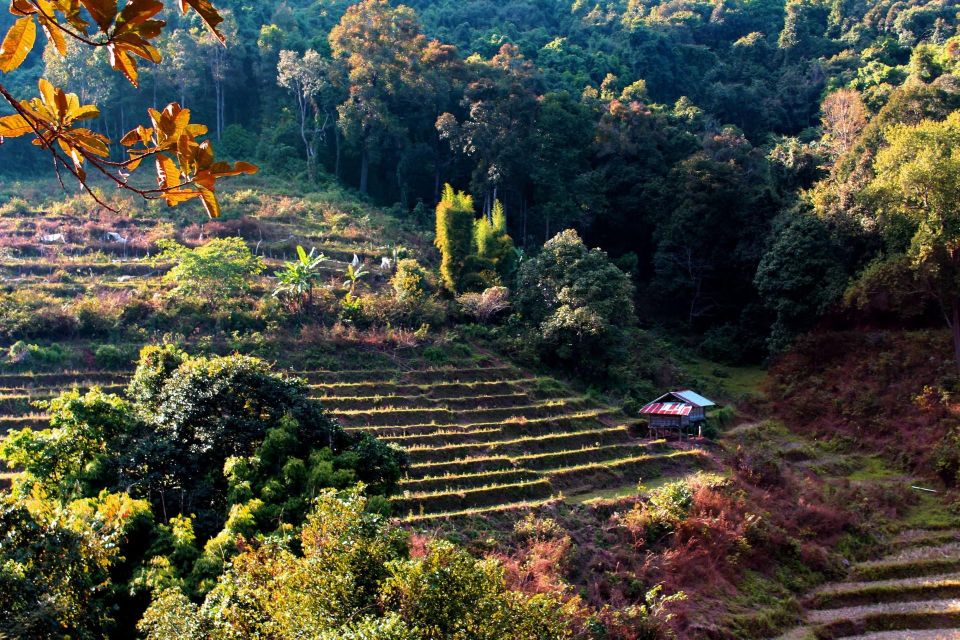
One of the most meaningful parts of the tour is meeting the Karen and Hmong communities around the Doi Inthanon region. The tour includes a local market stop and then village time. This is where the day turns from scenery into people and daily life.
The market stop is a good way to ground what you see later. You’ll get a look at local goods and the rhythms of trading and community needs. Some people also mention coffee or tea tasting experiences during the market portion, which makes the stop feel more interactive than a quick walk-by.
Then you shift to the village visit. Village time often means slower conversation and more opportunities to ask questions about traditions, daily routines, clothing, and how life works in a mountain setting. Many guides are praised for making this portion feel respectful and understandable, not like a forced museum stop.
A practical reminder: this tour is not just “observe from the road.” You’ll be walking and standing outdoors at times, so comfortable shoes matter. Also, be patient with the schedule. Cultural stops happen on a set timeline, and some people wish there had been more time. If you’re the type who could spend hours chatting, do some extra questions early so you leave with the stories you care about.
Lunch on the mountain: a set menu that varies in satisfaction
Lunch is included as a set menu. That’s a big value point because it saves you from hunting for food halfway up the mountain. The tradeoff is that set menus can be hit-or-miss depending on what you personally like.
I’ve seen comments that lunch can feel basic for some people, while others find it perfectly fine after a morning of hiking and sightseeing. The bigger truth: you’re eating in a tourist-day rhythm. If you’re a picky eater, you might want to plan mentally and keep your expectations practical.
Also, eat before you get too hungry. A tight schedule means you don’t always get long breaks. Once the day shifts into waterfall and village visits, food time can get tighter.
Guides really shape the day (Bobo, Choo, PJ, Nammy, and more)
This is one of those tours where the guide can turn a full day into a story. English-language narration helps you connect the dots: why the pagodas were built, what forest conservation means here, and how the hill tribes live beyond the stereotypes.
I’ve seen certain names come up again and again:
- Bobo gets praise for being fun, friendly, and genuinely knowledgeable in a way that keeps everyone engaged
- Choo is described as witty and packed with facts
- PJ is called funny and informative
- Nammy is praised for explaining traditions and history clearly and answering questions
That said, communication quality can vary. If you notice your guide’s English isn’t always easy to catch, don’t be shy about asking them to repeat key points or using simple questions. Your best experience here comes from participating, not just listening.
Also, a small but appreciated detail: some guides help by taking photos of the group and sharing them afterward.
Price and value for a 10-hour Chiang Mai escape
At $36 per person for a 10-hour day, the value is mostly in what’s included: round-trip air-conditioned transportation, a tour guide, lunch (set menu), drinking water, and insurance. For many people, that package is cheaper and simpler than DIYing the same route and coordinating transport with entrance fees and guide time.
But it’s not fully all-in. You still need to pay:
- National Park fee: 300 THB per adult, 150 THB per child
- King and Queen Pagodas tickets: 100 THB per adult, 50 THB per child
So you’re paying for convenience and organization first, then paying small extras for park and pagoda access. If you want maximum value, budget for those day-of fees and treat them as part of the true total.
The other value angle is time. If you’re short on days in Chiang Mai, this is the kind of outing that lets you see the mountain, major waterfalls, pagodas, and two hill-tribe experiences in one go. If you have more time and love slow travel, you might prefer staying flexible with independent transport—but for a one-day hit, this price makes sense.
Who should book this, and who should skip it
This tour fits best if you want:
- A guided day trip that covers nature + culture in one shot
- Moderate walking and sightseeing stops (not a long trek day)
- Hotel pickup from convenient areas like Old Town and Nimman
It may not fit if:
- You’re pregnant or have mobility impairments (the tour isn’t suitable for these needs)
- You need lots of free time at each stop. The day is structured, and some parts can feel short.
If your travel style is more about snapshots and stories than slow drifting, you’ll likely feel satisfied with what you get.
Should you book this Doi Inthanon tour?
I’d book it if your goal is a well-organized mountain day that includes viewpoints, waterfalls, and meaningful cultural visits without you planning routes or entrance logistics. The price is fair for a full 10-hour day, especially once you compare the cost of transport and guiding on your own.
I’d think twice if your top priority is long, quiet time at waterfalls and viewpoints. Also, if weather is often foggy where you travel, keep your expectations flexible since visibility can affect the best-view moments.
If you go in with the right mindset—cool air, possible mist, a busy but manageable schedule—you’ll come back feeling like you actually saw a different side of Northern Thailand.
FAQ
How long is the tour and when do you return?
The tour runs for 10 hours. You return to your hotel at about 05:00 p.m. to 05:30 p.m., depending on your hotel location and traffic.
What areas in Chiang Mai do you pick up from?
Pickup is available for hotels within Chiang Mai’s Old Town and Nimman areas.
What time does hotel pickup start?
Pickup starts between 08:00 a.m. and 08:30 a.m. The operator confirms the exact pickup time by email.
What fees are not included?
The national park fee is not included (300 THB per adult, 150 THB per child). King and Queen Pagodas admission tickets are also not included (100 THB per adult, 50 THB per child).
Is lunch included?
Yes. Lunch is included as a set menu.
What should I bring?
Bring a passport or an ID card. A copy is accepted.
Is there a dress code for the pagodas?
Yes. You must dress casually and honor the site rules: no tank tops, no short pants, and no flipper shoes. Sneakers are okay, and a T-shirt is fine.
What languages does the tour guide speak?
The tour guide speaks English and Thai.
Is the tour refundable if plans change?
Yes. Free cancellation is available up to 24 hours in advance for a full refund.
Is this tour suitable for pregnant travelers or mobility impairments?
No. The tour is not suitable for pregnant women or people with mobility impairments.