REVIEW · CHIANG MAI
From Chiang Mai: Kerchor Eco Elephant Park Tour
Book on GetYourGuide →Operated by Kerchor Elephant Eco Park · Bookable on GetYourGuide
Muddy water, big smiles, and elephants up close. On a day trip from Chiang Mai, I loved the chance for close elephant interactions—feeding, walking, and even bathing one elephant in the stream—while also appreciating how the park staff explain eco-friendly elephant care. My only real caution is the Thai lunch can be basic depending on what you get, so don’t treat it like a foodie destination meal.
The vibe at Kerchor feels calm and well managed. Guides (names you may hear like F, Fa’, NamNam, or P’E) keep things moving without turning the elephants into a ride, and there’s time for questions, with a veterinarian showing up in at least some tours to answer elephant health concerns.
This is also a hands-on, sometimes muddy day, so you’ll enjoy it more if you dress for mess and heat. Bring the right gear, follow the no-noise rules, and go in expecting a lot of elephant time, not a rushed checklist of photos.
In This Review
- Key highlights you’ll feel immediately
- Entering the day: Chiang Mai pickup and your 5.5-hour time window
- Kerchor orientation: the conservation talk that sets the tone
- Elephant time without feeling rushed: feeding, walking, and muddy play
- The stream bath: what it’s like to bathe one elephant
- Baby elephant moments and photo flow: how to get great pictures
- Thai lunch in the park: nice reset, sometimes simple food
- Park atmosphere: Karen community ties and a more human scale
- Eco-friendly care: what the park’s approach means for you
- Price and value: is $48 worth it?
- Who this tour is great for (and who should reconsider)
- Should you book Kerchor Eco Elephant Park from Chiang Mai?
- FAQ
- How long is the Kerchor Eco Elephant Park tour from Chiang Mai?
- What does the tour cost?
- What’s included in the experience?
- Is pickup from my hotel included?
- What languages is the live guide offered in?
- Is the tour wheelchair accessible?
- What should I bring for the elephant feeding and bathing activities?
- What items are not allowed during the visit?
- Can I cancel, and can I pay later?
Key highlights you’ll feel immediately
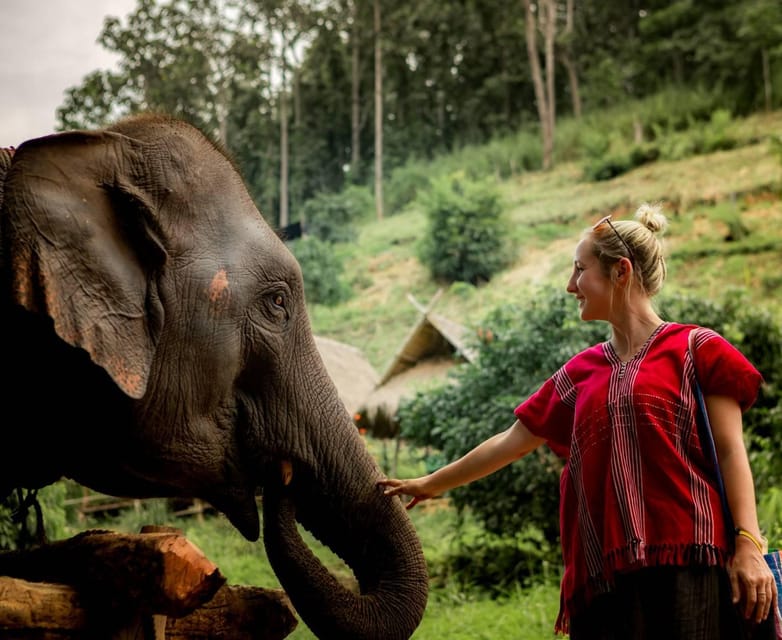
- Elephants playing in the mud: You get to watch them explore and interact in their own messy way.
- Feeding baby elephants: Many visits include baby elephants, and feeding them is surprisingly personal.
- Bathe an elephant in moving water: One elephant bath is part of the experience, not a quick stop.
- A conservation talk before you start: The staff explain how they protect elephants and keep care eco-focused.
- Thai lunch in the park after the main activities: You’ll get lunch plus water, coffee, tea, and soft drinks.
- Guides who keep it organized: English, Chinese, and Thai support, with guides often helping with photos.
Entering the day: Chiang Mai pickup and your 5.5-hour time window
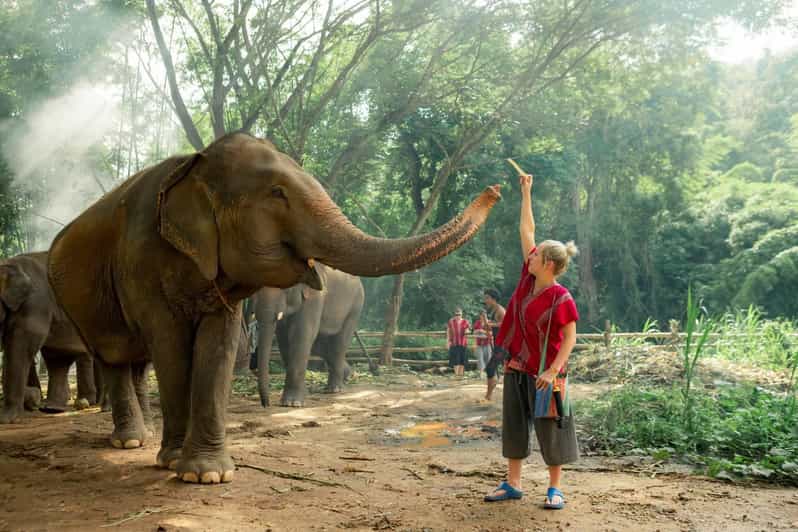
This tour is built around a full half-day that runs about 330 minutes, which is roughly five and a half hours door to door. You’ll spend time traveling out of Chiang Mai to Kerchor Eco Elephant Park, then you’ll get a long, active block with the elephants before heading back.
Pickup is included from your Chiang Mai area hotel, but there’s a catch: if your hotel falls outside the pickup zone, you’ll need to make your own way to the meeting point at the Tha Phae branch of McDonald’s. If you’re staying in Old City, you usually have an easier time; if you’re farther out, double-check your pickup eligibility so you don’t lose time.
Also plan for a van ride that can feel like part of the experience—expect to be seated and ready for some road time. The schedule is long enough that you’ll want this to be your main activity that day, not something you wedge between appointments.
You can also read our reviews of more tours and experiences in Chiang Mai.



Kerchor orientation: the conservation talk that sets the tone
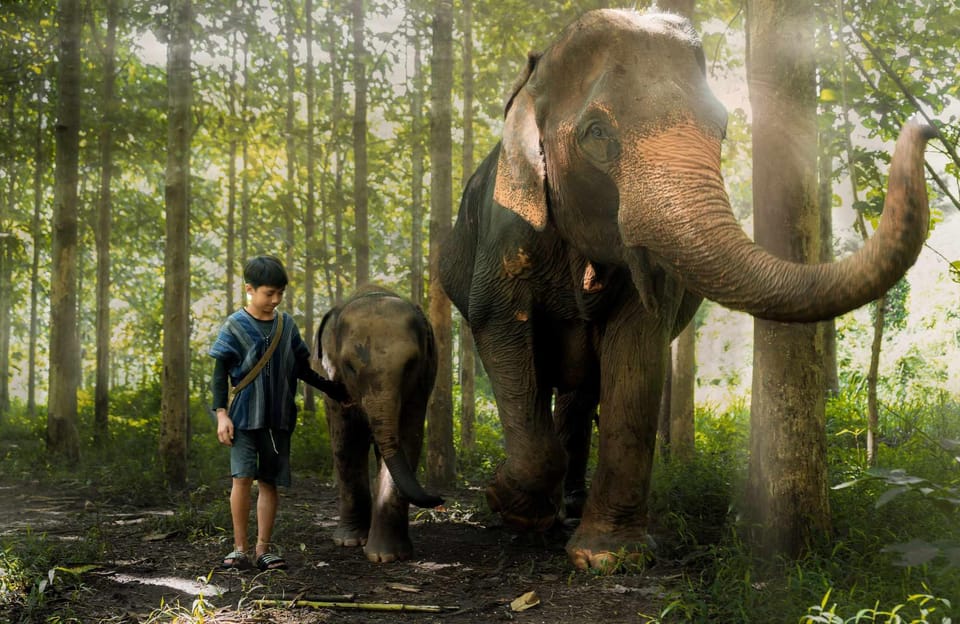
Before you get close with elephants, you’ll go through a presentation about the park’s elephant protection work and how they keep things safe and healthy. This matters more than it sounds, because it shapes how you behave once you’re in the elephant space.
You’ll also get basic instructions for interacting—how to approach, what to do, and what to avoid. The park emphasizes eco-friendly care, and your guides explain the bigger picture so the day doesn’t feel like just entertainment.
In the better moments of the day, you’ll also get real Q&A. Some tours include a veterinarian who can answer questions about elephant health, and the guides often tie what you’re seeing to daily care routines.
And one more detail that helps: the rules. The tour is clear about not making noise and not making fire. It’s a simple reminder that you’re stepping into an animal environment, not a human playground.
Elephant time without feeling rushed: feeding, walking, and muddy play
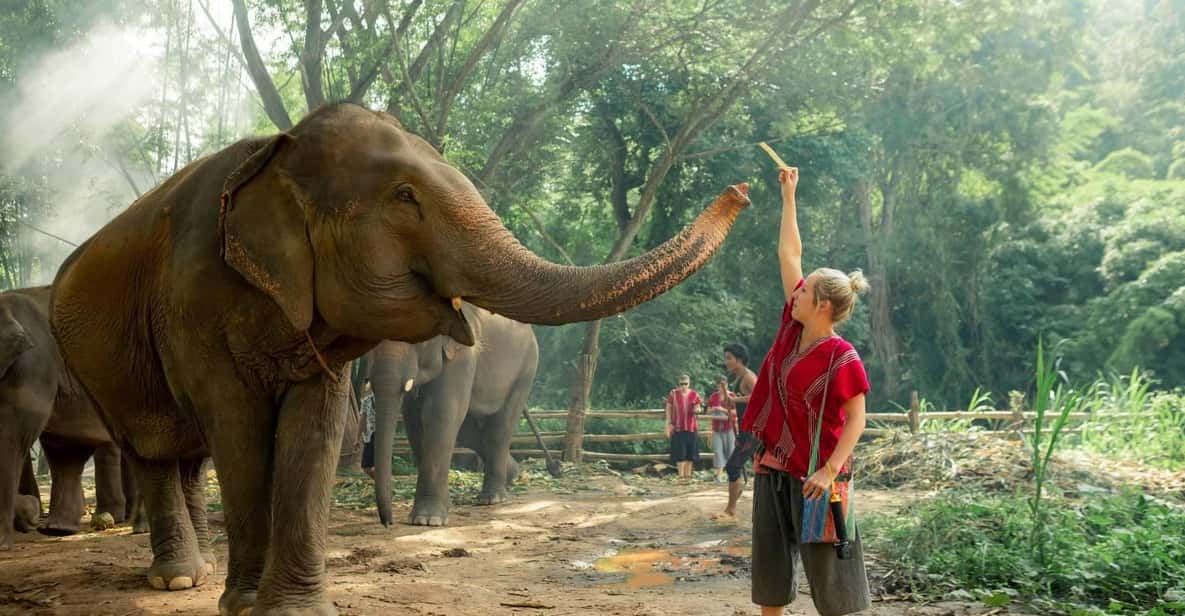
Once you meet the elephants, the day shifts into hands-on time. You’ll have opportunities for photos, and then you’ll feed the elephants their snacks. You may even see baby elephants, and multiple experiences mention two baby elephants in particular. If you’ve ever wondered what it’s like to be face-to-face with a young elephant, this is the moment.
Feeding is also where you learn the difference between being close and being intrusive. The guides keep you focused on respectful interaction—standing where they tell you, moving at the elephants’ pace, and paying attention to signals. If you follow the lead, it feels more like companion time than a forced show.
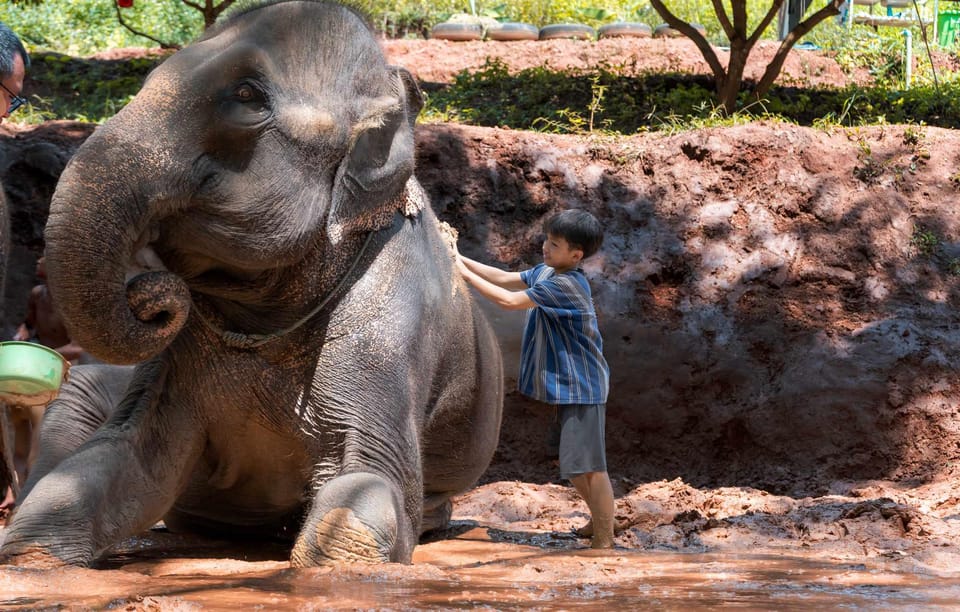
Then comes walking time. You’re not just watching from afar. You’ll walk with the elephants and spend time seeing how they explore, play, and interact with each other. A highlight is the muddy-water behavior: elephants rolling and splashing in mud can look chaotic for humans, but it’s also part of how they cool off and interact naturally.
This portion is often the emotional core of the day. It’s not just the scale of these animals—it’s the calm way you’re allowed to share a slice of their routine.
The stream bath: what it’s like to bathe one elephant
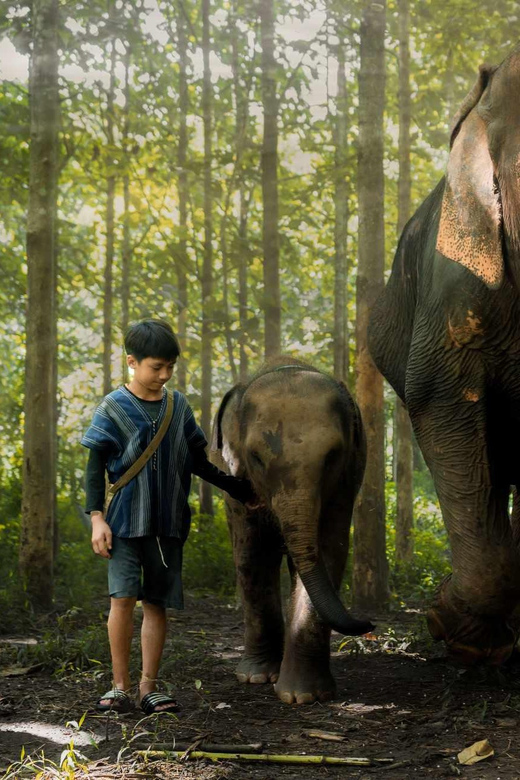
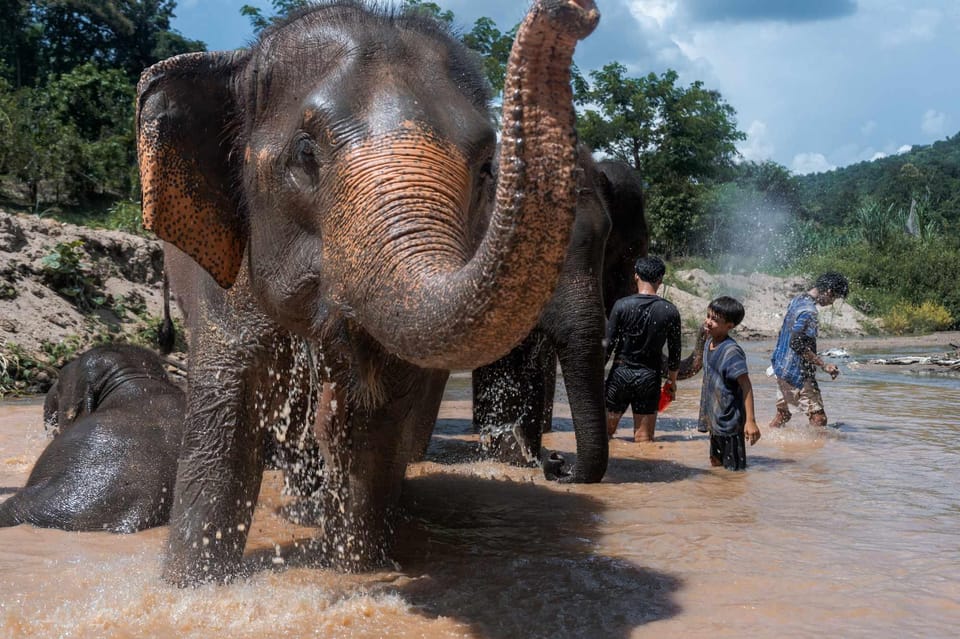
One of the most memorable parts is bathing an elephant in a flowing stream at Kerchor. This is not a dry, symbolic moment. You’ll get wet, the environment will be slippery, and you’ll want gear that handles water and mud without ruining your day.
The guides set you up for safety and then you follow their instructions during the bath. I like that you’re not left to figure it out alone. People often worry about whether this will feel intimidating; the reality is that the interaction is guided and respectful.
The bath also changes your relationship with the animals. Up close, you stop treating them like a photo subject and start noticing how they respond to the caregivers and the environment—how they move, how they relax, and how they treat each other in the same space.
Practical note: you’ll likely want to keep your balance and move carefully on wet ground. Quick-dry clothing helps, and sandals are easier to manage than shoes that trap water.
Baby elephant moments and photo flow: how to get great pictures
Yes, there’s time for photos. But the best way to approach it is with a simple mindset: treat photos as a bonus, not the whole goal.
Some tours mention that elephant interactions can be gentle enough that you’ll feel like a temporary companion while they do their normal day activities—walking, exploring, and bonding with other elephants. That’s when your pictures come out better, too, because you’re not constantly posing. You’re just present.
Guides also help with photo-taking. Names that show up in this kind of experience include F, Fa’, and others, and there’s often someone around specifically to help you capture the moment. If the group is small enough, you can get more personal time and fewer long queues for a single photo spot.
One more tip: if you care about photos, keep your phone ready but don’t rush. In a water-and-mud setting, it’s easy to drop a device or soak it. Bring a small towel, and keep a dry spot for your stuff if you can.

Thai lunch in the park: nice reset, sometimes simple food
After the main elephant activities, you’ll get Thai lunch with water, coffee, tea, and soft drinks. This is a real convenience because you don’t have to hunt for food after you’re already tired and wet.
How good is the lunch? The tone is mixed. Some people loved the meal, while others describe it as average or basic. One guest mentioned a vegan meal that was basically white rice with spring rolls, which is fine if you’re hungry, but not what you’d call a highlight.
My advice: treat lunch as fuel, not a culinary quest. Eat what’s offered, then enjoy the park calm afterward.
Park atmosphere: Karen community ties and a more human scale
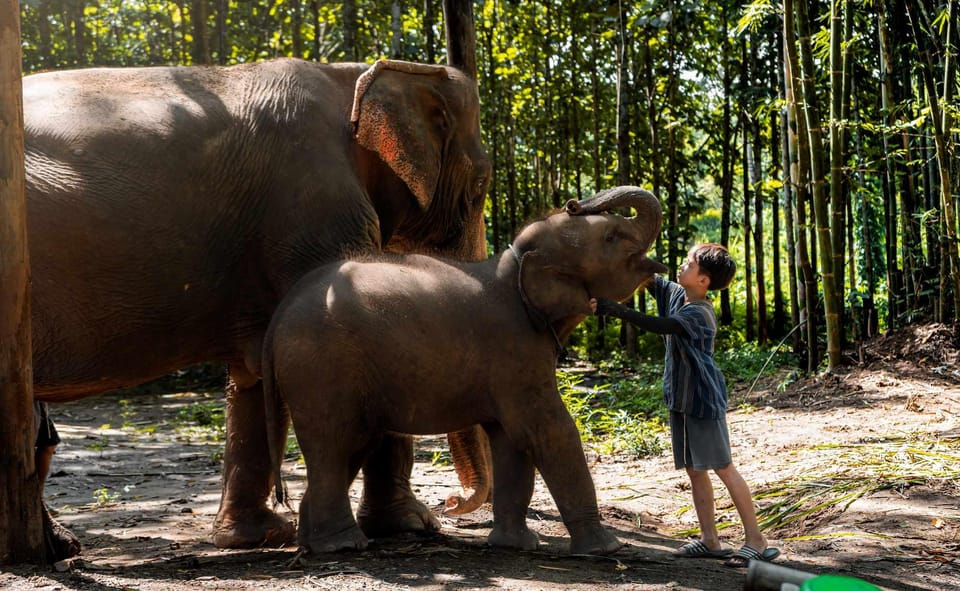
The experience isn’t only about elephants. It also connects to human culture in the area, including Karen tribe themes that guides may explain during the day.
You might see tribal shirts provided for activities. In other elephant-care experiences, these costumes can feel gimmicky. Here, the vibe is more practical—part of the cultural framing and the guided activities—so it feels less like a souvenir moment and more like part of the day’s structure.
Some guides also share extra cultural content. One account mentions lessons in Thai dyeing and learning elephant speak, which sounds playful on paper but can make the day feel more than “feed and bathe and leave.”
If you like cultural context paired with hands-on animal care, you’ll likely enjoy Kerchor more than a pure photo tour.
Eco-friendly care: what the park’s approach means for you
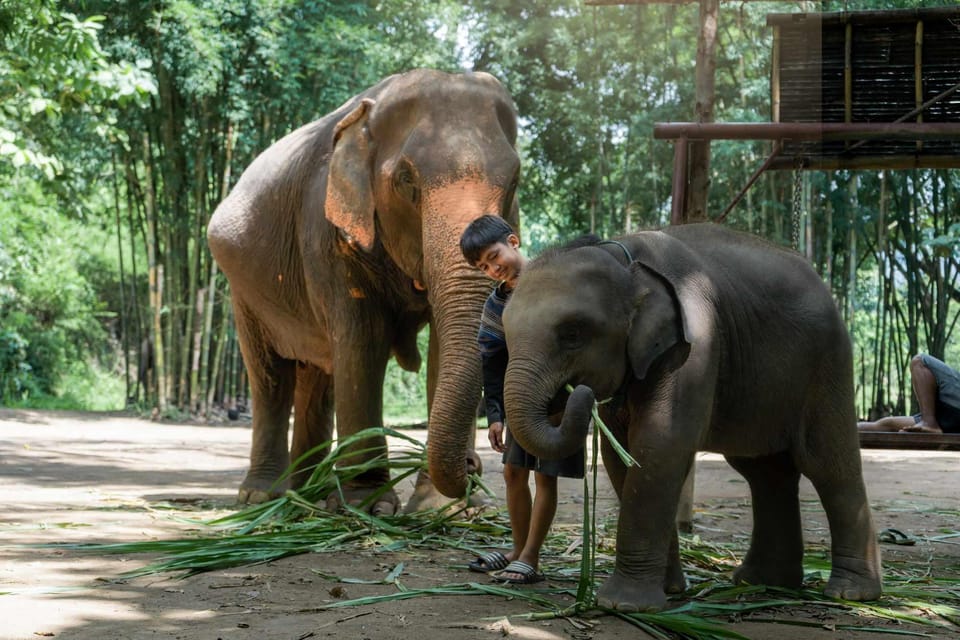
You’ll hear about eco-friendly practices and how the park protects elephants in their care. That’s not just marketing talk. It shows up in the way your day is designed.
Instead of watching staged behaviors from behind barriers, you’re allowed to participate in daily-style interactions: feeding, walking, and bathing in natural settings. You’re guided to be respectful and quiet. You spend time learning how the park keeps animals safe and healthy.
This is the kind of experience where your behavior matters. If you follow instructions and avoid noise and chaos, the day feels smoother for everyone, including the elephants.
No day is perfect, and you should still use common sense—stay with your guide, follow the no-fire/no-noise rules, and don’t try to do your own version of interaction. The park’s goal is a safer rhythm for animals and humans.
Price and value: is $48 worth it?
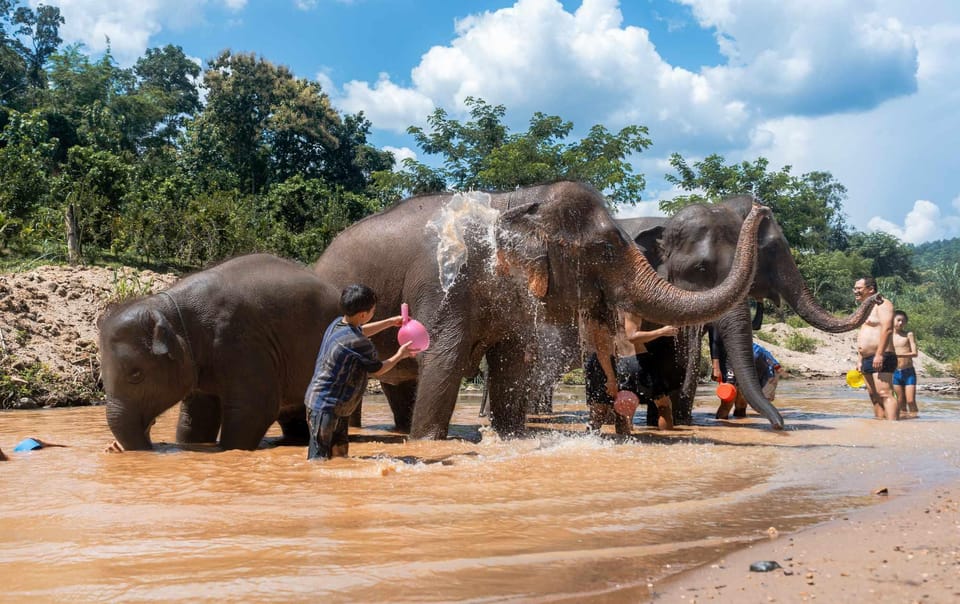
At $48 per person, the price feels fair for what you’re actually getting: round-trip transport from Chiang Mai, a guided visit to Kerchor, elephant food, tribal shirts for activities, and a full block of elephant time plus Thai lunch and drinks.
A quick way to judge value: compare this to the cost of combining transport + a guided countryside outing + an all-day elephant interaction + a meal. Most independent options in Chiang Mai end up costing more once you factor in how far you travel and how much guidance you need.
Where value can soften is the lunch quality and any delays or travel discomfort. A few experiences mention pickup can run late or the ride can be aggressive/bumpy. Those aren’t “price issues,” but they do affect how smooth your day feels.
Still, if your priority is meaningful contact—feeding, walking, bathing—this is the kind of day trip where the cost doesn’t feel padded.
Who this tour is great for (and who should reconsider)
You’ll love this if:
- you want a respectful, hands-on elephant experience rather than a distant viewing
- baby elephants are on your wish list
- you enjoy guides who explain care and health topics, not just facts for trivia
- you’re okay getting wet and muddy for a real nature-based experience
You might reconsider if:
- you’re expecting a top-tier restaurant lunch (the food is often described as average or simple)
- you want a very low-activity day (this is walking + bathing + active time)
- you’re sensitive to travel comfort. The van ride is part of the day, and a few accounts mention it can feel fast or rough
Should you book Kerchor Eco Elephant Park from Chiang Mai?
I’d book this if you want close elephant interaction with real guidance, plus a calm park setting and a chance to learn how the elephants are cared for. The combination of feeding, walking, muddy play, and a stream bath is the main draw, and the day is structured so you’re not stuck in a rushed photo line all afternoon.
Book it with one expectation adjusted: lunch is hit-or-miss. Eat it, enjoy the break, then focus on what matters most—the elephant time and the quiet, respectful atmosphere around it.
If you’re unsure, check your pickup location first. If you can get picked up easily, you’ll feel like the whole day flows better. If you have to start from the Tha Phae McDonald’s meeting point, build in extra buffer so you’re not stressed before you even get to Kerchor.
FAQ
How long is the Kerchor Eco Elephant Park tour from Chiang Mai?
The duration is 330 minutes, which is about five and a half hours.
What does the tour cost?
It costs $48 per person.
What’s included in the experience?
You get round-trip transportation from Chiang Mai, a visit to Kerchor Eco Elephant Park, tribal shirts for activities, and elephant food. The schedule also includes Thai lunch and drinks.
Is pickup from my hotel included?
Pickup is included if your hotel is within the pickup area. If it’s outside the pickup area, you must go to the Tha Phae branch of McDonald’s on your own.
What languages is the live guide offered in?
The live tour guide is available in English, Chinese, and Thai.
Is the tour wheelchair accessible?
Yes, the tour is wheelchair accessible.
What should I bring for the elephant feeding and bathing activities?
Bring a towel, sandals, sunscreen, biodegradable insect repellent, and quick-dry clothing.
What items are not allowed during the visit?
Pets are not allowed. You also can’t make noise or make fire.
Can I cancel, and can I pay later?
You can cancel up to 24 hours in advance for a full refund. You can also reserve now and pay later.