REVIEW · CHIANG MAI
Doi inthanon National Park + 2Hour Fantastic Trekking with Lunch
Book on Viator →Operated by joinusthai · Bookable on Viator
Two hours of trekking, then royal pagodas. This full-day outing in Doi Inthanon National Park mixes a guided jungle walk, big views from Thailand’s highest area, and culture stops, all with hotel pickup. I especially like the professional guiding (including explanations along the way) and the fact that lunch and admission fees are handled. The main consideration is that this is a popular, join-in route, so expect crowds and short photo waits at key stops.
The schedule is built to keep the day moving: a long morning drive, then pagodas, a seasonal trekking leg, waterfall time, and a couple of hill-tribe community visits. On top of that, the “taster” trek is often achievable for average fitness, but it still includes uphill sections and stairs.
If you want one day that feels like Northern Thailand in a single package—mountains, rainforest, waterfalls, and small villages—this is a smart pick. If you’re after a quiet, off-the-beaten-path hike with zero waiting, you’ll likely feel the difference.
In This Review
- Quick Take: What Makes This Day Work
- First Stop: Getting Out of Chiang Mai and Up to Doi Inthanon
- The Highest-Peak Area: Pagoda Views and a Big Northern Thailand Fix
- The 2-Hour Trek: What the Jungle Walk Really Feels Like
- Which trek you’ll do depends on the season
- Waterfall Time: Wachirathan Falls and Getting a little wet
- Karen Village and Hmong Market: Culture Stops That Don’t Feel Like a Drive-By
- Ban Mae Klang Luang (Karen village)
- Thai Hmong Community Market
- Lunch and Refreshments: Vegetarian Options and Real-Life Expectations
- Don’t fully trust the water quantity
- Admission Fees, Insurance, and the Guide Team
- Price and Value: What $50.80 Buys You in Real Life
- Who This Tour Suits Best (and Who Should Skip It)
- Booking Check: What to Bring and How to Prep
- Should You Book This Doi Inthanon Trek + Culture Day?
- FAQ
- How long is the Doi Inthanon trek and sightseeing day?
- What time does hotel pickup start?
- Is lunch included, and is vegetarian food available?
- How long is the trekking portion?
- What pagodas will we visit?
- Do we always hike to the same trail?
- Are admission fees included?
- What about transfers and the vehicle?
- Is it a small group?
- What should I bring for weather and comfort?
Quick Take: What Makes This Day Work
- Guides on the trail: English speaking guidance with a trekking specialist focused on the walk and what’s around you
- Trek time that matters: about 2 hours on a maintained nature route (seasonal trail choice changes)
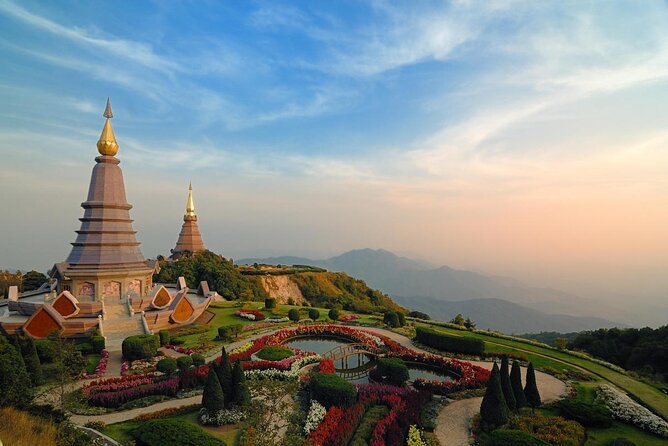
- Royal twin pagodas stop: Phra Maha Dhatu Naphamethinidon and Naphaphonphumisiri Pagoda at the top area
- Waterfall finale energy: Wachirathan Falls walk-around time with a real chance you’ll get wet
- Food is planned in: lunch included (vegetarian available) plus bottled water and refreshments
First Stop: Getting Out of Chiang Mai and Up to Doi Inthanon
Pickup starts early. Your van picks you up between 7:00 and 7:30am from your hotel or guesthouse lobby in downtown Chiang Mai, then you’ll head out with a group that may include other accommodations along the way.
It’s about a 2-hour drive to the park area before you begin stacking the day’s highlights. Because it’s a join-in tour, you should plan to be flexible with exact timing. You’ll be asked to wait in the lobby from 7:00am; the van can be delayed if it’s coordinating pickups at other stops.
One small logistics detail that matters: the van does not take carry-ons or large luggage. You’ll need to keep your stuff small enough to rest on your lap. That’s easiest if you pack a day bag with essentials and skip bulky items.
You can also read our reviews of more tours and experiences in Chiang Mai

The Highest-Peak Area: Pagoda Views and a Big Northern Thailand Fix
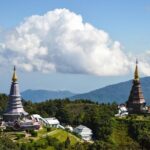
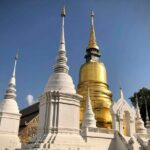
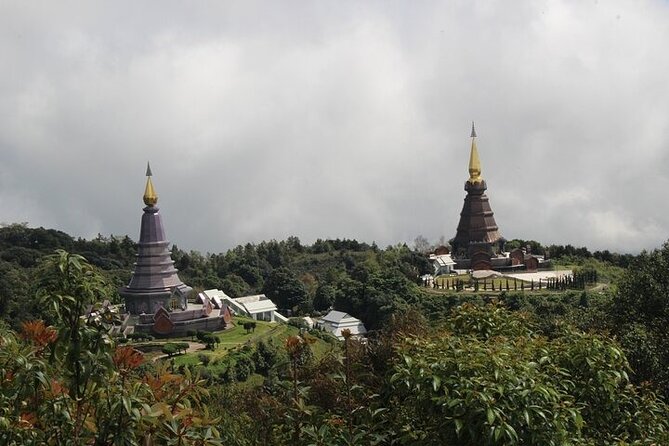
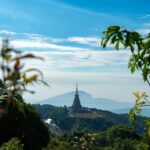
After the drive, you’ll reach the highest-peak zone inside Doi Inthanon and spend time at the pagodas—two adjacent royal structures built to honor the king’s and queen’s 60th birthdays.
This is the moment where the day shifts from “travel and arrival” into “stand still, breathe, and look.” Even when weather is gray, the pagodas themselves are worth the stop: they’re a clear visual marker that you’re in the mountains, not just visiting a waterfall.
Expect around 40 minutes at the pagoda pair. In practice, a chunk of that time will be photos plus walking the area slowly. If you’re the type who wants views more than photos, treat this as your chance to walk up, check the sky, then move on before waiting becomes a theme.
One thing to keep in mind: at higher elevations, cloud and fog can roll in. I’ve seen this kind of trip turn into mostly moody views rather than crisp panoramas, even when the hike itself goes great.
The 2-Hour Trek: What the Jungle Walk Really Feels Like
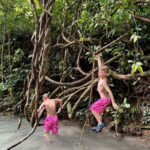
This tour’s centerpiece is a guided about 2-hour trekking segment on a nature trail in the park. It’s not an all-day grind. But it’s also not a casual stroll in flat terrain.
Paths and stairs are typically well maintained, and the trek is designed for moderate physical fitness. Reviews include examples of people with average fitness finishing comfortably, but they also point out that uphill portions and steps can feel tougher late in the trek—especially if your group has mixed walking speeds.
What I like most is the guidance focus. A strong guide turns this into more than exercise: you learn what you’re stepping around in the jungle, plus you get a bit of context about flora and animals along the way. Names that have led groups include Mit Mew, Reena, New, Chin, and Son—so you’re not just handed a map and wishful thinking.
Which trek you’ll do depends on the season
The route changes by time of year:
- May to October (rainy season): you trek the Pha Dok Siew trail toward the Pha Dok Seaw waterfall area (the tour notes this route for this season).
- November to April (cooler season): you trek around Kiew Mae Pan for the panoramic viewpoint segment.
Either way, you’re getting a real taste of forest walking inside the national park. The biggest difference is the feel of conditions: rainy months can be slippery and humid, while the winter months can feel colder up high.
If you want a simple rule: bring footwear you trust on uneven ground. If you’ve got walking poles, they can help on stairs and steep stretches, especially if you’re not used to mountain trails.
Waterfall Time: Wachirathan Falls and Getting a little wet

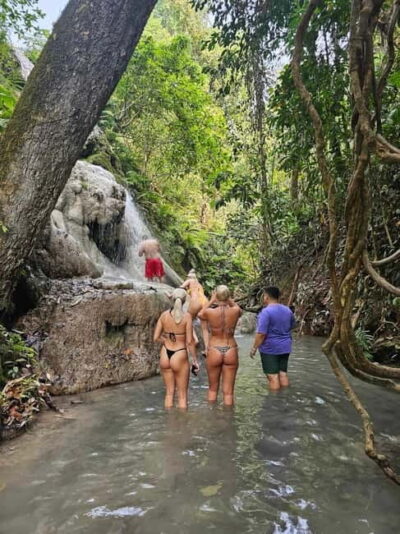
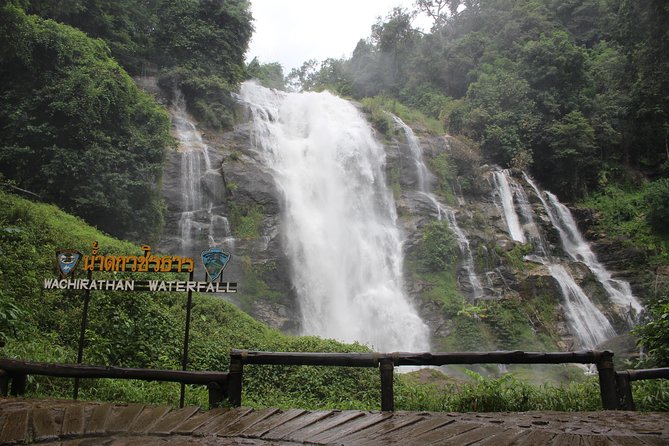
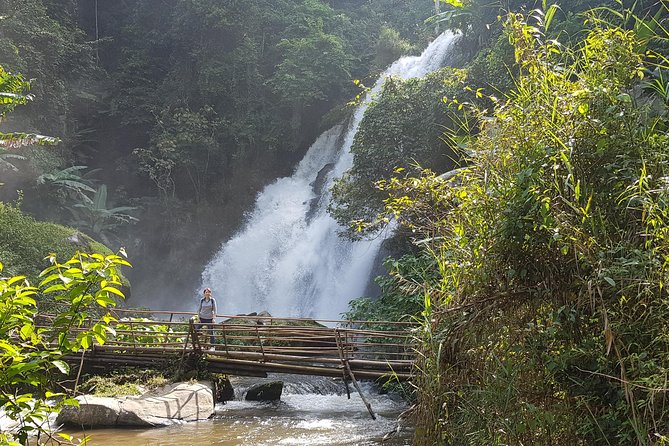
After the trekking and cultural stops, the day lands on a major payoff: Wachirathan Falls, a 70-meter waterfall. You’ll have about 30 minutes to enjoy the area and walk around.
This is one of those stops where expectations should be practical. A lot of waterfall time means mist, spray, and slick surfaces. Some people on similar days come away needing a quick towel-up and a change of clothes—so I’d pack one if you hate getting damp.
If you’re traveling in the rainy season, the odds of spray go up. Even if the rain eases, the waterfall itself can still deliver that thunderous misty effect the route is known for.
You can also read our reviews of more hiking tours in Chiang Mai


Karen Village and Hmong Market: Culture Stops That Don’t Feel Like a Drive-By
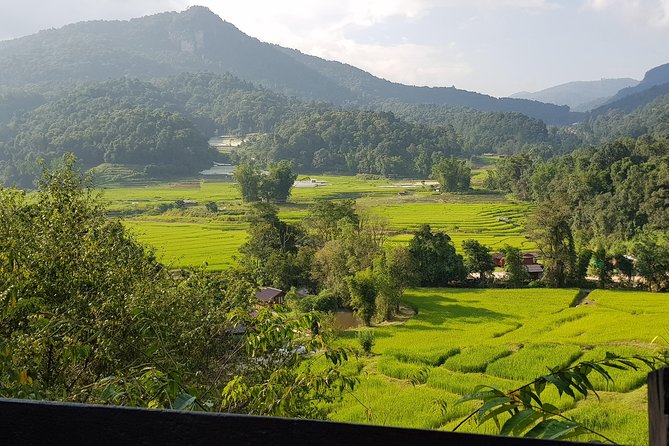
Two community visits anchor the afternoon: the Karen village area and then a Hmong market.
Ban Mae Klang Luang (Karen village)
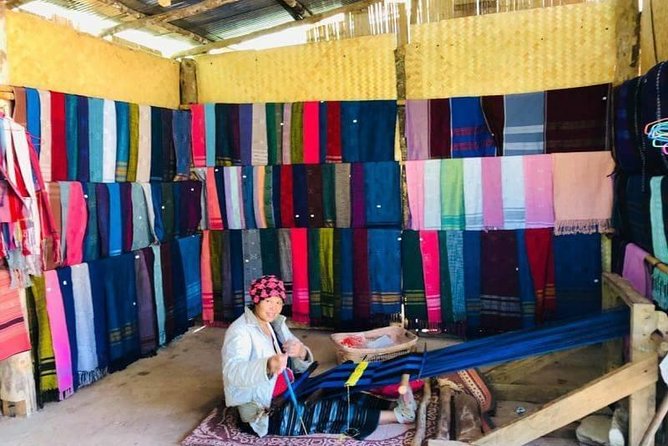
You’ll spend about 45 minutes at the Karen hill tribe village of Ban Mae Klang Luang. The emphasis here is daily life and traditions, including traditional clothing weaving by local women and organic coffee grown in the area.
I like this stop because it’s not just a photo corner. You’ll also have a chance to try local coffee drinks. Some groups report tasting coffee shell tea and enjoying a bean-to-cup style setup, and that fits what the village is known for in this itinerary.
One caution: this part of the day is still part of a structured tour, so you’ll be sharing time with other groups. You can keep it authentic-feeling by being patient, respectful, and staying curious rather than rushing for proof shots.
Thai Hmong Community Market
Next is a shorter 10-minute stop at the Hmong market. This is more of a quick browse than a deep dive. You’ll generally see fresh vegetables, handmade goods, and products from the mountains.
If you want souvenirs, this is when you should decide. Don’t rely on finding time later in the day because the itinerary is packed and the market stop is intentionally brief.
Lunch and Refreshments: Vegetarian Options and Real-Life Expectations
Lunch is included, and vegetarian food is available. You’ll also get bottled water and refreshments during the day, plus admission fees are covered.
In terms of quality, lunch seems to land in the middle-to-positive zone: several people describe it as delicious and fresh, and a number mention a buffet-style layout where you can eat enough to reset your energy for the waterfall and last leg of the day.
Still, I’d manage expectations. Not every day hits the same flavor notes for everyone. If you’re picky, it’s worth assuming this is a practical tour lunch—not fine dining.
Don’t fully trust the water quantity
Here’s a key practical point: the tour includes bottled water, but at least one review experience described the amount as light for a hot, humid jungle walk. So if you run warm, are sweating a lot, or you’re trekking in shoulder-season heat, bring your own extra water if you can.
Also pack your snacks only if you’re comfortable carrying them. The van restricts big luggage, but small snacks in a day bag are fine.
Admission Fees, Insurance, and the Guide Team
This trip includes the admissions you need for the listed park and stops, plus a licensed English speaking guide. You also get a highly expert trekking guide, and travel accident insurance is included.
For me, this is where the value comes from. When admissions and a proper guide are already built in, you stop thinking about logistics and start focusing on the day.
Also, the guiding style matters on a structured route. Multiple guides have been praised for keeping groups together, explaining flora and animals, and staying responsive to questions while maintaining a steady pace.
Price and Value: What $50.80 Buys You in Real Life
At $50.80 per person, this tour is priced like a solid day package rather than a premium private guide.
Here’s what you’re paying for, in a way that actually matters:
- Round-trip hotel transfer within downtown Chiang Mai
- Air-conditioned vehicle for the long drive
- Admission fees
- Licensed English speaking guidance and trekking leadership
- A guided hike component (about 2 hours)
- Lunch plus bottled water and refreshments
If you tried to DIY it, you’d likely spend time coordinating transport, paying multiple entry fees, and figuring out seasonal trail choices. Paying for a structured day can be worth it even if you’re already traveling budget-smart.
The one tradeoff is that a join-in route means you share time with others. You may feel crowds at the most popular checkpoints, and a few people report the day can feel like short stops plus waiting rather than constant movement.
Still, if your goal is a high-impact overview of Doi Inthanon without spending a day planning and commuting, this pricing usually makes sense.
Who This Tour Suits Best (and Who Should Skip It)
This is a good fit for you if:
- You want a one-day mix of rainforest trekking, pagodas, and waterfall scenery
- You prefer a guided experience with explanations rather than solo wandering
- You like the idea of Karen and Hmong community visits without arranging everything yourself
- You’re okay with a moderate trek that includes uphill sections and stairs
It’s not the best fit if:
- You want a quiet, mostly empty hiking day
- You dislike crowds and photo-wait moments around major stops
- You’re expecting a long, technical hike that feels more like real trail time than a guided segment
One more note: cloud can hide the top views, especially at higher elevations. If you’re okay with moody mountain atmosphere as a possibility, you’ll likely be happy.
Booking Check: What to Bring and How to Prep
Based on how this day plays out, I’d pack like this:
- A light raincoat or umbrella for rainy season days
- Long trousers for comfort on uneven ground and cooler higher areas
- Good shoes with grip
- A small day bag that fits your “lap-friendly” transport needs
- Optional walking poles if you like extra stability
- A light layer for upper-elevation chill (especially in cooler months)
- If water runs short for you personally, bring extra
And if you’re sensitive to weather changes: understand that timing can shift due to conditions. This is a park day, so flexibility is part of the deal.
Should You Book This Doi Inthanon Trek + Culture Day?
I’d book it if you want one well-organized day that hits the major Doi Inthanon highlights: royal pagodas at the top zone, a guided 2-hour trek on a maintained trail, Wachirathan Falls, and short culture stops with Karen and Hmong communities.
I’d skip (or choose a different style of tour) if your top priority is quiet nature time with minimal crowds and near-constant hiking. This route can feel busy because it’s popular and it’s designed to cover a lot of stops in one day.
If you’re choosing between “do the highlights” and “do a long private hike,” this tour leans firmly toward the first option—and for the price, it’s a practical way to see a lot of Northern Thailand without doing the planning math yourself.
FAQ
How long is the Doi Inthanon trek and sightseeing day?
The tour runs for about 11 hours (approx.).
What time does hotel pickup start?
Pickup is offered from your hotel or guesthouse lobby between 7:00 and 7:30am.
Is lunch included, and is vegetarian food available?
Yes. Lunch is included, and vegetarian food is available. Bottled water and refreshments are also included.
How long is the trekking portion?
The trekking tour includes about 2 hours of hiking with a professional guide.
What pagodas will we visit?
You’ll visit the Phra Maha Dhatu Naphamethinidon and Naphaphonphumisiri Pagoda pair.
Do we always hike to the same trail?
No. From May to October, you trek the Pha Dok Siew trail. From November to April, the trekking route is at Kiew Mae Pan instead.
Are admission fees included?
Yes. Admission fees are included.
What about transfers and the vehicle?
Round-trip hotel transfers are included within the downtown area, and you travel in an air-conditioned vehicle.
Is it a small group?
It’s described as a join-in tour with small group attention, and it lists a maximum of 90 travelers.
What should I bring for weather and comfort?
From May to October, it’s rainy season and the tour runs on rainy days, so bring an umbrella or raincoat. Also note that carry-ons or large luggage aren’t accommodated in the van—only items that can fit on your lap. Water is included, but you may want extra if you expect to drink a lot during humid jungle walking.